Audio-Technica Over-Ear Mics
Browse Audio-Technica over-ear mics for hands-free voice pickup during presentations and performances. As you compare ear-worn microphones, check fit, connector type, and compatibility with your sound system or wireless transmitter to find an option that works with your setup.


FAQ
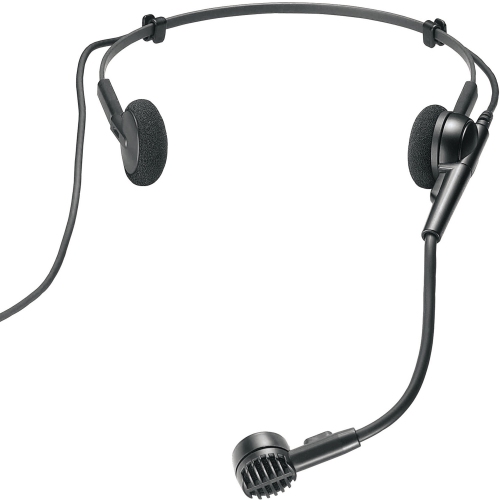
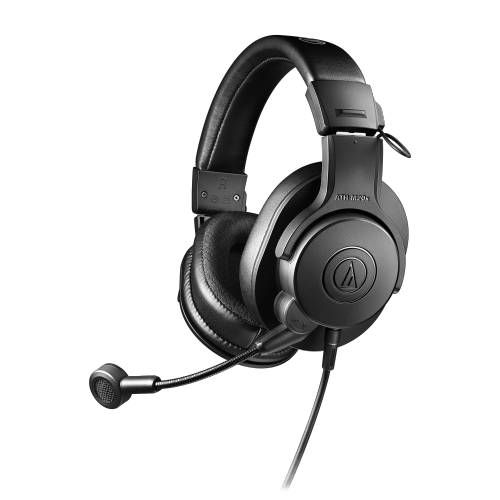
An over-ear microphone is a wearable mic that rests around the ear and positions a microphone capsule near the mouth. It captures your voice without requiring you to hold a microphone, making it a hands-free option for presentations, instruction, and live performances.
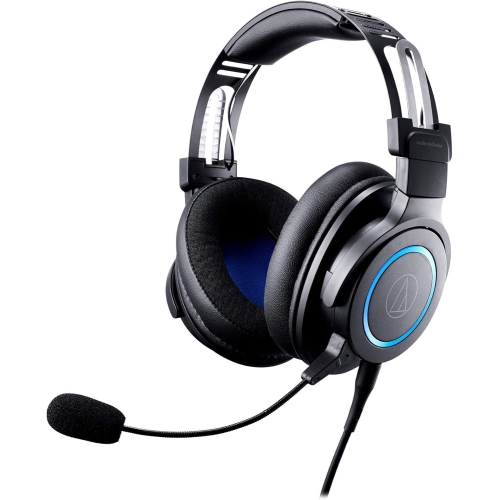
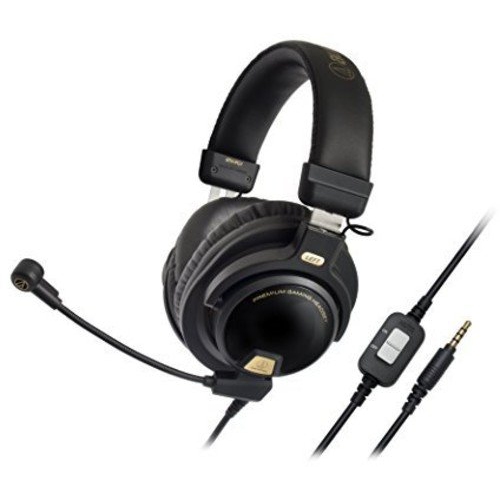
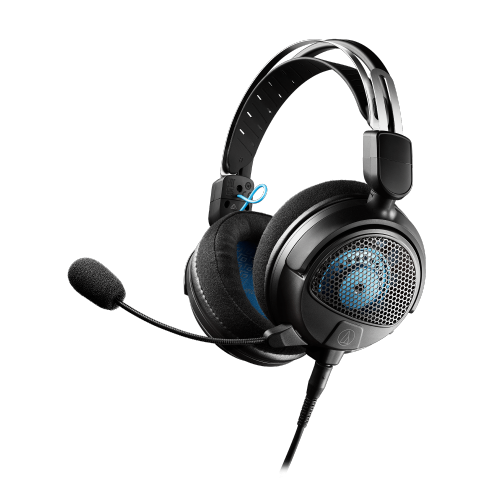
Over-ear microphones are designed to capture your voice and do not necessarily include earpieces for listening. Headphones with a built-in mic combine audio playback and voice capture. Choose based on whether you need a microphone alone or both listening and speaking functions.
Some over-ear microphones connect by cable to a bodypack transmitter, which sends audio wirelessly to a receiver. The microphone must match the transmitter’s connector, wiring, and power requirements. Check compatibility rather than assuming that microphones and transmitters from the same brand work together.
The pickup pattern describes the directions from which a microphone captures sound. An omnidirectional pattern picks up sound from all directions, while a directional pattern, such as cardioid, primarily picks up sound from a particular direction. Check the microphone’s specifications to identify its pattern.
Check the microphone’s connector type, wiring, and power requirements against the input specifications of your audio equipment. Some connections require a compatible power module or adapter. A connector that physically fits does not necessarily mean the microphone and audio input are compatible.
Top selling and popular products
Discover more categories related to Audio-Technica Over-Ear Mics
Some products may be subject to Environmental Handling Fees (EHF) depending on your province. Learn more about EHFs.