Active Lifestyle
Whether you're a fitness enthusiast, outdoor adventurer, or someone who simply enjoys staying active, our Active Lifestyle collection has everything you need to elevate your daily routine. From high-performance fitness equipment to stylish athleisure wear and innovative gadgets designed to enhance your workouts, we've curated a selection of products that will help you lead a healthier and more active lifestyle. Explore our range of items that cater to all levels of activity and discover new ways to stay motivated and energized every day.
Sort


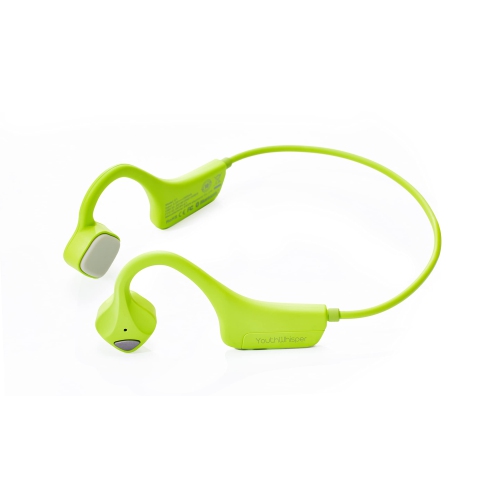


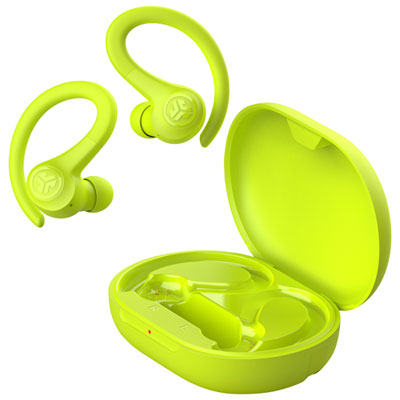

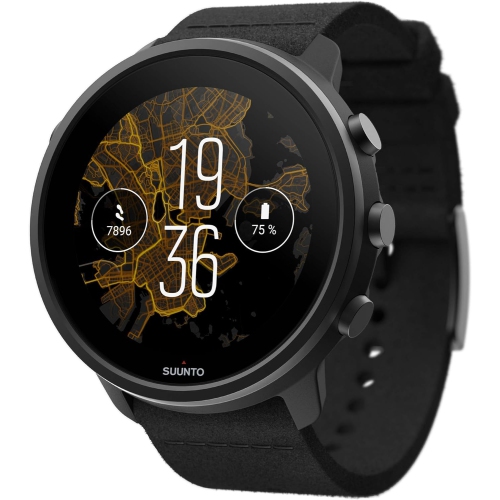
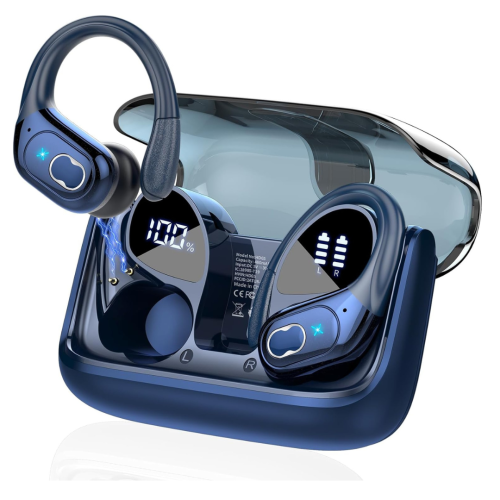
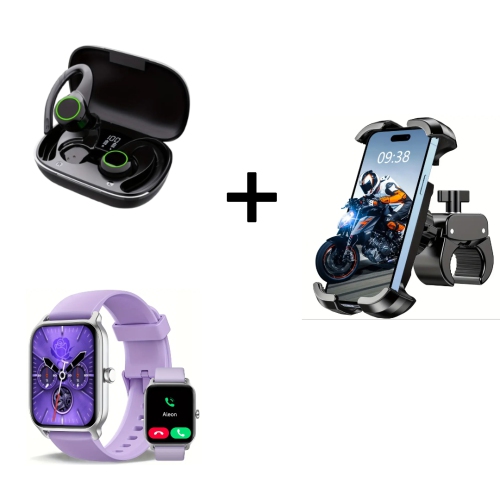

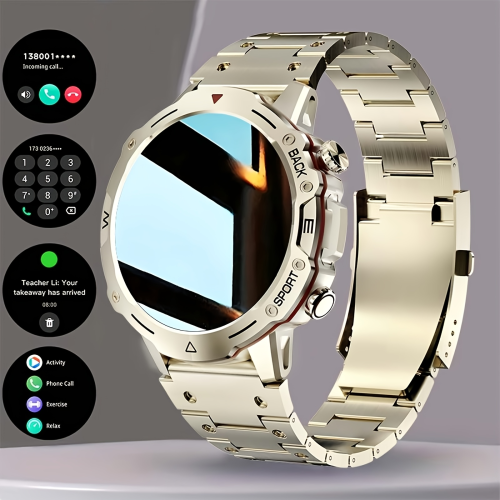

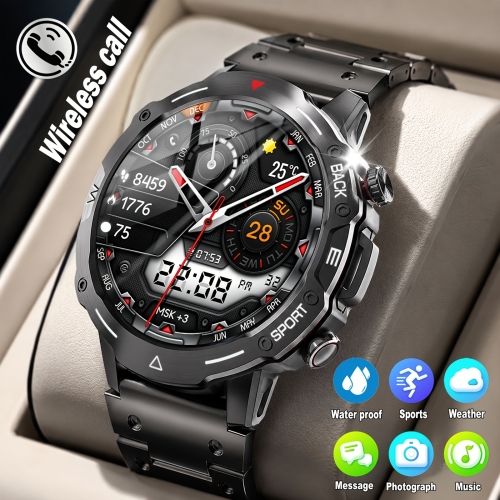
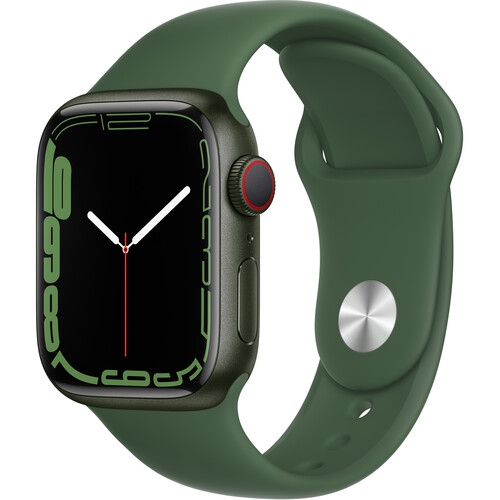
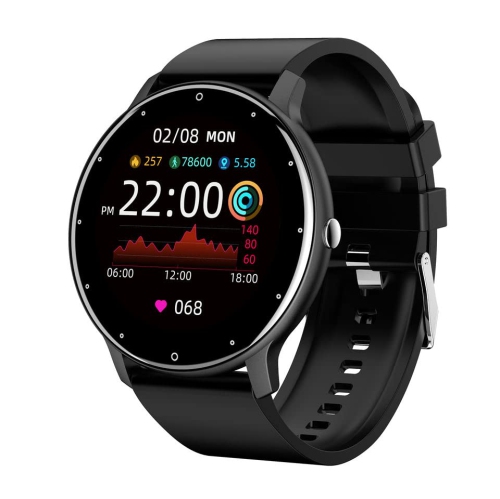

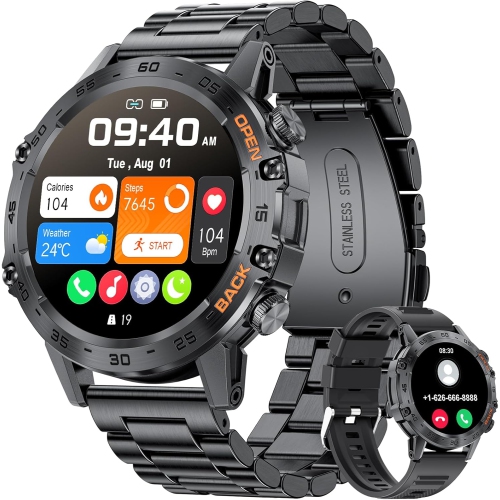


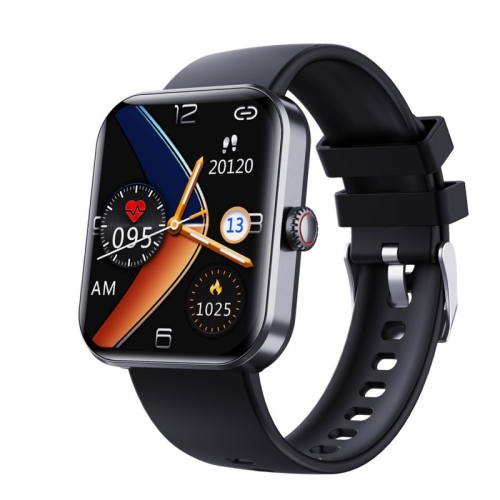


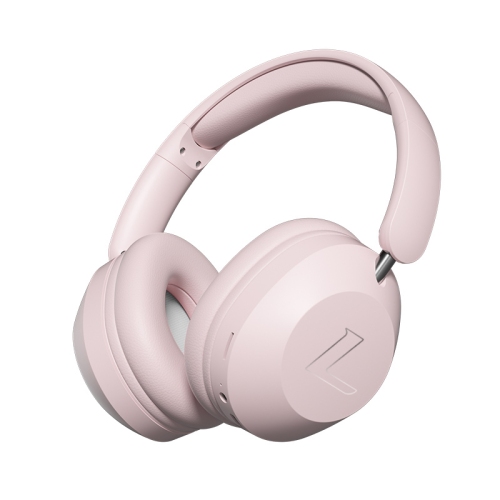
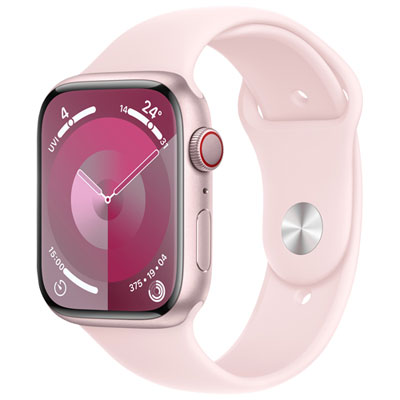
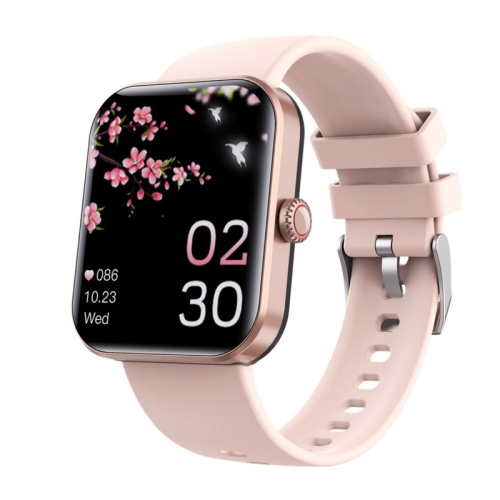


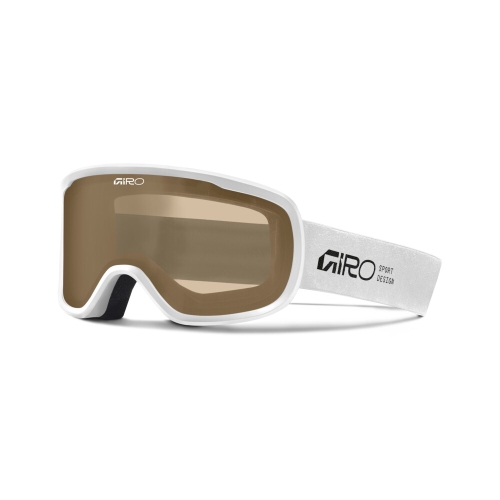

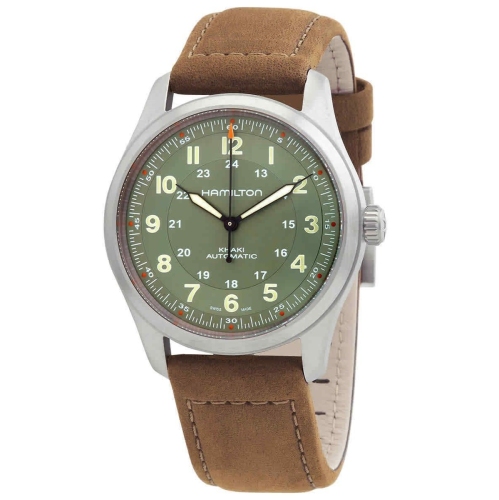
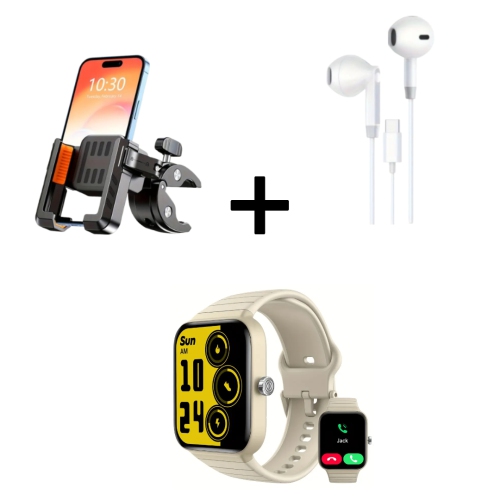


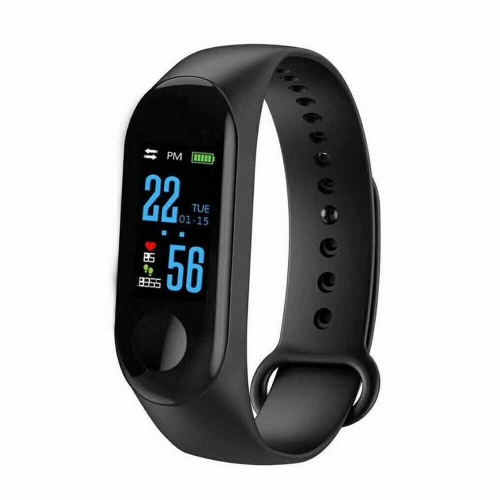
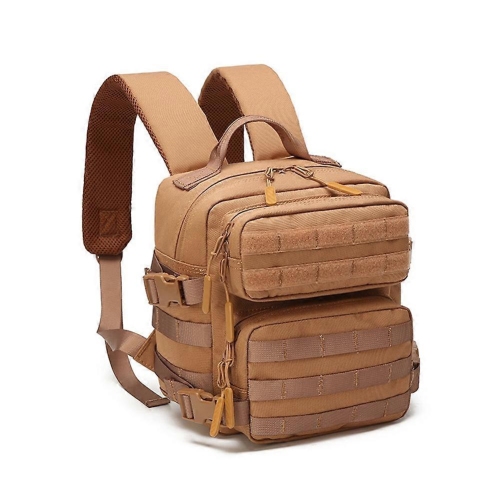
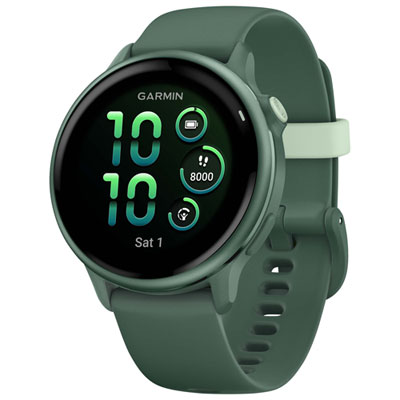
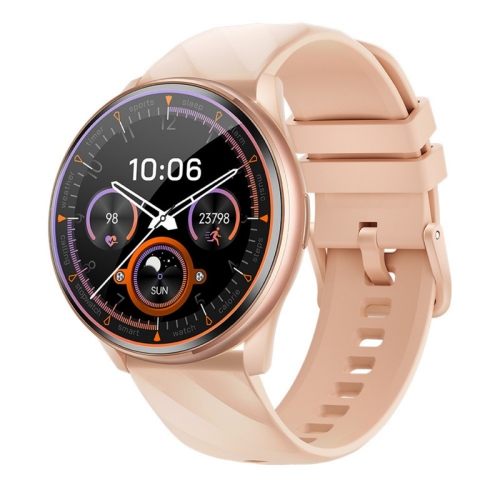
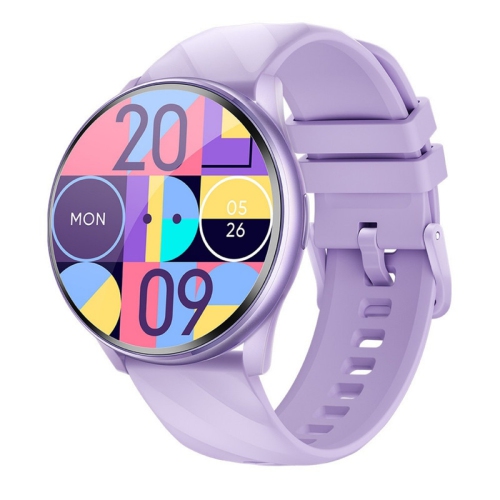
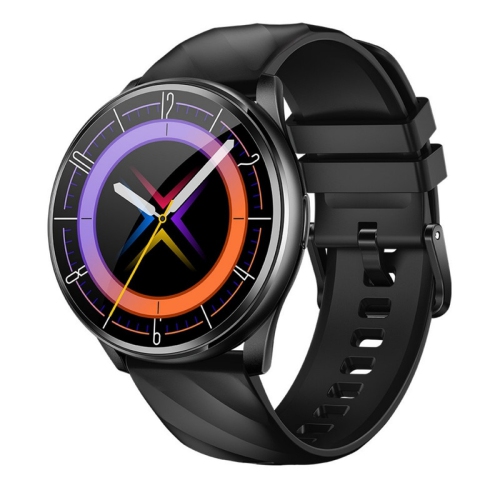
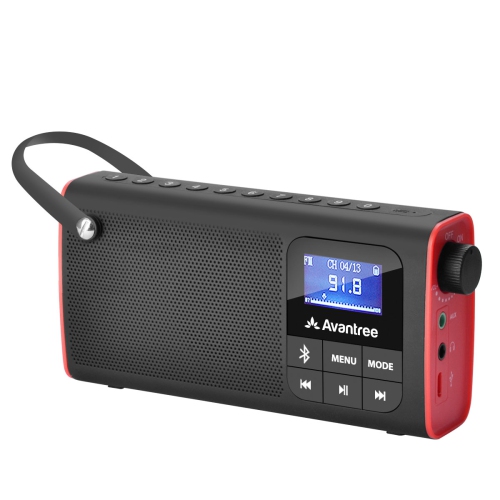





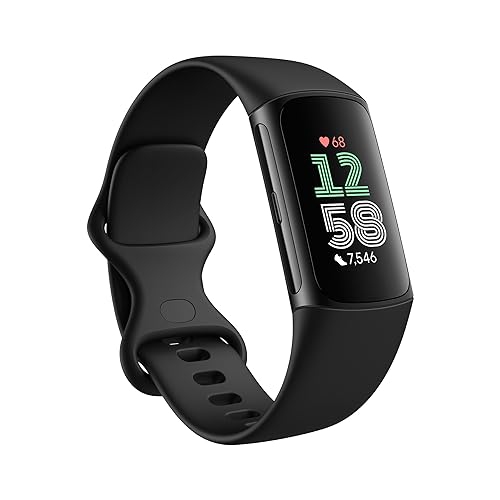
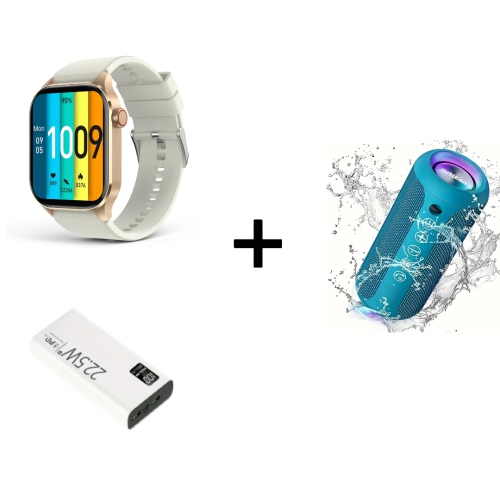
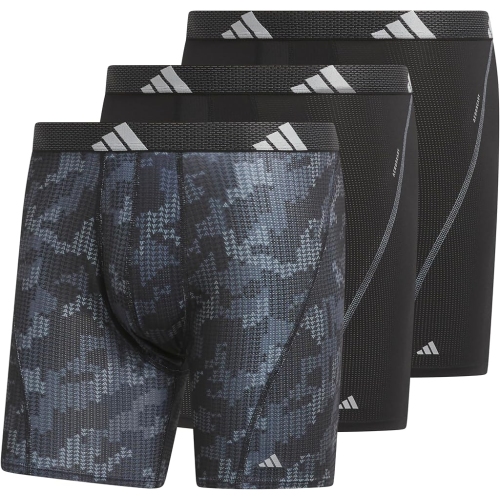


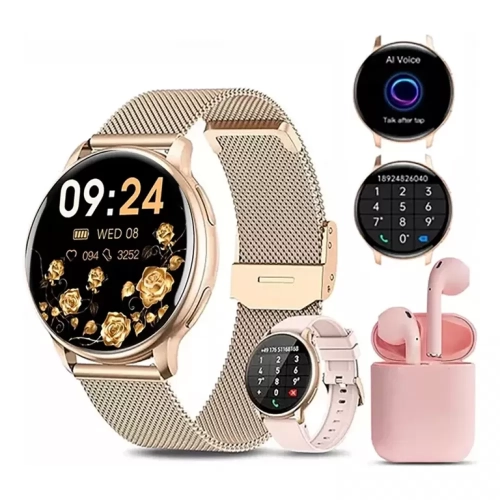
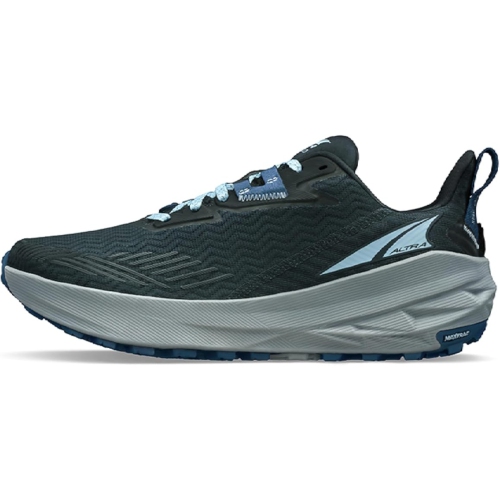

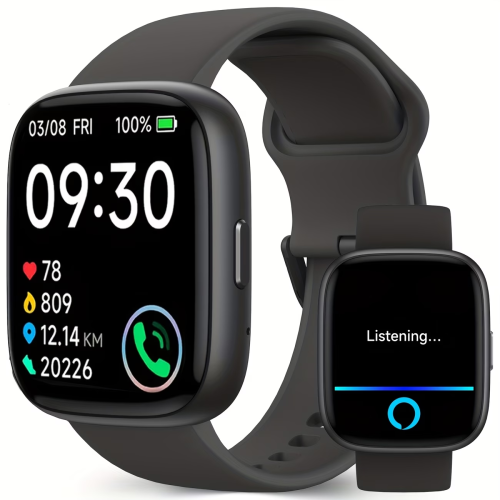

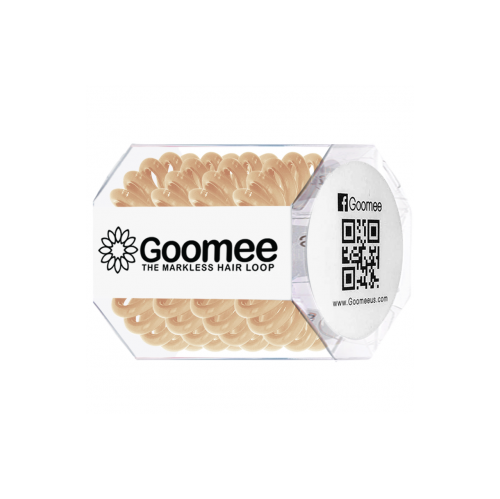

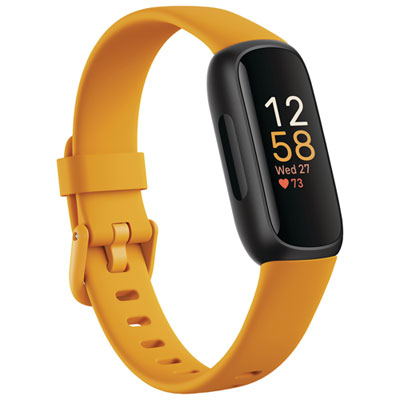


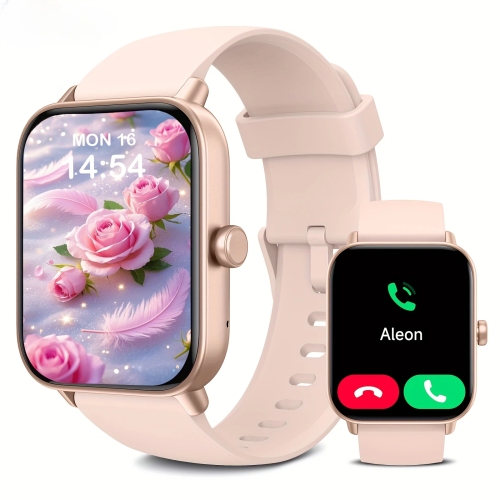
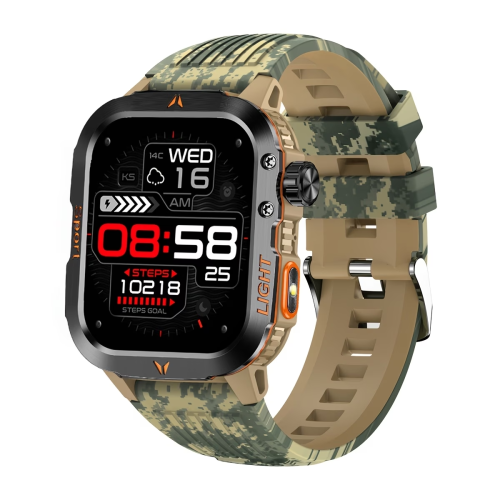
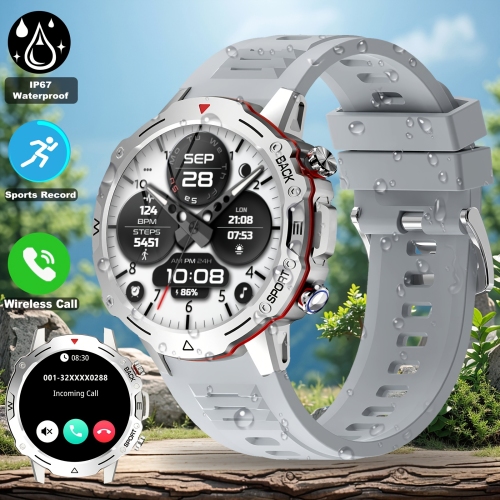
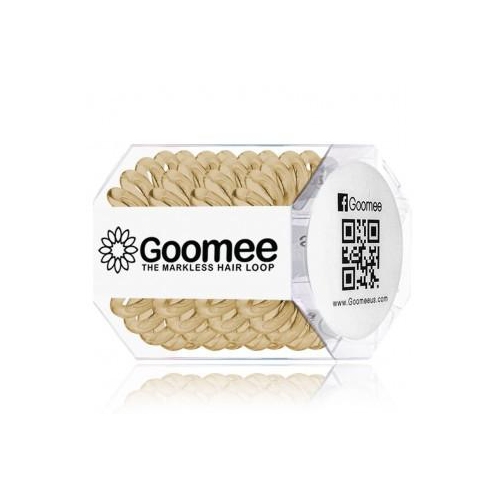






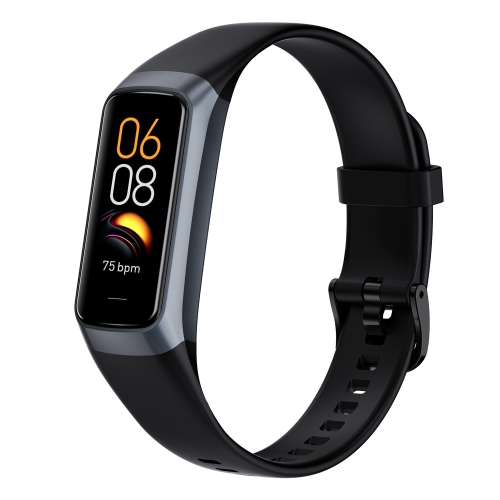
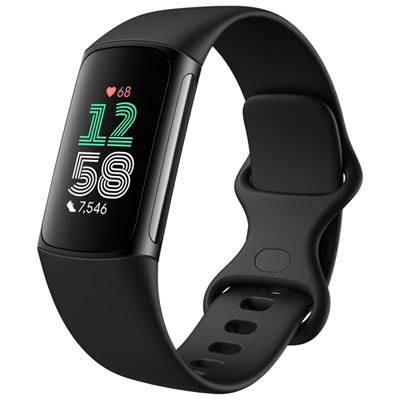


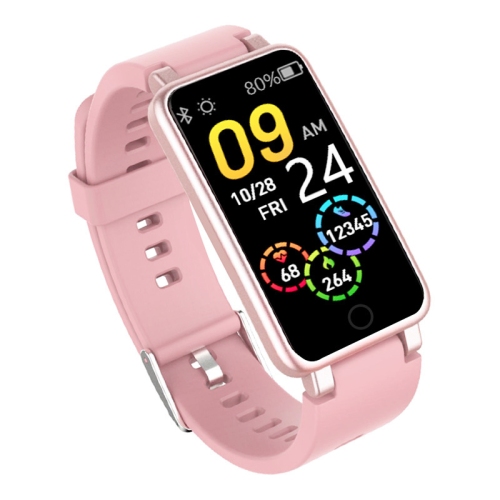
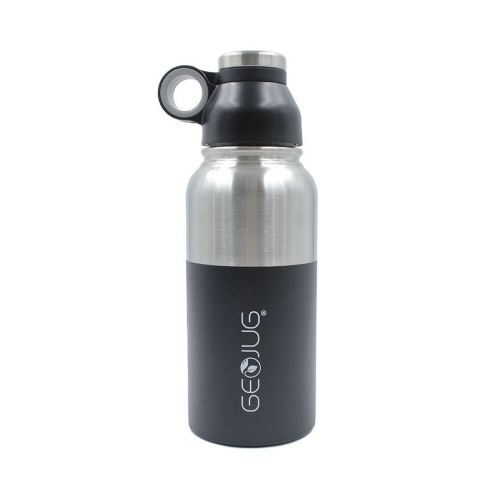
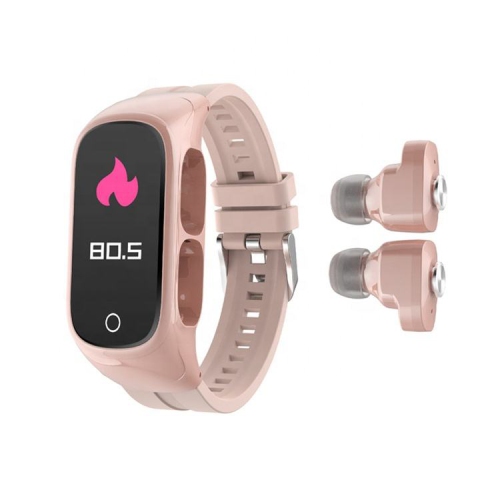


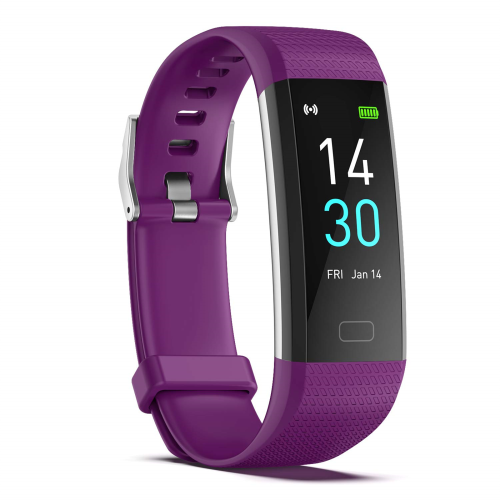

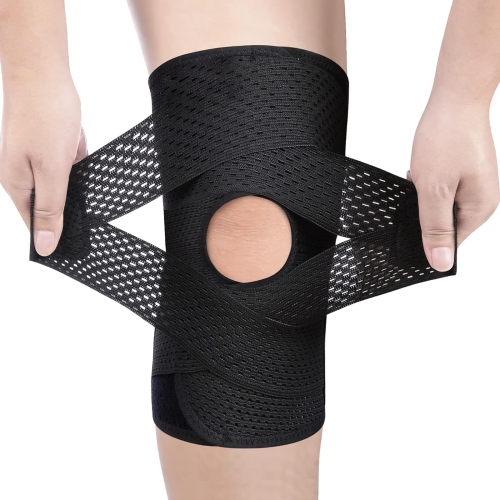
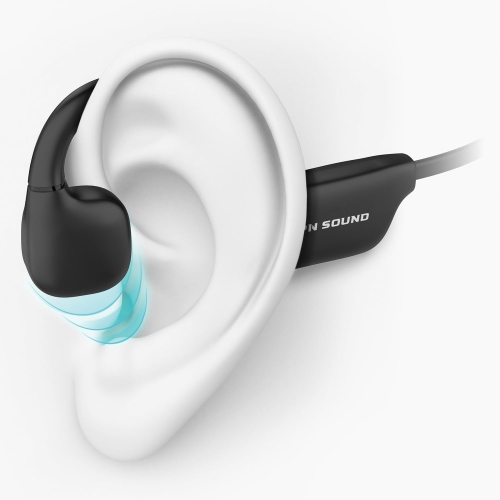
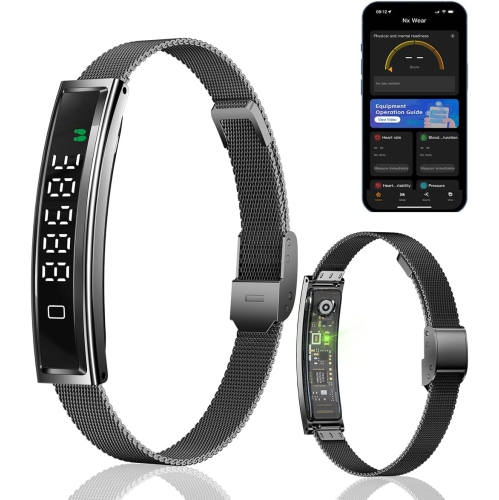


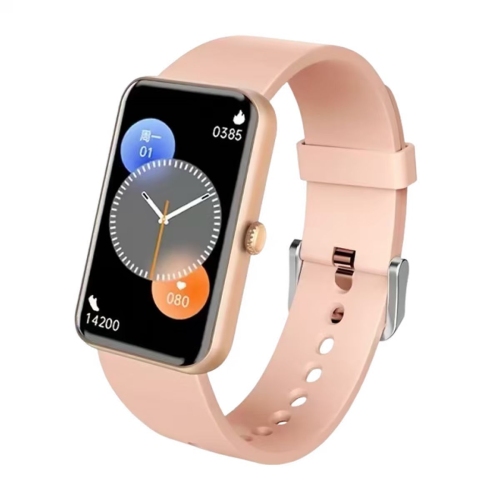
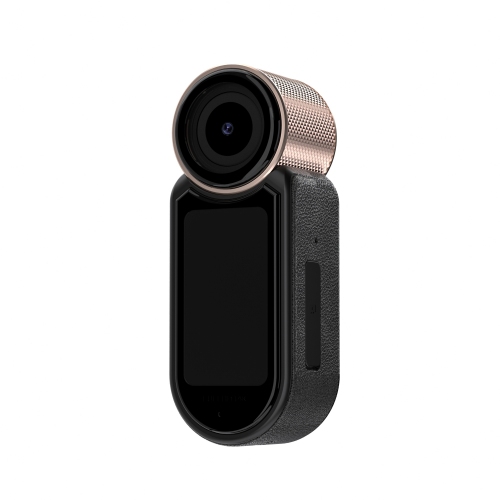
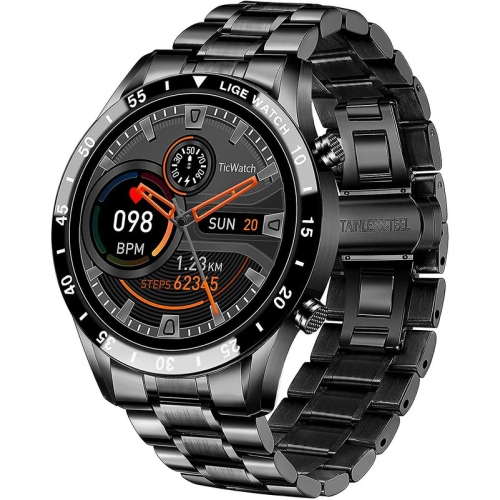




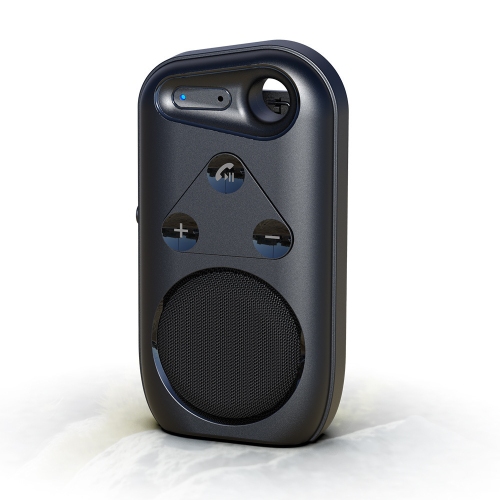

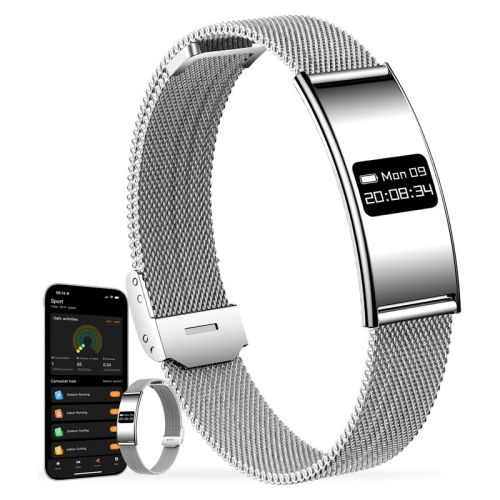
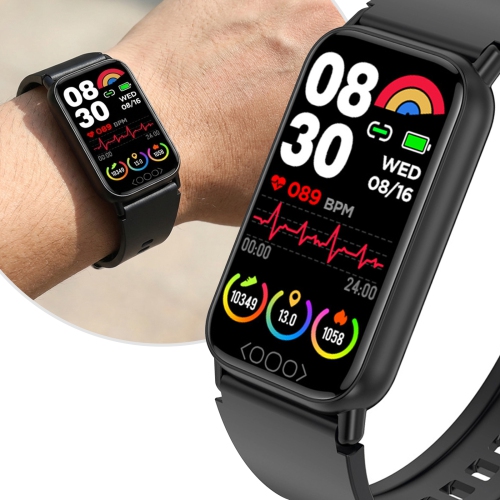


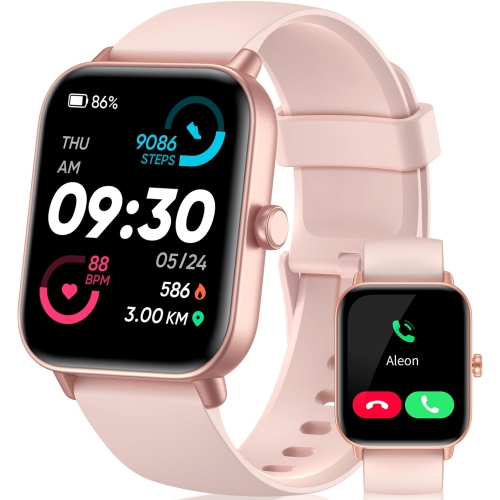
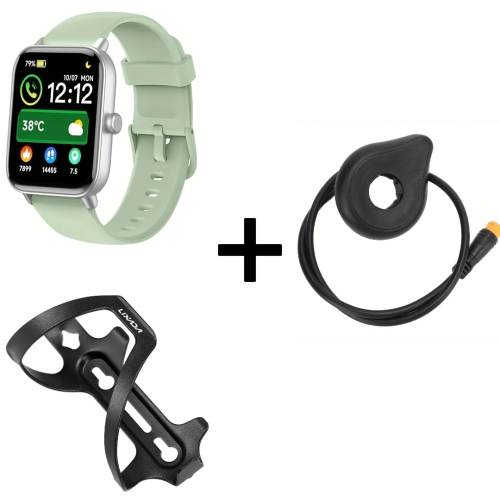

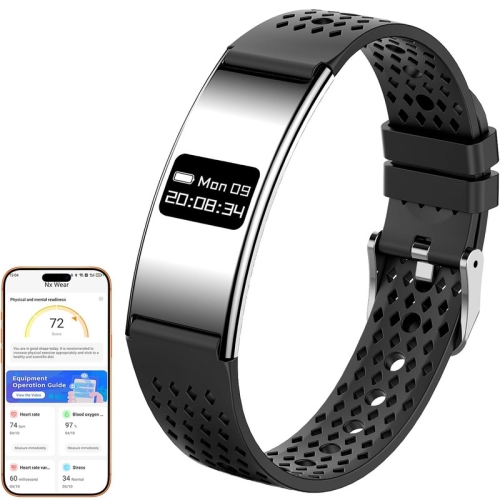

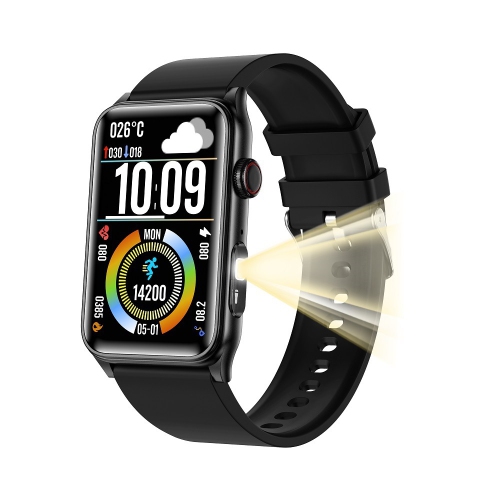
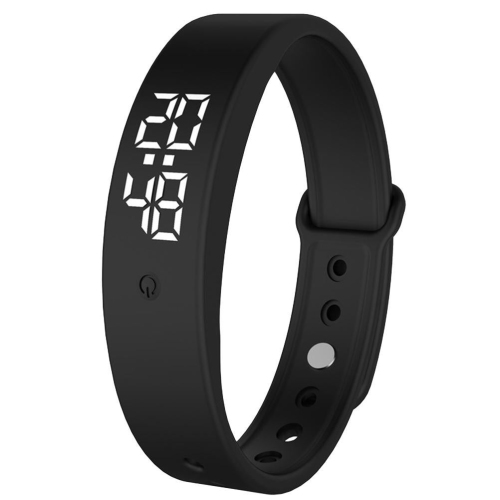
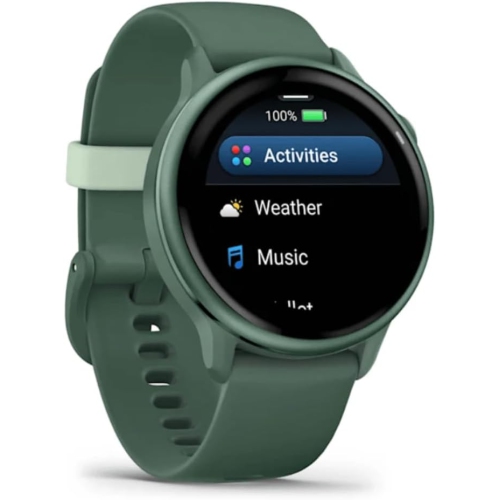
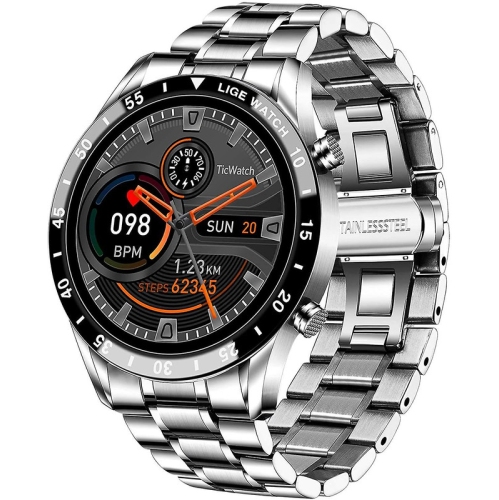
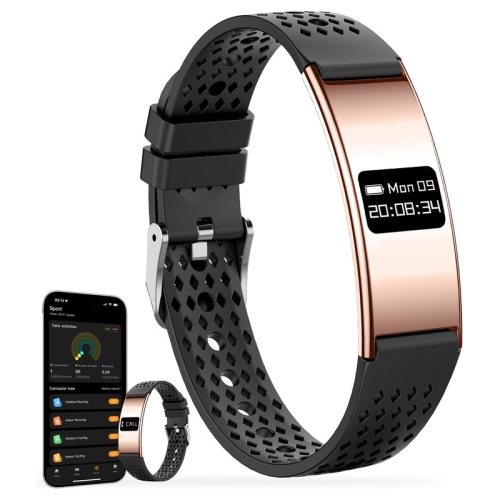
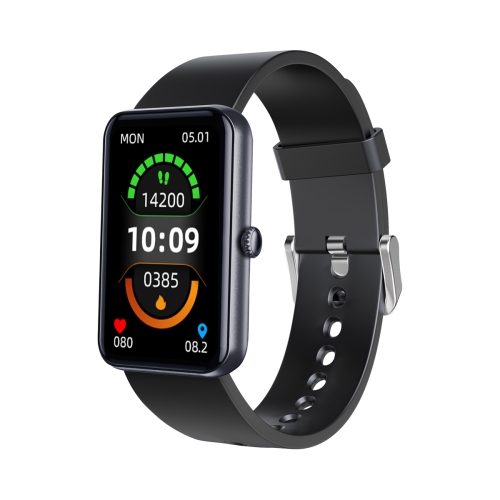

Comfortable gear helps everyday movement fit your routine
An active lifestyle means making regular movement part of everyday life, whether through walking, cycling, stretching, recreation, or structured exercise. It is not limited to gym sessions or competitive sport: taking the stairs, walking to nearby errands, playing with children, and breaking up long stretches of sitting all create opportunities to move. Products for an active lifestyle support those different moments, from comfortable clothing that allows a full range of motion to fitness equipment suited to a dedicated workout space. The most useful choices fit the activity, the person, and the practical details of the day. Someone who walks between appointments may value lightweight construction and easy-to-carry essentials, while someone training at home may place more emphasis on stability, adjustability, and storage. A beginner building a consistent routine often has different needs from an experienced athlete following a focused training plan, but both benefit from gear that feels comfortable and straightforward to use. Regular physical activity can support cardiovascular fitness, muscular strength, balance, and mental well-being, although the benefits come from movement rather than from owning particular equipment. Clothing, accessories, and fitness technology serve a supporting role by helping reduce distractions, organize essentials, or make progress easier to observe. That support can be as simple as a secure pocket that keeps belongings from bouncing during a brisk walk or an adjustment that makes exercise equipment suitable for more than one household member. Active living also leaves room for different levels of intensity and ability. Gentle mobility work, recreational outings, and more demanding workouts each call for different features, without requiring every routine to look the same. For busy households, students, commuters, and people who spend much of the day seated, practical gear can help movement fit into existing habits rather than feel like a separate undertaking. Comfort and convenience matter because a routine is easier to repeat when getting ready, moving, and putting everything away do not become obstacles.
Active clothing earns its place through the way it feels in motion, not just how it looks on a hanger. Fabric composition, seam placement, stretch, and cut all influence comfort during reaching, bending, walking, or repeated exercise. Polyester and nylon blends are commonly used for their relatively light weight and quick-drying properties, while elastane adds stretch that helps a garment move with the body. Cotton-rich fabrics can feel soft for casual wear and lighter activity, though they generally retain more moisture and take longer to dry than many synthetic performance fabrics. Moisture-wicking construction helps move perspiration across a fabric so it can evaporate; it does not mean a garment will remain dry through every workout. Breathable panels and less restrictive cuts can also affect comfort, depending on the activity and personal preference. The range of Active Wear Tops is relevant to everything from everyday movement to dedicated training, with fit and fabric providing useful distinctions between styles. A close fit may help keep material out of the way during exercise, while a relaxed silhouette can offer more room through the shoulders and torso. Neither should pull sharply across the back when reaching forward or restrict a comfortable breath. Size charts and body measurements provide a better starting point than assuming sizes are consistent across all clothing. Details such as flat seams, smooth waistbands, and labels positioned away from high-friction areas can make a noticeable difference over repeated movement. Pocket placement matters too: contents should stay secure without pressing uncomfortably against the body when sitting or bending. Durability depends on both construction and care, particularly where fabric stretches repeatedly or rubs against equipment. Following the care label, closing fasteners before washing, and allowing garments to dry fully before storage can help preserve their condition. Some performance fabrics require avoiding fabric softener or high heat, so care requirements are worth considering alongside appearance and fit. Clothing that works with the rest of a wardrobe can also simplify the transition between daily responsibilities and time set aside for exercise.
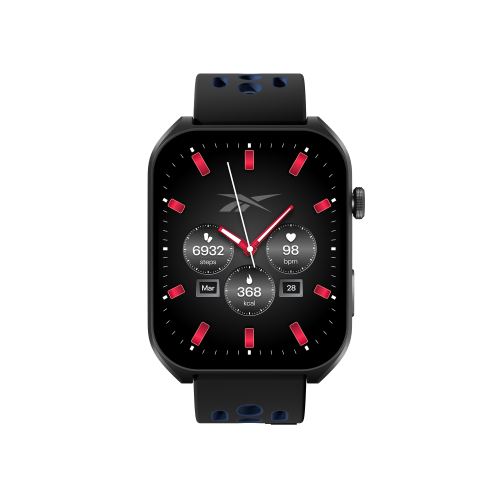
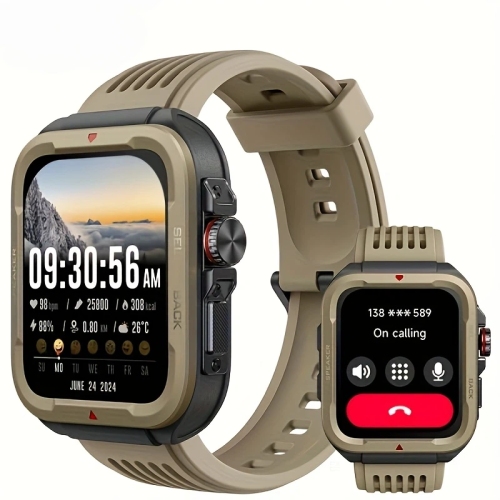
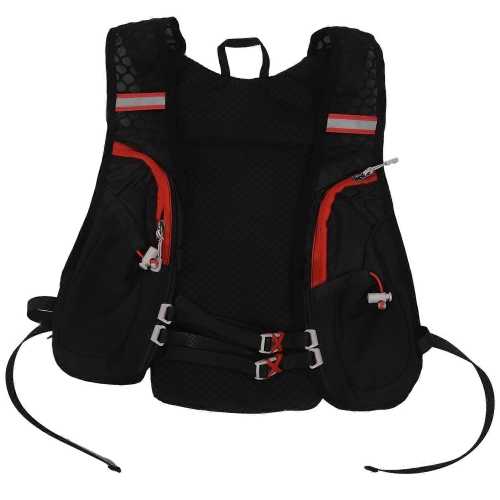
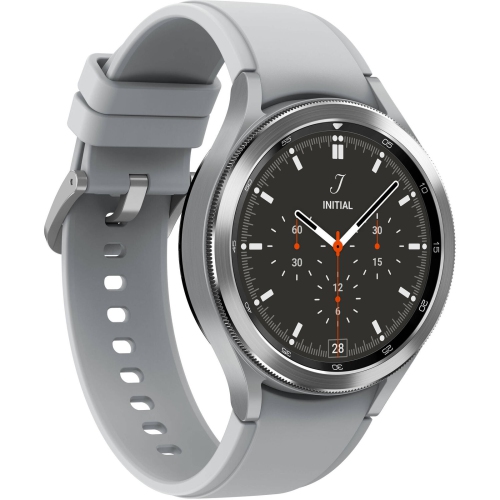
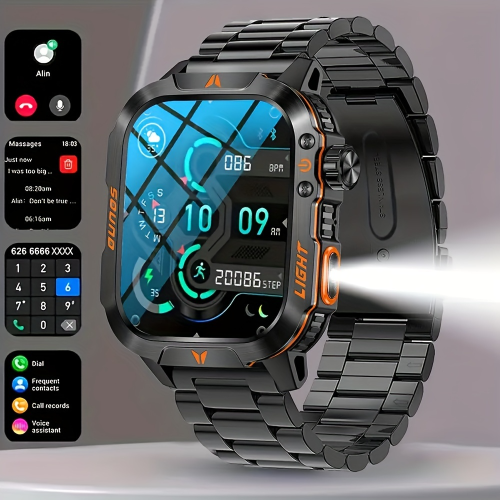
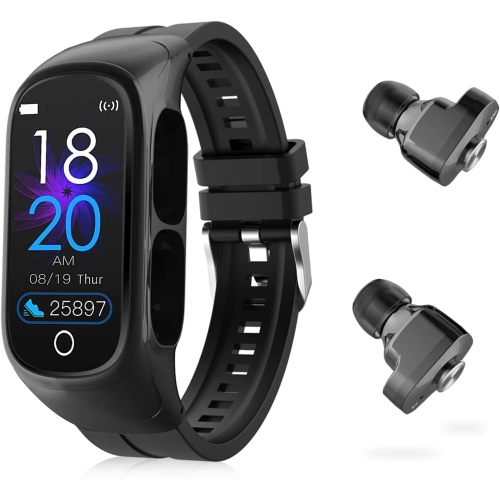
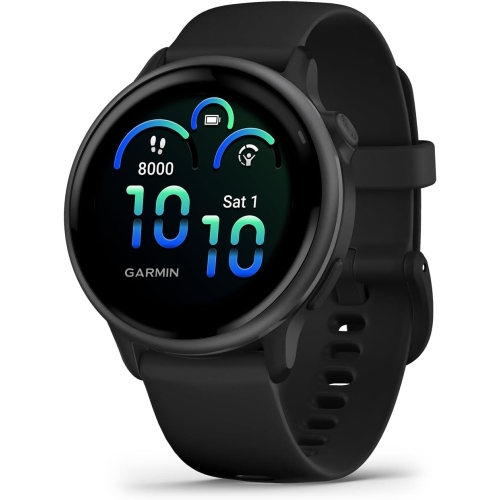
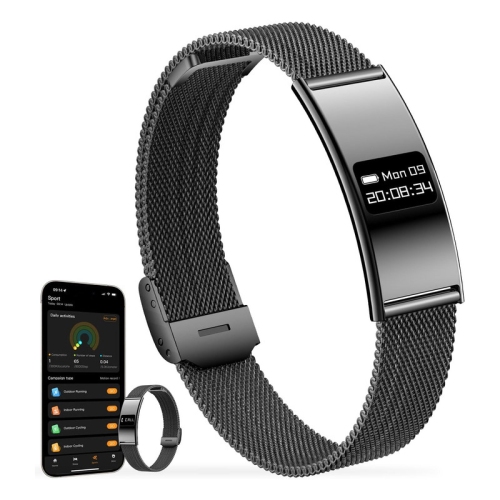
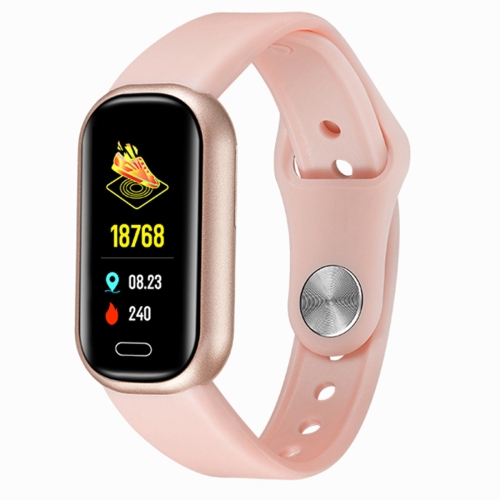
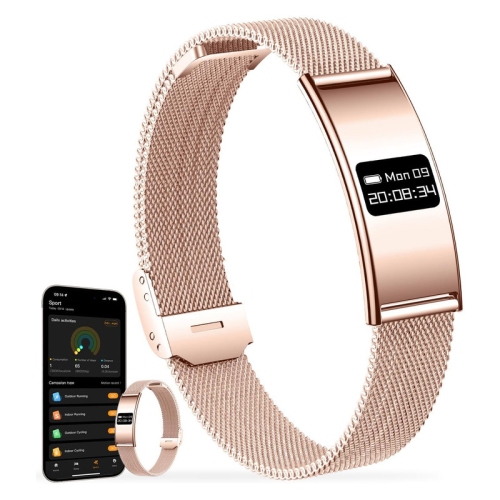
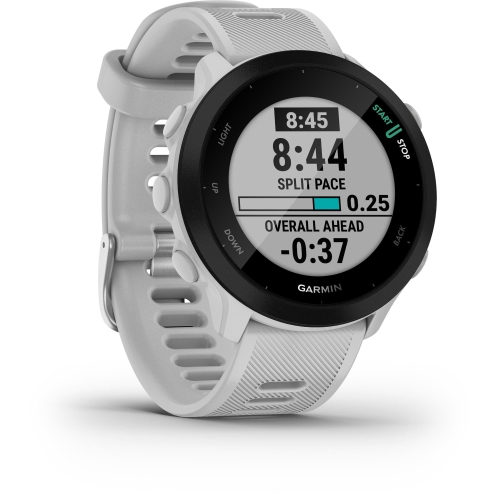
Fitness equipment, wearable technology, and activity accessories bring a different set of practical considerations, especially when they will be used regularly or shared. Intended use is the starting point: equipment designed for controlled strength exercises has different demands from gear made for repeated cardiovascular training or mobility work. Stable construction, secure adjustment points, suitable load ratings, and clearly stated dimensions help establish whether equipment matches the user and the space. In a home workout area, the footprint is only part of the picture; there also needs to be enough clearance to move safely, access controls, and get on or off without squeezing past furniture. Storage dimensions, equipment weight, and transport features become important when the same room also serves as a living area or office. Contact surfaces should feel secure and be suitable for cleaning according to the manufacturer's instructions, while parts exposed to repeated movement benefit from regular checks for wear or loosening. Technology adds another layer of support through features such as activity tracking, reminders to move, and workout records. Compatibility with a phone, readable controls, battery life, and a comfortable fit can matter more in daily use than a long list of functions. Activity and heart-rate readings can reveal patterns, but they are estimates rather than medical assessments, and their accuracy varies with fit, movement, and the device. Water-resistance ratings also need careful interpretation, since resistance to splashes does not automatically make a device suitable for swimming. For gifts, an existing interest offers a more thoughtful starting point than an assumption about someone's fitness goals. Someone who already enjoys walking, home workouts, or recreational sport may appreciate gear that suits those habits, provided sizing, compatibility, and space requirements are considered. Ease of cleaning and setup deserves similar attention, particularly for shared household equipment. The strongest fit for an active lifestyle is not necessarily the most complex option, but something comfortable, well suited to its purpose, and practical enough to become part of a familiar routine.
Top selling and popular products
-
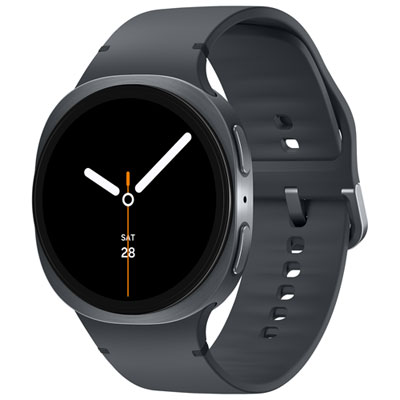 Your price for this item is $399.99
-
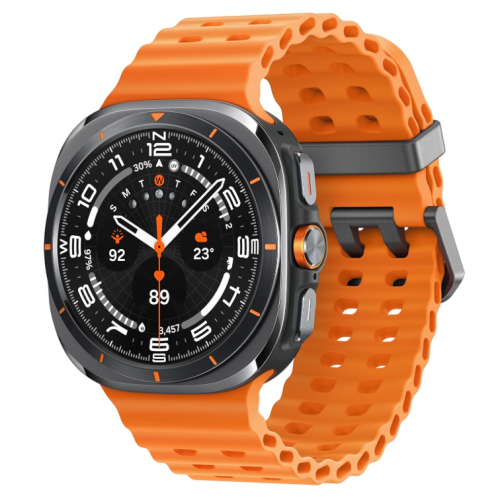 Your price for this item is $579.99
-
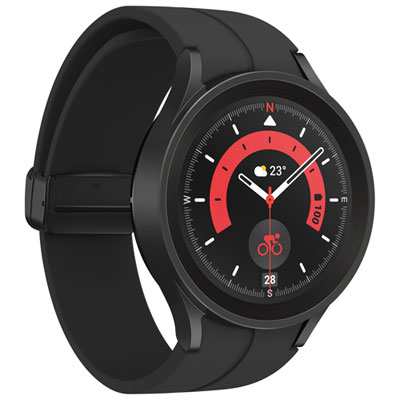 Your price for this item is $629.97
-
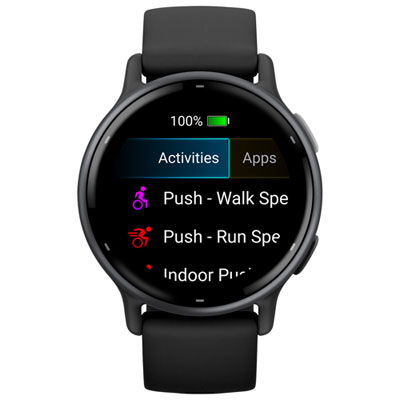 Your price for this item is $349.99
-
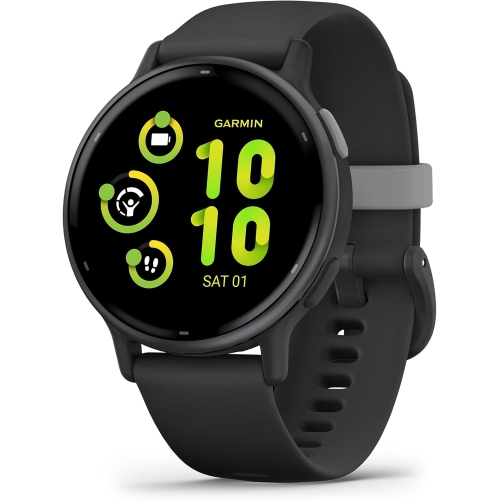 Your price for this item is $371.79
-
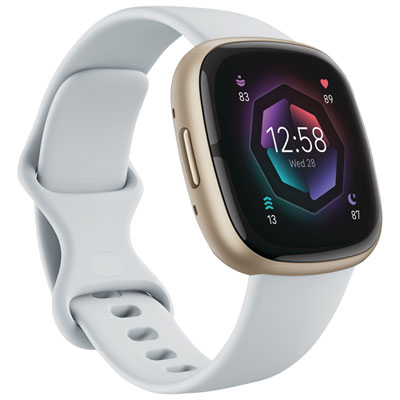 Your price for this item is $329.99
-
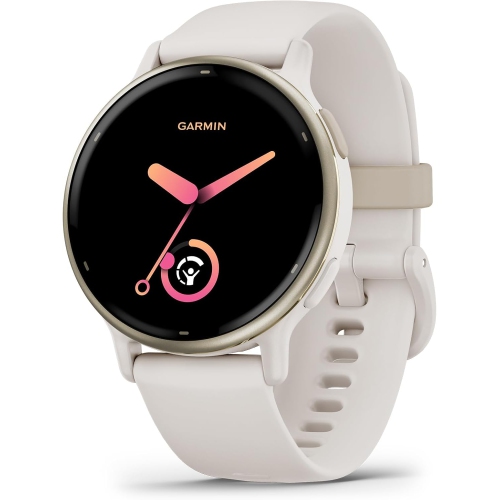 Your price for this item is $323
-
 Your price for this item is $659.99
Discover more categories related to Active Lifestyle


Top Collections:
Pokemon Centers, Best Cameras for Sports Photography, Kindle Devices, Samsung Galaxy Phones, Canon G7X Cameras, Pokémon 30th Celebration Cards, Refurbished Apple Laptops, iPhone 15 Apple, Laptops for Students, Budget Smartphones
Some products may be subject to Environmental Handling Fees
(EHF) depending on your province.
Learn more about EHFs.