Active Play
Get ready to elevate your playtime with our collection of active play essentials. Whether you're looking to get moving indoors or outdoors, we have a wide range of products that will keep you and your family entertained and active. From sports equipment to outdoor games, trampolines, and more, we've got everything you need to turn any space into a fun-filled adventure zone. So, gear up, get active, and let the fun begin!
Sort

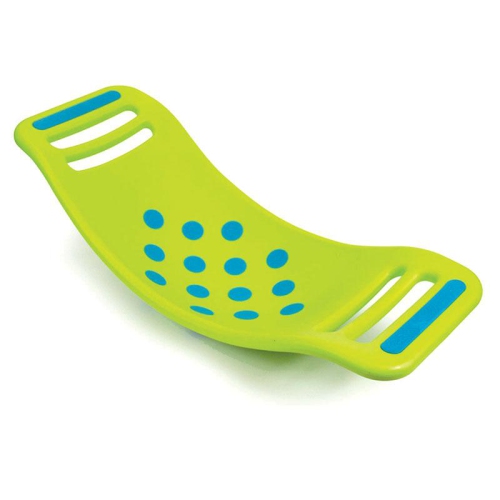

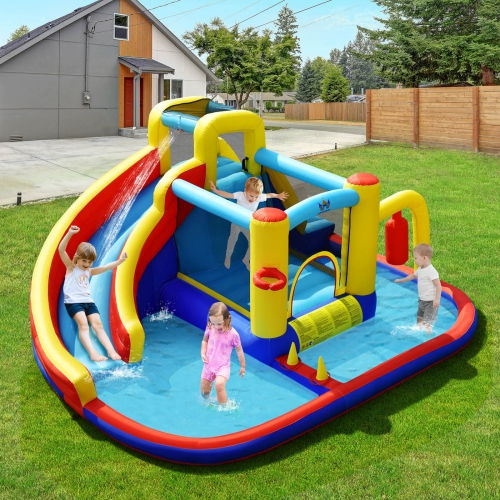
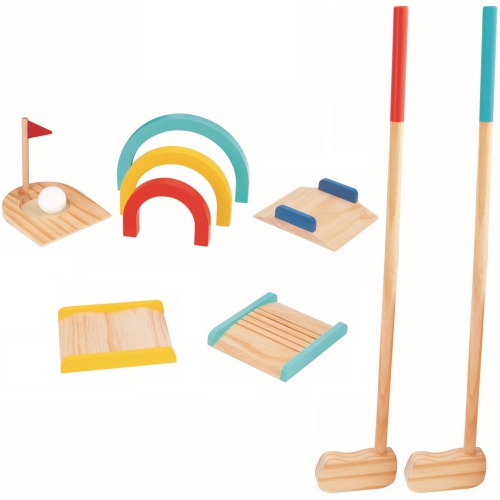
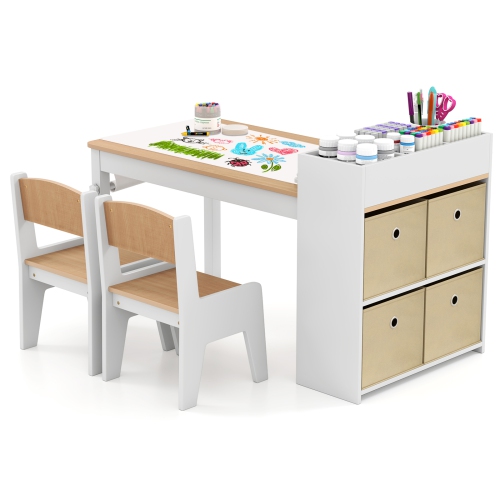

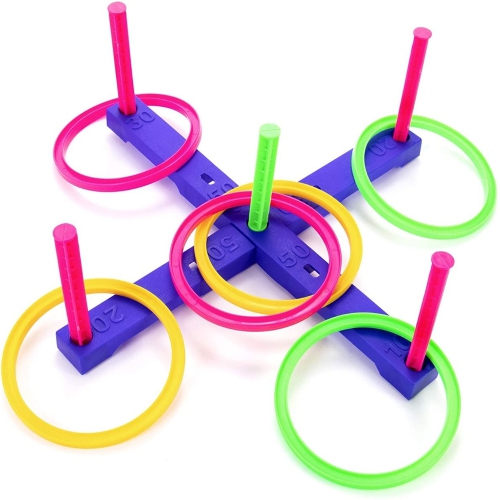
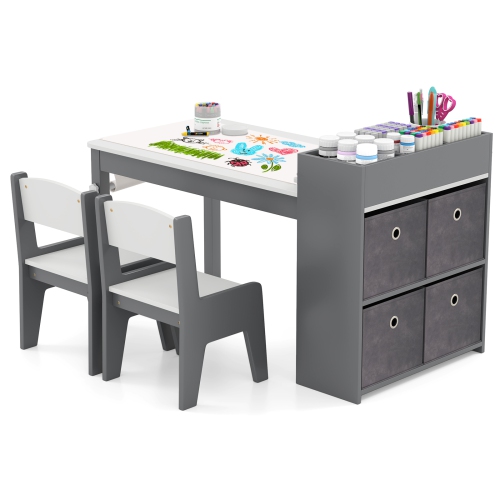


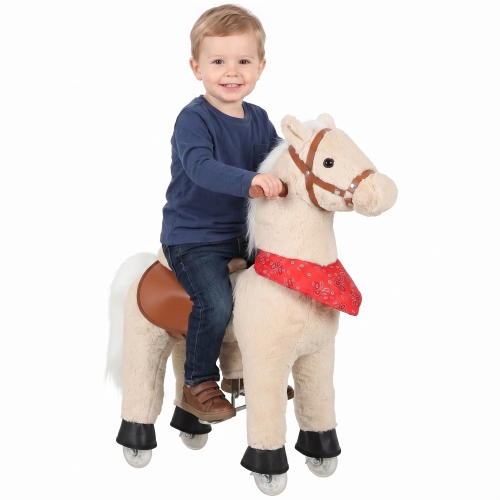

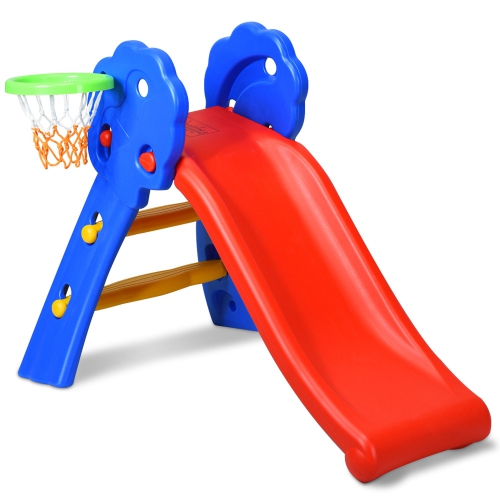
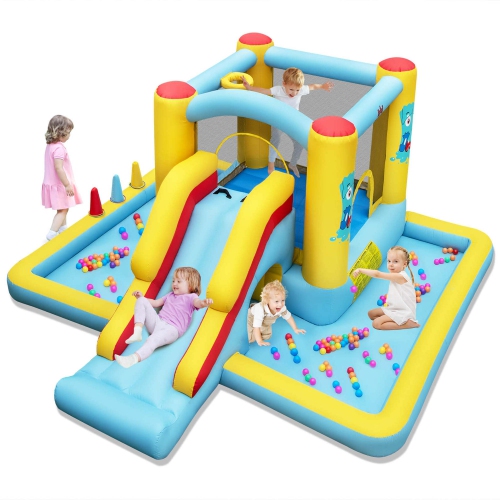
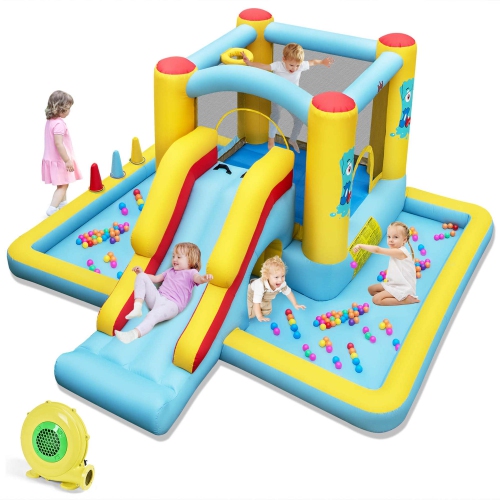
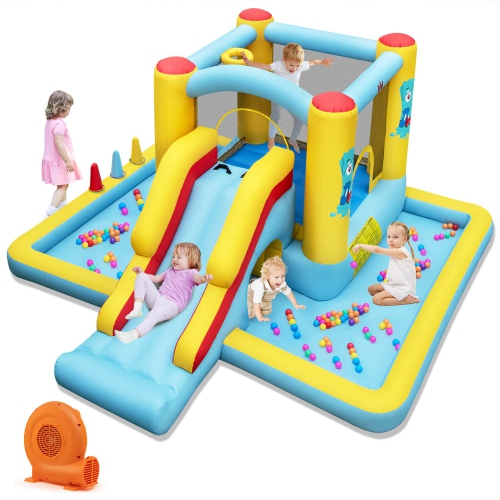
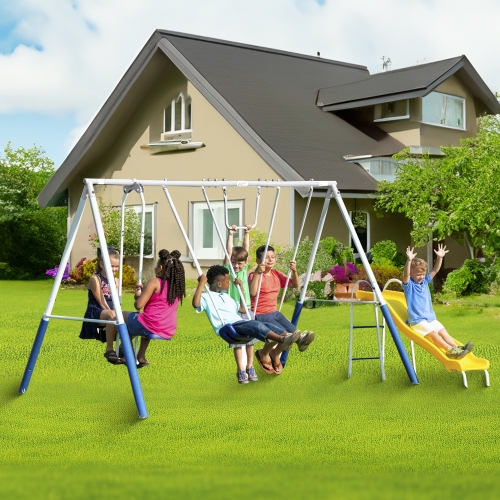


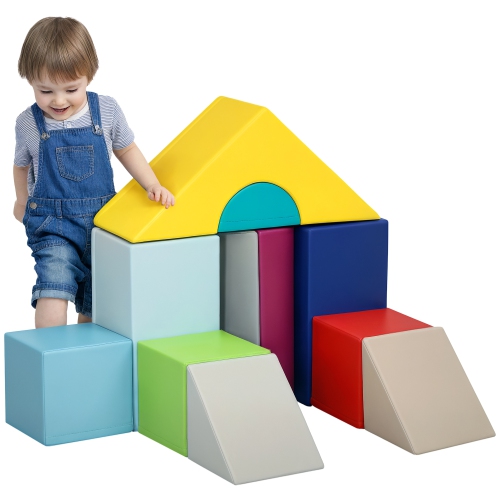
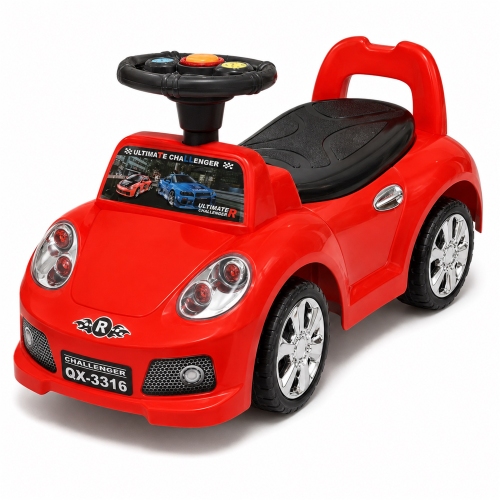
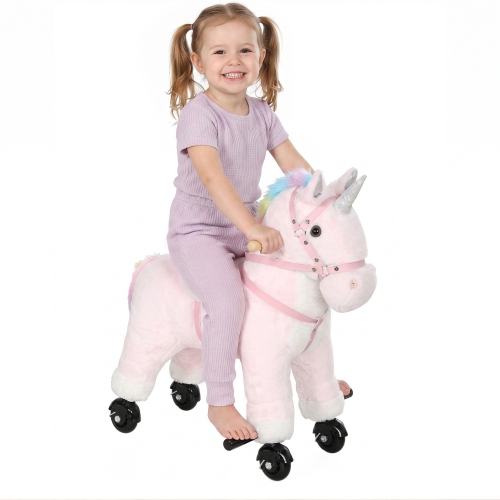


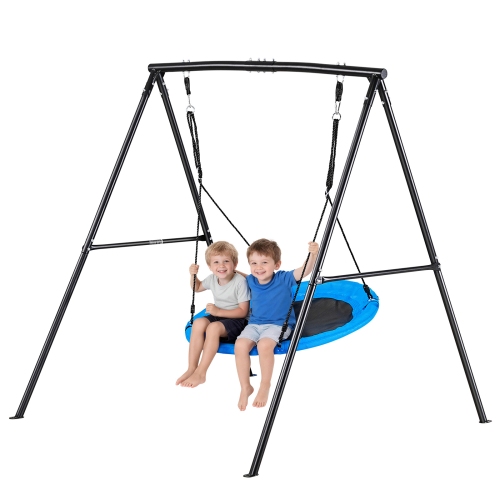



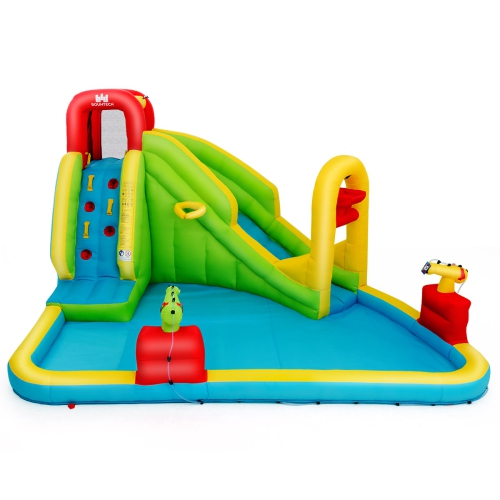
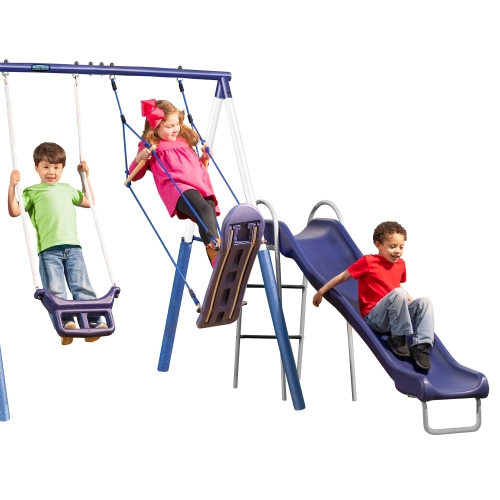


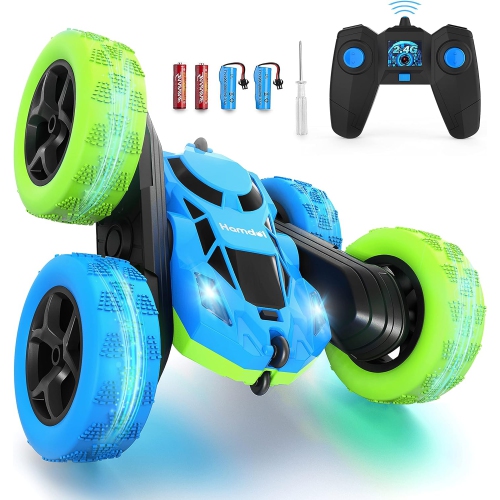
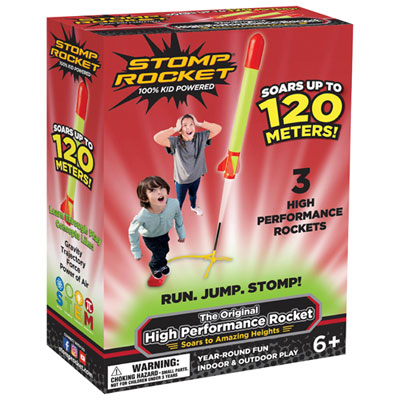
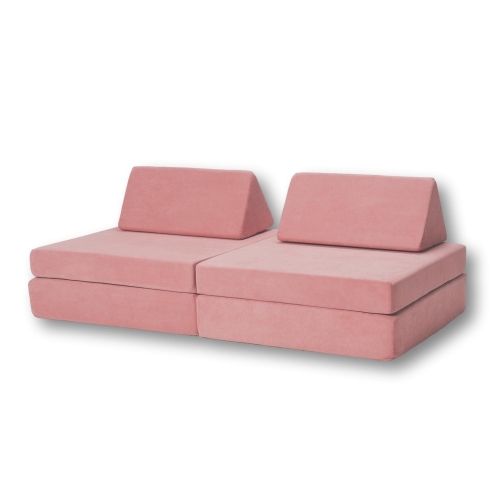
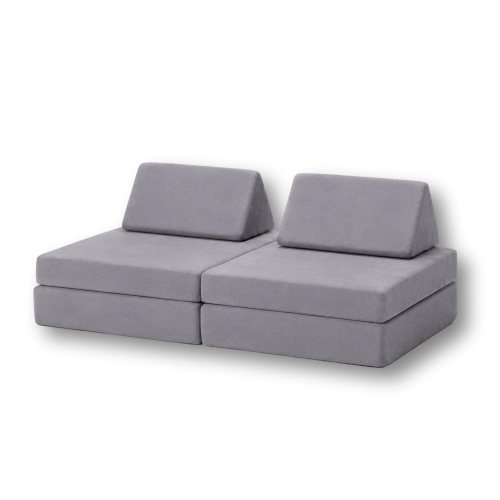
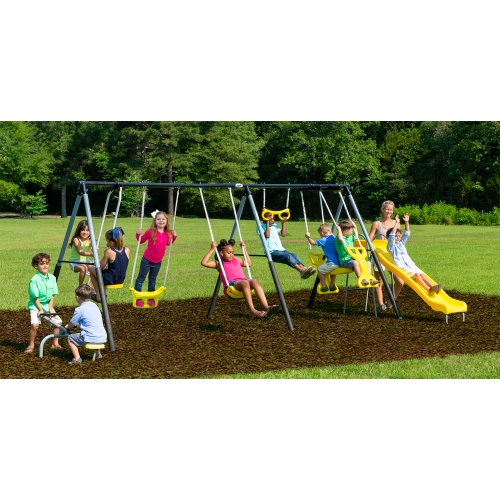


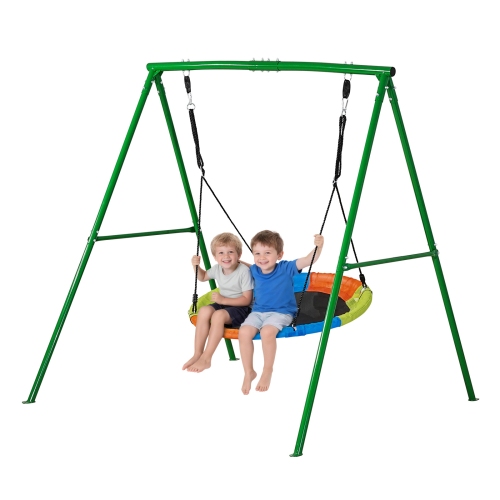

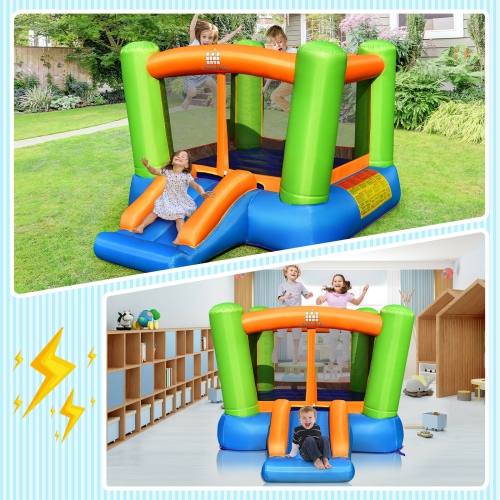


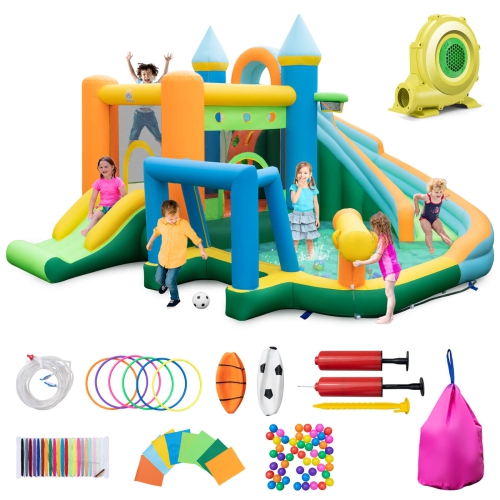

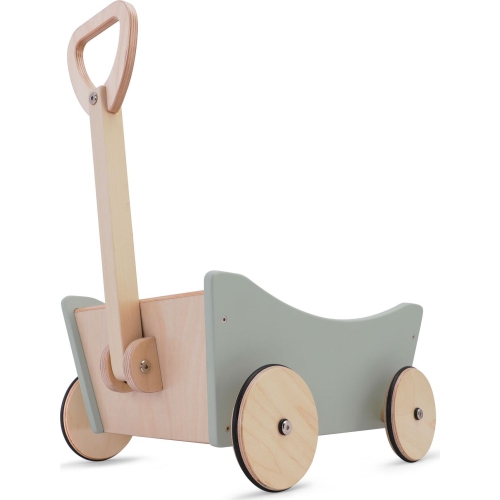
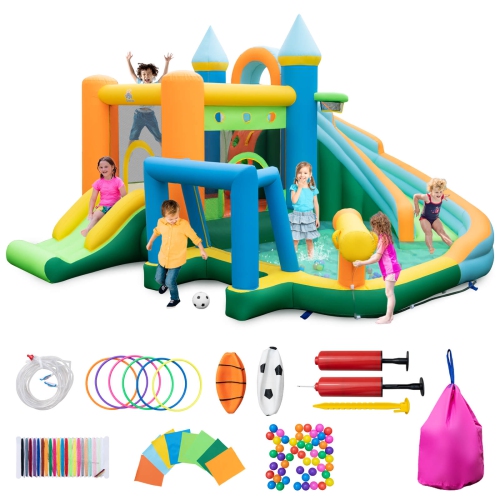





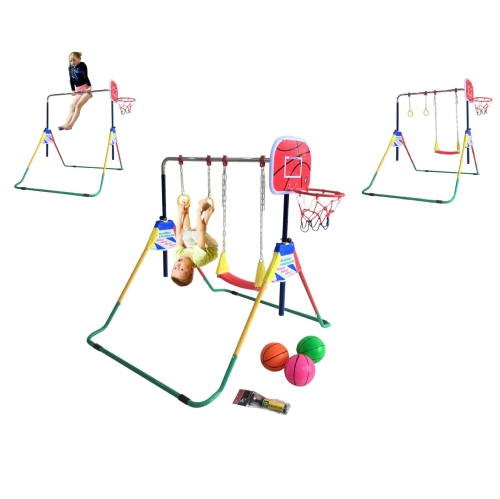


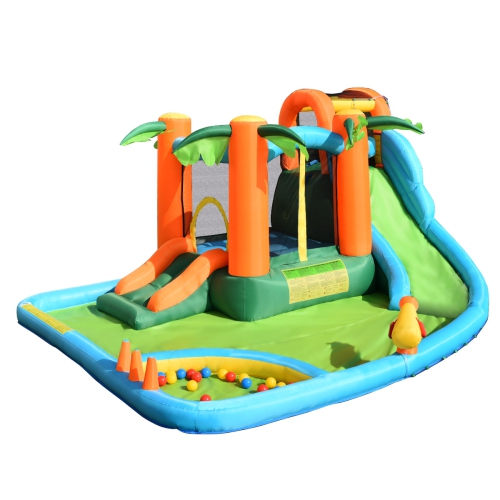


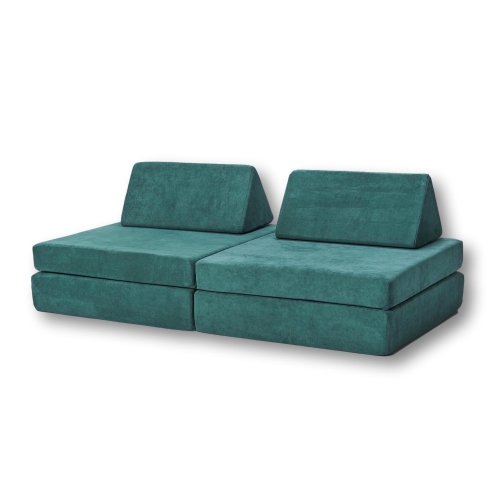
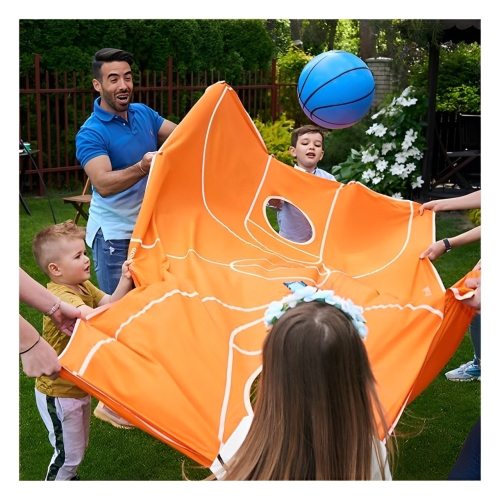

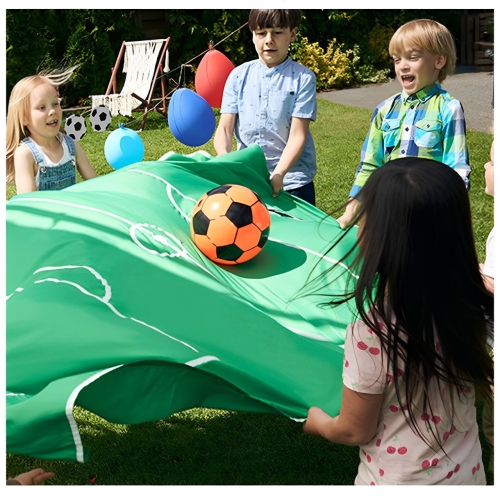


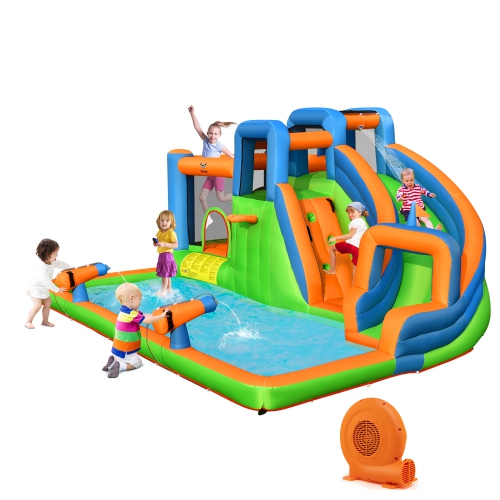
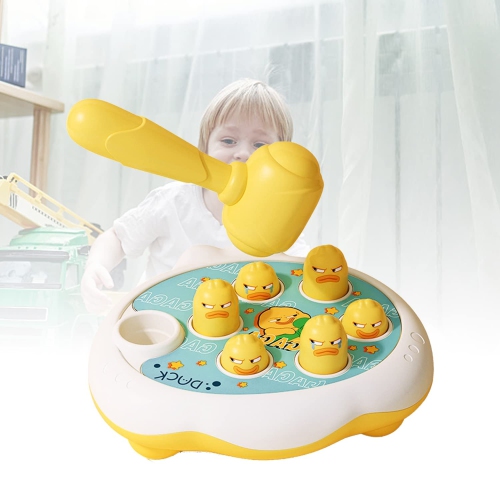
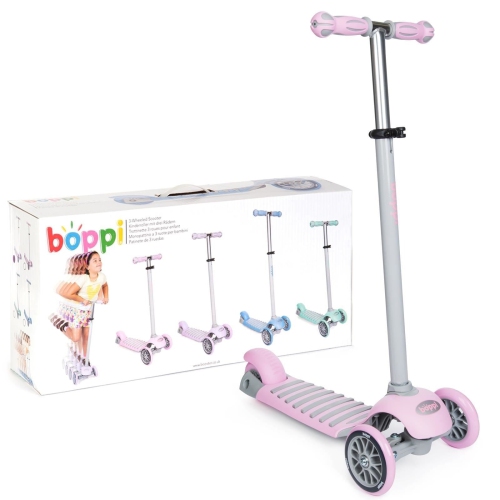


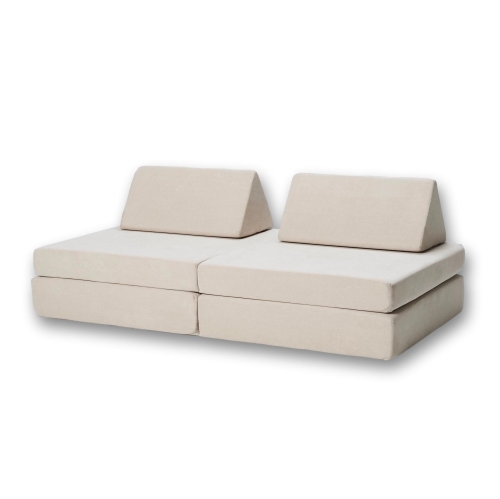


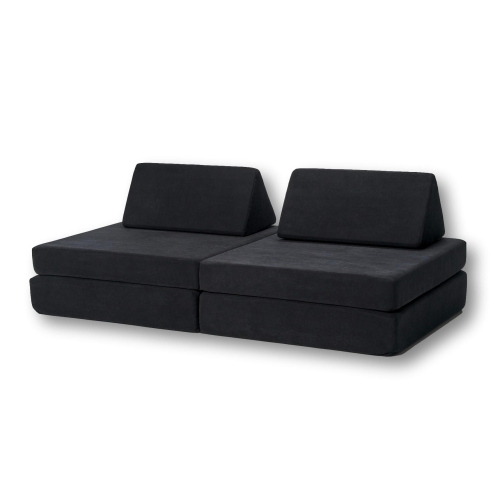
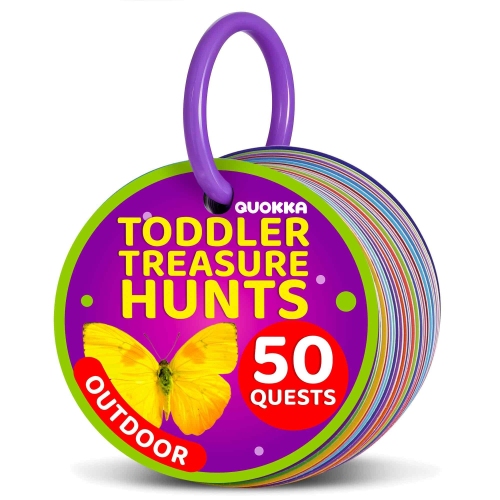
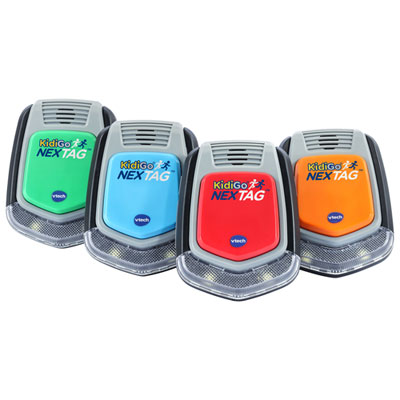





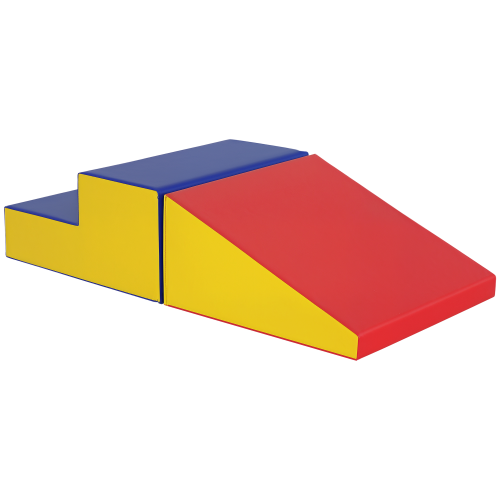

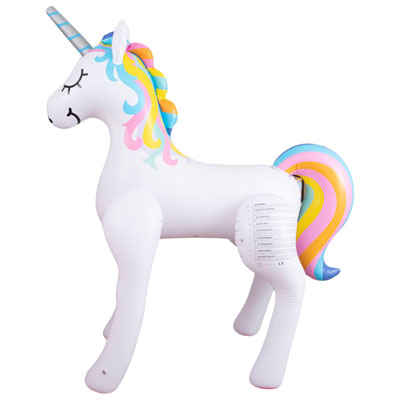


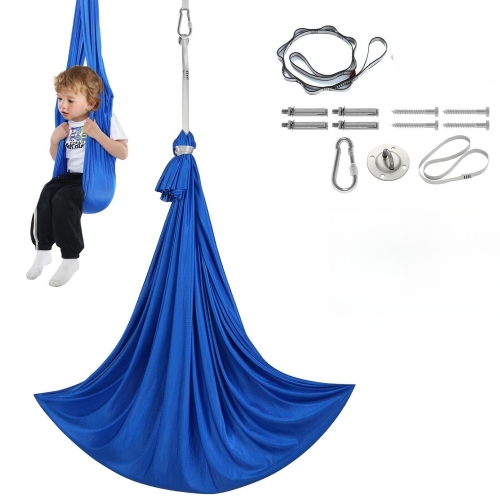


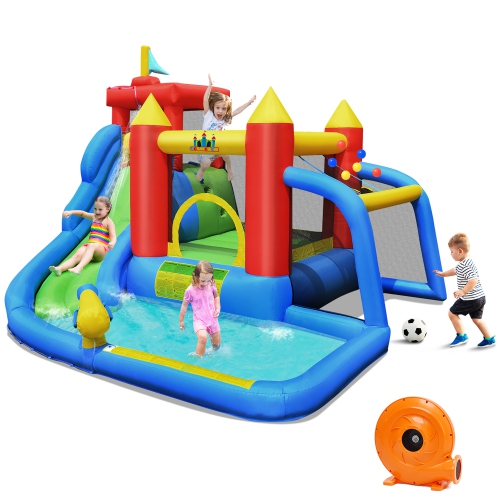
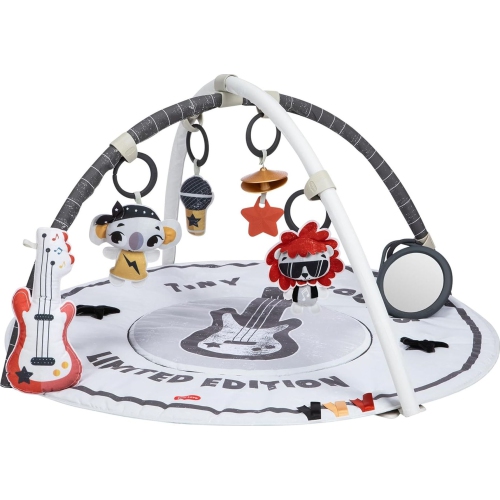
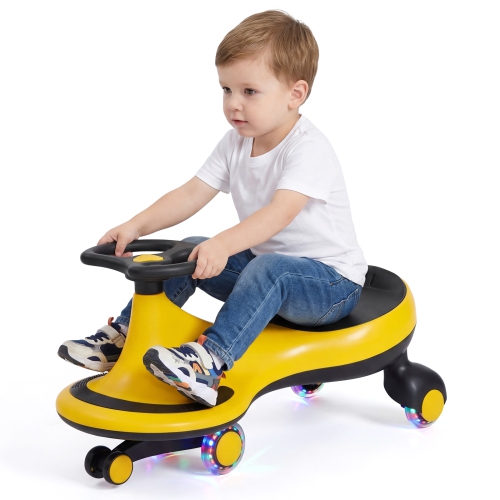
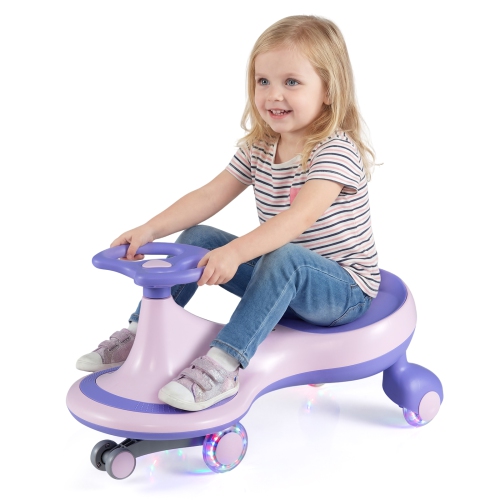






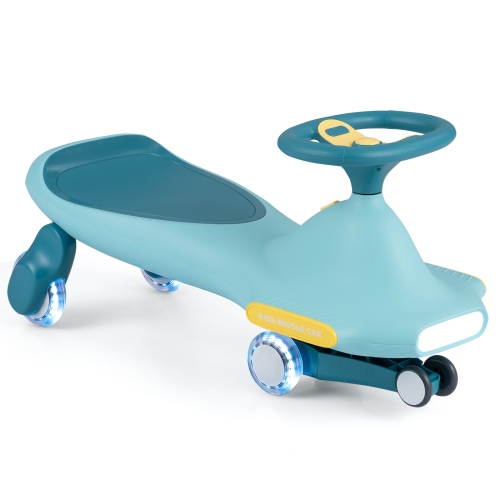


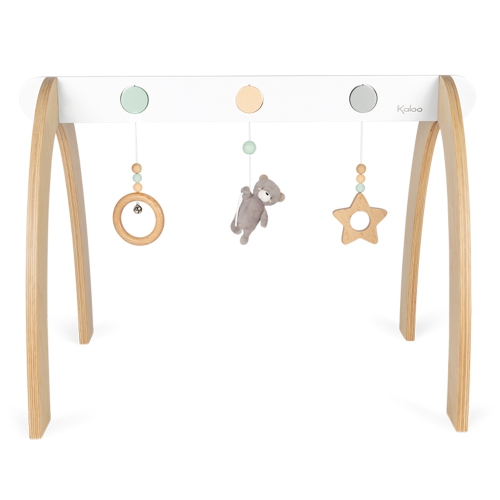

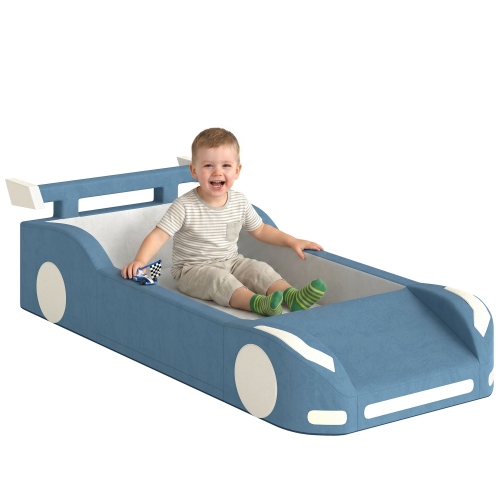
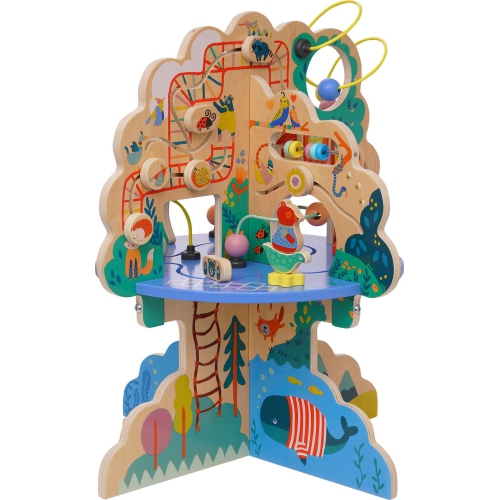



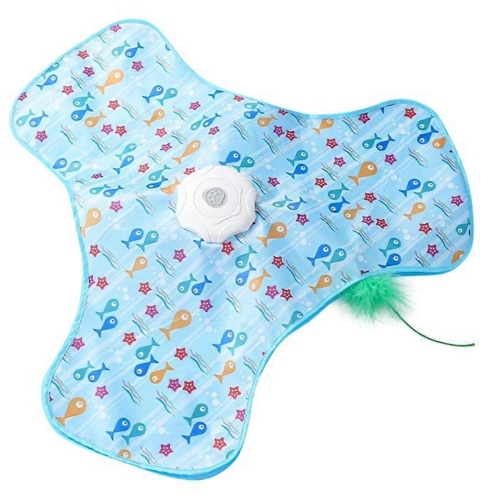


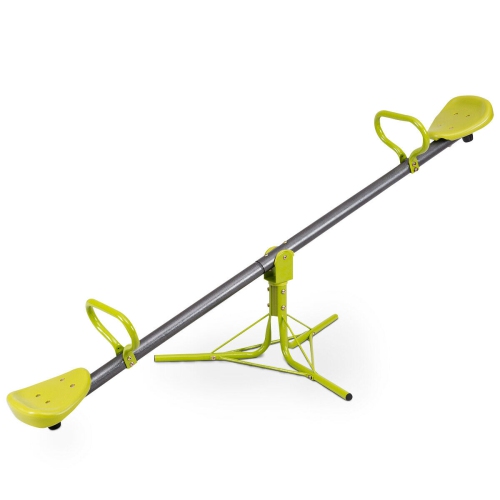

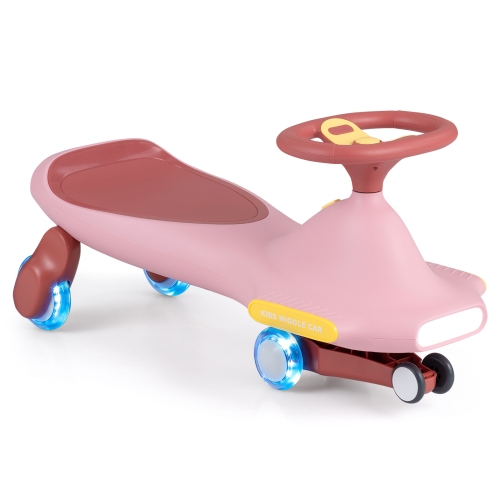


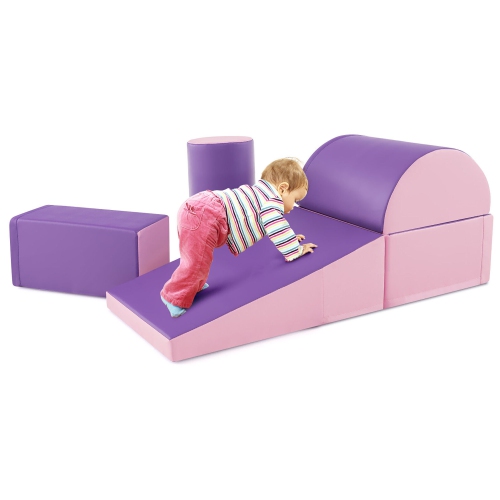
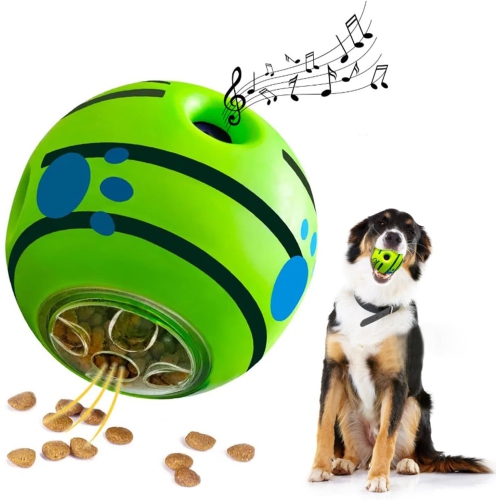
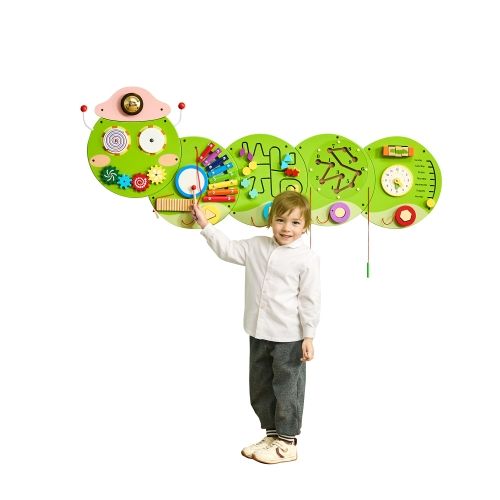

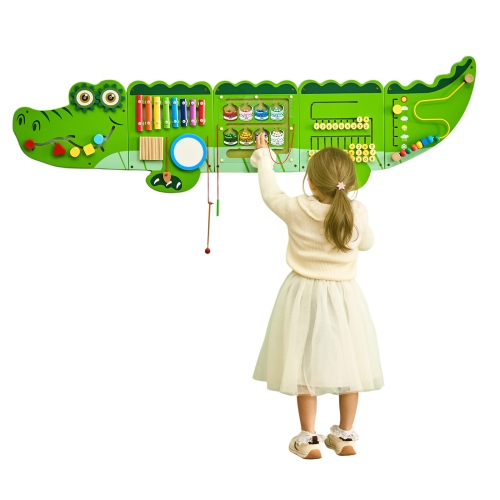
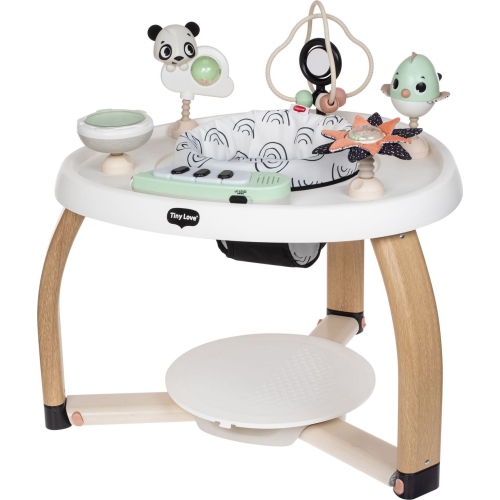
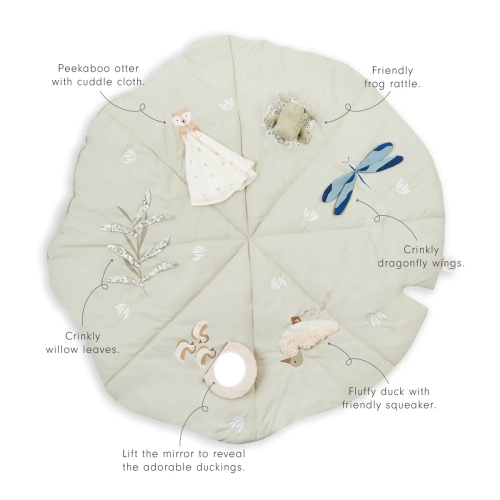
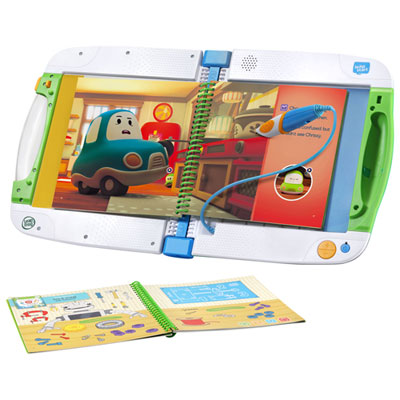

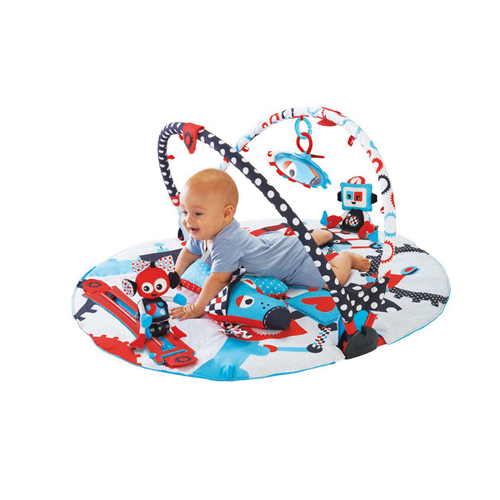


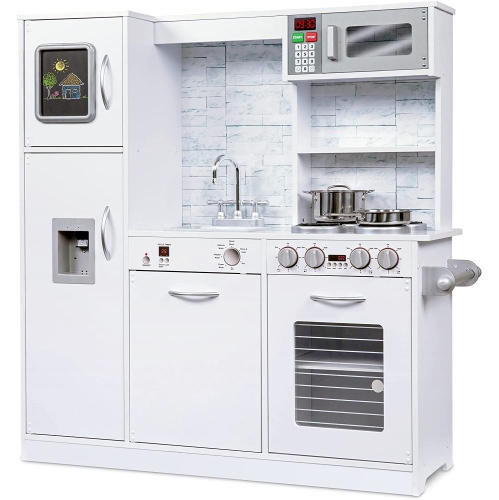

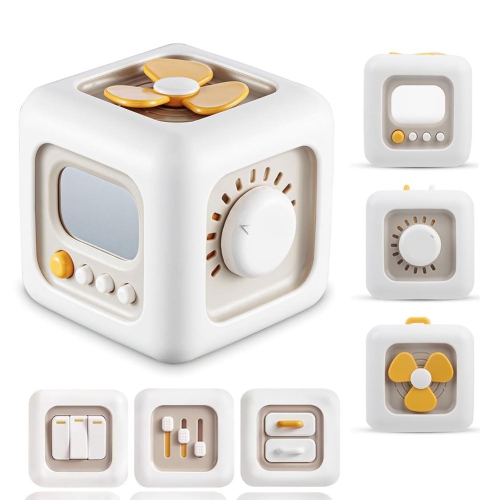
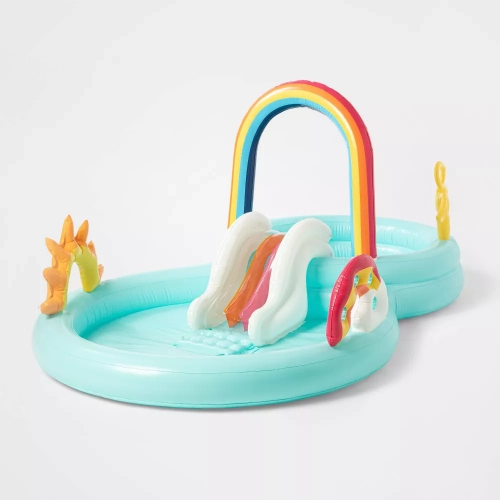
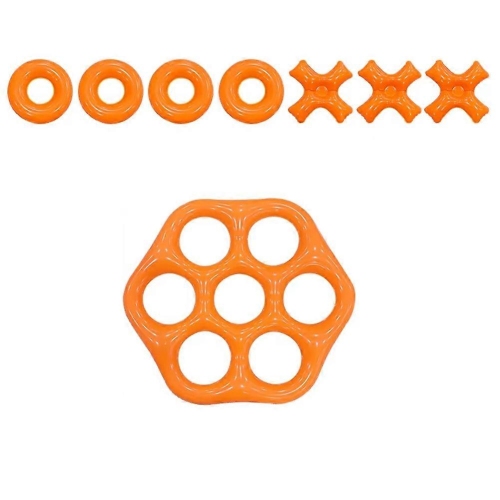
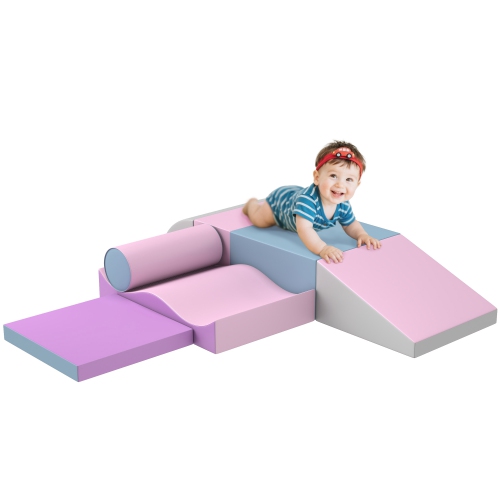
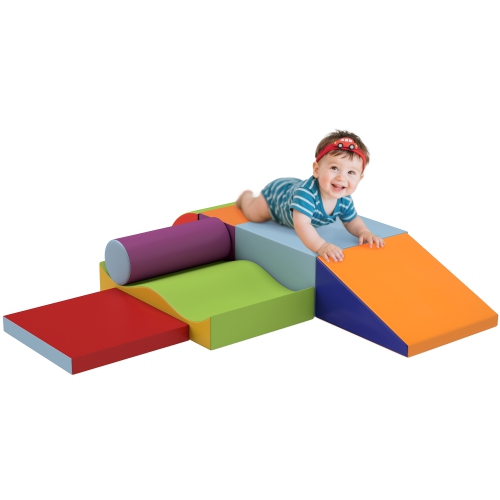
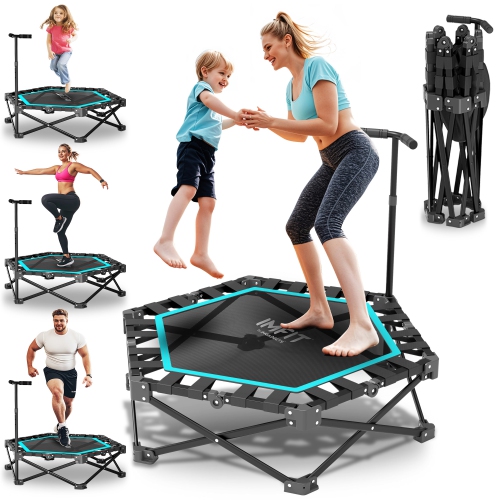
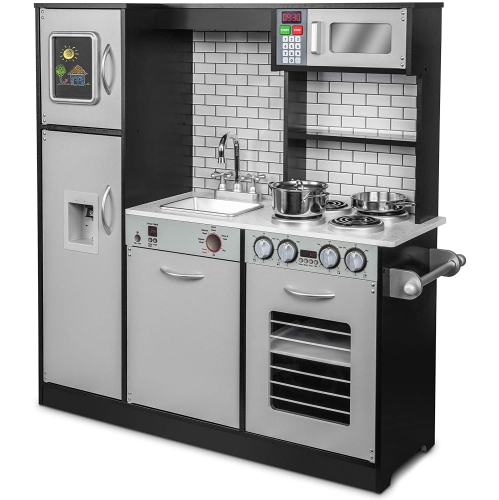
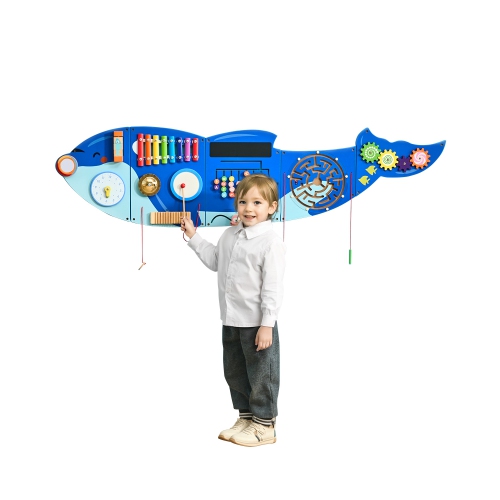


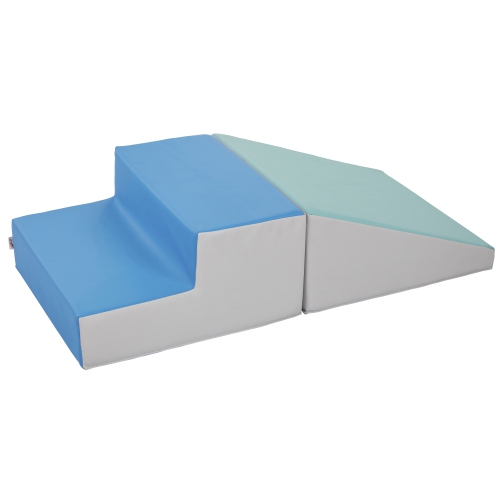
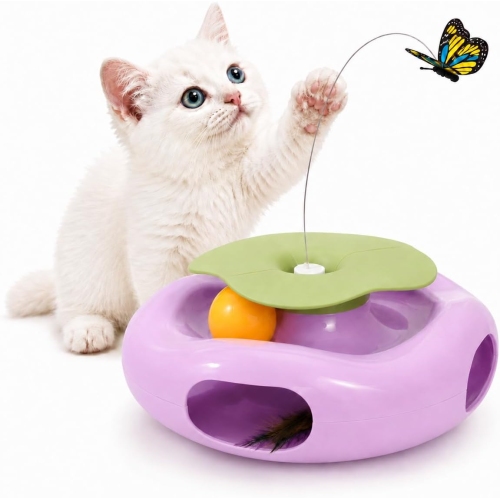
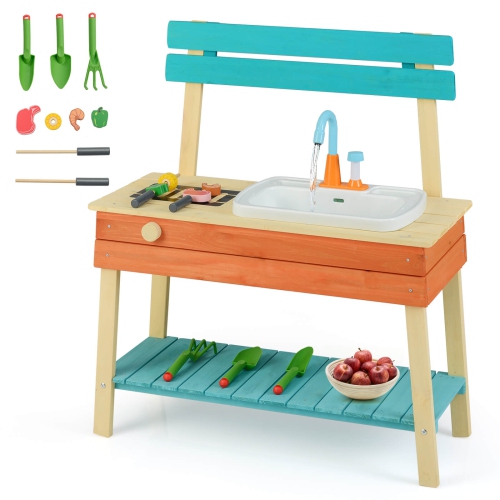

How movement, coordination and social play grow together
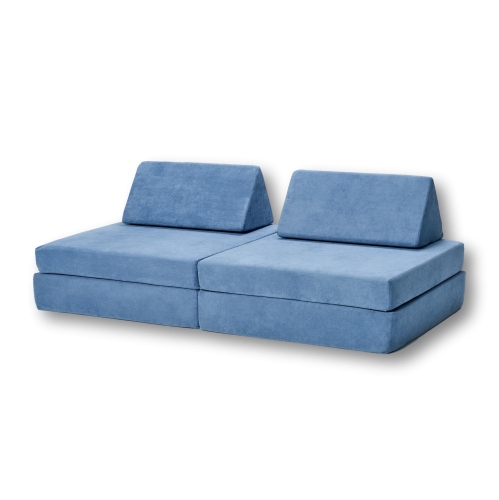
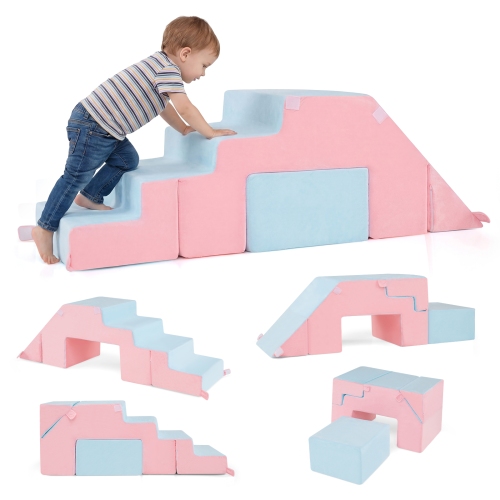
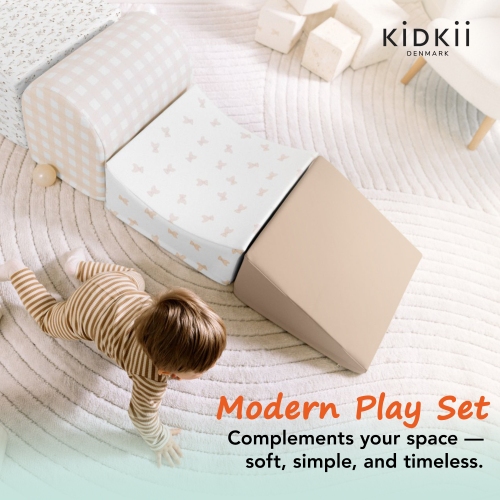
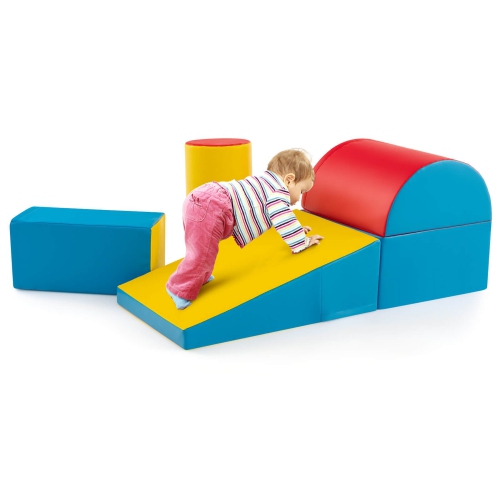
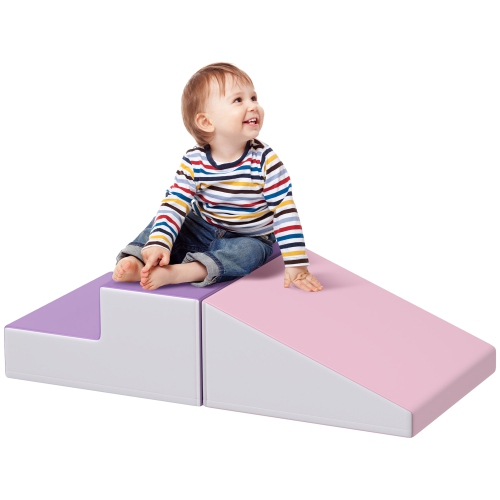
Active play is any kind of play that encourages children to move their bodies, use their muscles and explore what they can do through enjoyable, hands-on activity. It can include running, jumping, balancing, crawling, climbing, throwing, catching, dancing and moving to music, as well as games that involve chasing, taking turns or following simple instructions. Unlike structured exercise, active play feels like a natural part of childhood: a living-room dance session can become a favourite game, a soft play setup can turn a quiet corner into an obstacle course, and a ball game can keep siblings entertained while helping them practise coordination. Regular movement supports physical literacy, which is the confidence and ability to participate in a wide range of physical activities. Children gradually learn how to judge distance, control their movements, shift their balance and respond to what is happening around them. These experiences also support healthy muscle and bone development, while active play can help children release energy, focus their attention and enjoy a positive mood. Movement-based play often brings social benefits, too. Children learn to share equipment, negotiate rules, take turns and celebrate one another’s attempts, whether they are playing with siblings, friends or caregivers. For families building an active play area at home, look for age-appropriate options that invite more than one type of movement. Products that encourage reaching, stepping, rolling, tossing or balancing can offer variety as children develop new skills. Consider the child’s age, size, interests and confidence level, along with how much supervision will be needed. A younger child may benefit from simple activities that are easy to grasp and repeat, while an older child may enjoy challenges that involve targets, movement sequences, friendly competition or imaginative scenarios. It is also worth considering where the activity will be used. Measure indoor areas before choosing equipment, leave a clear path around anything that children will climb or move through, and check that outdoor items can be used on an appropriate, level surface. Storage matters as well: lightweight pieces that can be gathered into a bin or kept on a shelf are easier to bring out regularly, especially during the cooler months when families may spend more time indoors.
Active play can fit into everyday routines in many different ways, from a few minutes of movement between quieter activities to a longer session in the backyard, basement or playroom. Younger children may enjoy simple follow-the-leader games, musical movement, gentle throwing and catching, or a path made from safe, clearly spaced activity stations. Preschoolers and school-age children can take on more imaginative challenges, such as pretending to be animals, moving like characters in a story or completing a series of jumps, steps and stretches. Caregivers do not need to be expert athletes or create a formal lesson. Joining in, offering encouragement and allowing children to set the pace can make movement feel welcoming rather than demanding. A hallway can become a parade route, a cushion-free open area can support dancing, and a patio or grassy space can provide room for games that involve running and aiming. For outdoor activities, browse Outdoor Play for ideas that can help children stay active in the fresh air when conditions are suitable. During early fall and the cooler months, adaptable play options are especially useful because the same child may move between outdoor play on a mild afternoon and indoor activity when wind, rain or shorter daylight changes the family routine. Choose clothing and footwear suited to the setting, keep an eye on changing conditions and make sure children have enough room to move safely. Indoors, soft surfaces and open floor space can help reduce bumps during low-impact activities, while outdoor play areas should be checked for hazards such as wet surfaces, uneven ground or nearby obstacles. Always follow the manufacturer’s recommended age range, weight limits, assembly instructions and supervision guidance. Children develop at different rates, so an activity that feels easy for one child may be challenging for another. The best choice is one that is engaging without being frustrating, with opportunities to try, adjust and succeed. Items that can be used alone or with a group may also provide more lasting interest, giving children the freedom to practise independently while still supporting shared play with family and friends.
Active play products can be thoughtful gifts for birthdays, family celebrations or any occasion when a child would enjoy a new way to move and imagine. They are often well suited to children who love being outside, children who are drawn to games and competition, and children who prefer active, hands-on entertainment to quiet activities. They can also be helpful for families looking to add more movement to the day without relying on screens or a single planned outing. When choosing a gift, think about the child’s personality and the space available at home. A compact activity may be a practical fit for an apartment or shared playroom, while a larger outdoor option may suit a family with a yard and room for active games. Consider whether the child will use it independently, with a sibling or with an adult, and whether the activity can grow with developing skills. Adjustable challenges, multiple game ideas and pieces that support different types of movement can help maintain interest over time. Open-ended products are particularly useful because children can create their own rules, stories and challenges rather than following one fixed way to play. A caregiver might set up a short movement circuit before dinner, organize a tossing game for a family gathering or invite children to invent a dance routine on a rainy afternoon. These small moments can become memorable rituals: the sound of feet crossing the floor, the concentration of a child lining up a throw, or the laughter that follows an unexpected tumble onto a soft surface. Keep play positive by allowing breaks, offering water and adapting activities to the child’s energy and ability. Active play does not need to be complicated, competitive or perfectly organized. It works best when children feel comfortable exploring movement, making choices and trying again. With suitable products, a safe environment and a little imagination, families can support physical development, social connection and joyful movement throughout the changing seasons.
Top selling and popular products
-
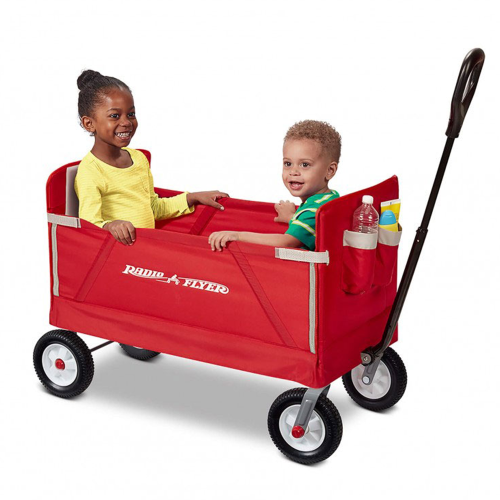 Your price for this item is $266.99
-
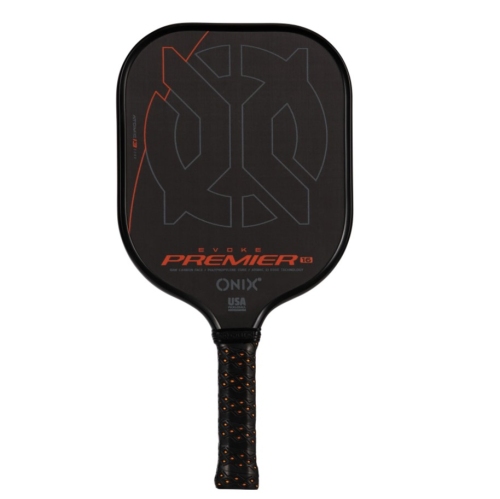 Your price for this item is $139.99
-
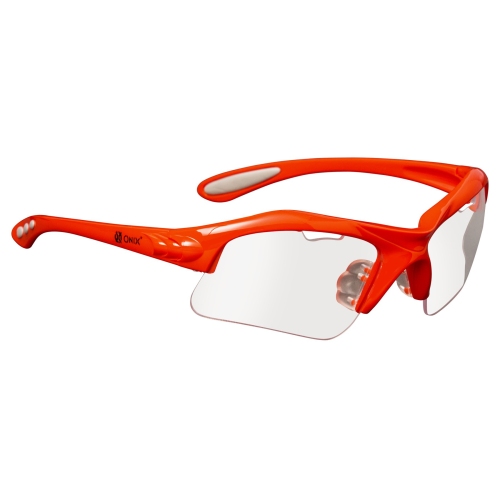 Your price for this item is $44.99
-
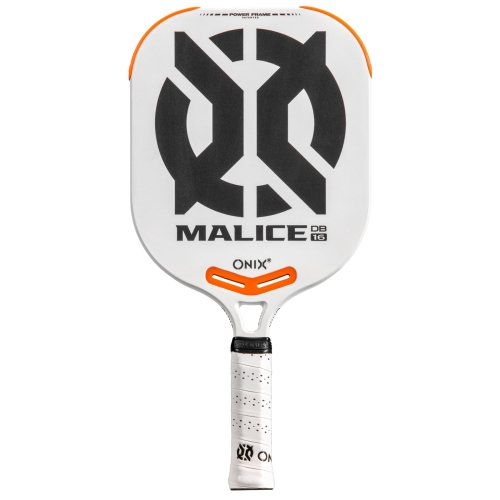 Your price for this item is $359.99
-
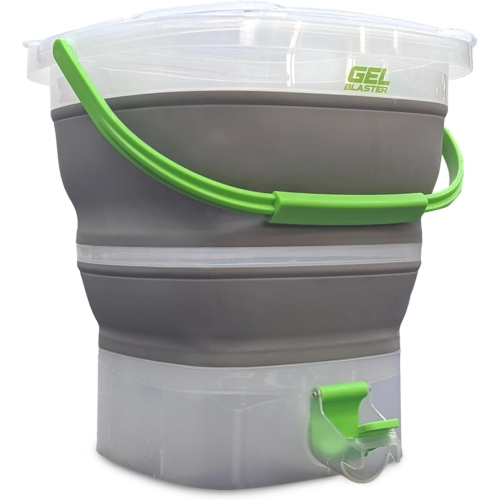 Your price for this item is $34.99
-
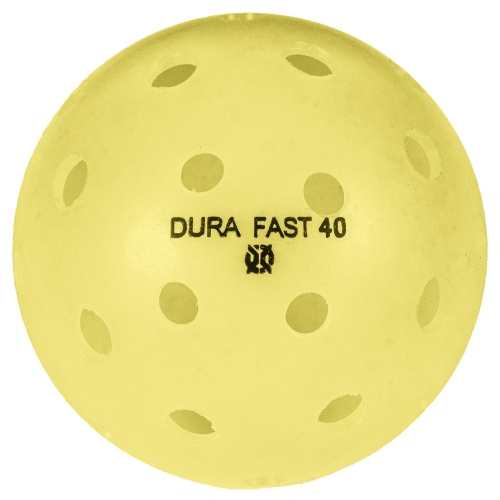 Your price for this item is $429.99
-
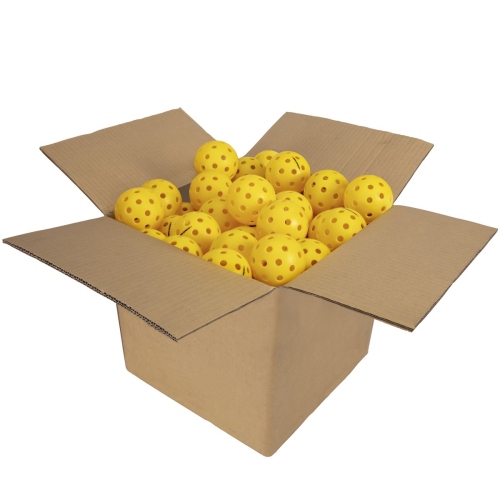 Your price for this item is $349.99
-
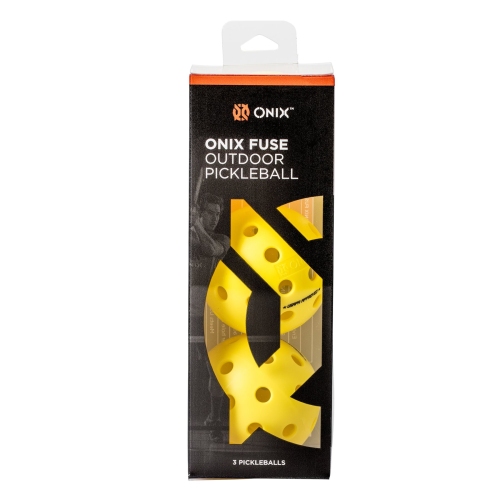 Your price for this item is $14.99
Discover more categories related to Active Play

Top Collections:
Pokemon Centers, Best Cameras for Sports Photography, Kindle Devices, Samsung Galaxy Phones, Canon G7X Cameras, Pokémon 30th Celebration Cards, Refurbished Apple Laptops, iPhone 15 Apple, Laptops for Students, Budget Smartphones
Some products may be subject to Environmental Handling Fees
(EHF) depending on your province.
Learn more about EHFs.