Amp for Passive Speakers
Looking to power up your passive speakers? Look no further than our selection of high-quality amplifiers designed specifically for passive speaker setups. Whether you're a musician, DJ, or simply an audio enthusiast, our range of amps will provide the perfect boost to take your sound system to the next level. With a variety of power outputs and features to choose from, finding the ideal amplifier for your passive speakers has never been easier. Get ready to experience crystal-clear sound and enhanced audio performance with our top-notch selection of amps for passive speakers.
Sort
Why speaker matching matters more than wattage alone
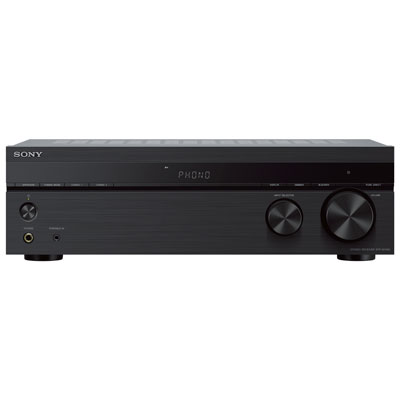
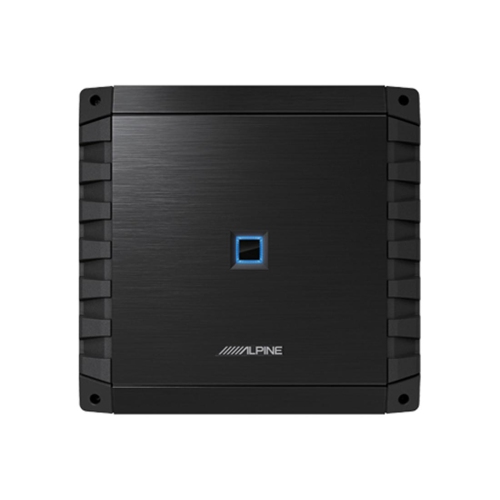
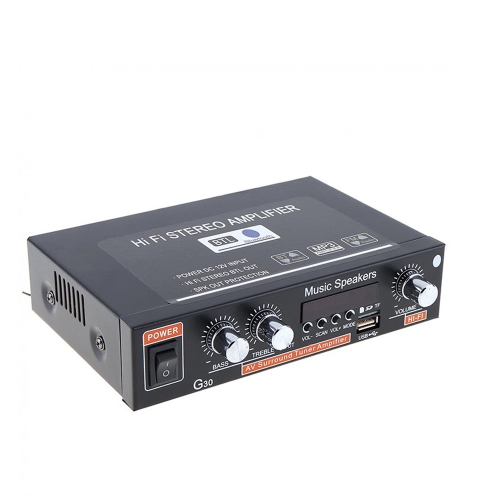
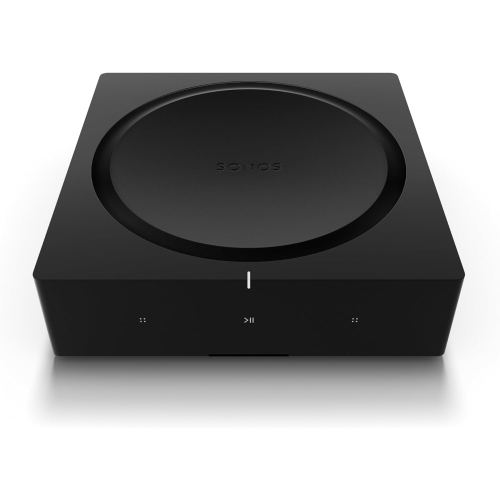
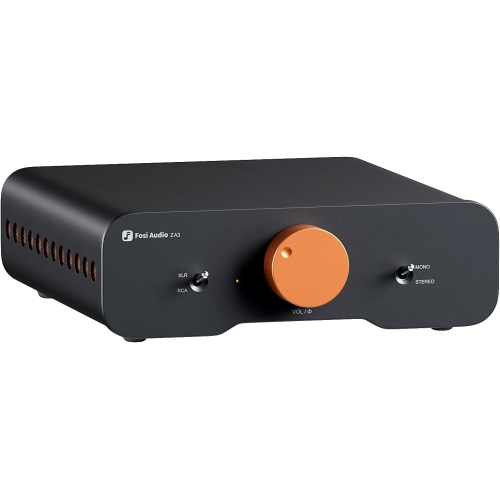
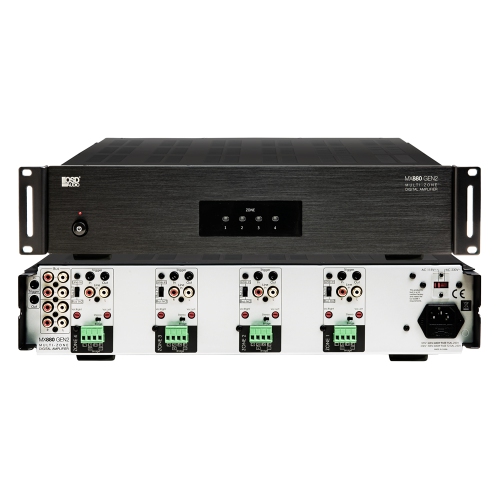
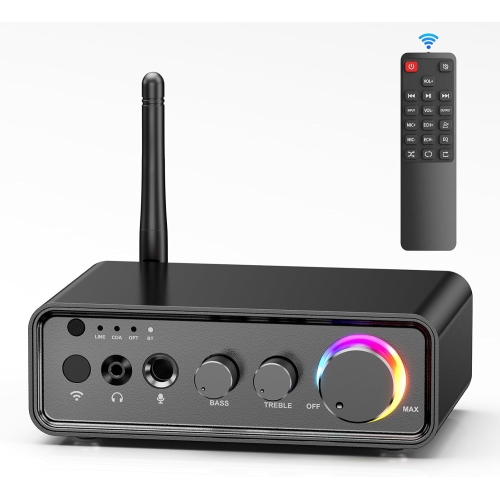
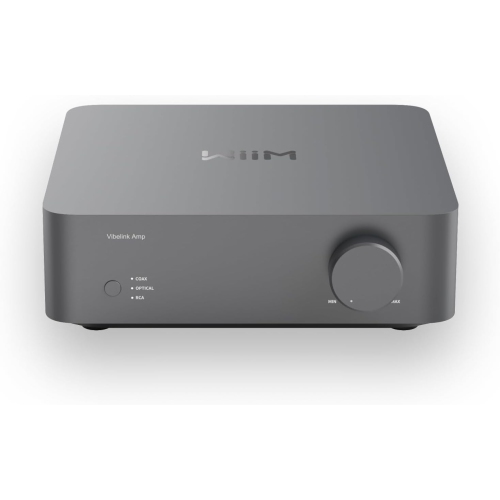
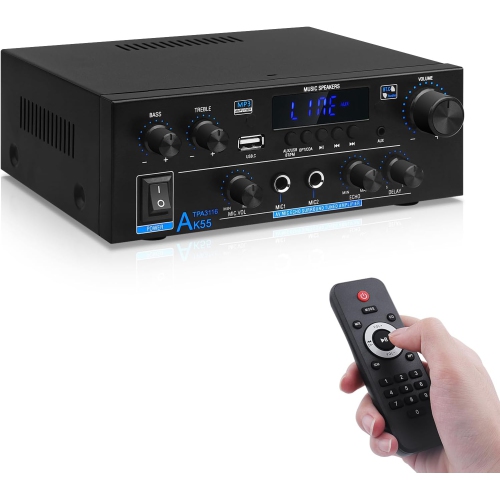
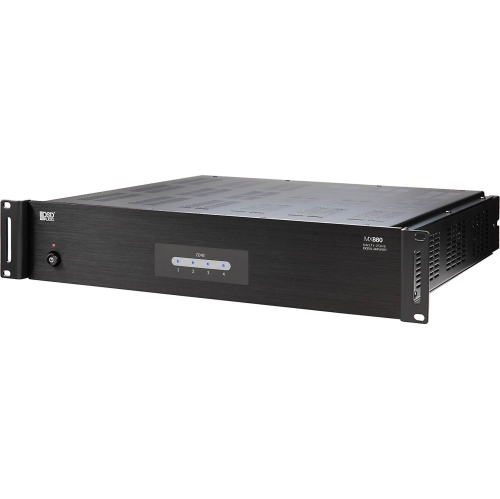
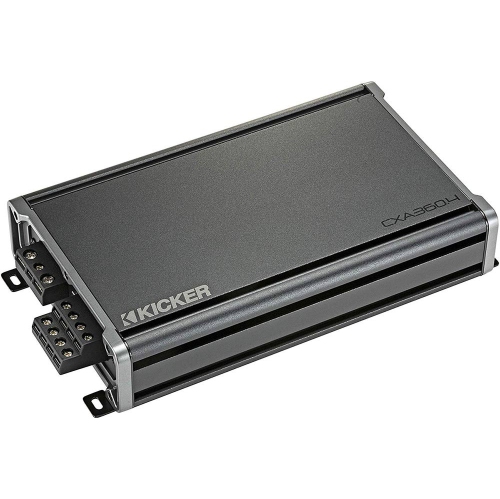
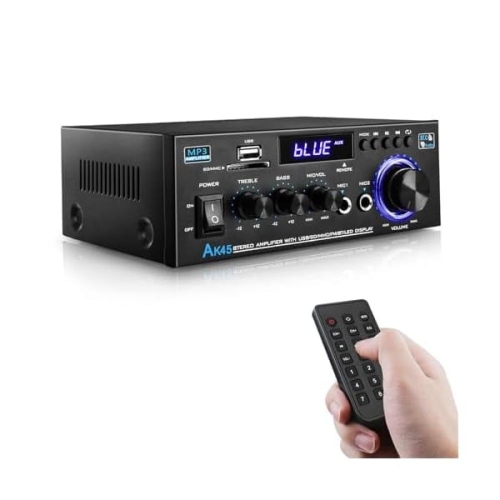
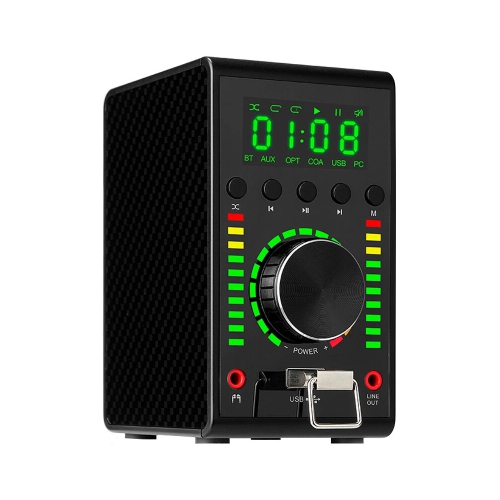
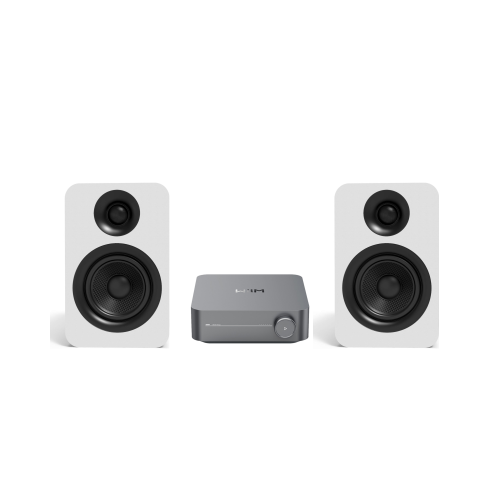
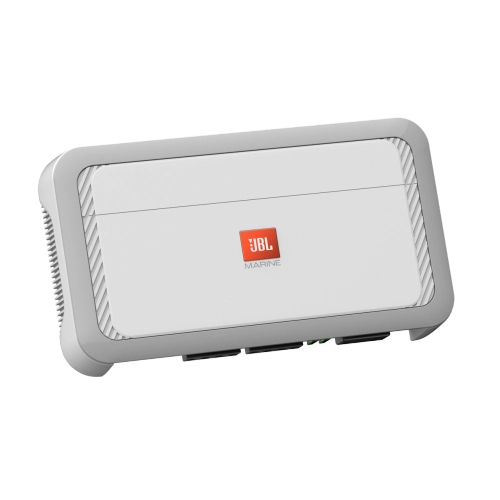
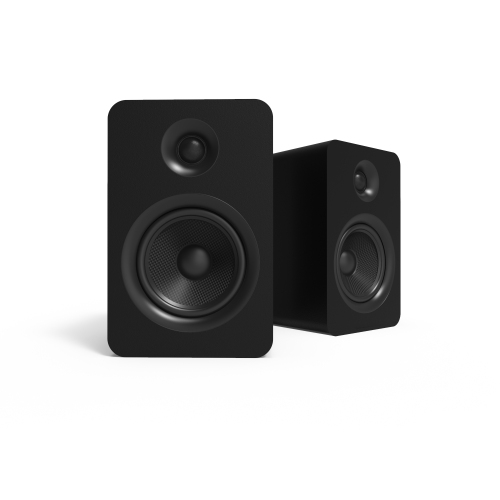
An amp for passive speakers supplies the electrical power that speakers without built-in amplification need to produce sound. It takes an audio signal from a connected source, increases its strength, and sends it through speaker wire to the speaker drivers. Conventional passive speakers do not plug into a wall outlet; the amplifier connects to power and drives them through their speaker terminals. This arrangement suits everything from a pair of bookshelf speakers beside a desk to floor-standing speakers in a living room, with the flexibility to change the amplifier or speakers separately over time. A stereo amplifier powers two channels, making it a natural fit for music listening, while a multichannel amplifier or AV receiver can support a larger home theatre system. An integrated amplifier combines a power amplifier with a preamplifier, usually providing volume adjustment and source selection in one component. A standalone power amplifier generally needs a separate preamplifier or another source with suitable output and volume control. These distinctions matter in everyday use: someone switching between a turntable and a music streamer may appreciate an integrated design, while someone expanding an existing component system may need amplification alone. Compact amplifiers can fit neatly into a home office, and full-width components often sit more comfortably on an open media shelf. Either format can be appropriate for passive speakers when its electrical specifications and connections suit the system. For a paired setup, the speaker designs featured on Best Passive Speakers provide context for the other half of the connection, from compact cabinets to larger designs intended for more spacious rooms. The appeal of a separate amplifier is practical as much as musical: it gives familiar speakers a central point for source connections, listening-level adjustments, and the power needed to bring voices, instruments, and film soundtracks into the room.
Compatibility between an amplifier and passive speakers depends on more than a single wattage figure. Speaker impedance, expressed in ohms, describes the electrical load presented to the amplifier and varies with frequency. Many home speakers carry nominal ratings of 4, 6, or 8 ohms, and the amplifier needs to support the connected load. A lower-impedance speaker can demand more current, so a match based only on cabinet size or advertised output may miss an important limitation. Continuous power ratings are more useful when compared under similar conditions, including impedance, distortion, and the number of channels driven; a peak output figure is not interchangeable with continuous output. Speaker sensitivity also affects the result. A more sensitive speaker typically needs less power to reach a given listening level than a less sensitive design, while greater seating distance and a larger room can increase power demands. At a desk, with speakers close to the listener, modest output may be sufficient for clear, comfortable playback. Across an open living area, extra clean output can help preserve the impact of a drumbeat or a sudden orchestral passage without pushing the amplifier into distortion. Both excessive power and sustained clipping can damage speakers, so compatible ratings and sensible volume levels remain important even in a well-matched system. Class D amplifiers are often compact and generate relatively little heat, while Class AB designs commonly use larger heat sinks and may require more space around the chassis. Neither amplifier class alone determines sound quality. Connection quality, circuit design, speaker behaviour, and room acoustics all contribute to what reaches the listening position. Bass expansion brings another distinction: a line-level subwoofer output usually connects to a powered subwoofer with its own amplifier. A passive subwoofer requires suitable amplification and crossover filtering; a socket labelled for a subwoofer does not automatically provide speaker-driving power. Likewise, connecting additional speaker pairs requires attention to the amplifier’s supported wiring arrangements and combined load.
Source connections shape how comfortably an amplifier fits into daily routines. Analogue RCA inputs accommodate many audio components, while optical or coaxial digital inputs can accept compatible digital sources when the amplifier includes a digital-to-analogue converter. A USB audio input may suit a computer-based setup, but a USB socket intended only for power or storage playback serves a different purpose. Bluetooth can make casual listening from a phone straightforward, while Wi-Fi streaming features may support network playback and multiroom listening where specified. For television sound, HDMI ARC or eARC can simplify audio connections and volume control on compatible equipment, although supported audio formats and television settings still matter. A turntable needs a phono stage somewhere in the signal path, whether built into the turntable, included in the amplifier, or housed in a separate component. Cartridge compatibility matters too, since moving-magnet and moving-coil cartridges can require different phono inputs. Physical construction deserves similar attention. A rigid metal chassis, secure speaker terminals, firmly mounted sockets, and a smooth volume control can contribute to durability and comfortable everyday handling, though outward appearance alone does not establish internal quality. Binding posts may accept bare wire, banana plugs, or spade connectors depending on their design; spring clips typically accommodate bare wire within a specified size range. Cable thickness should suit the cable length and speaker load, with tidy connections that leave no loose strands touching neighbouring terminals. On a shelf, an amplifier needs the ventilation clearance specified by its manufacturer, along with enough depth for plugs and cable bends. Enclosed cupboards, stacked components, moisture, and heavy dust can interfere with reliable operation. Care is generally straightforward: disconnect power before cleaning, use a soft, dry cloth on the exterior, and keep liquids away from openings and controls. For a music enthusiast, a student setting up a listening corner, or someone bringing an older pair of speakers back into use, an amplifier can also be a thoughtful gift when the existing connections and speaker requirements are known. A suitable match makes the system easy to enjoy, whether it accompanies focused album listening, dialogue on a quiet evening, or music shared across the living room.
Compatibility between an amplifier and passive speakers depends on more than a single wattage figure. Speaker impedance, expressed in ohms, describes the electrical load presented to the amplifier and varies with frequency. Many home speakers carry nominal ratings of 4, 6, or 8 ohms, and the amplifier needs to support the connected load. A lower-impedance speaker can demand more current, so a match based only on cabinet size or advertised output may miss an important limitation. Continuous power ratings are more useful when compared under similar conditions, including impedance, distortion, and the number of channels driven; a peak output figure is not interchangeable with continuous output. Speaker sensitivity also affects the result. A more sensitive speaker typically needs less power to reach a given listening level than a less sensitive design, while greater seating distance and a larger room can increase power demands. At a desk, with speakers close to the listener, modest output may be sufficient for clear, comfortable playback. Across an open living area, extra clean output can help preserve the impact of a drumbeat or a sudden orchestral passage without pushing the amplifier into distortion. Both excessive power and sustained clipping can damage speakers, so compatible ratings and sensible volume levels remain important even in a well-matched system. Class D amplifiers are often compact and generate relatively little heat, while Class AB designs commonly use larger heat sinks and may require more space around the chassis. Neither amplifier class alone determines sound quality. Connection quality, circuit design, speaker behaviour, and room acoustics all contribute to what reaches the listening position. Bass expansion brings another distinction: a line-level subwoofer output usually connects to a powered subwoofer with its own amplifier. A passive subwoofer requires suitable amplification and crossover filtering; a socket labelled for a subwoofer does not automatically provide speaker-driving power. Likewise, connecting additional speaker pairs requires attention to the amplifier’s supported wiring arrangements and combined load.
Source connections shape how comfortably an amplifier fits into daily routines. Analogue RCA inputs accommodate many audio components, while optical or coaxial digital inputs can accept compatible digital sources when the amplifier includes a digital-to-analogue converter. A USB audio input may suit a computer-based setup, but a USB socket intended only for power or storage playback serves a different purpose. Bluetooth can make casual listening from a phone straightforward, while Wi-Fi streaming features may support network playback and multiroom listening where specified. For television sound, HDMI ARC or eARC can simplify audio connections and volume control on compatible equipment, although supported audio formats and television settings still matter. A turntable needs a phono stage somewhere in the signal path, whether built into the turntable, included in the amplifier, or housed in a separate component. Cartridge compatibility matters too, since moving-magnet and moving-coil cartridges can require different phono inputs. Physical construction deserves similar attention. A rigid metal chassis, secure speaker terminals, firmly mounted sockets, and a smooth volume control can contribute to durability and comfortable everyday handling, though outward appearance alone does not establish internal quality. Binding posts may accept bare wire, banana plugs, or spade connectors depending on their design; spring clips typically accommodate bare wire within a specified size range. Cable thickness should suit the cable length and speaker load, with tidy connections that leave no loose strands touching neighbouring terminals. On a shelf, an amplifier needs the ventilation clearance specified by its manufacturer, along with enough depth for plugs and cable bends. Enclosed cupboards, stacked components, moisture, and heavy dust can interfere with reliable operation. Care is generally straightforward: disconnect power before cleaning, use a soft, dry cloth on the exterior, and keep liquids away from openings and controls. For a music enthusiast, a student setting up a listening corner, or someone bringing an older pair of speakers back into use, an amplifier can also be a thoughtful gift when the existing connections and speaker requirements are known. A suitable match makes the system easy to enjoy, whether it accompanies focused album listening, dialogue on a quiet evening, or music shared across the living room.
Top selling and popular products
-
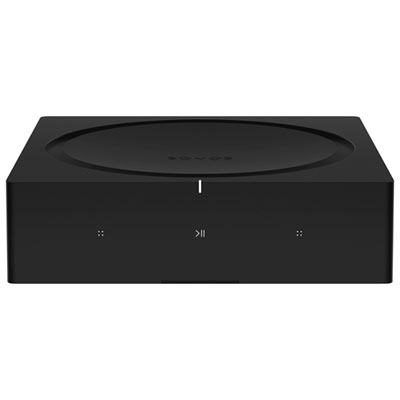 Your price for this item is $1049.99
 -
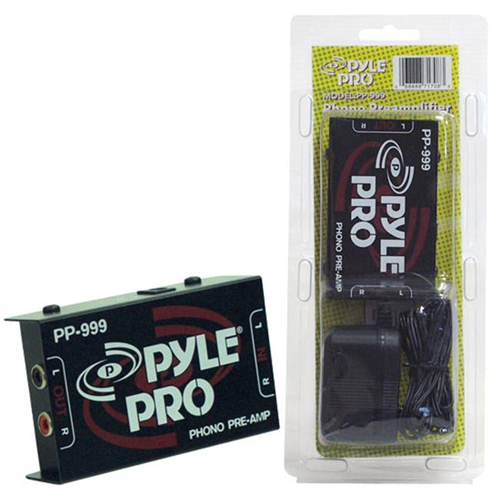 Your price for this item is $28.99
 -
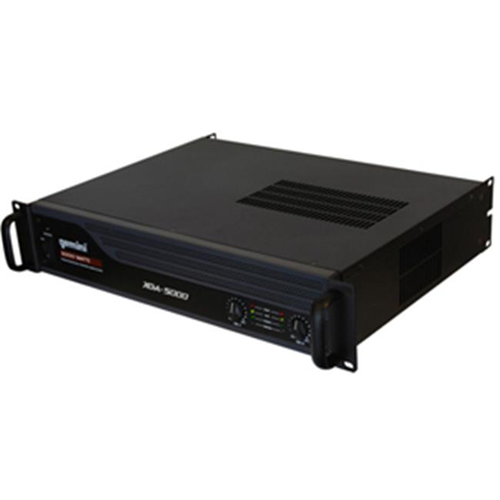 Your price for this item is $381.95
 -
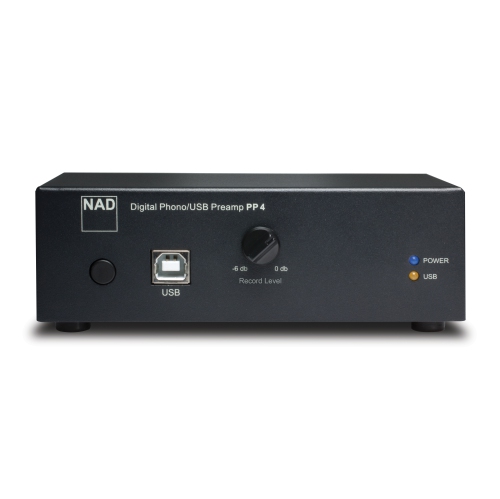 Your price for this item is $479
 -
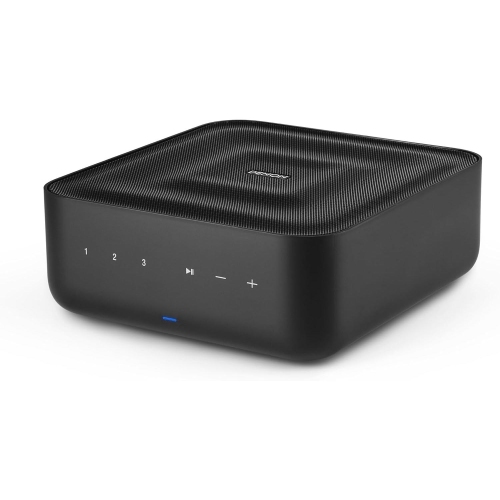 Your price for this item is $945.25
 -
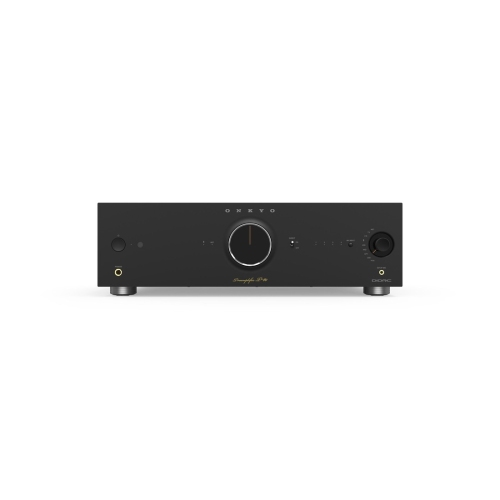 Your price for this item is $2998
 -
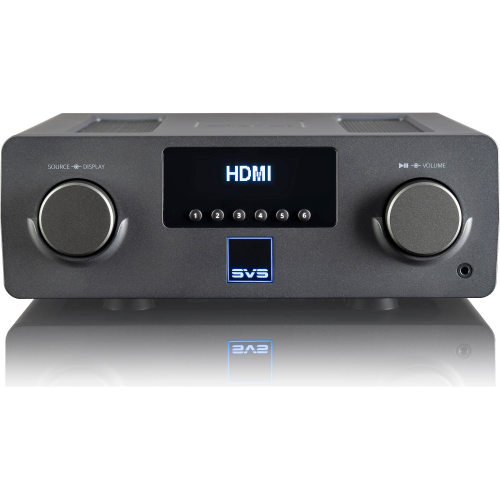 Your price for this item is $1155
 -
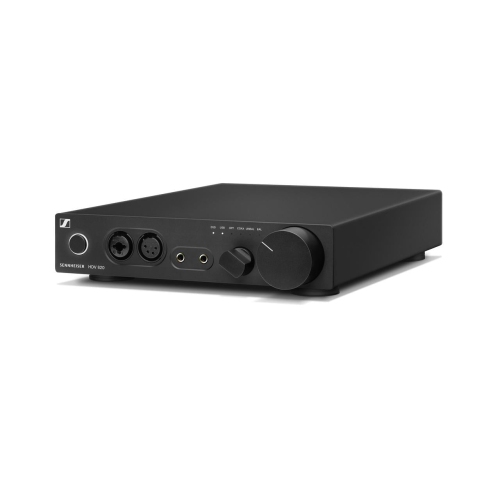 Your price for this item is $3499.95
Discover more categories related to Amp for Passive Speakers
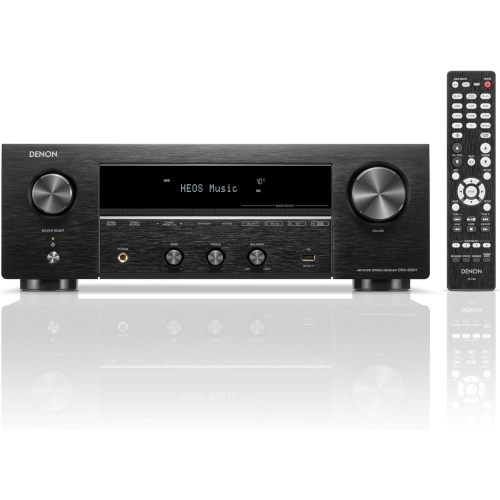
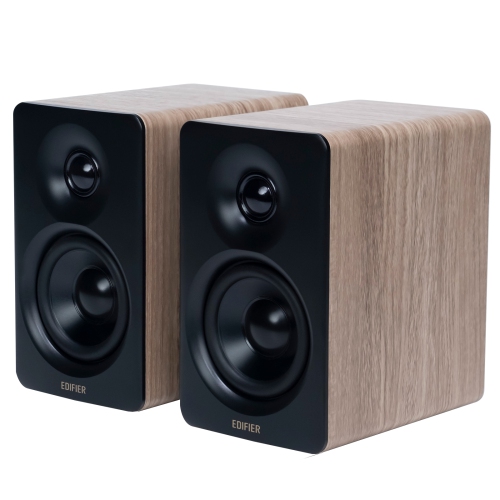
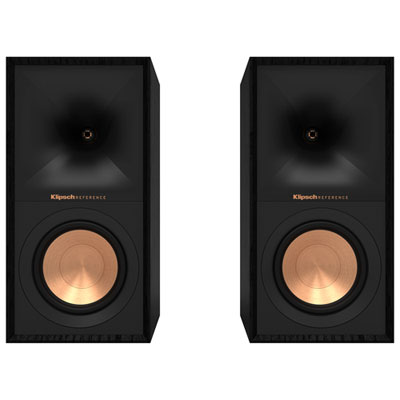
Top Collections:
Pokemon Centers, Kindle Devices, Best Budget Office Chairs, Apple iPhones 16, Best Laptops for Writers, iPhone 15 Apple, Canon G7X Cameras, Refurbished Apple Laptops, Alarm Clock, Motorola Razr Phones
Some products may be subject to Environmental Handling Fees
(EHF) depending on your province.
Learn more about EHFs.