Small Passive Speakers
If you're looking for a way to improve the sound of your music, movies, or games without adding a lot of extra bulk to your setup, then you might be interested in small passive speakers. These are designed to fit into tight spaces and provide good sound. Here are some of our favorites.
Sort





![DOLAER [Upgraded] USB Computer Speakers for PC, Laptop, Desktop, Small External Speakers w Stereo Loud Sound & Enhanced Bass, Mini Sound Bar For](https://multimedia.bbycastatic.ca/multimedia/products/500x500/164/16485/16485056.jpeg)
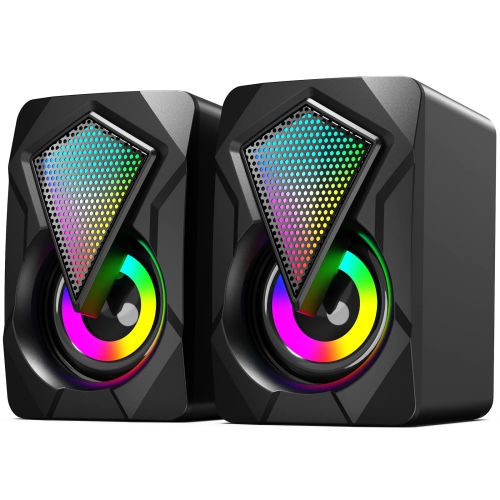
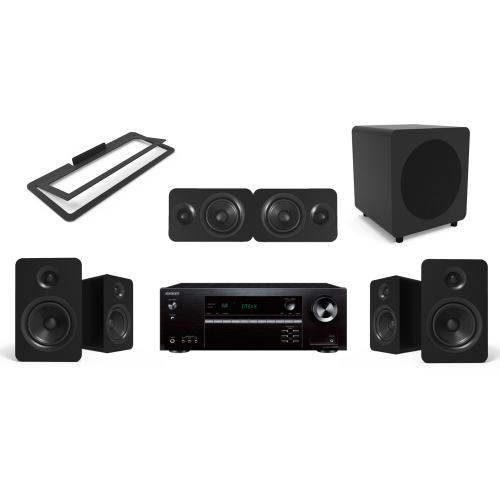

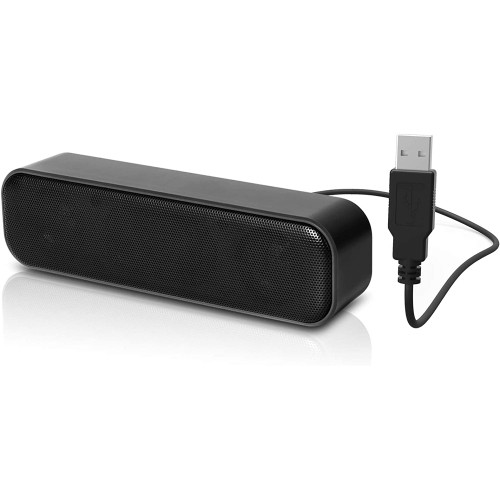
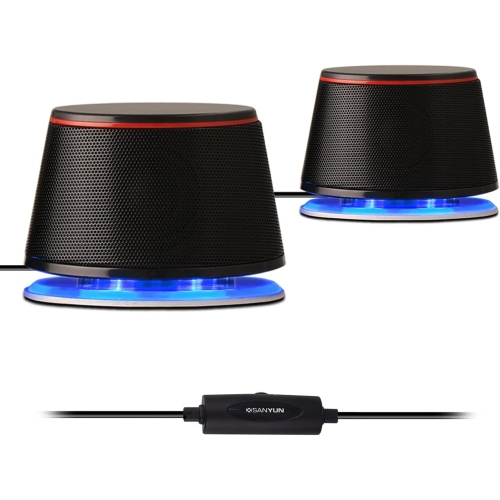
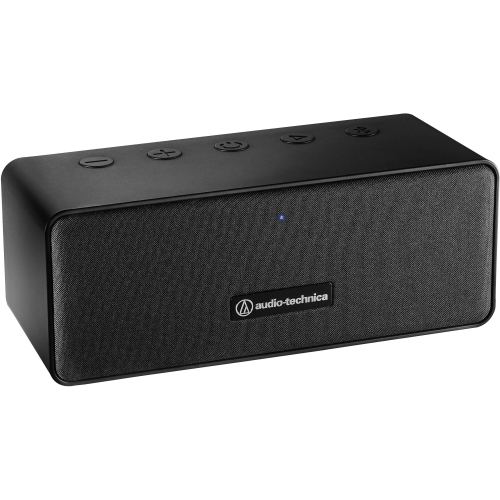

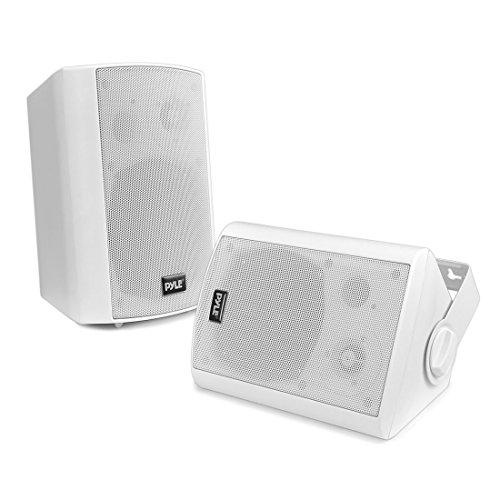
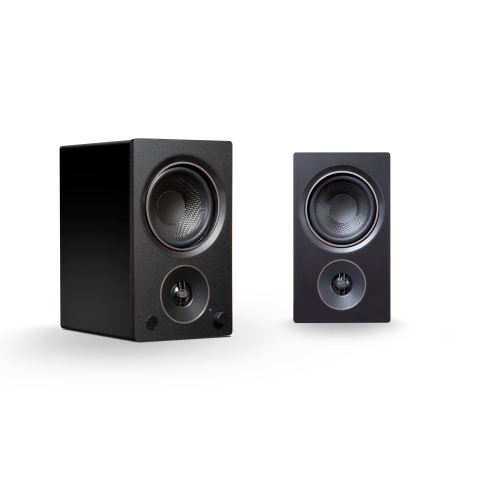
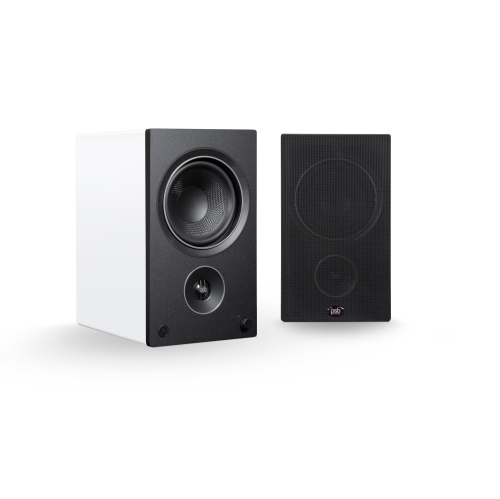
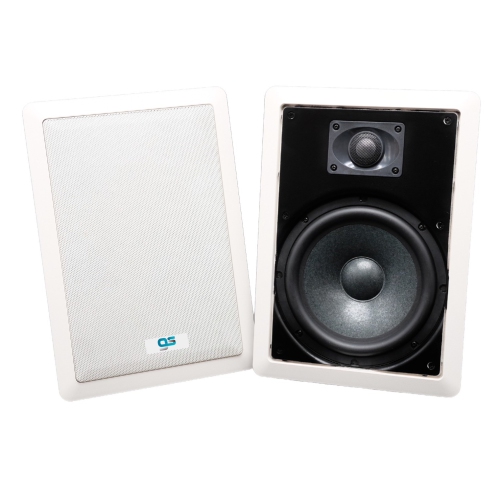
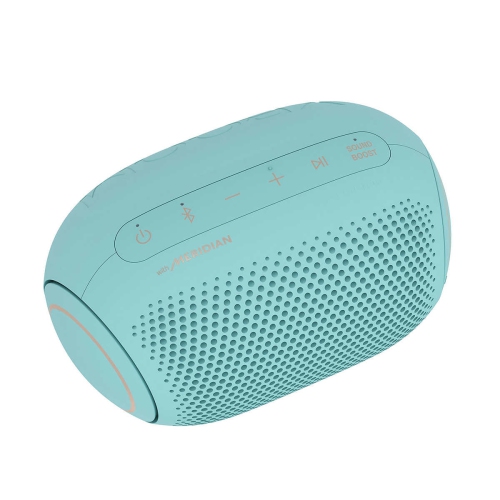
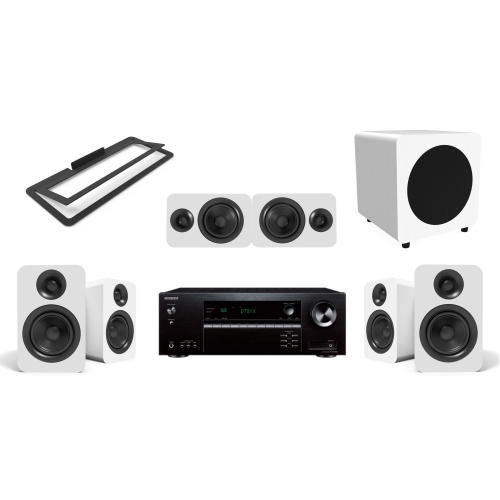
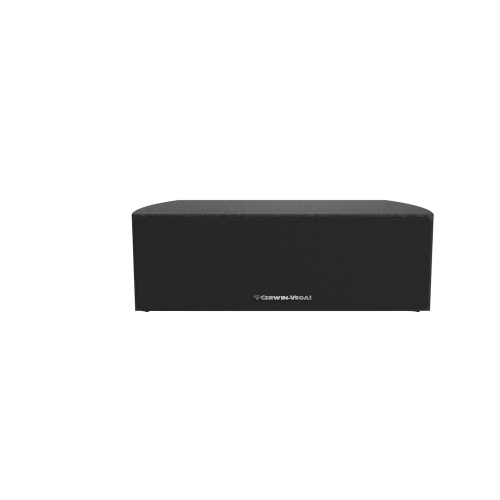
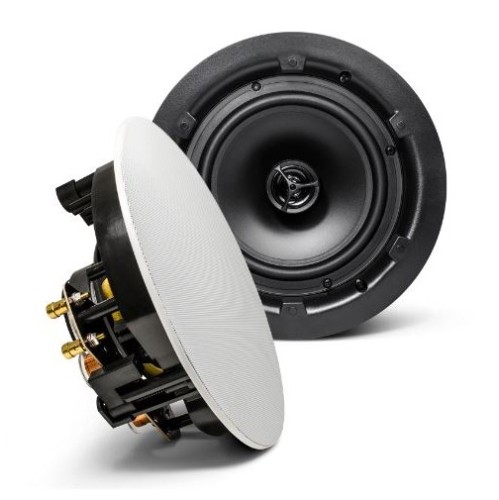
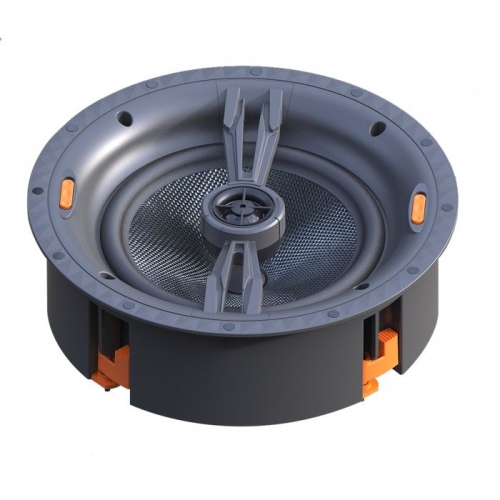
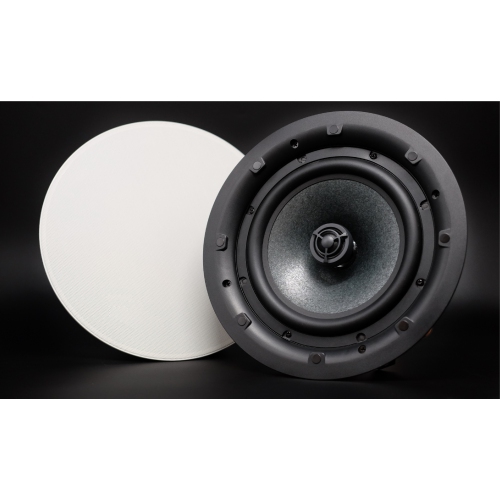
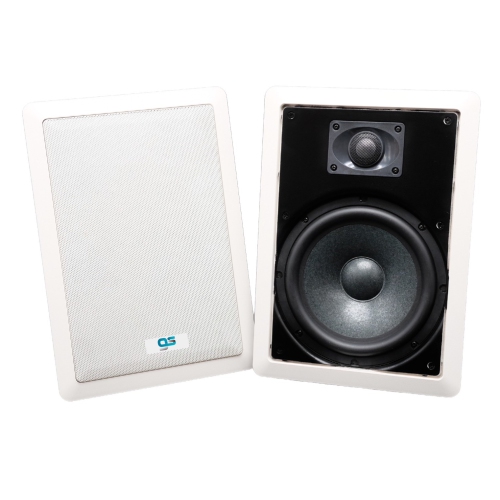
Flexible audio setups for compact rooms and everyday listening
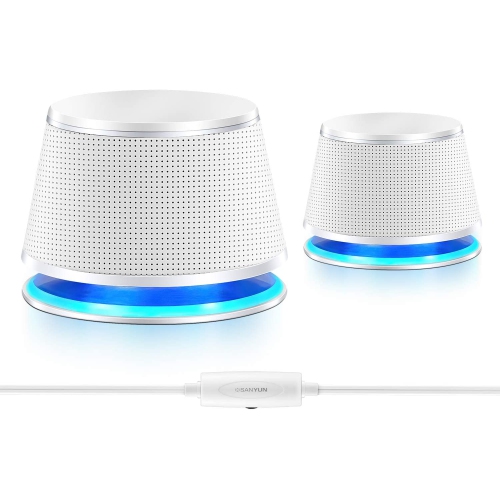
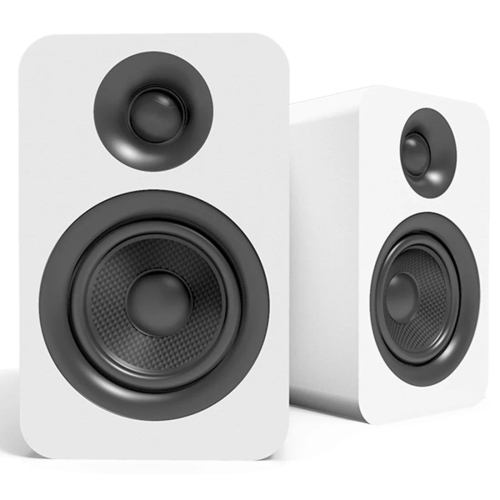
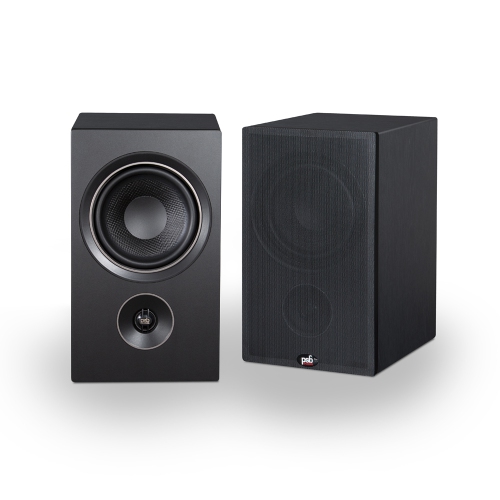
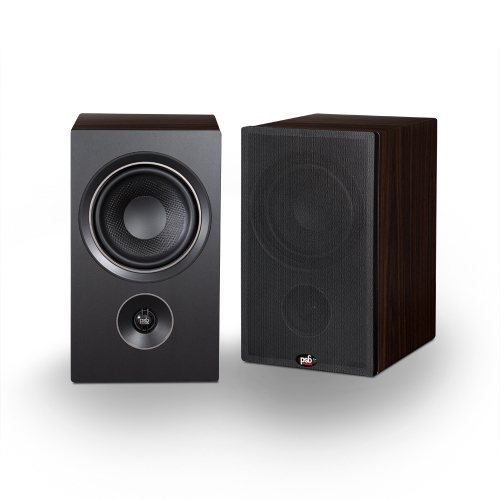
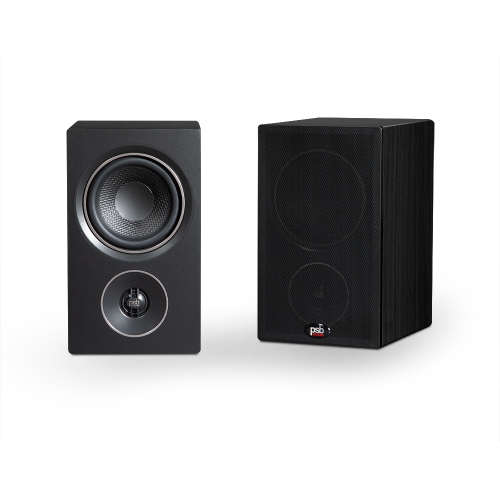
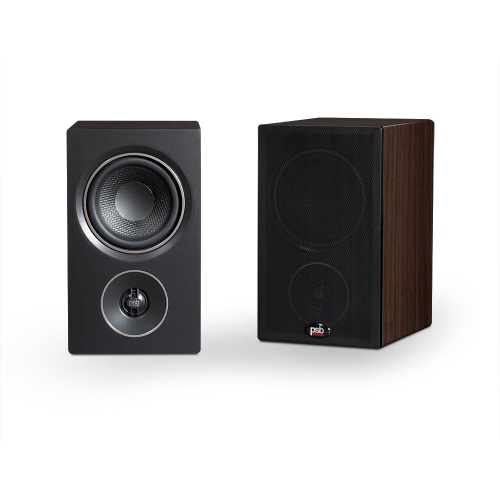
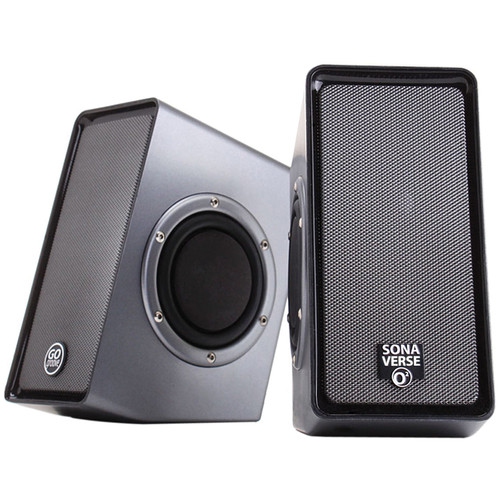
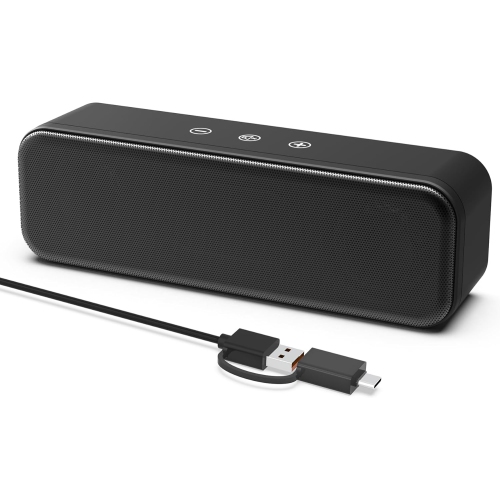
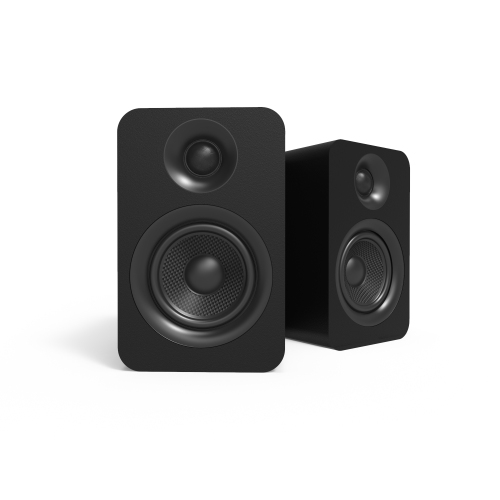
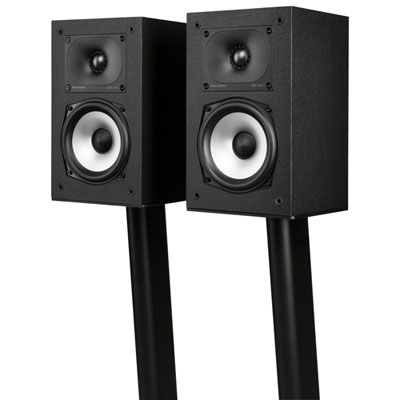
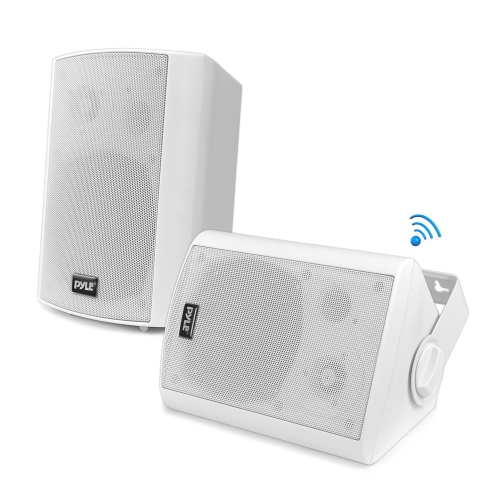
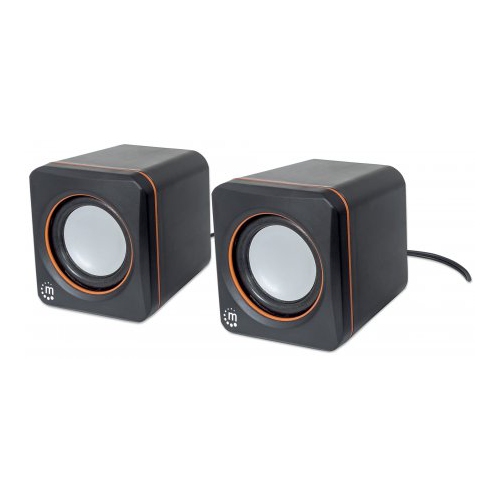
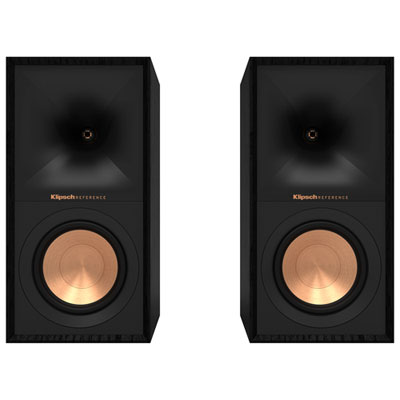
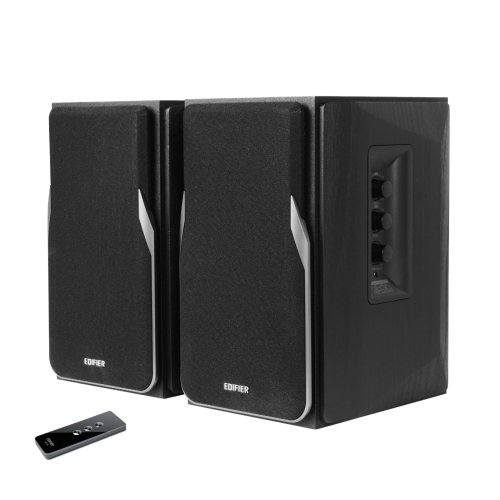
Small passive speakers are a practical way to bring clear, balanced sound to rooms where floor space is limited. Unlike powered speakers, they do not contain a built-in amplifier, so they must be connected to a compatible stereo receiver, AV receiver, integrated amplifier, or compact desktop amplifier before they can produce sound. That separate-amplifier design gives you more flexibility: you can choose the amount of power, the number of inputs, and the features that suit your setup, then replace or upgrade individual components over time. Compact passive speakers are often used on bookshelves, desks, media consoles, kitchen counters, and wall-mounted shelves, making them useful for apartments, bedrooms, offices, dorm rooms, and smaller living areas. They can also serve as front, rear, or surround channels in a home theatre system when their size and output match the other speakers in the setup. A pair positioned on either side of a computer monitor can create a more spacious listening experience than typical built-in laptop or monitor speakers, while a pair placed on a console can provide an inviting soundtrack for cooking, reading, or relaxed evenings at home. Before choosing a set, consider the amplifier you already own or plan to buy. Check the speaker’s recommended power range, nominal impedance, and sensitivity, and make sure the amplifier is designed to work with those specifications. Speaker wire is also required, and some installations may benefit from banana plugs or wall-mounting hardware. If you are building a system from scratch, exploring a wider selection of Passive Home Audio Speakers can help you compare sizes, finishes, connection requirements, and intended uses.
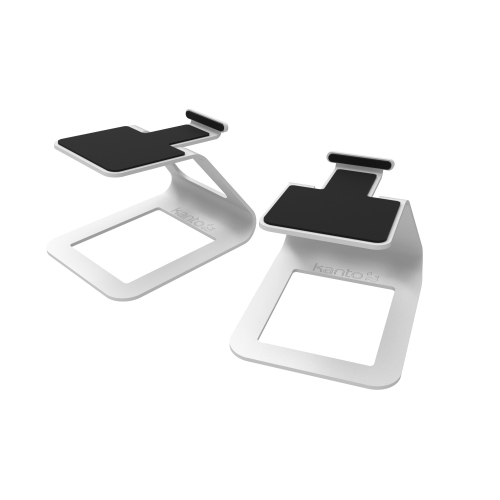
The main appeal of a small cabinet is its ability to fit neatly into a room without taking over the furniture, but compact dimensions also affect the way the speaker produces sound. A small woofer and enclosure can deliver articulate vocals, detailed acoustic instruments, and enjoyable everyday music, yet it may not create the deep, room-filling bass associated with a larger floor-standing design. That is not necessarily a drawback; in a bedroom, office, or condo, controlled bass can be more comfortable and considerate than heavy low frequencies that travel through walls and floors. For fuller low-end impact, look for a receiver or amplifier with a subwoofer output, or choose a compact speaker system that is designed to work with a separate subwoofer. Placement makes a noticeable difference as well. Keep the speakers at roughly ear level when seated, angle them slightly toward the listening position, and leave some space between the cabinet and the wall unless the manufacturer indicates that close placement is suitable. Placing both speakers at equal distances from your chair or sofa helps maintain a centred stereo image, so a singer sounds as though they are in front of you instead of drifting toward one side. On a desk, small isolation pads or stands can reduce vibrations and raise the tweeters closer to ear level. On a shelf, avoid pushing the cabinets tightly into a corner, where bass can become boomy. A familiar scene illustrates the difference: a compact pair placed carefully on either side of a record player can make a small listening nook feel open and focused, while the same pair hidden behind books or pressed against the back wall may sound muffled and uneven. Take care with polarity when connecting the wires, matching the positive and negative terminals on both speakers and the amplifier, because an incorrect connection can weaken bass and make the stereo image feel hollow.
Small passive speakers are suited to listeners who value a tidy setup, straightforward stereo performance, and the freedom to select separate audio components. They can be a thoughtful gift for someone moving into a first apartment, setting up a study space, collecting records, or upgrading from basic computer audio, provided you know what amplifier or receiver they use. They are also a useful choice for a home theatre enthusiast who needs compact surround channels without placing large cabinets around the room. When shopping, think beyond appearance: confirm the external dimensions, weight, cabinet depth, terminal style, frequency response, and whether mounting brackets or keyhole slots are included. A speaker that fits the width of a shelf may still be too deep for the available space, and a pair intended for wall mounting may require extra room for cable routing. Match the speakers to the room and listening habits rather than assuming the largest model is automatically best. For near-field listening at a desk, detail and controlled output may matter more than maximum volume; for a living room, wider dispersion and strong sensitivity can make music sound consistent across a broader seating area. If you enjoy films, make sure the speakers can integrate with the centre and surround channels in your receiver. If music is the priority, listen for natural speech and vocals, clean treble, and a balanced presentation that remains comfortable during longer sessions. During the warmer months, a compact system can move easily to a den or covered entertainment area when the equipment is protected from moisture; during the cooler months, it can make a reading corner or home office feel more welcoming without adding bulky furniture. With the right amplifier, sensible placement, and realistic expectations about bass, small passive speakers can provide a focused, versatile foundation for music, films, games, and everyday listening.
The main appeal of a small cabinet is its ability to fit neatly into a room without taking over the furniture, but compact dimensions also affect the way the speaker produces sound. A small woofer and enclosure can deliver articulate vocals, detailed acoustic instruments, and enjoyable everyday music, yet it may not create the deep, room-filling bass associated with a larger floor-standing design. That is not necessarily a drawback; in a bedroom, office, or condo, controlled bass can be more comfortable and considerate than heavy low frequencies that travel through walls and floors. For fuller low-end impact, look for a receiver or amplifier with a subwoofer output, or choose a compact speaker system that is designed to work with a separate subwoofer. Placement makes a noticeable difference as well. Keep the speakers at roughly ear level when seated, angle them slightly toward the listening position, and leave some space between the cabinet and the wall unless the manufacturer indicates that close placement is suitable. Placing both speakers at equal distances from your chair or sofa helps maintain a centred stereo image, so a singer sounds as though they are in front of you instead of drifting toward one side. On a desk, small isolation pads or stands can reduce vibrations and raise the tweeters closer to ear level. On a shelf, avoid pushing the cabinets tightly into a corner, where bass can become boomy. A familiar scene illustrates the difference: a compact pair placed carefully on either side of a record player can make a small listening nook feel open and focused, while the same pair hidden behind books or pressed against the back wall may sound muffled and uneven. Take care with polarity when connecting the wires, matching the positive and negative terminals on both speakers and the amplifier, because an incorrect connection can weaken bass and make the stereo image feel hollow.
Small passive speakers are suited to listeners who value a tidy setup, straightforward stereo performance, and the freedom to select separate audio components. They can be a thoughtful gift for someone moving into a first apartment, setting up a study space, collecting records, or upgrading from basic computer audio, provided you know what amplifier or receiver they use. They are also a useful choice for a home theatre enthusiast who needs compact surround channels without placing large cabinets around the room. When shopping, think beyond appearance: confirm the external dimensions, weight, cabinet depth, terminal style, frequency response, and whether mounting brackets or keyhole slots are included. A speaker that fits the width of a shelf may still be too deep for the available space, and a pair intended for wall mounting may require extra room for cable routing. Match the speakers to the room and listening habits rather than assuming the largest model is automatically best. For near-field listening at a desk, detail and controlled output may matter more than maximum volume; for a living room, wider dispersion and strong sensitivity can make music sound consistent across a broader seating area. If you enjoy films, make sure the speakers can integrate with the centre and surround channels in your receiver. If music is the priority, listen for natural speech and vocals, clean treble, and a balanced presentation that remains comfortable during longer sessions. During the warmer months, a compact system can move easily to a den or covered entertainment area when the equipment is protected from moisture; during the cooler months, it can make a reading corner or home office feel more welcoming without adding bulky furniture. With the right amplifier, sensible placement, and realistic expectations about bass, small passive speakers can provide a focused, versatile foundation for music, films, games, and everyday listening.
Top selling and popular products
-
 Your price for this item is $286.58
 -
 Your price for this item is $369.99
 -
 Your price for this item is $449.95
 -
 Your price for this item is $399.99
 -
 Your price for this item is $399.99
 -
 Your price for this item is $399.99
 -
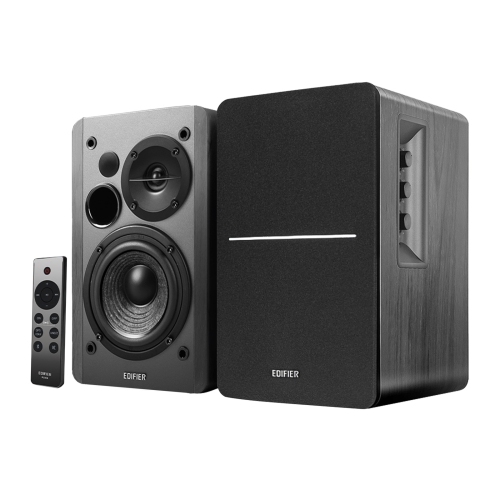 Your price for this item is $229.99
 -
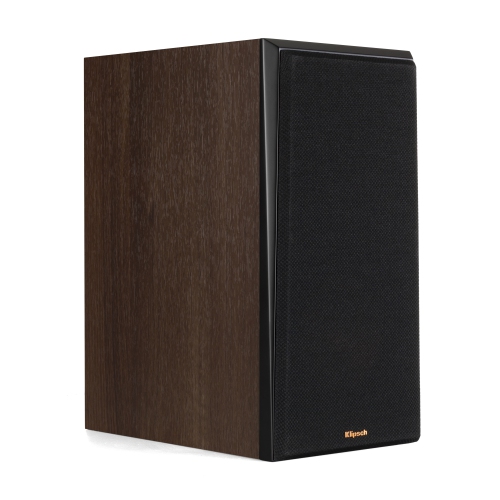 Your price for this item is $949
Discover more categories related to Small Passive Speakers
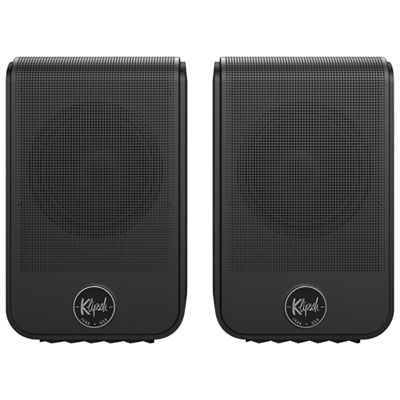
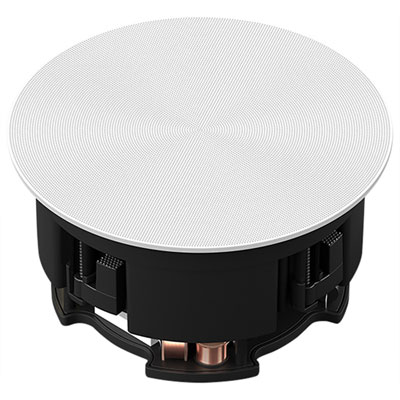
Top Collections:
Pokemon Centers, Kindle Devices, Best Budget Office Chairs, Apple iPhones 16, Best Laptops for Writers, iPhone 15 Apple, Canon G7X Cameras, Refurbished Apple Laptops, Alarm Clock, Motorola Razr Phones
Some products may be subject to Environmental Handling Fees
(EHF) depending on your province.
Learn more about EHFs.