Apple Headphone Jack
Discover the perfect solution for connecting your favorite audio devices with the Apple Headphone Jack. Whether you're looking to enjoy music, take calls, or experience enhanced sound quality, these versatile accessories make it easy to link your headphones or speakers to compatible Apple devices. Find a range of options designed for seamless integration and reliable performance, ensuring you get the most out of every listening session. Explore our selection to find the ideal Apple Headphone Jack for your needs.
Sort


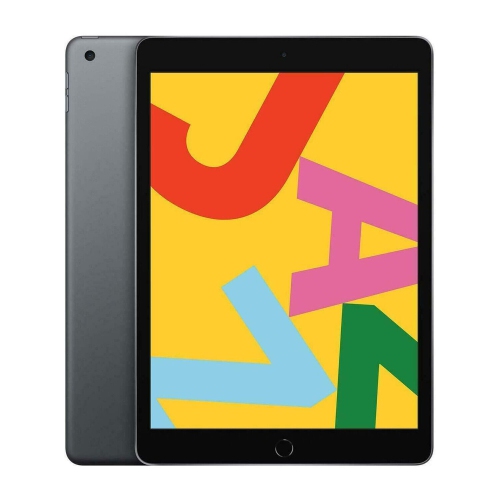
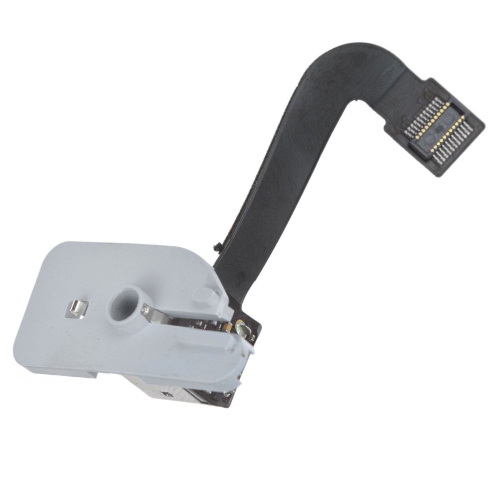


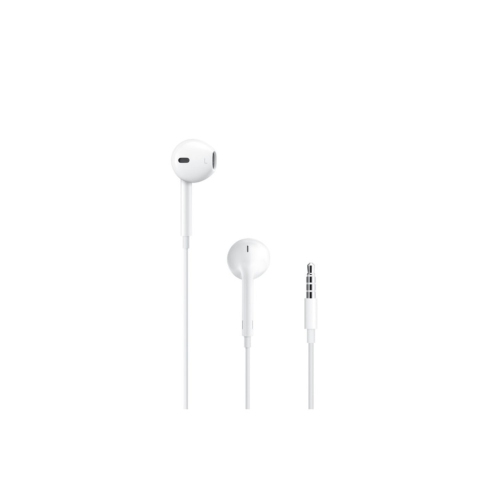
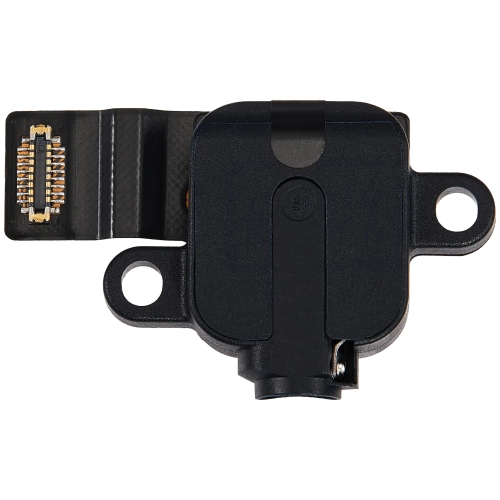
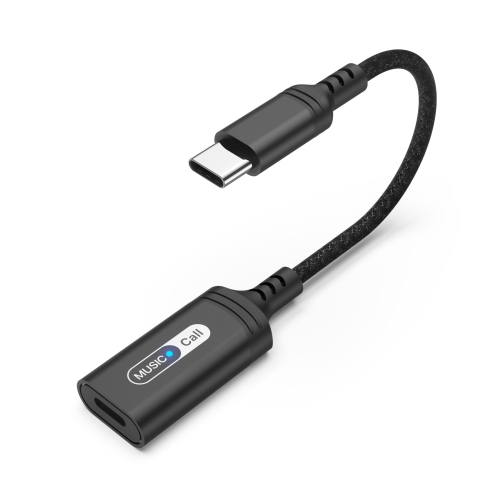
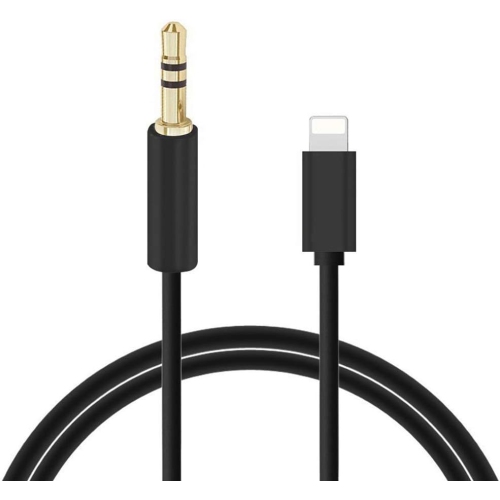
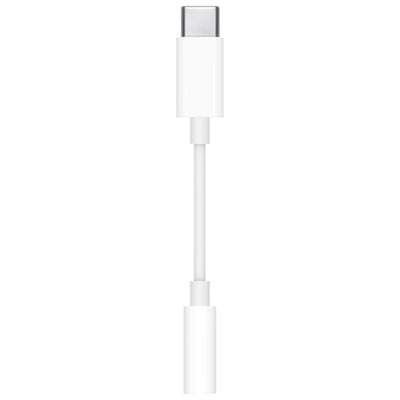


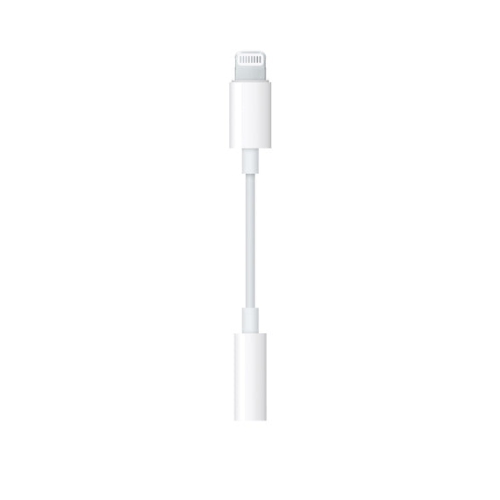
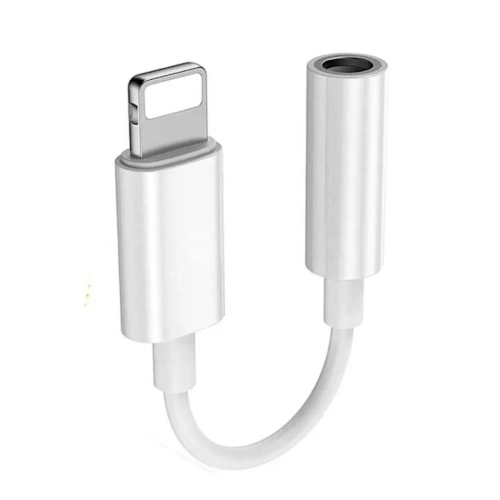
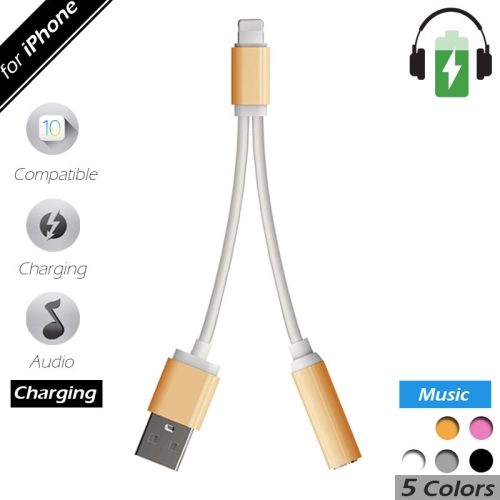
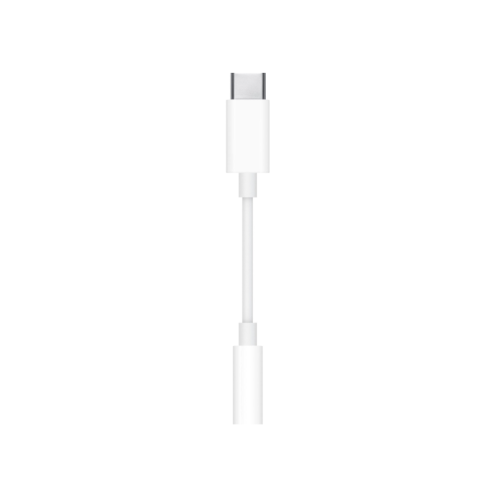
A small adapter keeps familiar wired headphones connected
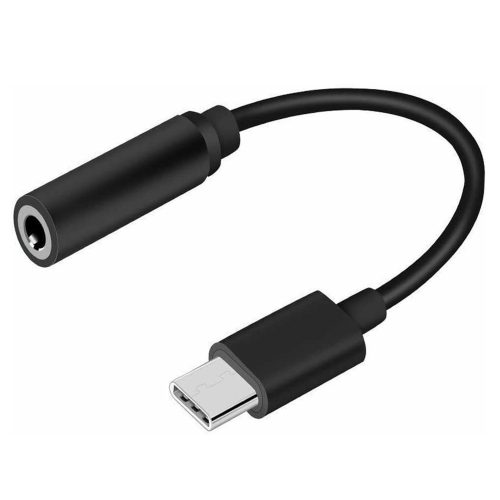
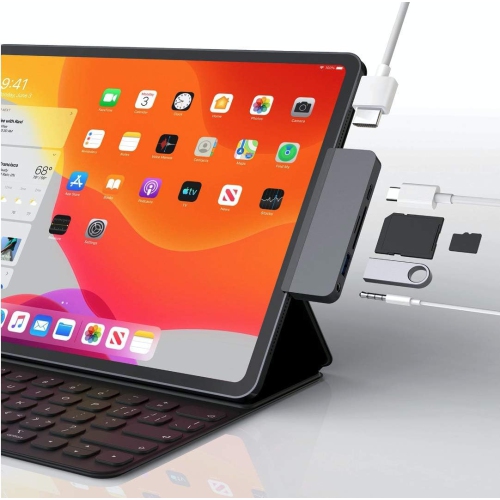
Headphone jack adapters connect wired headphones and earphones with a 3.5 mm plug to compatible devices that use a Lightning or USB-C port for audio. They provide a practical connection when a phone or tablet has no built-in headphone socket, allowing a familiar pair of wired headphones to remain part of everyday listening. The two ends serve different purposes: the smaller digital connector plugs into the device, while the round 3.5 mm socket accepts the headphone plug. Lightning and USB-C are different connections, so the adapter’s device-side connector needs to match the port on the phone or tablet. Compatibility also depends on the device’s audio support and the adapter’s specifications, not simply whether the plug fits. A digital audio adapter can contain a digital-to-analogue converter, often called a DAC, which turns digital audio into the analogue signal used by conventional wired headphones. This matters particularly with USB-C connections, because devices do not all handle audio in the same way. A charging cable or a simple connector converter is not automatically a substitute for an audio adapter. For everyday listening, the appeal is straightforward: connect a comfortable pair of earphones for a podcast, attach over-ear headphones for an album, or use an existing wired connection at a desk without pairing a wireless accessory. Headphones connected through a basic adapter do not need a wireless connection, although features such as active noise cancellation may still require their own battery power. Devices with an integrated socket offer another approach to wired listening, and Headphone Jack Phones is a related selection for shoppers who prefer that connection built into the device. Whether the socket is built in or supplied through an adapter, the useful starting point is the same: a connection suited to both the device and the headphones.
Audio playback is only part of what a headphone connection may need to handle. Earphones with an inline microphone and remote can be useful for calls, online lessons, voice messages, and switching between music and conversation, but microphone input and button controls depend on support across the headphones, adapter, device, and software. An adapter that carries sound to headphones does not necessarily support every microphone or remote function. The shape of the 3.5 mm plug can also matter: stereo headphone plugs and plugs that combine stereo sound with a microphone have different contact arrangements. A matching socket diameter alone does not confirm that all those functions will work. For someone joining video meetings from a kitchen table or studying in a shared room, dependable microphone support can be just as important as music playback. For someone connecting a phone to a speaker or an auxiliary input, stereo output may be the main requirement, with a separate audio cable completing the connection. Larger wired headphones bring another consideration, since some need more power than a compact adapter can comfortably deliver. A basic connection may be suitable for everyday earphones without providing the volume or headroom expected from more demanding headphones. Listening quality therefore depends on the full setup, including the source audio, conversion hardware, headphones, and a secure physical connection. Charging arrangements deserve similar attention. A single-port adapter occupies the device’s charging port while in use, whereas an adapter designed with separate audio and charging connections may support both tasks together. Charging performance and audio features remain dependent on the adapter and connected device, so simultaneous charging should be an explicitly supported function rather than an assumption. This distinction can make a difference during a long call, an extended study session, or an evening of listening away from a desk.
The physical design of a headphone jack adapter affects how it feels in daily use as much as its technical specifications do. A short, flexible lead can let the headphone socket move independently of the phone, reducing the leverage created by a rigid attachment, while a compact body keeps the connection small in a bag or desk drawer. Neither design benefits from being pulled sideways or carrying the weight of a dangling device. Plastic housings can be light and easy to handle; metal housings can feel more substantial, although durability also depends on the joints, cable construction, and strain relief where the lead meets each connector. A braided outer covering may help resist abrasion, while a smooth cable jacket can be easier to wipe clean. Case clearance is another practical detail: a protective case with a narrow port opening may prevent a wider connector housing from seating fully, even when the connector itself is correct. A secure fit should not require forcing the plug or bending it against the case. For storage, a loose loop is gentler on a short cable than a tight wrap around the phone, and a small pouch helps keep connectors away from loose objects and debris. Disconnecting by the housing rather than tugging the lead helps protect the cable joints. Routine care is simple: keep connections dry, wipe exterior surfaces with a soft, dry cloth, and avoid inserting metal objects into sockets. The headphone plug also needs to seat fully, since a partially inserted plug can cause interrupted sound or an incomplete connection. These small accessories can be useful gifts for students, commuters, frequent callers, or anyone attached to a comfortable wired headset, provided the recipient’s device port and headphone requirements are known. An adapter can also stay attached to a frequently used pair of headphones, making it less likely to be left behind when moving between a desk and a bag. Its value lies in that everyday convenience: a modest connection that lets familiar headphones work with a compatible device without changing the listening routine.
Top selling and popular products
-
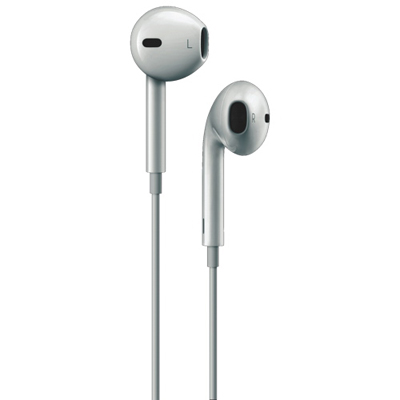 Your price for this item is $25.99
-
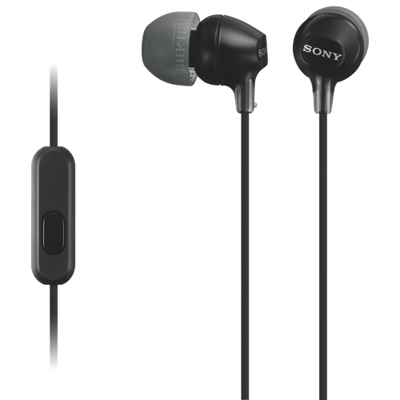 Your price for this item is $15.98
-
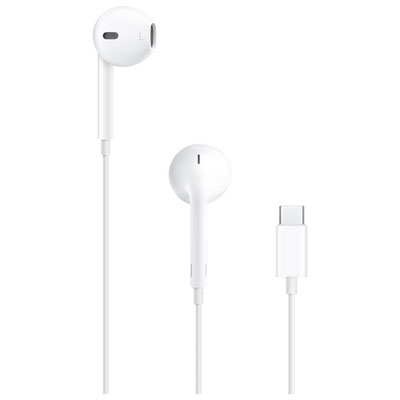 Your price for this item is $25.99
-
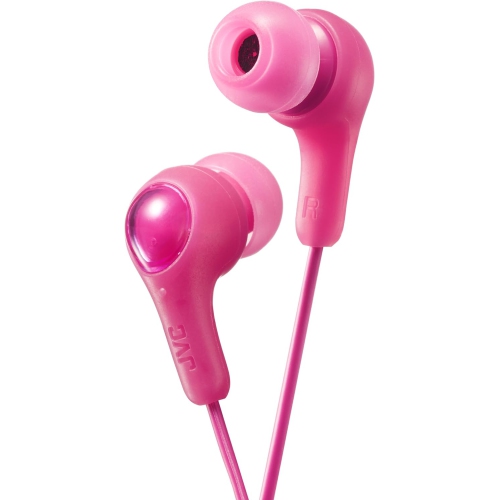 Your price for this item is $25.98
-
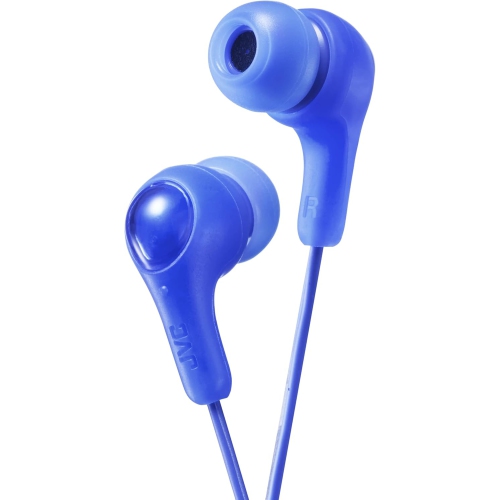 Your price for this item is $25.98
-
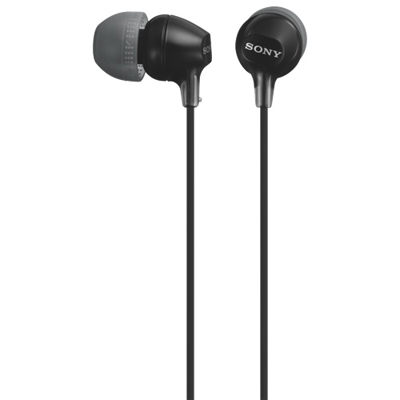 Your price for this item is $12.99
-
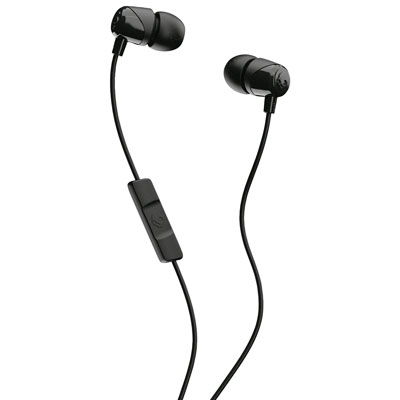 Your price for this item is $14.99
-
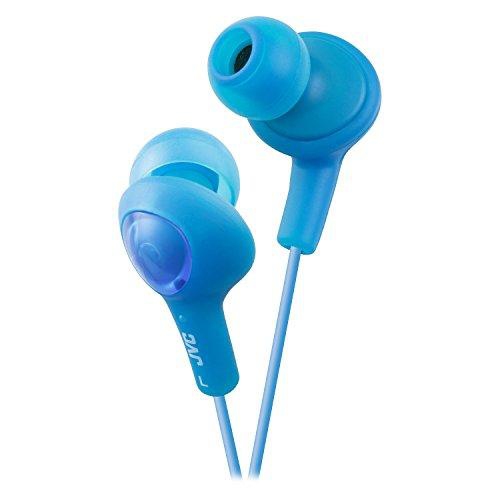 Your price for this item is $19.99
Discover more categories related to Apple Headphone Jack


Top Collections:
Best Black Friday Deals This Year, Best Black Friday Deals On Electronics, Kindle Devices, Pokemon Centers, Best Black Friday Deals On Apple Products, Best Cameras for Sports Photography, Dyson Airwrap, Pokémon 30th Celebration Cards, Apple iPhone 17 Pro, Canon G7X Cameras
Some products may be subject to Environmental Handling Fees
(EHF) depending on your province.
Learn more about EHFs.