Audio Mixer Amplifiers
Our collection of audio mixer amplifiers offers a versatile range of options to suit your needs, whether you're a professional musician, sound engineer, or simply a music enthusiast looking to enhance your home entertainment setup. With advanced features such as multiple input channels, built-in effects, and powerful amplification capabilities, these audio mixer amplifiers are designed to elevate your audio experience and deliver crystal-clear sound quality for any occasion. Explore our selection and find the perfect audio mixer amplifier to bring your sound production to new heights.
Sort
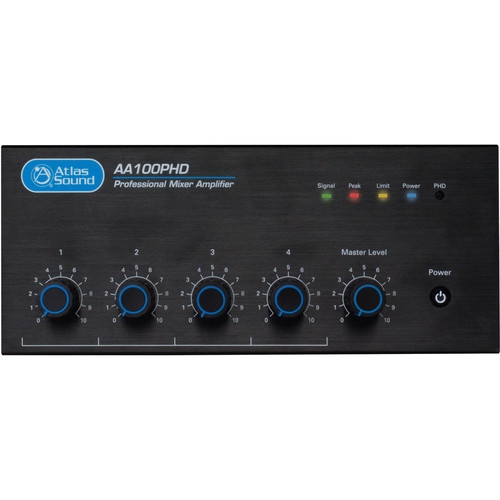
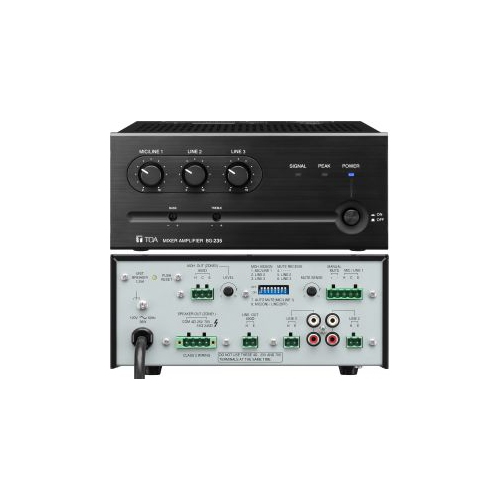
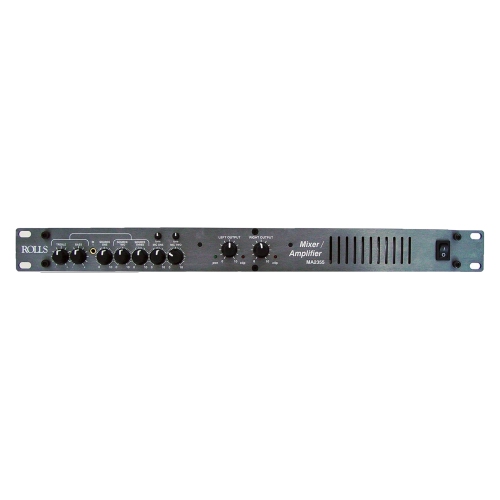
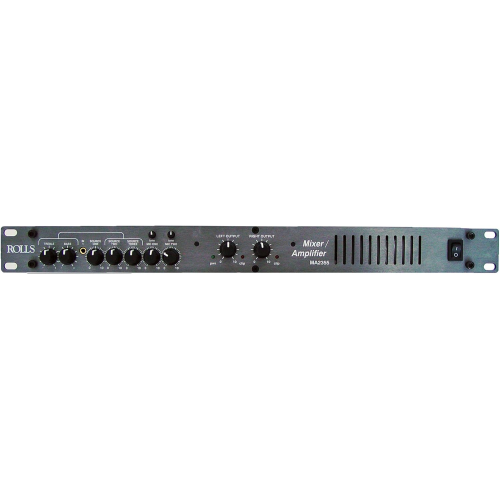
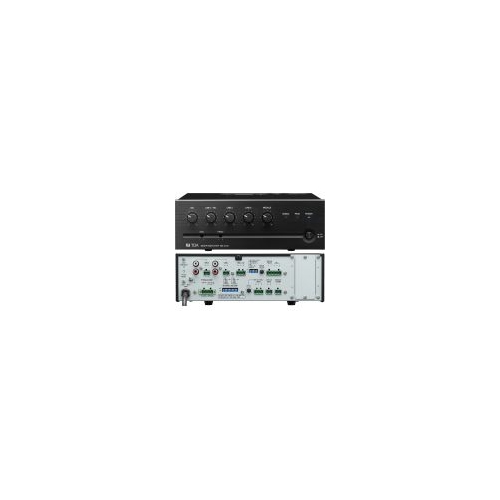
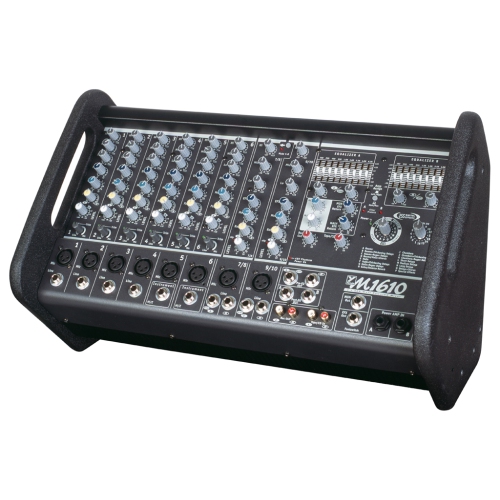
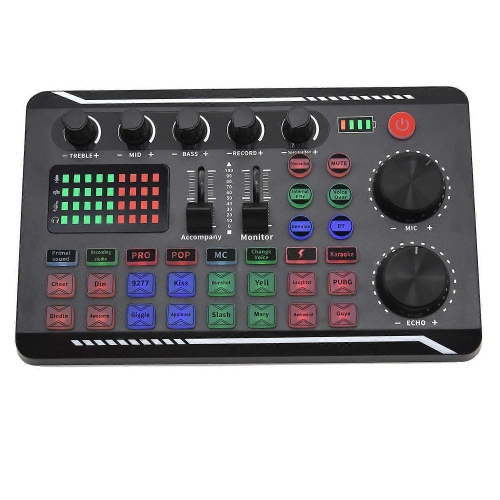
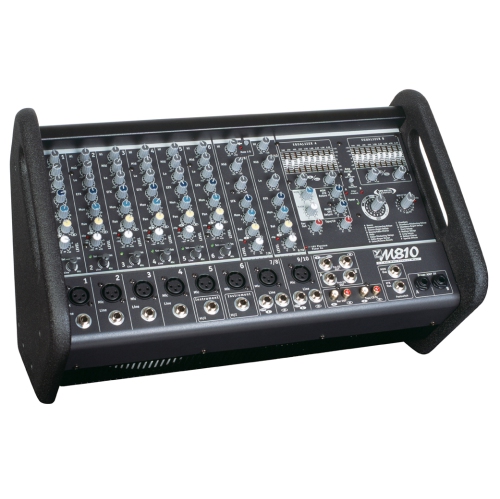
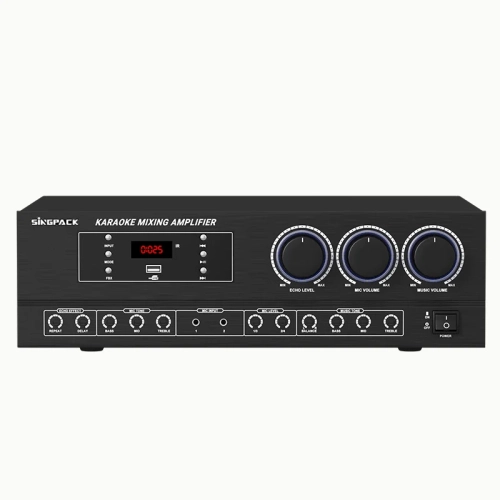
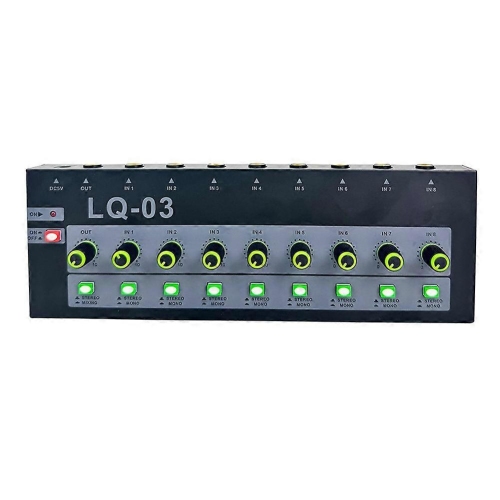
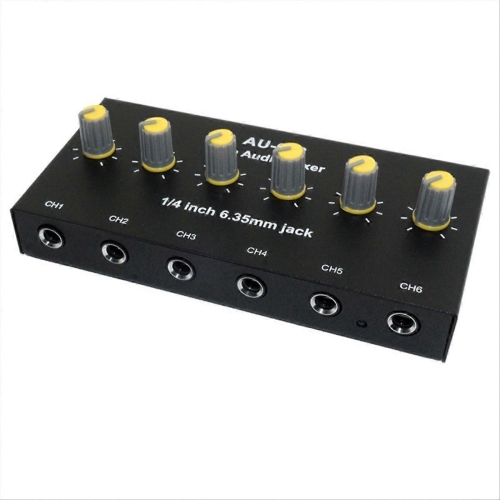
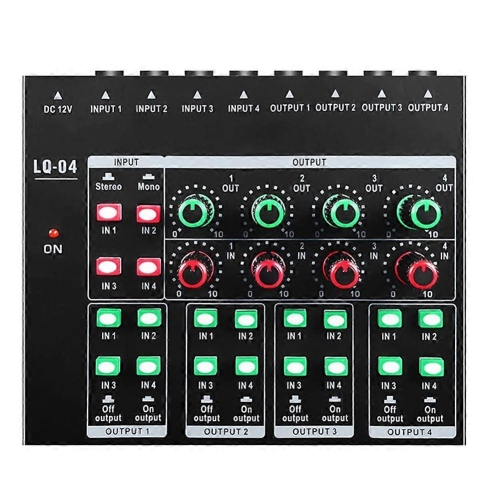
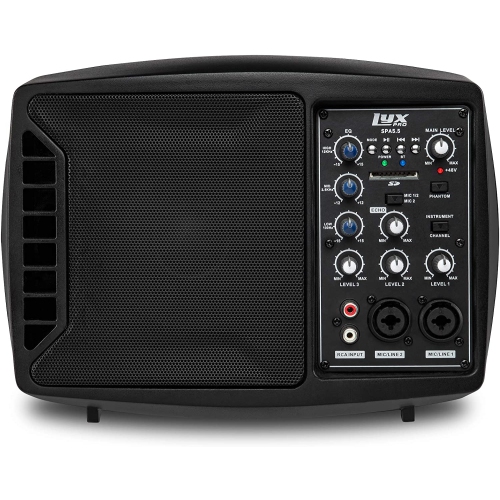
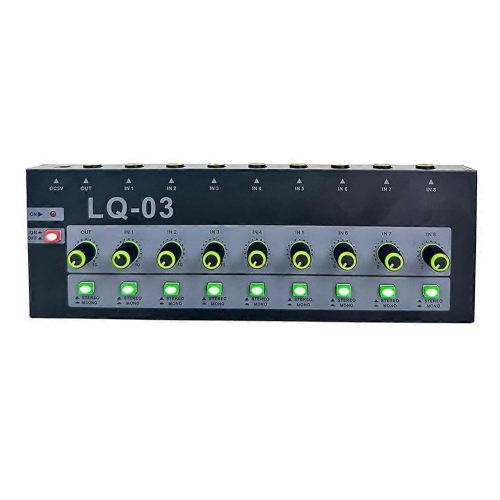
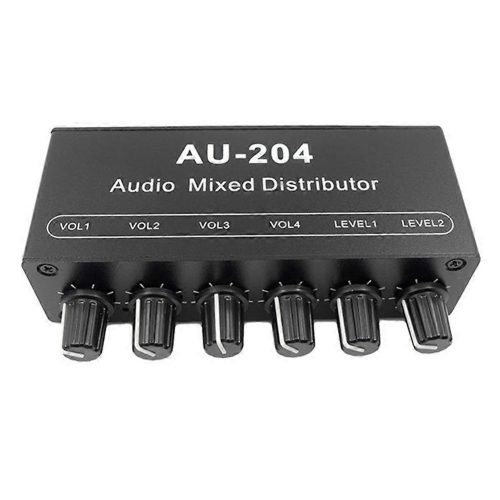
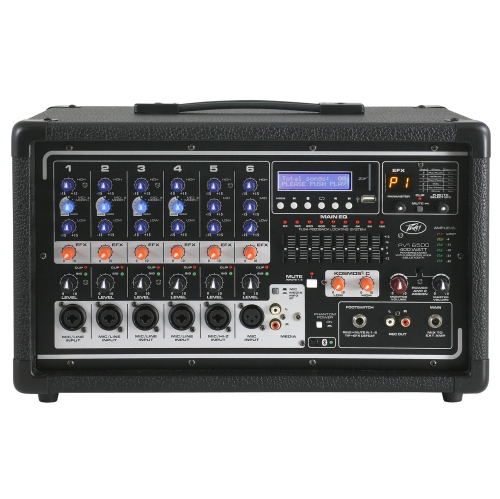
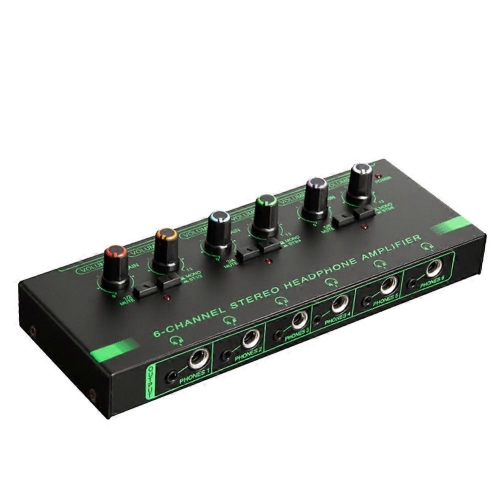
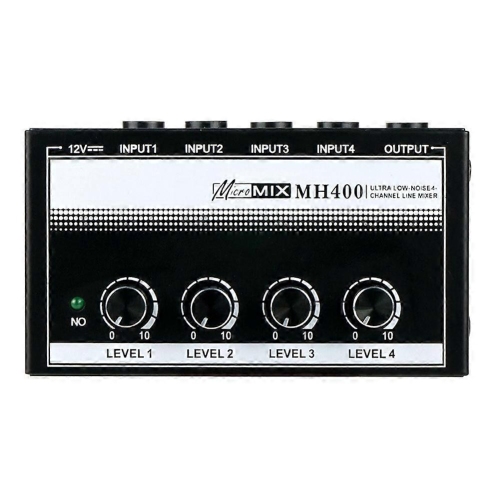
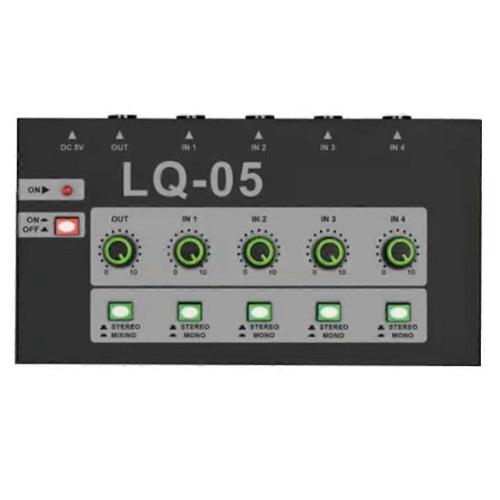
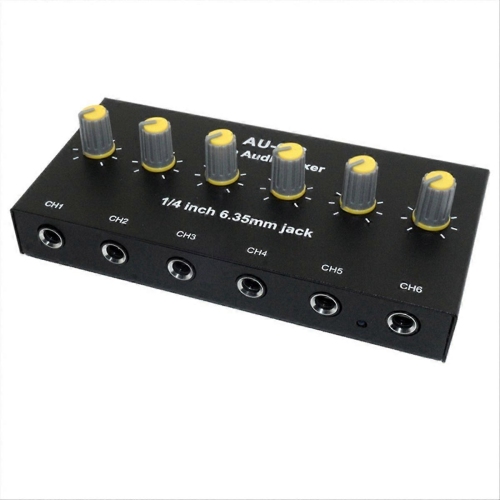
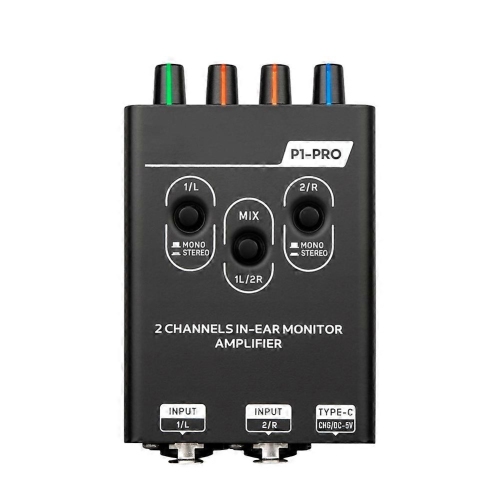
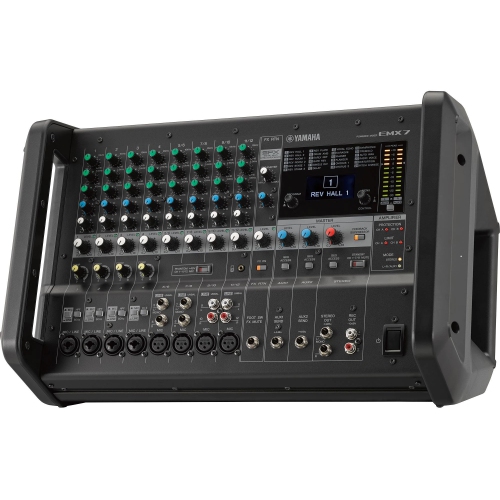
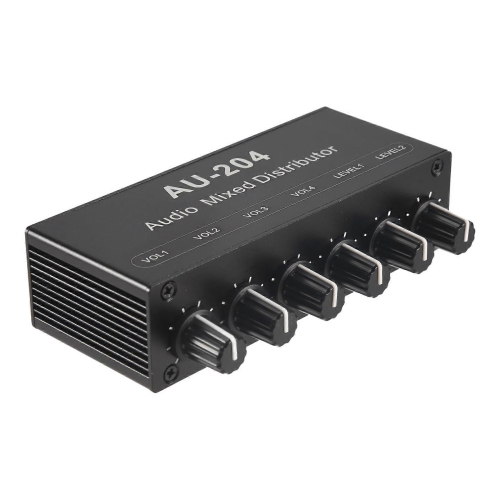
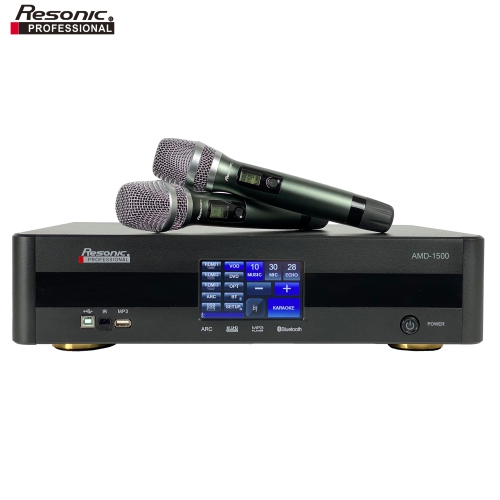
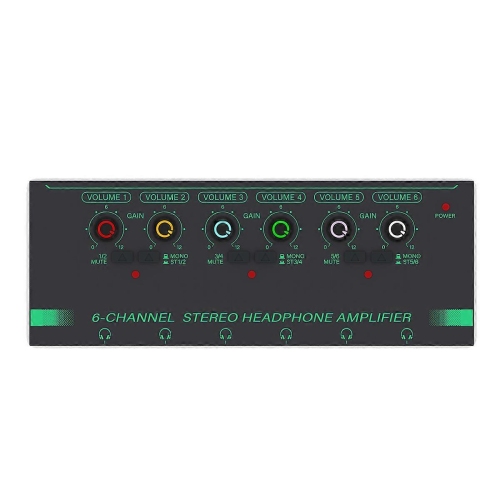
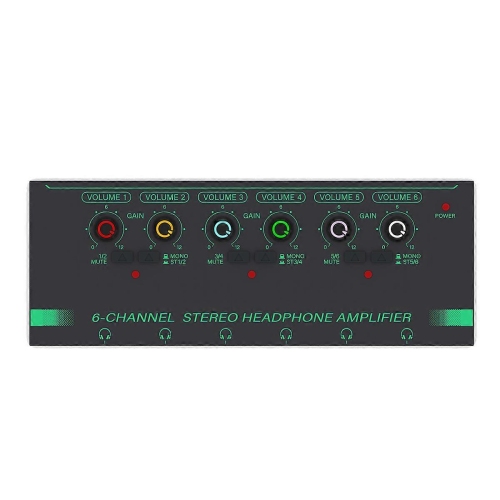
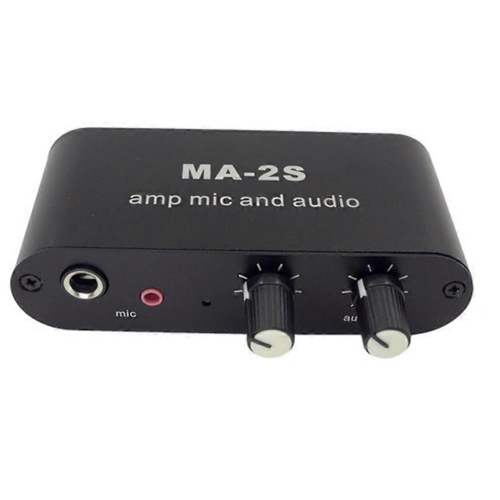
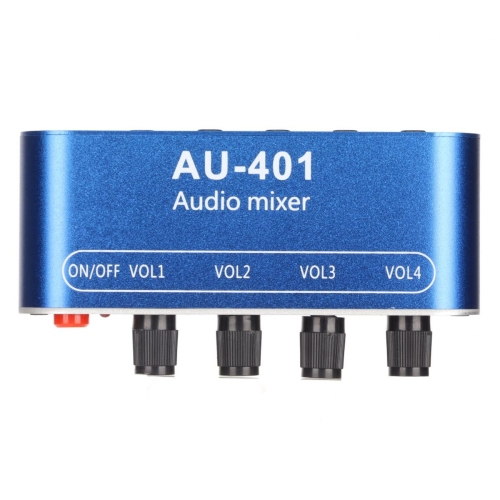
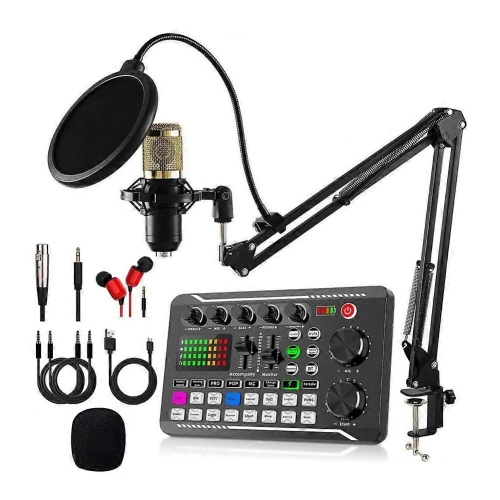
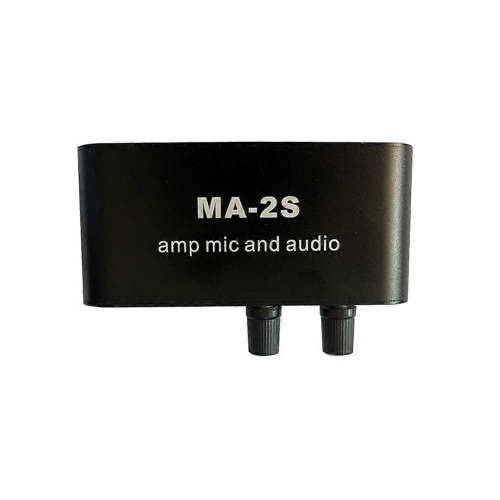
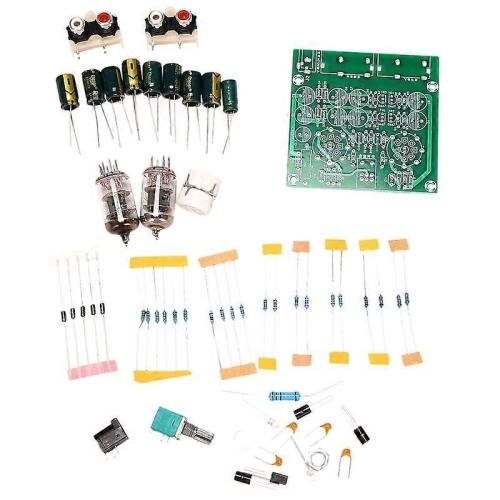
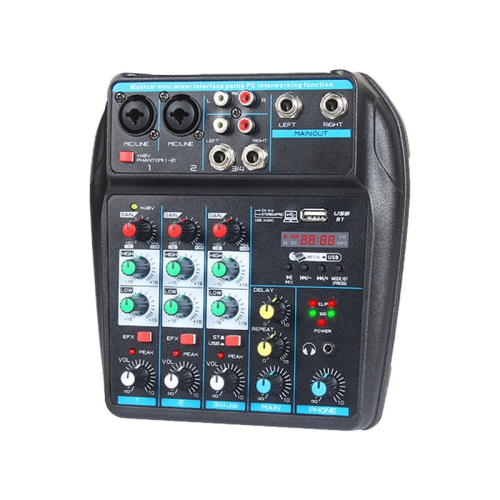
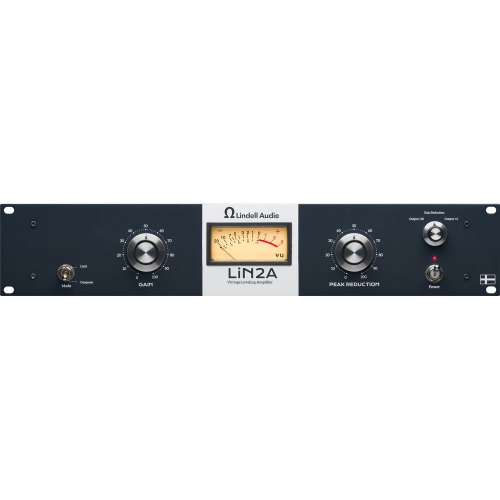
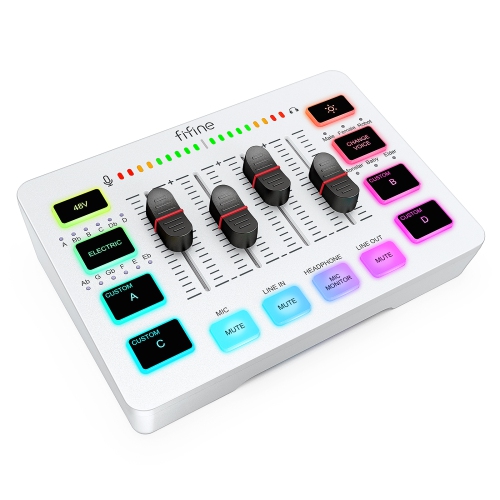
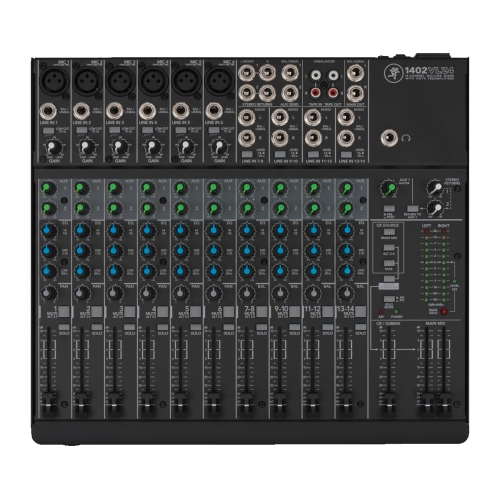
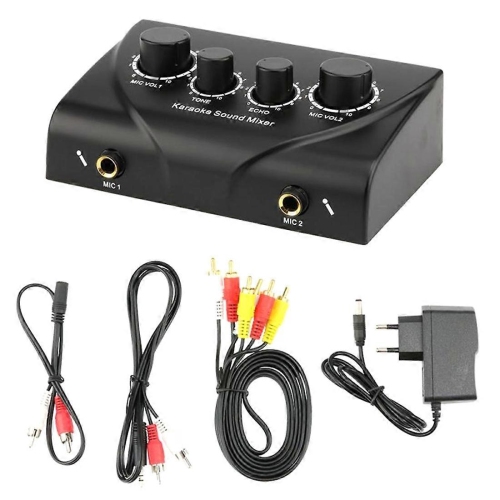
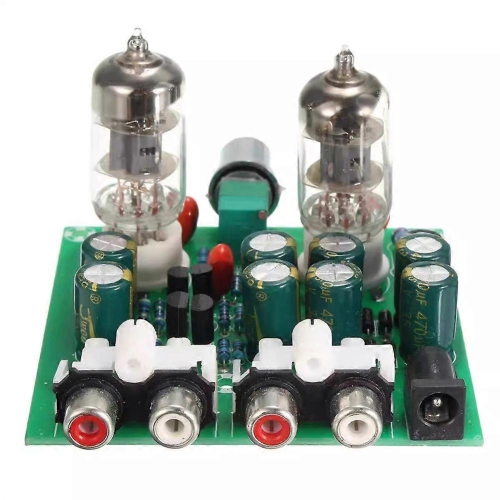
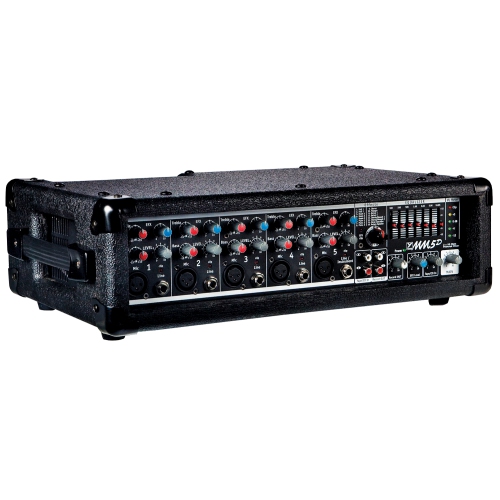
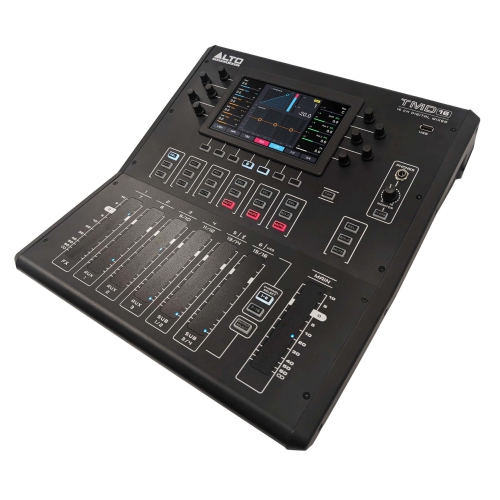
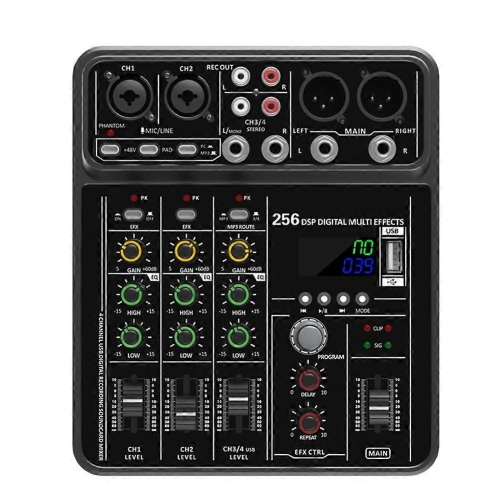
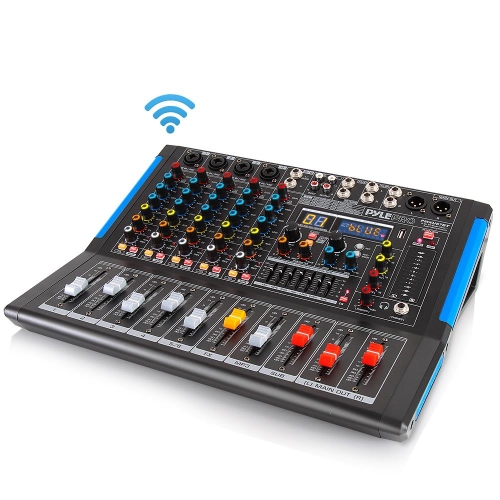
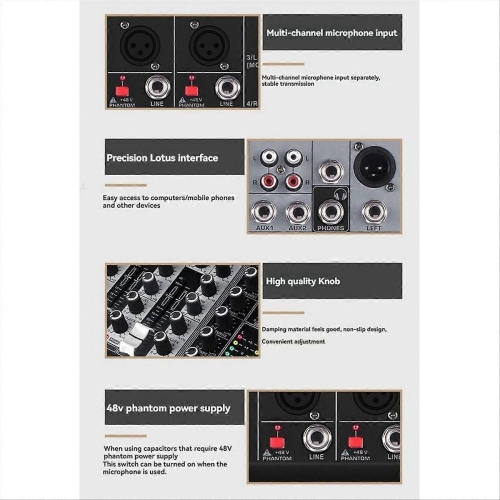
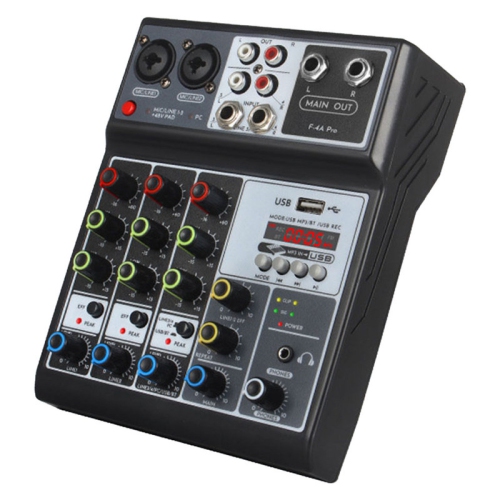
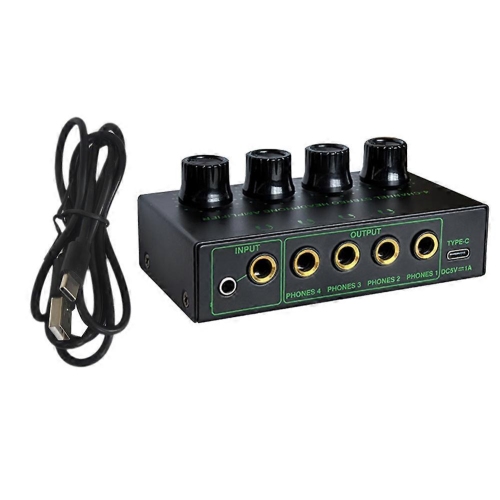
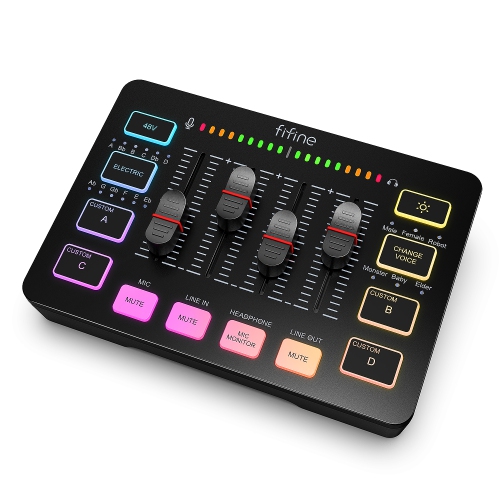
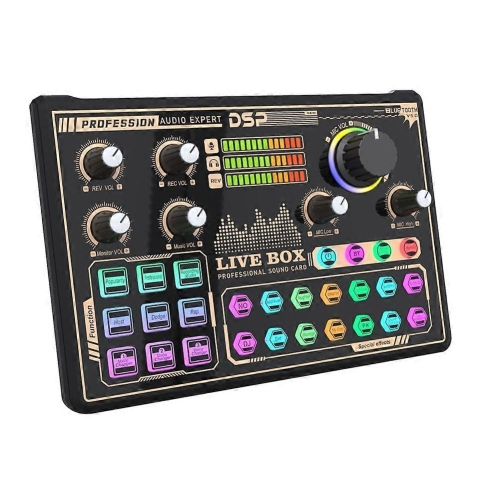
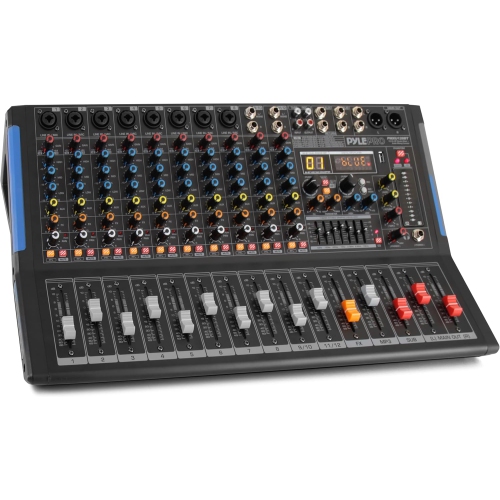
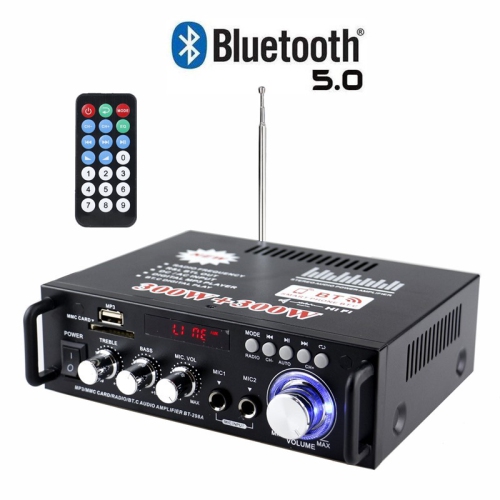
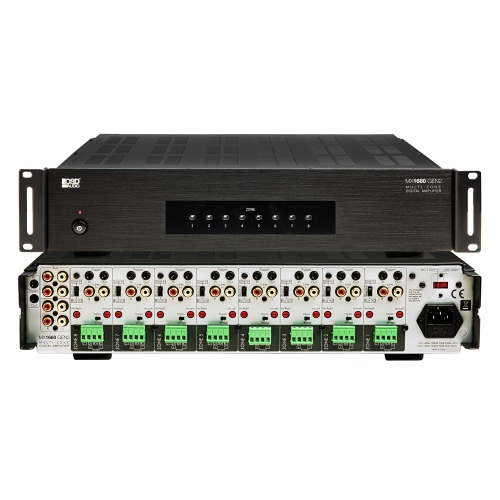
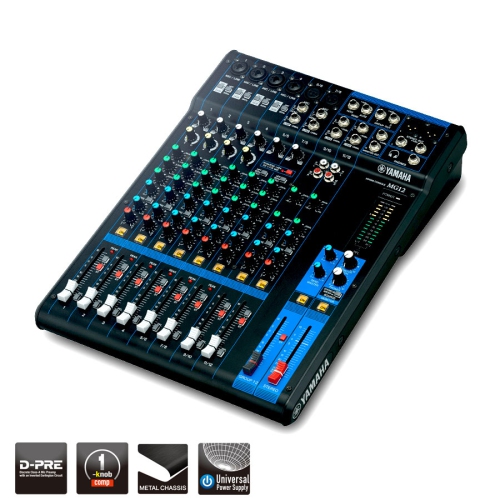
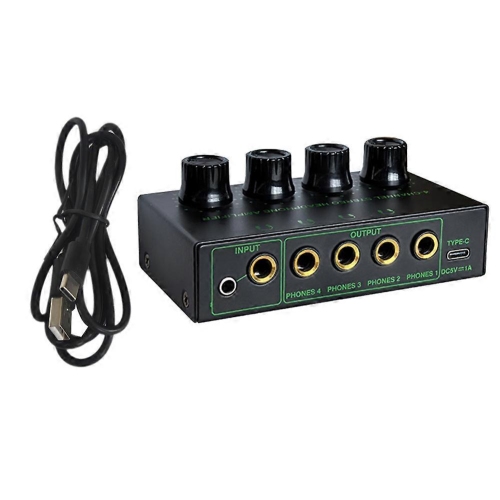
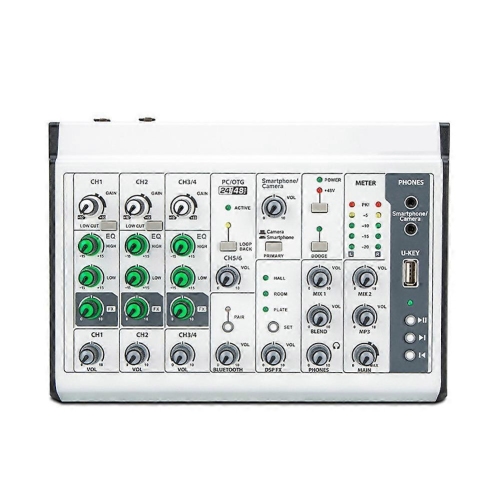
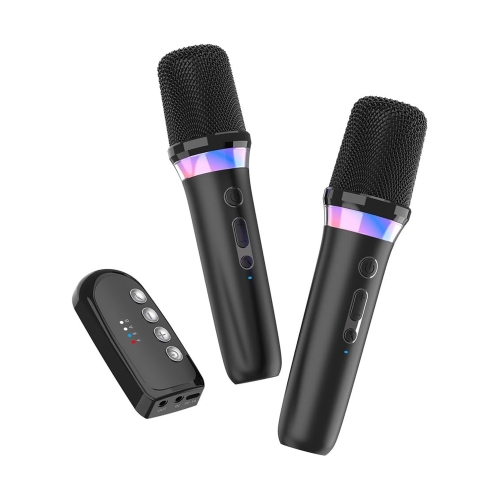
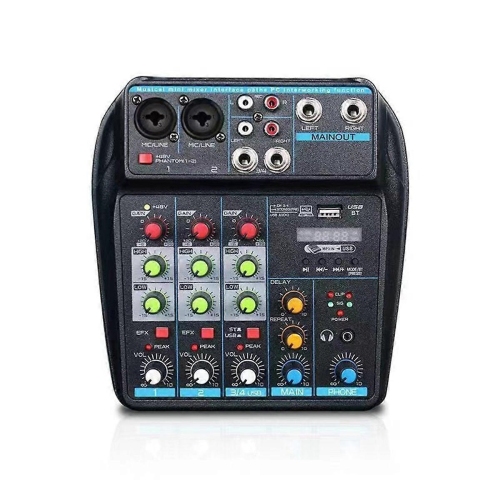
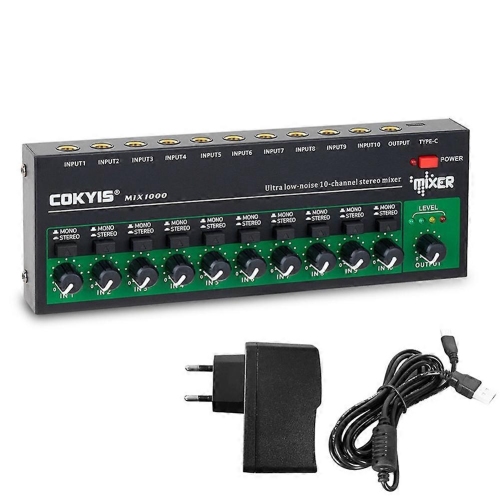
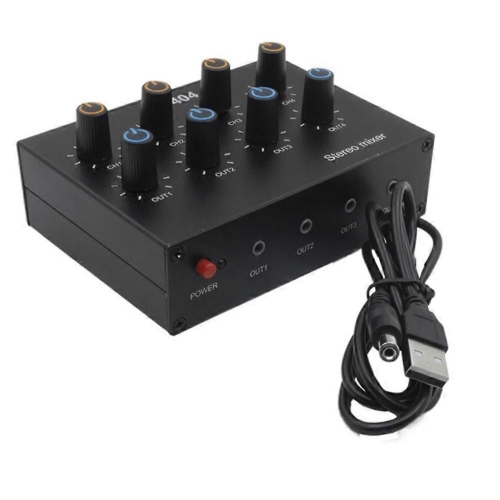
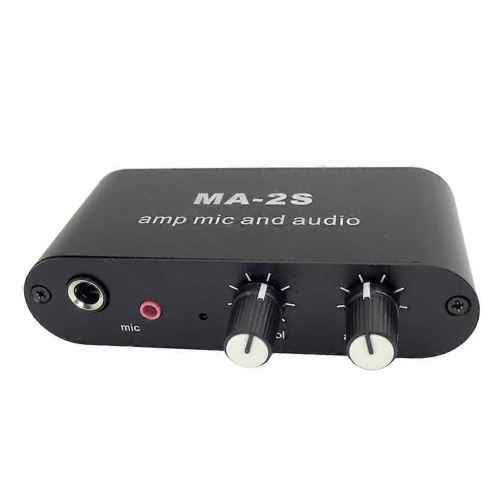
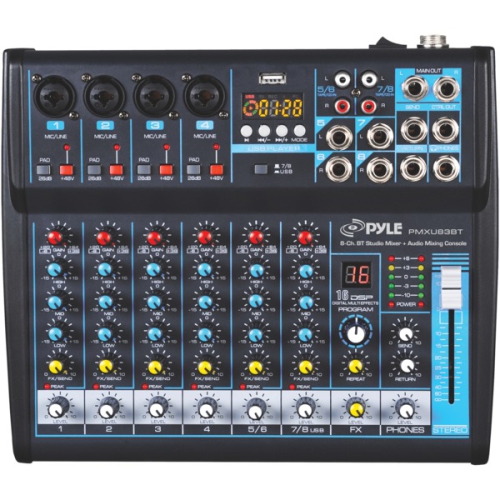
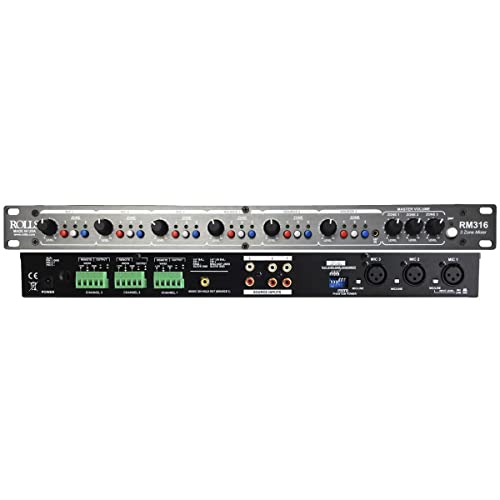
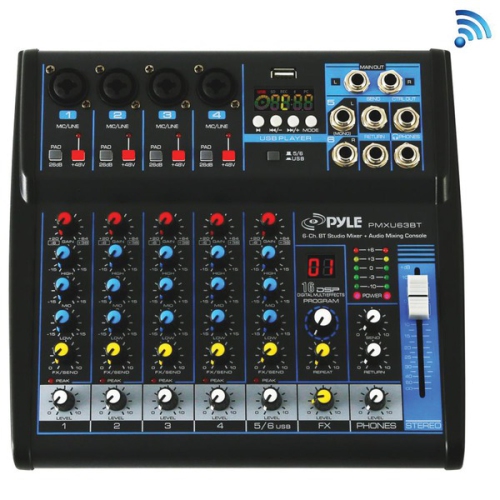

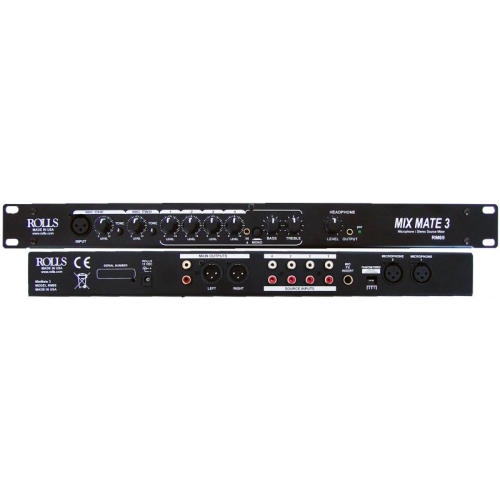
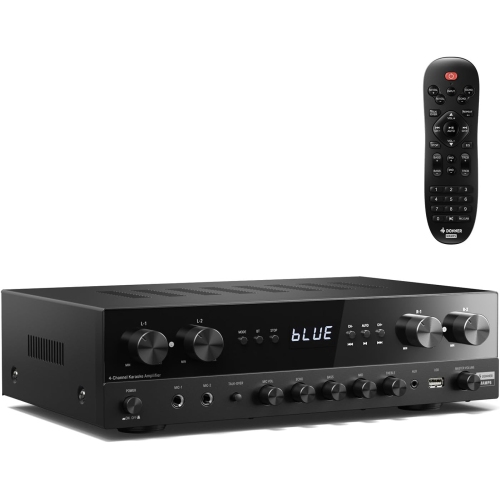
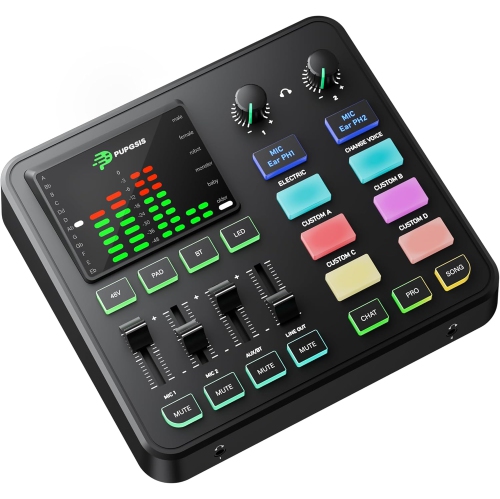
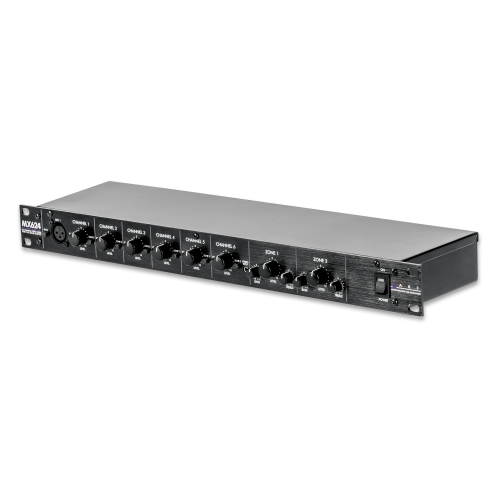
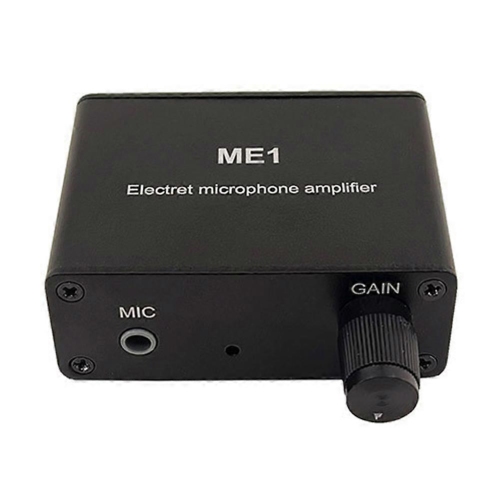
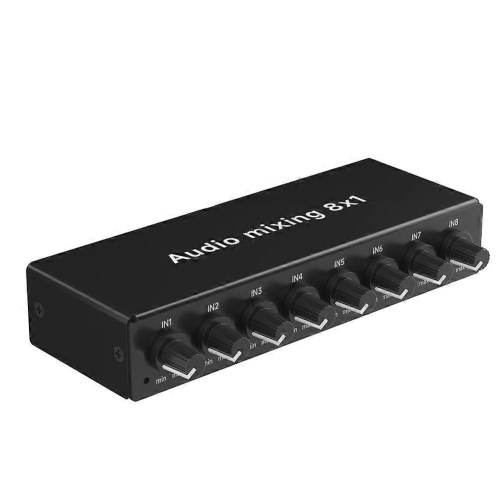
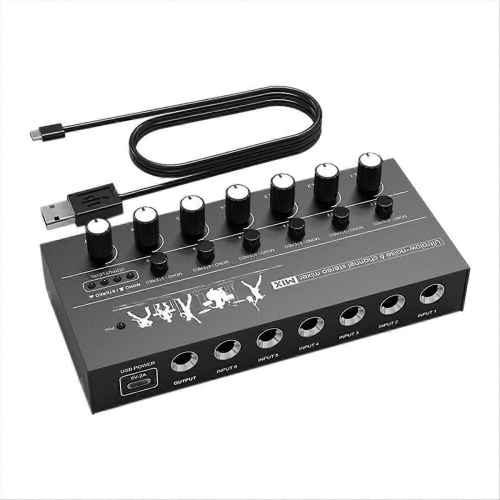
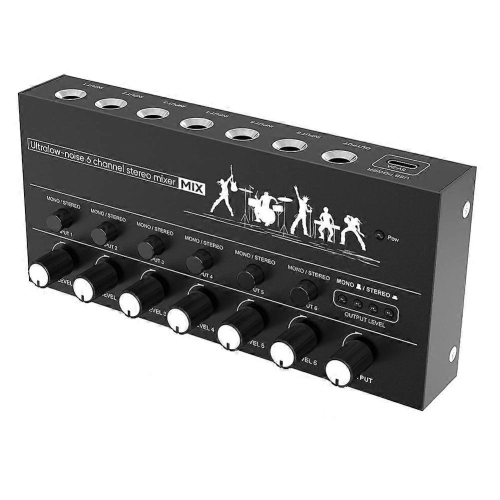
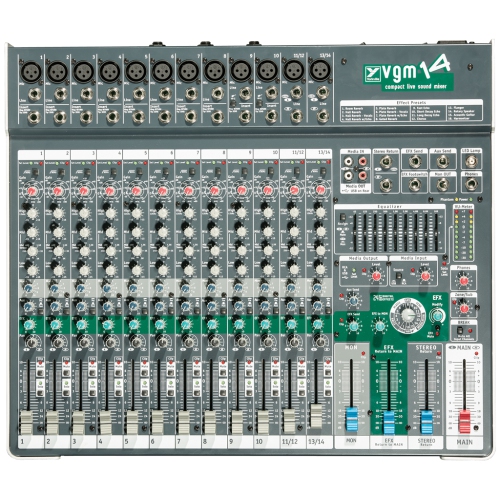
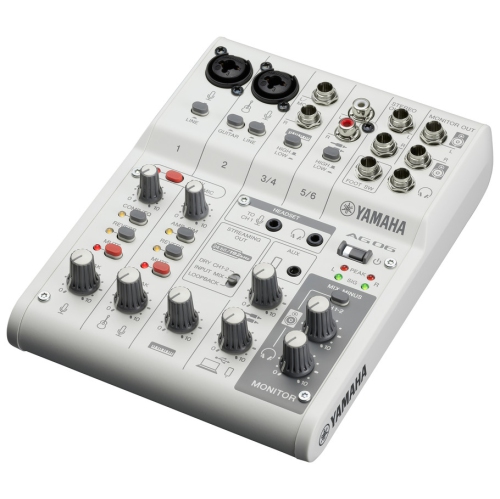
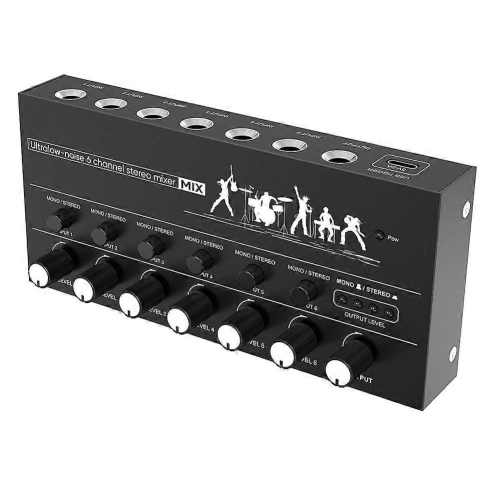
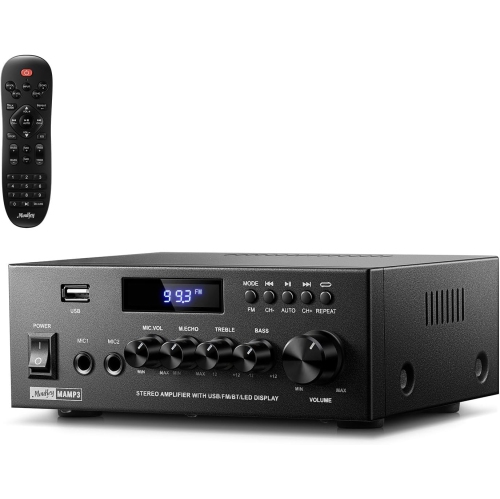
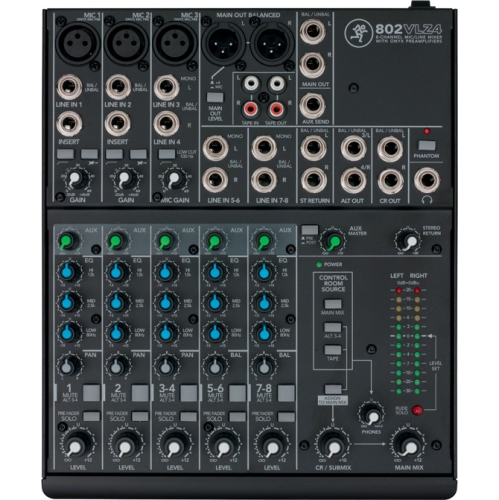
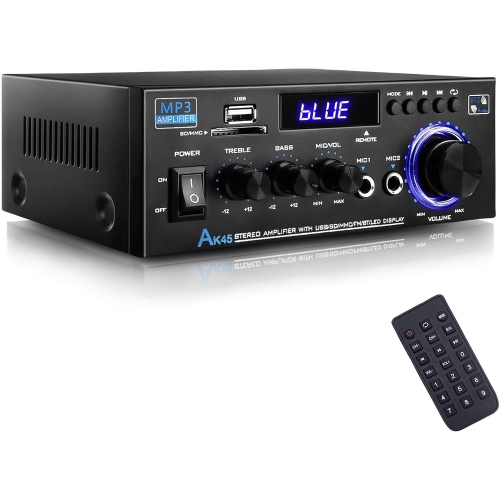
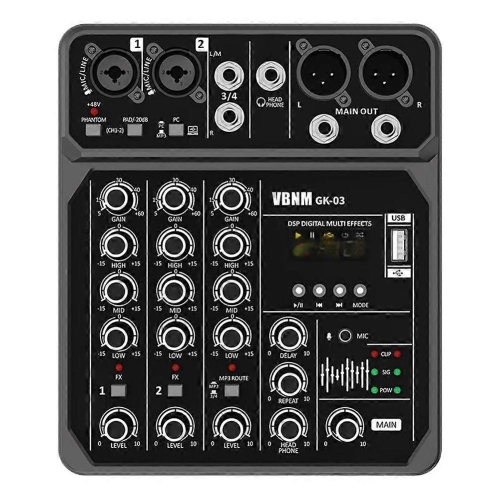
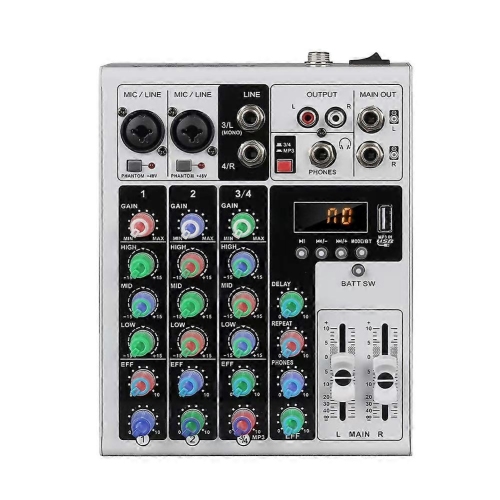
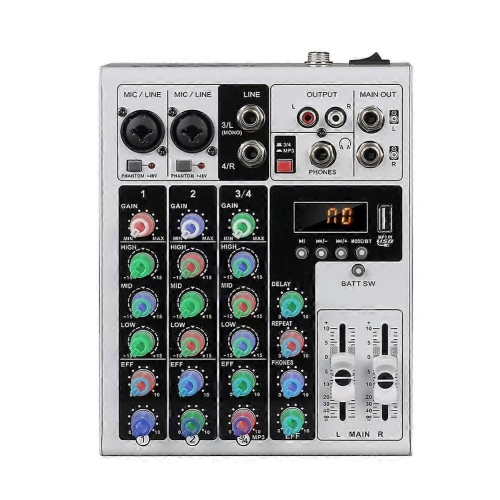
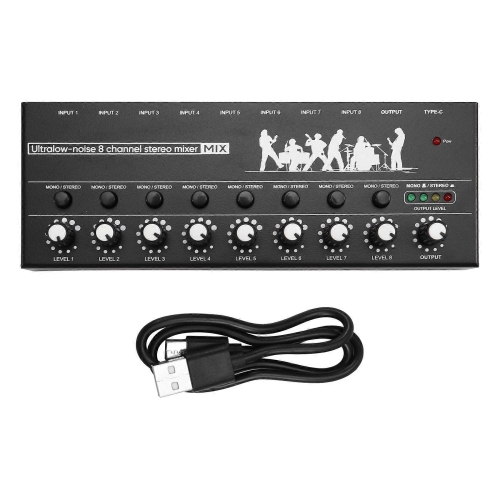
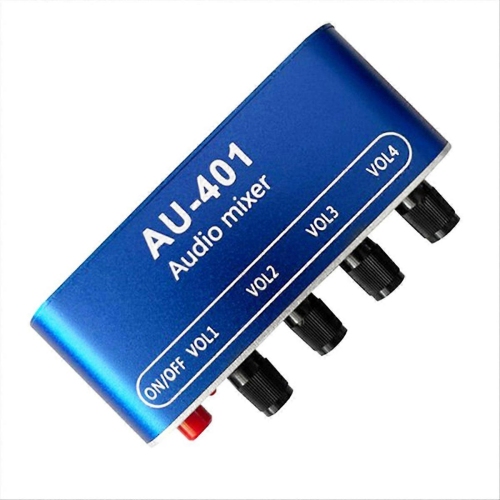
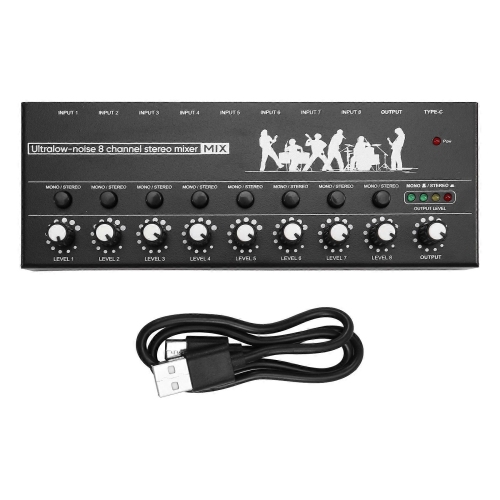
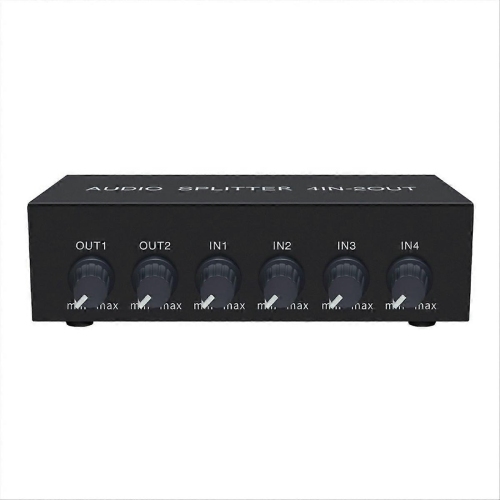
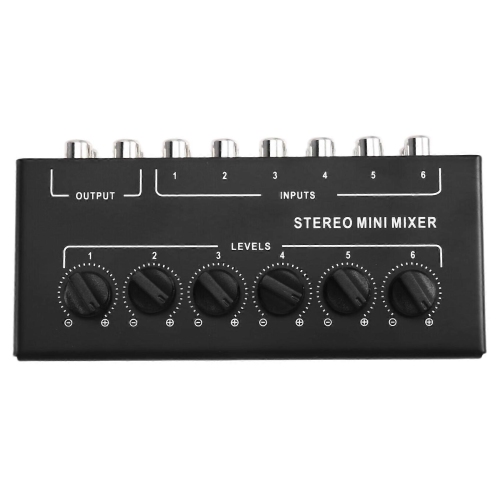
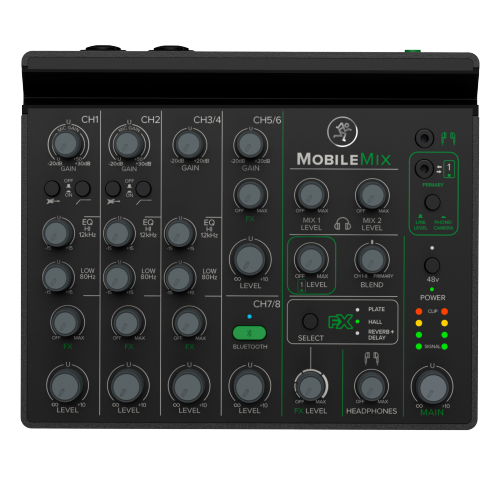
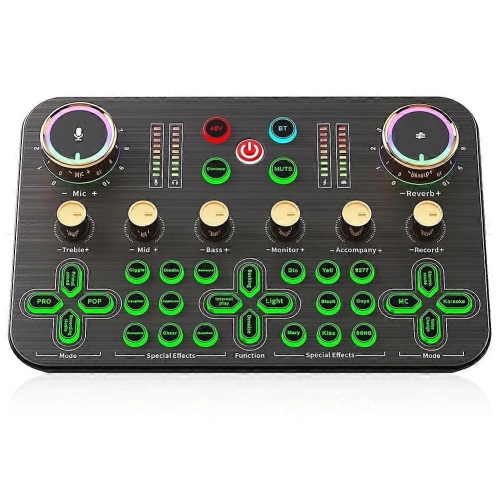
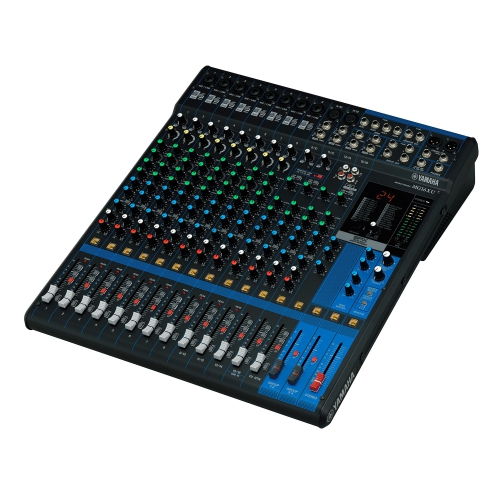
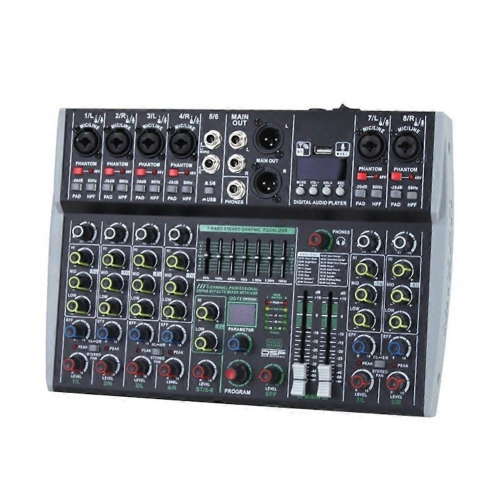
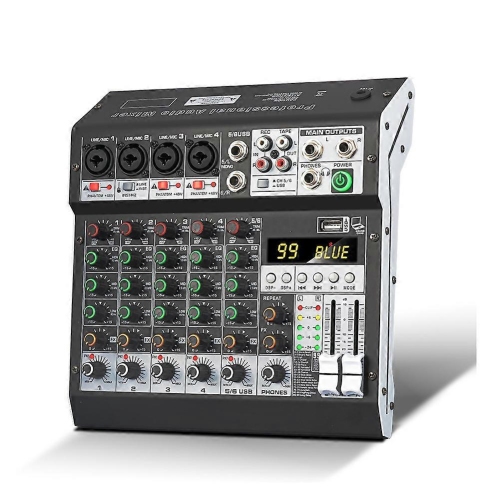
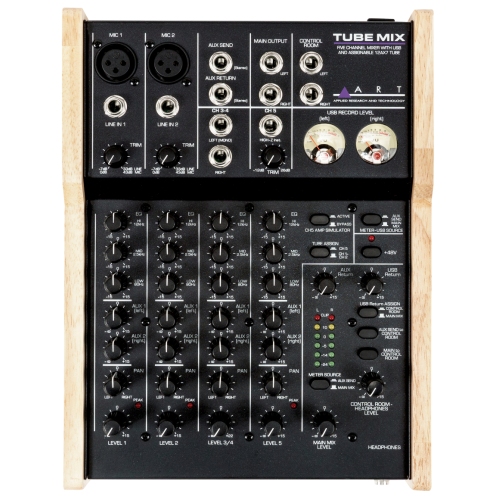
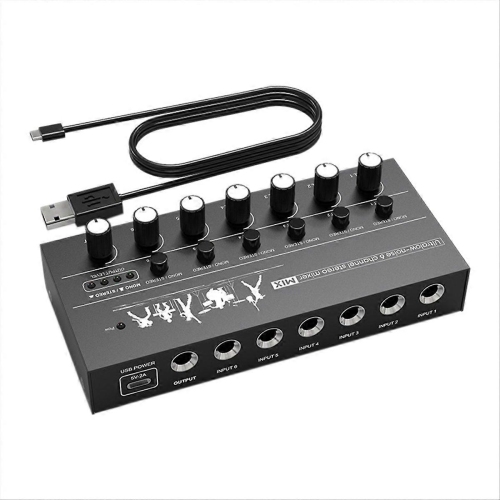
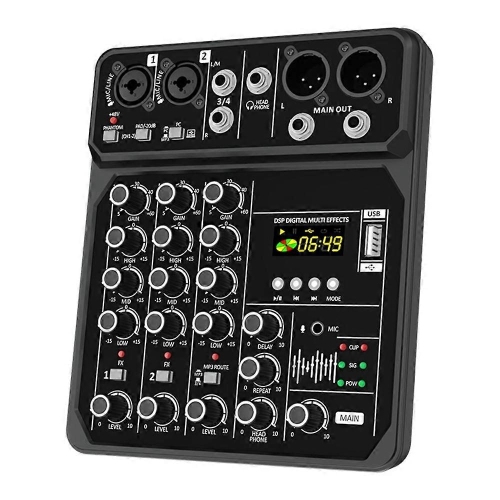
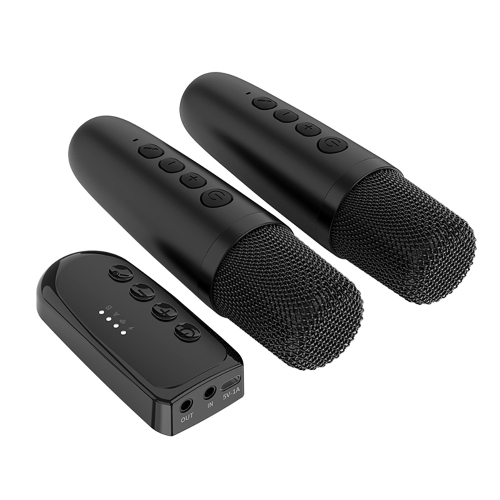
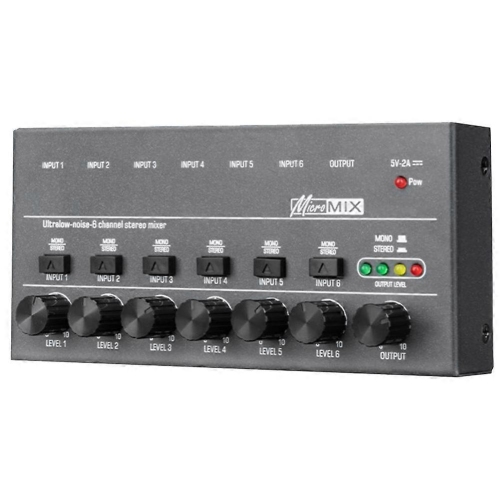
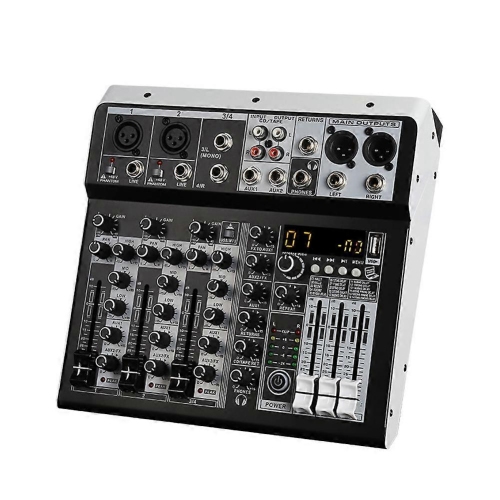
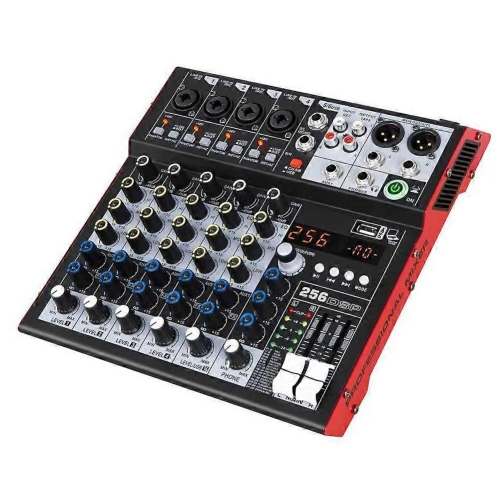
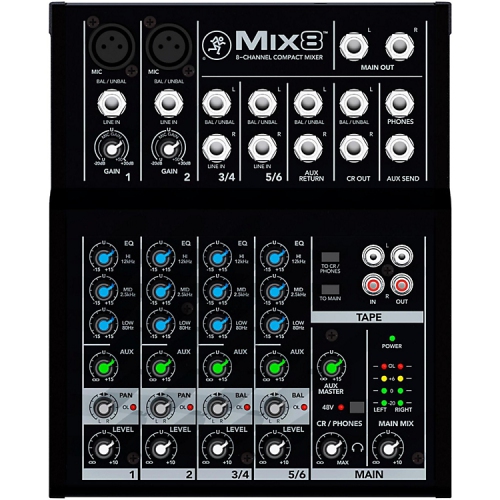
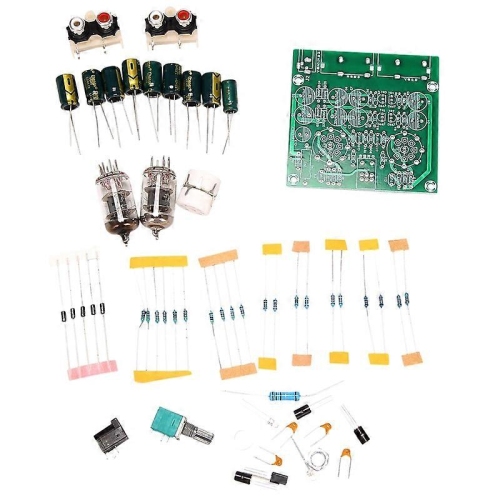
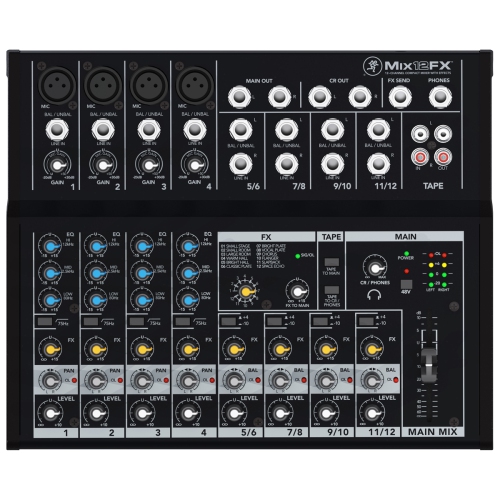
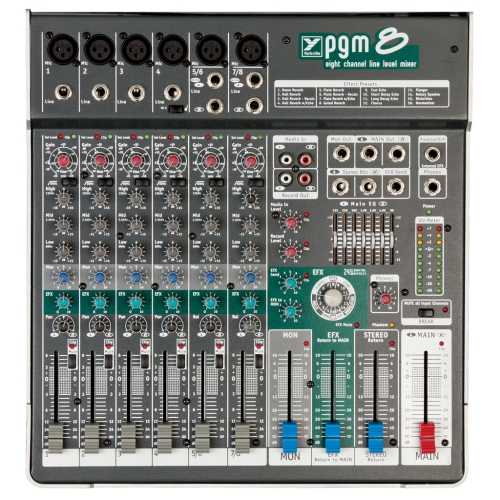
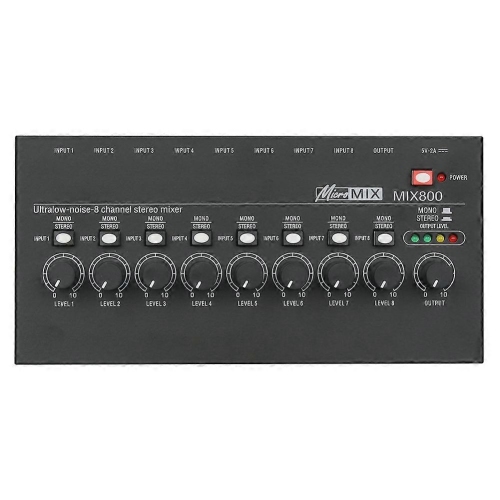
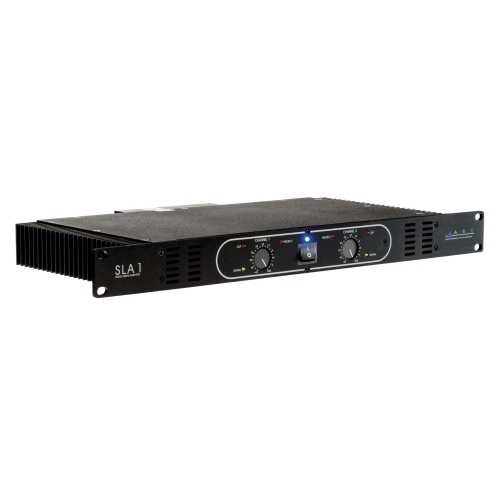
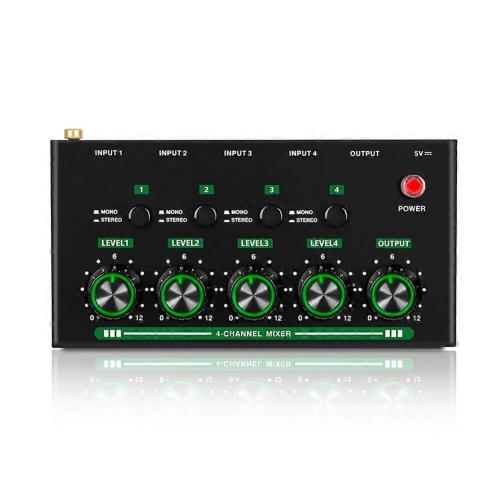
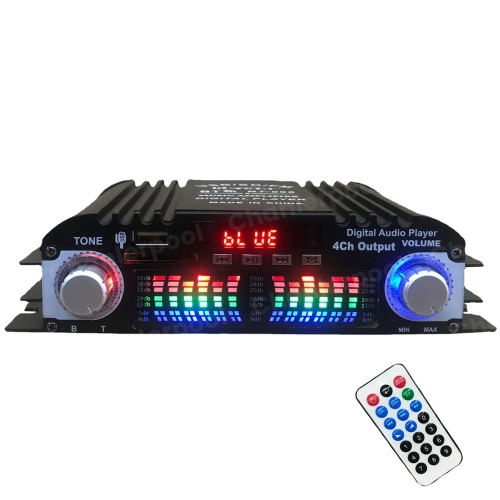
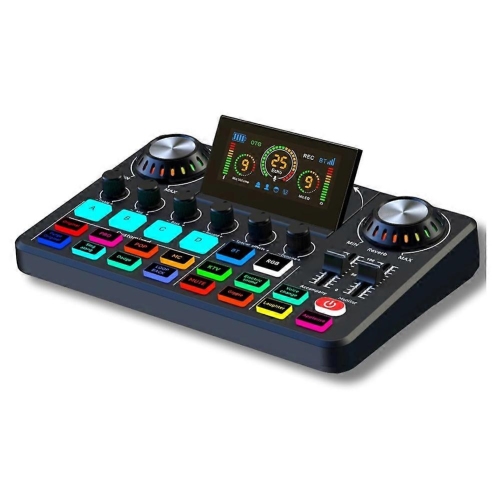
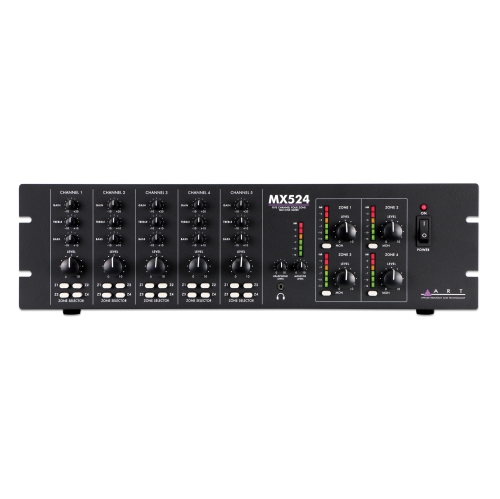
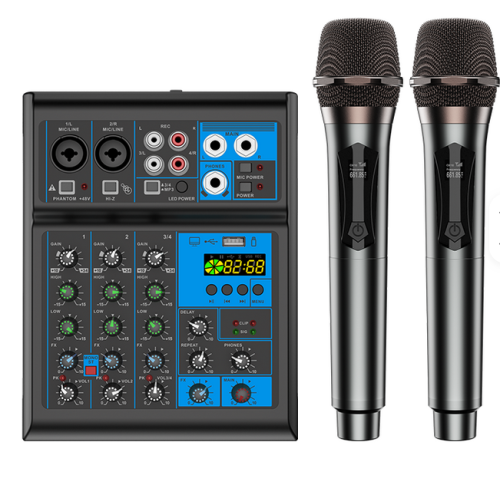
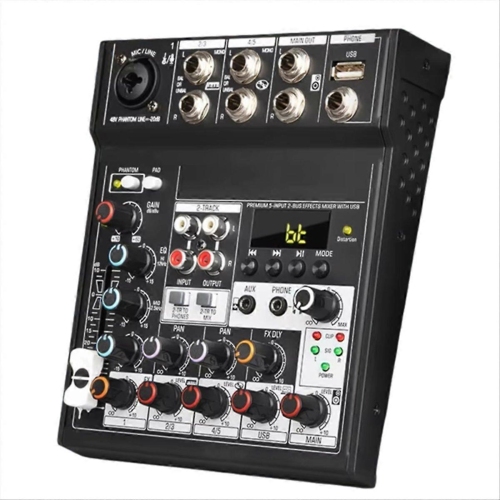
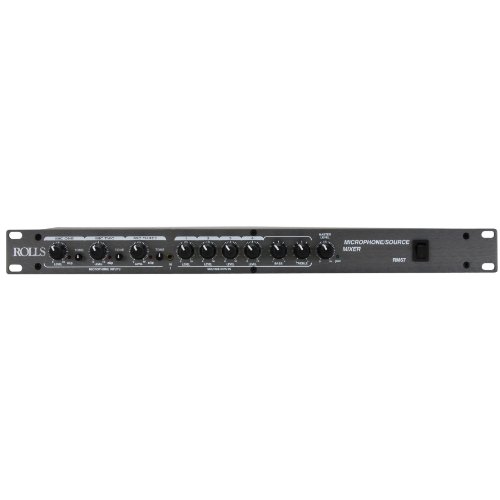
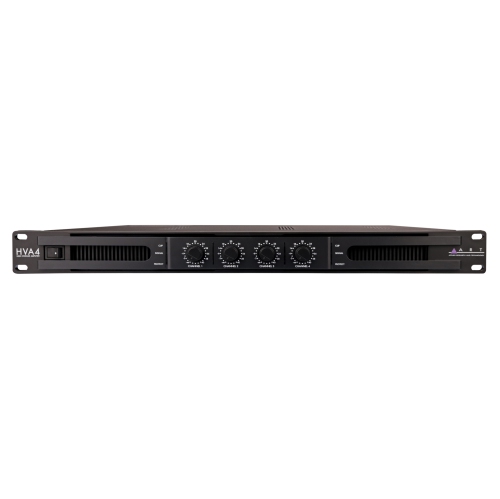
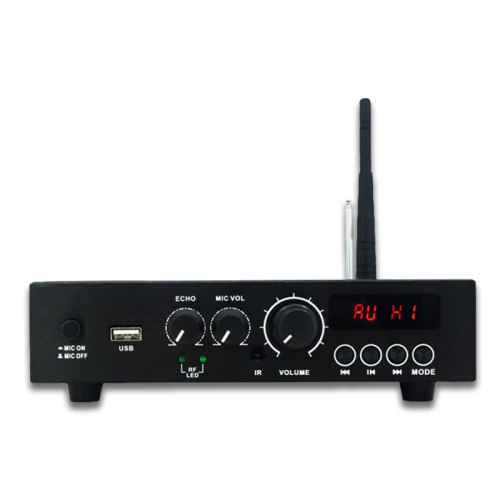
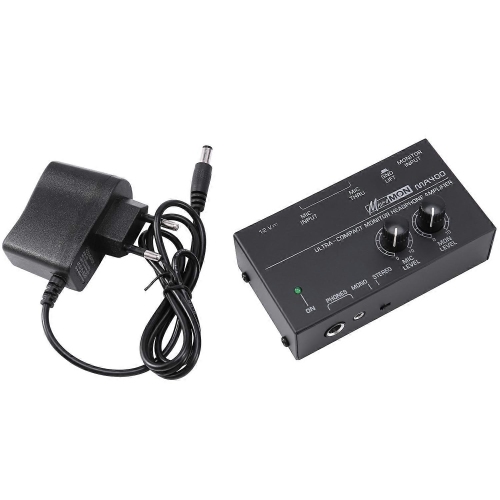
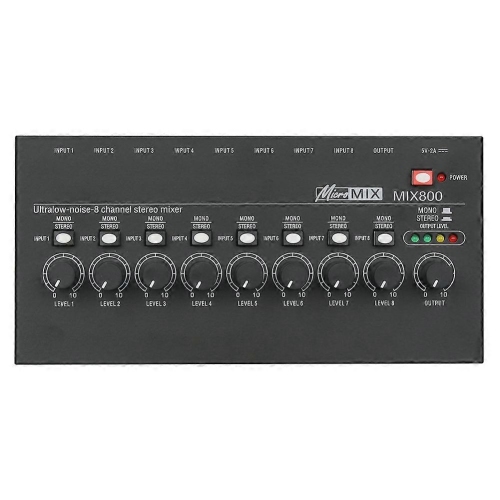
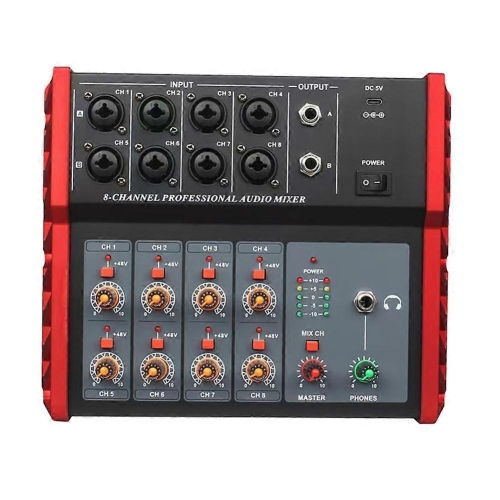
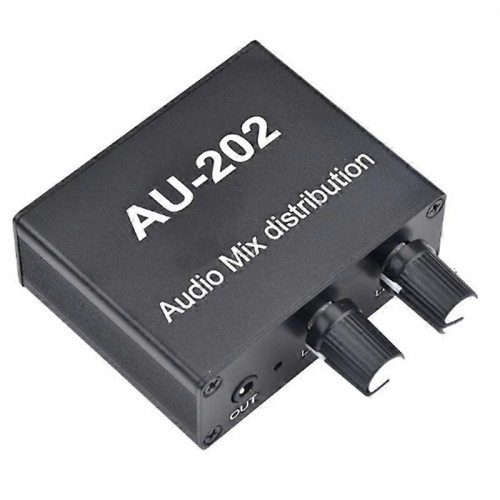
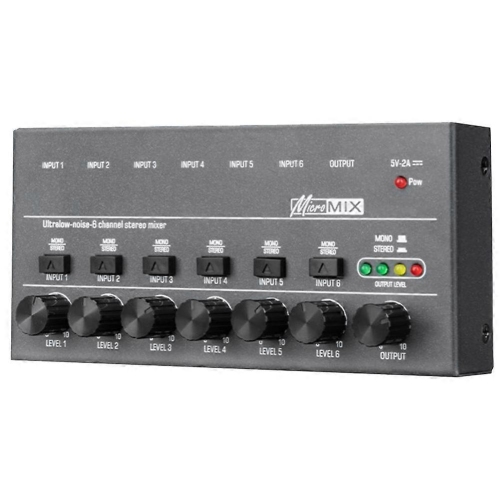
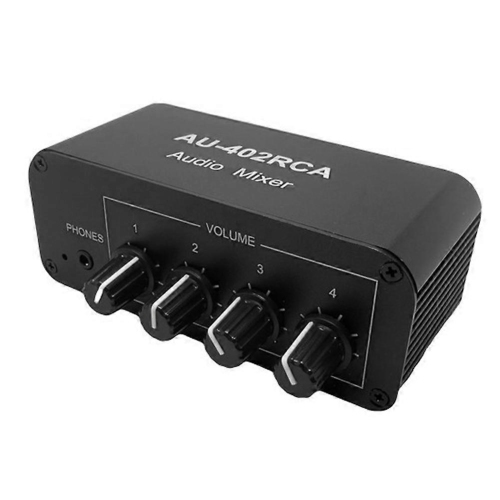
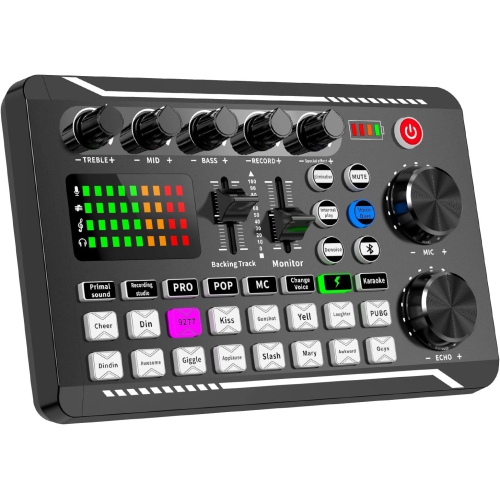
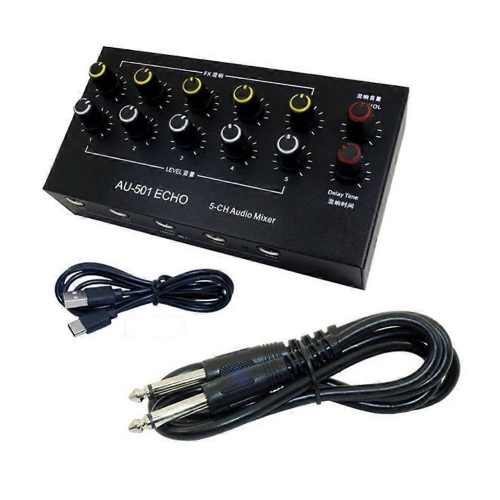
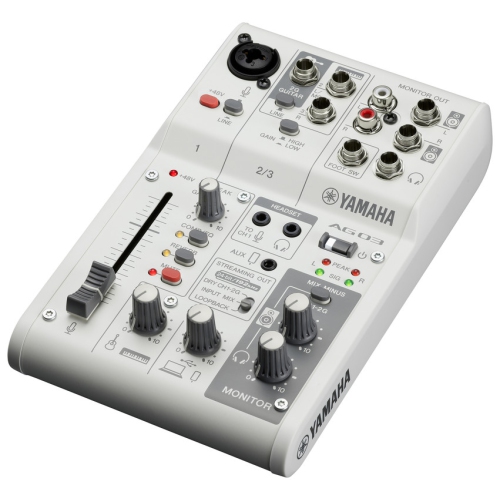
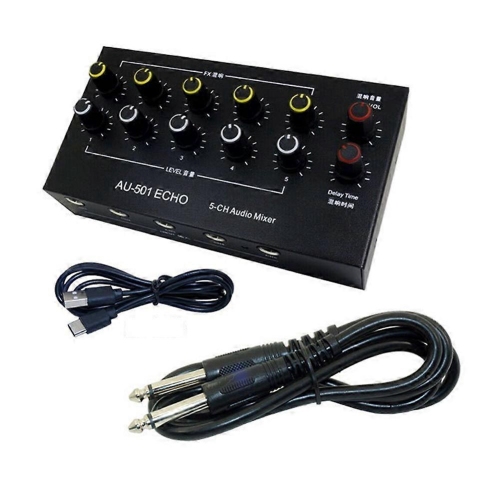
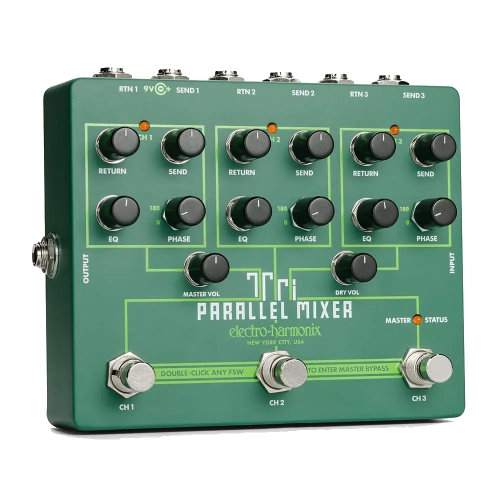
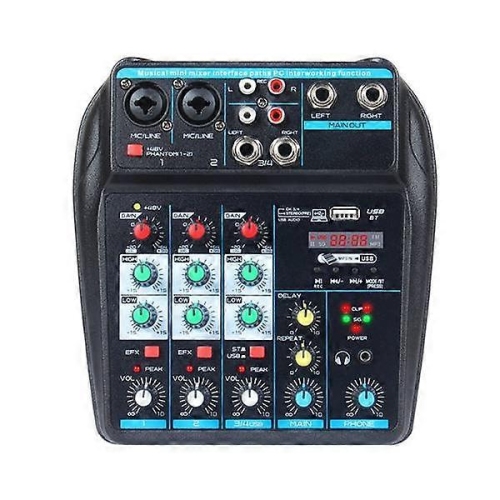
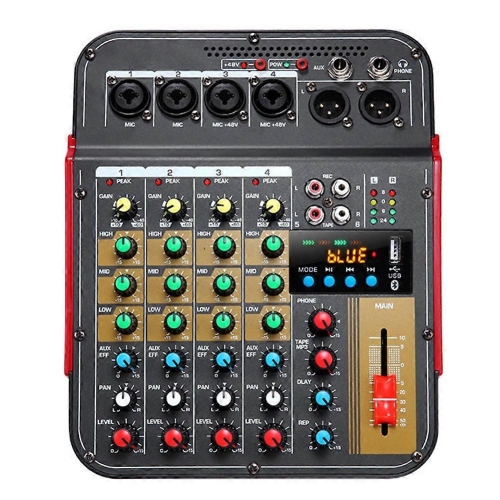
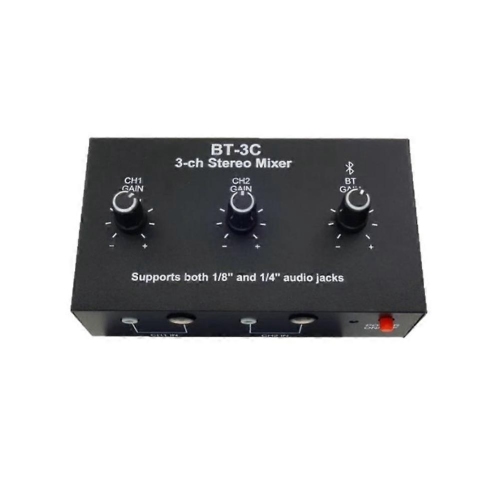
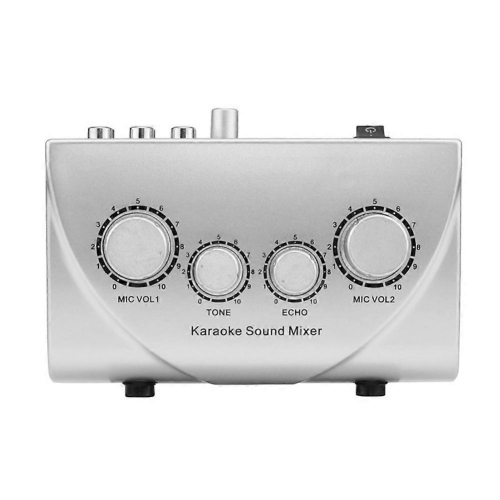
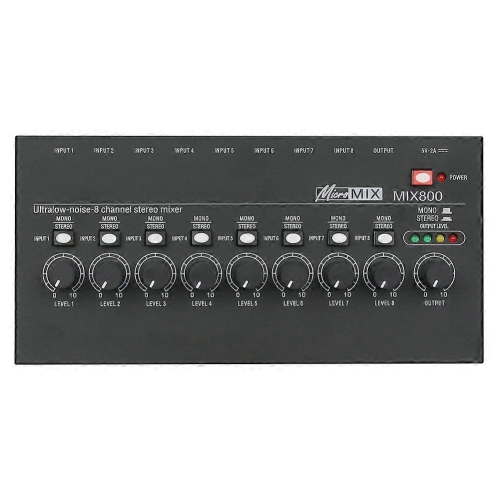
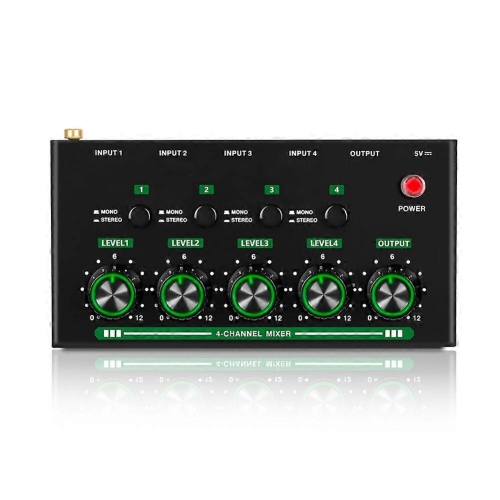
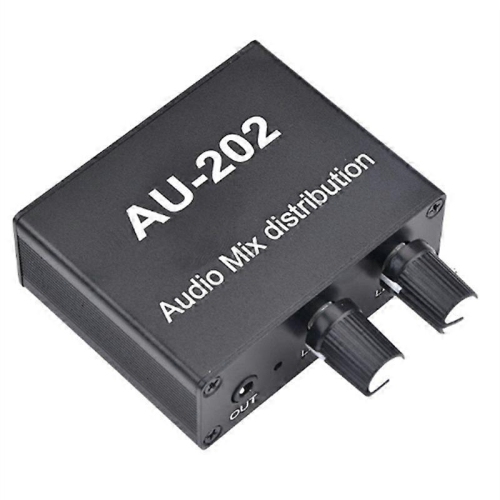
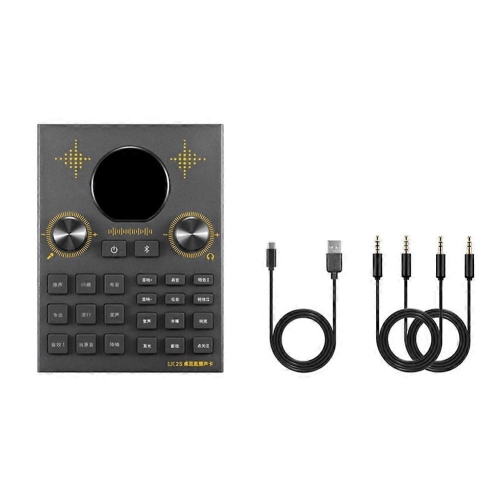
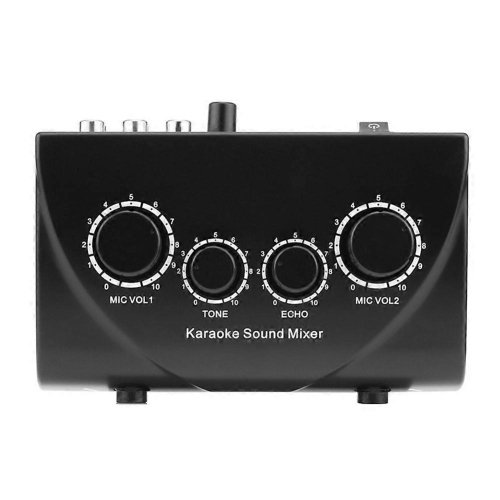
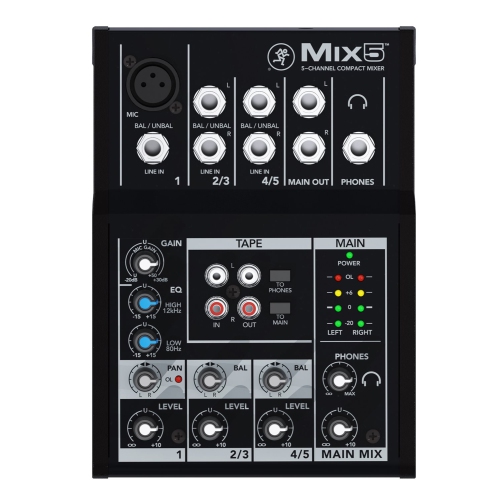
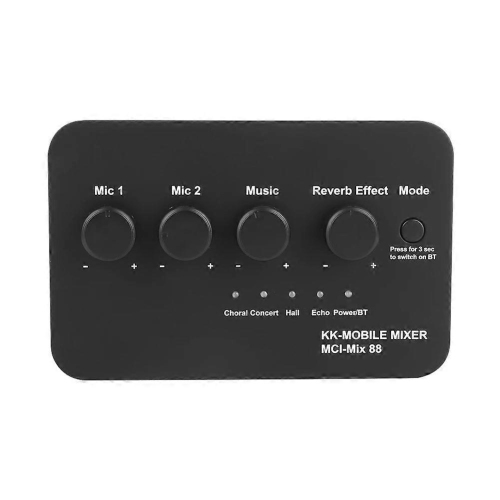
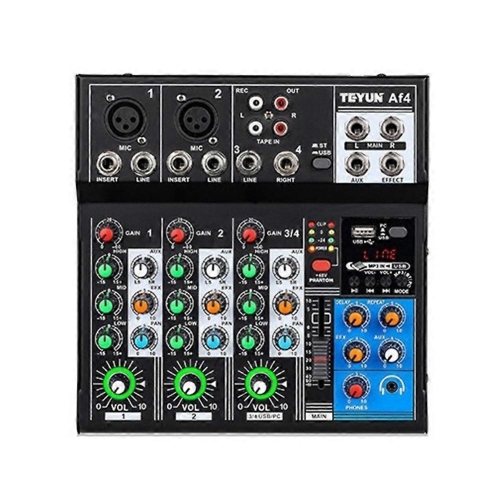
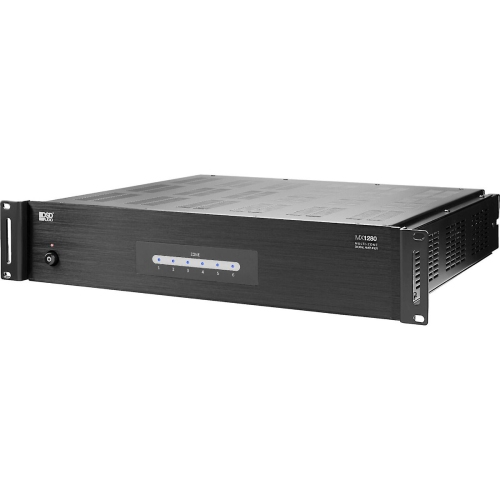
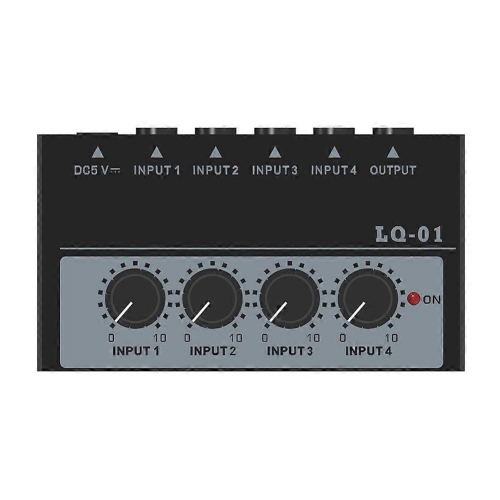
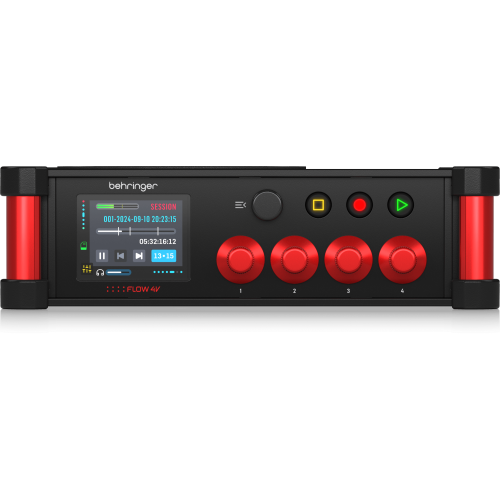
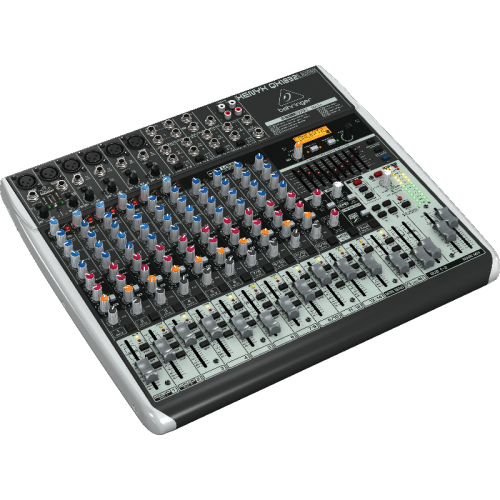
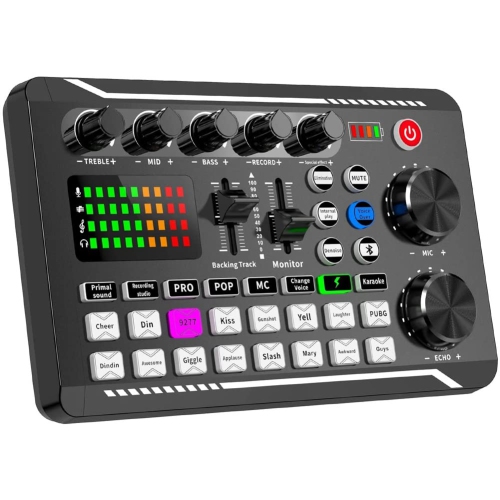
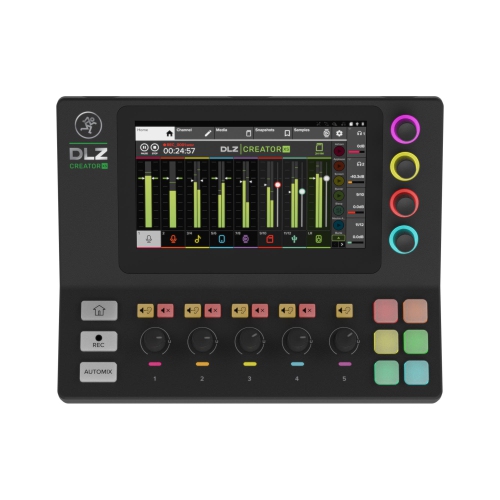
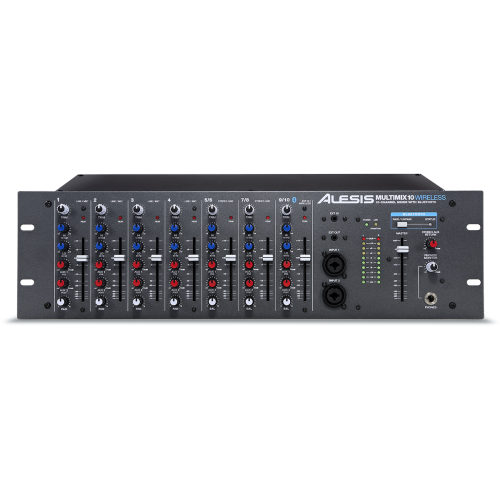
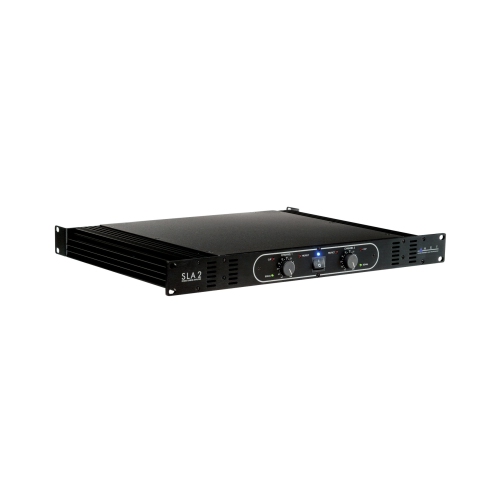
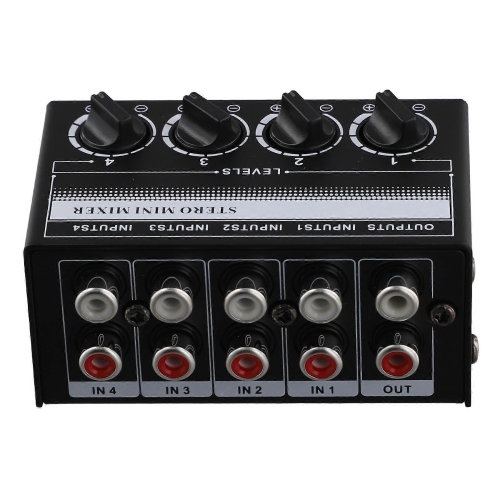
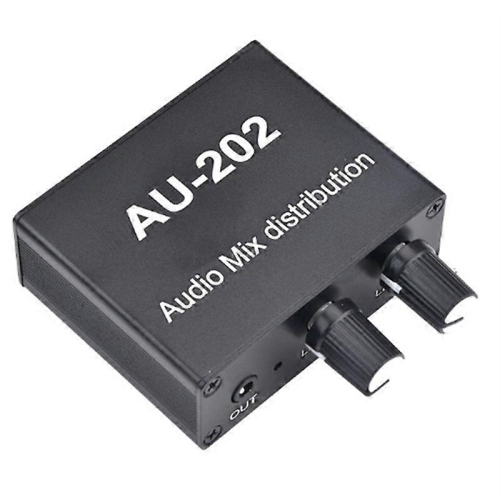
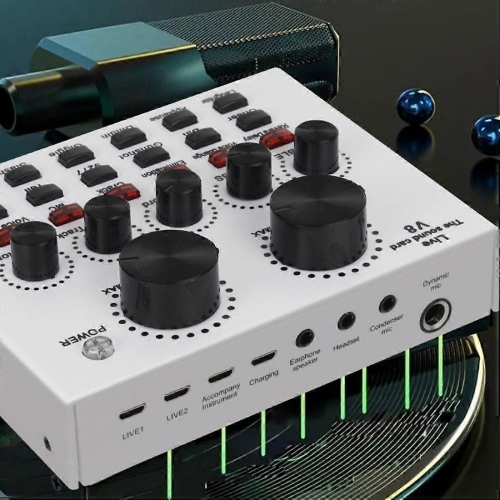
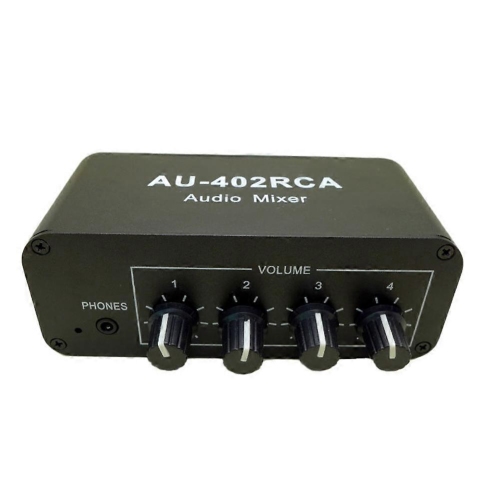
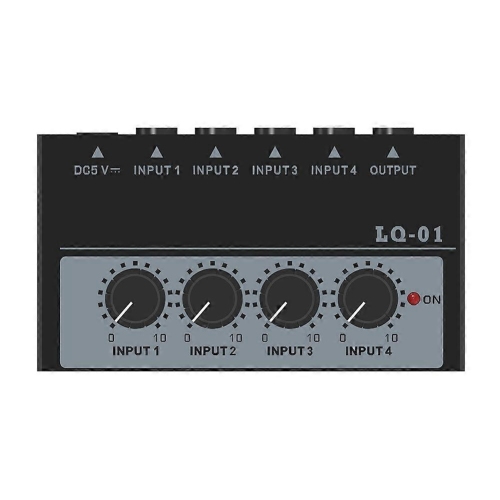
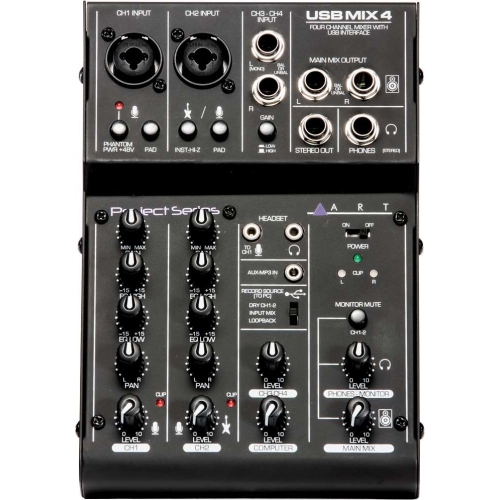
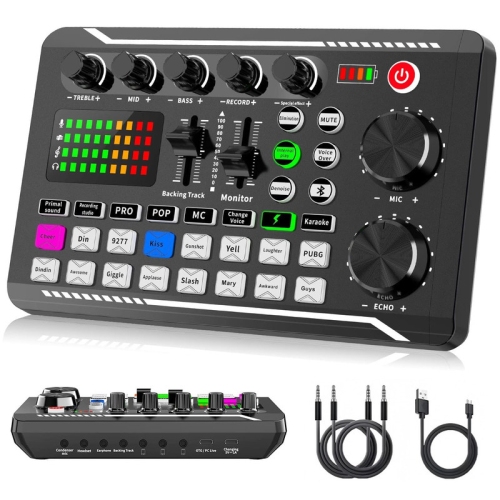
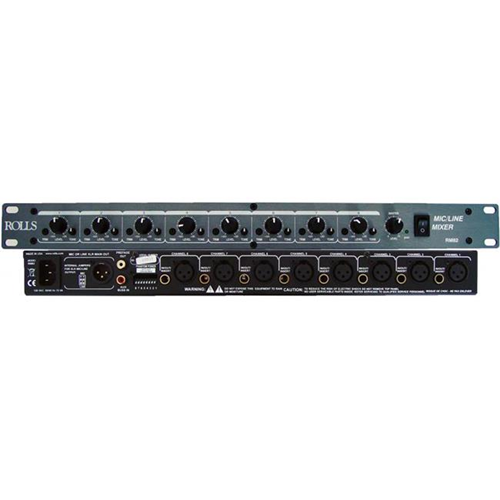
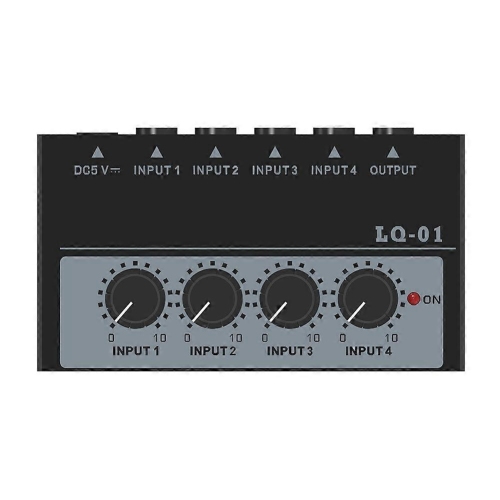
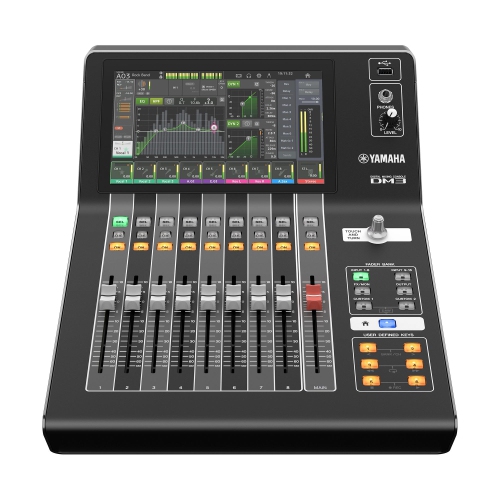
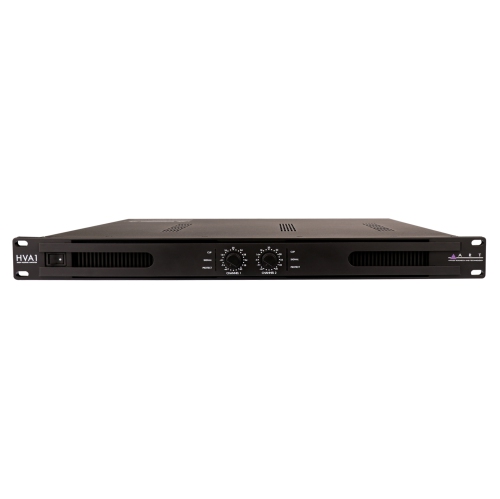
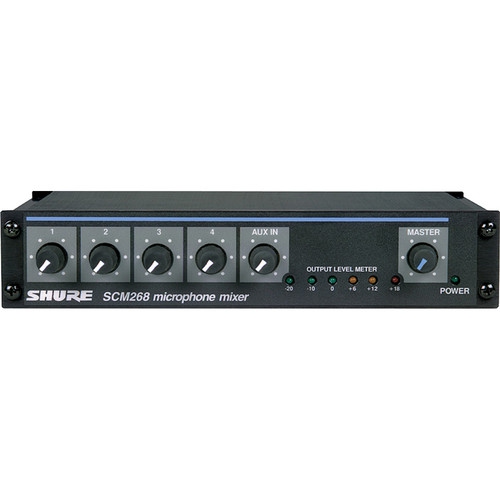
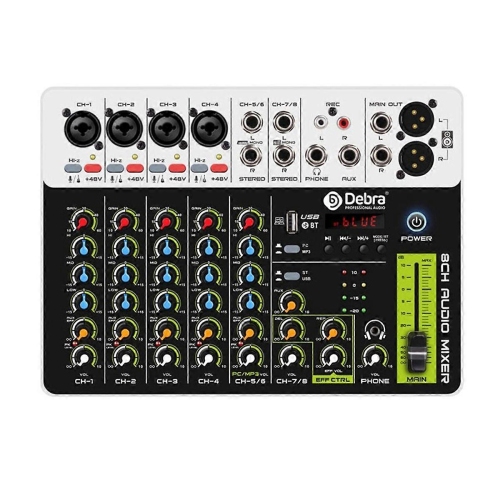
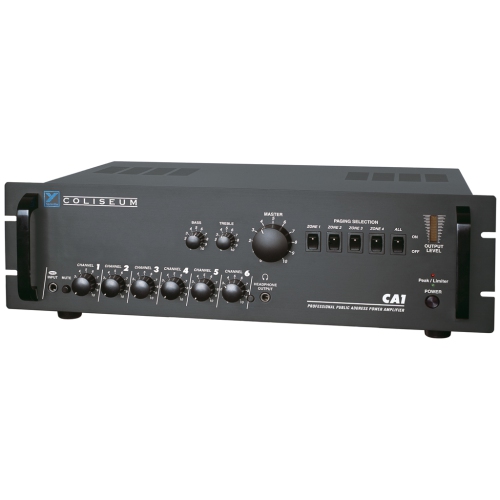
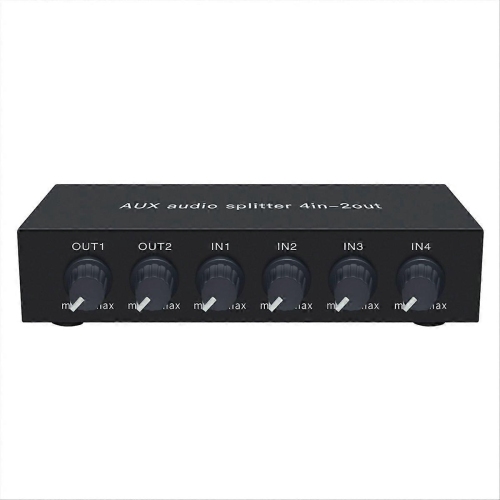
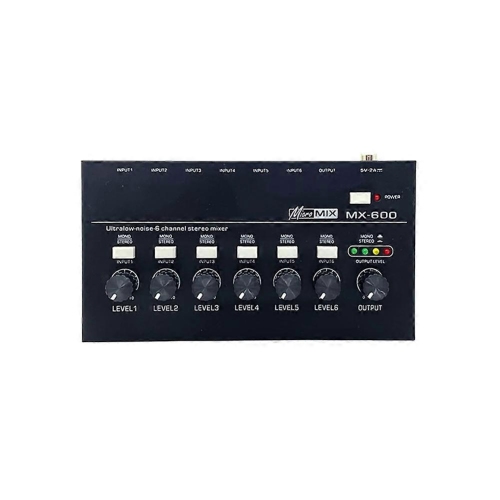
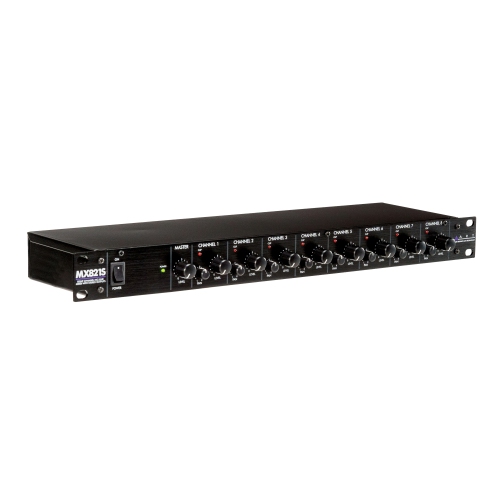
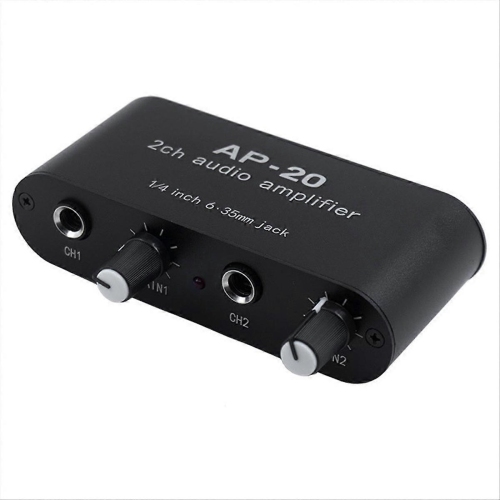
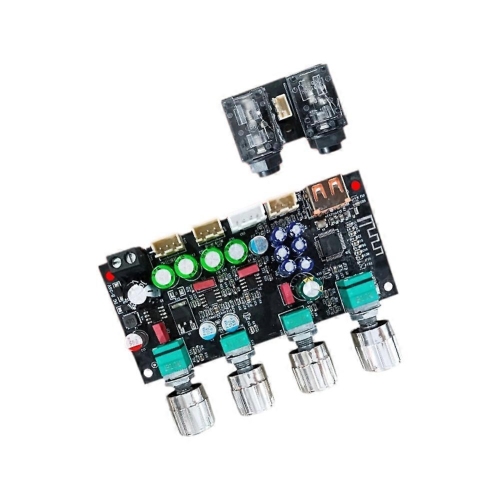
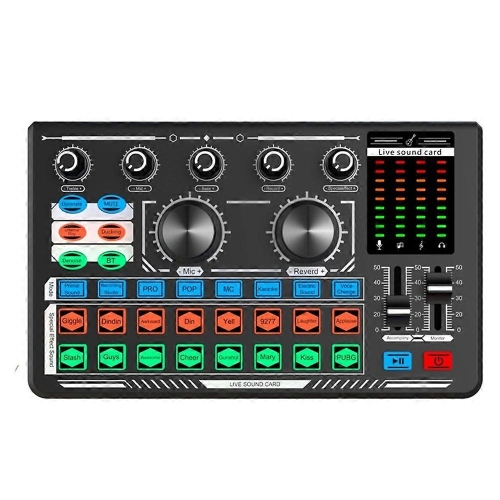
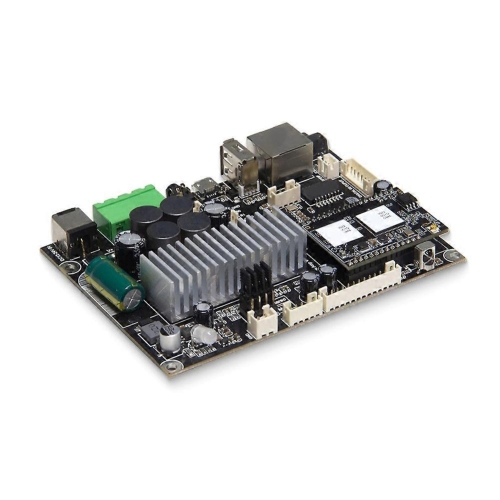
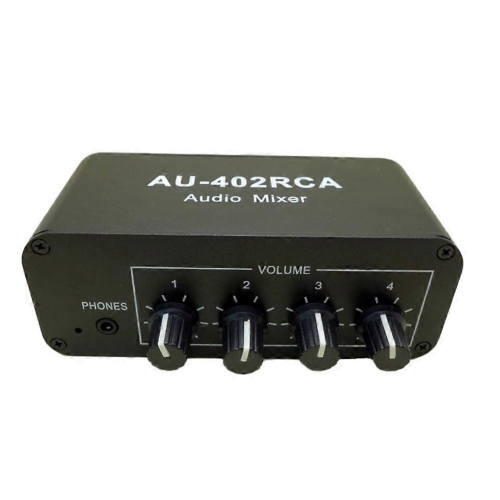
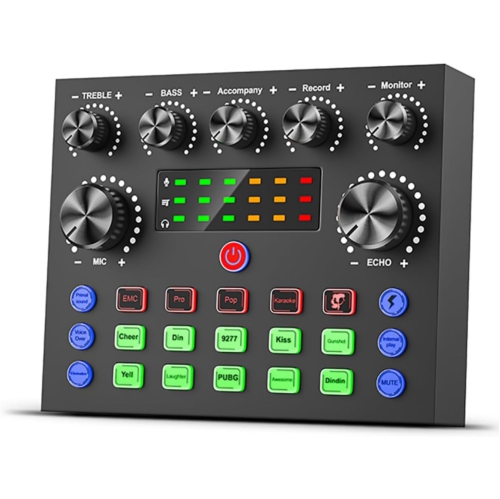
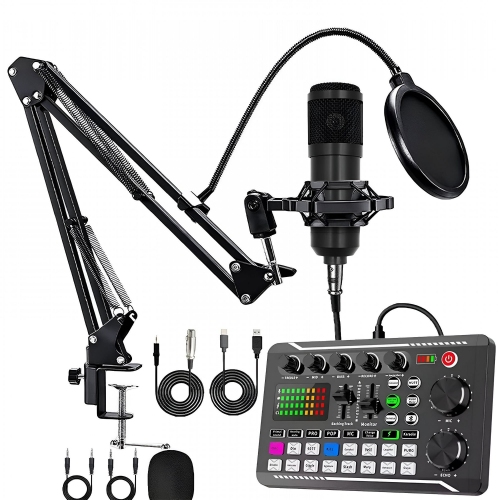
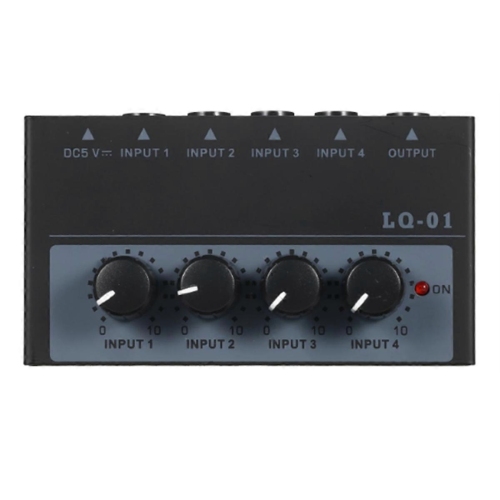
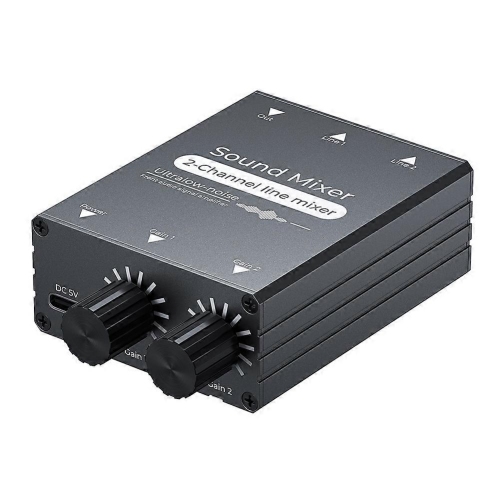
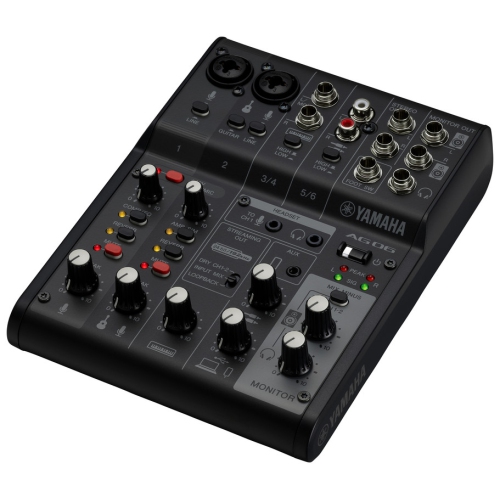
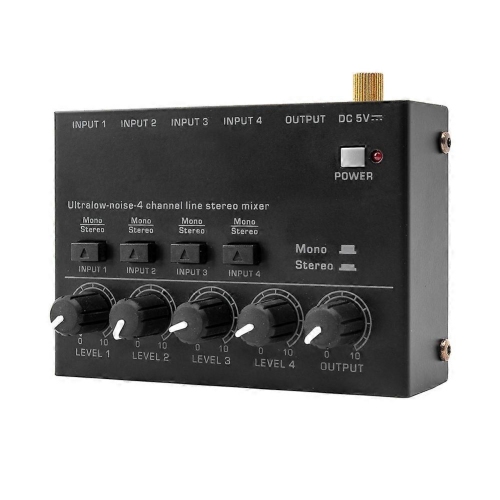
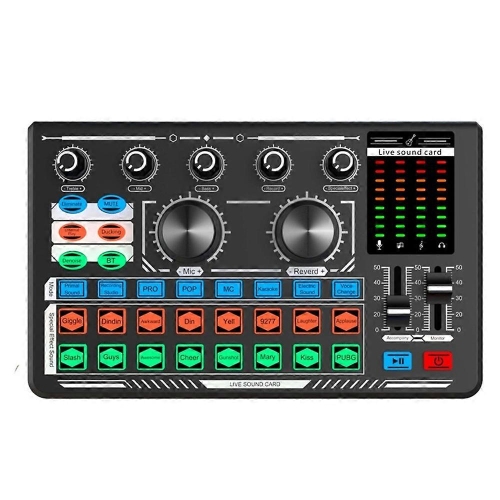
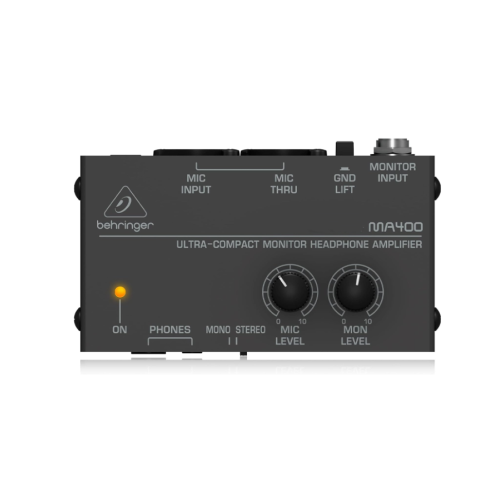
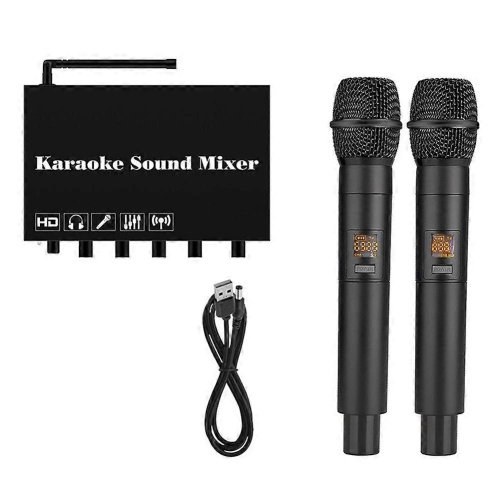
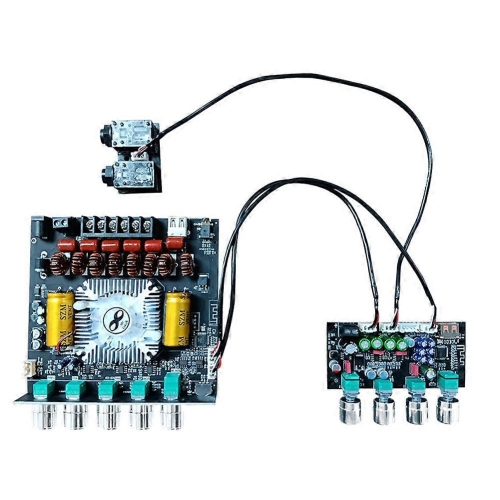
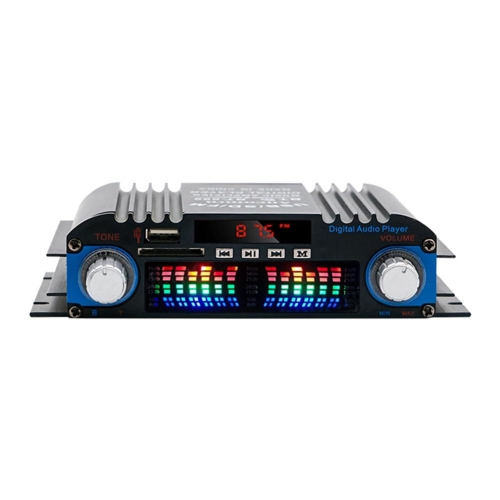
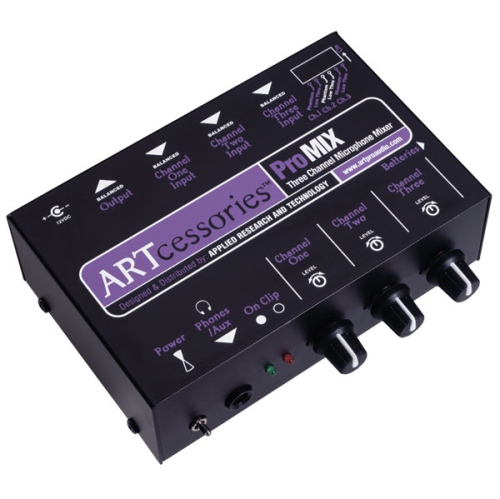
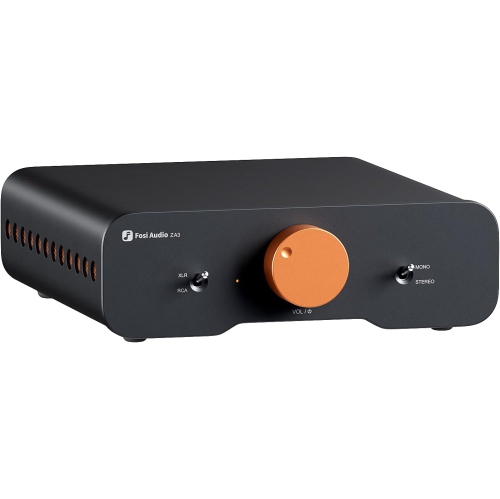
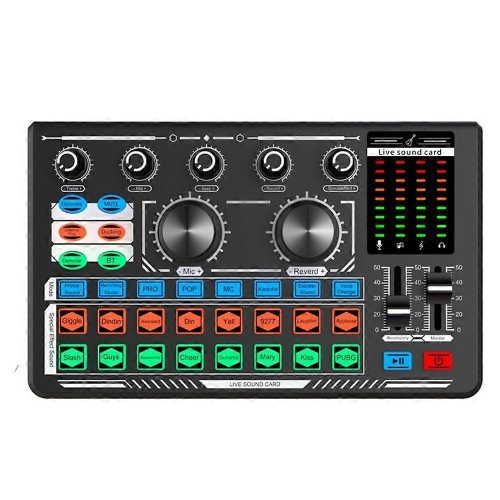
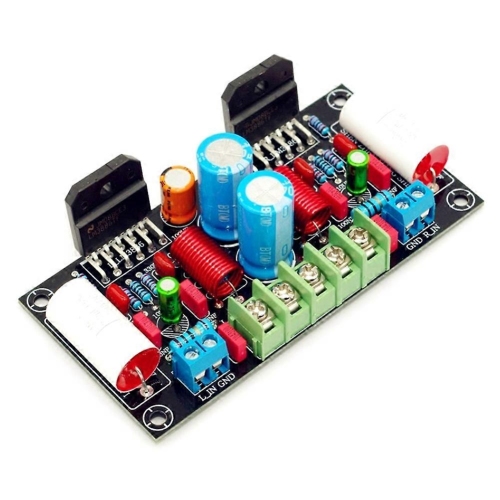
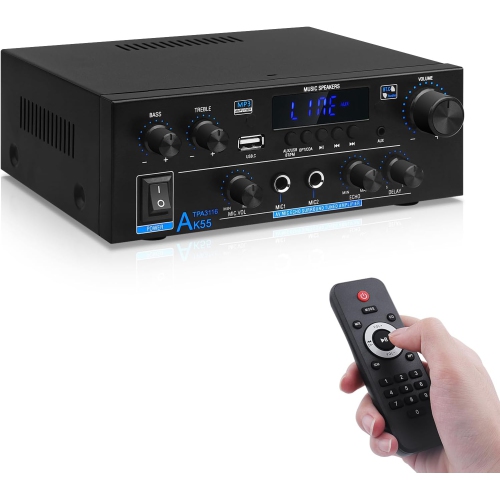
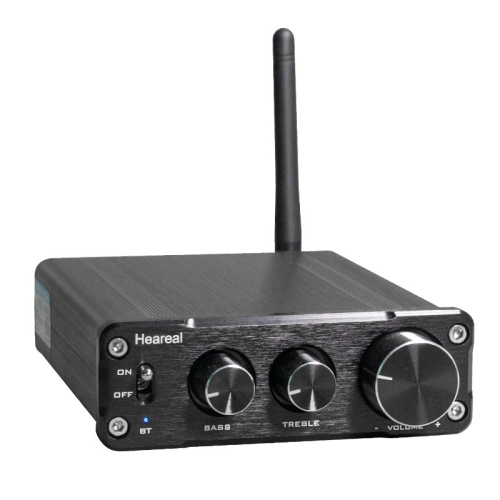
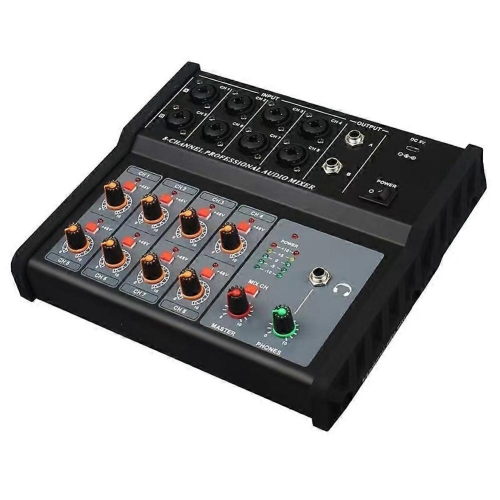
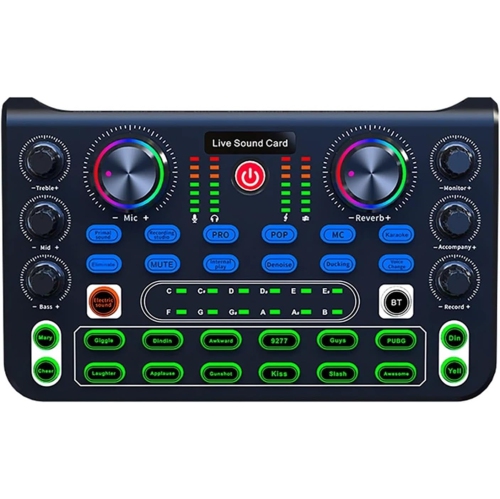
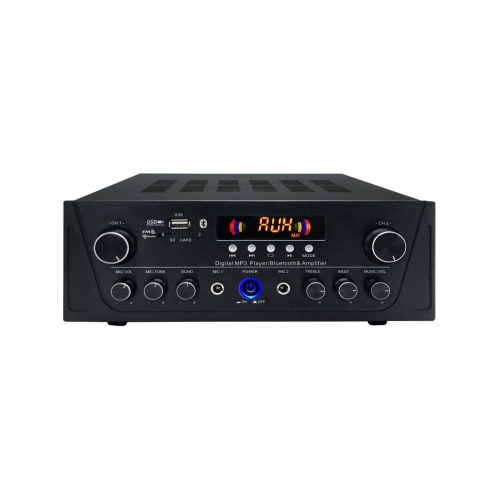
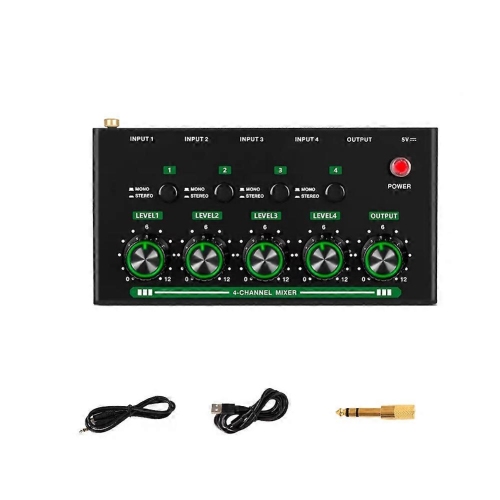
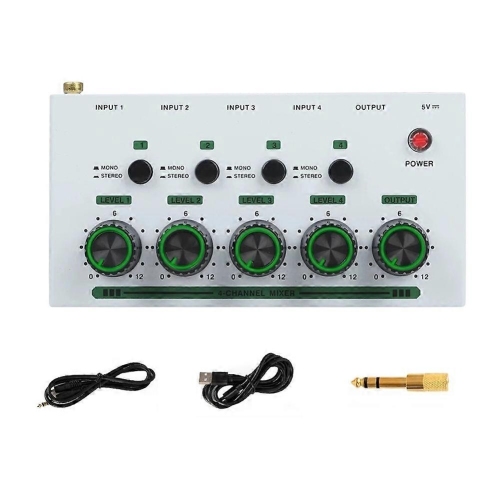
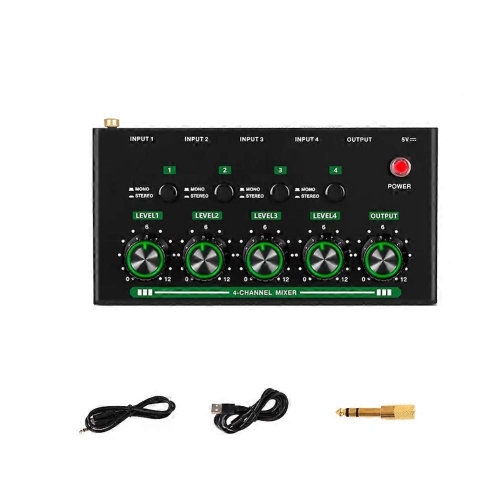
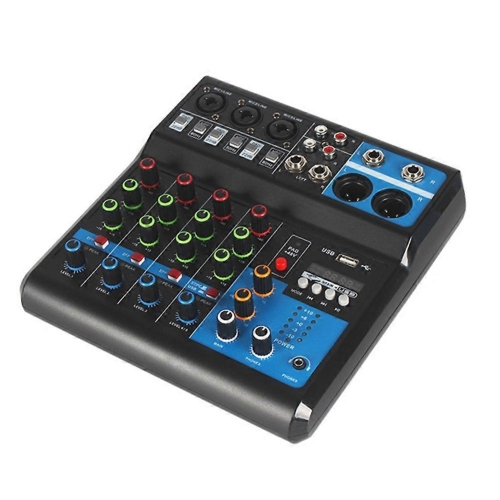
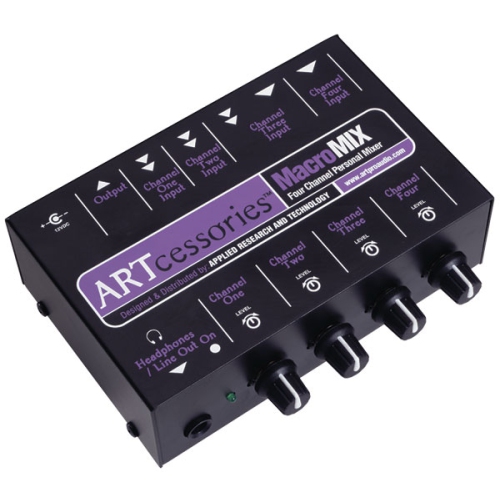
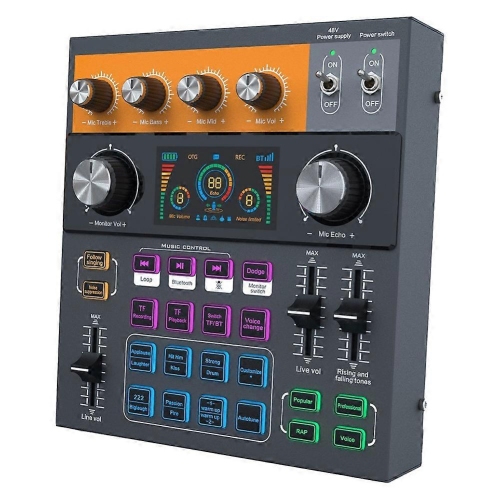
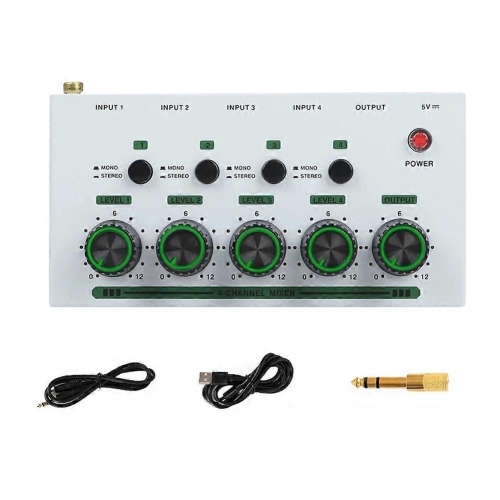
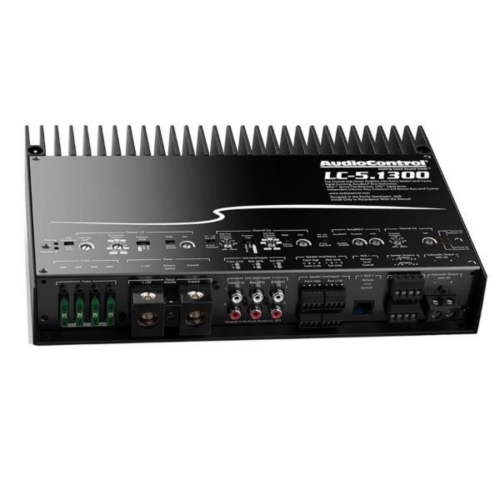
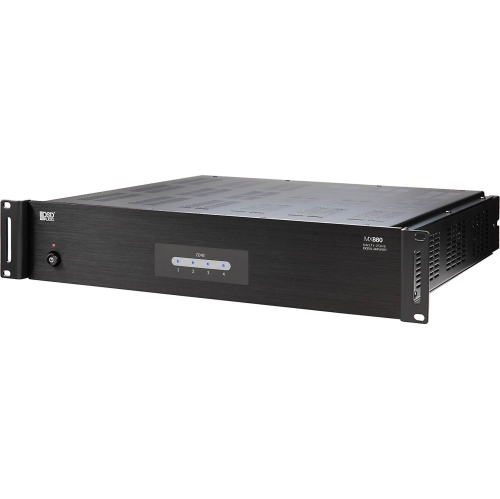
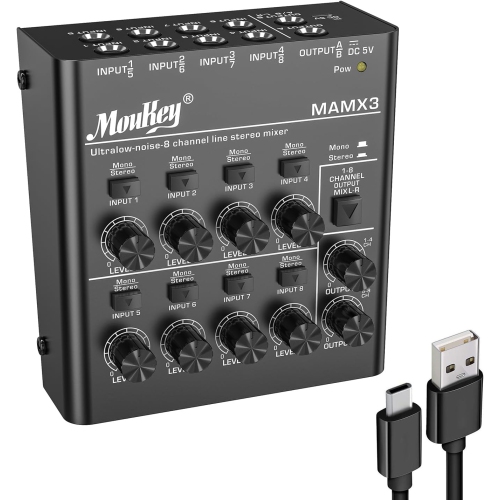
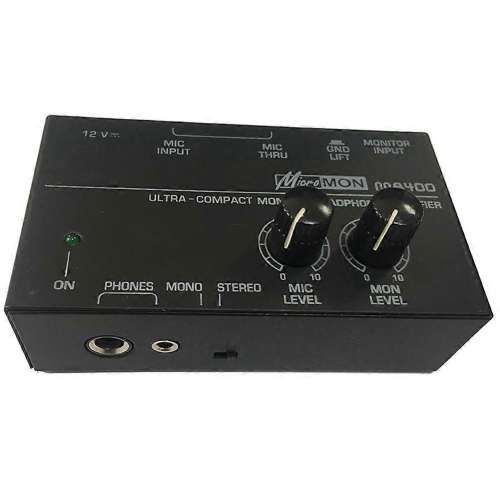
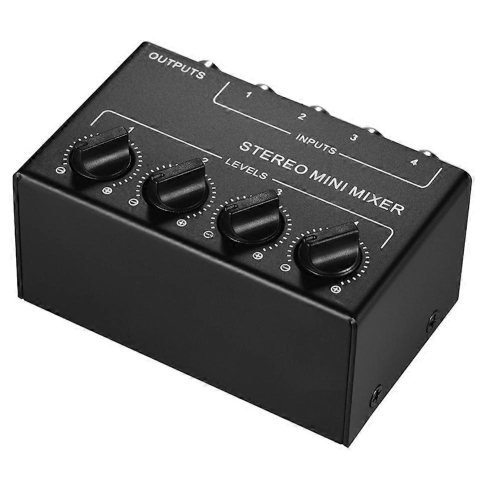
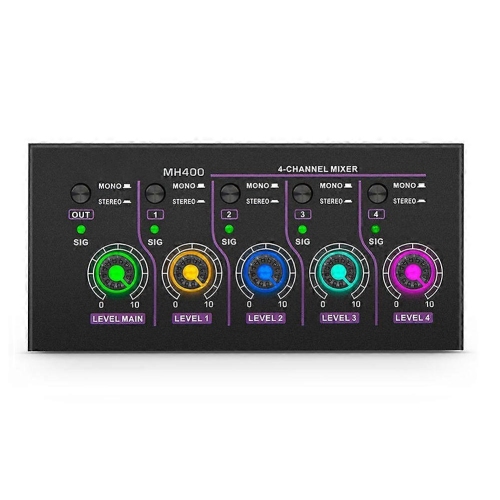
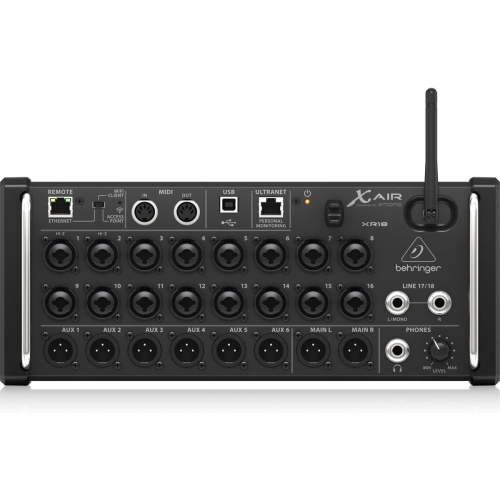


One enclosure simplifies mixing sources and powering speakers
Audio mixer amplifiers combine two essential pieces of sound equipment in one enclosure: a mixing console for managing multiple audio sources and a power amplifier for driving passive speakers. This integrated design makes it easier to build a capable sound system without connecting a separate mixer and standalone amplifier. You can connect microphones, instruments, media players, keyboards, guitars with suitable pickups, and other line-level sources, then adjust their individual volume and tone before sending the combined signal to your speakers. Depending on the type, an audio mixer amplifier may be suited to live performances, presentations, announcements, background music, classrooms, community halls, houses of worship, retail spaces, restaurants, or home entertainment areas. A compact powered mixer can be especially useful for a small band, mobile performer, DJ, instructor, or event host who needs a practical setup that can be transported and connected with minimal fuss. Commercial and public address mixer amplifiers are generally built for distributed audio, where one system sends music or announcements throughout several rooms or zones. These models may support 70V or 100V constant-voltage speaker systems, which are commonly used in schools, offices, shops, hospitality settings, and other larger spaces. Many also include priority muting, allowing a microphone announcement to lower or interrupt background music so spoken instructions remain clear. For a small venue or portable setup, a live sound mixer amplifier may offer multiple XLR microphone inputs, line inputs, master controls, built-in effects, and amplification designed for passive loudspeakers. A system with onboard reverb or delay can add presence to vocals and instruments without requiring an external effects unit, while a straightforward control layout can help a presenter or performer make adjustments quickly during a busy event. For additional ideas when planning a complete audio setup, explore Mixer Sound Systems.
Choosing the right audio mixer amplifier starts with understanding how many sources you expect to use at the same time. Count the microphones, instruments, playback devices, and other connections that may be active during a typical session, then allow some extra capacity for future additions. Microphone inputs usually use XLR connectors, while keyboards, phones, computers, and other playback devices may connect through line-level inputs such as 1/4-inch or RCA connections. If you plan to use professional condenser microphones, look for phantom power, commonly identified as +48V, because these microphones require power from the mixer or another compatible source. Dynamic microphones do not usually need phantom power, but having it available can make the system more flexible for recording, vocal performance, instruments, and public speaking. Wattage is another important consideration, but the number alone does not tell the whole story. Match the amplifier’s continuous power rating and supported impedance to the passive speakers you intend to connect, paying close attention to whether the system is designed for 4-ohm, 8-ohm, or constant-voltage operation. Using an amplifier and speakers with compatible ratings helps maintain a clean signal and reduces the risk of distortion or equipment damage. A mixer amplifier with separate channel controls lets you balance a singer standing close to the microphone with a quieter guitar or a keyboard positioned farther away. Look for bass, midrange, and treble controls when you want to shape each source individually, along with a master graphic equalizer when you need broader control over the overall sound. Equalization can help speech sound more intelligible, vocals sit more naturally in a mix, and instruments avoid competing for the same frequencies. Feedback control is also valuable when microphones and speakers must operate in the same room. Careful speaker placement, sensible volume levels, and gradual adjustments remain important, but an equalizer and well-organized controls can make it easier to reduce harshness or ringing before it becomes disruptive.
The best audio mixer amplifier for a home user may look different from the best choice for a touring performer or a public address installation. For occasional presentations, neighbourhood gatherings, family celebrations, or seasonal events during the warmer and cooler parts of the year, a user-friendly model with manageable controls and enough inputs for a microphone and music player may be all that is needed. A portable enclosure with sturdy handles can be convenient when the system moves between a garage, community room, rehearsal space, or outdoor gathering, while a rack-mountable design may be preferable for a permanent installation or equipment cabinet. Consider whether you need built-in effects, USB or digital connectivity, recording functions, Bluetooth audio, independent monitor outputs, or zone controls, and choose features that support how the system will actually be used rather than adding unnecessary complexity. Audio mixer amplifiers can also make thoughtful gifts for musicians, singers, public speakers, instructors, community organizers, and family members who enjoy hosting gatherings or performing for others. A beginner may appreciate a simple layout with clearly labelled channels, while an experienced user may value more inputs, flexible routing, dedicated monitor controls, or detailed equalization. Before purchasing, check the connectors on your existing microphones and speakers, confirm the speaker impedance and power requirements, measure the available storage or installation space, and think about how far the system must be transported. Clear vocal sound depends on more than amplifier power: microphone quality, speaker placement, room acoustics, cable condition, and gain settings all contribute to the final result. Set each channel gain carefully, keep master volume at a sensible level, and leave enough headroom so sudden peaks do not produce unpleasant clipping. With the right combination of inputs, amplification, tone controls, speaker compatibility, and portability, an audio mixer amplifier can provide a dependable centre for announcements, music playback, rehearsals, live performances, and shared listening experiences.
Choosing the right audio mixer amplifier starts with understanding how many sources you expect to use at the same time. Count the microphones, instruments, playback devices, and other connections that may be active during a typical session, then allow some extra capacity for future additions. Microphone inputs usually use XLR connectors, while keyboards, phones, computers, and other playback devices may connect through line-level inputs such as 1/4-inch or RCA connections. If you plan to use professional condenser microphones, look for phantom power, commonly identified as +48V, because these microphones require power from the mixer or another compatible source. Dynamic microphones do not usually need phantom power, but having it available can make the system more flexible for recording, vocal performance, instruments, and public speaking. Wattage is another important consideration, but the number alone does not tell the whole story. Match the amplifier’s continuous power rating and supported impedance to the passive speakers you intend to connect, paying close attention to whether the system is designed for 4-ohm, 8-ohm, or constant-voltage operation. Using an amplifier and speakers with compatible ratings helps maintain a clean signal and reduces the risk of distortion or equipment damage. A mixer amplifier with separate channel controls lets you balance a singer standing close to the microphone with a quieter guitar or a keyboard positioned farther away. Look for bass, midrange, and treble controls when you want to shape each source individually, along with a master graphic equalizer when you need broader control over the overall sound. Equalization can help speech sound more intelligible, vocals sit more naturally in a mix, and instruments avoid competing for the same frequencies. Feedback control is also valuable when microphones and speakers must operate in the same room. Careful speaker placement, sensible volume levels, and gradual adjustments remain important, but an equalizer and well-organized controls can make it easier to reduce harshness or ringing before it becomes disruptive.
The best audio mixer amplifier for a home user may look different from the best choice for a touring performer or a public address installation. For occasional presentations, neighbourhood gatherings, family celebrations, or seasonal events during the warmer and cooler parts of the year, a user-friendly model with manageable controls and enough inputs for a microphone and music player may be all that is needed. A portable enclosure with sturdy handles can be convenient when the system moves between a garage, community room, rehearsal space, or outdoor gathering, while a rack-mountable design may be preferable for a permanent installation or equipment cabinet. Consider whether you need built-in effects, USB or digital connectivity, recording functions, Bluetooth audio, independent monitor outputs, or zone controls, and choose features that support how the system will actually be used rather than adding unnecessary complexity. Audio mixer amplifiers can also make thoughtful gifts for musicians, singers, public speakers, instructors, community organizers, and family members who enjoy hosting gatherings or performing for others. A beginner may appreciate a simple layout with clearly labelled channels, while an experienced user may value more inputs, flexible routing, dedicated monitor controls, or detailed equalization. Before purchasing, check the connectors on your existing microphones and speakers, confirm the speaker impedance and power requirements, measure the available storage or installation space, and think about how far the system must be transported. Clear vocal sound depends on more than amplifier power: microphone quality, speaker placement, room acoustics, cable condition, and gain settings all contribute to the final result. Set each channel gain carefully, keep master volume at a sensible level, and leave enough headroom so sudden peaks do not produce unpleasant clipping. With the right combination of inputs, amplification, tone controls, speaker compatibility, and portability, an audio mixer amplifier can provide a dependable centre for announcements, music playback, rehearsals, live performances, and shared listening experiences.
Top selling and popular products
-
 Your price for this item is $303.46
 -
 Your price for this item is $219.99
 -
 Your price for this item is $114.99
 -
 Your price for this item is $399.99
 -
 Your price for this item is $542.64
 -
 Your price for this item is $109.99
 -
 Your price for this item is $249
 -
 Your price for this item is $31.47
Discover more categories related to Audio Mixer Amplifiers
Top Collections:
Pokemon Centers, Kindle Devices, Best Budget Office Chairs, Canon G7X Cameras, Apple iPhones 16, Samsung Galaxy Phones, Refurbished Apple Laptops, Laptops for Students, iPhone 15 Apple, Budget Smartphones
Some products may be subject to Environmental Handling Fees
(EHF) depending on your province.
Learn more about EHFs.