Mixer Sound Systems
Create the ultimate audio experience with a mixer-sound system. Whether you're a professional DJ, a live performer, or simply a music enthusiast looking to elevate your home entertainment setup, mixer sound systems are an essential piece of equipment. Designed to deliver crystal-clear sound and seamless connectivity, these systems allow you to mix and control multiple audio sources with ease. Here are some great options available.
Sort
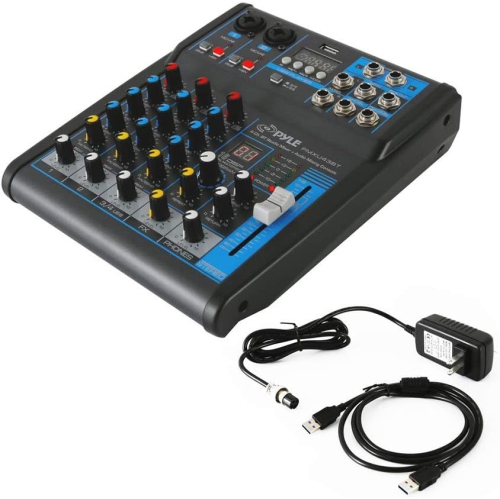
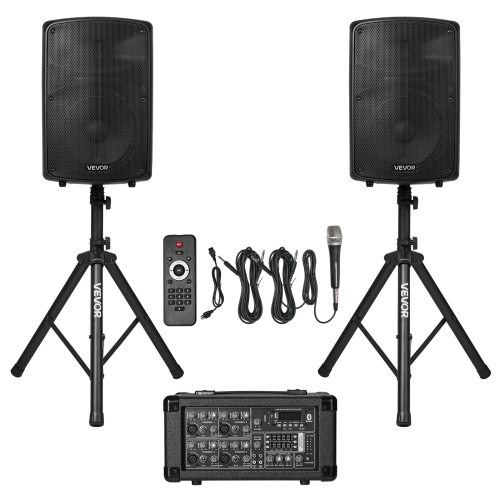
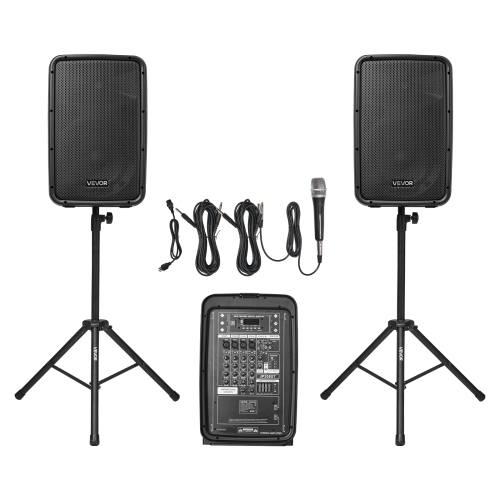
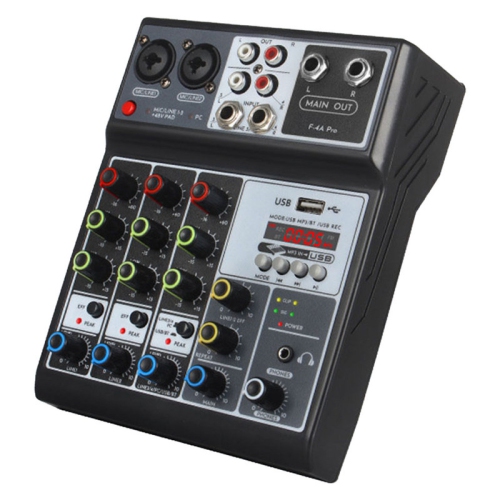
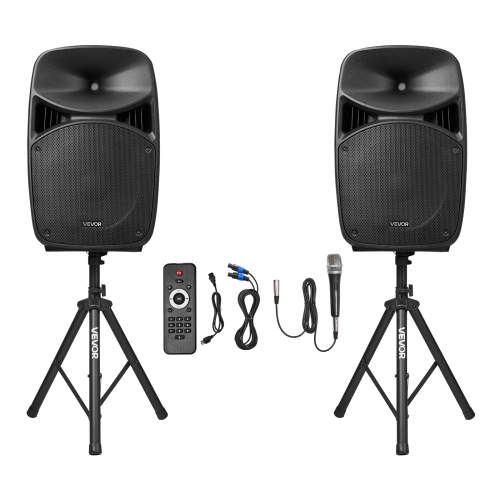
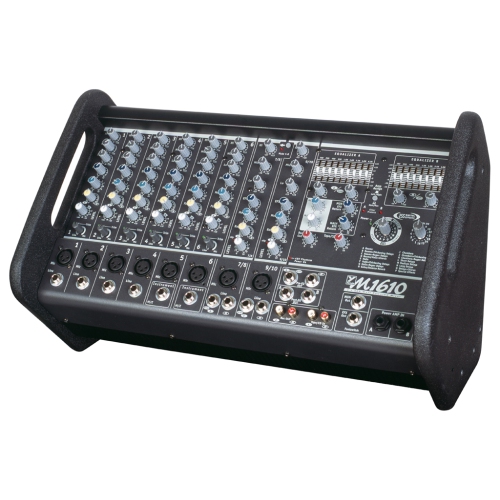
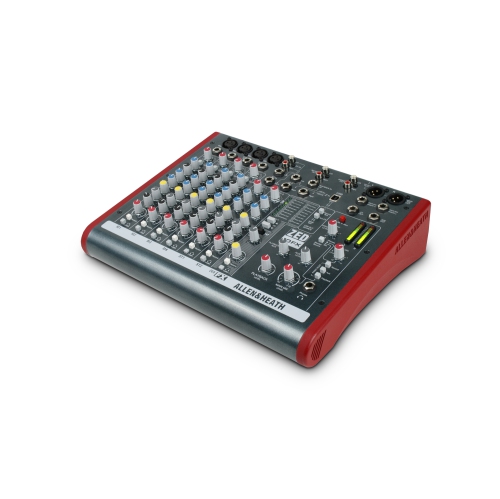
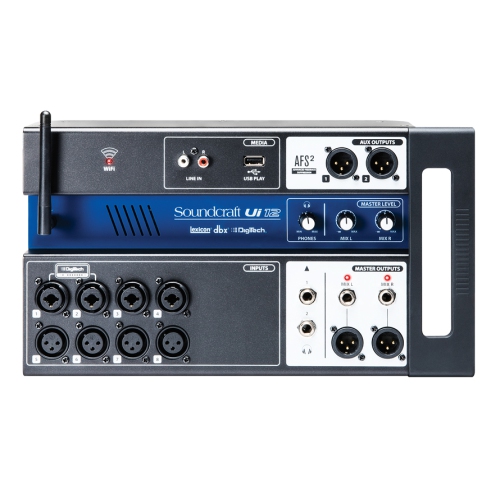
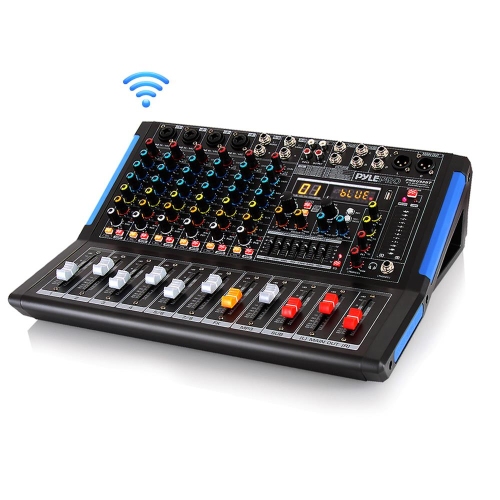
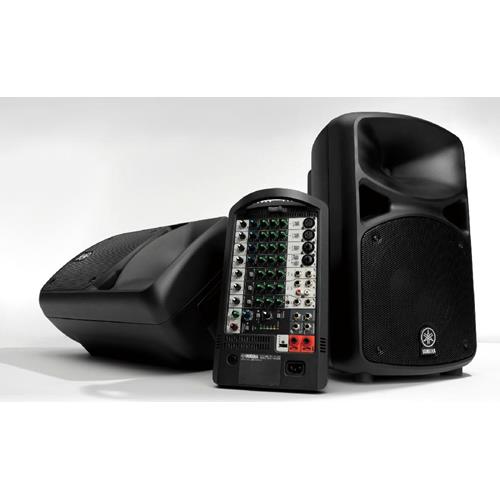
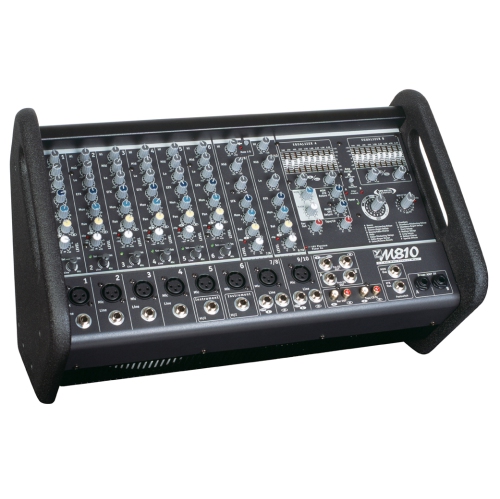
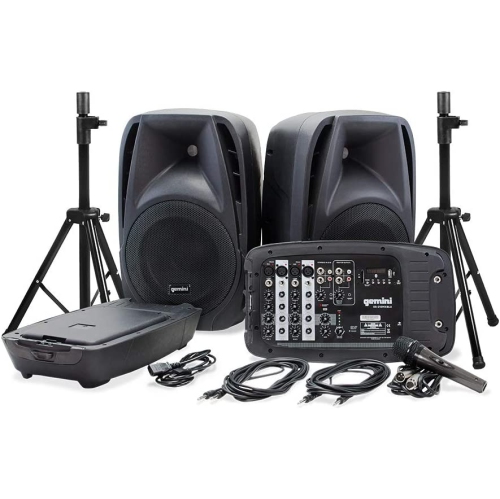
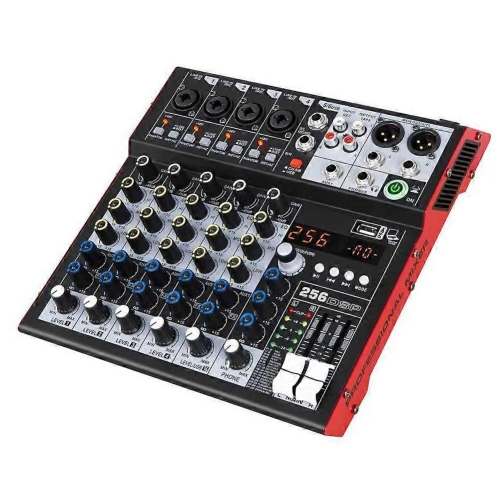
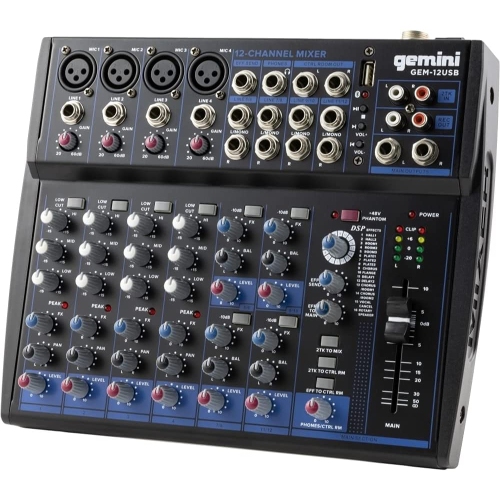
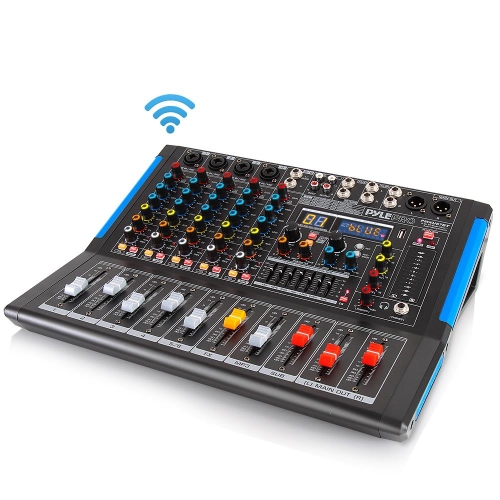
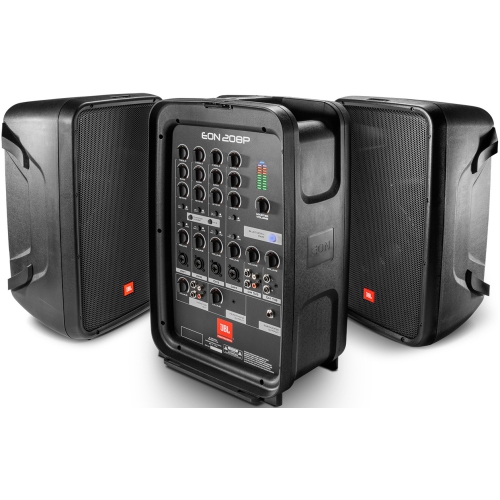
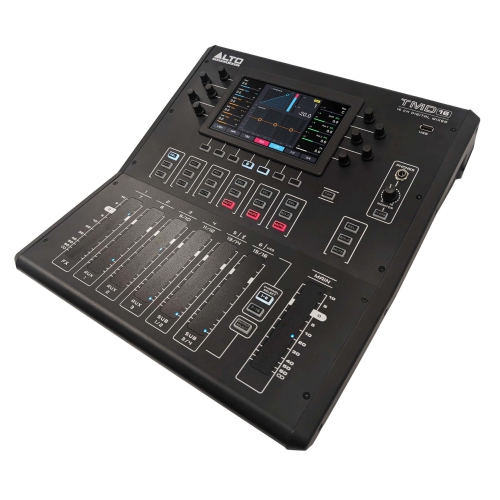
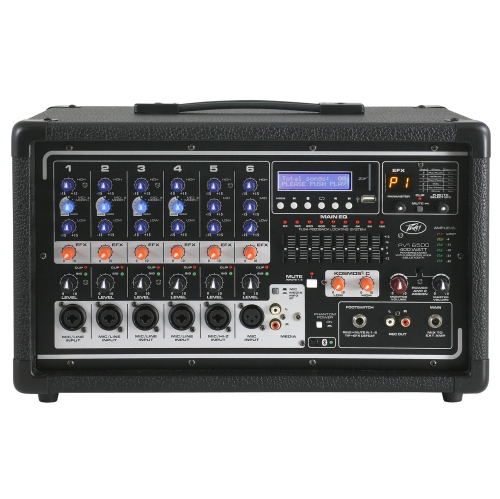
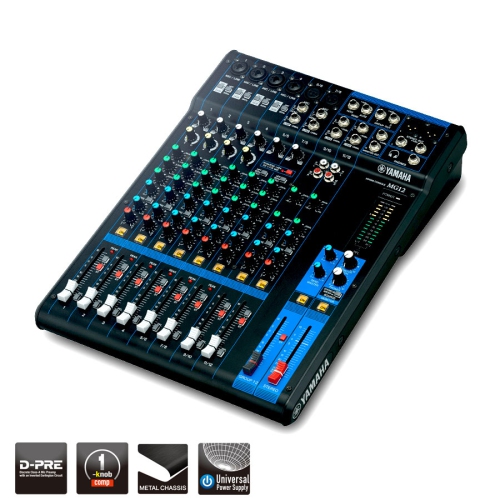
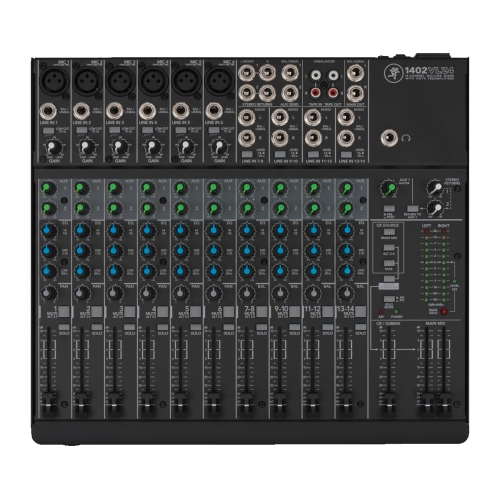
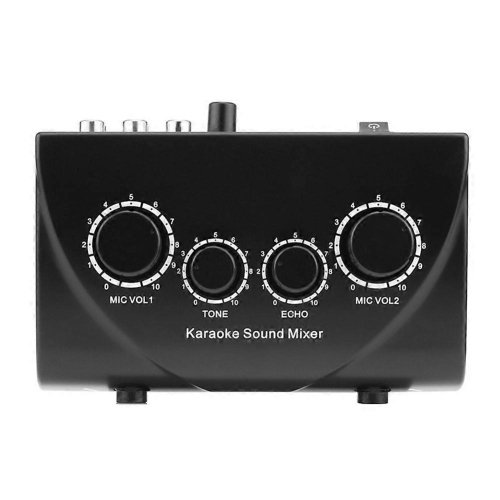
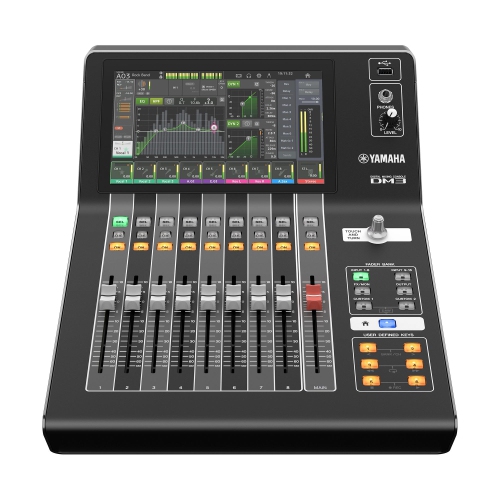
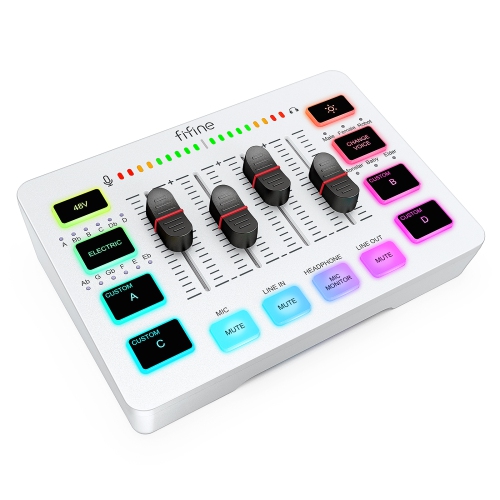
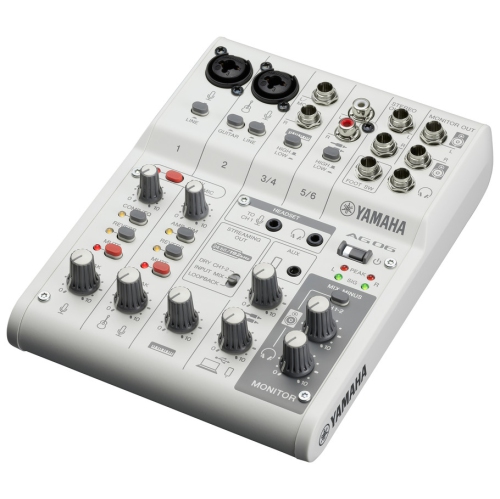
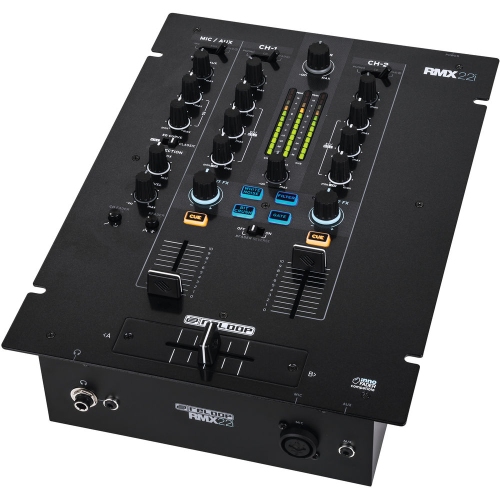
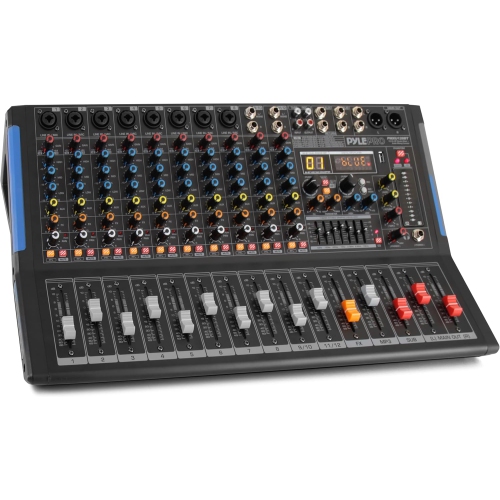
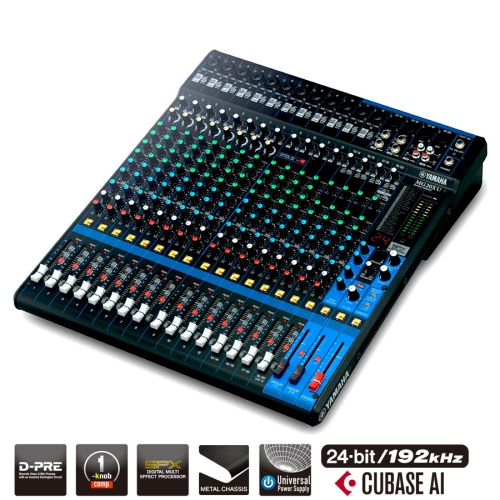
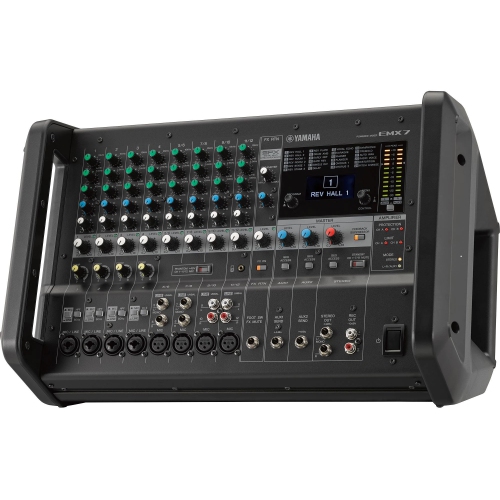
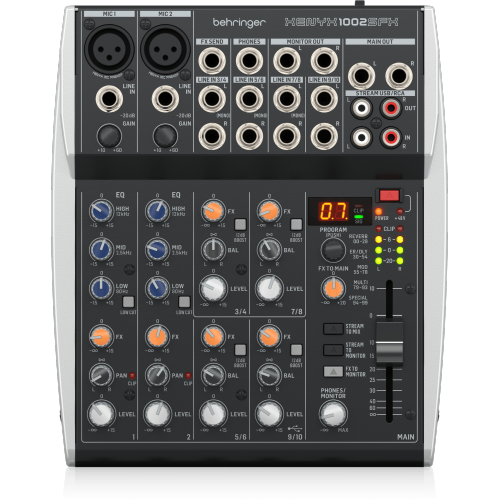
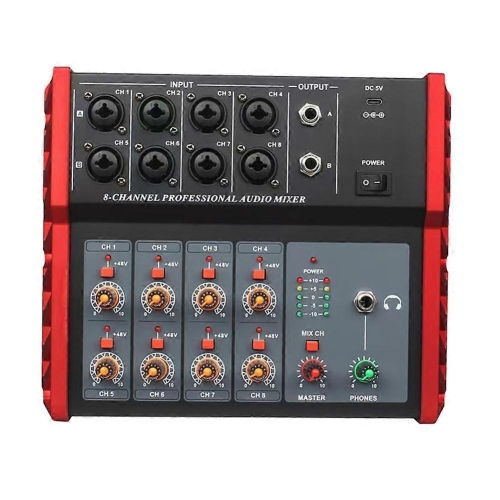
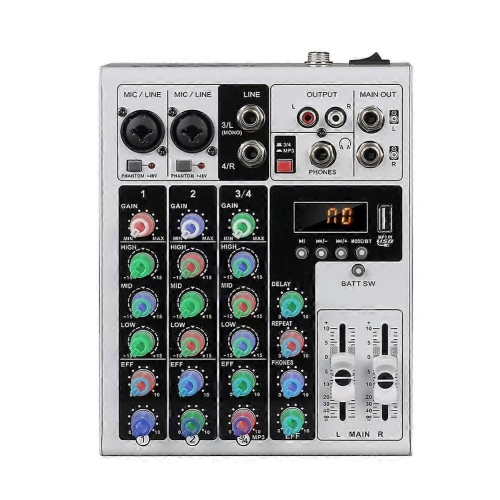
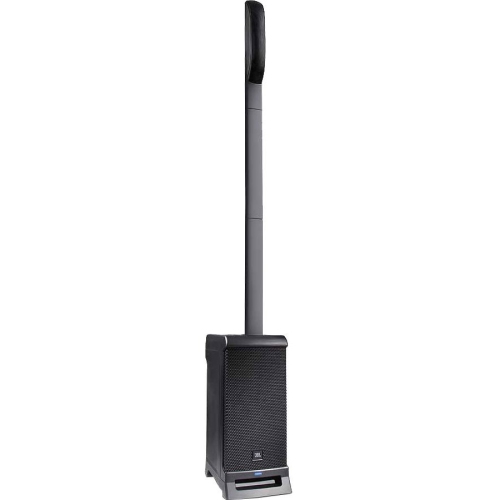
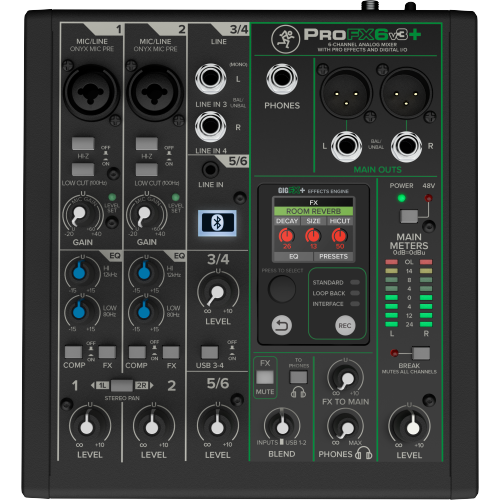
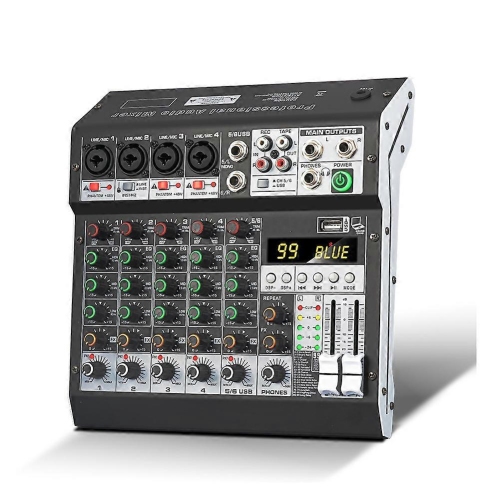
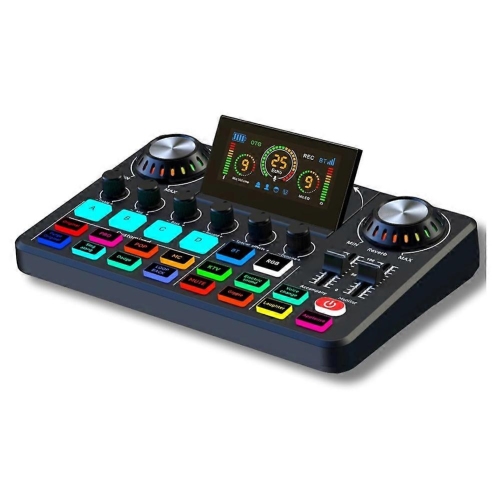
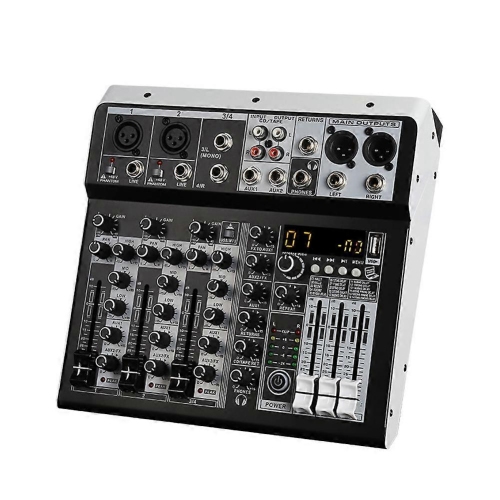
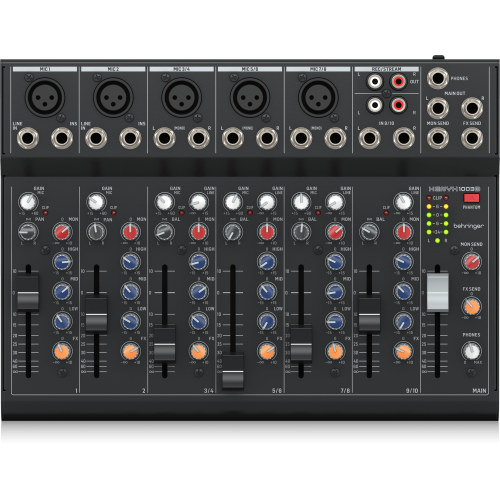
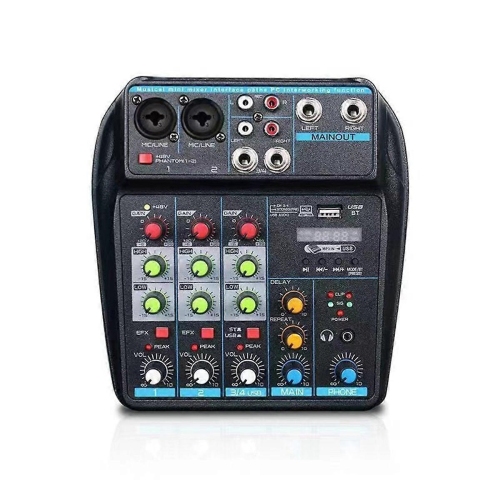
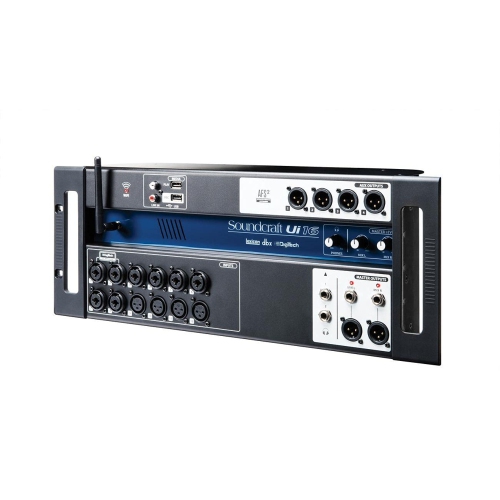
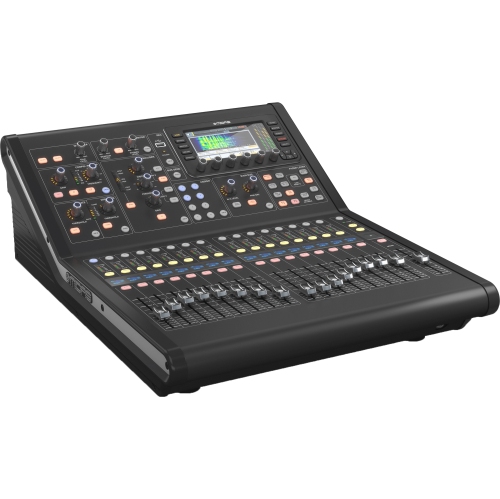
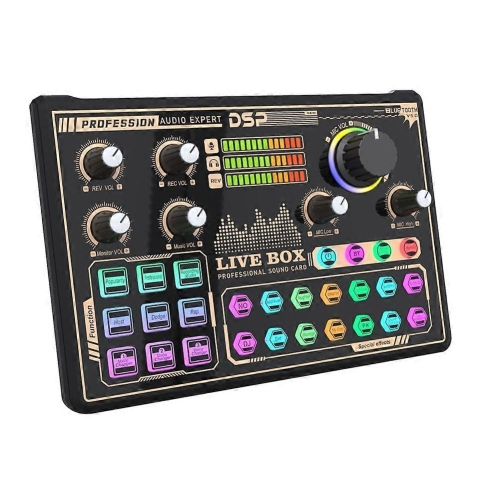
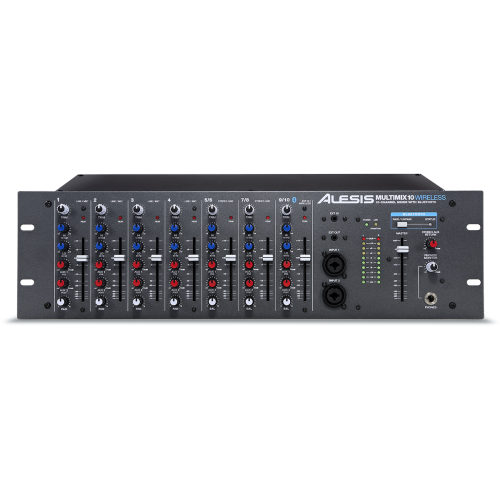
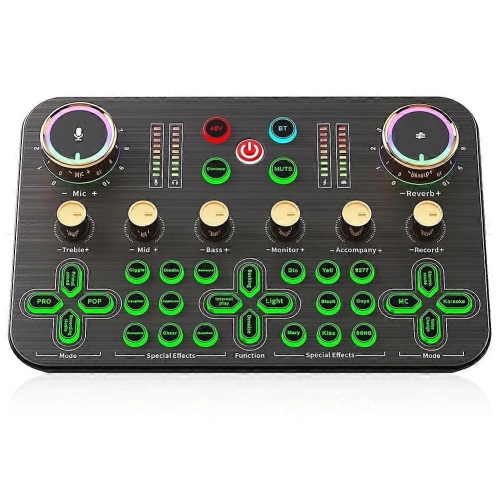
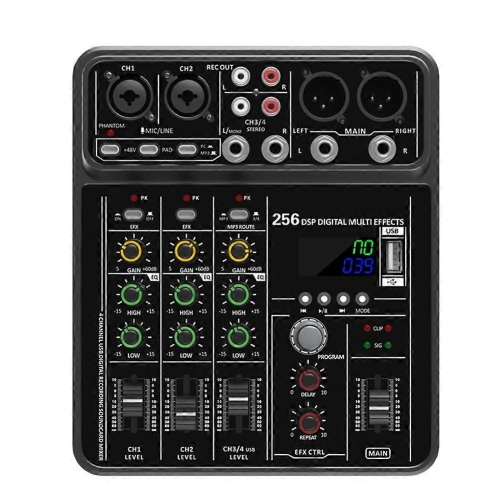
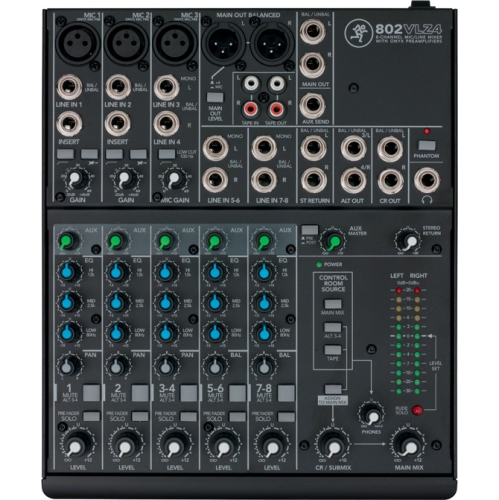
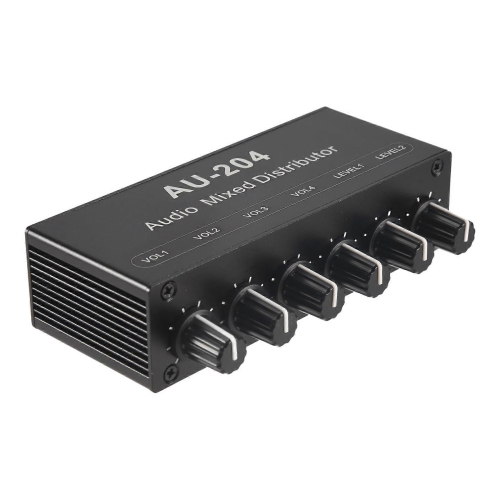
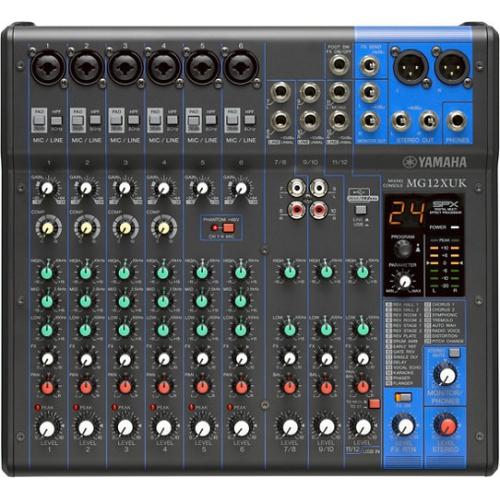
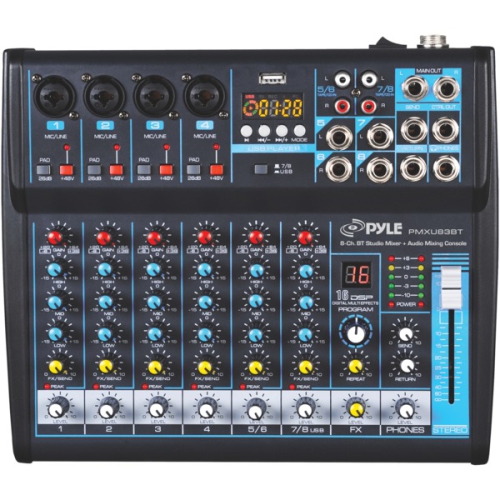
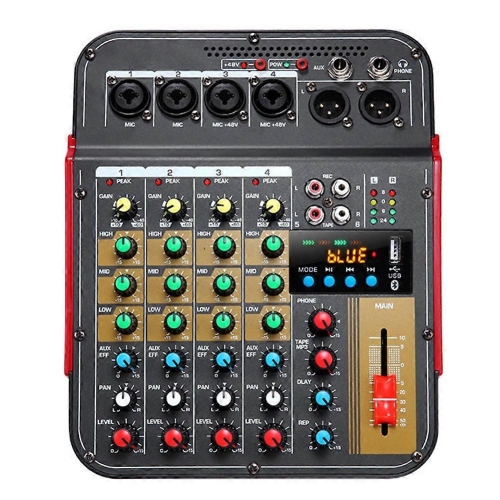

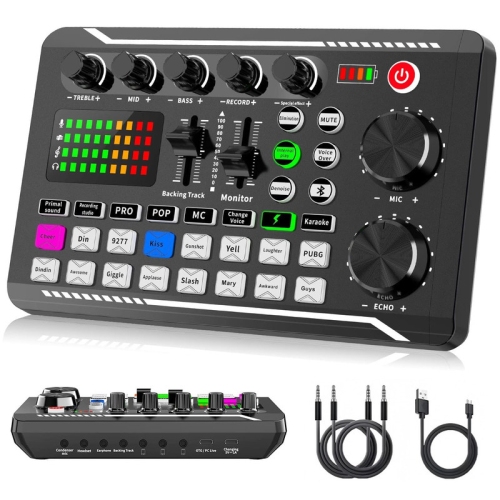
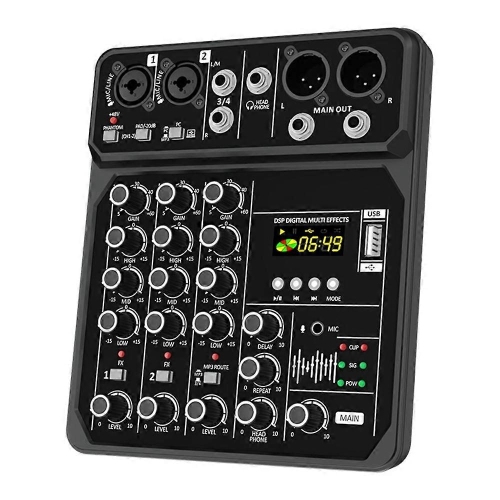
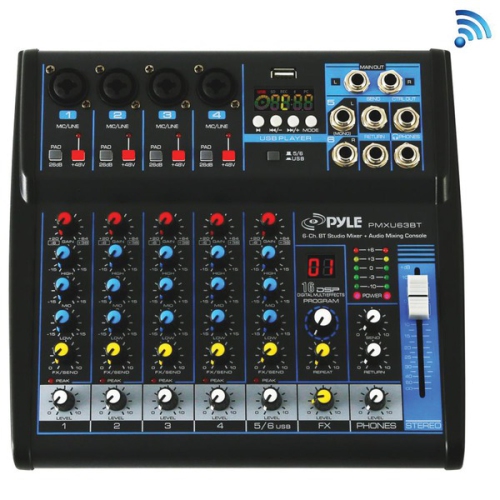

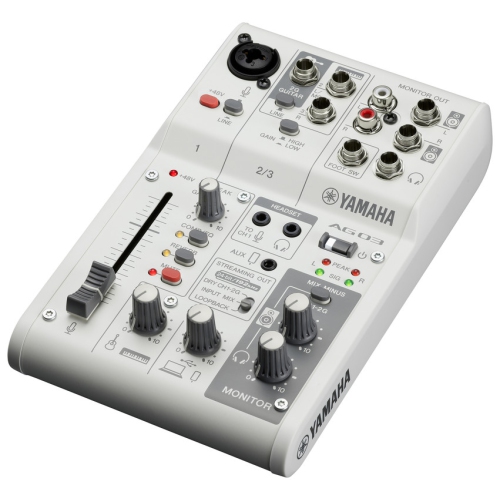
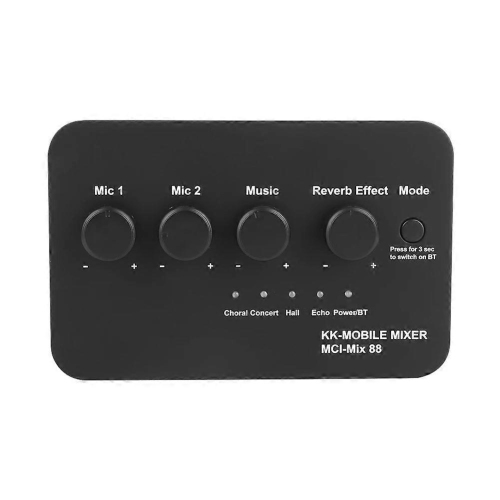
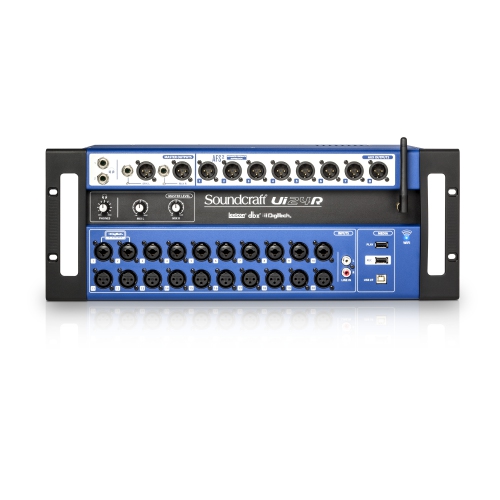
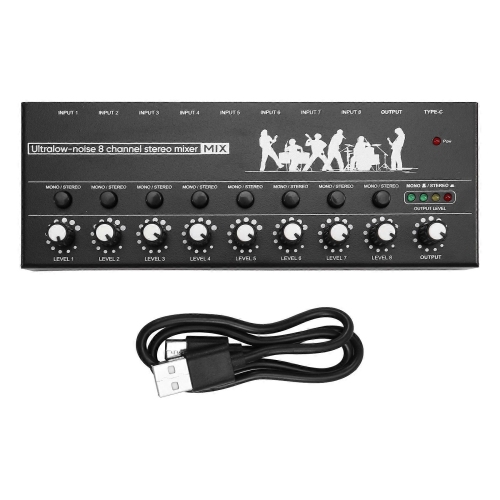
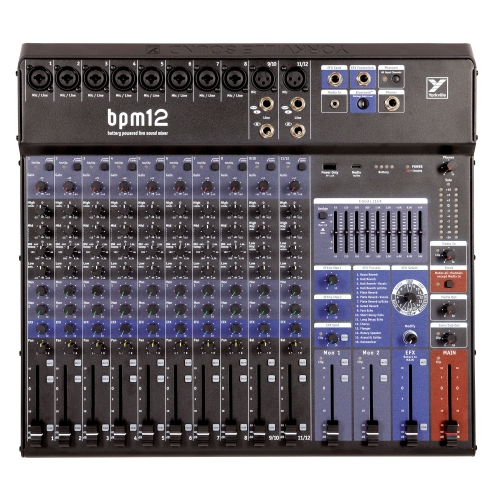
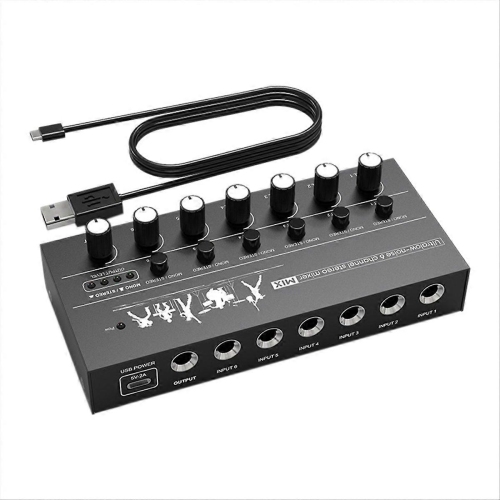
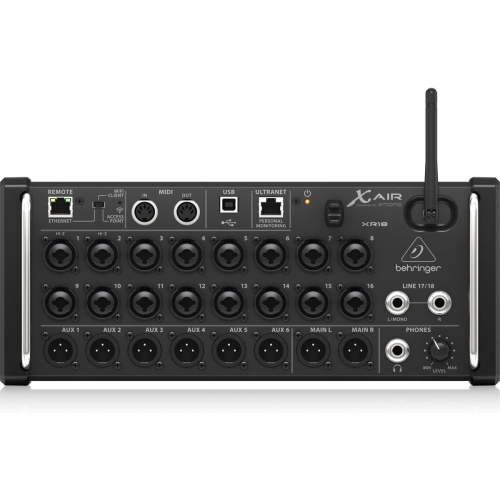
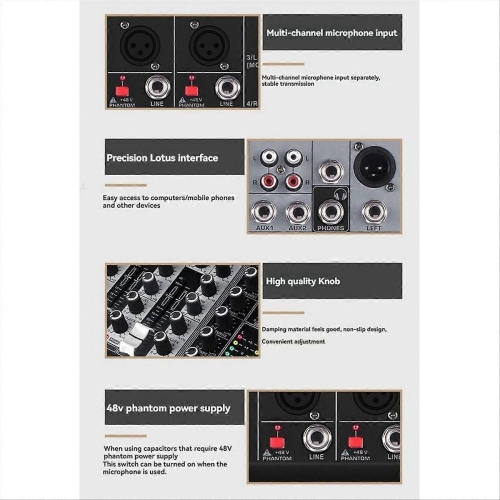
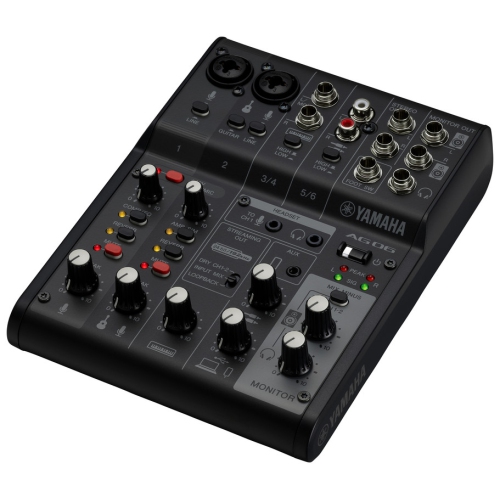
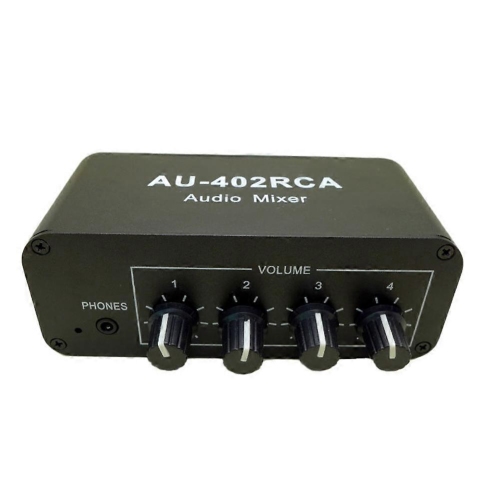
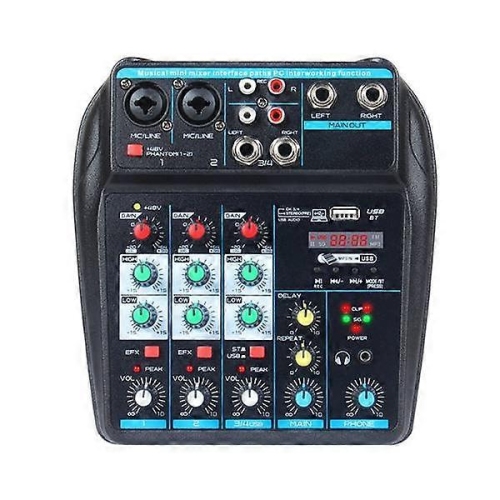
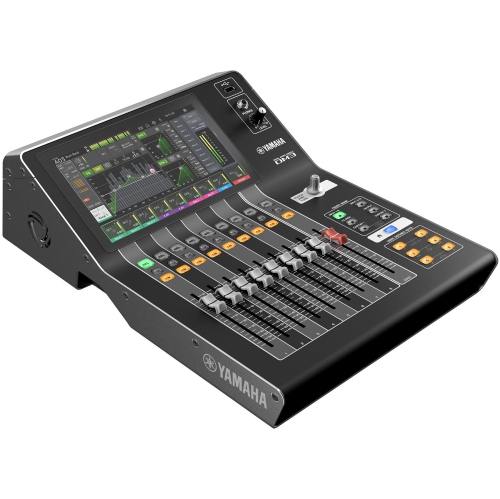
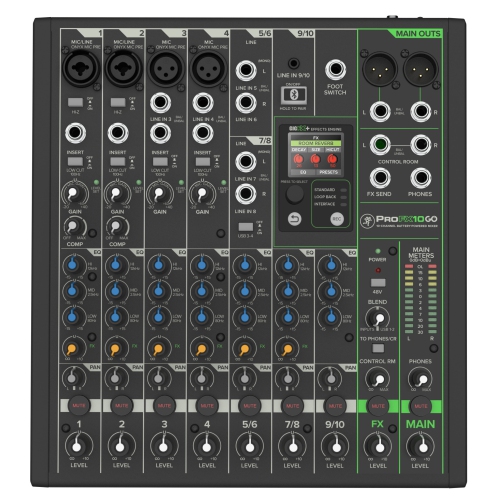
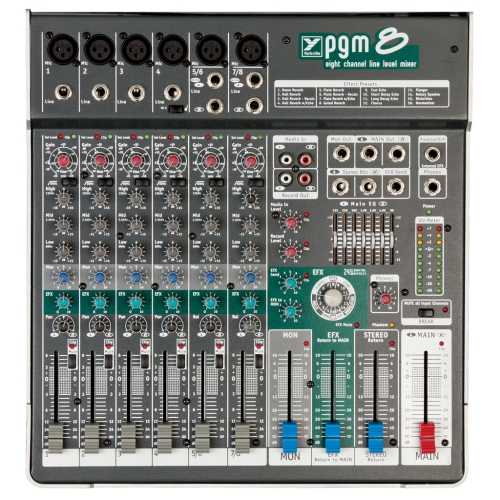
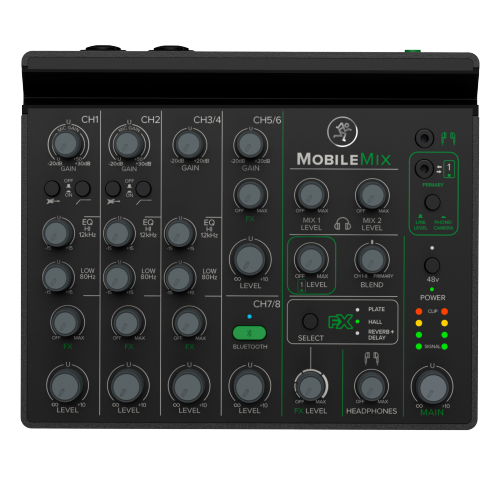
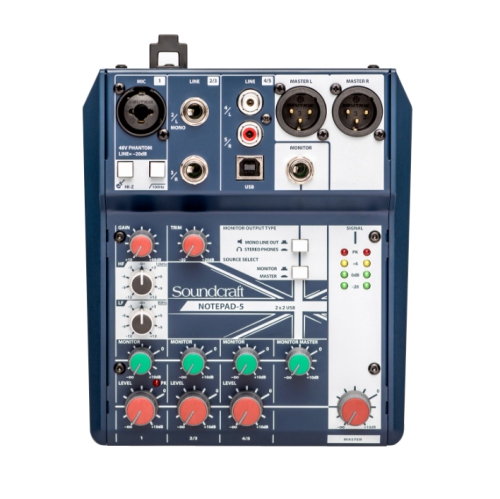
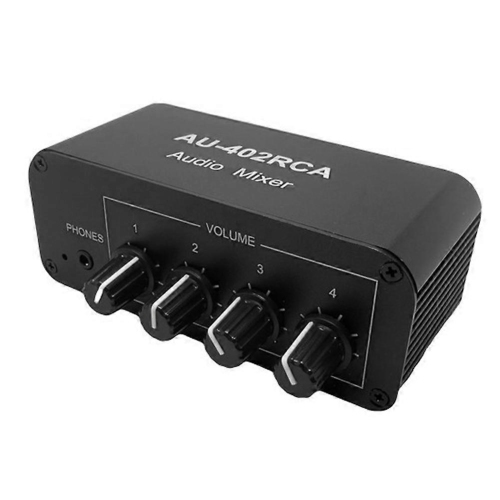
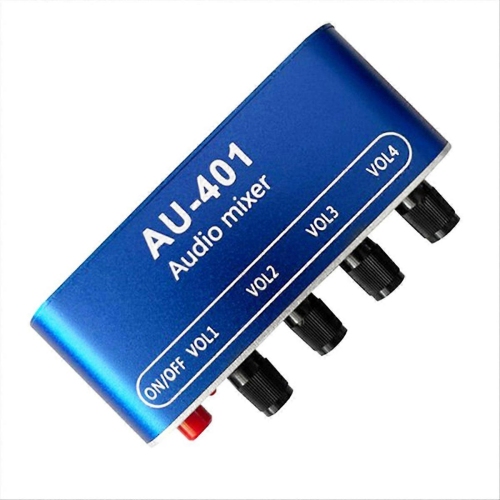
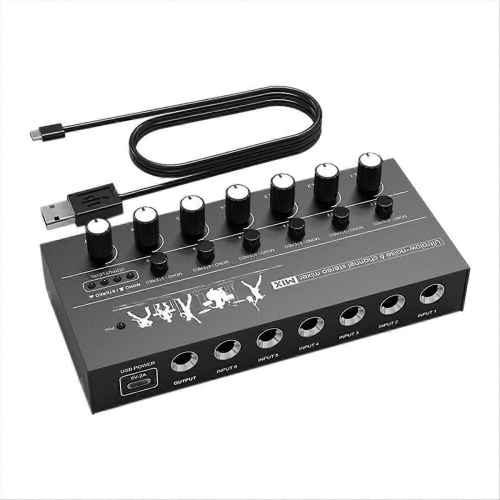
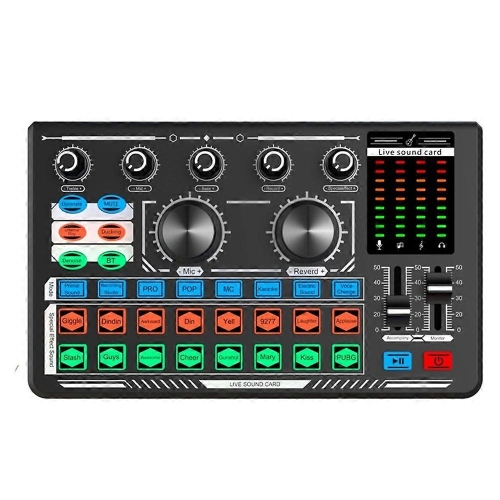
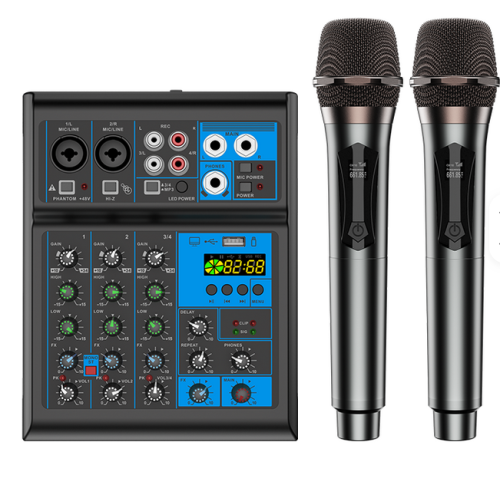
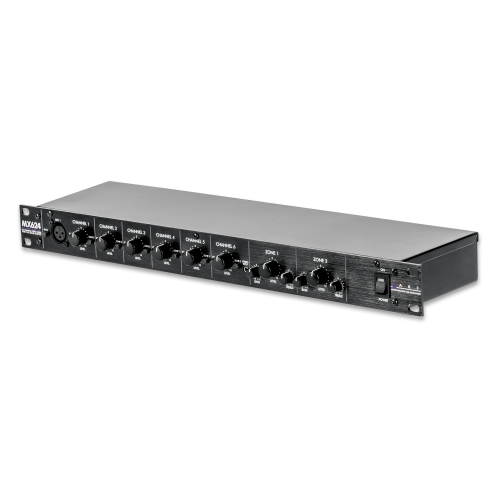
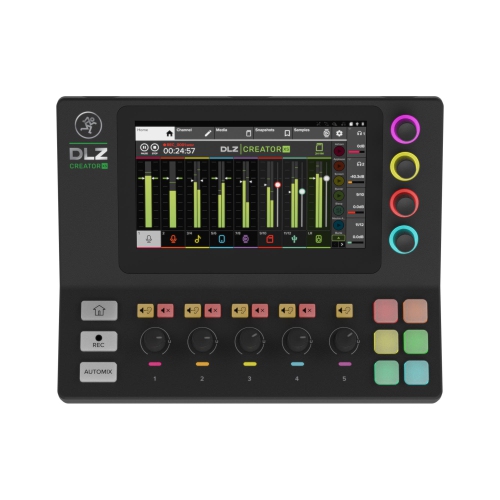
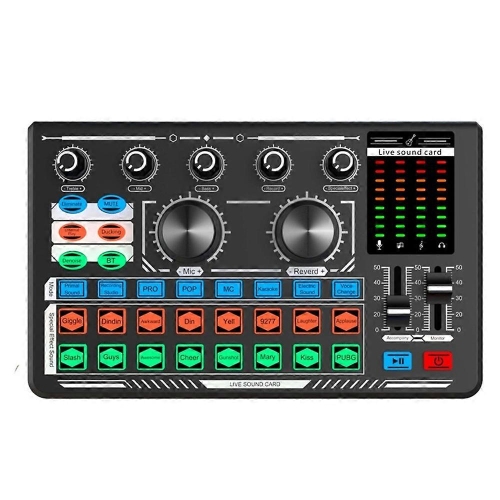
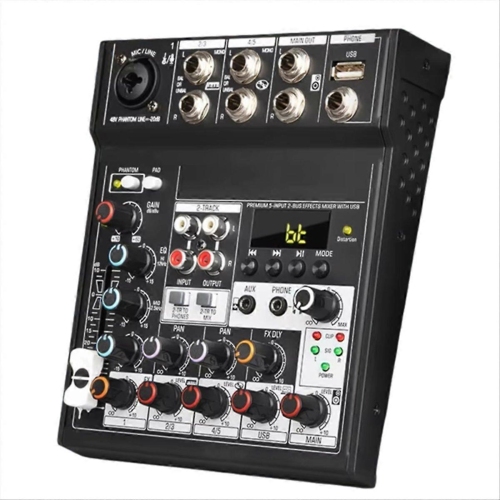
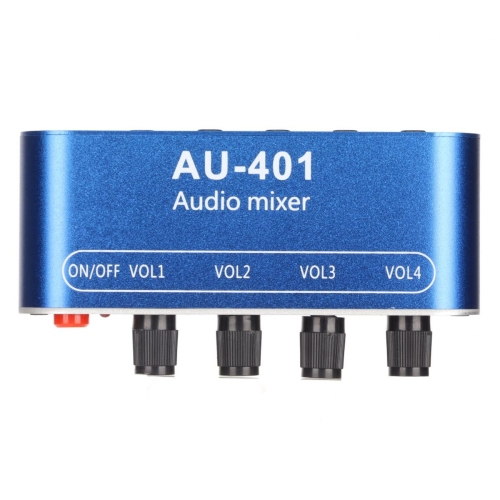
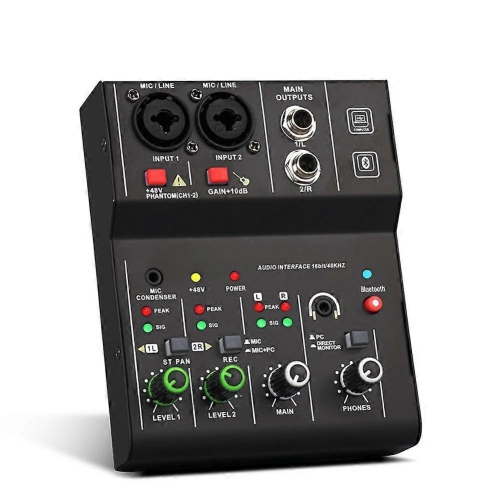
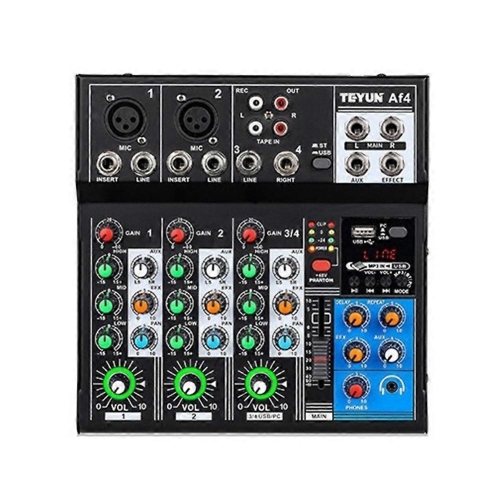
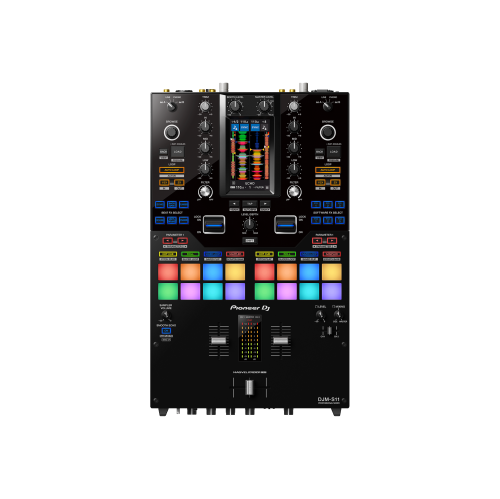
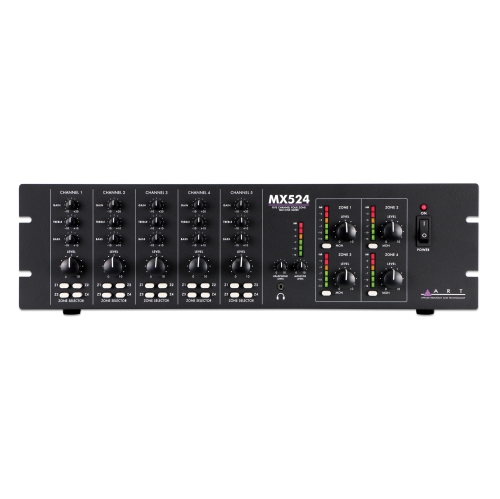
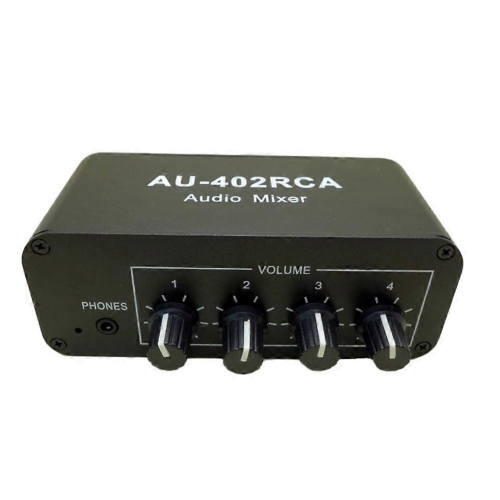
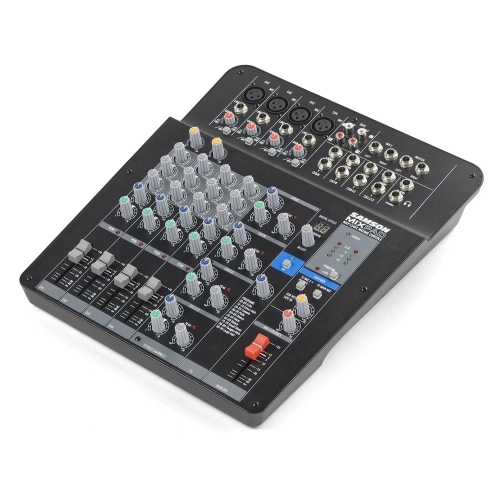
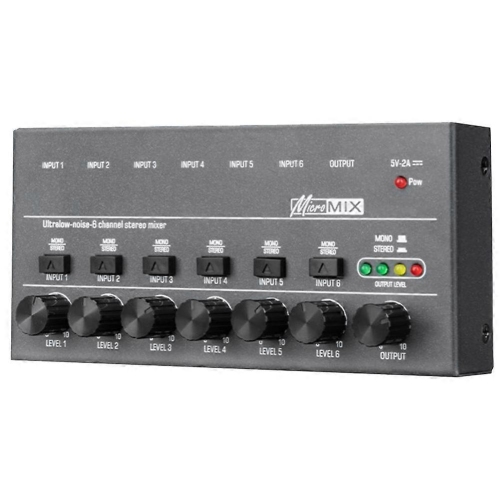
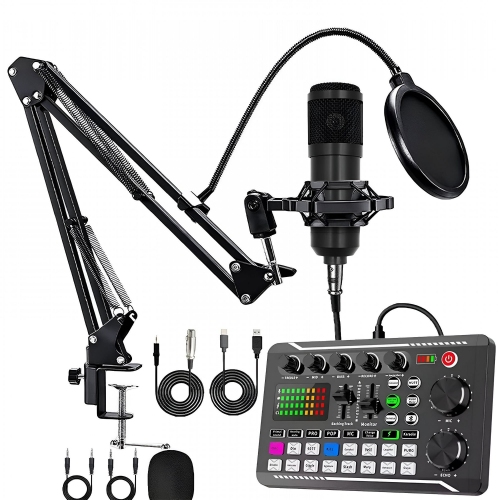
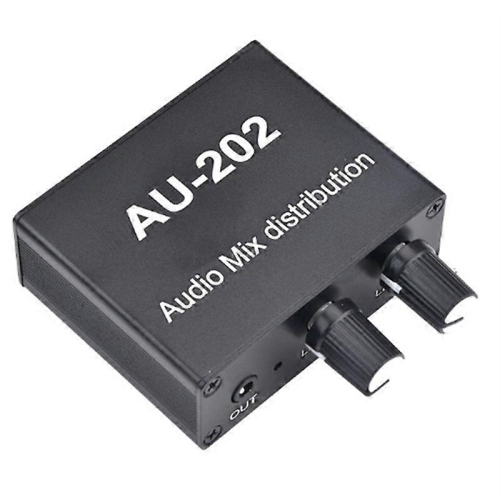
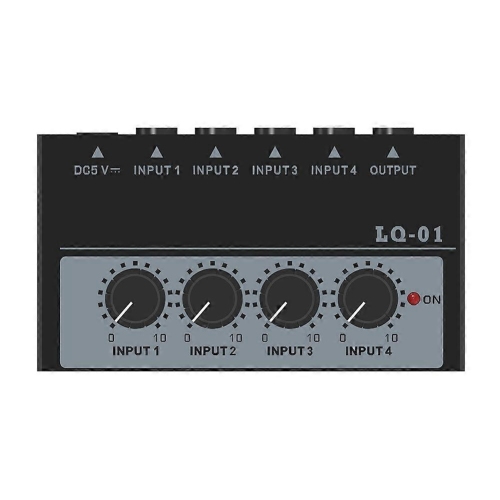
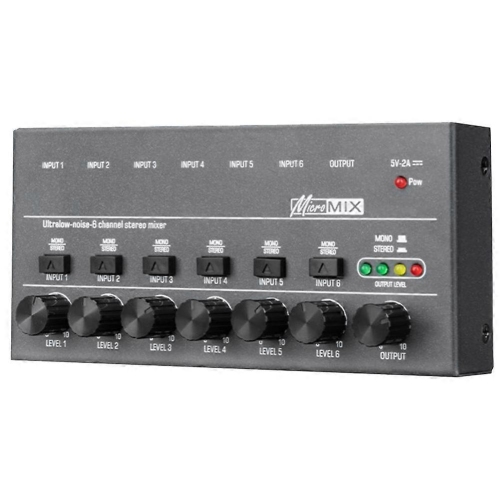
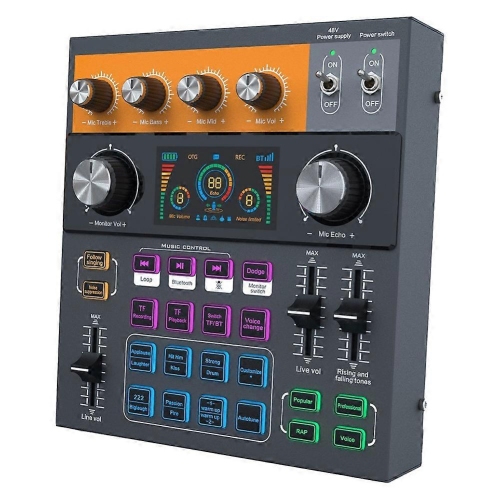
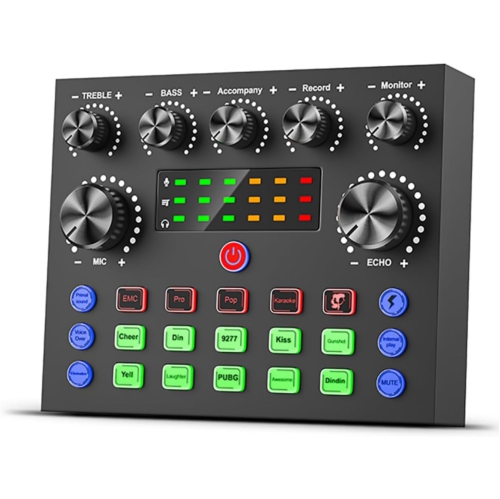
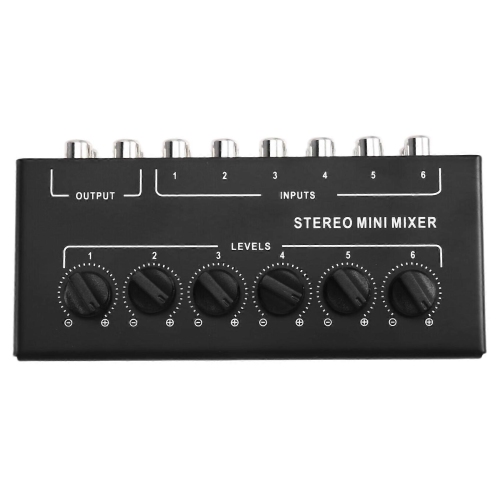
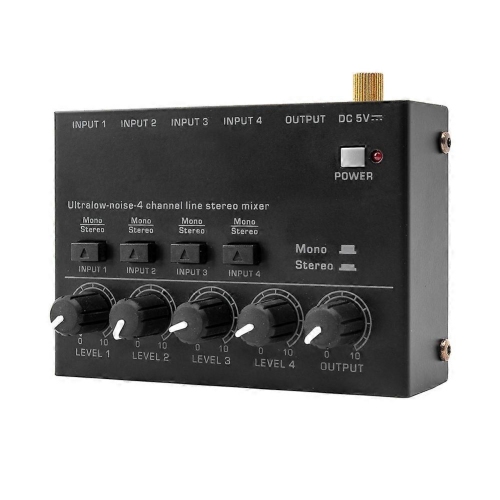
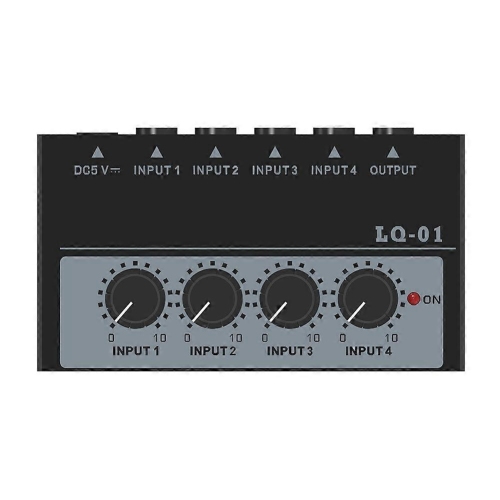
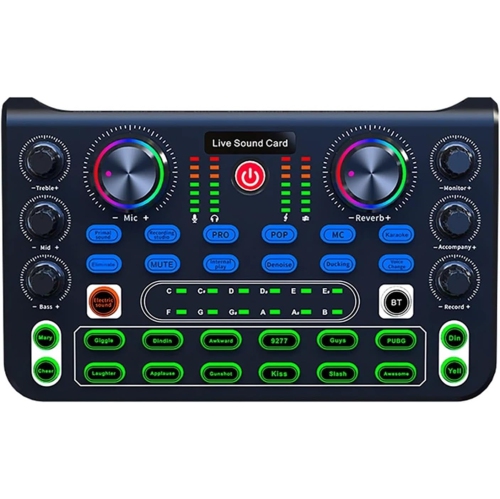
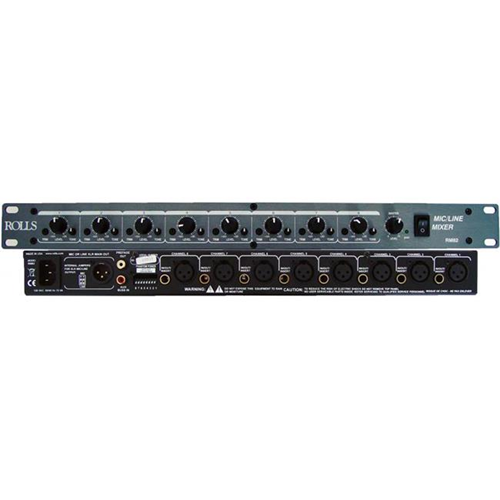
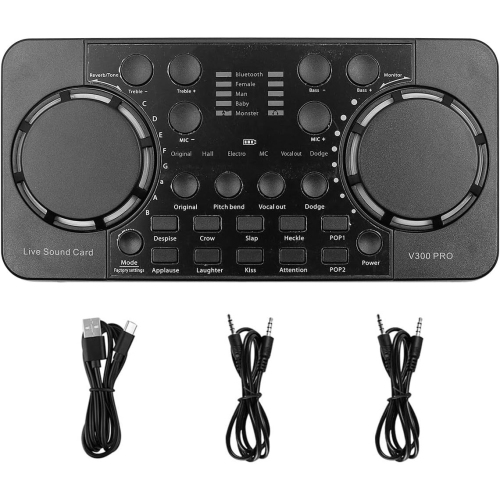
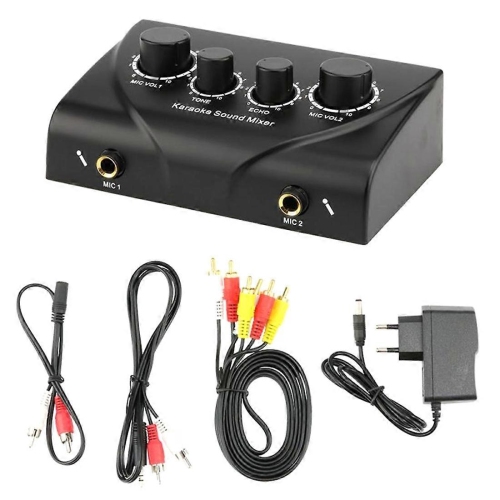
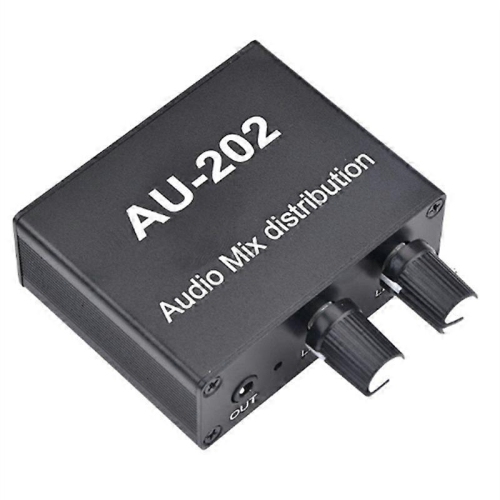
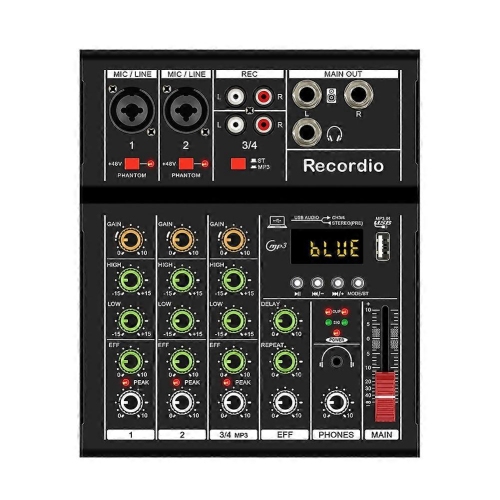
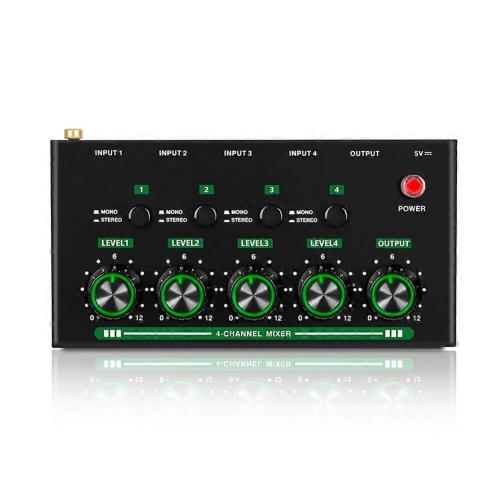
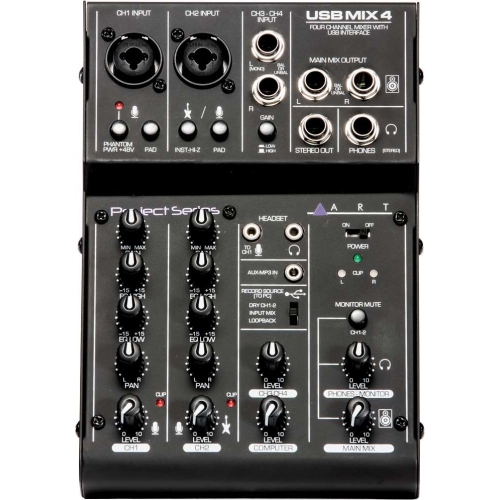
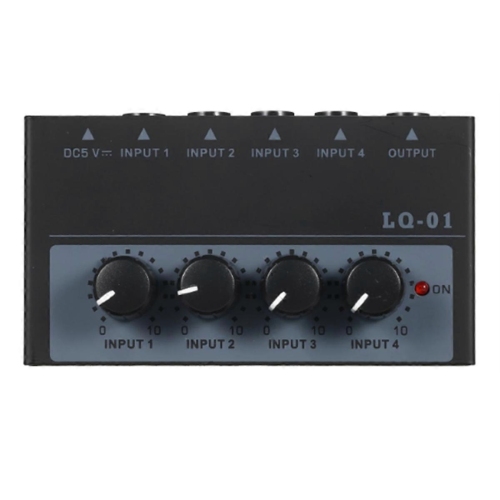

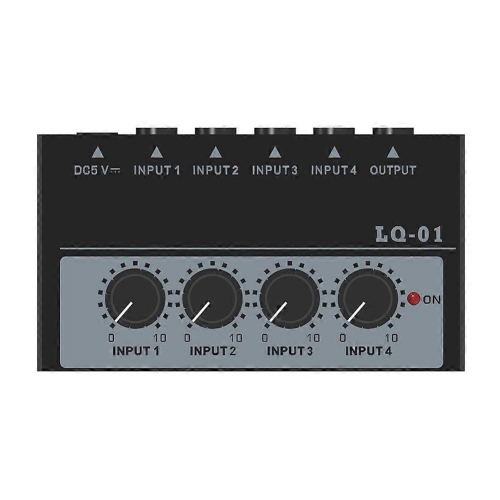
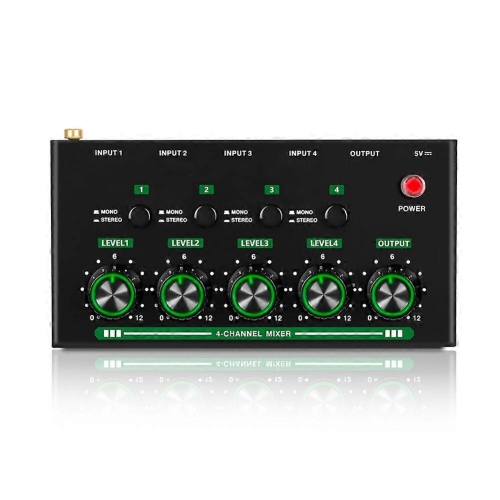
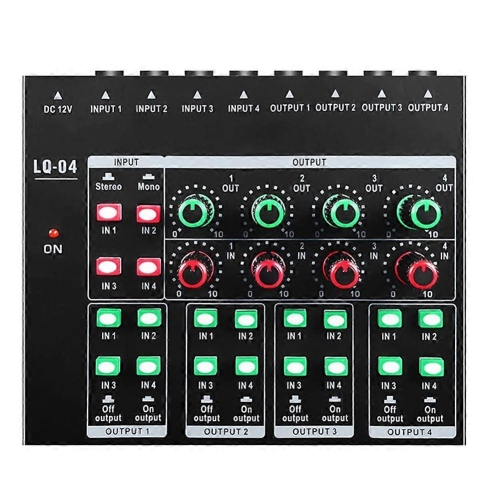
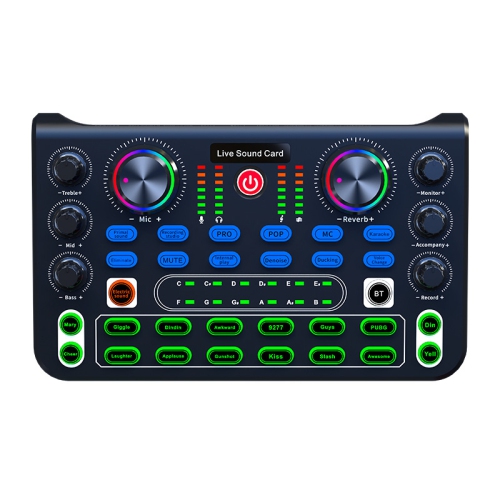
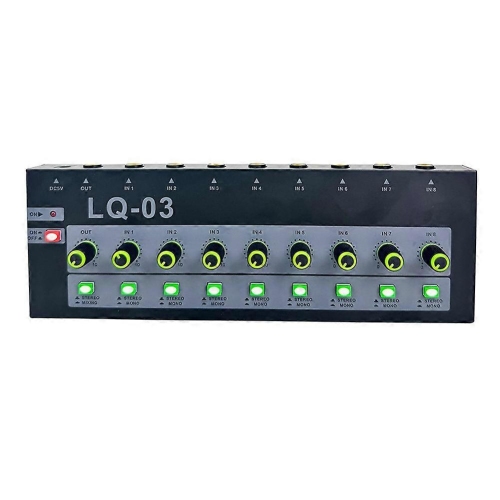
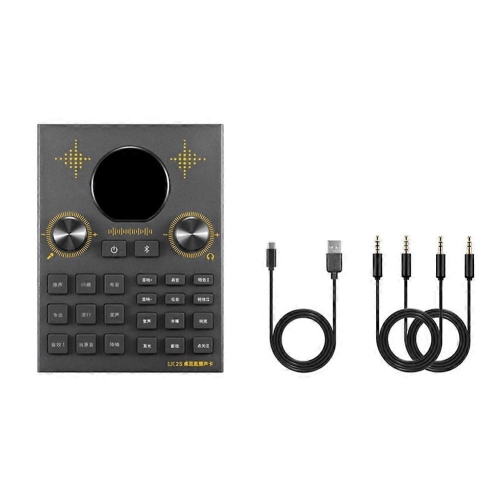
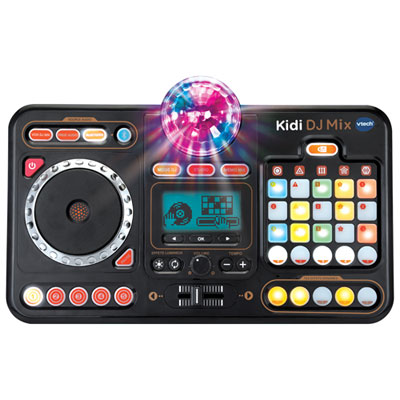
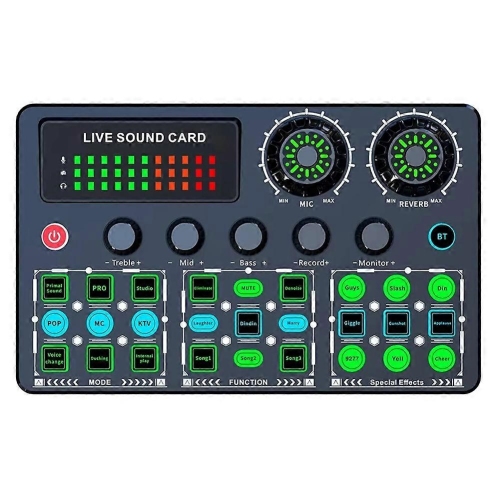
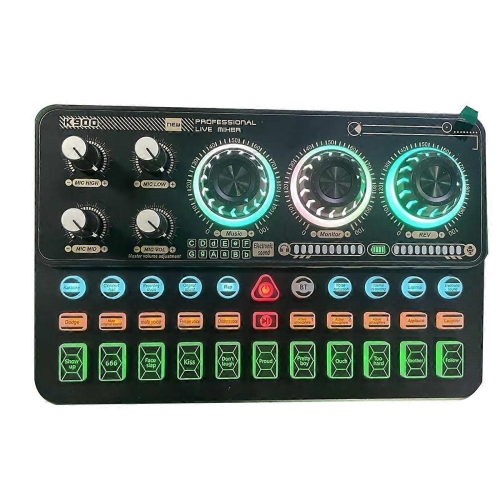
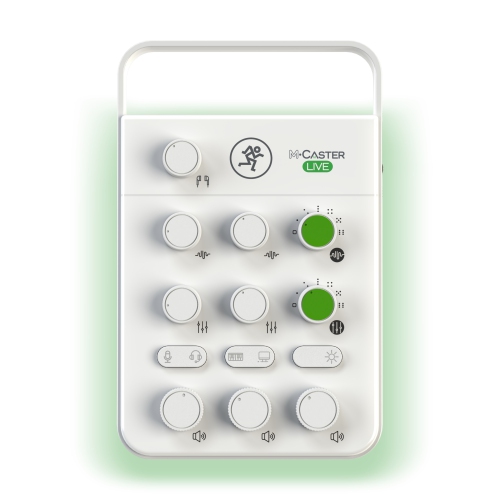
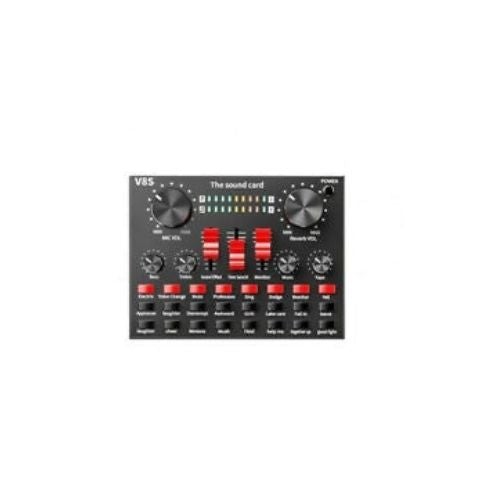
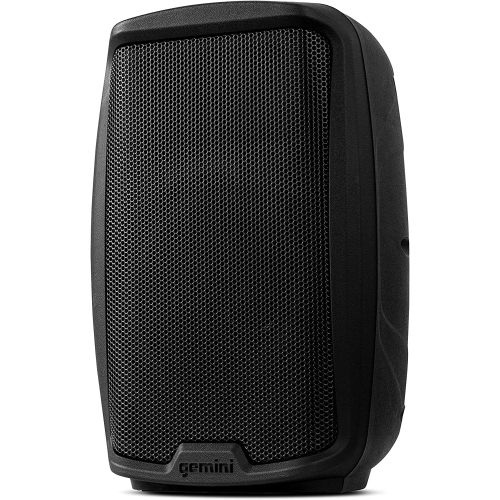
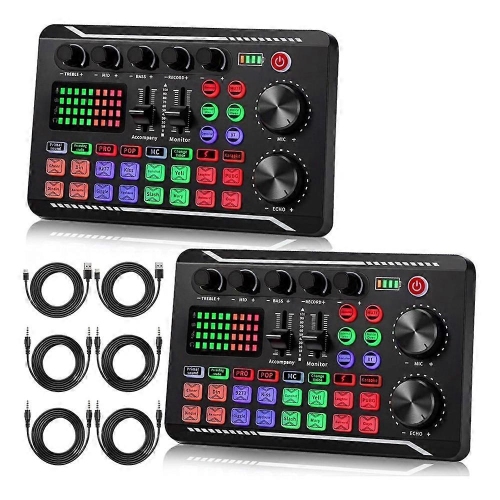
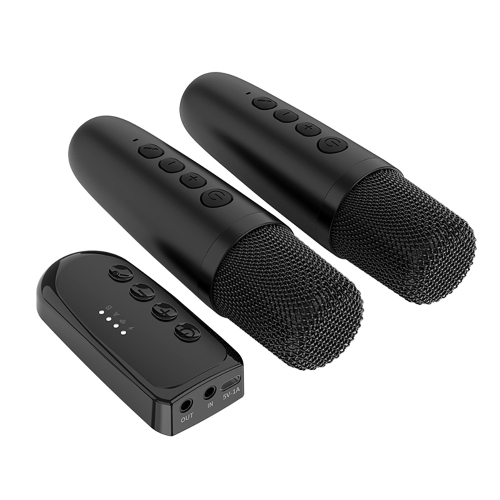
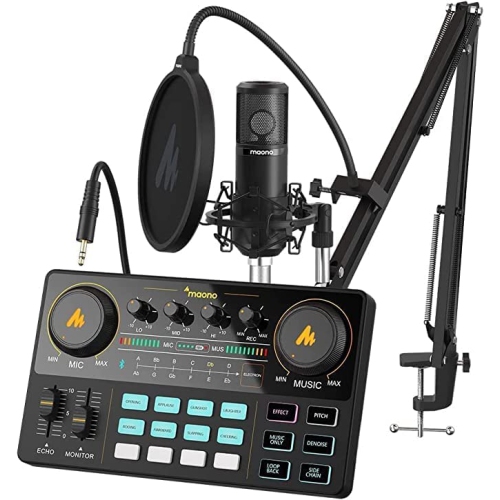
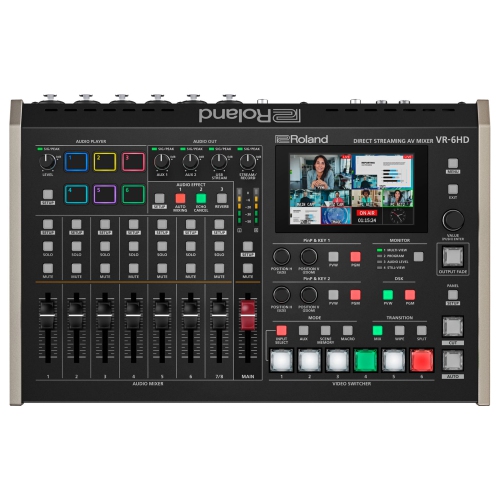
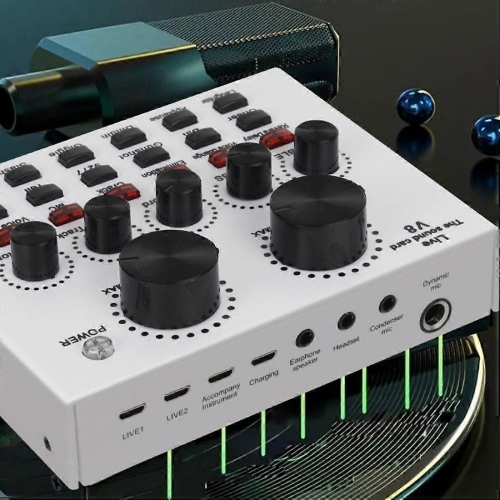
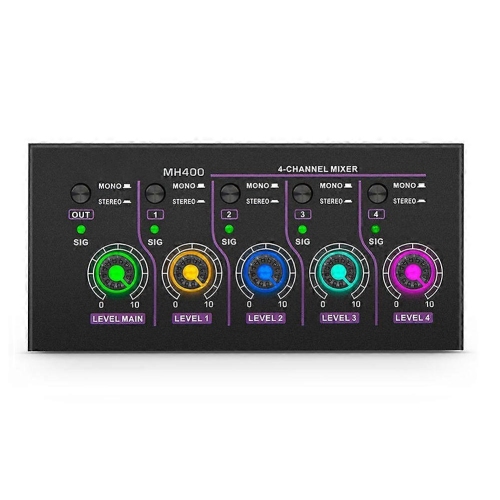
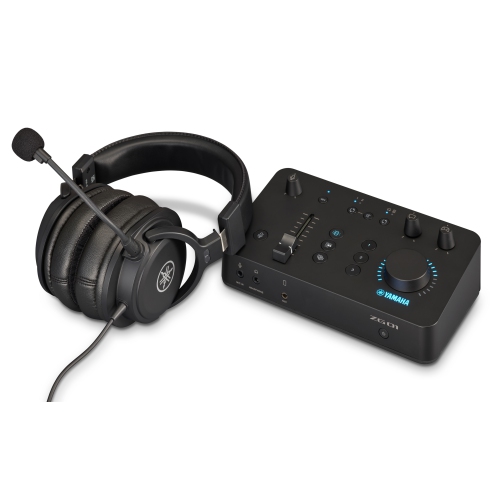
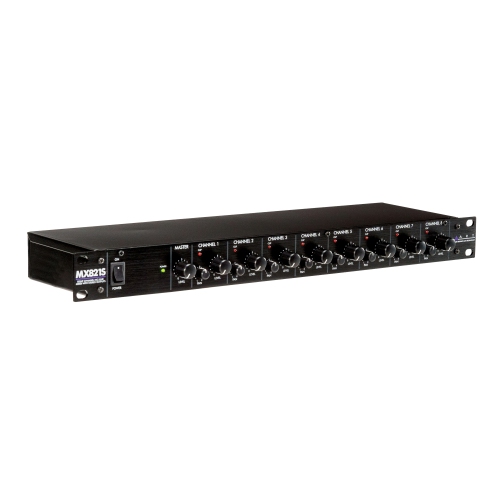
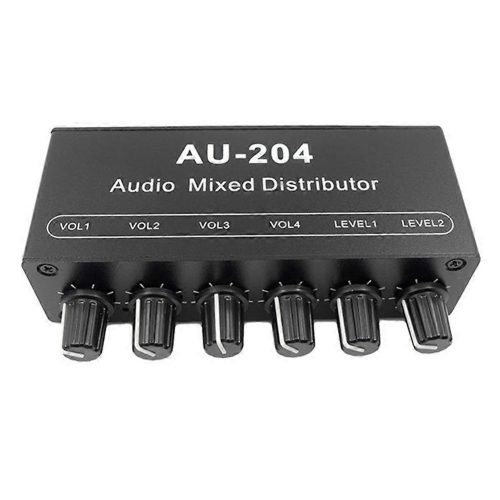
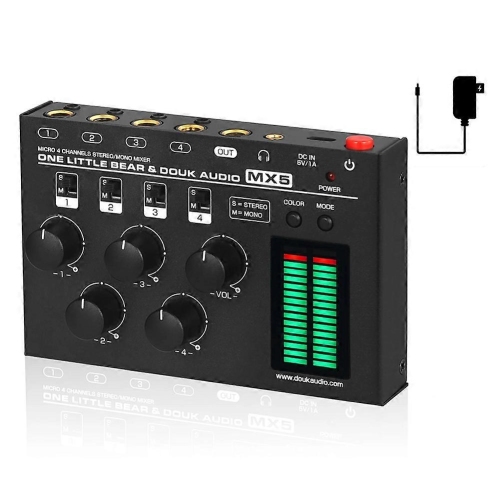
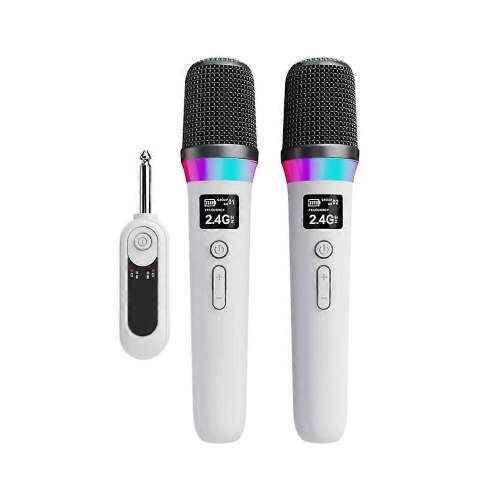
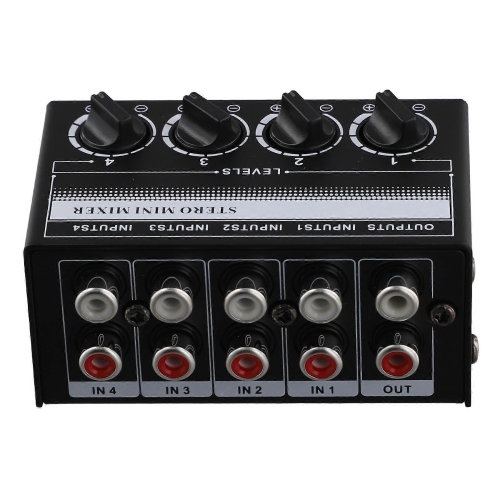
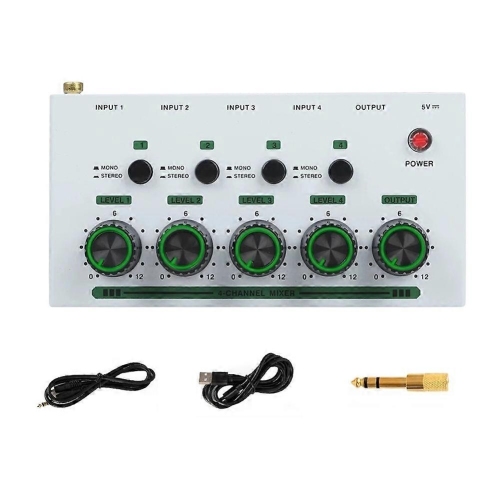
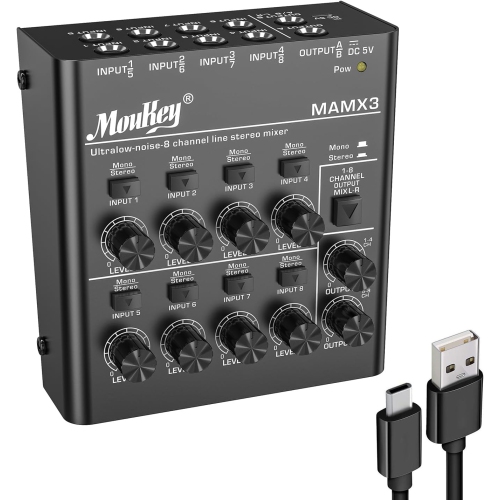
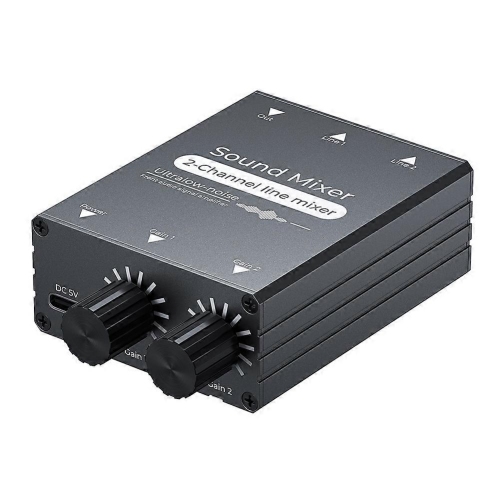
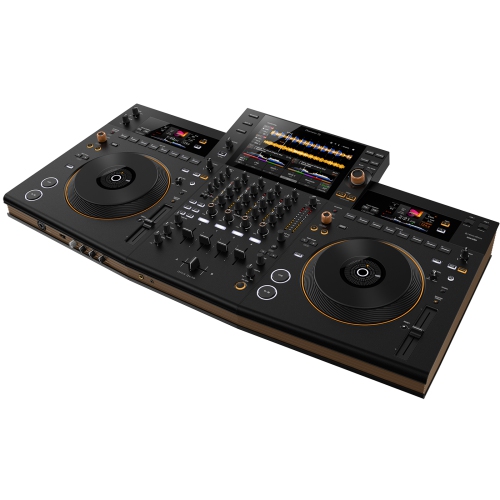
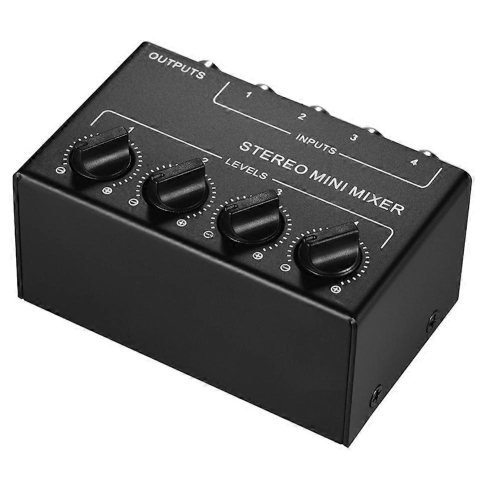
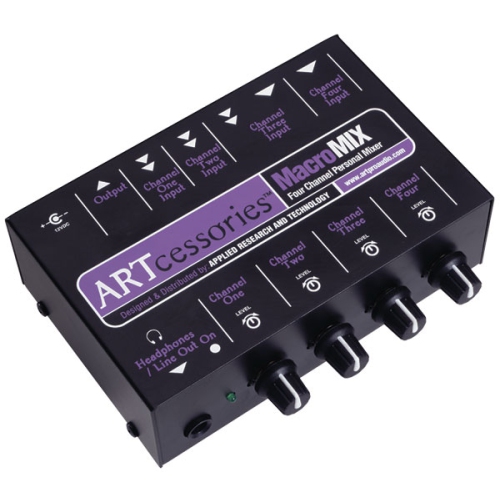
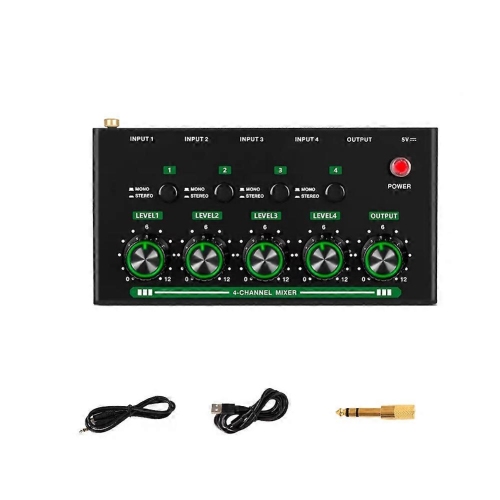
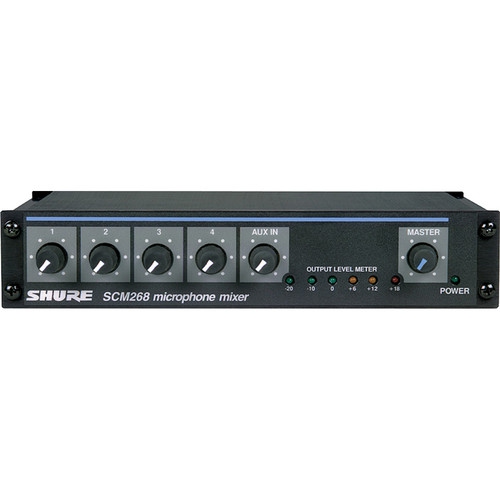
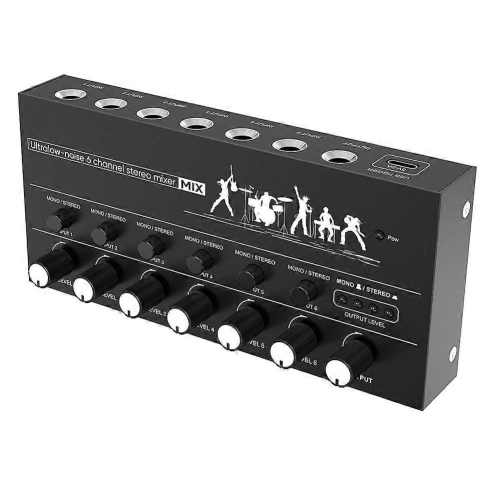
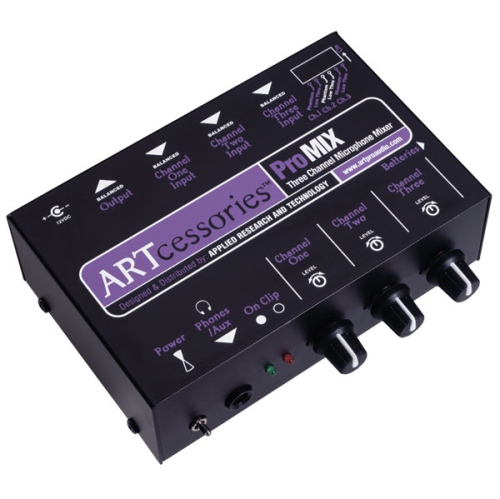
Inputs, control, and speakers shape every sound setup
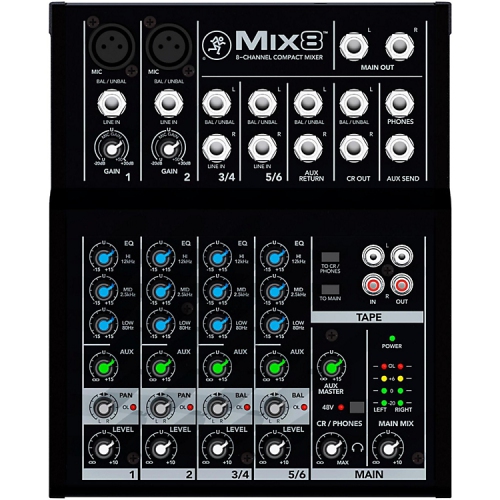
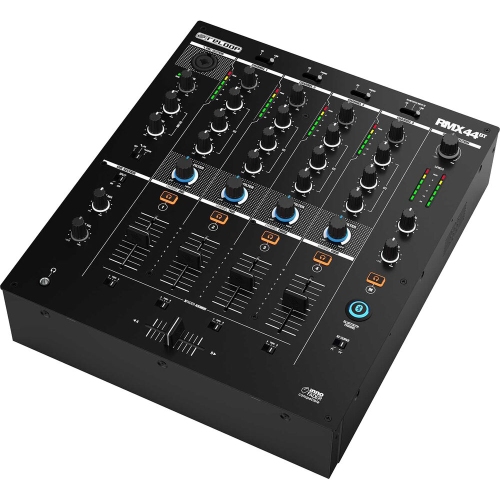
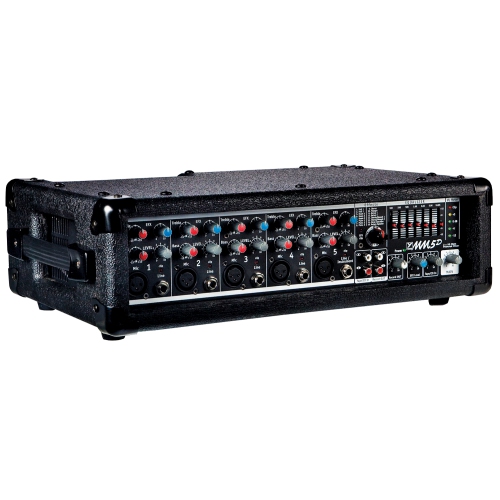
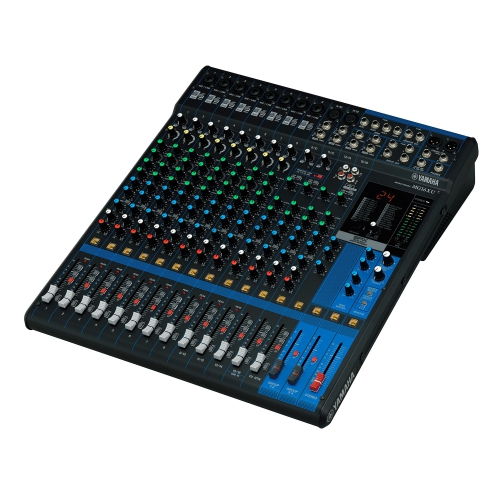
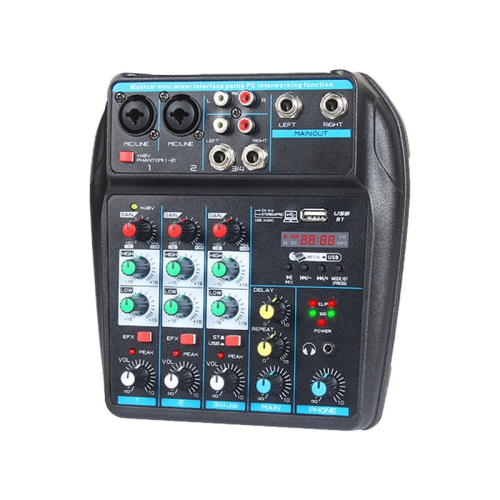
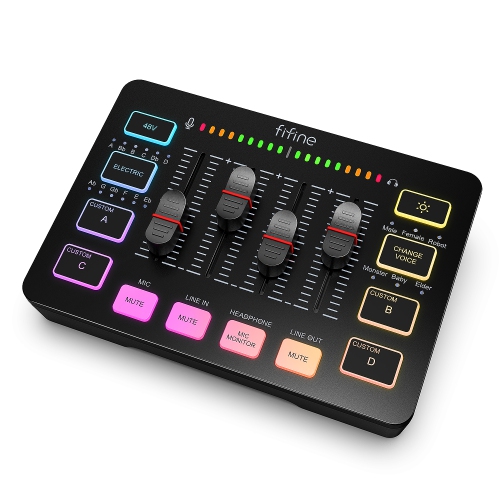
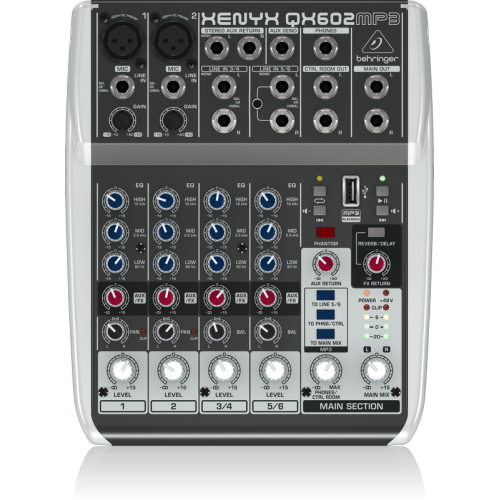
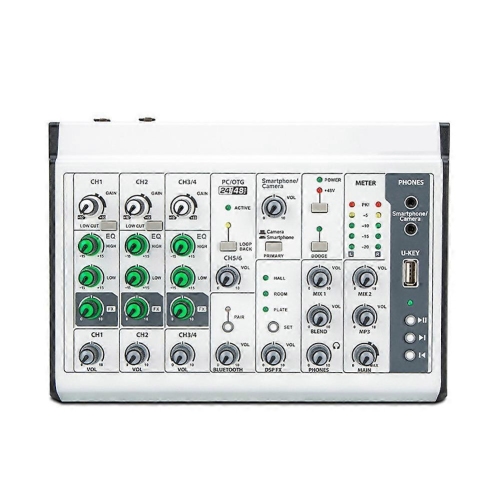
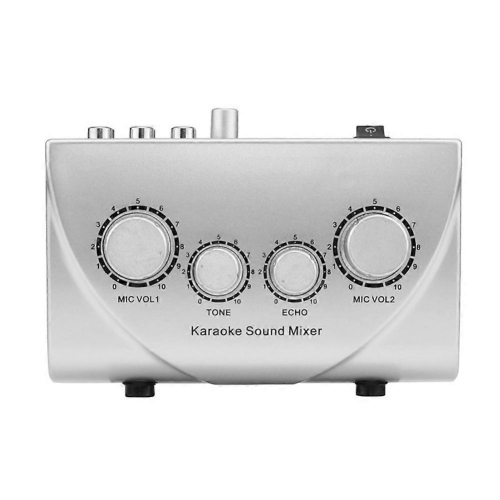
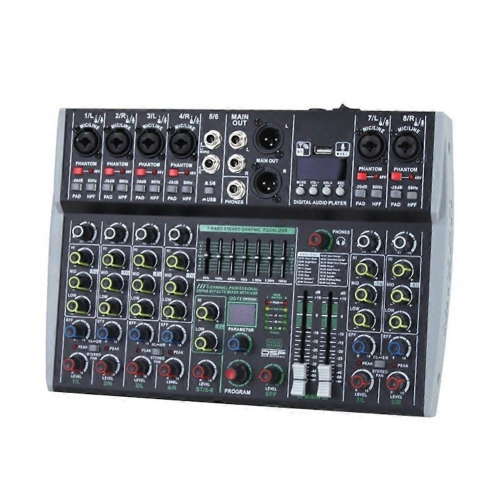
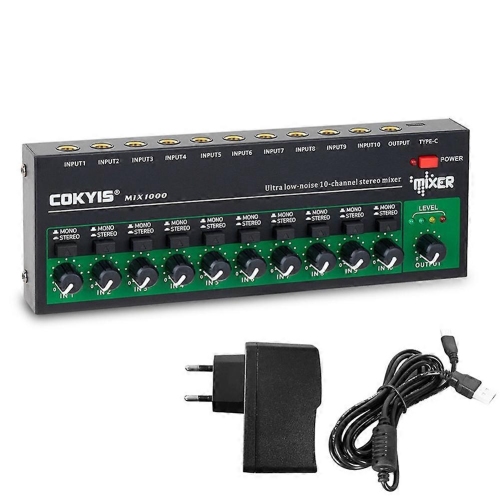
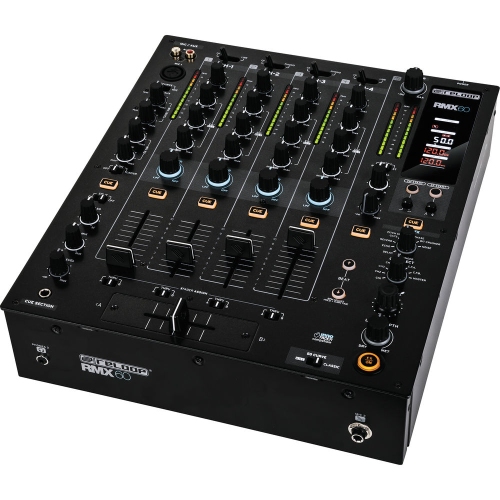
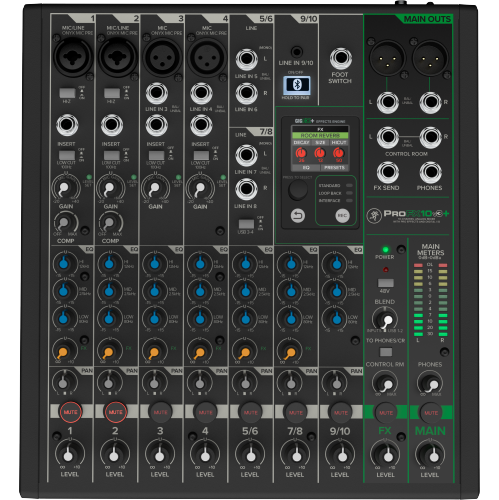
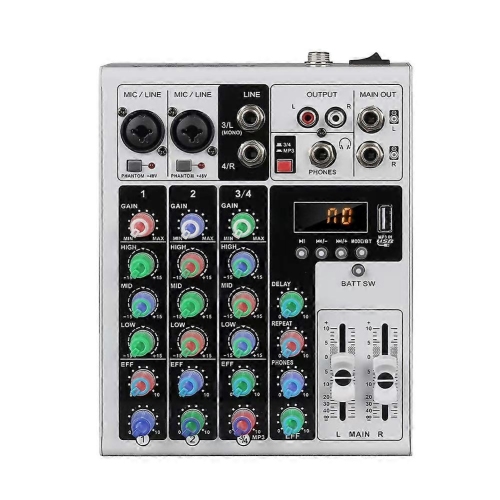
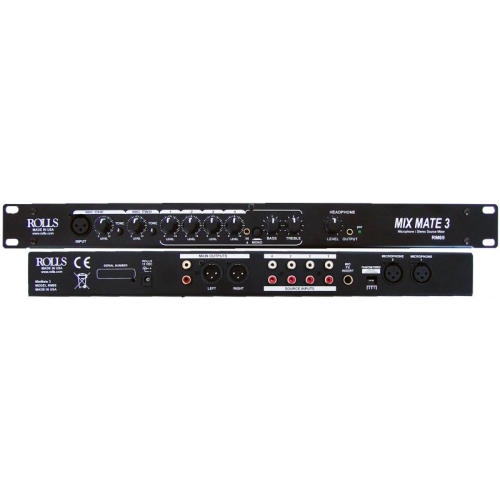
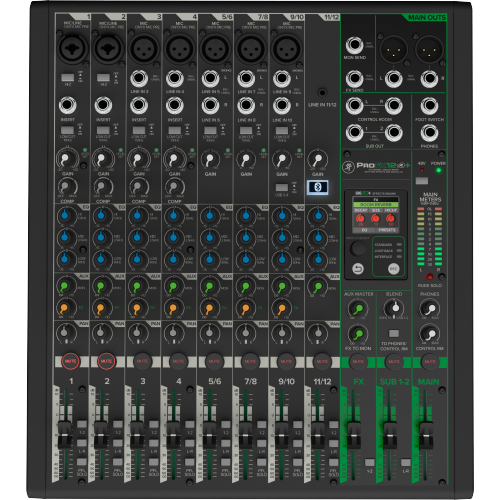
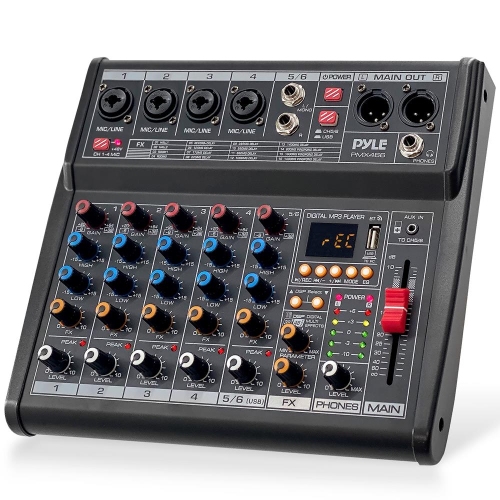
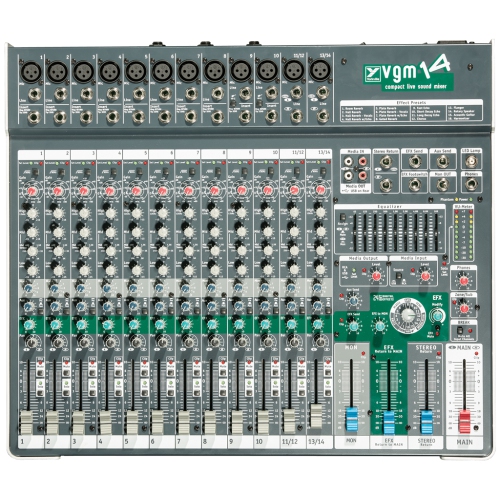
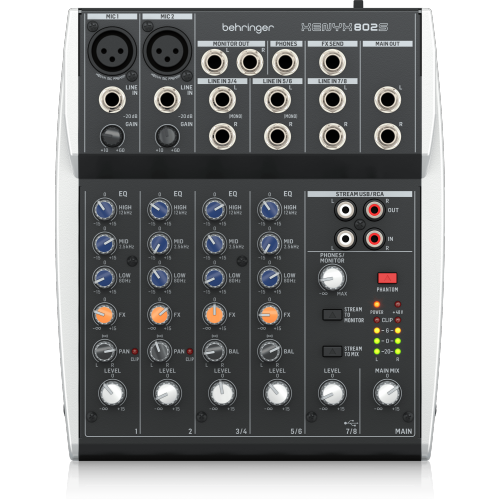
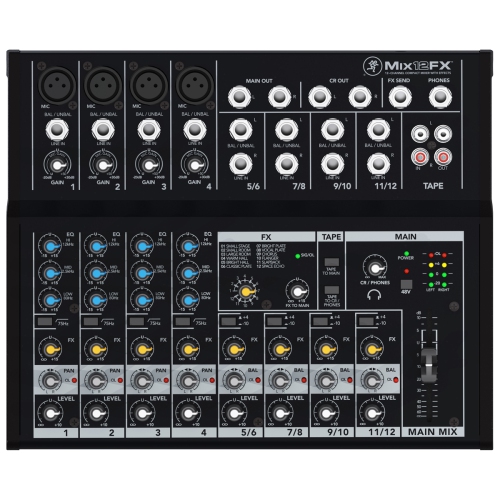
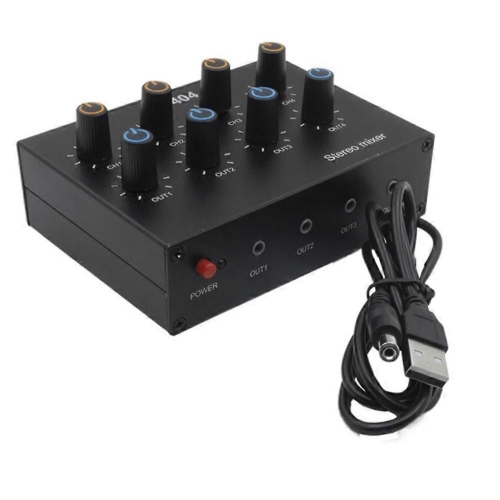
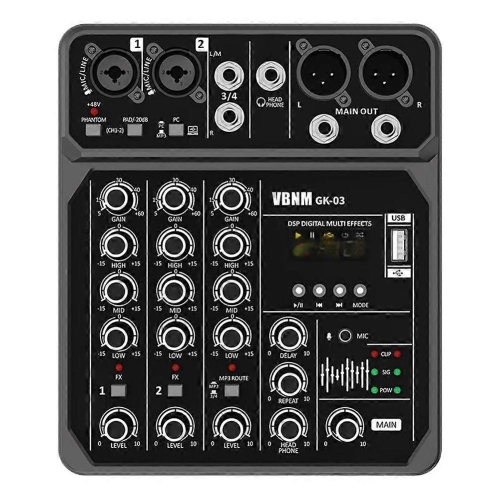
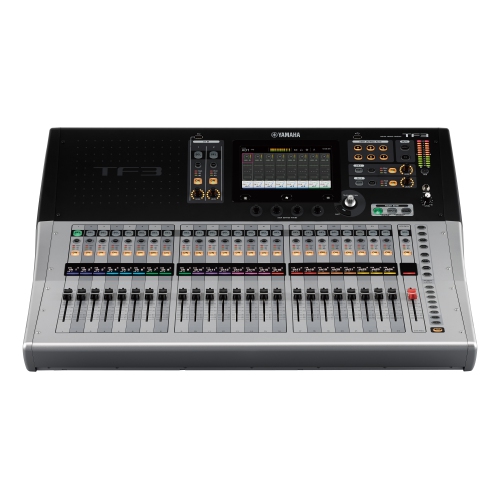
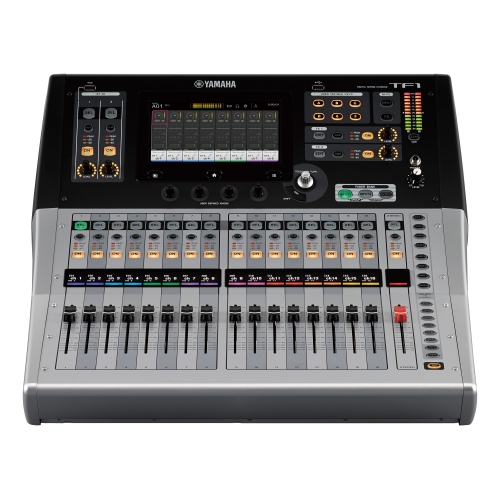
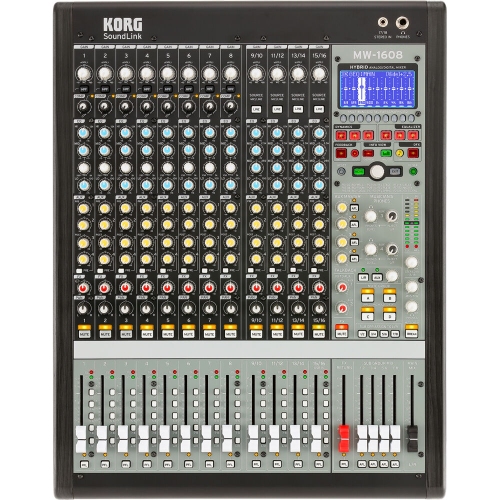
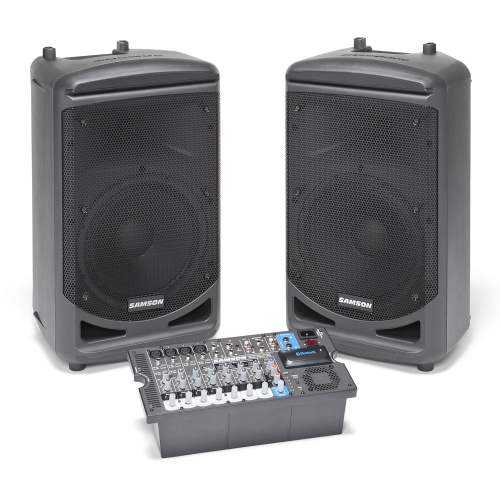
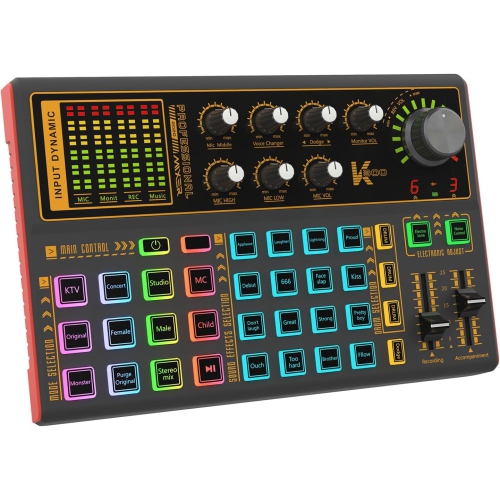
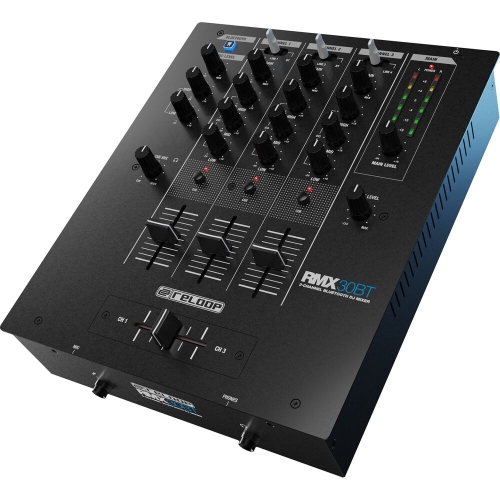
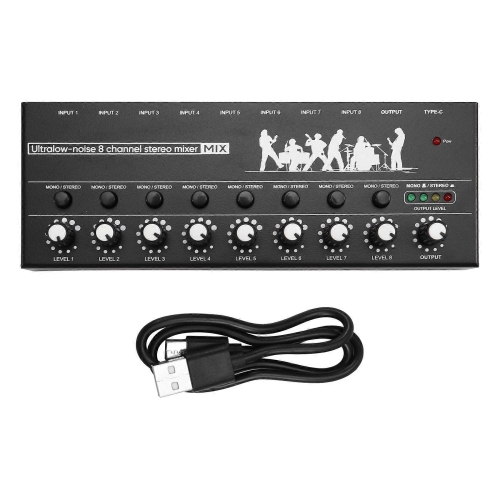
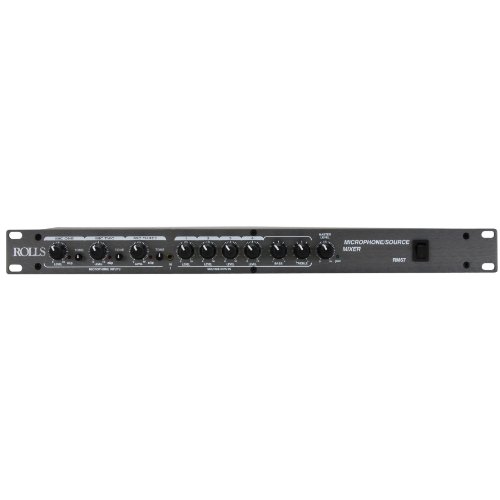
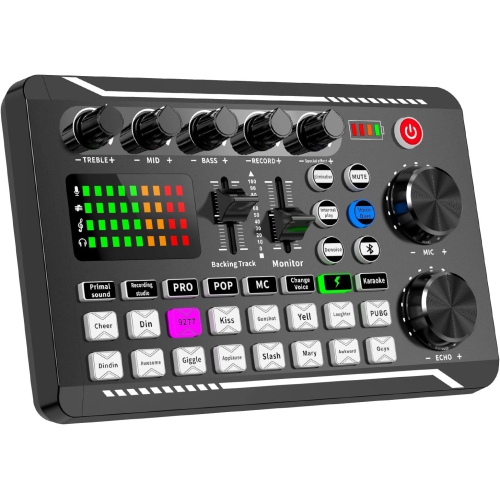
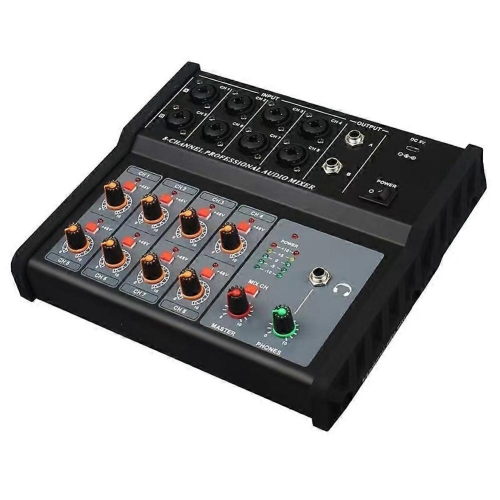
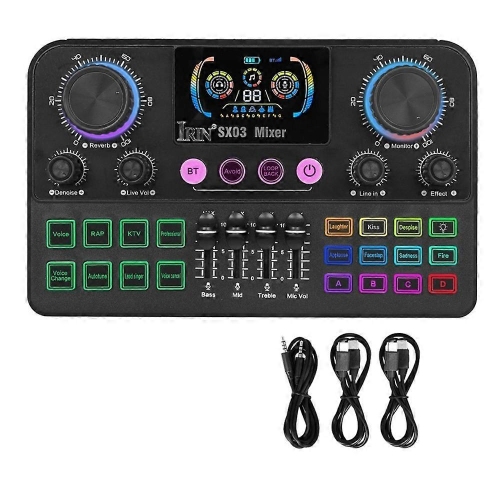
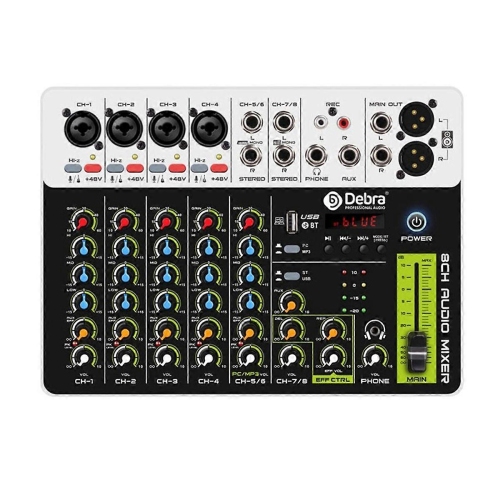
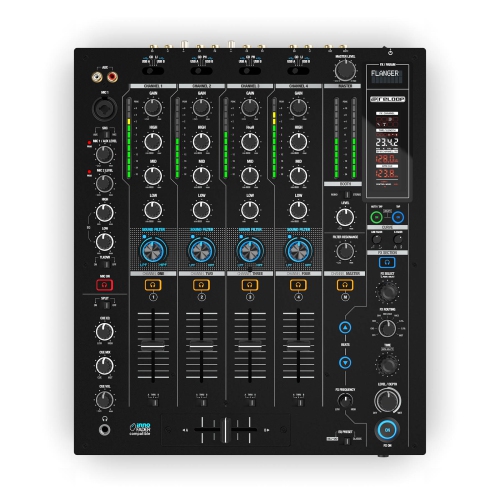
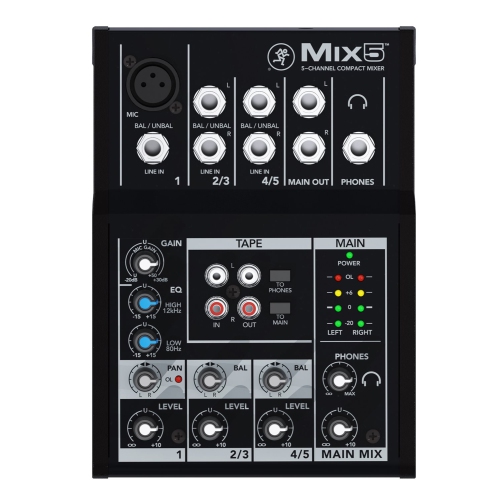
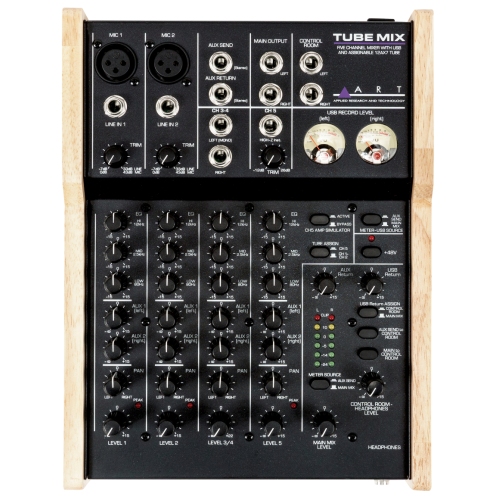
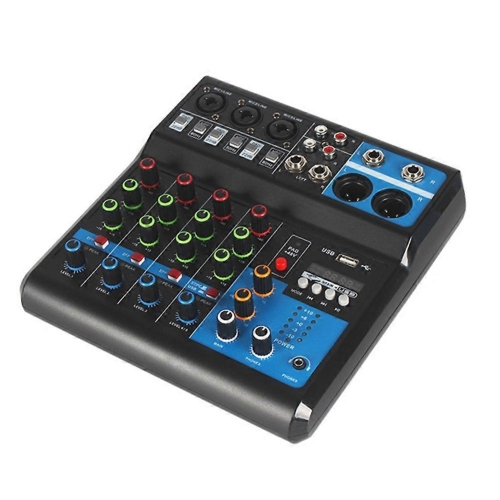
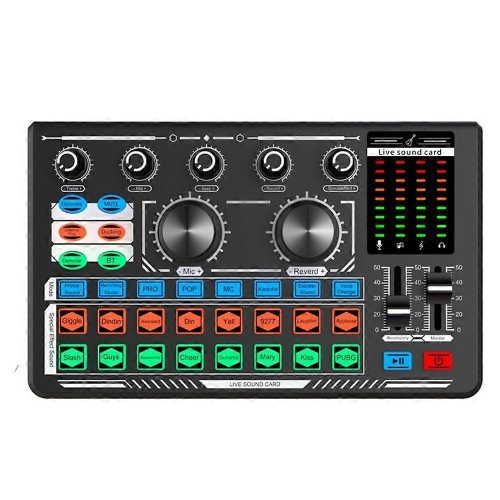
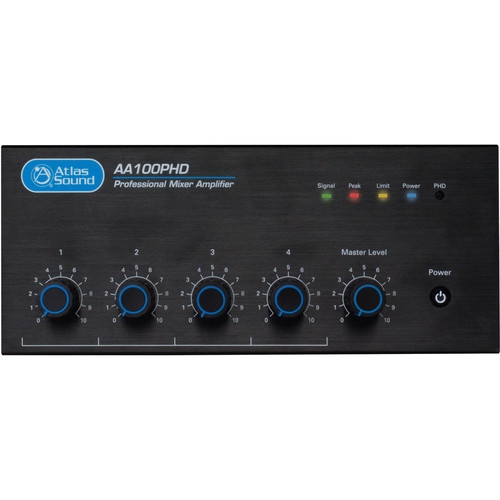
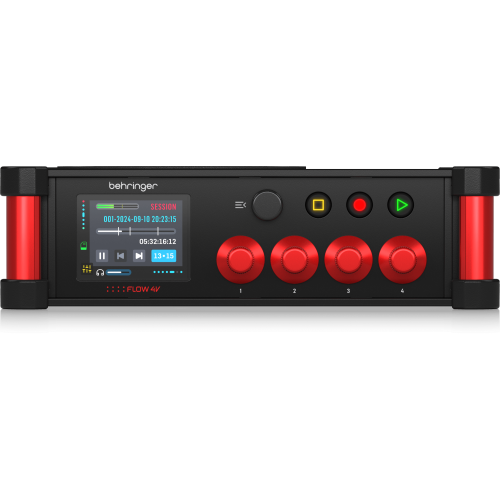
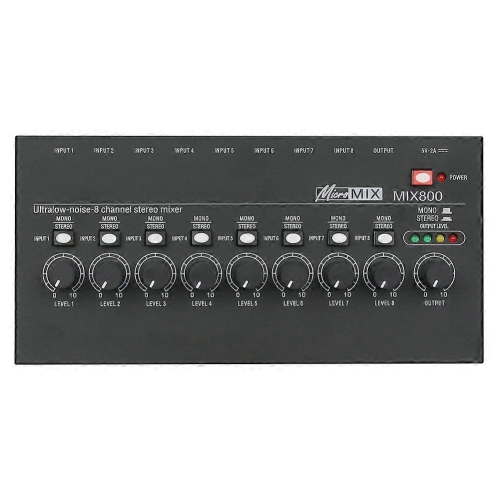
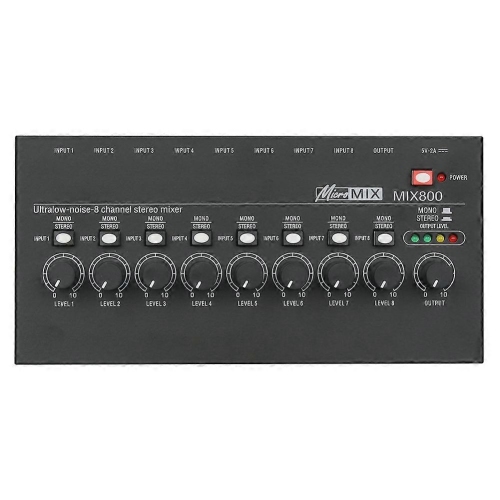
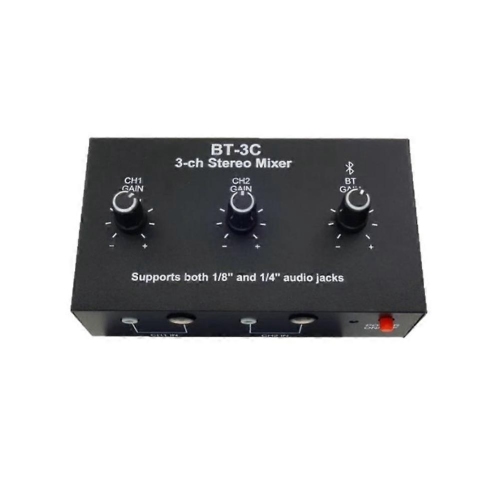
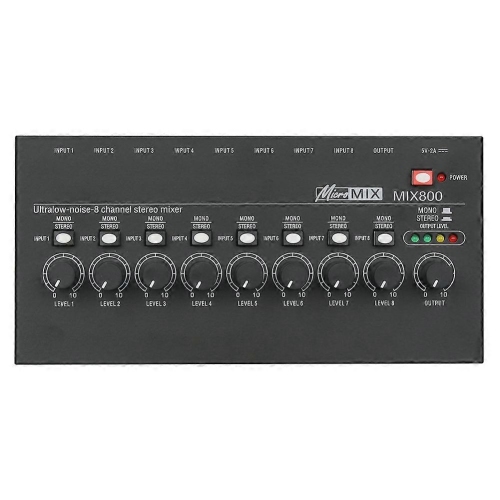
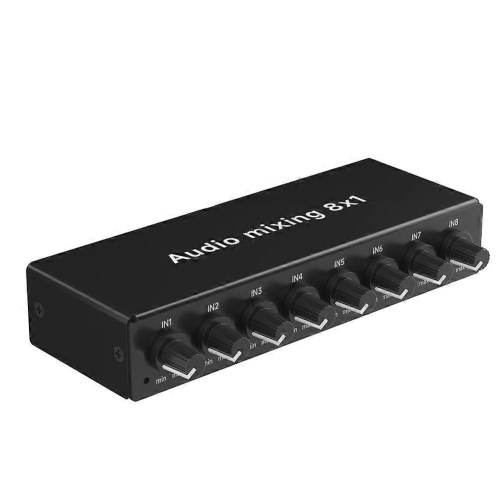
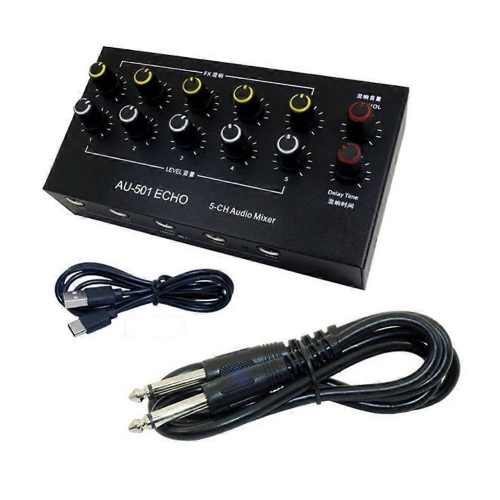
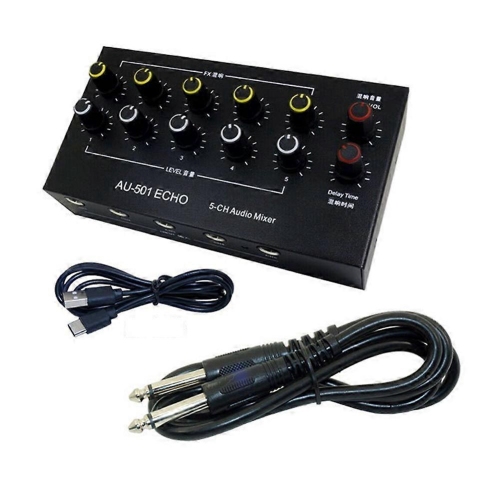
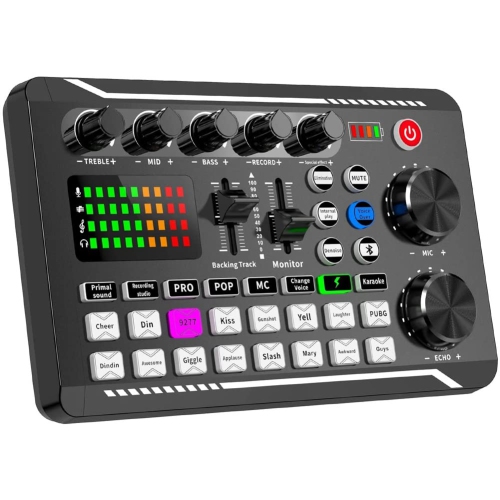
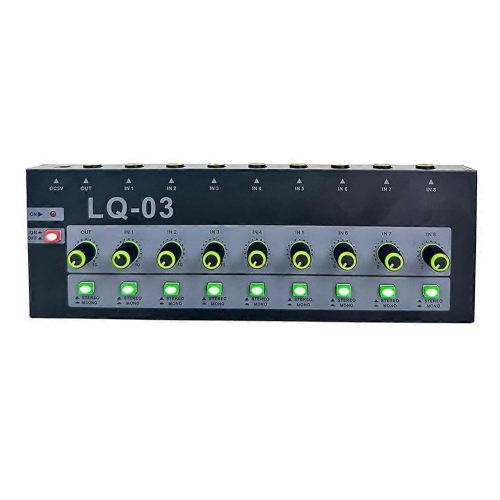
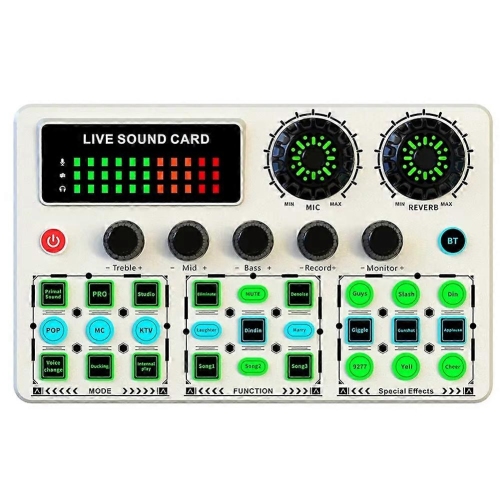
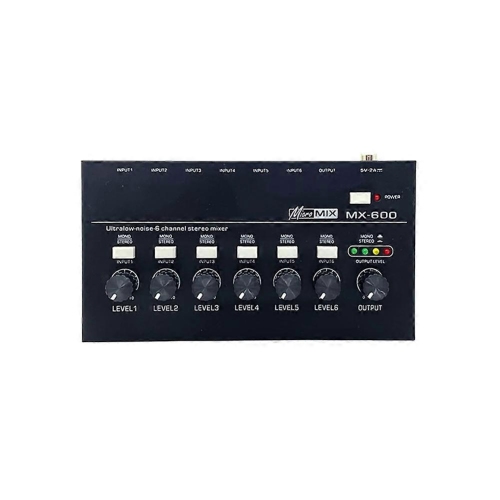
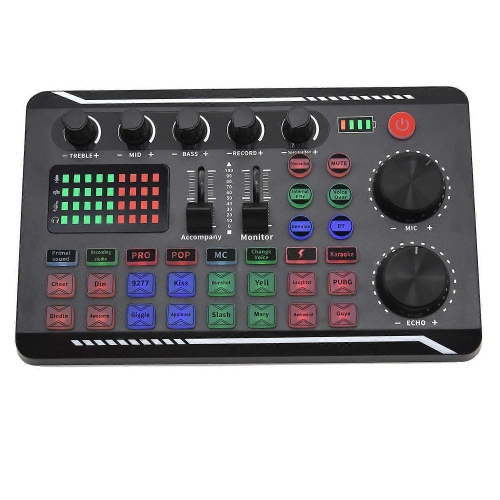
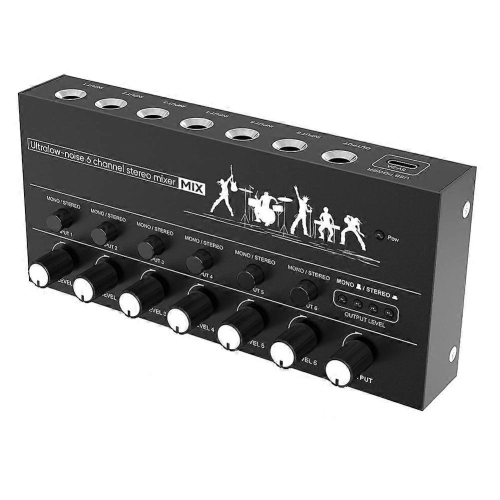
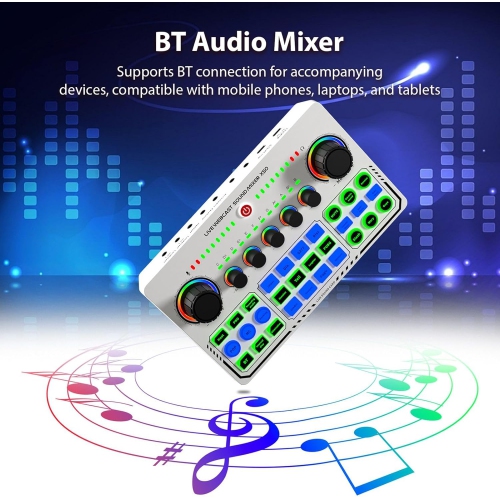
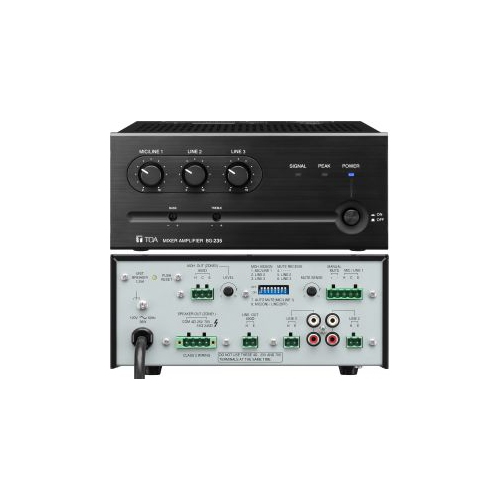
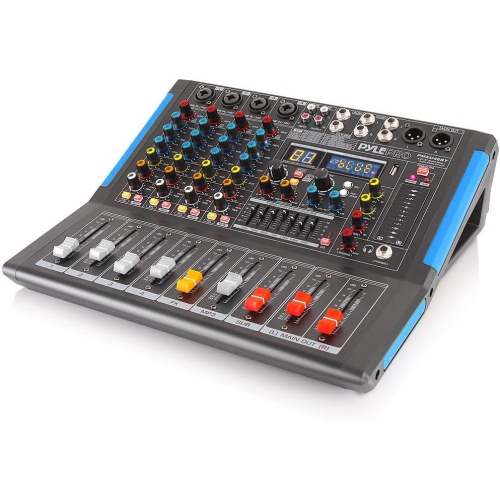
Mixer sound systems bring multiple audio sources together, shape each signal, and send a balanced mix to speakers, headphones, recording equipment, or a streaming setup. A typical system may include an audio mixer, microphones, instruments, cables, and powered or passive speakers, although the exact combination depends on the venue and the type of sound being created. Microphones can carry vocals, speeches, announcements, or acoustic instruments, while line inputs can connect keyboards, media players, guitars with suitable equipment, and other audio sources. The mixer gives you control over volume, tone, effects, and routing, helping a quiet singer sit comfortably beside a louder instrument or allowing a presenter’s voice to remain clear over background music. Compact units are useful for small performances, rehearsals, meetings, mobile entertainers, home recording, and livestreaming, while larger mixer sound systems can manage several performers and microphone positions at the same time. For setups that need to travel between rooms or locations, Portable Sound Mixers can offer a practical balance of input control and mobility. A mixer may also make a thoughtful gift for a musician, singer, podcaster, content creator, community organizer, or budding sound technician, particularly when it matches the recipient’s existing equipment and the way they plan to use it.
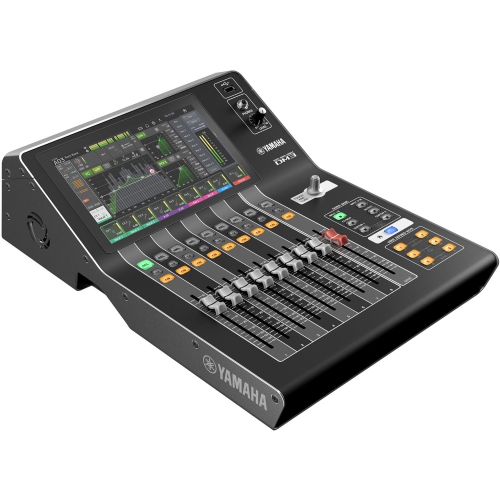
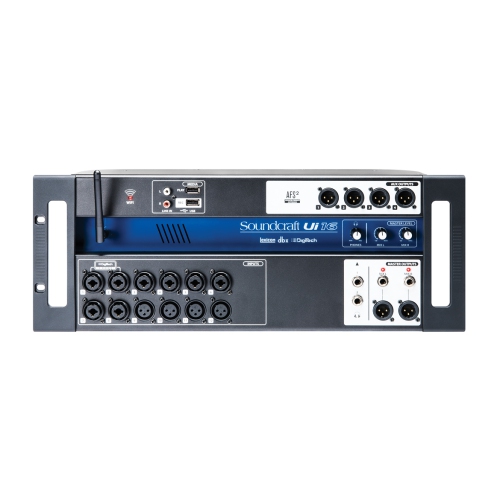
The first purchase consideration is the number and type of inputs. Count every microphone, instrument, playback device, and future source you may want to connect, then allow some room for expansion. A mixer with only a few channels can be ideal for a solo performer or a simple presentation, but a band, worship group, theatre production, dance class, or event host may benefit from additional microphone inputs and stereo channels. Look for balanced microphone inputs with gain controls, as these help accommodate different microphone types and cable runs while reducing unwanted noise. Phantom power may be important if the setup uses compatible condenser microphones or certain active direct boxes. Equalization controls let you adjust bass, midrange, and treble, which can make speech more intelligible, soften a harsh vocal, or give an instrument more presence without simply turning up its volume. Built-in effects such as reverb can add depth to vocals, while compression can help even out levels, although these features are best used with a light touch. A useful mixer should also provide clear visual level meters, mute controls, monitor outputs, and a headphone output so you can listen closely while setting levels. If recording or livestreaming is part of the plan, check for USB connectivity and compatibility with the intended computer or mobile device. For a straightforward live setup, physical knobs and faders on an analog mixer provide immediate, hands-on control and are easy to understand at a glance. Digital mixers can offer more advanced signal processing, touch controls, saved scenes, remote operation, and built-in Wi-Fi control through an app, making them helpful when the operator needs to adjust sound from across a room. A powered mixer includes an amplifier inside the unit, allowing it to drive compatible passive speakers without a separate power amplifier; this can simplify a compact public-address system, provided the mixer’s output power and speaker requirements are correctly matched.
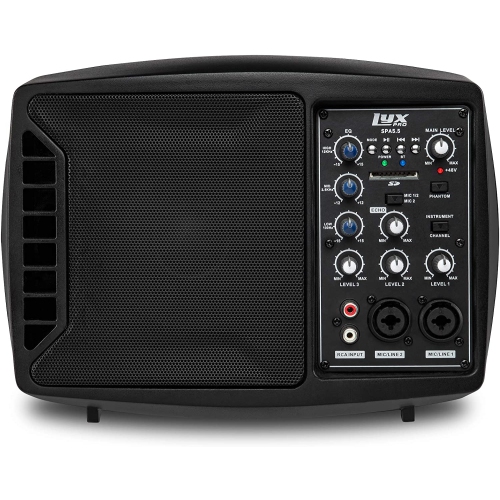
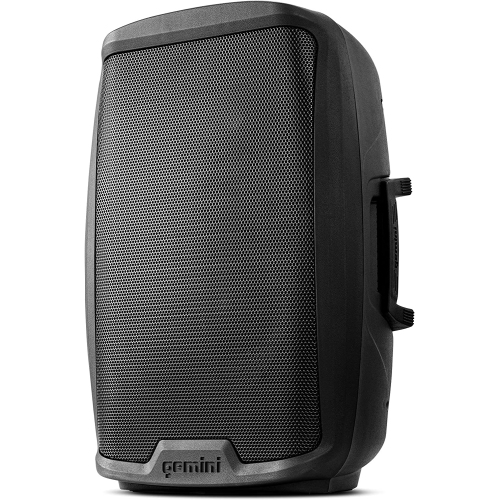
The rest of the system matters just as much as the mixer itself. Powered speakers include their own amplification and connect directly to the mixer, which can make setup convenient for rehearsals, presentations, small celebrations, and mobile performances. Passive speakers require a separate amplifier or a powered mixer, but they may suit a more modular system where each part can be upgraded or positioned independently. Check the mixer’s main outputs, auxiliary sends, monitor outputs, and speaker connections before choosing cables and speakers, and confirm that the impedance and power ratings are compatible. Good gain staging is essential: begin with source levels low, raise the input gain until the signal is strong without clipping, and then use the channel fader and main output to set the listening level. Keeping microphones in front of speakers and leaving sensible space between them can help prevent feedback, the familiar high-pitched ring that can interrupt an otherwise polished event. A small mixer sound system may be all that is needed for an acoustic duo in a community hall, with two vocal microphones, an instrument input, and a pair of speakers covering the audience evenly. A larger digital arrangement might serve a live band, podcast panel, school production, or seasonal gathering with separate monitor mixes, several performers, recorded playback, and remote control. During the warmer part of the year, a portable setup can support backyard performances, outdoor announcements, and community activities; as cooler months arrive, the same equipment can move indoors for rehearsals, presentations, parties, and local events. Before choosing, consider where the system will be used, how often it will be transported, how many people will operate it, and whether future needs may grow. A well-matched mixer sound system should feel approachable during a quick setup, offer enough control for careful sound checks, and leave the listener focused on the performance, conversation, or message rather than the equipment.
The first purchase consideration is the number and type of inputs. Count every microphone, instrument, playback device, and future source you may want to connect, then allow some room for expansion. A mixer with only a few channels can be ideal for a solo performer or a simple presentation, but a band, worship group, theatre production, dance class, or event host may benefit from additional microphone inputs and stereo channels. Look for balanced microphone inputs with gain controls, as these help accommodate different microphone types and cable runs while reducing unwanted noise. Phantom power may be important if the setup uses compatible condenser microphones or certain active direct boxes. Equalization controls let you adjust bass, midrange, and treble, which can make speech more intelligible, soften a harsh vocal, or give an instrument more presence without simply turning up its volume. Built-in effects such as reverb can add depth to vocals, while compression can help even out levels, although these features are best used with a light touch. A useful mixer should also provide clear visual level meters, mute controls, monitor outputs, and a headphone output so you can listen closely while setting levels. If recording or livestreaming is part of the plan, check for USB connectivity and compatibility with the intended computer or mobile device. For a straightforward live setup, physical knobs and faders on an analog mixer provide immediate, hands-on control and are easy to understand at a glance. Digital mixers can offer more advanced signal processing, touch controls, saved scenes, remote operation, and built-in Wi-Fi control through an app, making them helpful when the operator needs to adjust sound from across a room. A powered mixer includes an amplifier inside the unit, allowing it to drive compatible passive speakers without a separate power amplifier; this can simplify a compact public-address system, provided the mixer’s output power and speaker requirements are correctly matched.
The rest of the system matters just as much as the mixer itself. Powered speakers include their own amplification and connect directly to the mixer, which can make setup convenient for rehearsals, presentations, small celebrations, and mobile performances. Passive speakers require a separate amplifier or a powered mixer, but they may suit a more modular system where each part can be upgraded or positioned independently. Check the mixer’s main outputs, auxiliary sends, monitor outputs, and speaker connections before choosing cables and speakers, and confirm that the impedance and power ratings are compatible. Good gain staging is essential: begin with source levels low, raise the input gain until the signal is strong without clipping, and then use the channel fader and main output to set the listening level. Keeping microphones in front of speakers and leaving sensible space between them can help prevent feedback, the familiar high-pitched ring that can interrupt an otherwise polished event. A small mixer sound system may be all that is needed for an acoustic duo in a community hall, with two vocal microphones, an instrument input, and a pair of speakers covering the audience evenly. A larger digital arrangement might serve a live band, podcast panel, school production, or seasonal gathering with separate monitor mixes, several performers, recorded playback, and remote control. During the warmer part of the year, a portable setup can support backyard performances, outdoor announcements, and community activities; as cooler months arrive, the same equipment can move indoors for rehearsals, presentations, parties, and local events. Before choosing, consider where the system will be used, how often it will be transported, how many people will operate it, and whether future needs may grow. A well-matched mixer sound system should feel approachable during a quick setup, offer enough control for careful sound checks, and leave the listener focused on the performance, conversation, or message rather than the equipment.
Top selling and popular products
-
 Your price for this item is $303.46
 -
 Your price for this item is $219.99
 -
 Your price for this item is $114.99
 -
 Your price for this item is $399.99
 -
 Your price for this item is $542.64
 -
 Your price for this item is $109.99
 -
 Your price for this item is $249
 -
 Your price for this item is $31.47
Discover more categories related to Mixer Sound Systems
Top Collections:
Pokemon Centers, Kindle Devices, Best Budget Office Chairs, Canon G7X Cameras, Apple iPhones 16, Samsung Galaxy Phones, Refurbished Apple Laptops, Laptops for Students, iPhone 15 Apple, Budget Smartphones
Some products may be subject to Environmental Handling Fees
(EHF) depending on your province.
Learn more about EHFs.