Compact Turntable
Compact Turntable options offer a convenient way to enjoy your favorite vinyl records without taking up too much space. Perfect for music lovers with limited room, these turntables blend style and functionality, making them an ideal addition to any home or office setup. Whether you're just starting your vinyl collection or looking to enhance your listening experience, a Compact Turntable delivers quality sound in a sleek, space-saving design. Explore a variety of choices to find the perfect fit for your needs and elevate your audio enjoyment.
Sort
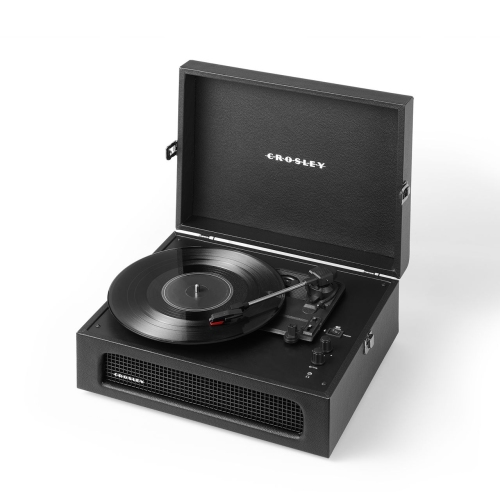
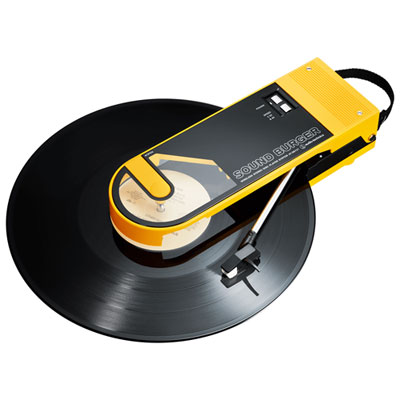

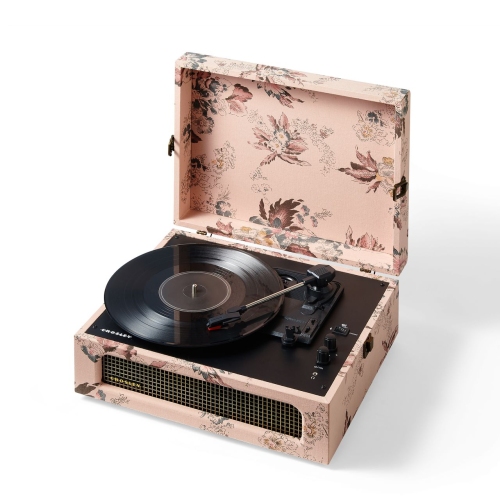


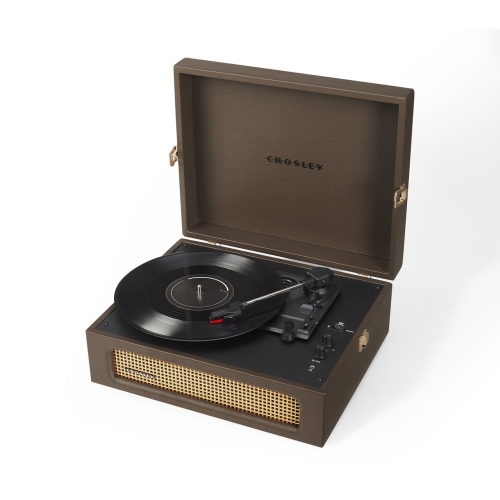


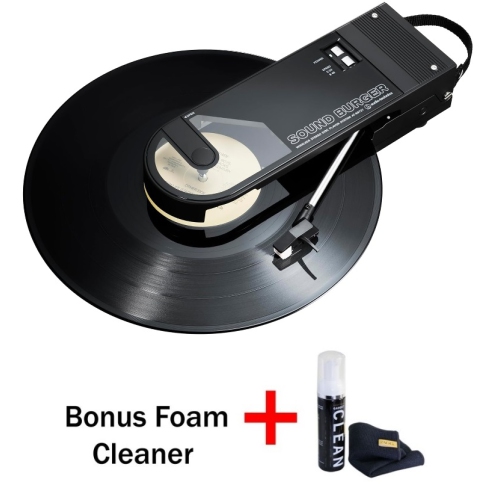

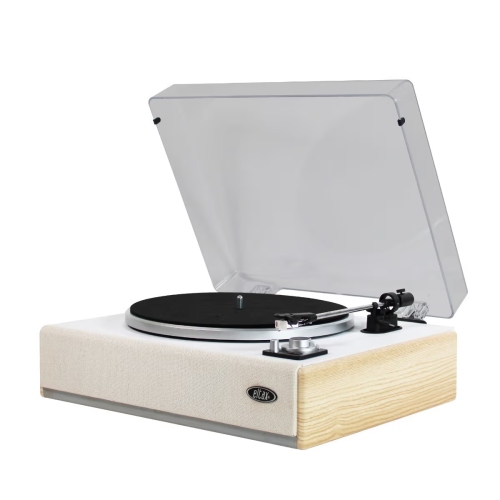

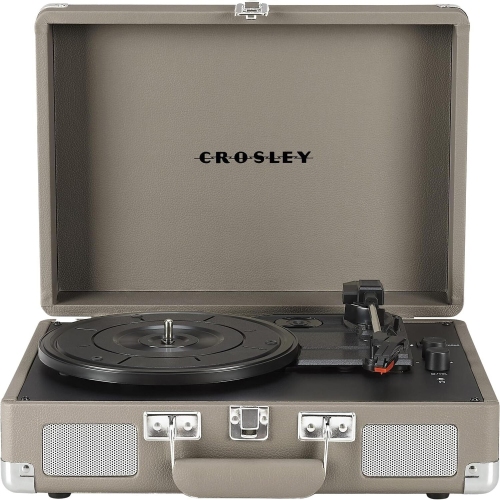

A small deck still needs room to play
A compact turntable plays vinyl records while taking up less space than a conventional full-size deck. Some models are designed to stay on a narrow media console or the corner of a desktop; others are portable enough to put away between listening sessions or carry to another room. The distinction matters if space is tight: a small base can fit neatly on a shelf, but a 12-inch record still needs room to spin, and the tonearm needs clearance to move across it. On some compact designs, the record extends beyond the platter and the base, so the dimensions of the turntable alone won’t tell you how much room it takes up during playback. A hinged dust cover also needs room to swing open, while a removable cover needs somewhere to rest while a record is playing. On a shallow console, leave enough space behind the deck for the power cord and any audio cables without bending them sharply against the wall. Many compact turntables play standard LPs at 33⅓ rpm and singles at 45 rpm, but it’s worth checking both the supported record sizes and speeds. Some 7-inch singles also have a larger centre hole and need an adapter. If the collection includes older 78 rpm records, look for a deck that supports that speed and a stylus suited to those records. The playback controls can make as much difference to everyday use as the dimensions. A manual turntable lets the listener position and lower the tonearm, often with a cueing lever that makes it easier to land between tracks. An automatic design can handle more of that movement, depending on the model. Auto-stop isn’t the same as automatic return: a platter that stops at the end of a side doesn’t necessarily lift the stylus and bring the tonearm back to its rest.
The smallest setup isn’t always the one with the smallest turntable. A model with built-in speakers may need only a spot on a level surface and a power source, which can make sense for casual listening in a bedroom or a small apartment. A deck with separate speakers takes up more room, but lets the listener space the left and right channels apart and place them at a comfortable listening height. A pair of powered speakers on either end of a console, for example, can make the stereo separation easier to hear from the sofa. If bass from the speakers causes the stylus to skip or creates a low rumble, moving the speakers off the surface that holds the turntable can help. For wired setups, a turntable with a built-in phono preamp and a line output can typically connect to powered speakers or a receiver’s line input. A deck with only a phono output needs a separate phono preamp or a receiver with a dedicated phono input. Wireless connections can cut down on visible cables, but check the direction of the connection: Bluetooth output sends record audio to a compatible speaker or headphones, while Bluetooth input, where offered, receives audio from another device. Neither feature means the turntable can operate without a power cord. A rechargeable model is better suited to changing rooms without having to find an outlet, while a plug-in deck makes sense for a listening spot that stays set up. For a shared home, a model with a compatible headphone connection can offer a way to listen without filling the room with sound. For a gift, it helps to know whether the recipient already has speakers or headphones they want to use. A newcomer with a few favourite albums may appreciate a setup that’s ready to play with fewer connections, while someone returning to a collection may prefer a compact deck that fits into an existing stereo system.
Materials and construction make a difference in how a small turntable feels to use and how well it suits its usual spot. A moulded plastic base can keep weight down for a deck that comes off the shelf after each session, while a heavier base can feel steadier on a permanent console. Metal platters can add mass, and platter mats made of rubber or felt provide a surface for the record to rest on. Weight alone isn’t a measure of quality: a rigid base, feet that sit evenly and a tonearm that moves smoothly are useful details in a deck of any size. A sturdy, level surface matters, too. A turntable tucked beside a monitor might fit comfortably until typing or a drawer closing sends a vibration through the desktop. A shelf away from those repeated bumps can make for steadier playback without taking up much more space. A dust cover helps keep lint off the platter between sessions, and a soft record brush can lift loose dust before a side goes on. Clean the stylus with a brush meant for it, following the maker’s directions, rather than touching the tip with a finger. For a turntable that gets moved often, a tonearm lock and stylus guard are practical details. Take the record off the platter before moving the deck, then secure the arm and protect the stylus as directed. A replaceable stylus is also worth considering for regular listening, since it lets a worn tip be replaced without changing the whole deck. The right footprint will look different for someone who plays one album at a time on a bookshelf and someone who keeps a full stereo within reach of a favourite chair. For a broader look at designs, from understated decks that blend into a room to shapes and finishes meant to stand out, browse Cool Turntables.
Top selling and popular products
-
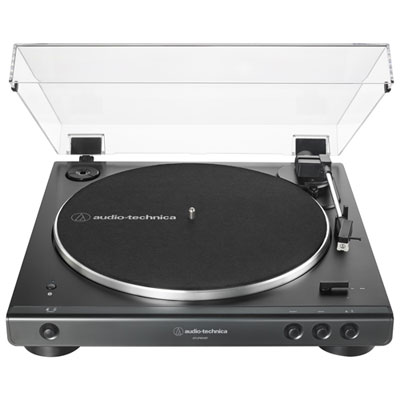 Your price for this item is $329.99
-
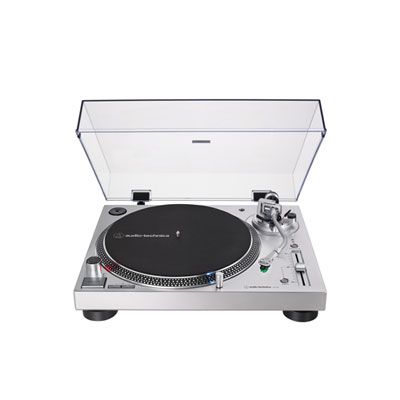 Your price for this item is $519.99
-
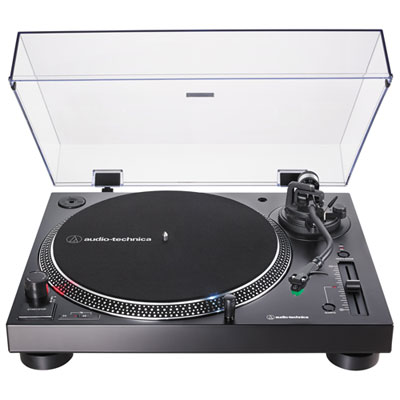 Your price for this item is $519.99
-
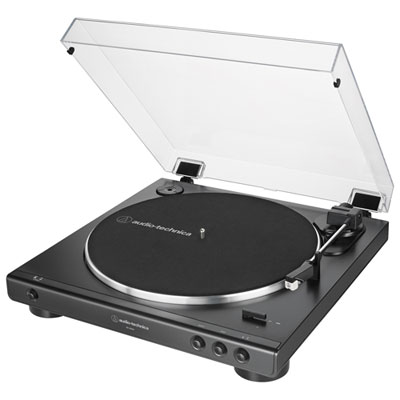 Your price for this item is $229.99
-
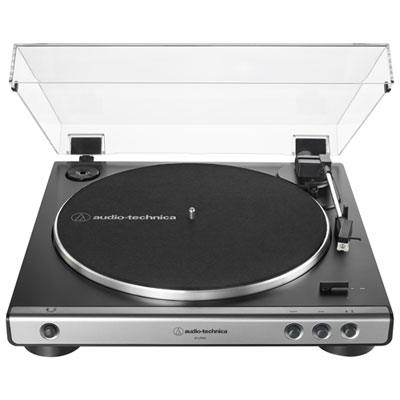 Your price for this item is $229.99
-
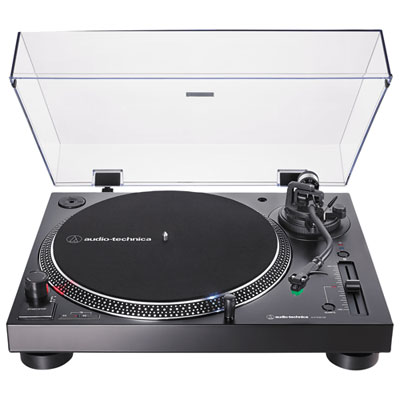 Your price for this item is $619.99
-
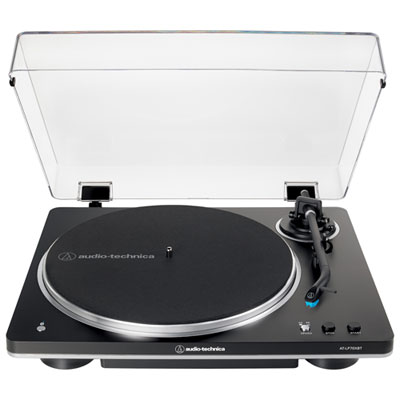 Your price for this item is $379.99
-
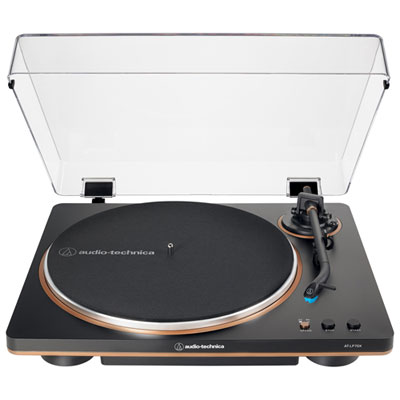 Your price for this item is $319.99
Discover more categories related to Compact Turntable
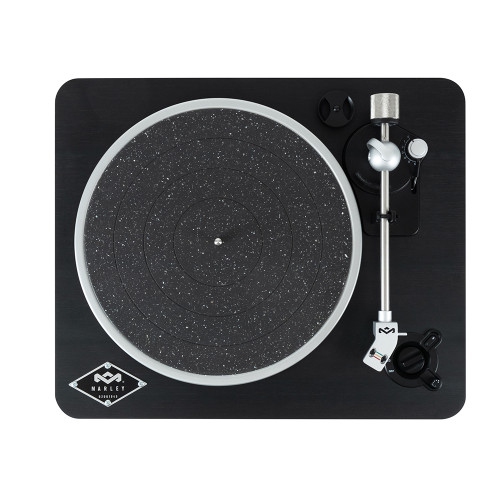
Top Collections:
Best Black Friday Deals This Year, Best Black Friday Deals On Electronics, Kindle Devices, Pokemon Centers, Best Black Friday Deals On Apple Products, Best Cameras for Sports Photography, Dyson Airwrap, Pokémon 30th Celebration Cards, Apple iPhone 17 Pro, Canon G7X Cameras
Some products may be subject to Environmental Handling Fees
(EHF) depending on your province.
Learn more about EHFs.