Easy To Use Radios for Seniors
Easy To Use Radios for Seniors are designed to make staying connected and entertained simple and enjoyable. With straightforward controls and clear displays, these radios offer a hassle-free listening experience for those who value convenience. Whether tuning in to favorite music, news, or talk shows, seniors can enjoy reliable performance and easy operation every day. Explore a selection of user-friendly radios that help make daily routines more comfortable and enjoyable.
Sort

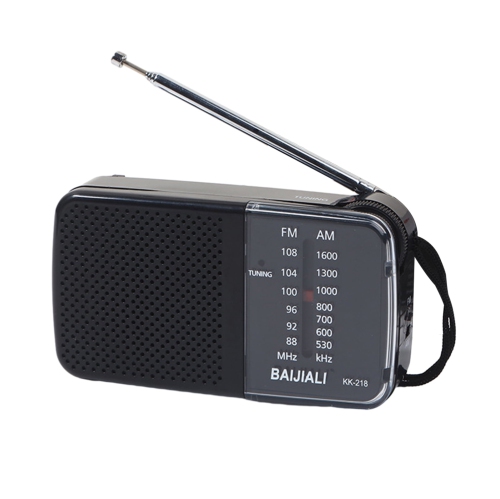
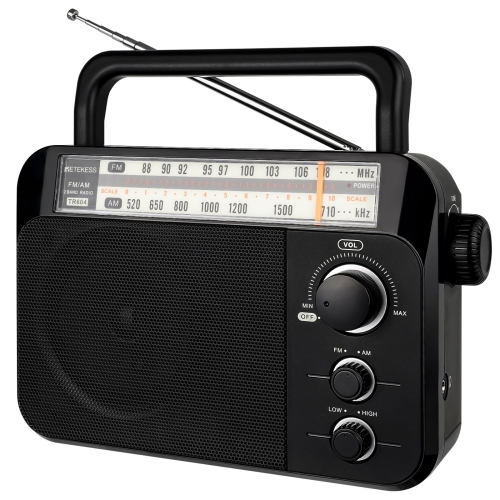
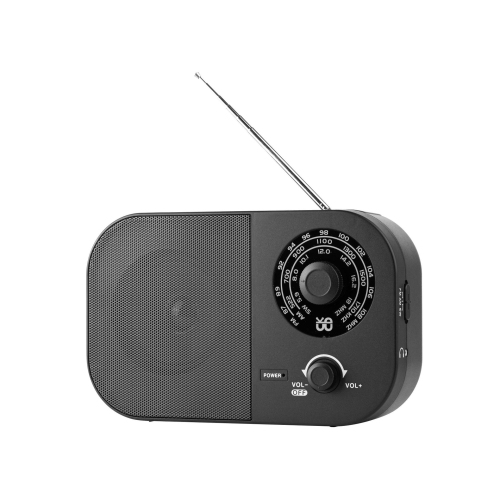


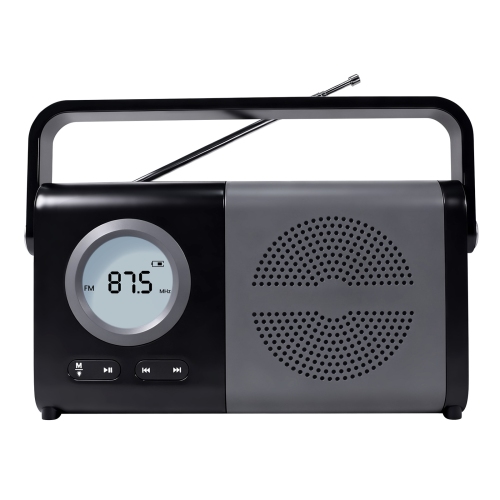

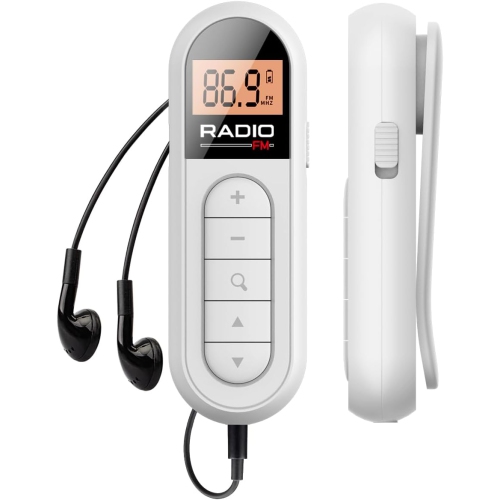
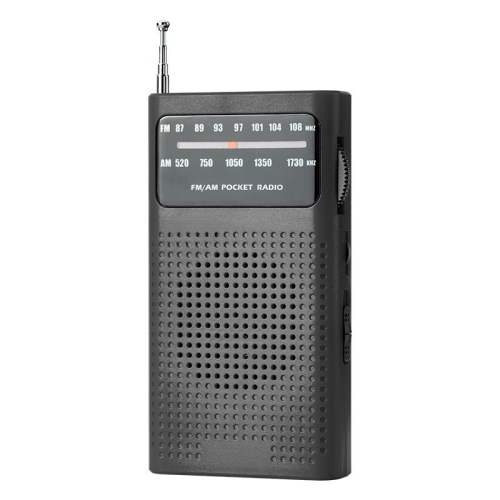
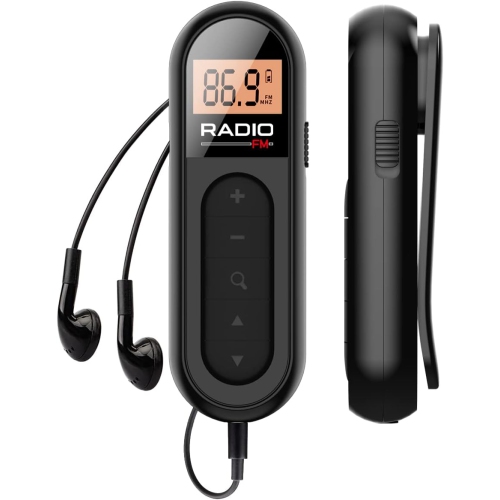
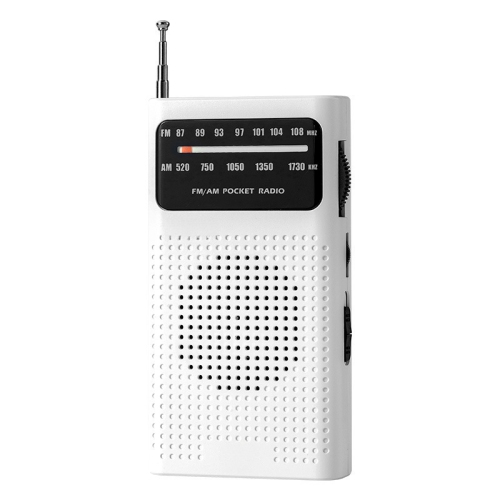
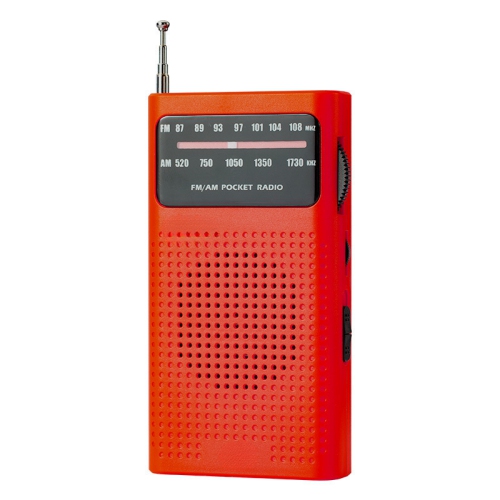

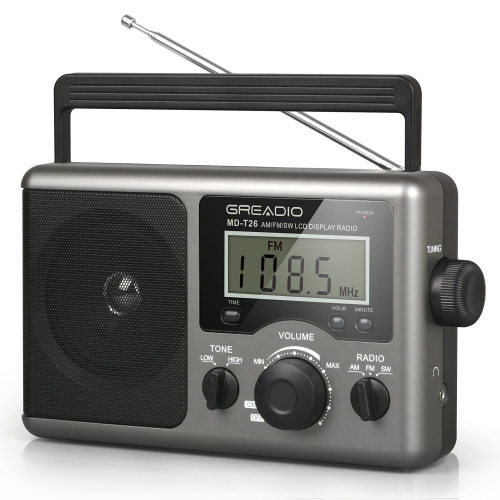

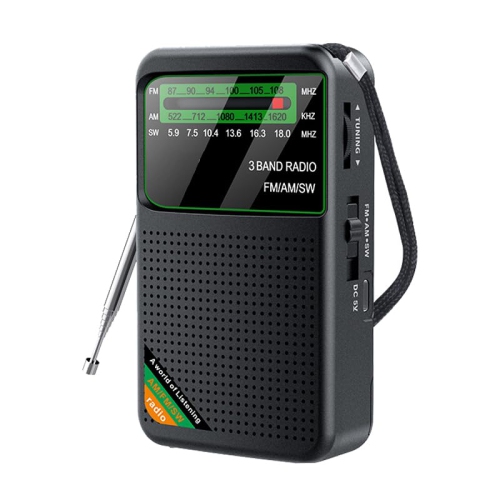
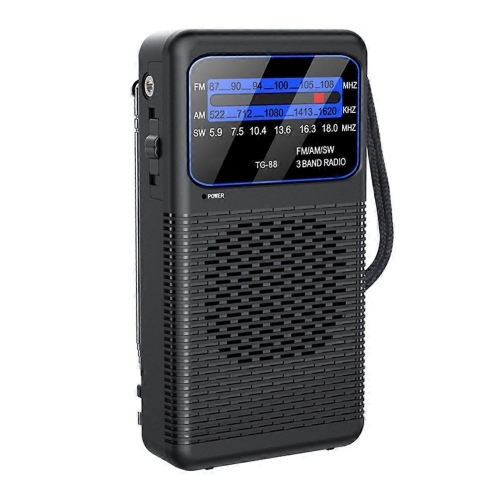

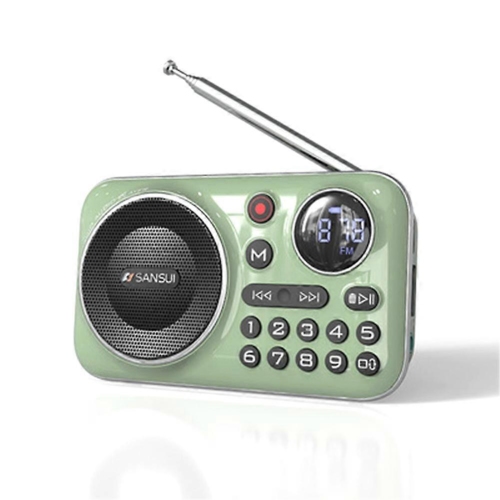
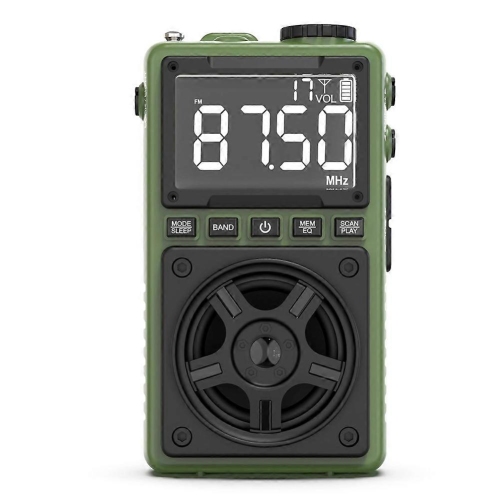

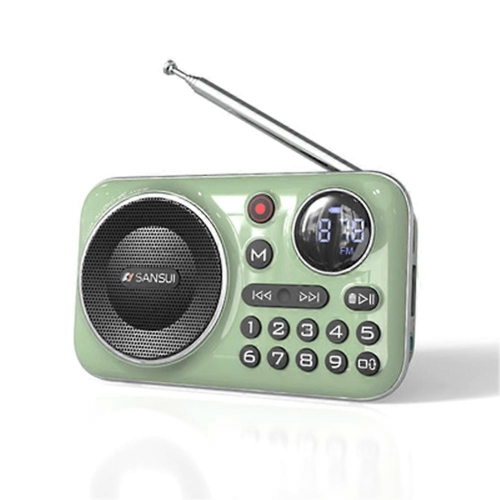
Comfortable controls put favourite stations within easy reach
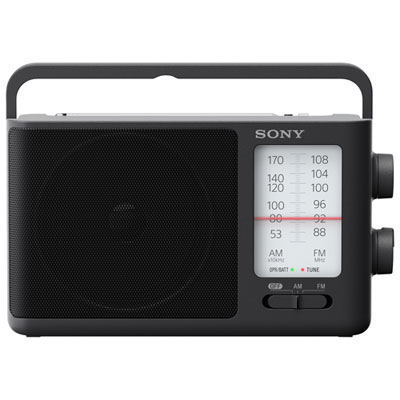
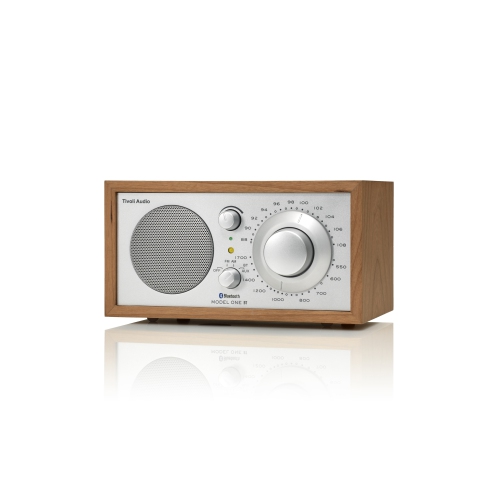
Easy-to-use radios for seniors put everyday listening within comfortable reach, with clear station markings, easy-to-grip knobs, distinct buttons, and straightforward controls for power, tuning, and volume. A familiar AM/FM radio can bring music, local news, sports commentary, and favourite presenters into a kitchen, bedroom, or sitting room without requiring a phone, an account, or an internet connection to receive broadcasts. The most useful design depends on the listener’s preferences rather than age alone. Someone who enjoys turning a tuning dial may appreciate a broad frequency scale and a pointer that stands out clearly against its background. Another listener may prefer a digital frequency display that makes returning to a particular station more precise. Large lettering, strong colour contrast, and an uncluttered front panel can make settings easier to identify, while a gently lit display may help when a room’s lighting is subdued. Display brightness also matters beside a bed, where a bright screen can become distracting. For hands affected by stiffness or reduced dexterity, the shape and spacing of controls can be just as important as their size. A raised knob with a textured edge may be easier to turn than a small, smooth wheel, and separate buttons can be easier to distinguish by touch than a flat touch-sensitive panel. Clearly labelled station presets reduce repeated tuning when the same few programmes are part of a daily routine. The details of preset operation matter, too: recalling a saved station should be easy to distinguish from changing or storing it. A dedicated power button and a separate volume control can make the radio’s operation more predictable, particularly when the listener prefers not to navigate menus. Extra functions are useful only when they suit the person using them. A radio intended mainly for a morning news bulletin or an afternoon music programme does not necessarily benefit from multiple playback modes, elaborate settings, or controls that change purpose depending on how long they are pressed.
Comfortable listening involves more than a volume dial. Clear speech reproduction can make a presenter’s voice easier to follow, especially at a modest listening level, while a speaker facing the listener can help keep sound directed towards a chair or bedside. A larger cabinet may accommodate a fuller-sounding speaker, but size alone does not establish clarity, and a compact radio can be a better fit where surface space is limited. Position also makes a difference: a radio tucked behind books or placed close to a rattling object may sound less distinct than one with an unobstructed speaker. Tone controls, where included, allow some adjustment to the balance of speech and music, though a simple layout may be preferable to a wider range of adjustments. A headphone socket offers private listening in a shared home, provided the connection suits the headphones and the cable does not cross a walking route. Wireless headphone use requires compatible features on both devices and may add pairing steps that some listeners would rather avoid. Reception is another practical consideration, since even an easy-to-read radio can be frustrating if a favourite station is difficult to receive. AM and FM reception vary with location, building construction, nearby electrical devices, and the broadcaster’s signal. An adjustable antenna and a little flexibility in placement can help with FM reception; changing the radio’s orientation may improve AM reception on designs with an internal AM antenna. Mains power suits a radio that stays on a side table, while battery operation supports moving between rooms without finding another socket. Some radios support both, but battery operation, charging, and backup functions are not interchangeable. A rechargeable radio needs a convenient charging routine, whereas one using replaceable batteries needs accessible battery storage and a compartment the user or a helper can open comfortably. Battery backup may preserve settings without powering the speaker, so that distinction matters when uninterrupted listening is a priority.
The physical build of a radio should suit where it will sit and how often it will be moved. A lightweight plastic cabinet can be comfortable to carry, particularly with a well-positioned handle, while a heavier cabinet may feel steadier on a permanent surface. Neither weight nor appearance alone establishes durability: secure controls, a stable base, and a handle that feels comfortable in the hand are meaningful everyday details. A radio needs enough space for its antenna, power connection, and the listener’s hand to reach the controls without knocking nearby objects. On a bedside table, that may mean leaving room for glasses and a lamp; in a kitchen, it means keeping the radio away from splashes, cooking heat, and steam unless its stated protection permits that use. Care is generally straightforward when it follows the manufacturer’s directions. A soft, dry cloth can remove surface dust, while liquids sprayed directly onto controls or speaker openings can cause damage. Power leads should sit clear of walking routes, and batteries should be handled and stored according to the supplied instructions. When comparing Radios for Elderly, familiar habits are a useful starting point: the stations someone already enjoys, the controls they find comfortable, and whether they listen from one favourite chair or carry the radio around the home. Radios can also make thoughtful gifts for parents, grandparents, friends, or relatives who enjoy broadcast listening. A gift feels more personal when its design reflects the recipient’s preferences rather than assuming they need the fewest possible features. For a listener living with memory changes, where suitable designs offer them, clearly marked presets, simplified controls, or settings that a trusted helper can manage may make daily use less demanding. Setting up preferred stations, explaining the power control, and leaving a short, clearly printed reminder nearby can help make a new radio familiar. The goal is a comfortable everyday companion: easy to locate, pleasant to hear, and simple enough that enjoying a favourite programme remains the main event.
Top selling and popular products
-
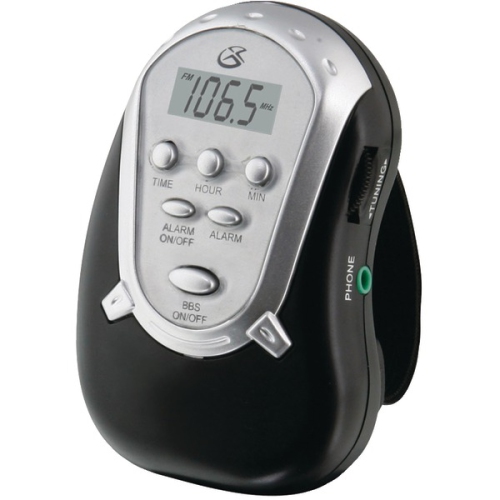 Your price for this item is $116.68
-
 Your price for this item is $69.99
-
 Your price for this item is $279
-
 Your price for this item is $279
-
 Your price for this item is $279
-
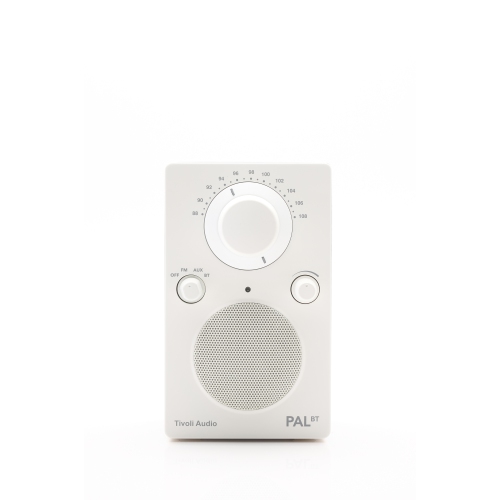 Your price for this item is $279
-
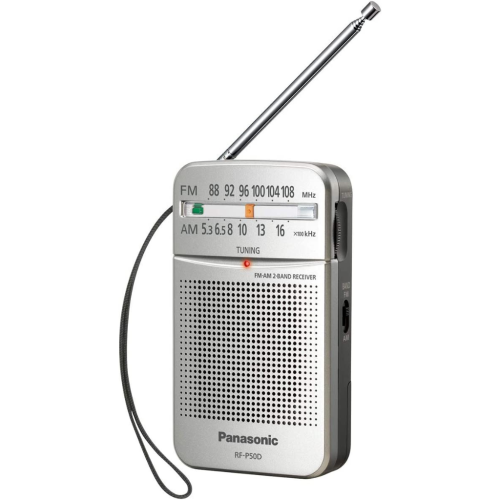 Your price for this item is $39.95
-
 Your price for this item is $45.99
Discover more categories related to Easy To Use Radios for Seniors
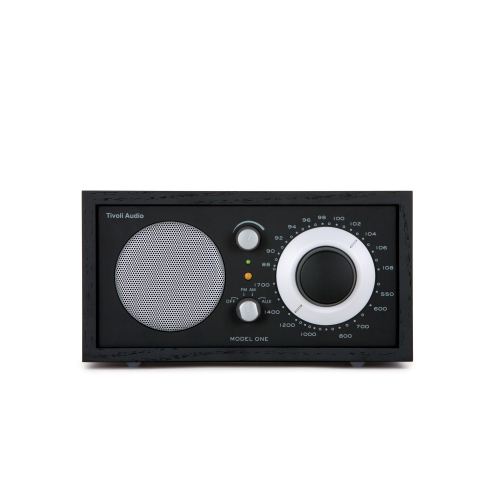
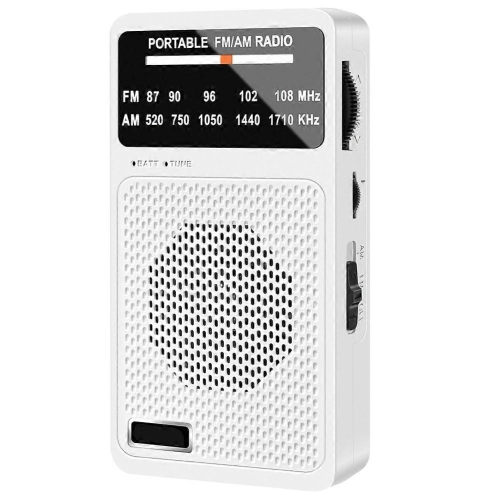
Top Collections:
Pokemon Centers, Best Cameras for Sports Photography, Kindle Devices, Samsung Galaxy Phones, Canon G7X Cameras, Pokémon 30th Celebration Cards, Refurbished Apple Laptops, iPhone 15 Apple, Laptops for Students, Budget Smartphones
Some products may be subject to Environmental Handling Fees
(EHF) depending on your province.
Learn more about EHFs.