Easy To Use Hearing Aids for Seniors
Easy To Use Hearing Aids for Seniors are designed to help make daily conversations and activities more enjoyable and accessible. With user-friendly options tailored for comfort and simplicity, these hearing aids allow seniors to stay connected with loved ones and fully participate in the moments that matter most. Explore a wide selection of devices crafted to fit seamlessly into everyday life, offering reliable support and enhanced clarity for those seeking an effortless hearing solution.
Sort
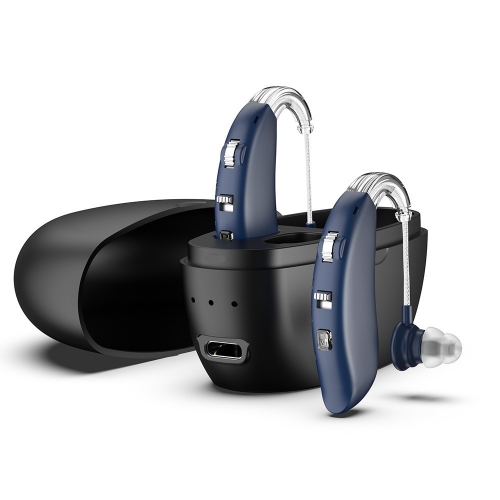
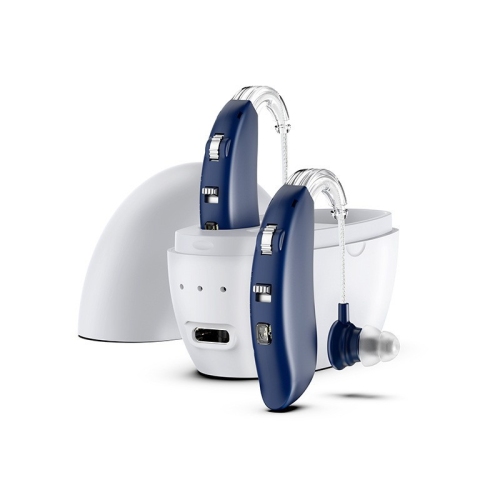
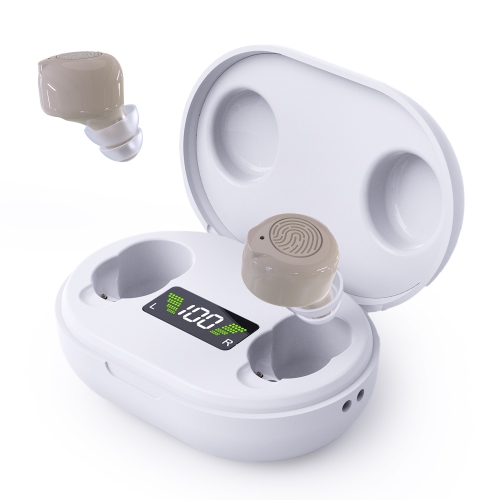
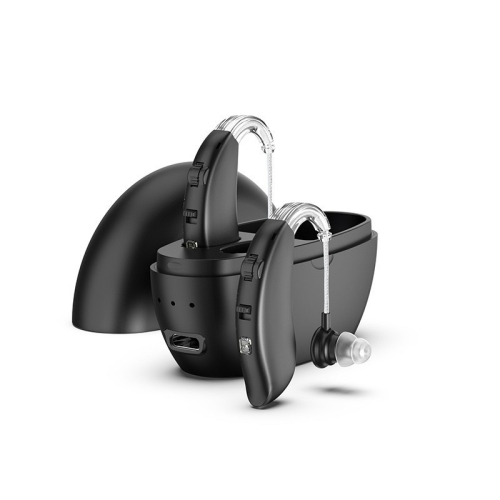
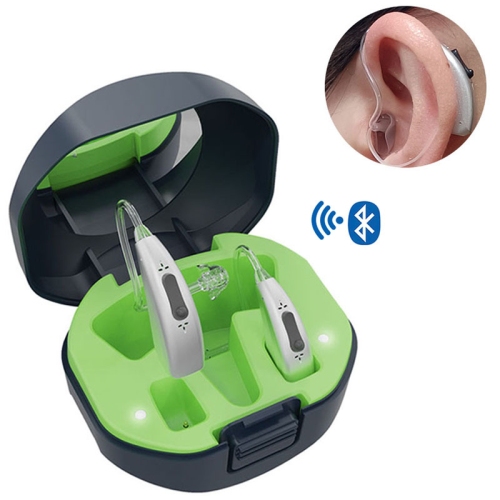
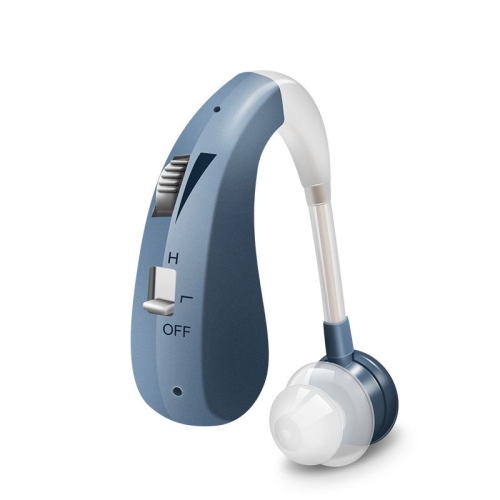
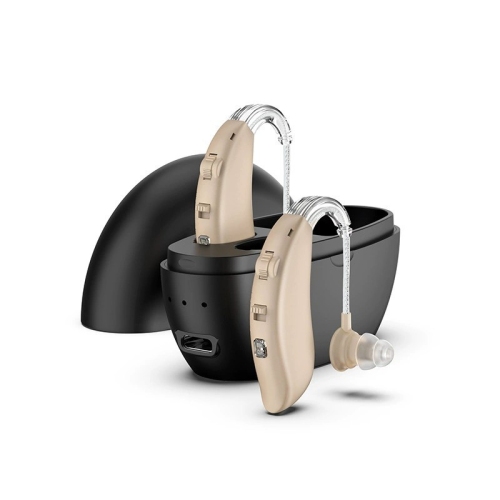
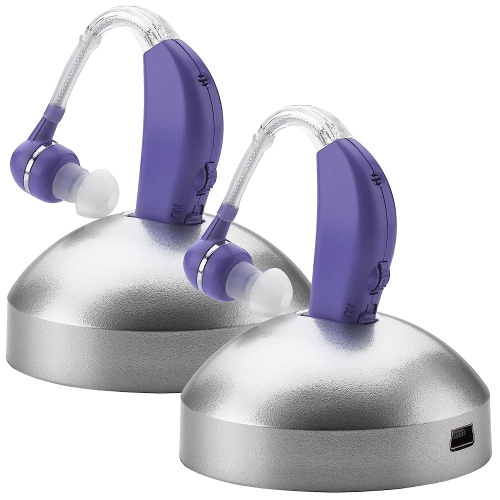
How buttons and fit shape everyday hearing aid use
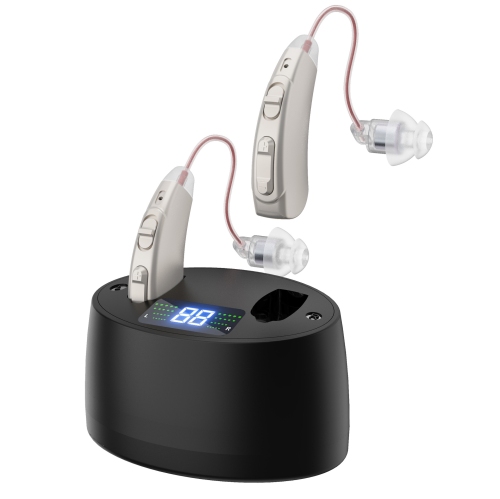
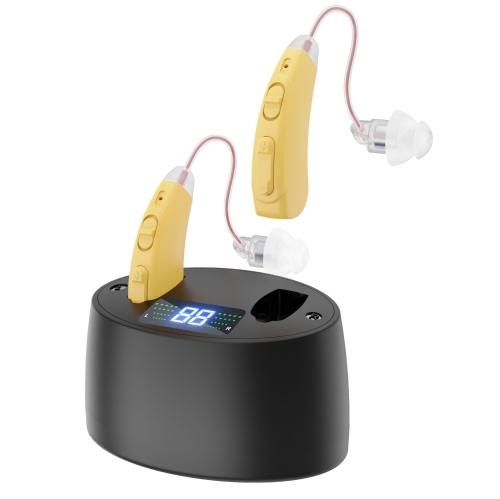
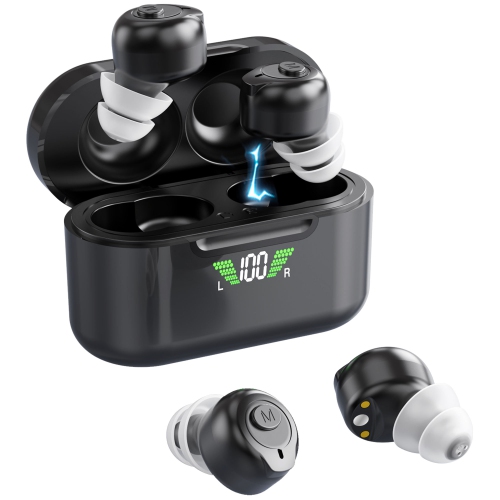
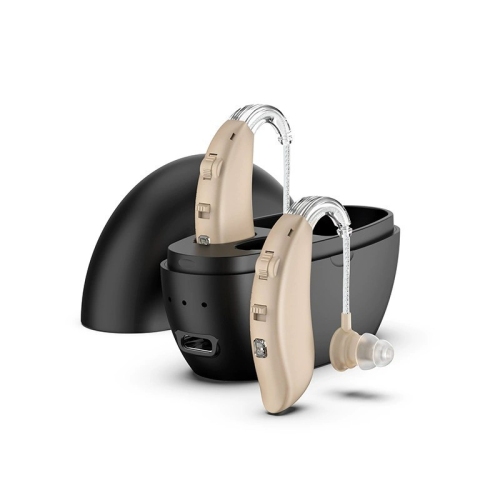
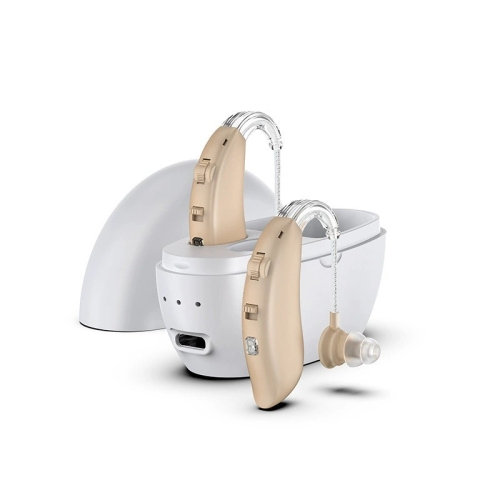
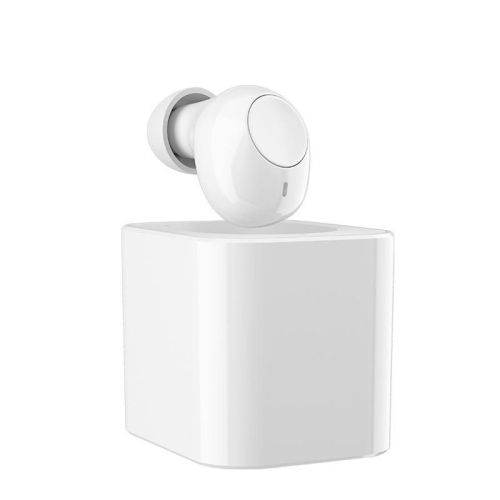
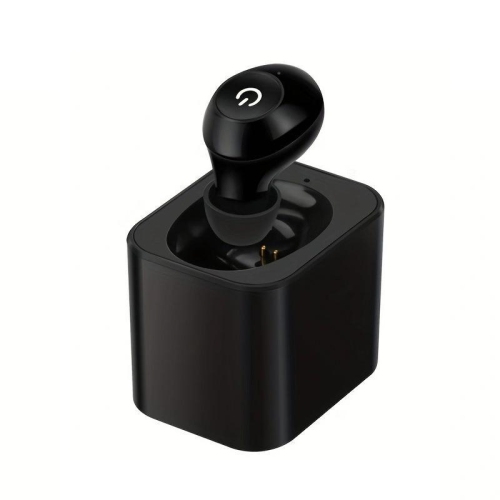
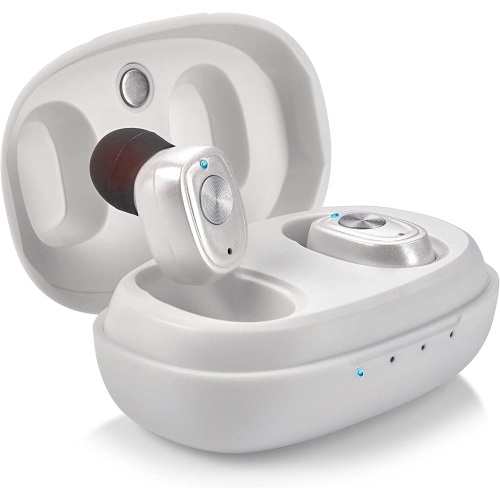
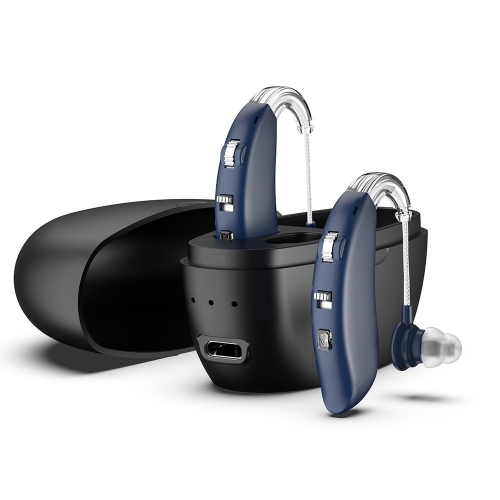
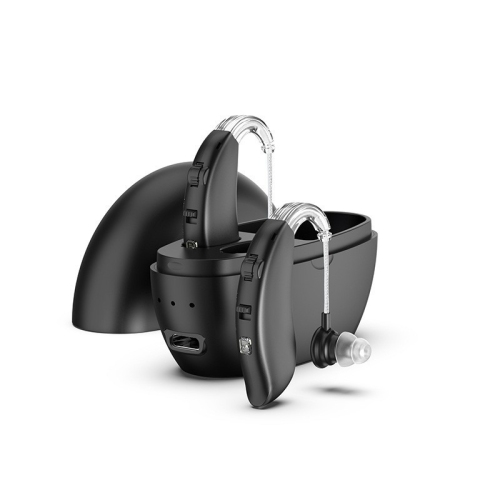
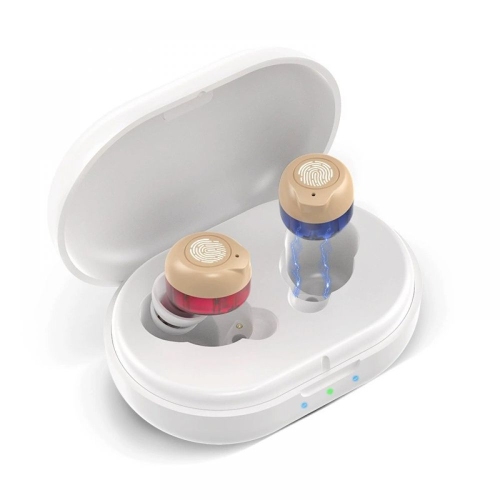
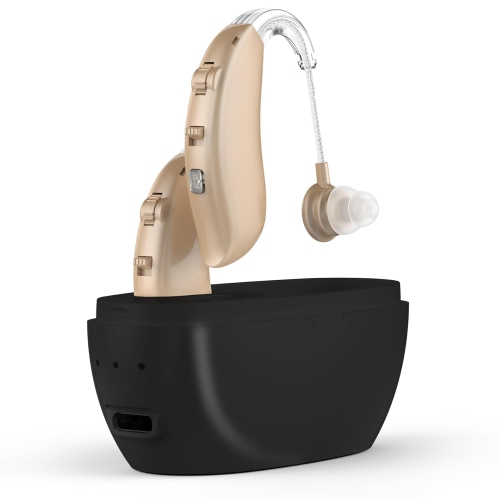
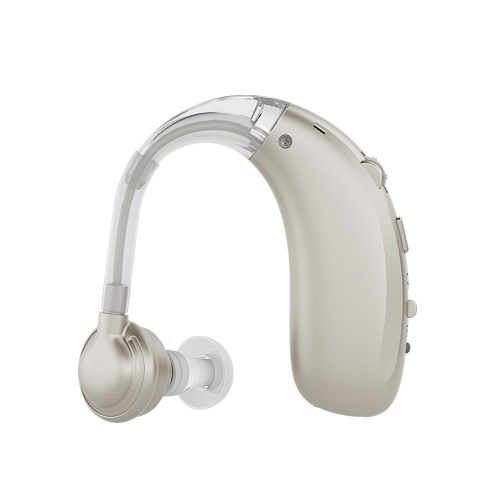
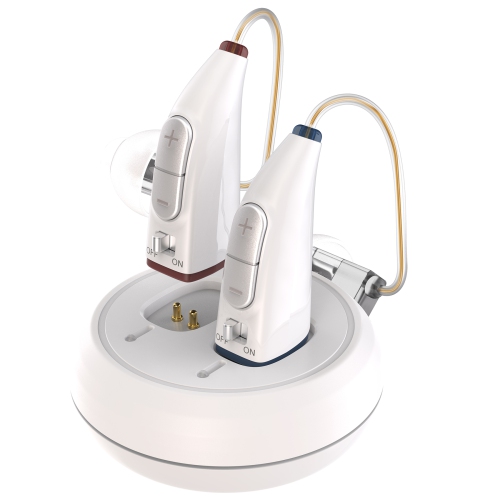
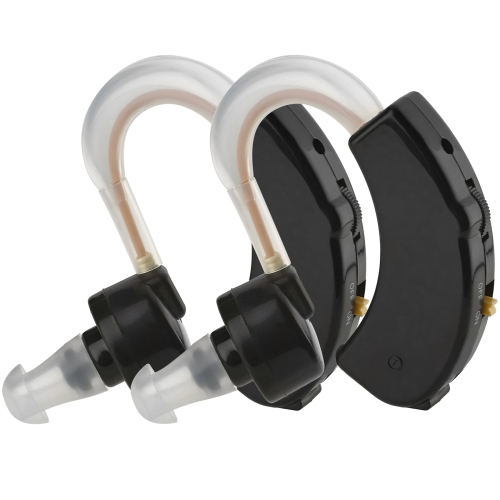
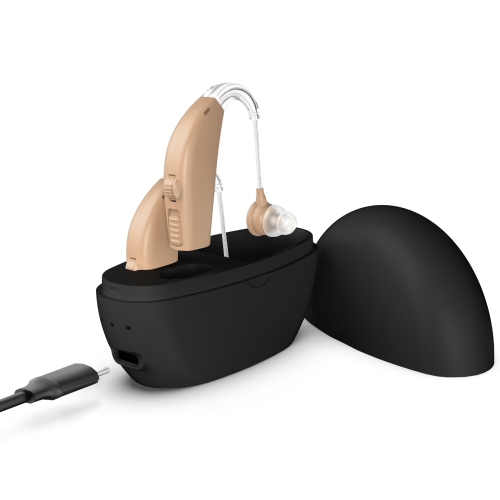
Easy-to-use hearing aids for seniors combine manageable controls, a comfortable fit, and sound settings that suit everyday listening needs. Features worth looking for include rechargeable batteries, clearly marked physical buttons, automatic sound adjustments, and simple listening presets that do not require a smartphone. Ease of use is personal: someone with stiff fingers may prefer a larger device that is easier to hold, while someone with limited vision may find raised buttons and audible setting confirmations more helpful than a small display. A familiar routine matters as much as the number of features. Being able to lift hearing aids from a charging dock, identify the left and right sides, and put them on without several adjustment steps can make daily use feel more manageable. Behind-the-ear designs place the main housing above and behind the ear, with sound delivered through tubing or a thin wire to an earpiece. Their larger housings can be easier to handle, although button size and placement vary. In-the-ear designs sit within the ear and may appeal to people who prefer fewer parts behind it, but very small styles can be harder to insert, remove, and clean. Neither shape is automatically the simplest choice for everyone. The best fit depends on hearing needs, ear shape, eyesight, hand mobility, and whether glasses or other headwear share the space around the ears. Hearing aids should also be distinguished from personal sound amplifiers: hearing aids are intended to help with hearing loss, while personal sound amplifiers are generally intended to make sounds louder for people with normal hearing in particular situations. Similar-looking devices are not necessarily interchangeable. A hearing assessment can help establish which type of support is appropriate and whether professional fitting or programming is needed. For a broader look at related options, Hearing Devices for Seniors brings together another way to explore this category, with intended use remaining an important distinction when comparing device types.
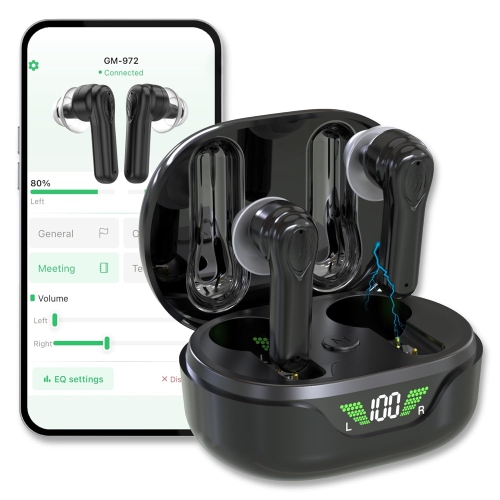
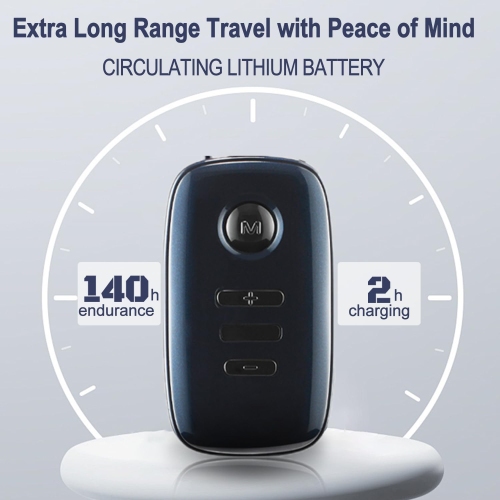
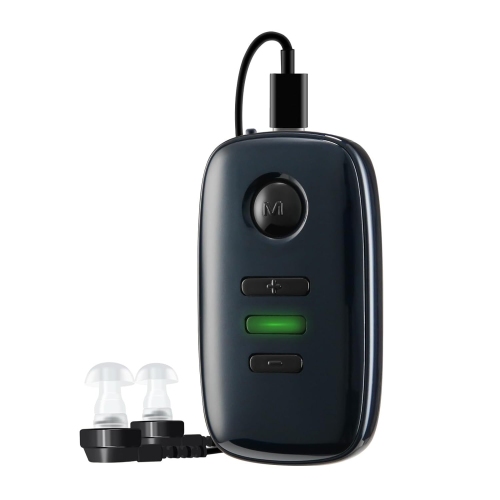
Straightforward operation becomes especially valuable during ordinary moments, such as following a conversation across the breakfast table, listening to a television programme, or talking with a friend in a busy café. Automatic adjustments may help a hearing aid respond to changes in surrounding sound without repeated button presses. Simple preset modes can offer another approach, allowing the wearer to switch between listening situations with a clearly defined control. Noise reduction and directional microphones may make speech easier to follow in some settings, but they do not remove every competing sound or restore natural hearing. Turning everything louder is not always the same as making words clearer, which is why suitable programming matters. For seniors who prefer not to use a phone for daily adjustments, accessible volume controls and an uncomplicated on-device interface can be more useful than extensive app features. Smartphone connectivity may still be helpful for those who enjoy it, particularly when compatible devices support calls, audio streaming, or remote adjustments. These functions vary, and phone compatibility should be checked rather than assumed. Rechargeable hearing aids reduce the need to open small battery doors and replace tiny disposable cells. A well-designed dock should hold each device securely, make its charging status easy to understand, and allow removal without a tight pinch or awkward grip. Magnetic positioning, distinct left and right charging spaces, and clear indicator lights can simplify the process where these features are included. Battery life depends on the device, its settings, and how much audio is streamed, so the stated operating time should suit the wearer’s usual day. Disposable-battery designs may appeal to someone who prefers replacing a battery rather than following a charging schedule, provided the batteries and compartments are manageable. Small batteries must be stored safely away from children and pets. Spoken alerts, tones, or visible indicators can help communicate low power or a changed setting, but those signals need to be noticeable and understandable to the person wearing the aids. The most useful controls are the ones a wearer can find and operate with confidence.
Comfort, materials, and care all influence whether hearing aids become a dependable part of daily life. Many designs use lightweight plastic housings with soft silicone domes or professionally fitted earmoulds, although materials differ between models. An earpiece should feel secure without creating persistent pressure, rubbing, or soreness. A device that feels loose, whistles repeatedly, or becomes uncomfortable may need a fit check rather than simply a higher or lower volume setting. People who wear glasses should consider how the hearing aid sits beside the arms of the frames, especially when putting glasses on or taking them off. A mirror, good task lighting, and a stable surface can make insertion easier while the routine is becoming familiar. Left and right markers are useful, particularly when each ear requires different settings. Day-to-day durability depends partly on careful handling: hearing aids contain small microphones, speakers, and electrical contacts that can be affected by moisture, earwax, and debris. Water resistance should not be confused with suitability for swimming or showering; the manufacturer’s stated protection and care directions are the right reference. Regular care commonly includes wiping the housing with a soft, dry cloth, checking the earpiece for wax buildup, and replacing compatible wax guards or domes as directed. Liquids, sharp tools, and household cleaners should not be used unless the care instructions specifically permit them. A dedicated storage case helps keep the devices together and protects them when they are not being worn. Clear instructions, accessible support, and manageable replacement parts deserve attention alongside sound features. For an adult child or caregiver helping with the choice, involving the wearer is more useful than selecting hearing aids as a surprise gift, since comfort and hearing requirements are individual. Some adjustment to amplified sounds is normal, and follow-up support can help refine settings as the wearer gains experience. Sudden hearing loss, ear pain, or drainage calls for prompt medical assessment rather than simply trying a device. Thoughtful selection balances suitable hearing support with handling, comfort, and upkeep that feel practical every day.
Top selling and popular products
-
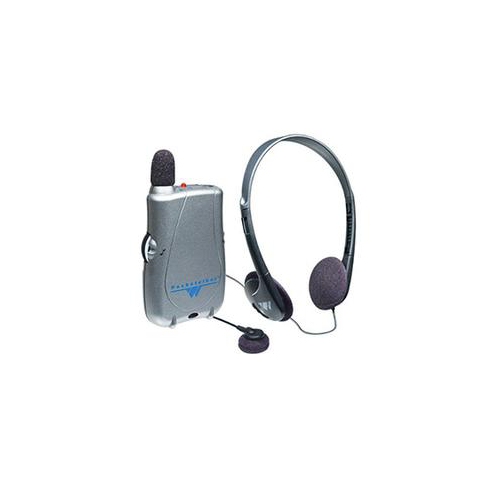 Your price for this item is $331.22
-
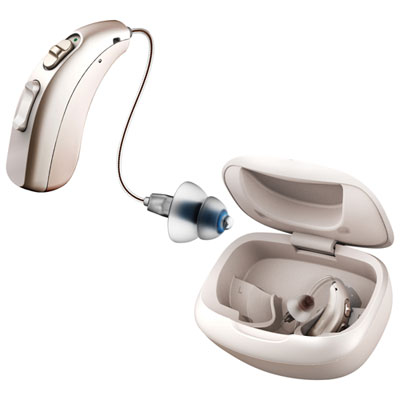 Your price for this item is $499.99
-
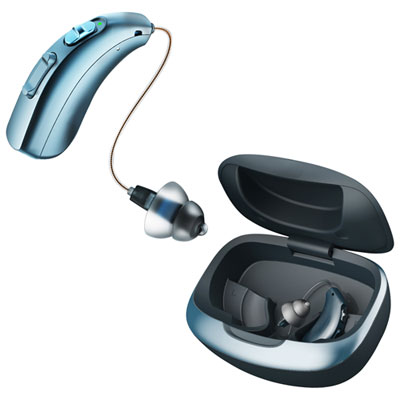 Your price for this item is $349.99
-
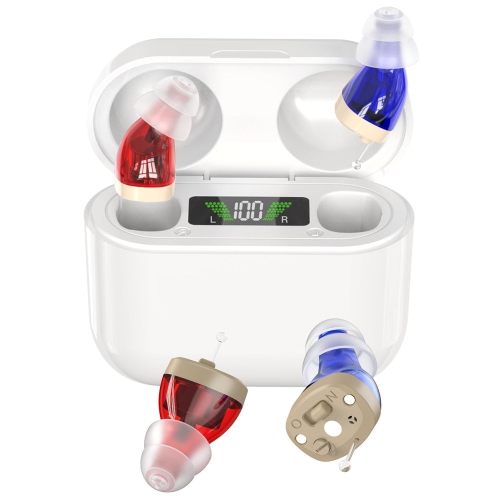 Your price for this item is $289.99
-
 Your price for this item is $259.99
-
 Your price for this item is $36.24
-
 Your price for this item is $49.99
-
 Your price for this item is $82.99
Discover more categories related to Easy To Use Hearing Aids for Seniors
Top Collections:
Pokemon Centers, Best Cameras for Sports Photography, Kindle Devices, Samsung Galaxy Phones, Canon G7X Cameras, Pokémon 30th Celebration Cards, Refurbished Apple Laptops, iPhone 15 Apple, Laptops for Students, Budget Smartphones
Some products may be subject to Environmental Handling Fees
(EHF) depending on your province.
Learn more about EHFs.