Headphones for Android
Headphones For Android offer a seamless way to enjoy your favorite music, podcasts, and calls on the go. Whether you’re looking for wireless convenience or a wired connection, there are plenty of options designed to pair perfectly with your Android devices. Explore a wide selection of styles and designs to find the ideal fit for your lifestyle. With Headphones For Android, it’s easy to enhance your audio experience wherever life takes you.
Sort









Why pairing is only part of the listening experience
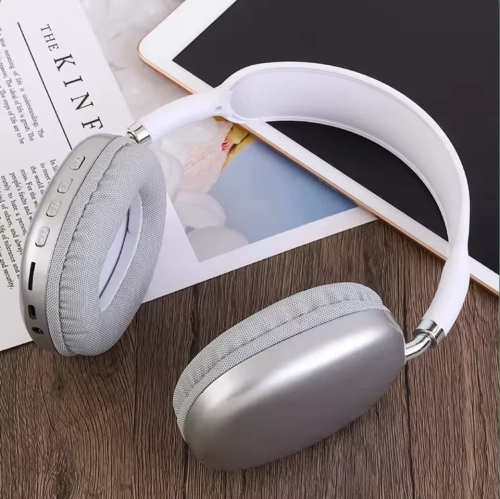
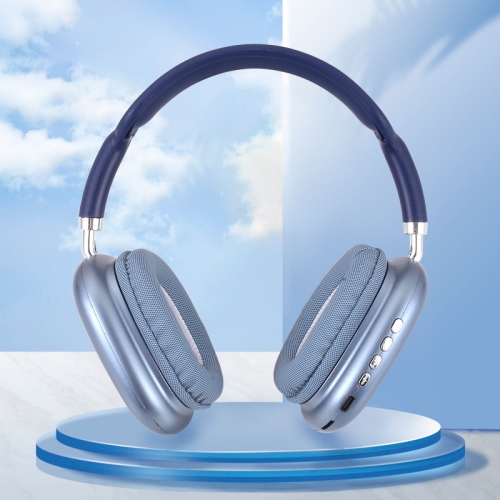
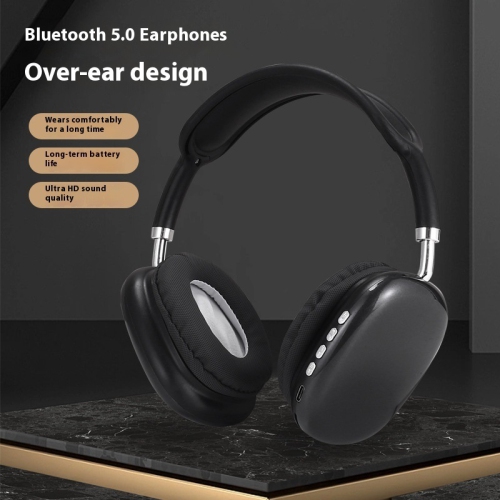
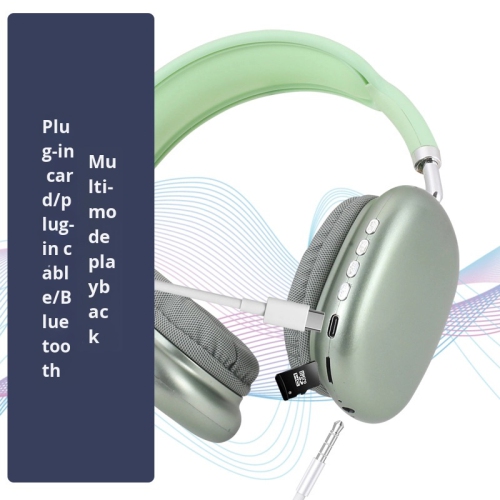
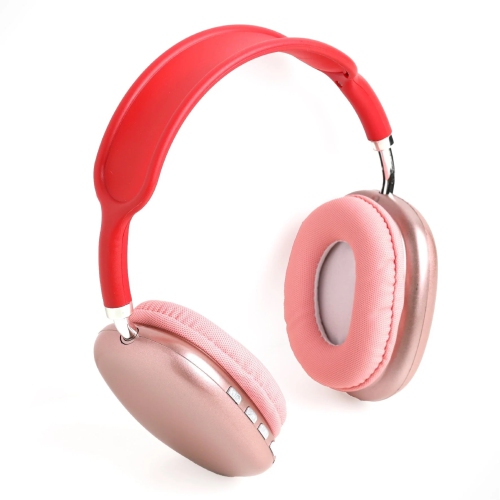
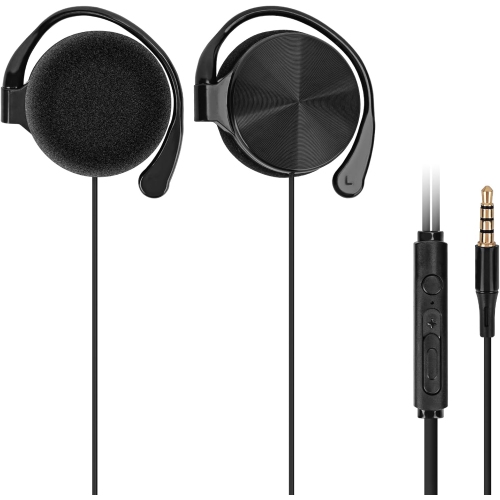
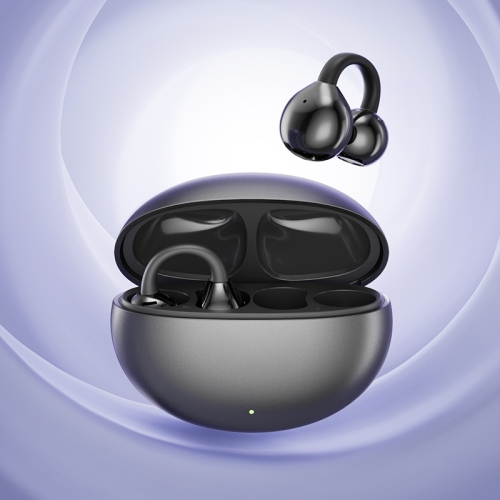
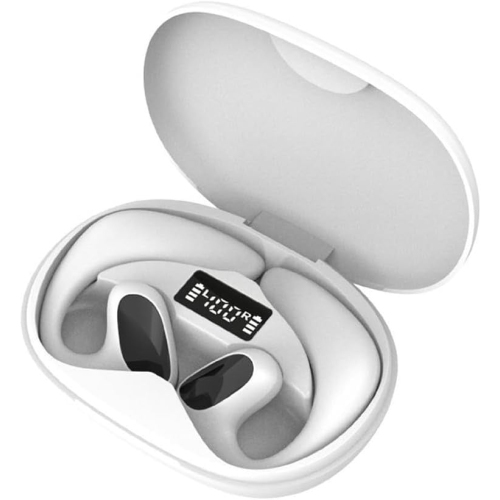
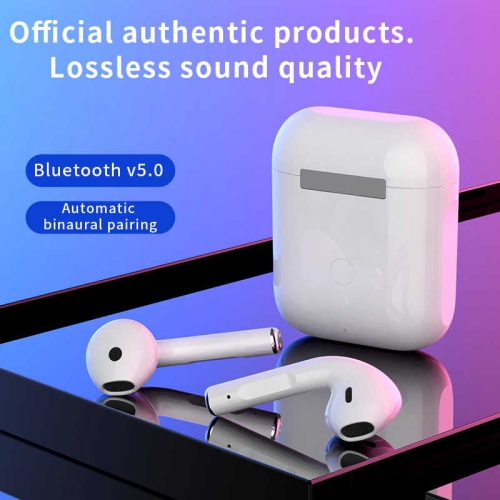
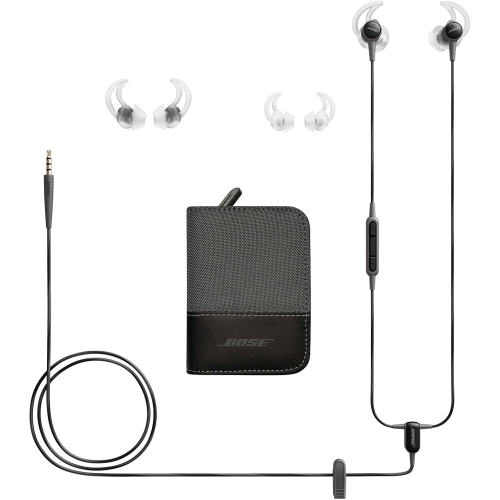
Headphones for Android include over-ear headphones, on-ear designs, and in-ear earbuds that connect to compatible phones for music, calls, podcasts, and video. The right match depends on how they fit, how they connect, and which features work with the phone being used. Bluetooth pairing provides the basic wireless connection, while features such as quick pairing, customizable controls, spatial audio, and voice assistance can depend on the headphones, the phone, and its Android version. A compatible Android companion app can add useful adjustments, including an equalizer for bringing voices forward or reducing heavy bass, control settings, and firmware updates. For listeners interested in higher-quality wireless audio, codec support is worth understanding: options such as LDAC and aptX require support from both the phone and the headphones. A codec listed on only one device does not establish compatibility, and higher-resolution playback also depends on the recording, audio source, settings, and connection quality. Codec support alone does not guarantee lossless sound or a noticeable improvement with every track. A comfortable fit and a good acoustic seal can make a more immediate difference, especially on a busy train or in a shared workspace. Wired headphones offer another connection option, but the connector needs to suit the phone. USB-C headphones must be compatible with its audio output, while headphones with a 3.5 mm plug need a matching headphone jack or a suitable adapter. Some phones require an adapter with a built-in digital-to-analogue converter, and microphone or remote-control support can vary. For mobile gaming and video calls, connection delay also matters. A low-latency setting may help on supported devices, although performance varies by app and connection. These details distinguish headphones that simply pair with an Android phone from headphones whose sound, controls, and everyday functions suit the way that phone is used.
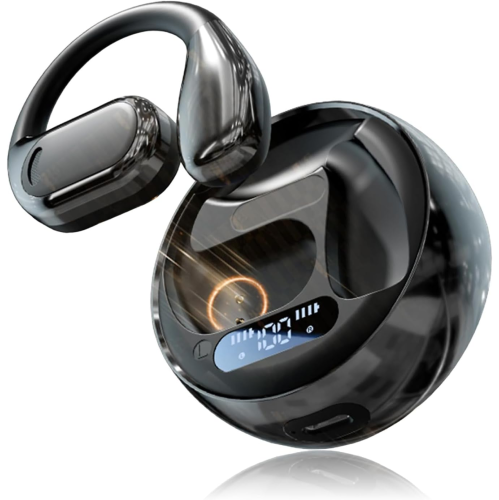
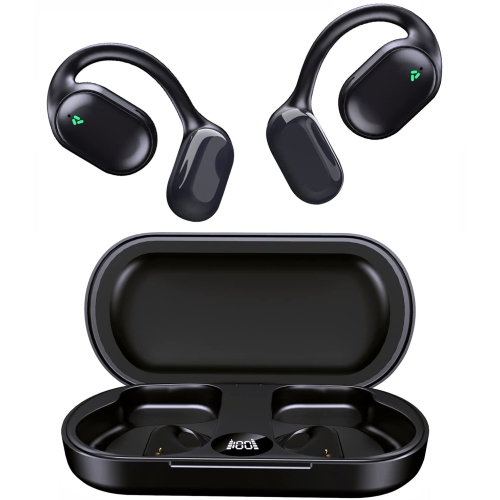
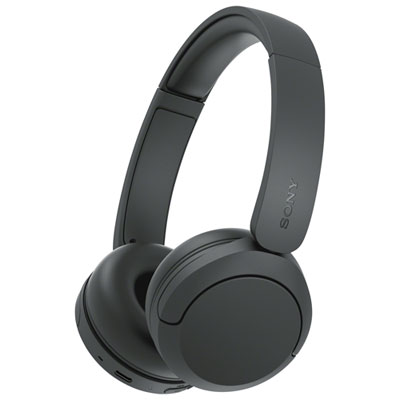
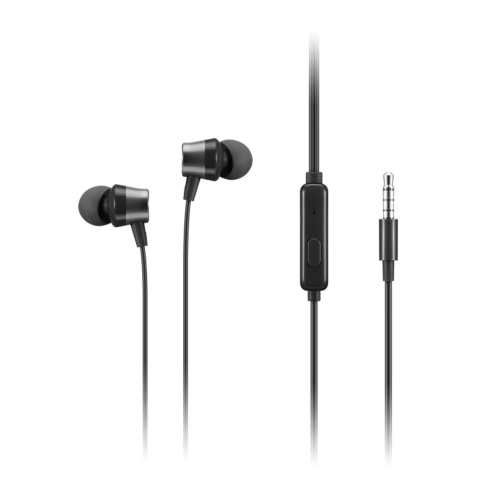
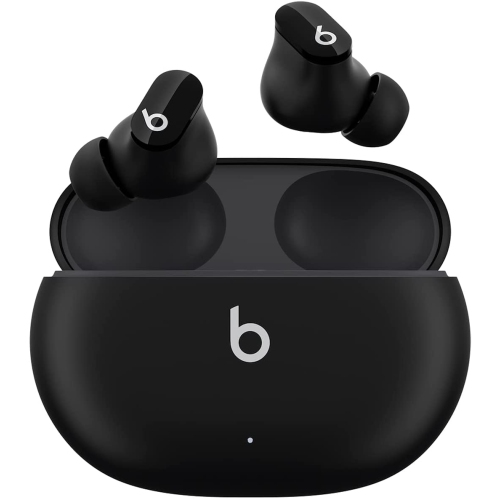
Fit shapes the listening experience just as much as the connection. Over-ear headphones surround the ears with padded cushions and can suit longer listening sessions at a desk, on public transit, or while relaxing with an audiobook. Their larger shape also leaves room for physical buttons that may be easier to find by touch. On-ear headphones rest against the ears and often take up less space, though their clamping pressure can feel different over time. Headband adjustment, cushion depth, overall weight, and room around the ears all influence comfort, particularly for someone who wears glasses. Soft fabric coverings can feel different from smooth synthetic cushions, while hinges and headband construction affect how a pair handles repeated packing and adjustment. For a smaller format, Earphones for Android Phones offer compact listening options that can slip into a pocket or a small bag. In-ear designs rely on the right tip size for a secure seal; a poor seal can weaken bass and let in more surrounding sound. Silicone and foam tips feel different, and each ear may need a different size. Active noise cancellation helps reduce certain steady background sounds, such as ventilation or the low rumble of a train, but it does not remove every voice or sudden noise. Passive isolation comes from the physical fit of the cushions or tips, so it remains important even with active noise cancellation switched on. Transparency or ambient listening modes can make nearby speech easier to hear without removing the headphones, although they are not a substitute for paying attention to traffic and other hazards. Open-fit designs leave the ear less sealed, which some listeners find more comfortable, but they generally provide less isolation. For exercise, a secure fit and an appropriate water-resistance rating matter more than a bulky set of features. Any stated resistance applies only under the manufacturer’s specified conditions and should not be treated as permission to swim or shower with the headphones.
Daily convenience often comes down to battery life, controls, call quality, and how easily the headphones move between activities. Battery figures need context: listening time can change with volume, active noise cancellation, microphone use, and the selected wireless codec. For true wireless earbuds, the total listening time quoted with a charging case is different from the time available on a single charge. Fast charging can be useful before a commute, but its results depend on the supported charger and charging conditions. A USB-C charging port does not necessarily mean that headphones can also receive audio through that port. Multipoint connectivity can help someone switch between an Android phone and a laptop without repeatedly pairing, although switching behaviour and supported functions vary. Microphone performance deserves separate attention from music playback, especially for people taking calls from shared offices or busy public spaces. Noise reduction for the caller’s voice serves a different purpose from active noise cancellation for the listener; having one does not guarantee strong performance from the other. Accessible buttons, clear touch controls, and an easy-to-find mute function can be more valuable during a working day than rarely used extras. Care also affects long-term comfort and durability. A protective case helps prevent pressure on ear cups and hinges inside a bag, while regular cleaning keeps skin oils and debris from building up on cushions, tips, and charging contacts. Cleaning should follow the manufacturer’s instructions, with moisture kept away from openings and charging points. After exercise, headphones should be allowed to dry as directed before charging or storage. Listening at a comfortable volume and taking breaks support more comfortable extended use. As a gift, headphones for Android can suit students, commuters, frequent callers, music fans, and people who enjoy podcasts while doing household tasks. Knowing the recipient’s preferred fit, phone connections, and usual listening habits makes the gift more personal—and more likely to become part of their daily routine.
Top selling and popular products
-
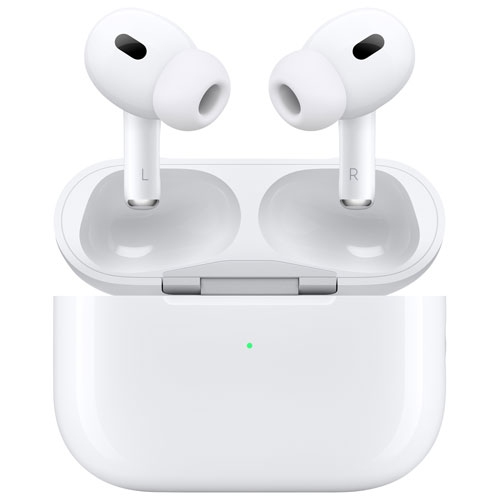 Your price for this item is $349.99
-
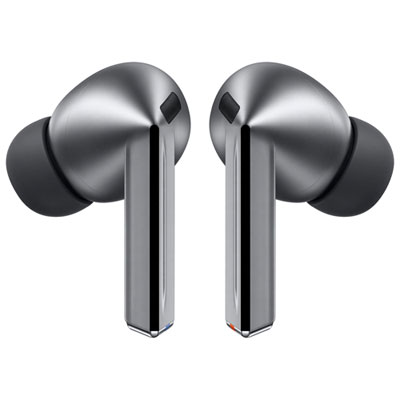 Your price for this item is $329.99
-
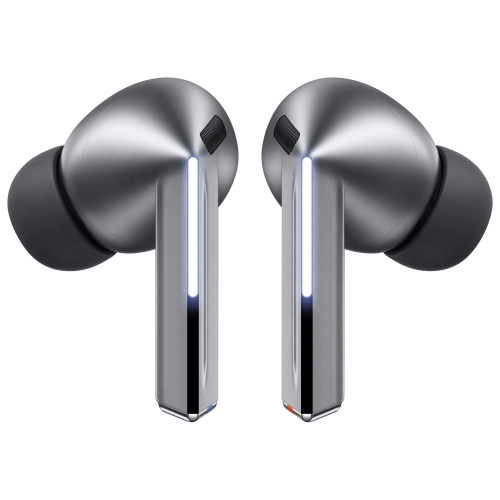 Your price for this item is $229
-
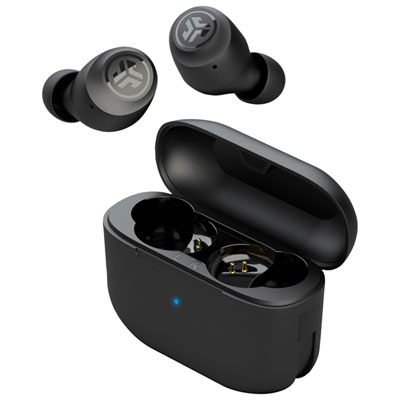 Your price for this item is $19.99
-
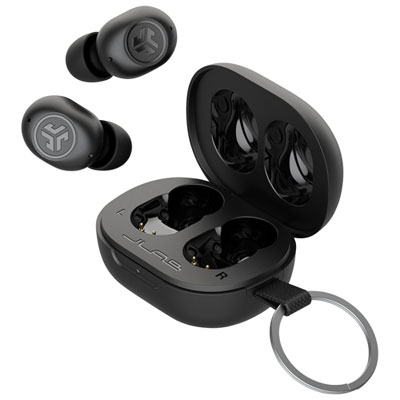 Your price for this item is $59.99
-
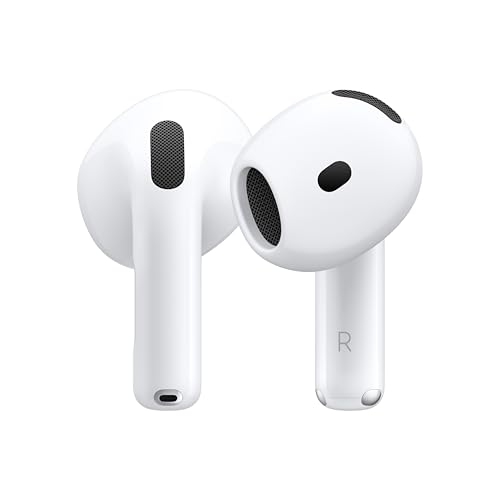 Your price for this item is $339.88
-
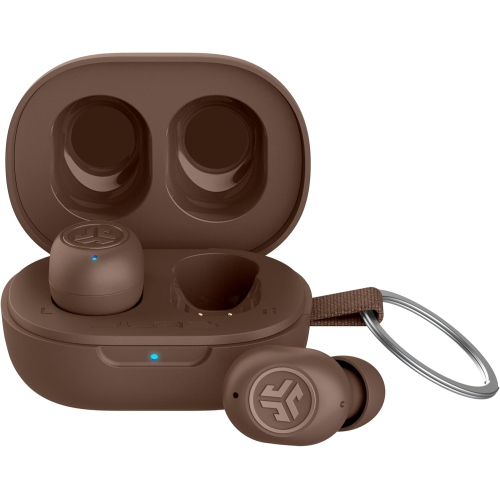 Your price for this item is $107.49
-
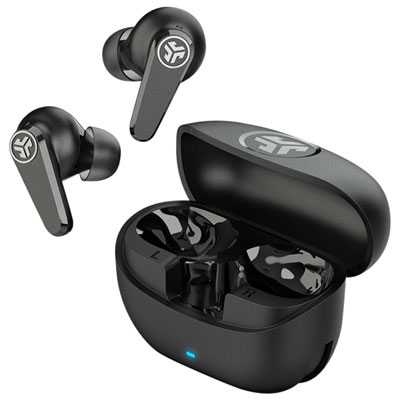 Your price for this item is $59.99
Discover more categories related to Headphones for Android

Top Collections:
Best Black Friday Deals This Year, Best Black Friday Deals On Electronics, Kindle Devices, Pokemon Centers, Best Black Friday Deals On Apple Products, Best Cameras for Sports Photography, Dyson Airwrap, Pokémon 30th Celebration Cards, Apple iPhone 17 Pro, Canon G7X Cameras
Some products may be subject to Environmental Handling Fees
(EHF) depending on your province.
Learn more about EHFs.