Headphone for Android Phone
If you're looking for a new pair of headphones to use with your Android phone, then these selections might be for you. These headphones are made to provide the best sound quality and functionality. Here are some of the best headphones available for you to choose from.
Sort


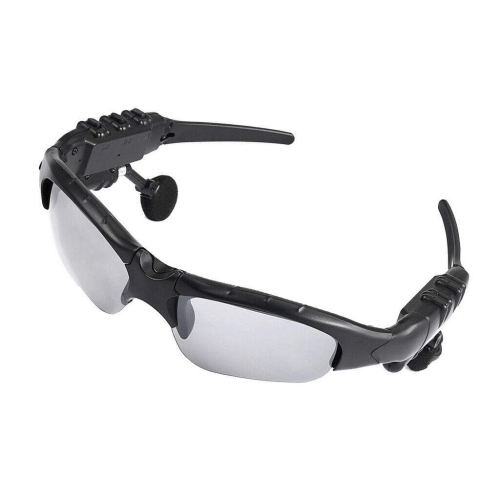
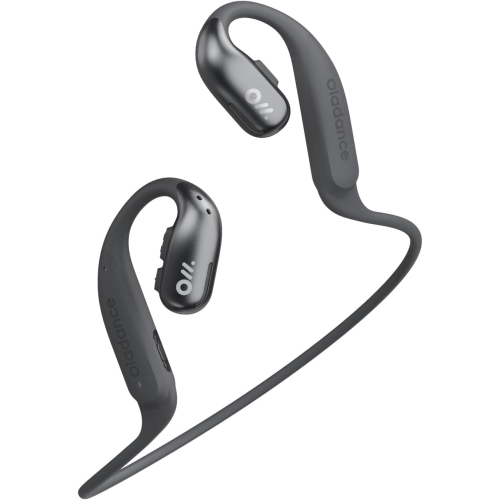
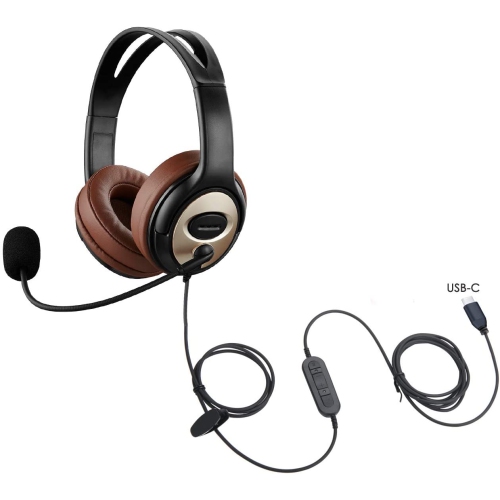
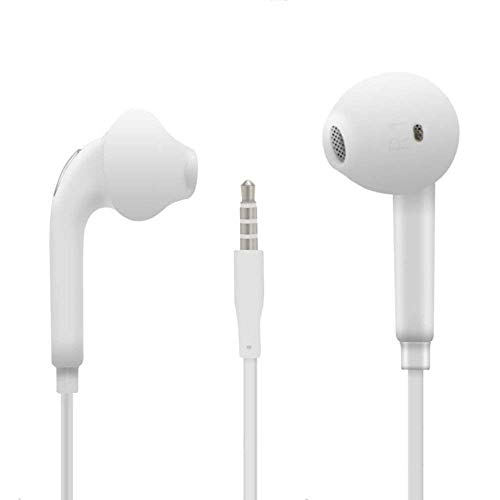
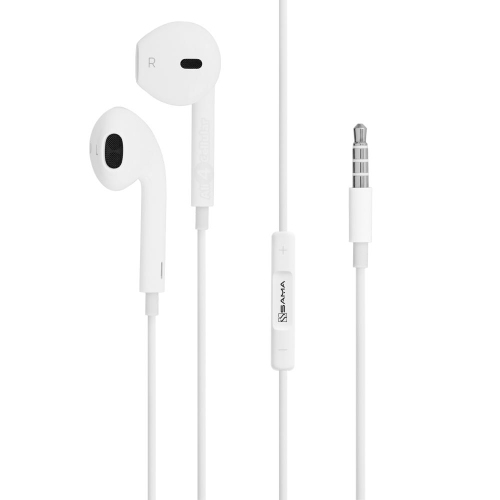



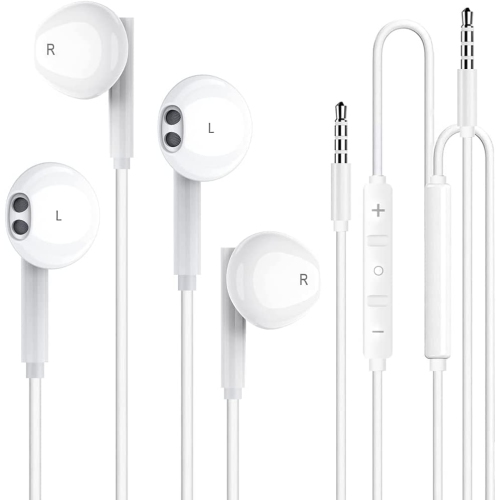
![SAMA [Box 100] Earphone With Mic 3.5MM Plug Compatible With Apple Iphone 6S 6 5S 5 4S 4, And All Other Android Devices](https://multimedia.bbycastatic.ca/multimedia/products/500x500/152/15229/15229335.jpg)


Better everyday listening starts with more than Bluetooth
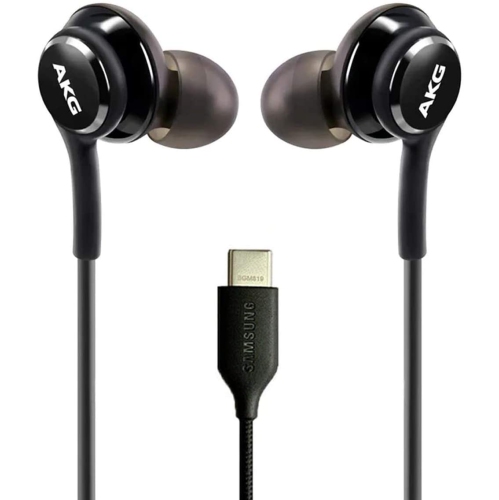
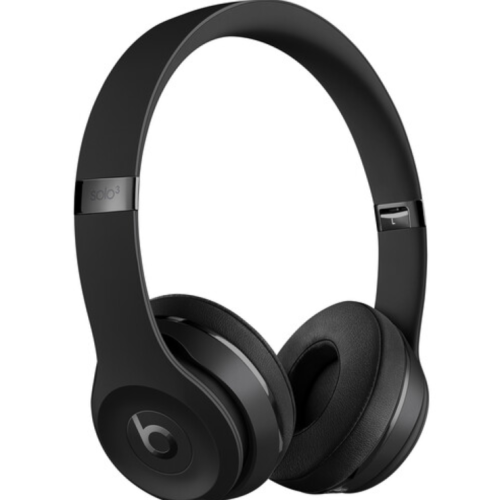
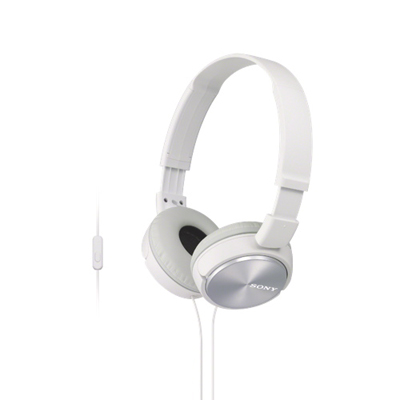
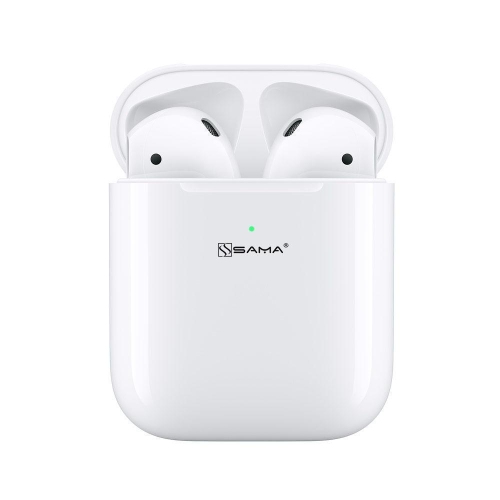
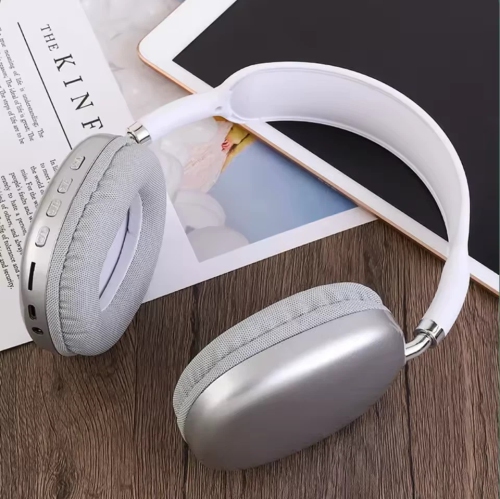
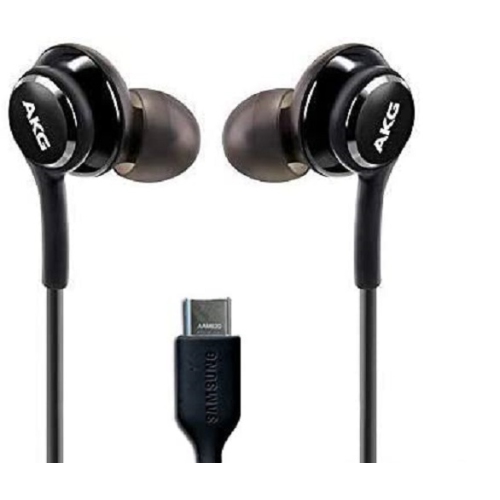
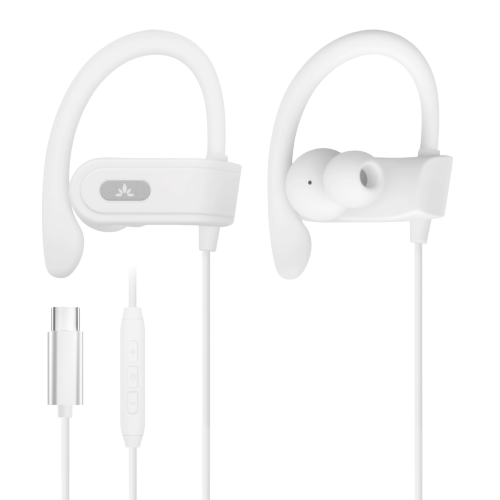
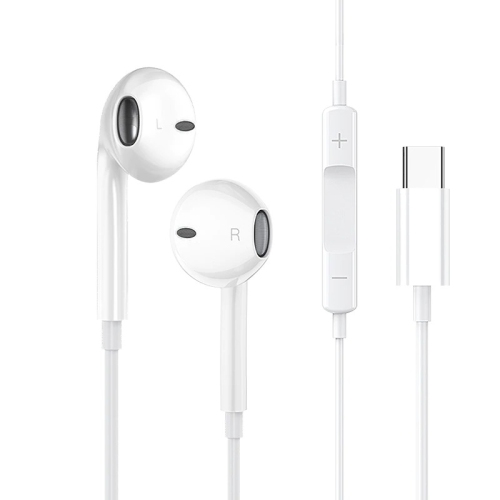
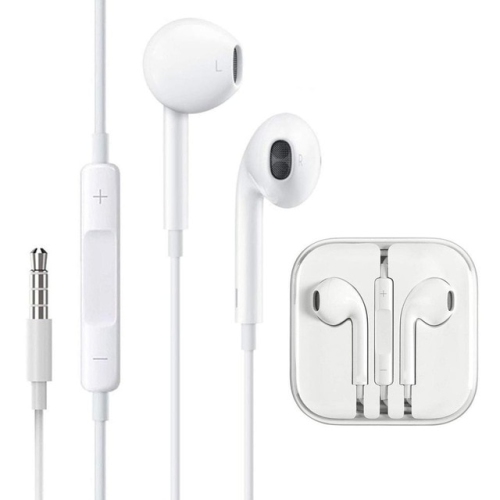
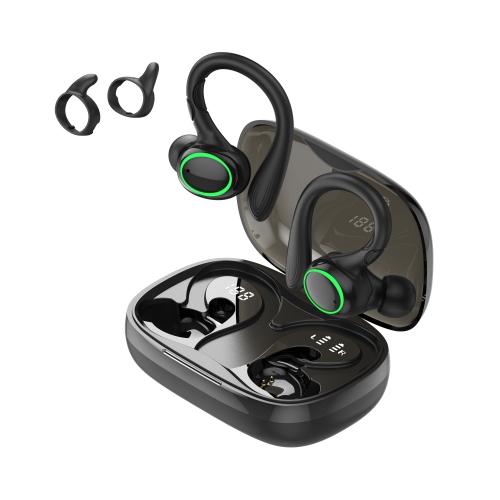
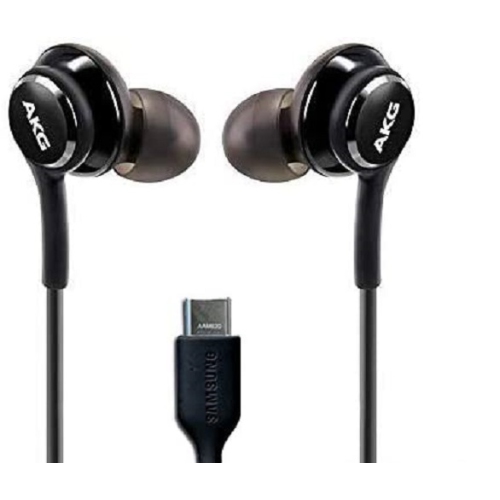
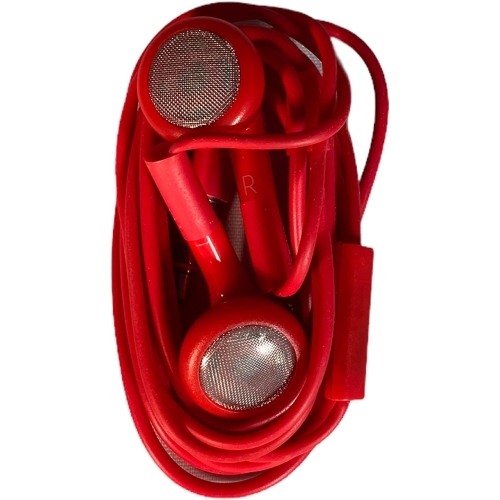
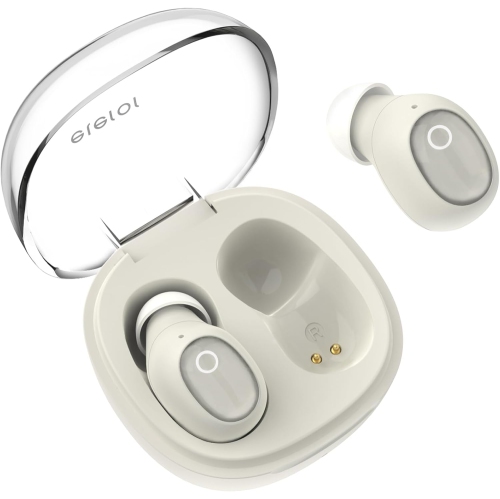
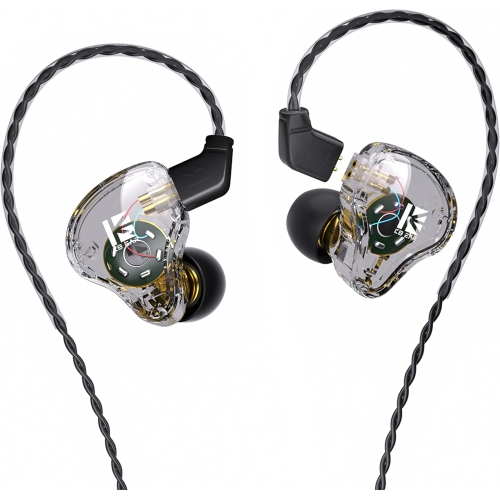
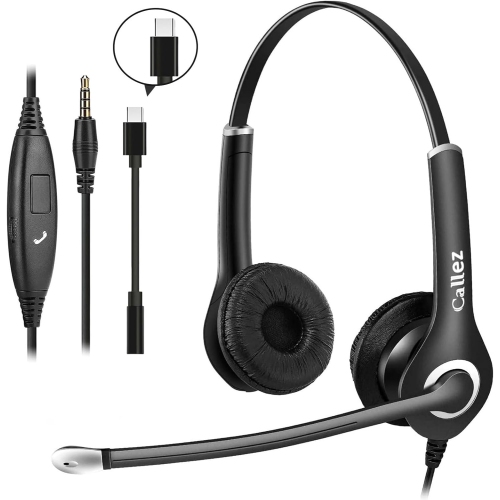
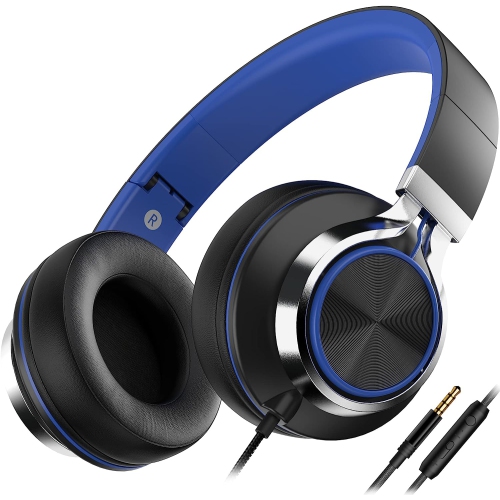
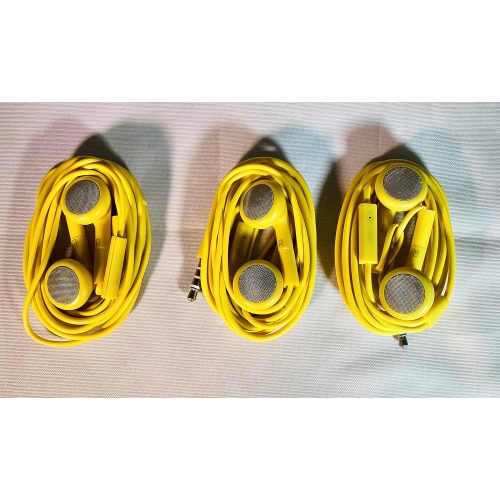
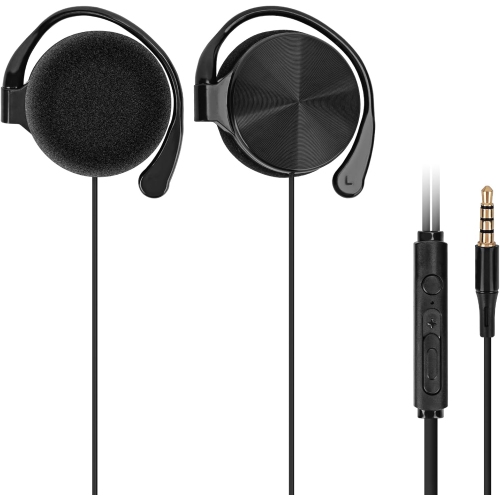
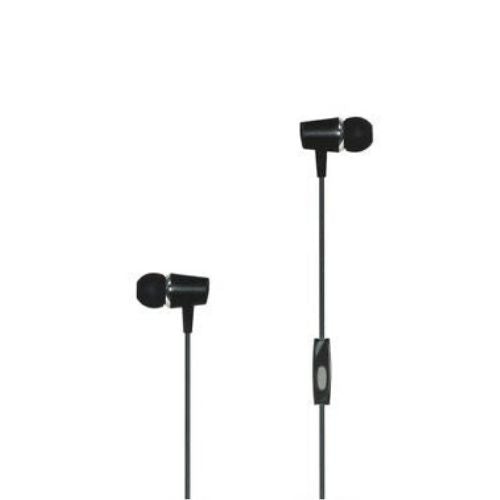
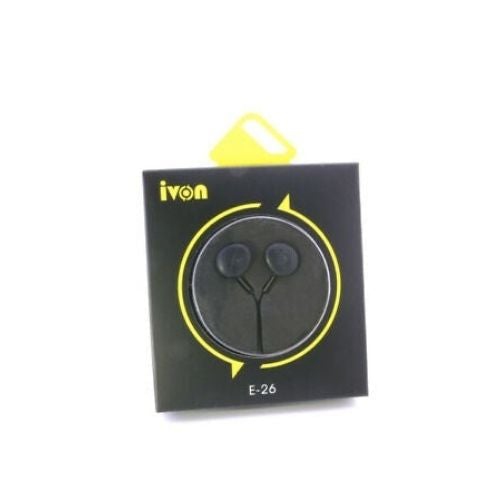
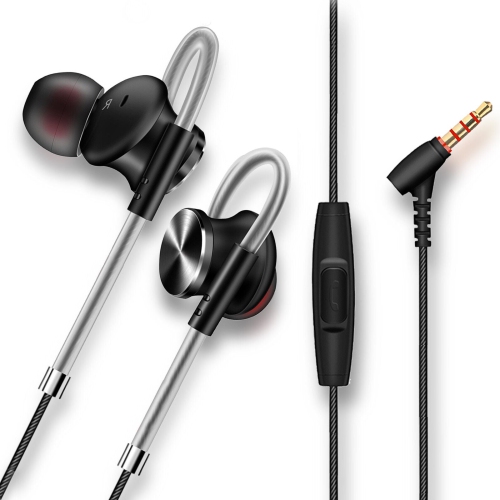
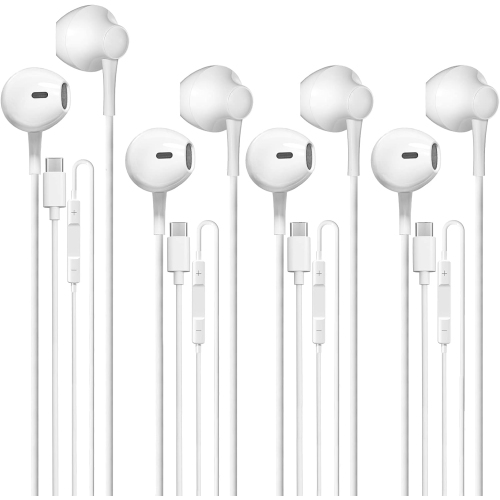
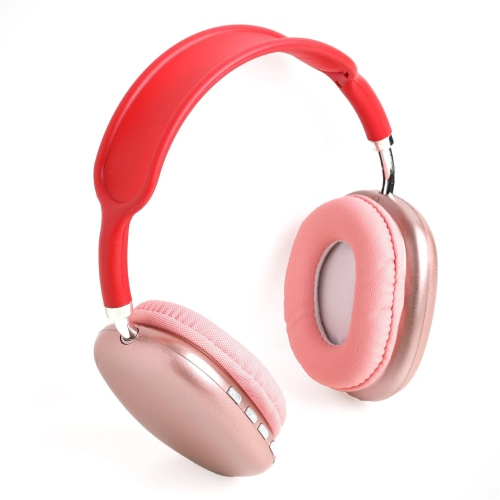
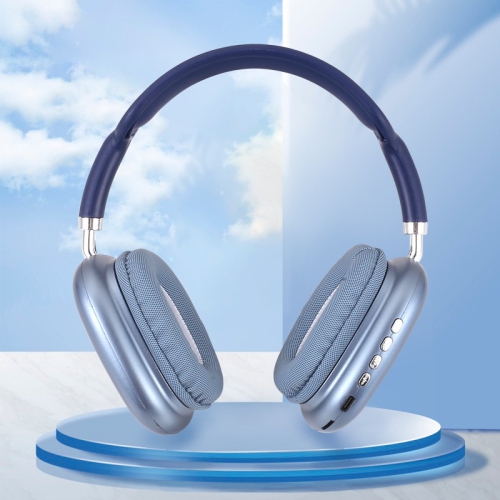
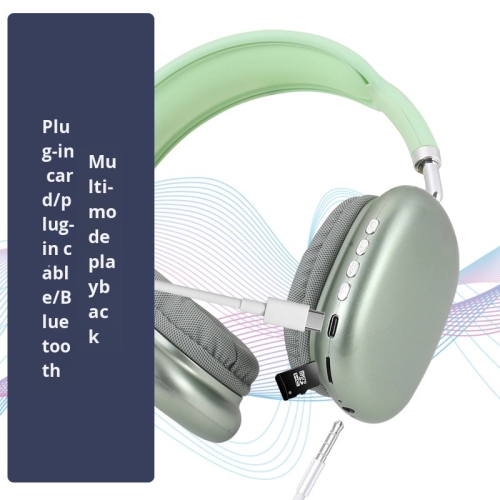
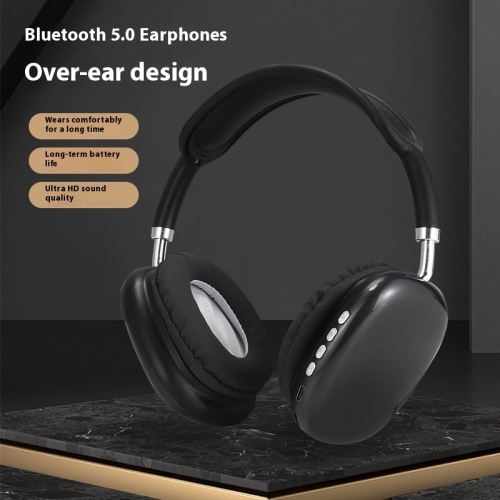
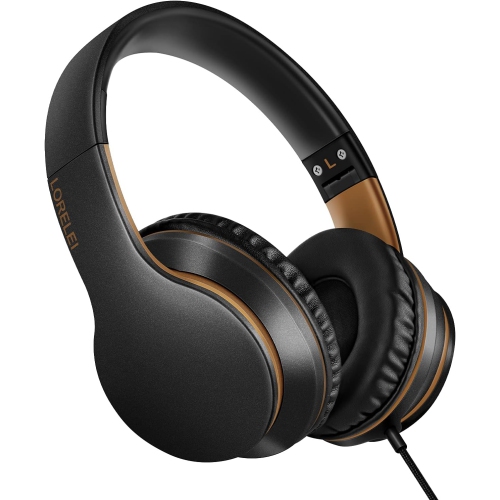
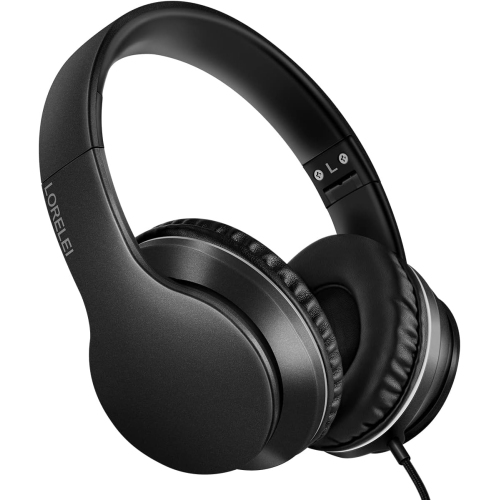
Headphones for Android phones bring music, podcasts, calls, and everyday entertainment closer, whether you are listening on a crowded train or settling into an audiobook at home. The best fit comes down to a few practical details: compatibility with your phone, comfort over the length of a typical listening session, sound that suits your taste, and features you will actually use. Wireless over-ear headphones offer a cushioned fit around the ears and often have room for larger batteries, while wireless earbuds slip into a pocket and travel easily between a morning commute and an evening workout. Wired headphones offer another useful option, especially if you prefer listening without keeping a separate headphone battery charged. When browsing Headphones for Android, distinguish basic connectivity from full feature support. Many Bluetooth headphones can play audio and handle calls with an Android phone, but app-based sound adjustments, voice assistant access, automatic device switching, and other extras depend on the headphones, phone, and software involved. A compatible companion app can make a meaningful difference, letting you adjust equalizer settings, change touch controls, check battery levels, or install firmware updates. Audio codec support is another consideration for wireless listening: both your phone and headphones need to support the same codec to use it, and results also depend on your audio source and connection conditions. Codec specifications alone do not tell you how enjoyable headphones will sound. Tuning, fit, and the seal around or inside your ears can have just as much influence on clear vocals, defined bass, and the small instrumental details that make a familiar song feel fresh. For wired listening, check the connection carefully. A phone with a headphone jack can accept a matching plug, while other phones may need compatible USB-C headphones or an audio adapter. USB-C audio and microphone support can vary, so a matching connector is not, by itself, a guarantee that every function will work. Those checks help narrow the choice to headphones that suit both your phone and your daily routine.
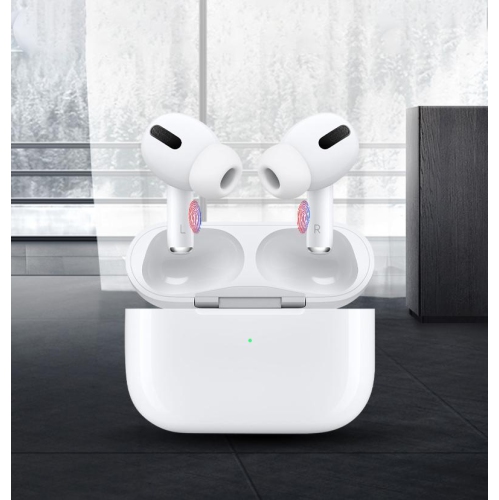
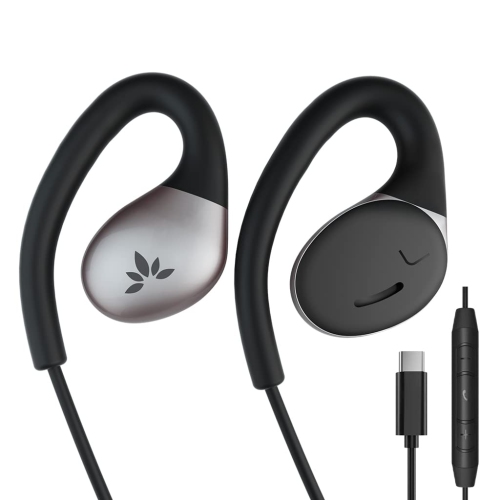
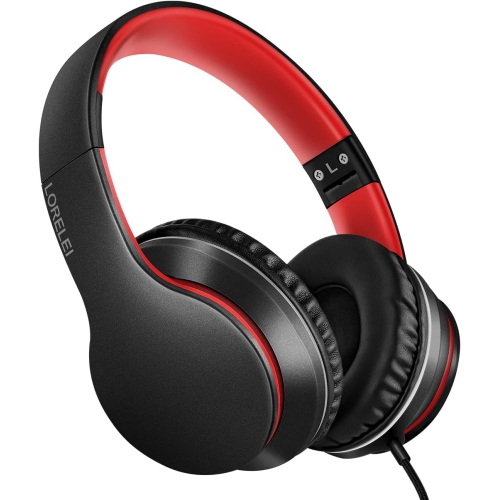
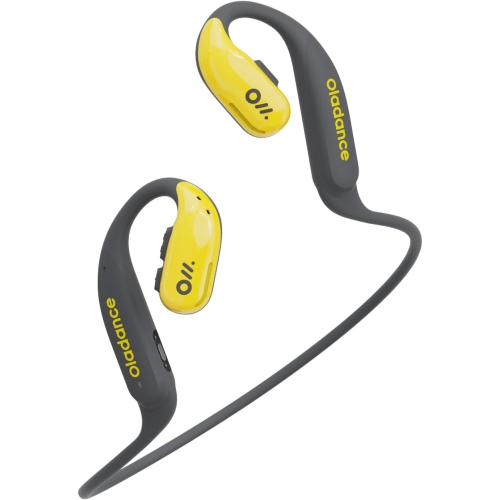
Comfort is often what separates headphones you enjoy briefly from a pair you reach for every day. Over-ear headphones should surround your ears without pressing them against the inside of the cups, and a padded, adjustable headband helps spread their weight. If you wear glasses, softer ear cushions and moderate clamping pressure may feel better during a long playlist or an afternoon of calls. On-ear headphones can be smaller and easier to carry, although their cushions rest directly on the ears, which some listeners find tiring over time. Earbuds depend more heavily on shape and fit. Several ear tip sizes give you more opportunity to find a snug seal without pushing the buds too deeply, and a secure fit helps maintain bass response as you move. For someone who listens while walking to class or working through a gym session, stability can matter more than a long feature list. Look for a stated water-resistance rating if sweat or light rain is part of the routine, and check what that rating covers; resistance on the earbuds does not necessarily extend to their charging case. Active noise cancellation is especially useful for reducing steady background sounds such as ventilation noise or the rumble of transit. It does not remove every sound, and nearby voices or sudden noises may still come through. Passive isolation—the reduction created by ear cushions or sealed ear tips—also plays an important role. Transparency or ambient listening modes let some outside sound reach your ears, which can be convenient when an announcement begins or a colleague stops by your desk. Open-ear designs offer a different approach by leaving the ear canal unsealed, though bass and clarity may be less pronounced in noisy places. During the cooler months, it is worth considering how headphones sit alongside a hood, toque, or scarf. A bulky ear cup can catch on a high collar, while an exposed earbud control may be awkward to operate with gloves. Small design details become noticeable when listening is woven into the day rather than saved for a quiet room.
Battery life, controls, and microphone performance deserve as much attention as sound quality, particularly when your Android phone is also your workday connection. Compare the stated listening time on a single charge with the total time available through an earbud charging case; they describe different things. Noise cancellation, higher volume, calls, and some audio settings can shorten battery life, so leave a little room beyond your usual listening needs. Quick charging can be handy when you notice a low battery just before heading out, but check how much listening time a short charge provides and whether particular charging equipment is required. For anyone moving between a phone and a laptop, Bluetooth multipoint can reduce the need to disconnect and pair again, provided the headphones support the devices and functions you need. It is not identical to every form of automatic switching, and behaviour can vary during calls or media playback. Microphone quality matters for conversations on the move: headphones that sound excellent for music may still struggle to keep your voice clear beside traffic or in a breezy outdoor space. Look for information about call performance, rather than assuming that listening noise cancellation also guarantees clearer speech for the person on the other end. Physical buttons can be easier to locate by touch, while touch controls offer convenient gestures but may take practice. Students may value compact storage and enough battery life for lectures, study breaks, and the trip home. Frequent travellers may prefer effective noise cancellation, a protective case, and wired listening capability where supported. For mobile gaming and video, low-latency features can be useful, although availability and performance depend on the phone, headphones, and app. Headphones also make a thoughtful gift when you know how the recipient listens: a lightweight pair for daily walks, cushioned over-ear headphones for evening albums, or pocket-sized earbuds for a busy commute. For a gift, confirming their phone connection and preferred style is more useful than choosing by appearance alone. The most satisfying purchase balances those everyday needs with your budget, putting reliable fit, compatible features, and enjoyable sound ahead of extras that may go unused.
Comfort is often what separates headphones you enjoy briefly from a pair you reach for every day. Over-ear headphones should surround your ears without pressing them against the inside of the cups, and a padded, adjustable headband helps spread their weight. If you wear glasses, softer ear cushions and moderate clamping pressure may feel better during a long playlist or an afternoon of calls. On-ear headphones can be smaller and easier to carry, although their cushions rest directly on the ears, which some listeners find tiring over time. Earbuds depend more heavily on shape and fit. Several ear tip sizes give you more opportunity to find a snug seal without pushing the buds too deeply, and a secure fit helps maintain bass response as you move. For someone who listens while walking to class or working through a gym session, stability can matter more than a long feature list. Look for a stated water-resistance rating if sweat or light rain is part of the routine, and check what that rating covers; resistance on the earbuds does not necessarily extend to their charging case. Active noise cancellation is especially useful for reducing steady background sounds such as ventilation noise or the rumble of transit. It does not remove every sound, and nearby voices or sudden noises may still come through. Passive isolation—the reduction created by ear cushions or sealed ear tips—also plays an important role. Transparency or ambient listening modes let some outside sound reach your ears, which can be convenient when an announcement begins or a colleague stops by your desk. Open-ear designs offer a different approach by leaving the ear canal unsealed, though bass and clarity may be less pronounced in noisy places. During the cooler months, it is worth considering how headphones sit alongside a hood, toque, or scarf. A bulky ear cup can catch on a high collar, while an exposed earbud control may be awkward to operate with gloves. Small design details become noticeable when listening is woven into the day rather than saved for a quiet room.
Battery life, controls, and microphone performance deserve as much attention as sound quality, particularly when your Android phone is also your workday connection. Compare the stated listening time on a single charge with the total time available through an earbud charging case; they describe different things. Noise cancellation, higher volume, calls, and some audio settings can shorten battery life, so leave a little room beyond your usual listening needs. Quick charging can be handy when you notice a low battery just before heading out, but check how much listening time a short charge provides and whether particular charging equipment is required. For anyone moving between a phone and a laptop, Bluetooth multipoint can reduce the need to disconnect and pair again, provided the headphones support the devices and functions you need. It is not identical to every form of automatic switching, and behaviour can vary during calls or media playback. Microphone quality matters for conversations on the move: headphones that sound excellent for music may still struggle to keep your voice clear beside traffic or in a breezy outdoor space. Look for information about call performance, rather than assuming that listening noise cancellation also guarantees clearer speech for the person on the other end. Physical buttons can be easier to locate by touch, while touch controls offer convenient gestures but may take practice. Students may value compact storage and enough battery life for lectures, study breaks, and the trip home. Frequent travellers may prefer effective noise cancellation, a protective case, and wired listening capability where supported. For mobile gaming and video, low-latency features can be useful, although availability and performance depend on the phone, headphones, and app. Headphones also make a thoughtful gift when you know how the recipient listens: a lightweight pair for daily walks, cushioned over-ear headphones for evening albums, or pocket-sized earbuds for a busy commute. For a gift, confirming their phone connection and preferred style is more useful than choosing by appearance alone. The most satisfying purchase balances those everyday needs with your budget, putting reliable fit, compatible features, and enjoyable sound ahead of extras that may go unused.
Top selling and popular products
-
 Your price for this item is $25.99
 -
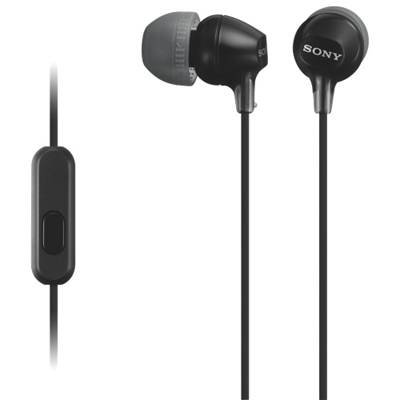 Your price for this item is $15.98
 -
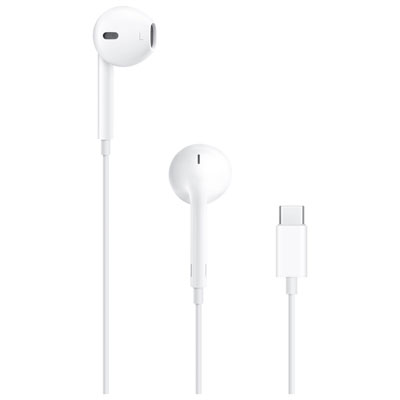 Your price for this item is $25.99
 -
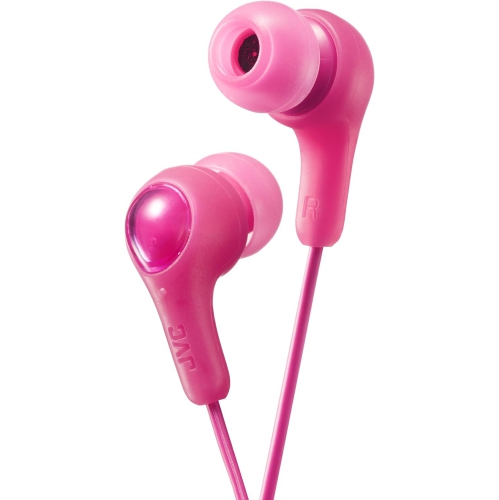 Your price for this item is $25.98
 -
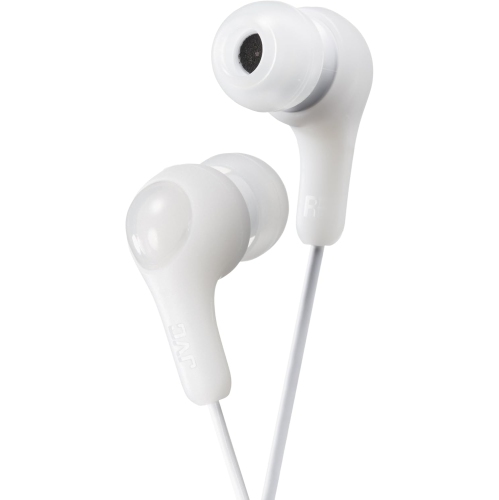 Your price for this item is $25.98
 -
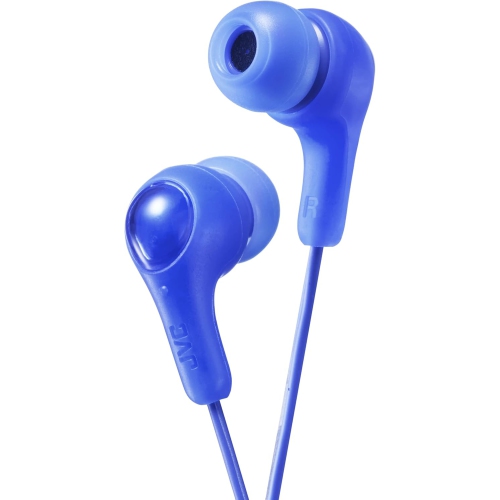 Your price for this item is $25.98
 -
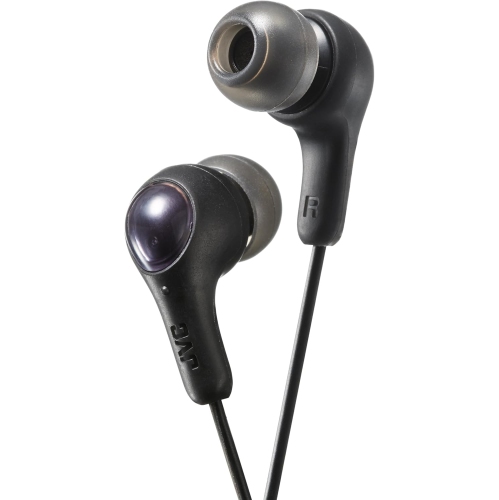 Your price for this item is $25.98
 -
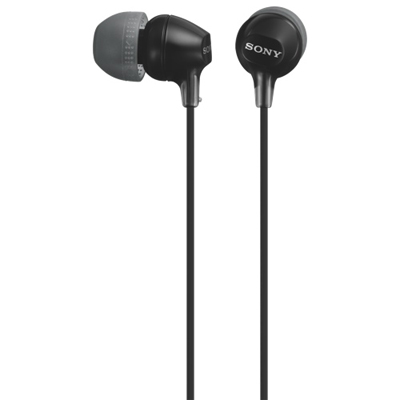 Your price for this item is $12.99
Discover more categories related to Headphone for Android Phone

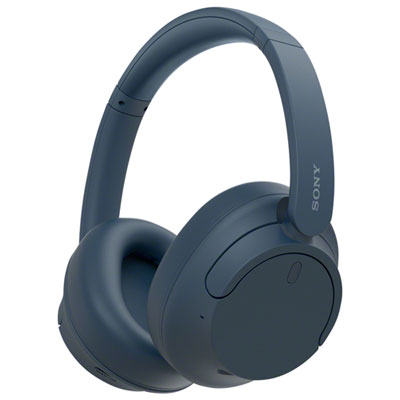
Top Collections:
Pokemon Centers, Kindle Devices, Best Budget Office Chairs, Apple iPhones 16, Best Laptops for Writers, iPhone 15 Apple, Canon G7X Cameras, Refurbished Apple Laptops, Alarm Clock, Motorola Razr Phones
Some products may be subject to Environmental Handling Fees
(EHF) depending on your province.
Learn more about EHFs.