High Definition Receivers
Upgrade your home entertainment system with our selection of high definition receivers. Experience crystal-clear audio and stunning visuals with these cutting-edge devices that deliver immersive sound and picture quality. Whether you're a movie buff, a music lover, or a gaming enthusiast, our high definition receivers are designed to enhance your viewing and listening experience to the next level. Explore our range of receivers to find the perfect match for your entertainment needs.
Sort
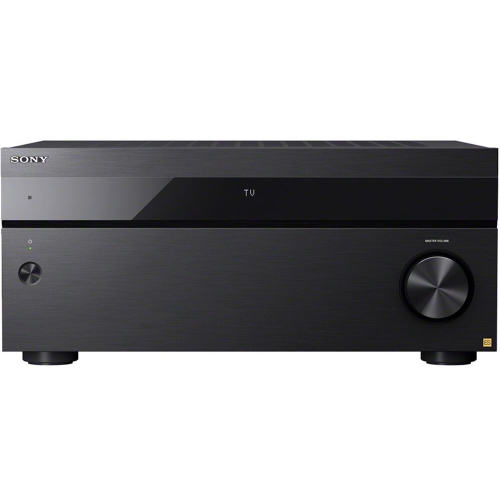

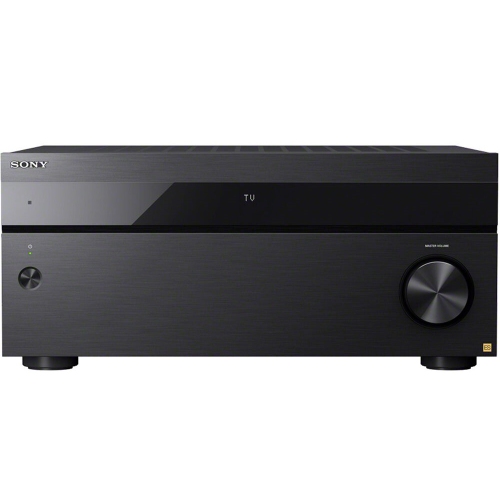
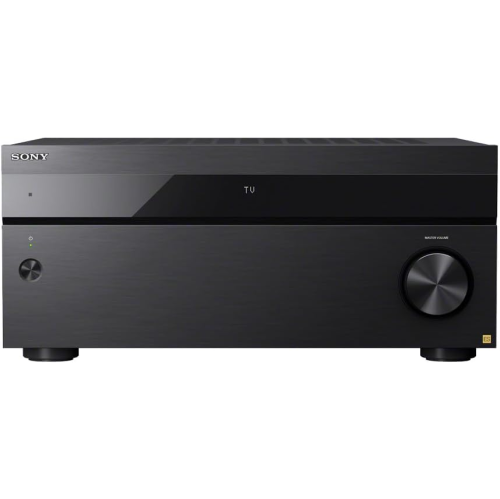

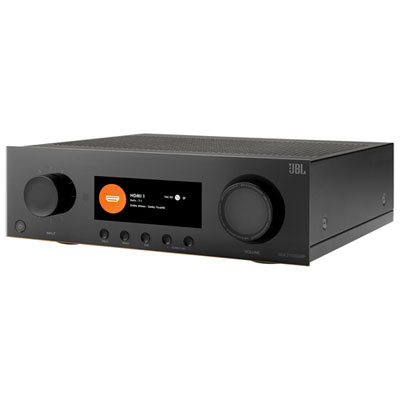


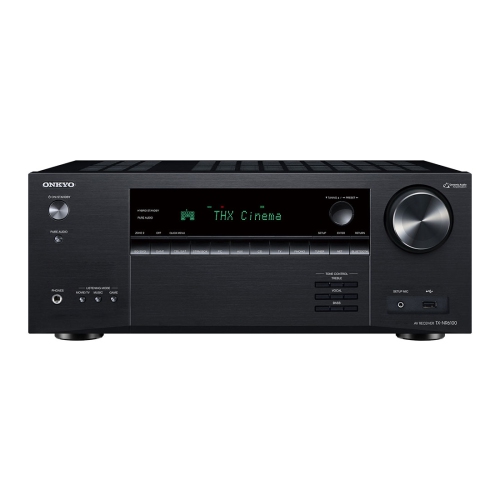
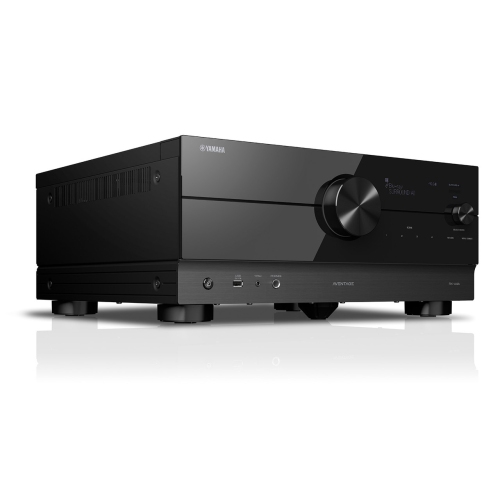
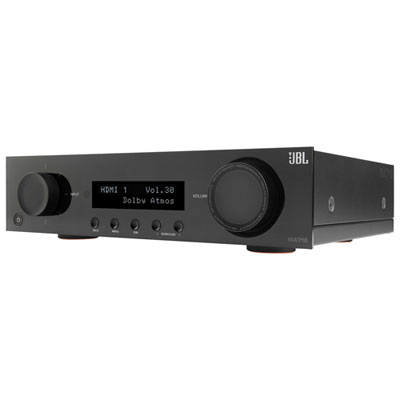
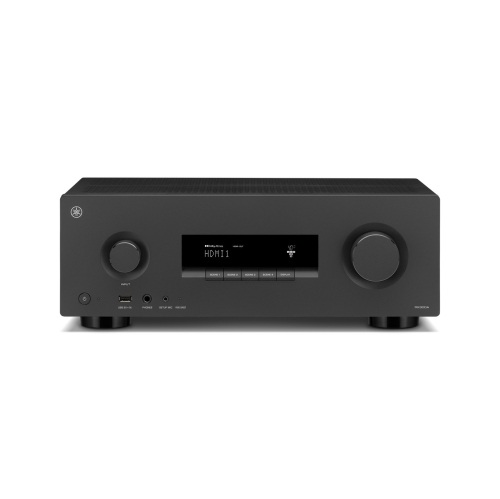


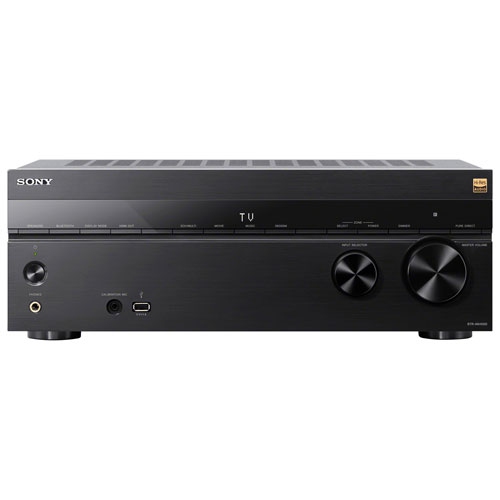
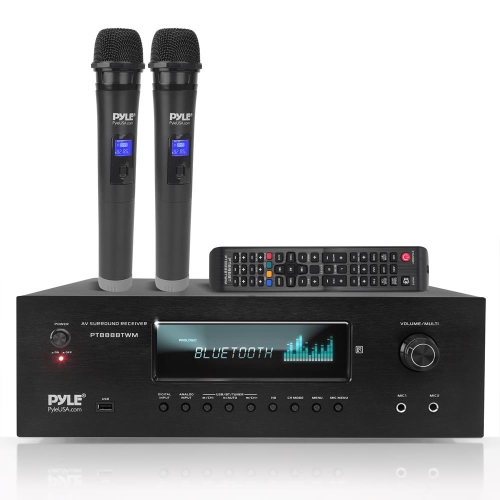


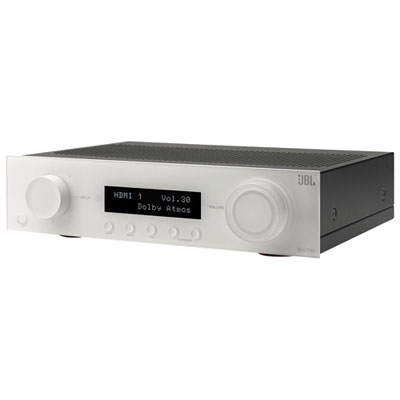
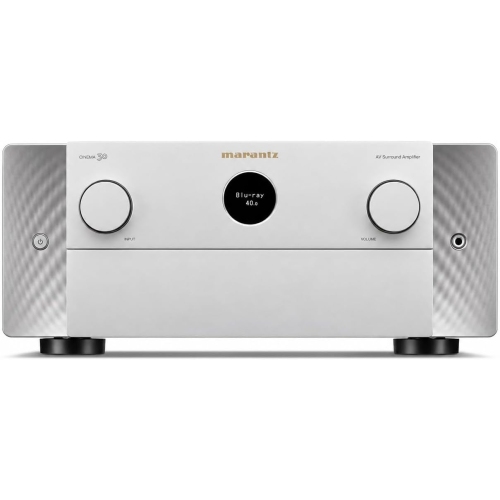

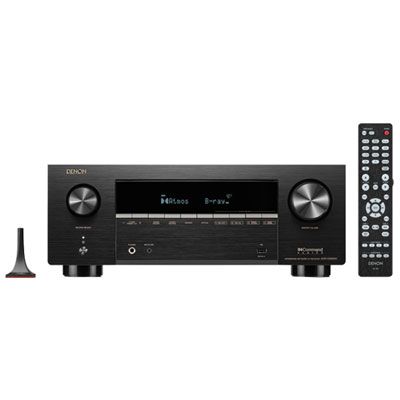
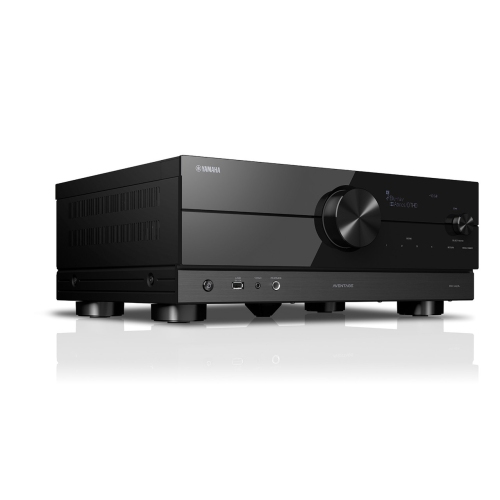
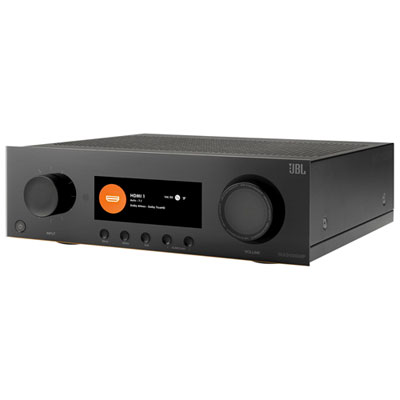


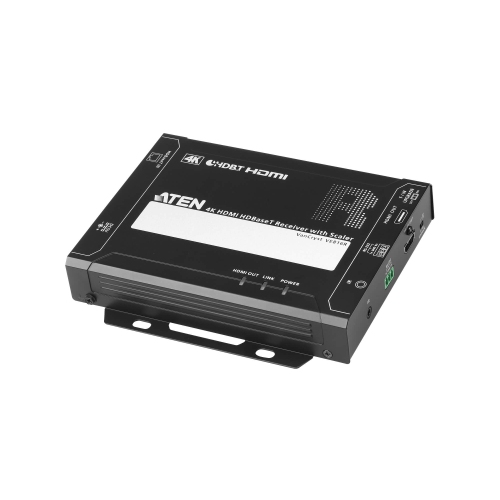


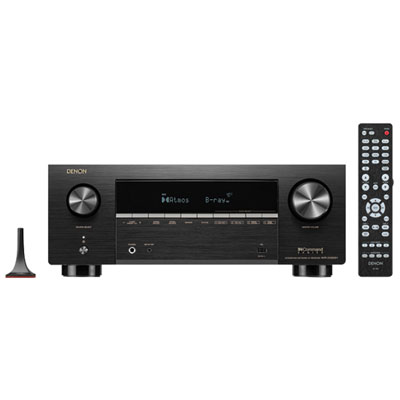
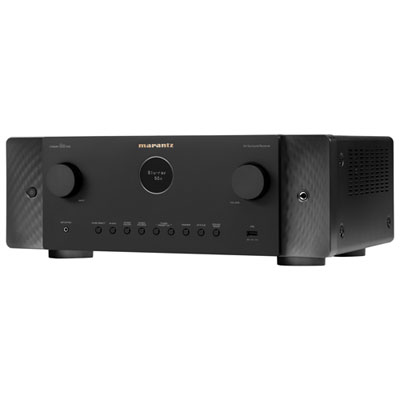
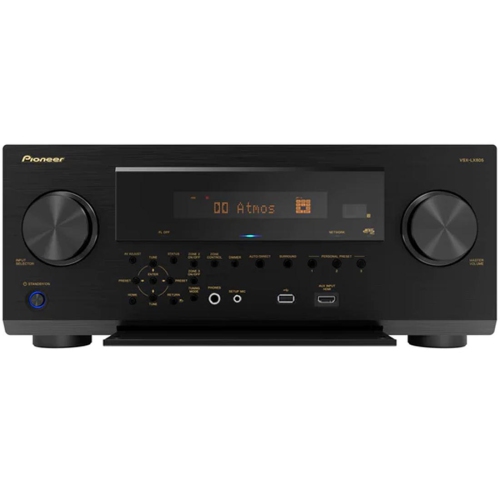


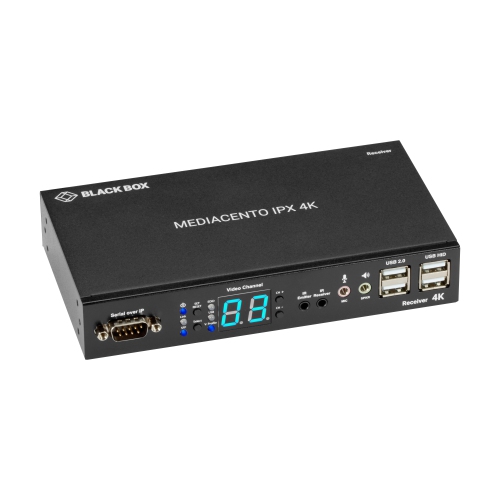


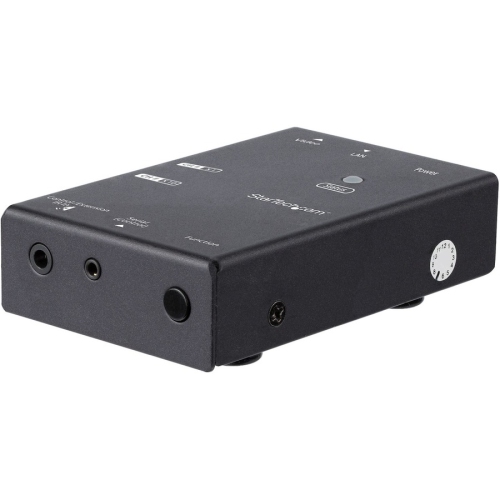

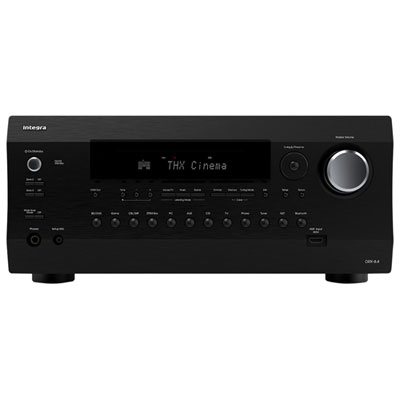
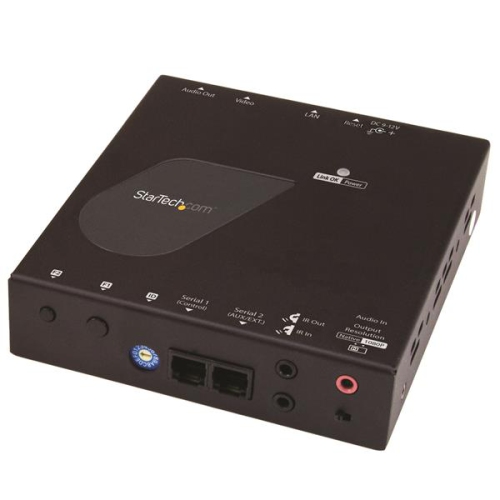


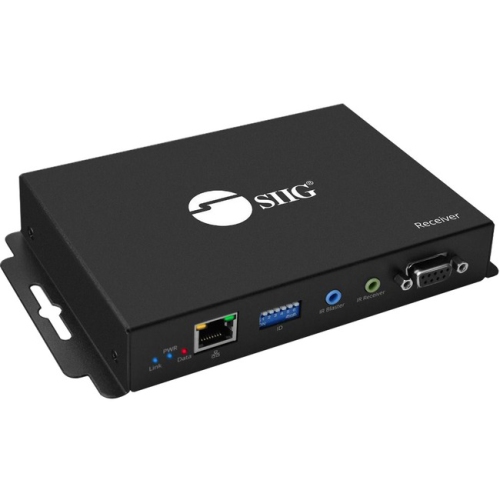


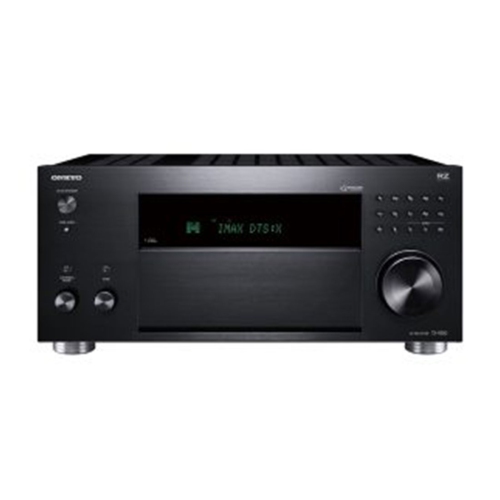


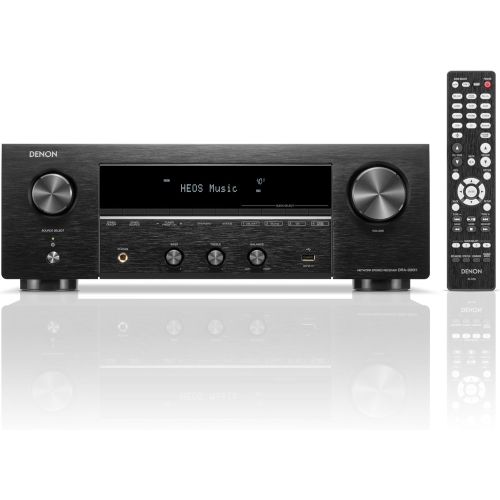
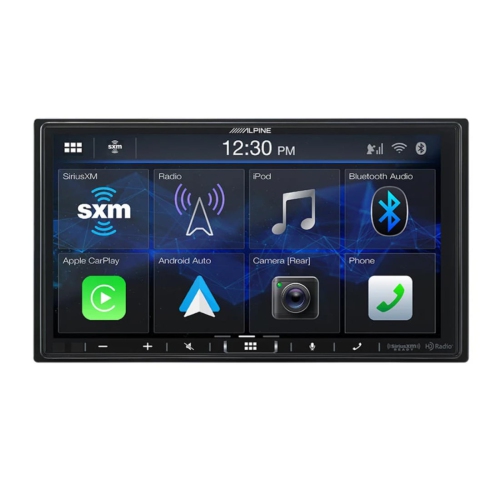


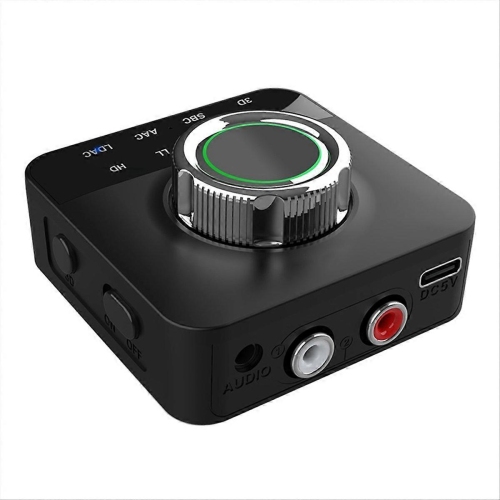


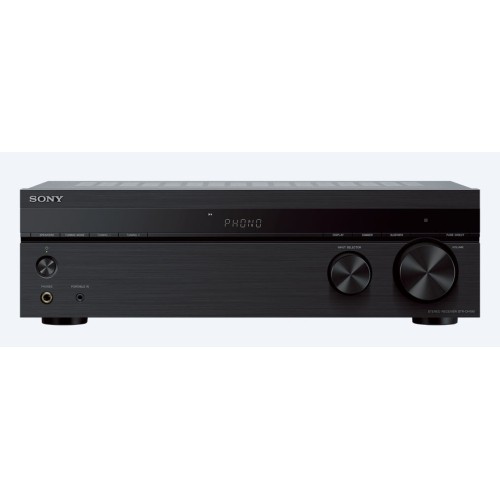


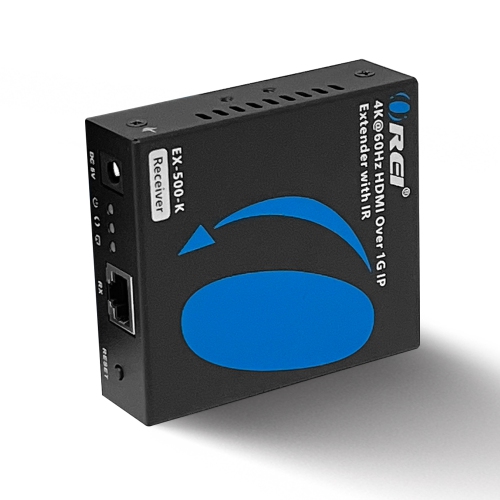


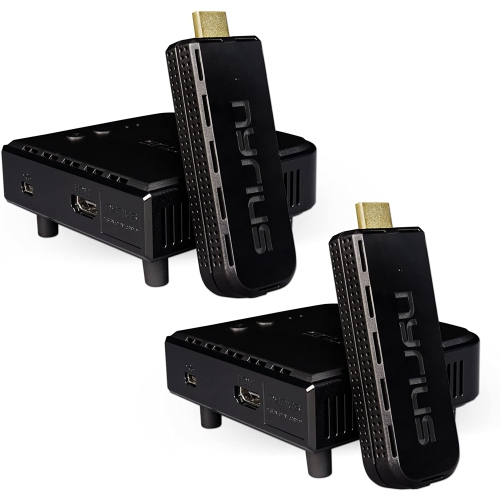


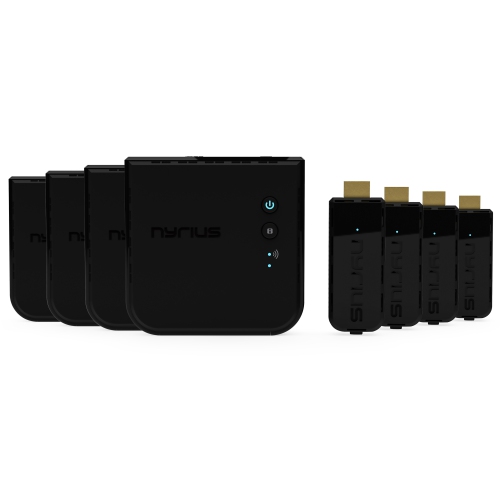
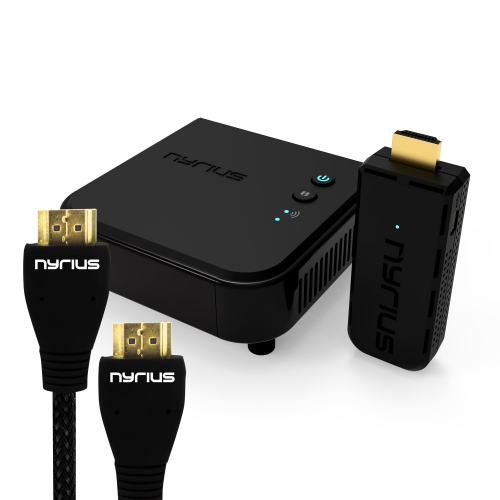



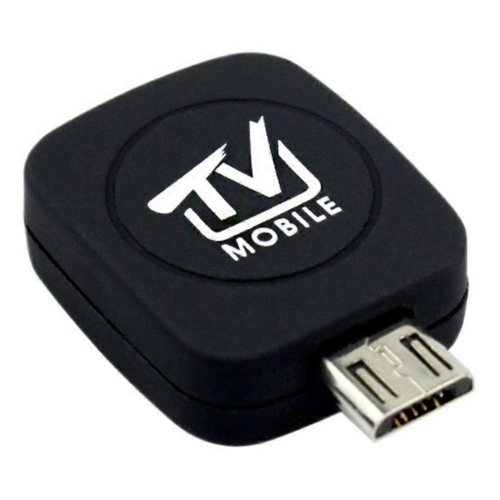
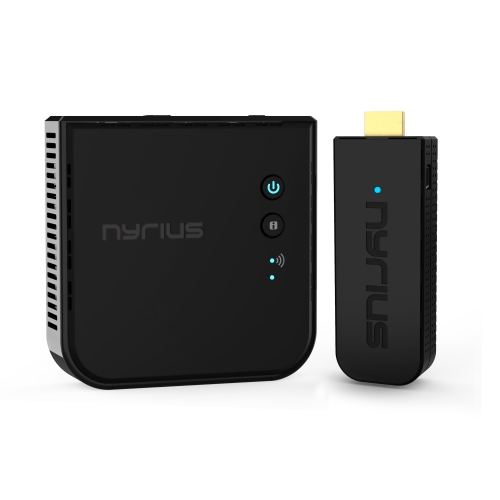
From films to games without swapping cables
High definition receivers bring audio and video connections together, helping a television, source devices, and speakers work as a coordinated home entertainment system. In a home theatre setup, an audio/video receiver accepts signals from connected equipment, routes the picture to a compatible display, and processes and amplifies sound for passive speakers. This makes it possible to switch from a film to a game without moving cables between devices, while keeping dialogue, music, and effects connected to the same speaker system. The term can also refer to television receivers that process cable, satellite, or over-the-air broadcasts. Those serve a different purpose: a broadcast receiver provides access to compatible television signals, while a home theatre receiver primarily manages connected entertainment sources and sound. A cable or satellite receiver may require service-provider authorization, and an over-the-air tuner needs a suitable antenna and local signal coverage. For a home theatre receiver, picture compatibility starts with the resolutions and video formats supported across the full connection path. High definition commonly refers to 720p and 1080p video, while 4K and 8K support extends compatibility to higher-resolution sources and displays. Pass-through allows a compatible video signal to travel through the receiver to the screen; it does not mean the receiver improves the source image. Upscaling is a separate processing feature that converts lower-resolution video to a higher output resolution, although it cannot recreate all the detail of content originally captured at that resolution. For setups where that distinction matters, Upscaling Receivers provide a related category to explore. A receiver’s supported resolution is only part of picture compatibility, since refresh rate, high dynamic range support, and copy-protection requirements can also affect what reaches the display. Matching those capabilities to the television and source equipment helps preserve the picture features already built into the system, whether the screen is used for broadcast programming, films, or console gaming.
The audio side of a high definition receiver shapes how convincingly a room carries everything from quiet conversation to a crowded stadium. A basic stereo arrangement uses left and right speakers, while a surround setup adds channels for a centre speaker and speakers beside or behind the listening position. In a typical 5.1-channel system, five main speaker channels work alongside a low-frequency effects channel usually delivered through a powered subwoofer. The centre speaker helps anchor dialogue to the screen, which can be especially useful when several people sit across a wide sofa rather than directly in front of the television. Receivers supporting height channels and compatible immersive audio formats can add a vertical dimension, provided the content and speaker arrangement support it. Channel counts deserve a closer look because the number of channels a receiver can process is not always the same as the number it can amplify without extra equipment. Likewise, multiple subwoofer connections do not necessarily mean each output has independent adjustment. Speaker matching also involves the receiver’s supported impedance and the speakers’ power requirements and sensitivity, rather than simply choosing the largest wattage figure. Published power ratings are most useful when their measurement conditions are comparable, including how many channels were driven during testing. In a compact living room, clear sound at comfortable listening levels may matter more than maximum output. In a larger space, speaker placement and listening distance become increasingly important. Automatic room calibration, where included, uses a measurement microphone to help adjust levels, timing, and frequency balance for the seating area. It can improve integration, but it cannot fully correct a speaker hidden inside a cabinet or a room full of strongly reflective surfaces. Dialogue adjustment and reduced-dynamic-range listening modes can make everyday viewing more comfortable, particularly when speech sounds quiet but action scenes become much louder. For music listeners, stereo playback and a well-integrated subwoofer can be just as valuable as an extensive surround layout.
Connections, physical fit, and straightforward operation determine how comfortably a receiver fits into daily life. Enough HDMI inputs allow a streaming device, game console, disc player, and television box to remain connected, with room for another source later. The capabilities of individual inputs can differ, so the connection used for a high-refresh-rate game console needs to support the intended video format, not just accept an HDMI plug. A compatible enhanced audio return channel connection can carry supported audio from television apps back to the receiver through the same HDMI cable used for the display connection. Results depend on the television’s audio output settings, supported formats, and receiver compatibility. Optical and analogue inputs remain useful for some older equipment, while a turntable may need a dedicated phono input or a separate phono preamplifier. Network features, including Ethernet or Wi-Fi where supported, can add music playback and app-based control; wireless audio connections may offer convenience but do not automatically replace wired connections to passive surround speakers. For furniture fit, cabinet depth matters as much as the receiver’s stated dimensions because speaker wire, HDMI plugs, and power cables need space behind the chassis. Many receivers use a metal chassis with a mix of metal and plastic exterior parts, but materials alone do not determine durability. Secure terminals, accessible controls, unobstructed ventilation, and stable placement all contribute to practical long-term use. An enclosed shelf or a stack of equipment resting directly over the vents can restrict airflow, so the manufacturer’s clearance requirements are important. With the receiver switched off and unplugged, a soft, dry cloth is generally suitable for exterior dusting; liquids should stay away from vents and connections. Clearly labelled cables and sensible input names make a shared system easier to use, especially when one remote operates several components. A receiver can suit film enthusiasts, gamers, music listeners, or households bringing older speakers into a refreshed setup. As a gift, it benefits from knowing the recipient’s existing speakers, television connections, and available shelf space, since compatibility matters more than an impressive feature list. The most useful configuration supports the equipment and listening habits already in place while leaving sensible room for future additions.
Top selling and popular products
-
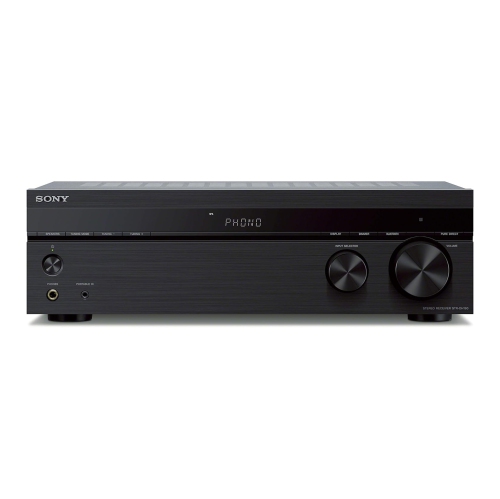 Your price for this item is $259
-
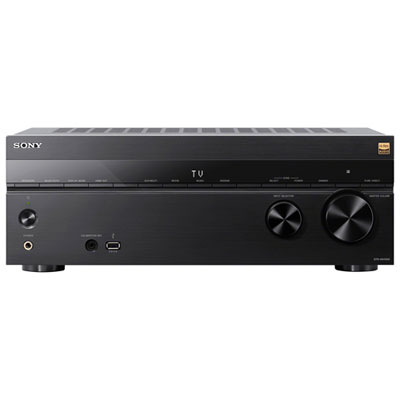 Your price for this item is $1299.99
-
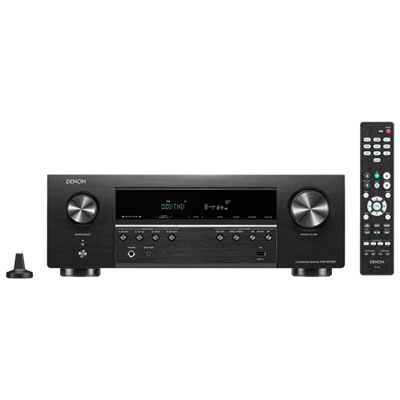 Your price for this item is $549.99
-
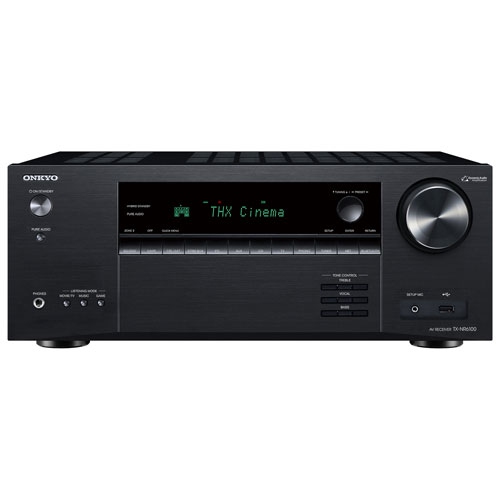 Your price for this item is $988
-
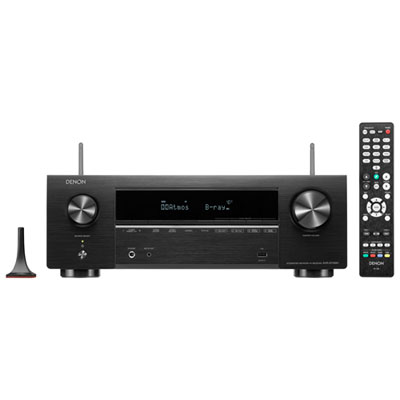 Your price for this item is $999.99
-
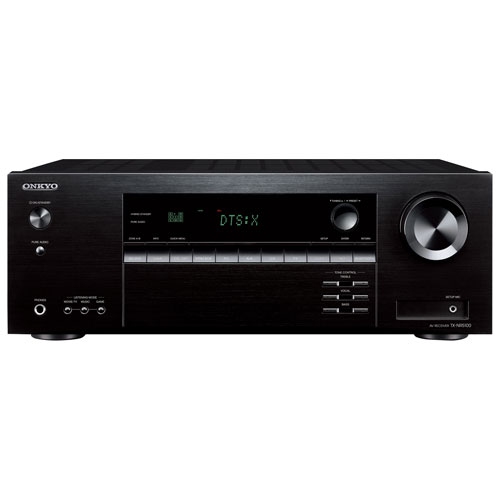 Your price for this item is $777
-
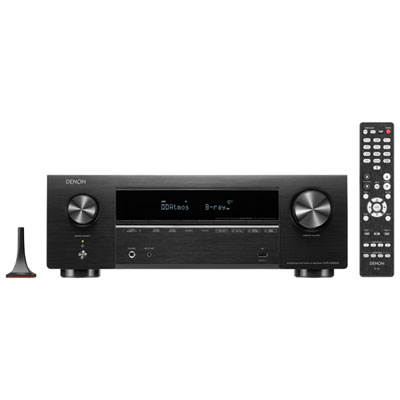 Your price for this item is $1099.99
-
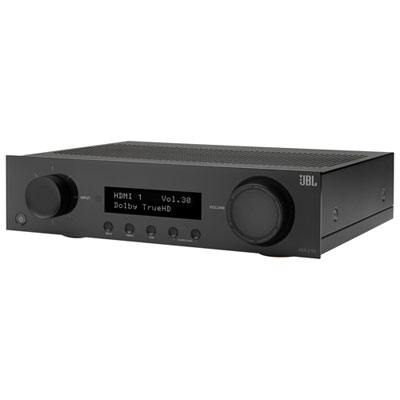 Your price for this item is $599.99
Discover more categories related to High Definition Receivers
Top Collections:
Pokemon Centers, Kindle Devices, Best Cameras for Sports Photography, Best Budget Office Chairs, Pokémon 30th Celebration Cards, Apple iPhones 16, Canon G7X Cameras, iPhone 15 Apple, Flip Phones, Samsung Galaxy Phones
Some products may be subject to Environmental Handling Fees
(EHF) depending on your province.
Learn more about EHFs.