High End Surround Sound Systems
High End Surround Sound Systems transform your home entertainment experience with immersive audio that brings movies, music, and games to life. Designed for discerning listeners, these advanced systems deliver exceptional clarity and depth, creating a theater-like atmosphere in any room. Explore a range of configurations and styles to find the perfect fit for your space and elevate every moment with powerful, dynamic sound. Discover the difference High End Surround Sound Systems can make in your home setup.
Sort
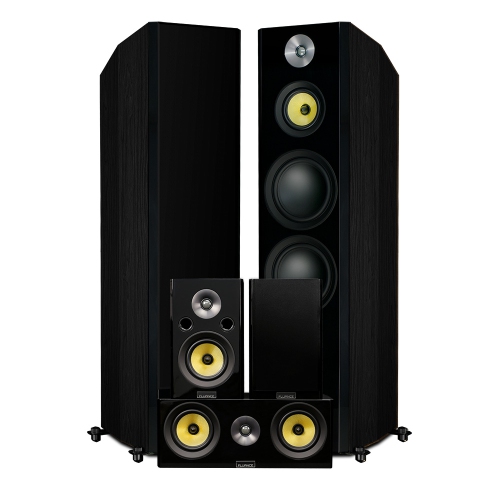
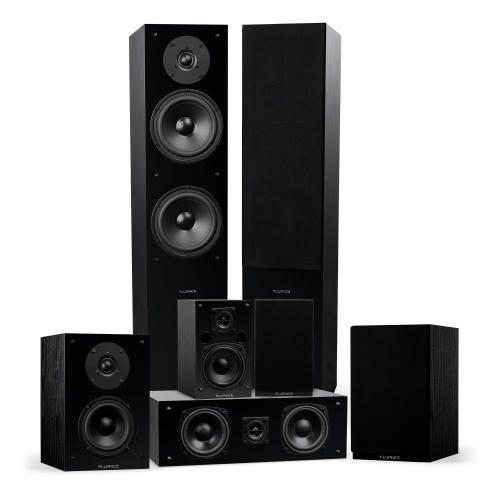

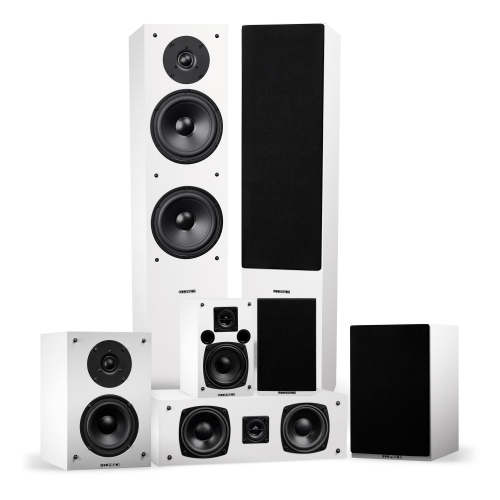
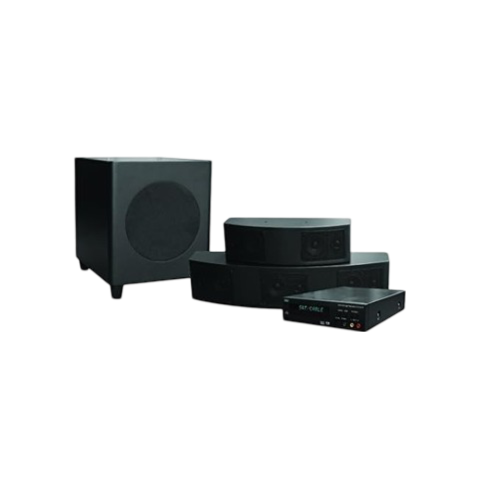


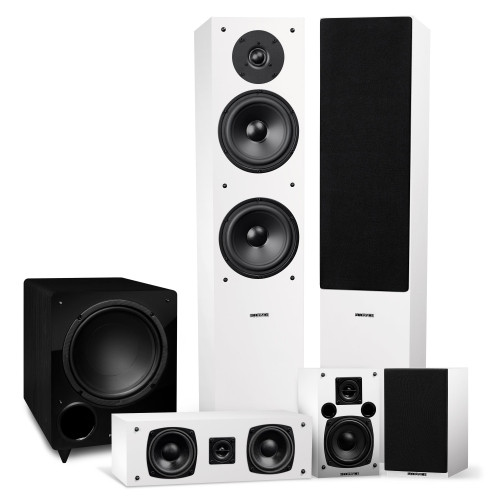

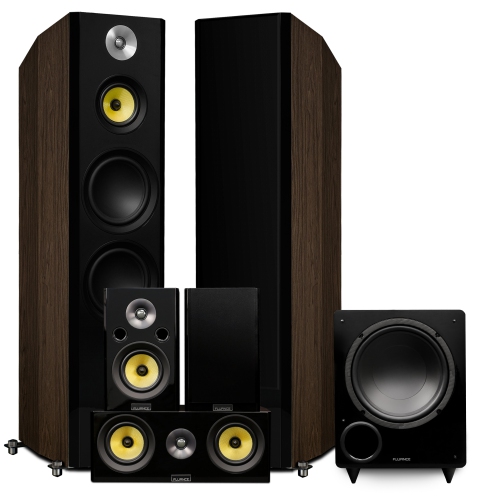
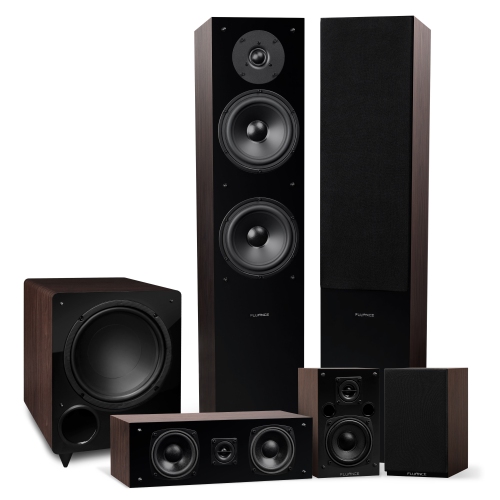
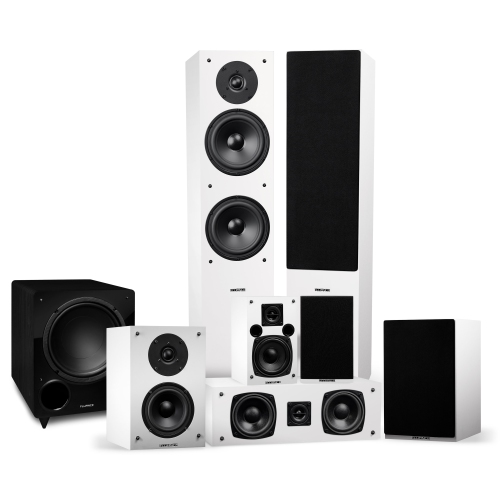
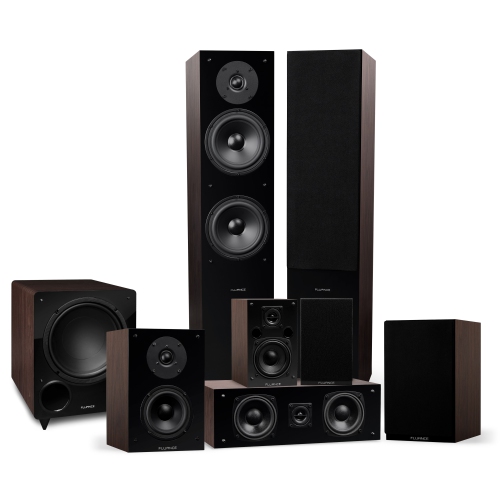
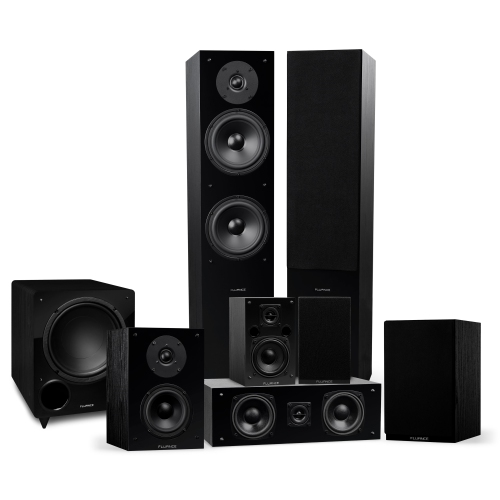
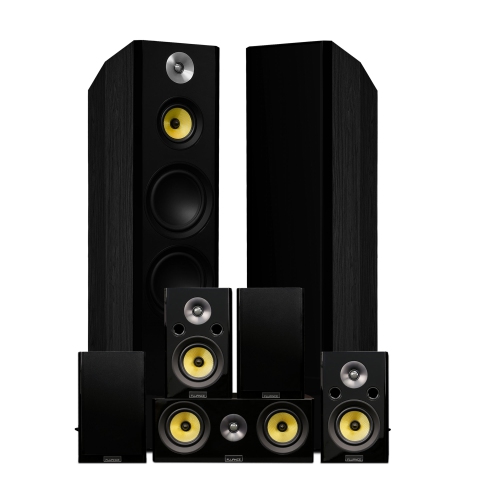
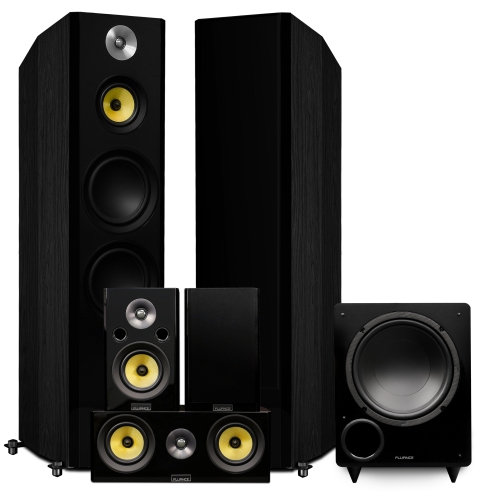
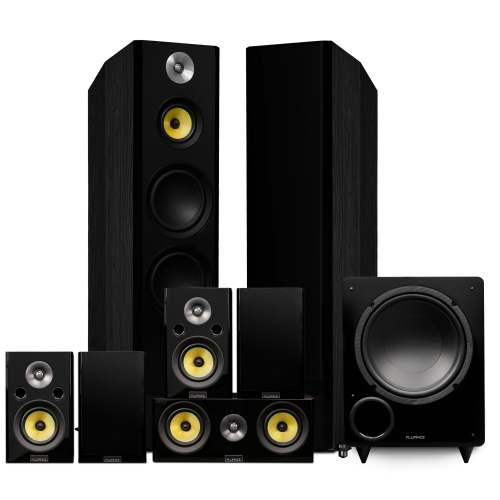
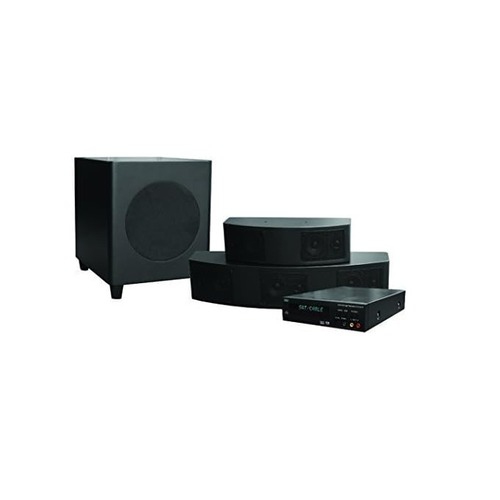

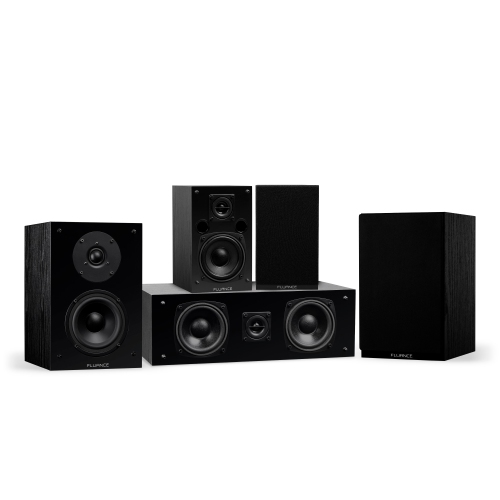
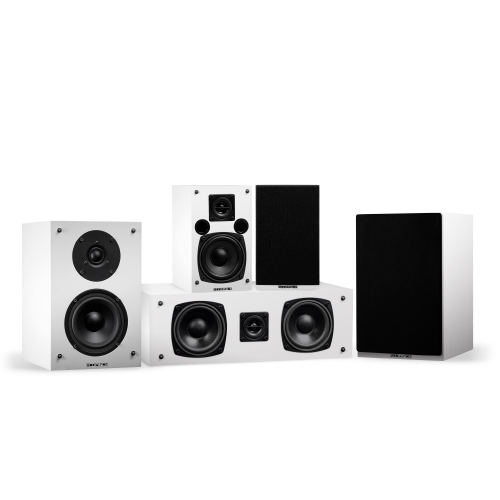
Immersive sound is about more than volume
High-end surround sound systems bring dialogue, music, effects, and low-frequency impact into a coordinated listening experience, with sound extending beyond the television to the sides, behind the seating area, and, in some configurations, overhead. Their appeal is not simply greater volume. A well-matched system can make quiet conversation easier to follow, preserve the texture of a film score during an action sequence, and place a passing vehicle convincingly within the room. Traditional component systems typically combine an AV receiver or processor, amplification, several speakers, and one or more subwoofers. Other configurations integrate processing and amplification into powered speakers or a soundbar paired with surround speakers and a subwoofer. Channel designations describe the intended arrangement: 5.1 generally means five main audio channels and one low-frequency effects channel, while 5.1.2 adds two height channels. The low-frequency channel designation does not necessarily indicate how many physical subwoofers a system can support. Height effects may come from ceiling-mounted speakers, upward-firing drivers that reflect sound from the ceiling, or processing that creates a sense of elevation without dedicated height speakers. These approaches produce different results, with ceiling shape, seating position, and room acoustics affecting the presentation. Dedicated rear and height speakers can provide more distinct placement of effects when the source recording supports them, while a carefully integrated front soundstage keeps voices anchored near the screen. Speaker matching matters here: similar tonal characteristics across the front left, centre, and right channels help a voice or instrument retain its character as it moves across the picture. The subwoofer adds the deepest bass, but its value also lies in blending smoothly with the other speakers rather than drawing attention to itself. For film enthusiasts, sports fans, and players who enjoy story-driven games, this combination can give familiar content a stronger sense of space, scale, and detail without requiring every listening session to be loud.
The right physical fit depends as much on the room and household as on the number of channels. Floor-standing speakers can offer substantial output and a broad sense of scale, while bookshelf speakers on suitable stands can suit a smaller media room or a shared living area. A centre speaker needs enough clearance around its enclosure and a position that keeps dialogue directed towards listeners; placing it deep inside a cabinet can colour voices and reduce clarity. Surround speakers work best when furniture, doorways, and everyday movement leave practical positions around the seating area. In an open-plan room, sound may spread into adjoining spaces, whereas a compact enclosed room can make bass peaks and reflections more noticeable. Rugs, upholstered seating, and curtains can soften some reflections, although ordinary furnishings do not replace purpose-designed acoustic treatment when a room has significant problems. Automatic room calibration can adjust levels, timing, and aspects of frequency response, but it cannot fully compensate for obstructed speakers or an unsuitable layout. Construction also contributes to long-term satisfaction. Rigid enclosures, internal bracing, and well-fitted panels help limit unwanted cabinet vibration; common finishes include painted surfaces, vinyl wraps, and wood veneers. Finish choice affects both appearance and care, particularly in homes with children or pets. Speaker grilles offer a degree of protection for exposed drivers, while stable stands, appropriate mounting hardware, and neatly routed cables help keep the setup secure. Receivers and amplifiers need ventilation rather than a tightly enclosed shelf, and their placement should allow access to connections without straining cables. Routine care is generally straightforward: dusting with a soft cloth, following the manufacturer's cleaning directions, and keeping liquids away from drivers and electronics. A system that fits comfortably into daily life is easier to enjoy, whether that means an unobtrusive arrangement beside a sectional sofa or a dedicated home theatre with clearly defined seating positions.
Connection options and system compatibility shape how smoothly high-end surround sound systems work with everyday entertainment. HDMI connections with enhanced Audio Return Channel, or eARC, can carry supported audio formats from a compatible television to a compatible receiver or soundbar, but the television, source device, cables, and audio equipment all need to support the intended signal path. Access to a streaming service alone does not guarantee a particular surround format; the programme, subscription, playback device, and settings may also affect what reaches the speakers. For gaming setups, video passthrough capabilities matter alongside audio performance, especially when a console and display support higher refresh rates or variable refresh rate features. Passive speakers need suitable amplification, with speaker impedance and amplifier capability considered together rather than relying on a single advertised wattage figure. Sensitivity, listening distance, and the desired playback level also influence how much amplifier output is useful. Wireless connections can reduce the need for some signal cables, although powered surround speakers and subwoofers still generally require access to electrical outlets. Music listening brings another set of pleasures: a system may play a stereo recording through the front speakers or use supported processing to distribute it more widely, while recordings mixed specifically for multiple channels can create a different sense of placement and space. Clear controls, dependable input switching, and useful dialogue or late-night listening modes can matter just as much as an expansive presentation during a weekend film. In a shared household, reducing bass or limiting sudden volume changes may make evening viewing more comfortable, though these features cannot eliminate sound travelling through walls and floors. Those who prefer fewer separate components can also explore Simple Surround Sound Systems. For a more elaborate setup, compatible expansion options and accessible connections can leave room for additional speakers or a different display later. The most rewarding arrangement balances convincing sound placement, intelligible dialogue, controlled bass, and practical operation, making it equally inviting for a quiet album, a close hockey game, or a film shared with friends.
Top selling and popular products
-
 Your price for this item is $1099.99
-
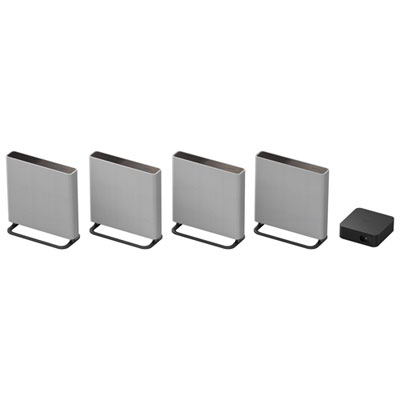 Your price for this item is $2999.99
-
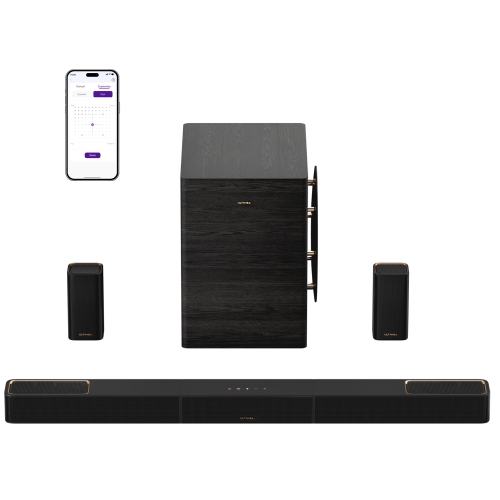 Your price for this item is $999
-
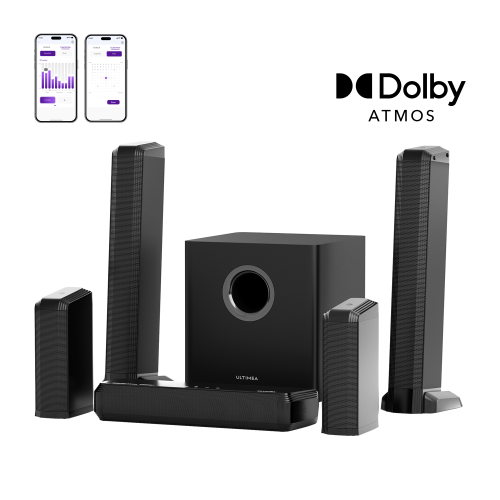 Your price for this item is $499
-
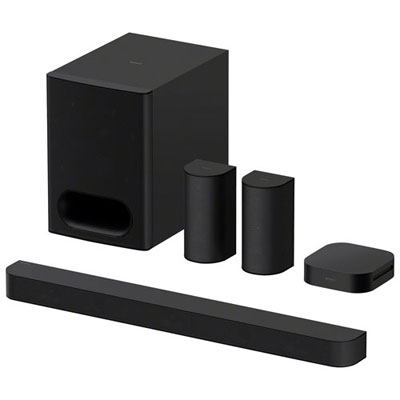 Your price for this item is $799.99
-
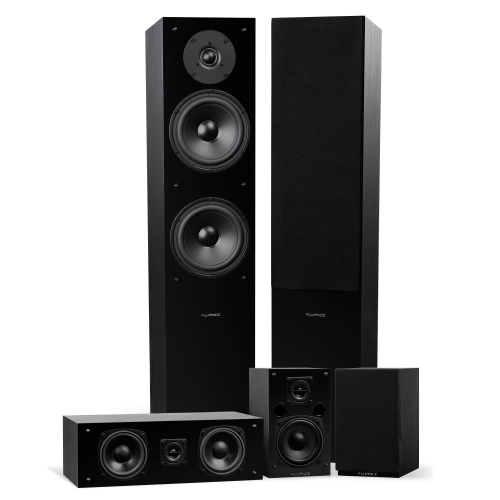 Your price for this item is $699.99
-
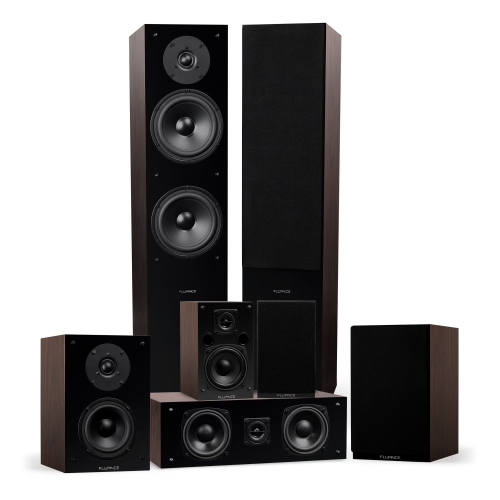 Your price for this item is $900.99
-
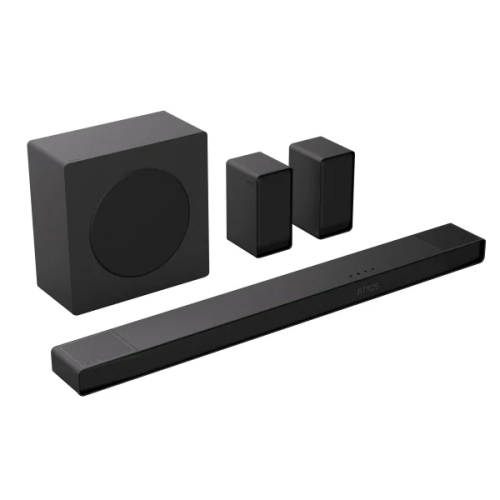 Your price for this item is $329.99
Discover more categories related to High End Surround Sound Systems
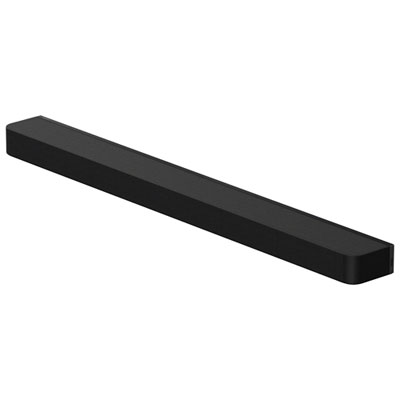
Top Collections:
Best Black Friday Deals This Year, Best Black Friday Deals On Electronics, Kindle Devices, Pokemon Centers, Best Black Friday Deals On Apple Products, Best Cameras for Sports Photography, Dyson Airwrap, Pokémon 30th Celebration Cards, Apple iPhone 17 Pro, Canon G7X Cameras
Some products may be subject to Environmental Handling Fees
(EHF) depending on your province.
Learn more about EHFs.