Loud Alarm Clock for Heavy Sleepers
If you're a heavy sleeper, an alarm clock is one of the most important things in your life. You need to wake up on time for work, school, or an important meeting. And if you're like most people, you don't want to be late. The best alarm clocks for heavy sleepers are loud enough. Here are some great loud alarm clocks, perfect for anyone who needs a little extra help getting out of bed.
Sort
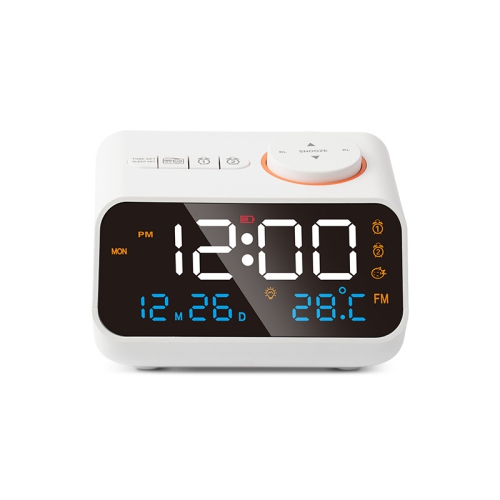
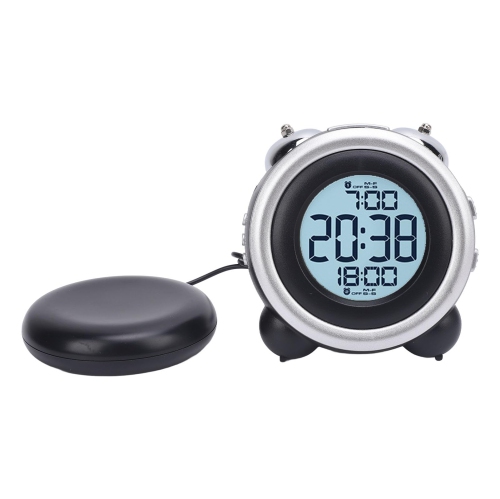
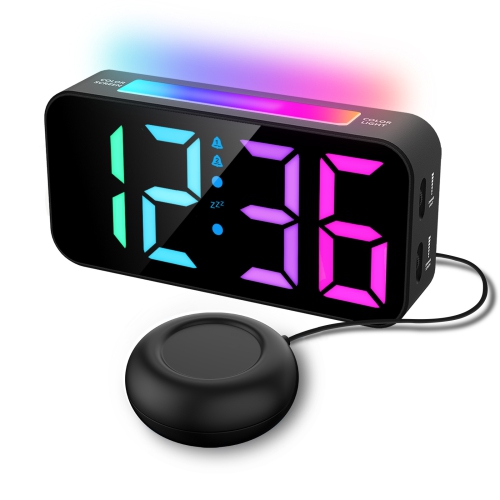
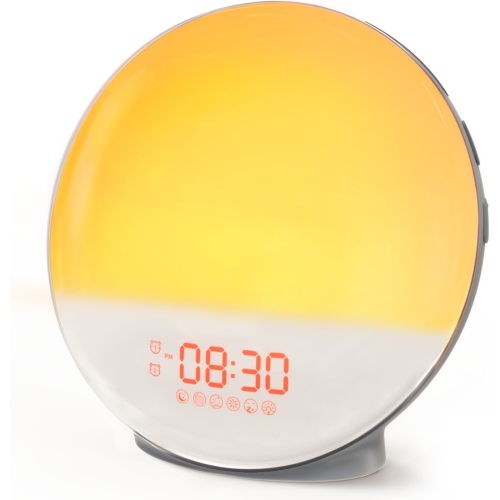
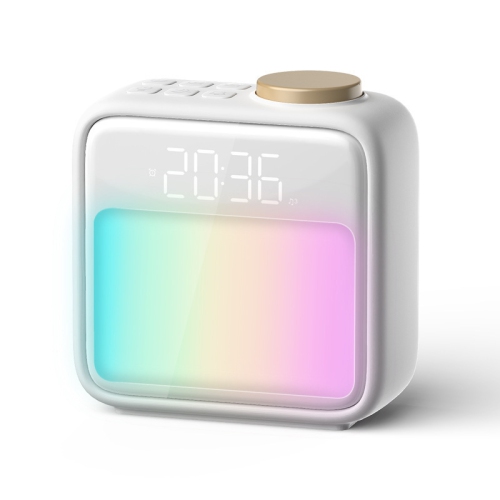
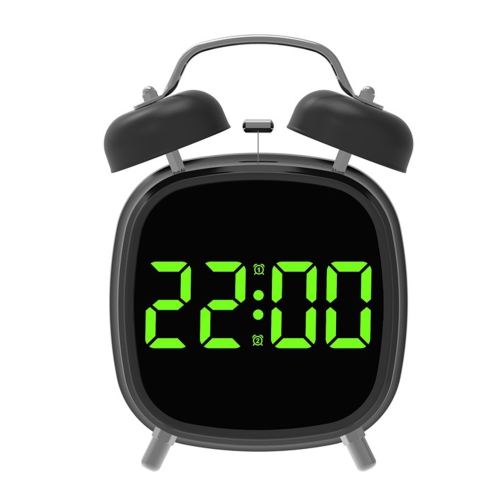
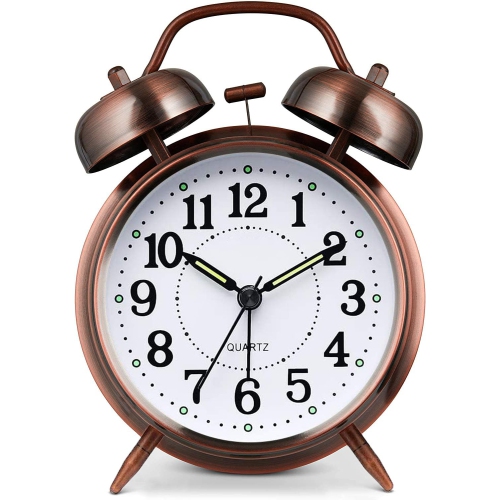
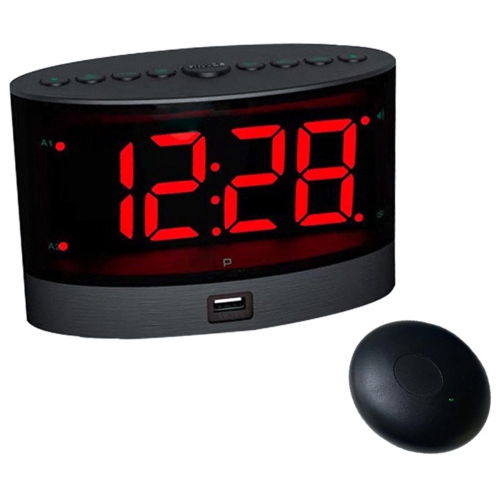
Stronger wake-up signals for deeper sleepers and shared bedrooms
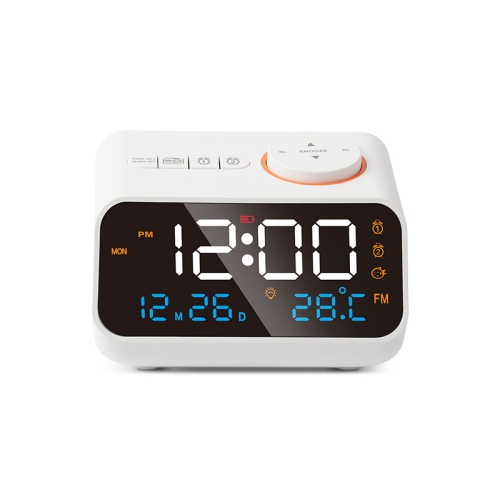
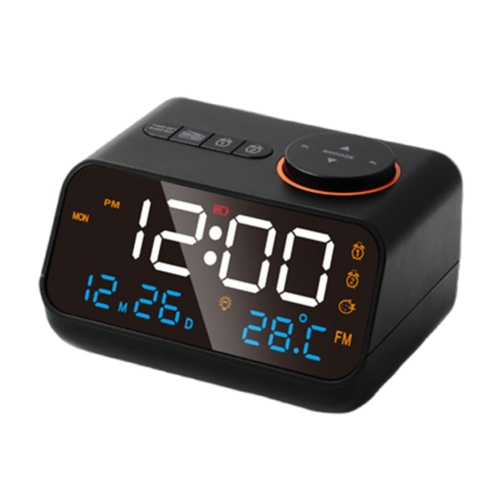
For people who sleep through ordinary alarms, a loud alarm clock for heavy sleepers can provide a more dependable way to start the day. Deep sleep, irregular schedules, overnight work, shared bedrooms, hearing differences, fatigue, medication, and changing routines can all make a standard bedside alarm easy to miss. These clocks are designed to deliver a stronger wake-up signal through one or more channels, including a high-volume alarm, a vibrating bed shaker, and bright flashing lights. Combining sound, movement, and light can be especially useful because it does not rely on hearing alone. A unit with sound output in the range of approximately 90 to 115 decibels may offer a much more noticeable alert than a conventional clock, although the loudest setting should be used thoughtfully and positioned at a safe distance from the ears. Loudness specifications are helpful for comparison, but the shape of the alarm tone, its pitch, the size of the room, and where the clock is placed can affect how effectively it wakes someone. Some people respond best to a sharp siren-like sound, while others prefer a buzzer, bell, or gradually intensifying tone that is less startling. Adjustable volume and multiple alarm sounds make it easier to find a setting that is effective without being unnecessarily harsh for everyone nearby. A dimmable digital display can also make a meaningful difference in a bedroom, allowing the time to remain visible without creating an unwanted glow during sleep. Large numerals are helpful when checking the time from across the room, while simple controls and clearly marked buttons are useful during the night or early morning when vision and concentration are not at their best. For additional options suited to people who need a more noticeable wake-up routine, browse the selection of Alarm Clock for Deep Sleepers.
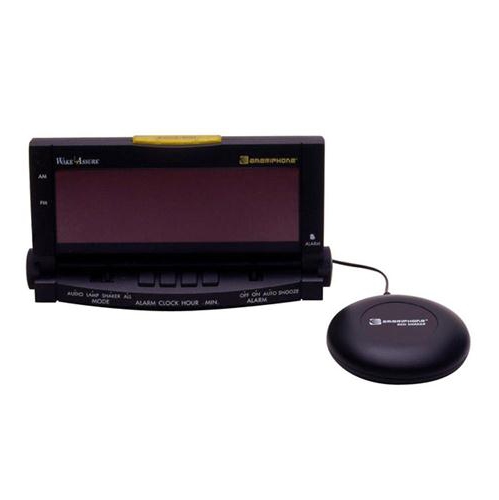
A bed shaker is one of the most important features to consider when shopping for an alarm clock for a heavy sleeper. This compact wired or wireless puck is placed beneath a pillow, between the mattress and box spring, or in another position where its vibration can be felt clearly. It can wake someone through physical movement rather than sound, making it valuable for deep sleepers, people with hearing loss, and households where a loud audible alarm would disturb a partner, child, roommate, or nearby neighbour. Check the shaker’s size, cable length, connection method, and strength, especially if it will be placed under a thick mattress or at the far side of a bed. A clock with independent controls for the sound and shaker allows for a quieter vibration-only setup or a combined alert when a stronger signal is needed. Flashing or pulsing lights provide another layer of notification and may be useful for sleepers who respond to visual stimulation, although they should be considered carefully in bedrooms shared with others. Dual alarms are practical for couples with different schedules, rotating shifts, school mornings, or anyone who needs a primary wake-up time and a separate backup. Snooze settings can offer a brief buffer, but a clock that requires a deliberate button press, rolling movement, or a step away from the bed may be more helpful for someone who repeatedly silences an alarm while half asleep. A battery backup is another valuable consideration. If a power interruption occurs overnight, the clock can retain the time and still activate the alarm, depending on the design and battery type. Look for clear instructions on how backup power works, whether the display remains active, and how often batteries should be replaced. For travel or overnight stays, a smaller clock with dependable controls and a strong alert can help maintain a familiar routine away from home, while a larger bedside model may be better for a permanent setup.
These alarm clocks can be useful for adults who work early shifts, drivers who need to leave before sunrise, students with demanding class schedules, and anyone whose sleep pattern makes conventional alarms unreliable. They may also suit people who share a room and need a targeted alert, provided the chosen settings are tested in advance. Families can place one on a dresser rather than directly beside the bed, creating enough distance from the speaker while keeping the display easy to see. Some sleepers may benefit from positioning the shaker under the pillow, while others may feel it more clearly under the mattress; trying both locations can help identify the most effective arrangement. Keep cords secured and away from areas where they could snag, and place the clock on a stable, accessible surface with ventilation around any power adapter. It is also worth testing the alarm during the day before relying on it for an important appointment, first shift, examination, flight, or school morning. Set the volume gradually, confirm that the correct alarm time and weekday settings are selected, and check whether the clock uses a 12-hour or 24-hour display. A loud alarm clock can make a thoughtful practical gift for a university student moving into residence, a family member beginning shift work, or someone setting up a new bedroom, particularly when paired with an understanding of their sleep habits and room arrangement. During the warmer and cooler parts of the year, changing daylight, travel, work hours, and school routines can make a reliable wake-up system even more useful. The best choice balances strong alerting features with straightforward operation, a readable display, flexible placement, and settings that fit the sleeper and everyone who shares the space.
A bed shaker is one of the most important features to consider when shopping for an alarm clock for a heavy sleeper. This compact wired or wireless puck is placed beneath a pillow, between the mattress and box spring, or in another position where its vibration can be felt clearly. It can wake someone through physical movement rather than sound, making it valuable for deep sleepers, people with hearing loss, and households where a loud audible alarm would disturb a partner, child, roommate, or nearby neighbour. Check the shaker’s size, cable length, connection method, and strength, especially if it will be placed under a thick mattress or at the far side of a bed. A clock with independent controls for the sound and shaker allows for a quieter vibration-only setup or a combined alert when a stronger signal is needed. Flashing or pulsing lights provide another layer of notification and may be useful for sleepers who respond to visual stimulation, although they should be considered carefully in bedrooms shared with others. Dual alarms are practical for couples with different schedules, rotating shifts, school mornings, or anyone who needs a primary wake-up time and a separate backup. Snooze settings can offer a brief buffer, but a clock that requires a deliberate button press, rolling movement, or a step away from the bed may be more helpful for someone who repeatedly silences an alarm while half asleep. A battery backup is another valuable consideration. If a power interruption occurs overnight, the clock can retain the time and still activate the alarm, depending on the design and battery type. Look for clear instructions on how backup power works, whether the display remains active, and how often batteries should be replaced. For travel or overnight stays, a smaller clock with dependable controls and a strong alert can help maintain a familiar routine away from home, while a larger bedside model may be better for a permanent setup.
These alarm clocks can be useful for adults who work early shifts, drivers who need to leave before sunrise, students with demanding class schedules, and anyone whose sleep pattern makes conventional alarms unreliable. They may also suit people who share a room and need a targeted alert, provided the chosen settings are tested in advance. Families can place one on a dresser rather than directly beside the bed, creating enough distance from the speaker while keeping the display easy to see. Some sleepers may benefit from positioning the shaker under the pillow, while others may feel it more clearly under the mattress; trying both locations can help identify the most effective arrangement. Keep cords secured and away from areas where they could snag, and place the clock on a stable, accessible surface with ventilation around any power adapter. It is also worth testing the alarm during the day before relying on it for an important appointment, first shift, examination, flight, or school morning. Set the volume gradually, confirm that the correct alarm time and weekday settings are selected, and check whether the clock uses a 12-hour or 24-hour display. A loud alarm clock can make a thoughtful practical gift for a university student moving into residence, a family member beginning shift work, or someone setting up a new bedroom, particularly when paired with an understanding of their sleep habits and room arrangement. During the warmer and cooler parts of the year, changing daylight, travel, work hours, and school routines can make a reliable wake-up system even more useful. The best choice balances strong alerting features with straightforward operation, a readable display, flexible placement, and settings that fit the sleeper and everyone who shares the space.
Top selling and popular products
-
 Your price for this item is $49.99
 -
 Your price for this item is $199
 -
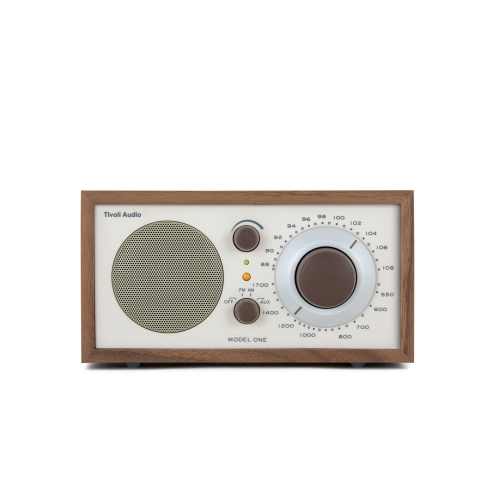 Your price for this item is $199
 -
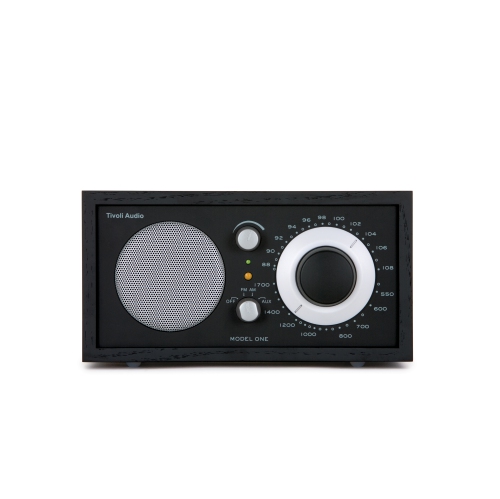 Your price for this item is $199
 -
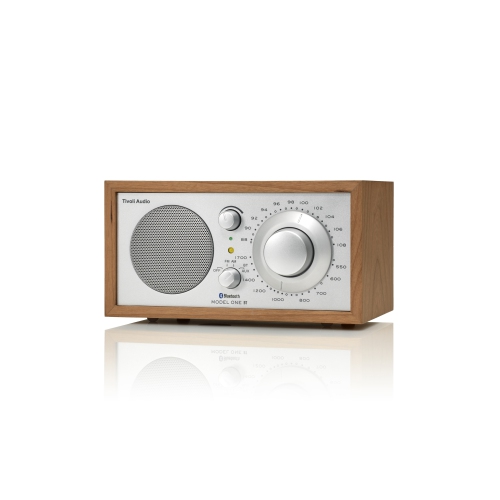 Your price for this item is $229
 -
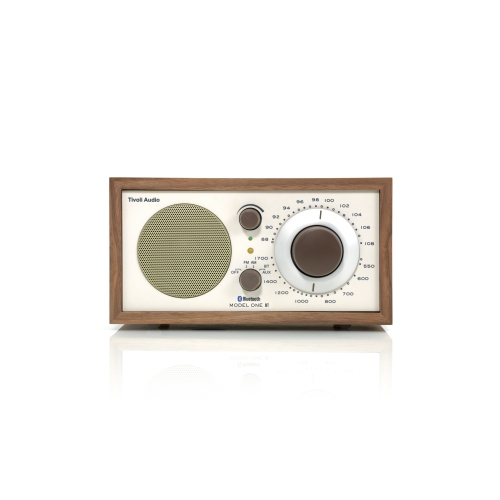 Your price for this item is $229
 -
 Your price for this item is $229
 -
 Your price for this item is $229
Discover more categories related to Loud Alarm Clock for Heavy Sleepers
Top Collections:
Best Laptops for Video Editing, Pokemon Centers, Samsung Z Fold, Kindle Devices, Best Cell Phones Under $300, Best Laptop Computers for Students, iPhone 15 Apple, Best Cell Phones Under $500, Alarm Clock, Canon G7X Cameras
Some products may be subject to Environmental Handling Fees
(EHF) depending on your province.
Learn more about EHFs.