Good Alarm Clocks for Heavy Sleepers
Are you tired of hitting the snooze button repeatedly and struggling to wake up on time? If you're a heavy sleeper who needs a little extra help in the morning, we've got you covered. These alarm clocks for heavy sleepers are designed to ensure that even the soundest of sleepers can start their day on time. With a range of innovative features and powerful alarms, these alarm clocks are here to make sure you never miss another important appointment or deadline.
Sort
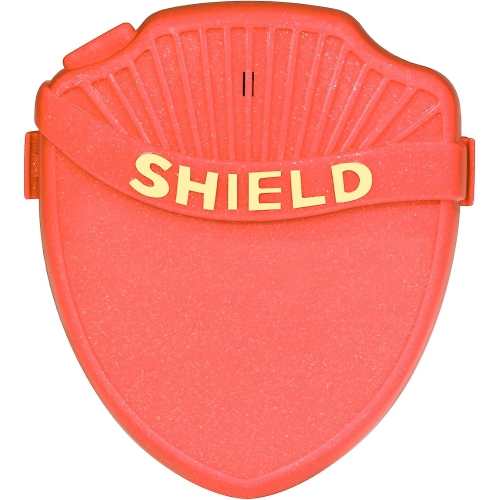
Stronger wake-up cues for more dependable mornings
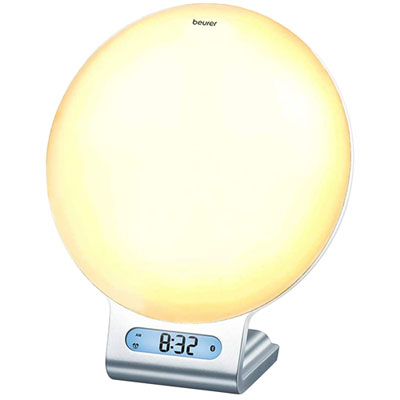
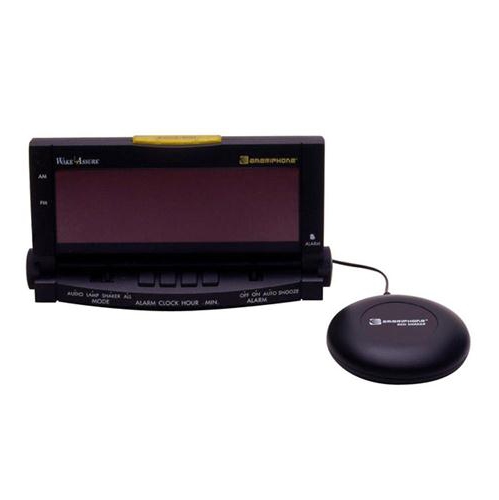
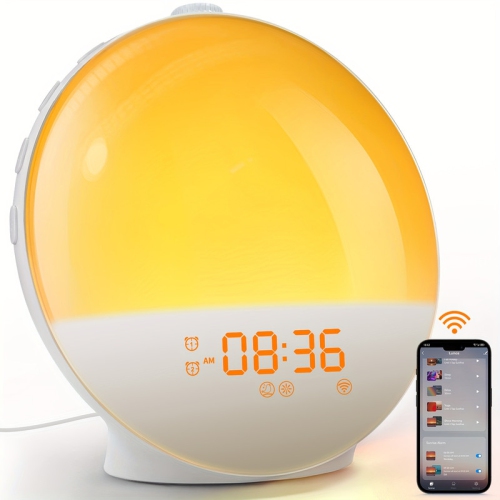
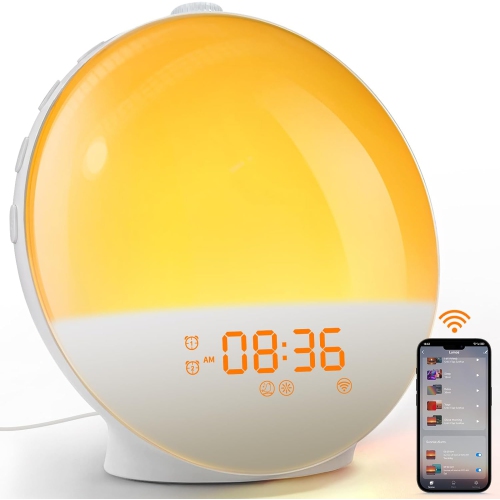
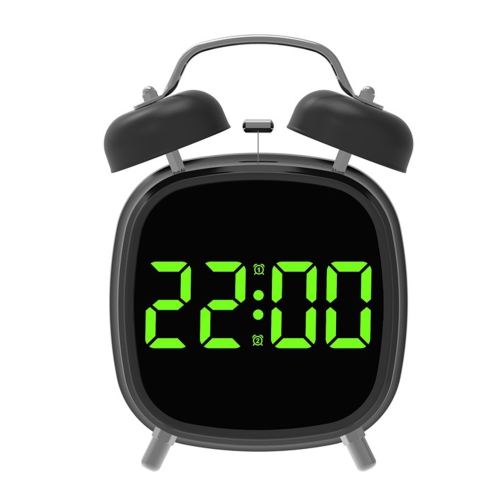
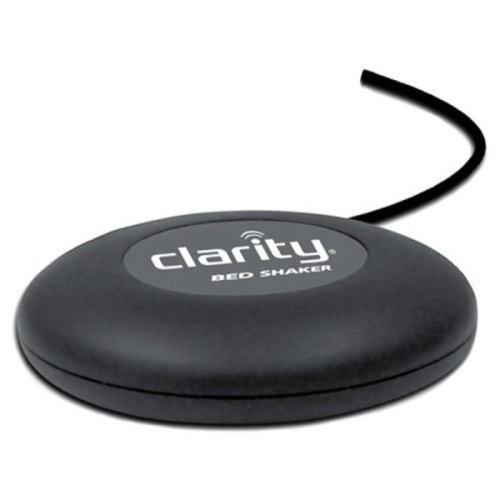
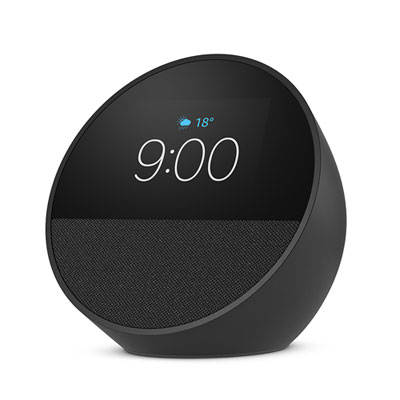
Finding good alarm clocks for heavy sleepers starts with choosing a wake-up method that matches the way someone sleeps. A standard bedside alarm with a soft chime may be pleasant, but it can be easy to ignore during deep sleep, especially after a late night, a demanding workday, or a change in routine. Heavy-duty alarm clocks are designed to create a stronger, more noticeable cue through a combination of loud sound, adjustable tones, flashing lights, vibration, or movement. Some models offer extra-loud alarms with output ratings above those of conventional clocks, while others connect to a wired bed shaker that rests beneath a mattress or pillow. The shaker delivers a physical pulse that can be felt even when sound is not enough, making it a useful choice for people who sleep through music, phone alerts, or repeated snoozes. When comparing sound levels, look for a clearly stated decibel rating and adjustable volume rather than assuming that the loudest setting is always best. An alarm should be placed where it can be heard without being directly beside the sleeper’s ear, and the volume should be set responsibly, particularly in a small bedroom. Adjustable pitch can also make a difference: a higher, sharper tone may cut through deep sleep for one person, while a lower or pulsing tone may be more effective for another. A gradual light feature can complement sound and vibration by brightening the room in stages, creating a more natural transition from sleep to wakefulness during the darker mornings of the cooler months.
The most suitable alarm clock depends on the sleeper’s bedroom habits and the consequences of missing an alarm. For someone who wants to avoid waking a partner, a bed shaker or wearable vibration feature may be more practical than an extremely loud siren. For a teenager who repeatedly turns off an alarm without fully waking, a clock with a separate shaker, a difficult-to-reach control, or a limited snooze function can help create a more reliable routine. Some moving or runaway-style clocks are designed to leave the nightstand or require the sleeper to get out of bed to silence them, adding physical movement to the wake-up process. This can be helpful for anyone who tends to press snooze while half asleep, although the clock needs enough clear floor space to move safely and should not create a tripping hazard. Other models include multiple alarm settings, weekday and weekend schedules, large illuminated displays, dimming controls, and simple buttons that are easy to identify before the room is fully lit. A battery backup is an important consideration because it can keep the alarm operating during a brief power interruption, while a replaceable battery or rechargeable design can be convenient for travel and temporary stays. Check whether a bed shaker is included, built in, wired, or sold separately, and make sure the cable will reach comfortably from the bedside table to the mattress. Anyone who uses an alarm as part of a work, school, medication, caregiving, or early travel routine may appreciate a model that combines two or more wake-up signals rather than relying on audio alone. For related options, browse Alarm Clock for Deep Sleepers to compare features suited to deep sleepers and more demanding morning schedules.
These alarm clocks can also be thoughtful gifts for students moving into a residence, new parents adjusting to an early routine, shift workers sleeping during the day, or anyone starting a job that requires dependable early mornings. They can be especially useful in guest rooms, cottages, and travel accommodations where a phone alarm may be muted, misplaced, or unable to provide enough volume. Before choosing a gift, consider whether the recipient shares a room, wears a hearing device, has limited bedside space, or prefers a quiet and gradual wake-up. A compact clock with strong vibration may suit an apartment or shared bedroom, while a larger display with a bright alarm and clear controls can be easier to use for someone who does not want to reach for a phone first thing in the morning. Travellers may value a lightweight model with battery operation, while people who keep a consistent schedule may benefit from dual alarms and weekday controls. It is also worth checking the display visibility from across the room, the availability of a 12- or 24-hour format, the ease of setting the alarm, and whether the snooze button is distinct from the other controls. A dependable routine often works best when the alarm is placed across the room, paired with a consistent bedtime, and supported by enough time to wake without rushing. Whether the goal is getting to an early shift, making a school bus, catching a morning flight, or simply avoiding another missed start, the right combination of sound, vibration, light, and physical movement can make waking more consistent. During the warmer seasons and cooler months alike, a well-chosen alarm clock provides a dependable cue that does not depend on a phone notification being noticed.
The most suitable alarm clock depends on the sleeper’s bedroom habits and the consequences of missing an alarm. For someone who wants to avoid waking a partner, a bed shaker or wearable vibration feature may be more practical than an extremely loud siren. For a teenager who repeatedly turns off an alarm without fully waking, a clock with a separate shaker, a difficult-to-reach control, or a limited snooze function can help create a more reliable routine. Some moving or runaway-style clocks are designed to leave the nightstand or require the sleeper to get out of bed to silence them, adding physical movement to the wake-up process. This can be helpful for anyone who tends to press snooze while half asleep, although the clock needs enough clear floor space to move safely and should not create a tripping hazard. Other models include multiple alarm settings, weekday and weekend schedules, large illuminated displays, dimming controls, and simple buttons that are easy to identify before the room is fully lit. A battery backup is an important consideration because it can keep the alarm operating during a brief power interruption, while a replaceable battery or rechargeable design can be convenient for travel and temporary stays. Check whether a bed shaker is included, built in, wired, or sold separately, and make sure the cable will reach comfortably from the bedside table to the mattress. Anyone who uses an alarm as part of a work, school, medication, caregiving, or early travel routine may appreciate a model that combines two or more wake-up signals rather than relying on audio alone. For related options, browse Alarm Clock for Deep Sleepers to compare features suited to deep sleepers and more demanding morning schedules.
These alarm clocks can also be thoughtful gifts for students moving into a residence, new parents adjusting to an early routine, shift workers sleeping during the day, or anyone starting a job that requires dependable early mornings. They can be especially useful in guest rooms, cottages, and travel accommodations where a phone alarm may be muted, misplaced, or unable to provide enough volume. Before choosing a gift, consider whether the recipient shares a room, wears a hearing device, has limited bedside space, or prefers a quiet and gradual wake-up. A compact clock with strong vibration may suit an apartment or shared bedroom, while a larger display with a bright alarm and clear controls can be easier to use for someone who does not want to reach for a phone first thing in the morning. Travellers may value a lightweight model with battery operation, while people who keep a consistent schedule may benefit from dual alarms and weekday controls. It is also worth checking the display visibility from across the room, the availability of a 12- or 24-hour format, the ease of setting the alarm, and whether the snooze button is distinct from the other controls. A dependable routine often works best when the alarm is placed across the room, paired with a consistent bedtime, and supported by enough time to wake without rushing. Whether the goal is getting to an early shift, making a school bus, catching a morning flight, or simply avoiding another missed start, the right combination of sound, vibration, light, and physical movement can make waking more consistent. During the warmer seasons and cooler months alike, a well-chosen alarm clock provides a dependable cue that does not depend on a phone notification being noticed.
Top selling and popular products
-
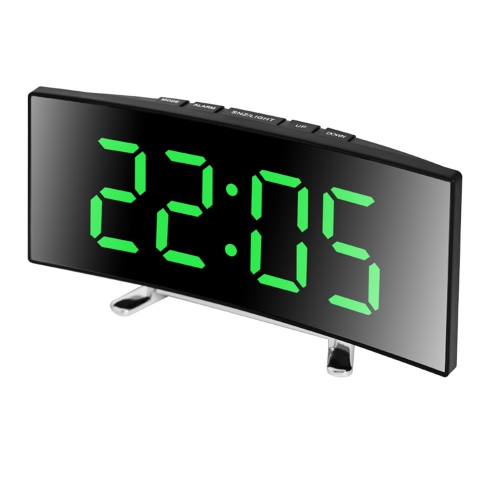 Your price for this item is $33.99
 -
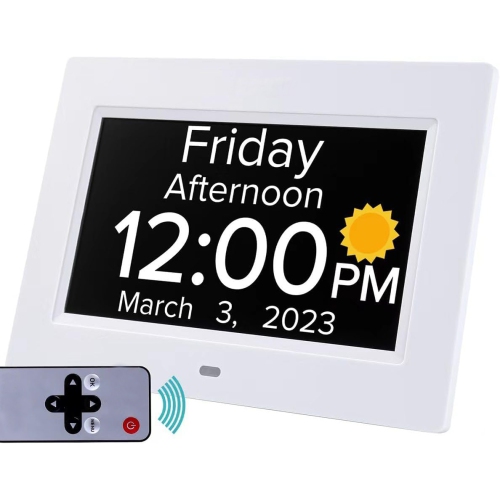 Your price for this item is $68.99
 -
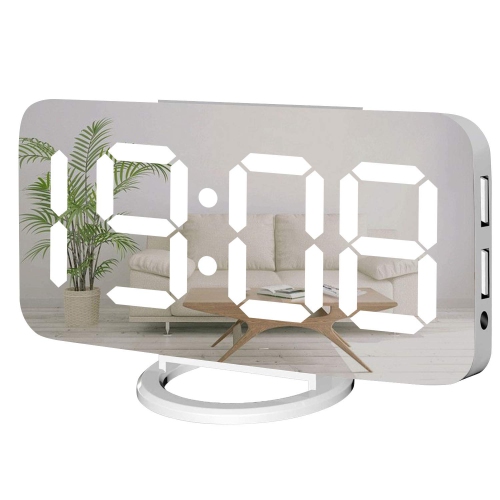 Your price for this item is $48.96
 -
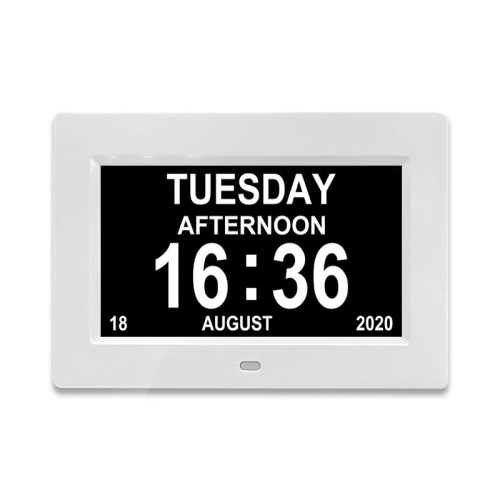 Your price for this item is $78.99
 -
 Your price for this item is $29.44
 -
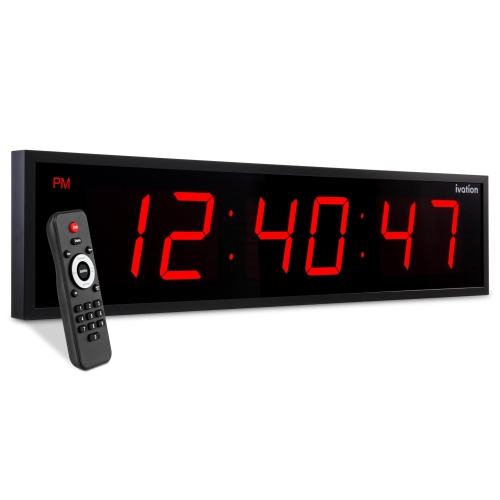 Your price for this item is $279.99
 -
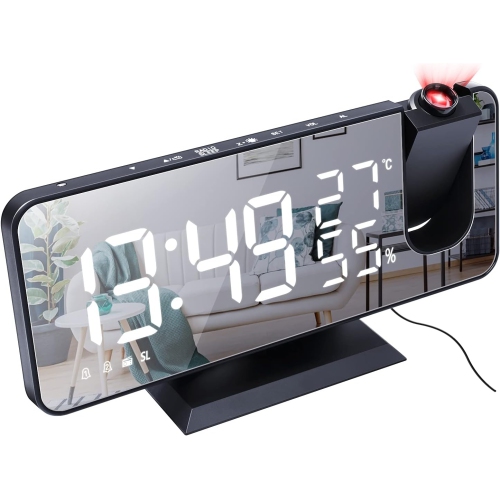 Your price for this item is $46.96
 -
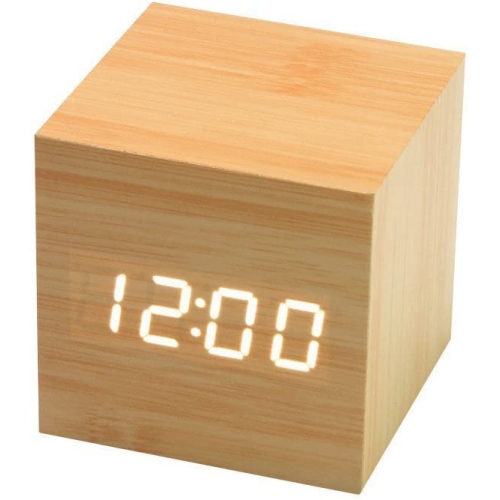 Your price for this item is $22.99
Discover more categories related to Good Alarm Clocks for Heavy Sleepers
Top Collections:
Best Laptops for Video Editing, Pokemon Centers, Samsung Z Fold, Kindle Devices, Best Cell Phones Under $300, Best Laptop Computers for Students, iPhone 15 Apple, Best Cell Phones Under $500, Alarm Clock, Canon G7X Cameras
Some products may be subject to Environmental Handling Fees
(EHF) depending on your province.
Learn more about EHFs.