Mp 3 Players With Voice Recorder
Discover a versatile selection of mp3 players with voice recorder, designed to fit seamlessly into your daily routine. Whether you’re looking to enjoy your favorite music on the go or need a convenient way to capture notes and memos, these devices offer the flexibility and convenience you need. Explore options that combine audio playback with handy recording capabilities, making it easy to keep your entertainment and important recordings all in one place. Find the perfect mp3 player with voice recorder to match your lifestyle and preferences.
Sort
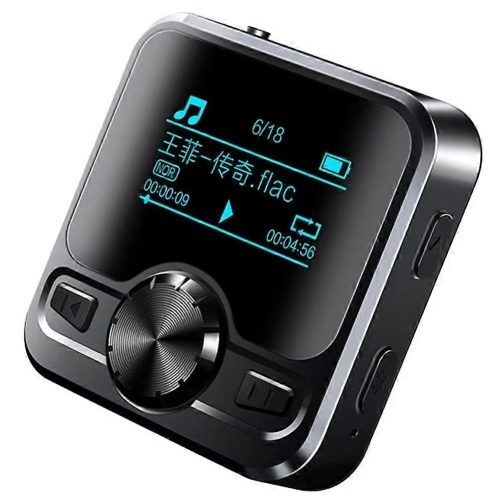

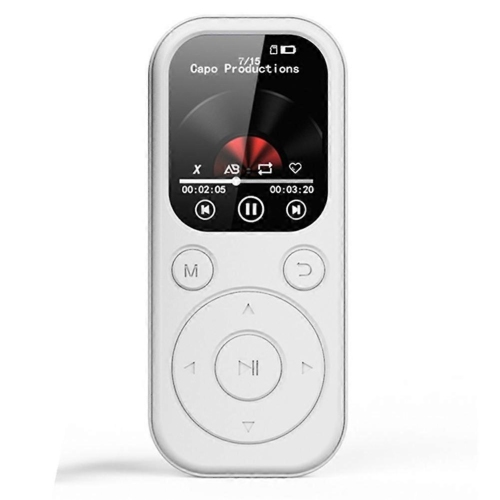


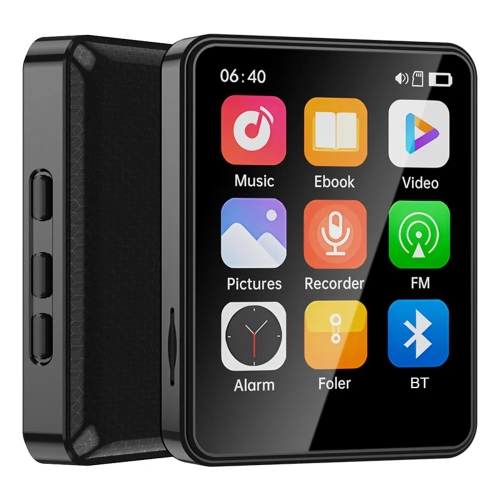


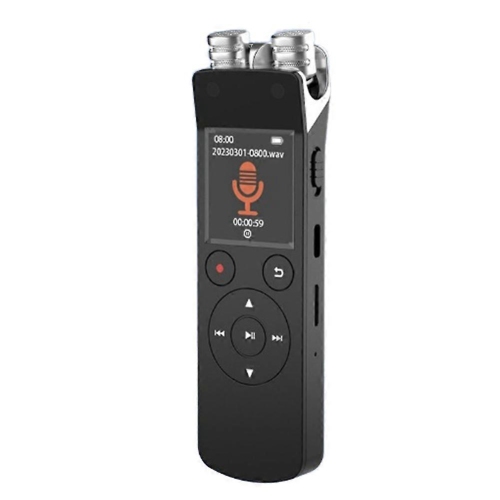


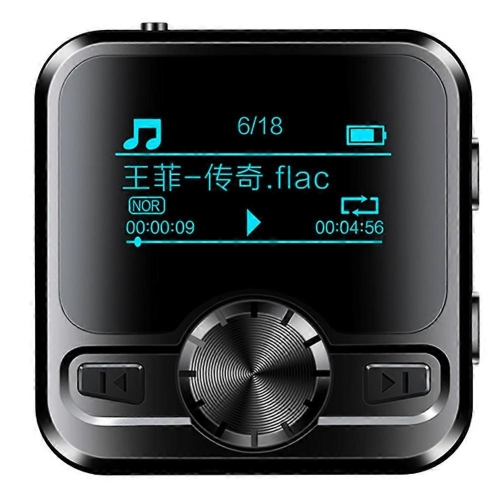



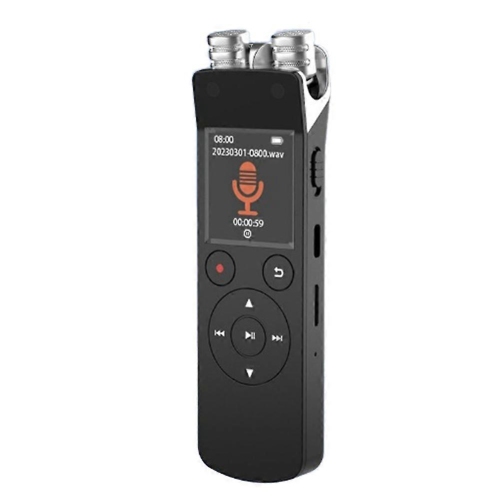
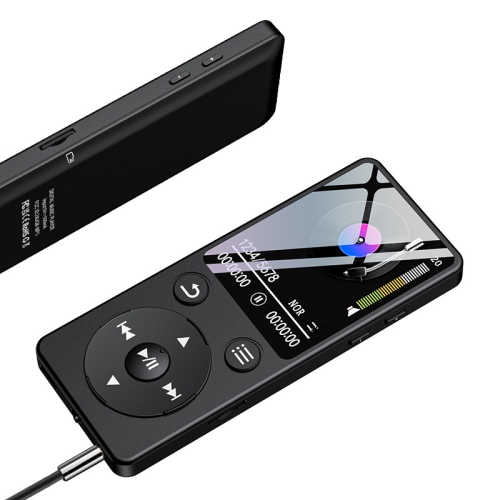

Music and spoken notes without relying on your phone
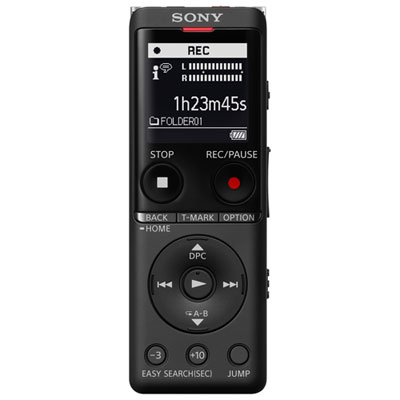
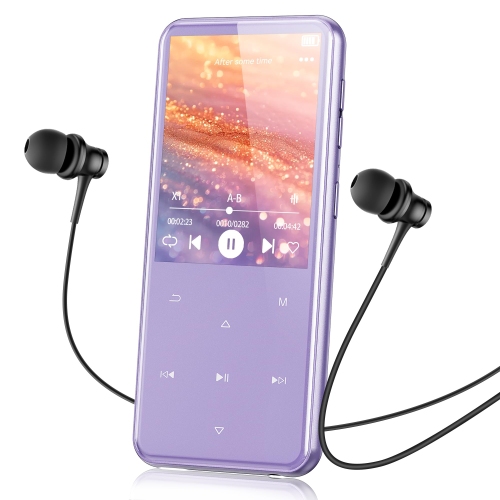
MP3 players with voice recorders combine portable music playback with the ability to capture spoken audio on the same device. Alongside a library of songs, podcasts, or audiobooks, a player with a built-in microphone can store voice memos, spoken reminders, and other recordings for later listening. This combination suits people who want a dedicated audio device without relying on a phone for every task. A student might listen to downloaded course material on the bus and record a short summary after class, while a musician might save a melody or lyric before the idea slips away. For interviews, lessons, and meetings, recording should take place with the permission of those involved and in accordance with any applicable rules. The distinction between music playback and voice recording matters: support for audio files does not necessarily mean a player can record sound, and Bluetooth connectivity alone does not establish that it can use a wireless headset’s microphone. Recording capabilities depend on the device’s microphone, software, and supported inputs. Built-in microphones are generally convenient for nearby speech, but the clarity of a recording also depends on placement and the room around it. A player resting close to the speaker on a quiet desk has a different task from one tucked into a pocket in a busy hallway. Fabric rubbing against the microphone, fingers moving over the casing, and a ventilation fan beside the device can all become part of the recording. Features such as microphone sensitivity adjustment or recording noise reduction, where supported, may help with particular situations, but they cannot reliably make distant speech sound close or remove every background sound. For someone who wants to replay personal notes, a straightforward voice memo function may be sufficient; recording a discussion with several speakers can call for more control over microphone placement and sound capture.
Storage and file compatibility shape how useful an MP3 player with recording becomes over time. The stated storage capacity has to accommodate both downloaded listening material and newly recorded audio, so a collection of long audiobooks leaves a different amount of room from a small playlist of compressed songs. Recording format and quality settings also affect space: higher-quality settings generally create larger files, while more compressed recordings can make room for additional spoken notes. Music file support and recording file support are separate specifications. A player may accept several formats for playback yet save microphone recordings in only one format, and those recordings need to be compatible with the computer or software used to open them. Expandable storage can be helpful where supported, although memory card type, maximum capacity, and the location where recordings are saved vary by device. File organization matters just as much as total capacity when recordings become part of a regular routine. Clear file names, folders, and accurate date information, if supported, make a collection of lectures or practice sessions easier to navigate than a long list of indistinguishable clips. Track bookmarking, playback speed adjustment, and repeat functions can also be useful for spoken material when included. Someone reviewing a pronunciation exercise may value the ability to replay a brief passage, while an audiobook listener may care more about returning to the last listening position. Transferring recordings usually involves a supported USB connection or removable memory card, rather than simply pairing the player with headphones. Connector type, cable requirements, and computer compatibility deserve attention, especially when files will be moved frequently. Battery performance is another practical consideration, and a quoted music playback duration should not be treated as a promise of identical recording time. Screen use, wireless listening, speaker playback, and recording settings can affect how long a charge lasts. An easy-to-read battery indicator and a clear recording status display help make the device’s operation visible rather than leaving the user uncertain whether a session was saved.
The physical design of an MP3 player with a voice recorder influences how comfortably it fits into everyday use. A compact plastic housing can keep weight down, while a metal casing may feel more substantial; neither material alone establishes how well the device will withstand drops, moisture, or repeated handling. Button placement, secure ports, and the feel of the controls often matter more than appearance when the player travels between a bag, a desk, and a pocket. Tactile buttons can make basic playback easier without constant attention to a screen, while a readable display helps with selecting folders and checking recording status. A clip or lanyard attachment, when provided, can keep the player accessible, but its position should not leave the microphone covered by clothing. A control lock is useful for preventing accidental button presses during listening, although recording behaviour while locked depends on the device. Wired headphone connections offer a straightforward listening option, while wireless headphone support can reduce cable handling on compatible models. Headphone comfort remains a separate consideration, particularly for long listening sessions or users who prefer an over-ear fit rather than earbuds. For care, the casing can generally be wiped with a soft, dry cloth, following the manufacturer’s directions; microphone openings and connection ports should stay clear of moisture and debris. A protective pouch can reduce scratches from keys or other objects in a bag, and important recordings are worth copying to another location rather than keeping the only version on a portable device. This product category can make a thoughtful gift for a language learner who practises spoken phrases, a music enthusiast who prefers a separate listening device, or someone who finds voice notes more convenient than typing. Simple menus and familiar controls may be more valuable to the recipient than a long feature list. When recording is the main purpose and music playback is secondary, Mini Voice Recorders are a related category to consider. For combined listening and note-taking, the most useful balance is a player whose audio connections, recording functions, storage, and controls suit the way it will actually be used.
Top selling and popular products
-
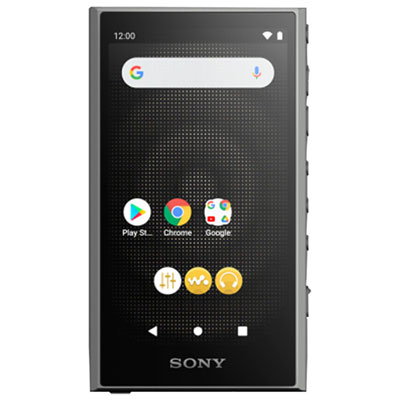 Your price for this item is $479.99
-
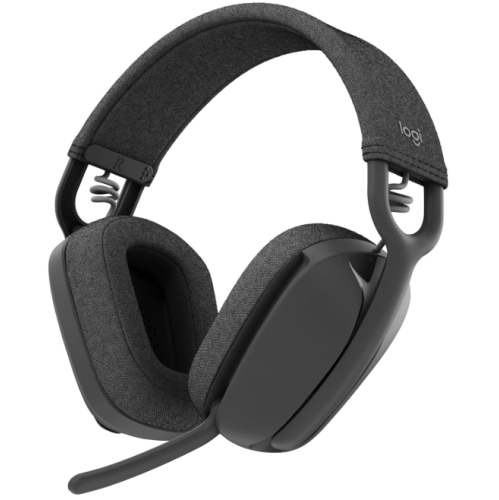 Your price for this item is $112.99
-
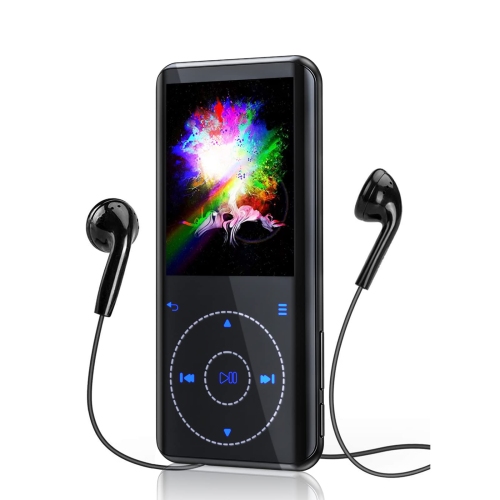 Your price for this item is $148.99
-
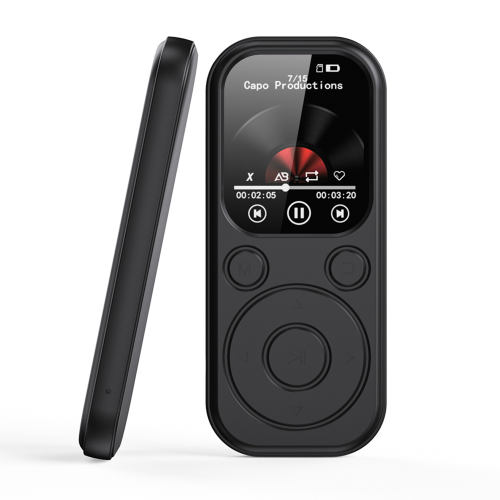 Your price for this item is $56.99
-
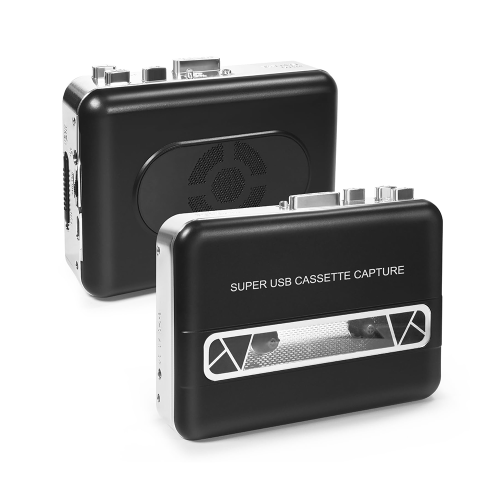 Your price for this item is $56.99
-
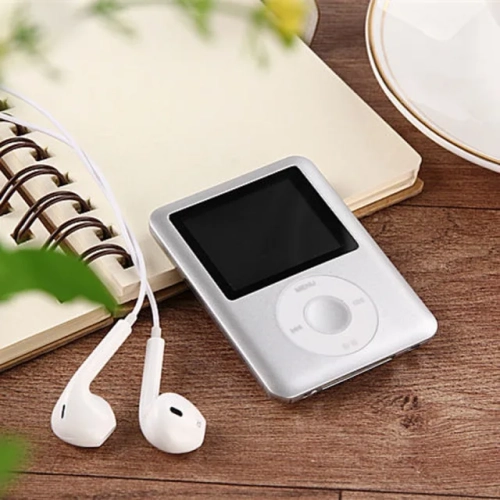 Your price for this item is $51.99
-
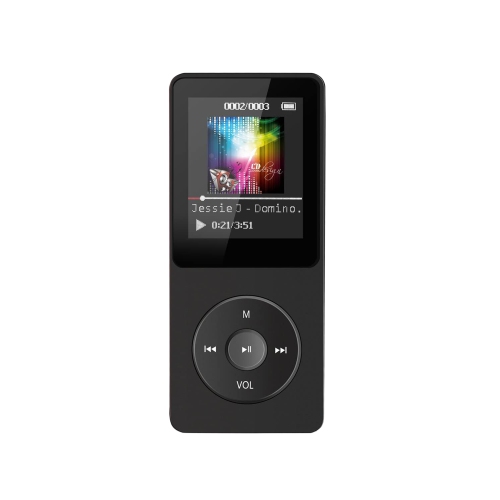 Your price for this item is $52.99
-
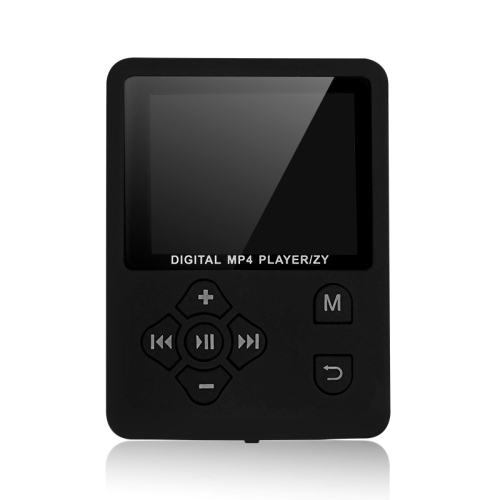 Your price for this item is $49.99
Discover more categories related to Mp 3 Players With Voice Recorder

Top Collections:
Pokemon Centers, Kindle Devices, Best Cameras for Sports Photography, Pokémon 30th Celebration Cards, Apple iPhones 16, Canon G7X Cameras, iPhone 15 Apple, Flip Phones, Samsung Galaxy Phones, Alarm Clock
Some products may be subject to Environmental Handling Fees
(EHF) depending on your province.
Learn more about EHFs.