Music Entertainment for Parties
Music Entertainment for Parties sets the perfect tone for any celebration, helping you create unforgettable memories with friends and family. Discover a wide selection of audio equipment, lighting solutions, and party accessories designed to elevate your gatherings. Whether you're hosting a lively dance party or a relaxed get-together, find everything you need to keep the energy high and the music flowing. Explore options that make it easy to transform any space into the ultimate party venue with Music Entertainment for Parties.
Sort
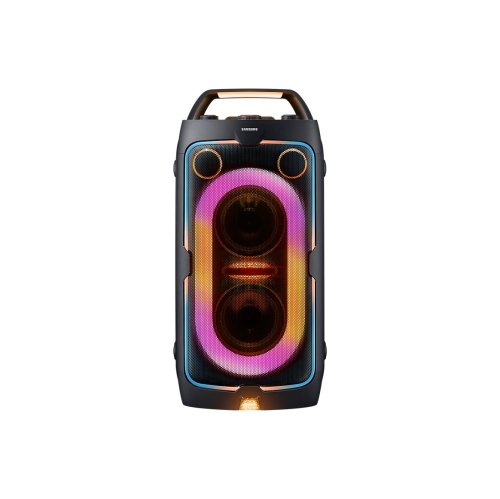
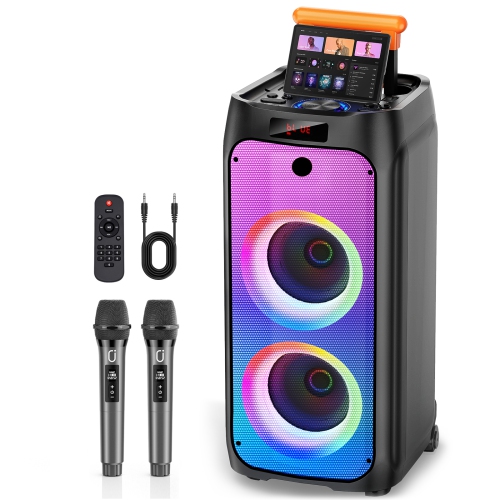
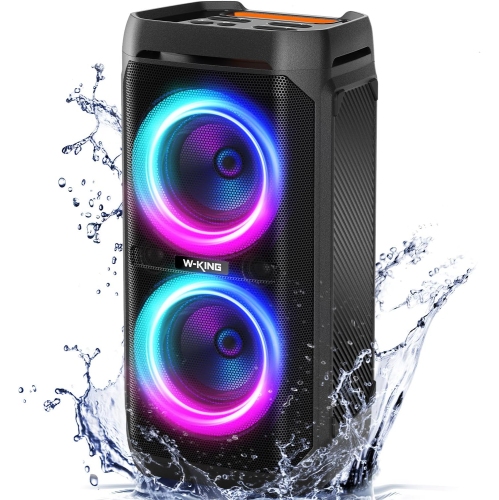
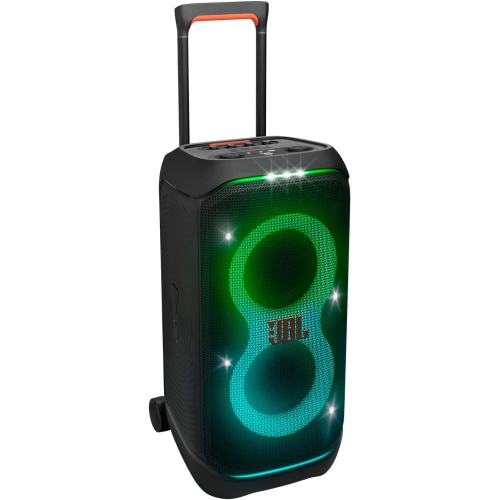
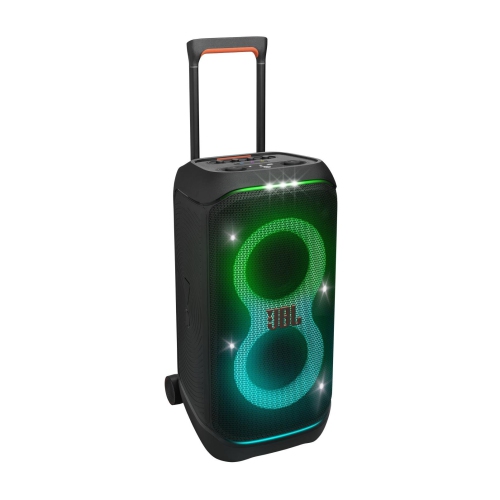
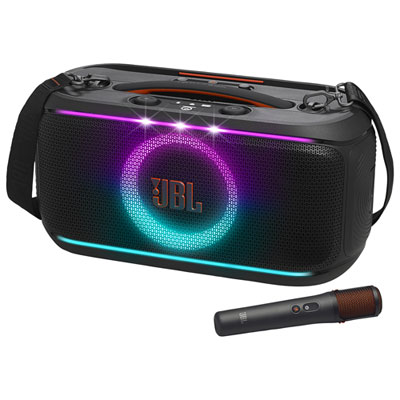
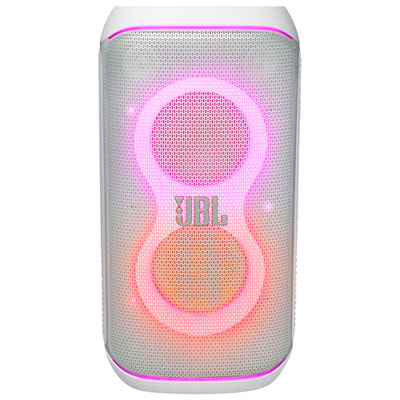
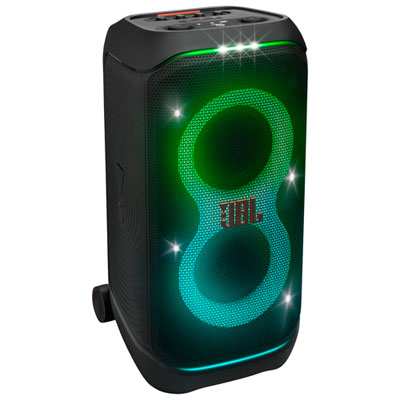

Sound that suits your space and gets guests involved
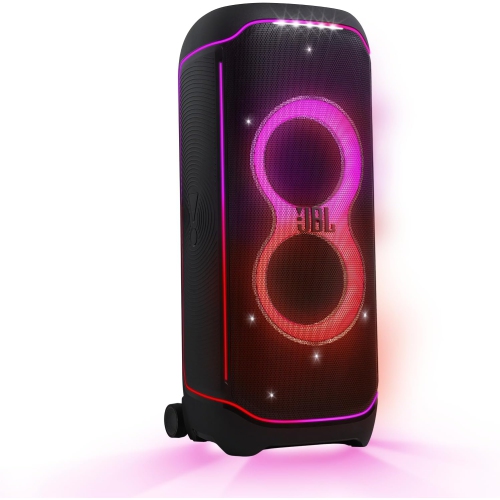
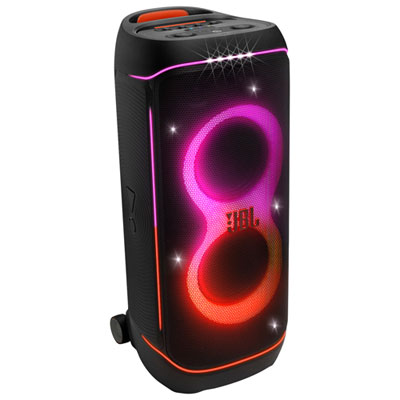
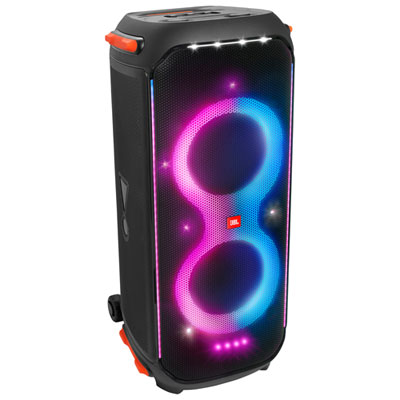
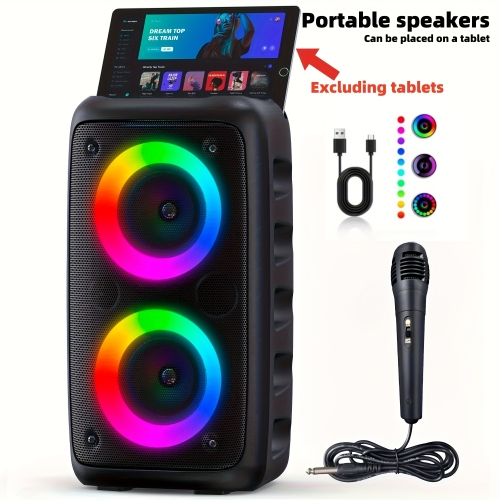
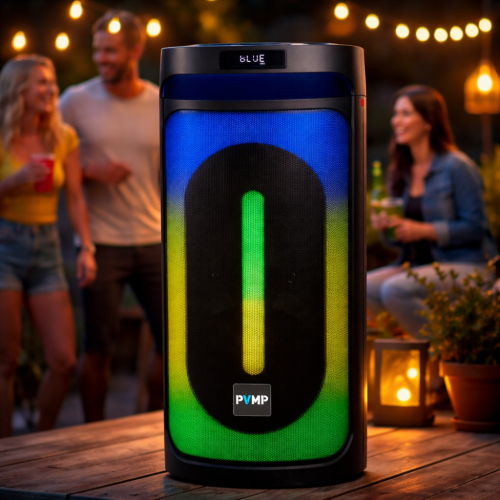
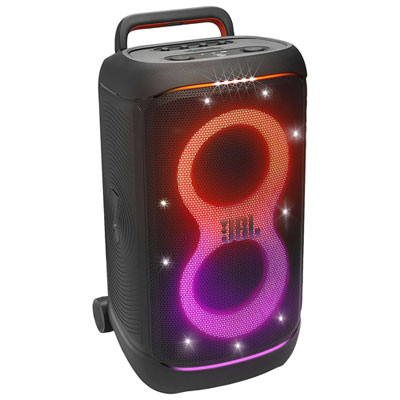
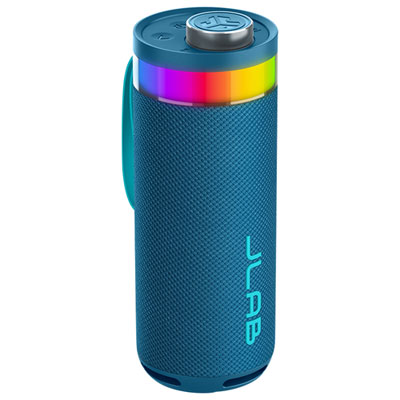
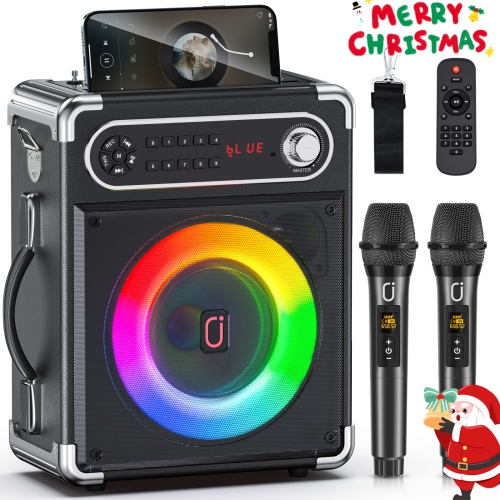
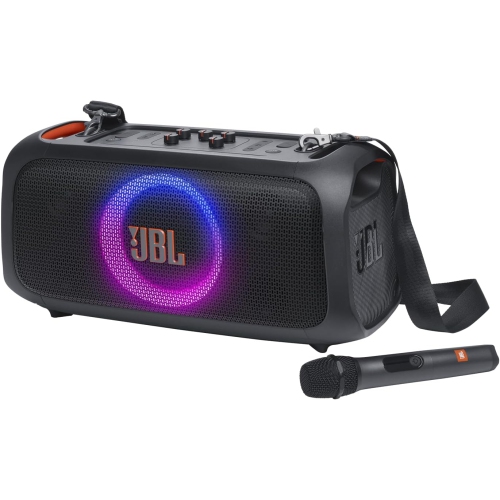
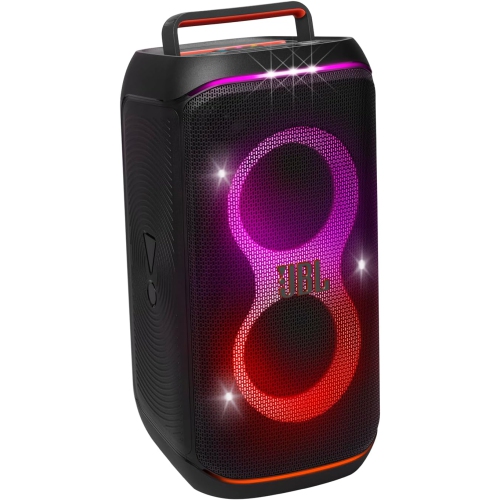
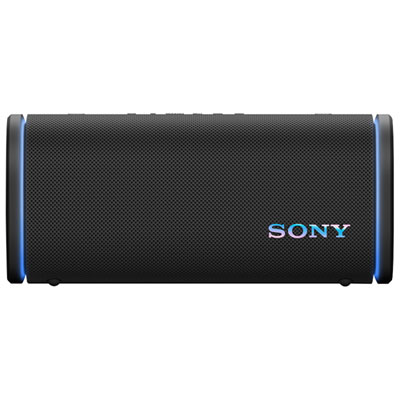
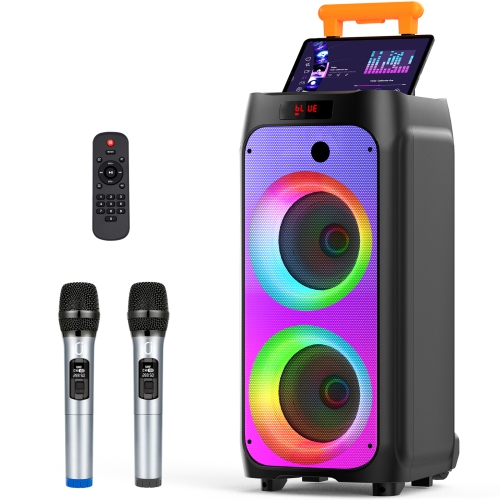
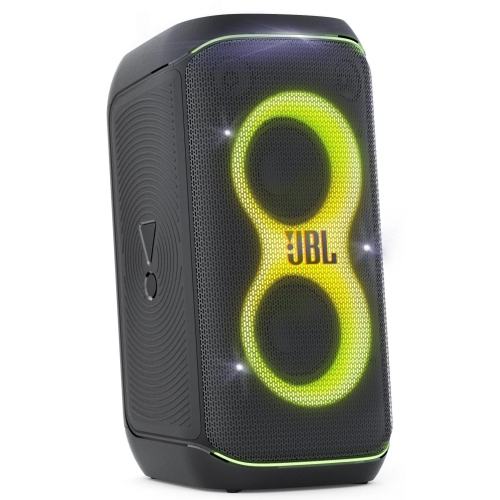
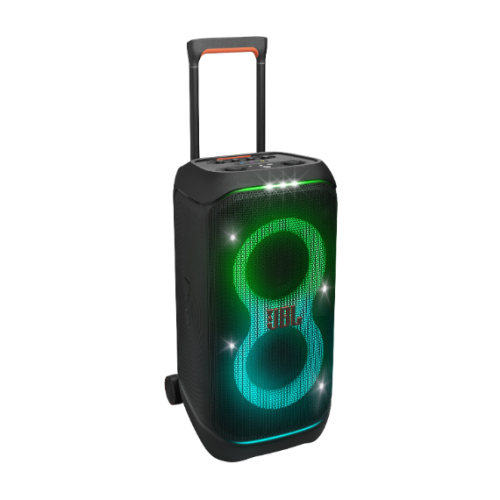
Music entertainment for parties brings together speakers, karaoke equipment, microphones, and DJ gear that help turn a shared playlist into a shared experience. The right combination depends on whether music is setting the mood over dinner, filling a dance floor, or putting guests at the centre of a singalong. Portable Bluetooth speakers suit casual gatherings where a phone or tablet holds the playlist, while larger party speakers can offer greater output, stronger bass, and inputs for microphones or other audio equipment. A compact setup may be enough for conversation and background music in a smaller room; an open reception space or a lively dance party places different demands on sound coverage. Clear vocals matter as much as bass, especially when guests want to recognize familiar lyrics without the volume overwhelming every conversation. Speaker size and amplifier power provide useful context, but neither tells the whole story about sound quality or how evenly music reaches a room. Placement, room layout, and the number of people present all affect what listeners hear. Seating areas, doorways, and a designated dance space can each benefit from a different balance of volume and coverage. Speakers with adjustable sound settings allow bass and treble to be shaped to suit the music and space, while compatible linked speakers can extend coverage beyond a single listening area. Wireless connectivity keeps everyday playback straightforward, although Bluetooth range varies with walls, interference, and the connected devices. Auxiliary inputs offer another connection option when supported, and USB playback can be useful on equipment designed to read stored audio files. Wi-Fi audio features may suit parties where supported speakers share music across rooms, with performance depending on the system and network. For gatherings built around a long playlist, the practical details include reliable power, accessible playback controls, and a connection that lets the music continue while the host welcomes guests. A dinner soundtrack, birthday dance session, and family celebration can all use similar equipment, but each benefits from sound that matches the activity rather than simply being as loud as possible.
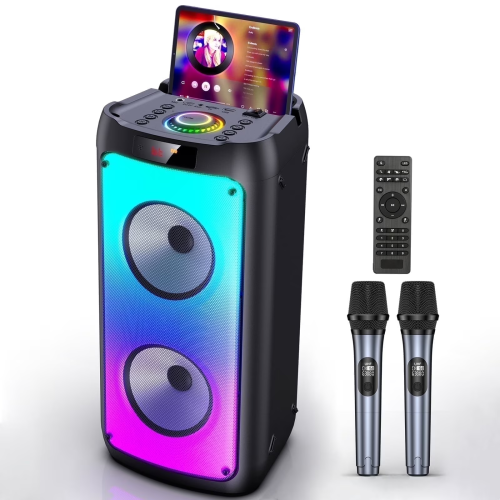
Karaoke adds a participatory side to party music, giving guests a chance to trade verses, perform duets, or bring a familiar chorus to life together. Karaoke systems vary in how they handle backing tracks, lyrics, microphone connections, and voice effects, so compatibility with the intended music source matters. Some setups display lyrics through a connected screen or compatible app, while others rely on a separate device for that part of the experience. A speaker with a microphone input does not necessarily include lyric display or vocal removal. Multiple microphone inputs can make shared performances easier, and separate controls for voice and music help keep a singer audible without drowning out the backing track. Echo and other vocal effects can add a playful touch, although clear speech remains useful for introductions, party games, and announcements between songs. Wired microphones offer a direct connection but need cable space; wireless microphones allow more movement, with operating range and battery requirements varying by system. DJ equipment serves a different kind of participation, letting a host or music enthusiast shape transitions, adjust tempo, and build a set around the room’s energy. Controllers generally depend on compatible software and a connected device, while standalone playback equipment has its own requirements for music sources and file formats. Headphone monitoring, channel controls, and suitable outputs are useful distinctions when comparing equipment for mixing rather than simple playlist playback. For gatherings centred on beat-driven sets and continuous mixes, Electronic Music for Parties offers a related focus. Lighting can complement either a DJ setup or karaoke area, adding colour and movement without changing the audio itself. Adjustable brightness and lighting modes help distinguish a relaxed listening space from a dance floor, while steady illumination can be more comfortable for guests who prefer fewer visual effects. Together, playback equipment, voice controls, and lighting create different ways to take part, from choosing the next track to leading an enthusiastic group chorus.
The physical design of party audio equipment matters when it moves between a living room, a community hall, and a friend’s celebration. Moulded cabinets, protective grilles, recessed controls, and sturdy handles can make equipment easier to carry and position, though construction and durability vary between designs. Larger speakers may include wheels, while lighter equipment is often simpler to pack with cables and microphones. A stable footprint is important wherever people are walking or dancing, and speaker stands need compatible fittings and a suitable weight capacity. Cables kept away from walking routes help preserve a comfortable space for guests, and drinks belong away from powered equipment and exposed connections. Battery-powered speakers offer flexibility where a power outlet is inconvenient, but stated playback times depend on factors such as volume, lighting effects, and connected features. Equipment that stays plugged in has different placement needs, including access to power and ventilation around areas identified by the manufacturer. For care, exterior surfaces generally benefit from gentle cleaning according to the supplied instructions, with moisture kept away from ports, controls, and components that are not rated for exposure. Fabric coverings and metal grilles may require different cleaning methods, and a protective case or cover can reduce scuffs during transport and storage. Microphones also benefit from careful handling and cleaning methods suited to their grille and finish, particularly when shared among several singers. Before equipment is put away, dry cables loosely coiled without sharp bends are easier to manage at the next gathering. Party music equipment can also make a thoughtful gift for someone who regularly hosts, enjoys karaoke, or wants to practise mixing. A portable setup suits a host who changes locations, while more hands-on controls may appeal to an aspiring DJ or a singer who enjoys adjusting the sound. Matching connections, carrying needs, and controls to that person’s habits makes the equipment more useful beyond a single occasion, whether it supports a low-key evening with friends or a room full of dancing guests.
Top selling and popular products
-
 Your price for this item is $239.98
-
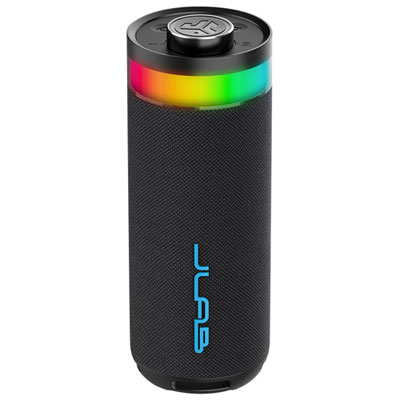 Your price for this item is $39.99
-
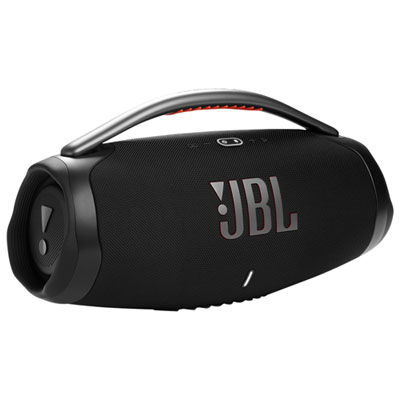 Your price for this item is $349.99
-
 Your price for this item is $399
-
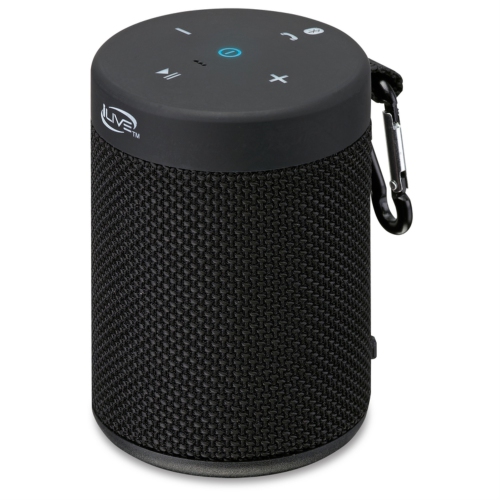 Your price for this item is $28.68
-
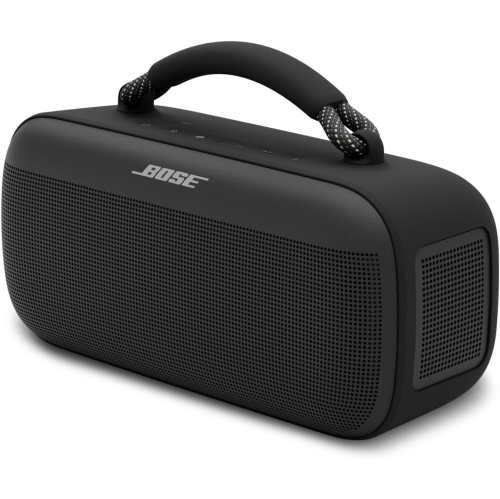 Your price for this item is $529
-
 Your price for this item is $344.99
-
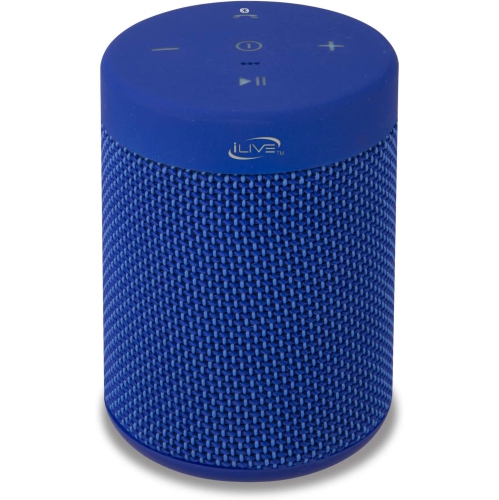 Your price for this item is $31.68
Discover more categories related to Music Entertainment for Parties

Top Collections:
Best Black Friday Deals This Year, Best Black Friday Deals On Electronics, Kindle Devices, Best Black Friday Deals On Apple Products, Best Budget Office Chairs, Best Cameras for Sports Photography, Dyson Airwrap, Canon G7X Cameras, Best Laptops for Writers, Samsung Galaxy Phones
Some products may be subject to Environmental Handling Fees
(EHF) depending on your province.
Learn more about EHFs.