Electronic Music for Parties
Electronic Music for Parties sets the perfect tone for unforgettable celebrations, energizing any gathering with dynamic beats and vibrant rhythms. Whether you’re hosting a lively house party or planning an epic dance event, the right electronic music transforms the atmosphere and keeps guests moving all night long. Explore a wide selection of tracks designed to elevate your party experience and create lasting memories on the dance floor. Let Electronic Music for Parties be the soundtrack to your next event, ensuring every moment is filled with excitement and fun.
Sort

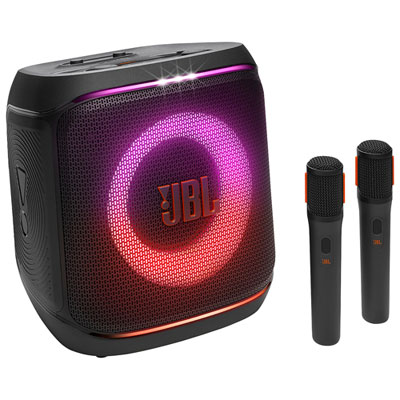
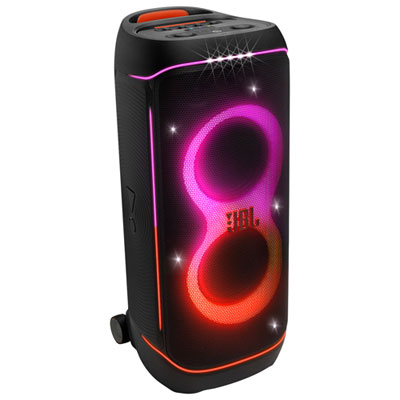
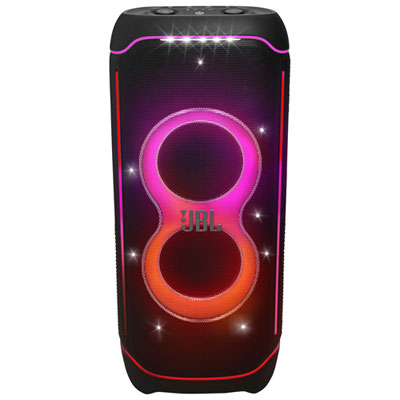
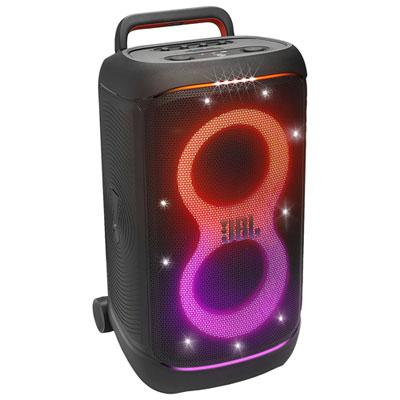
![ISLAND Avicii - True - [Vinyl]](https://multimedia.bbycastatic.ca/multimedia/products/500x500/155/15589/15589635.jpeg)
From laid-back grooves to dance-floor energy
Electronic music for parties brings together rhythmic tracks and audio equipment that lets their layers come through clearly, from a rounded bass line beneath conversation to a driving beat on a busy dance floor. The appeal lies in the variety: electronic dance music spans relaxed, melodic grooves, punchy vocal anthems, and harder, more percussive sounds. House music often centres on a steady four-on-the-floor beat, with a kick drum on each beat and repeating patterns that make it easy to settle into the rhythm. Disco-influenced house adds familiar warmth through bright chords, vocal hooks, and lively bass lines, while deeper house styles can suit a gathering where conversation matters as much as dancing. Techno tends to put more emphasis on repetition, textured percussion, and gradual changes, building momentum without depending on a chorus. Festival-style EDM often uses prominent synthesizer melodies, rising tension, and dramatic drops for a bigger shift in energy. Moombahton combines a slower pulse with a swaying rhythmic feel, while electronic trap draws on hip-hop-influenced drums, rapid hi-hats, and deep bass. None of these styles needs to dominate an entire party. A birthday celebration might move from easygoing instrumental tracks while guests arrive to vocal-led dance music once the room fills, while a games night may call for an even groove that stays comfortably behind the action. For mixed groups, recognizable melodies and a balance of instrumental and vocal tracks can feel more welcoming than an uninterrupted run of intense drops. Longer mixes offer continuity, whereas individual tracks give a host more freedom to respond to the room. The broader range of Music Entertainment for Parties also suits gatherings that blend electronic sounds with pop, disco, and other dance-friendly styles. Across these settings, satisfying party sound depends on more than volume: clear melodies, controlled bass, and a rhythm that reaches the listening area all help the music feel engaging.
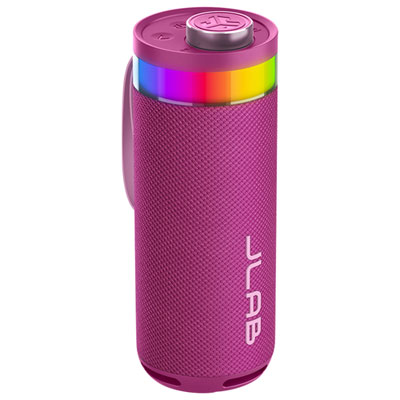
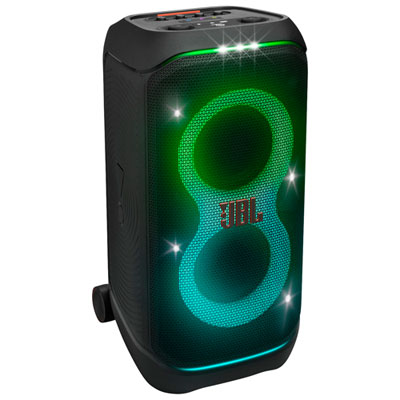
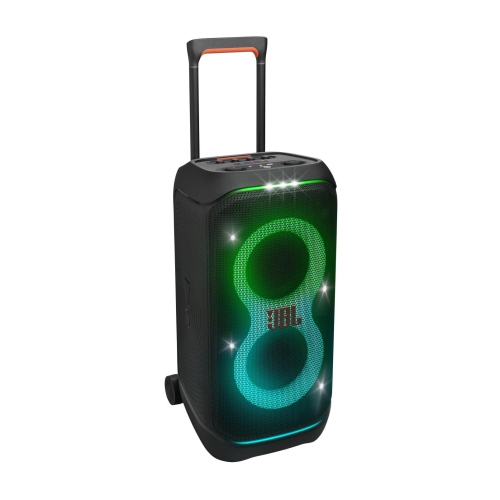
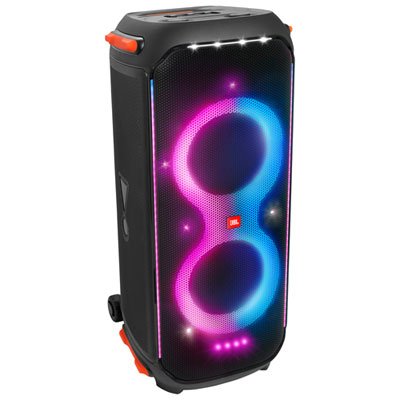
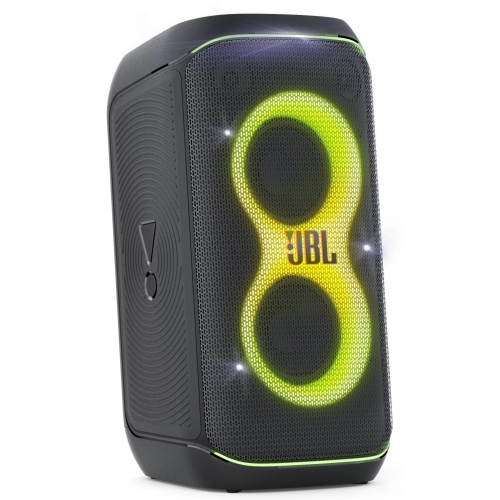
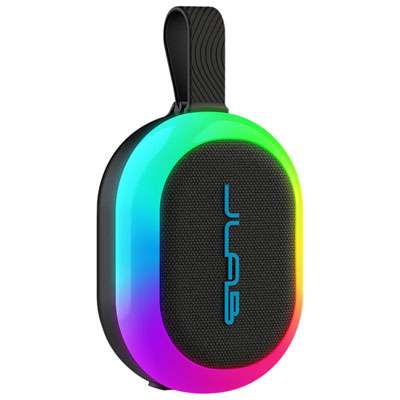
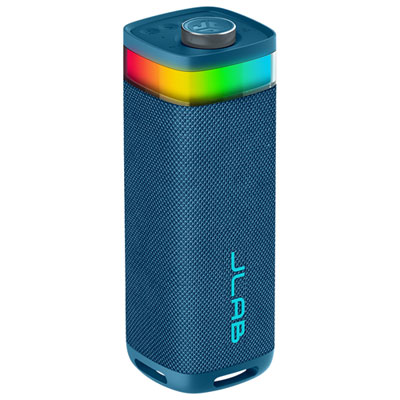
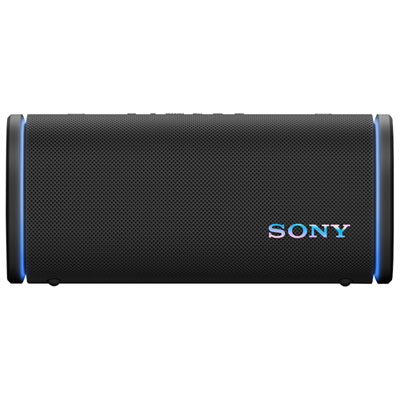
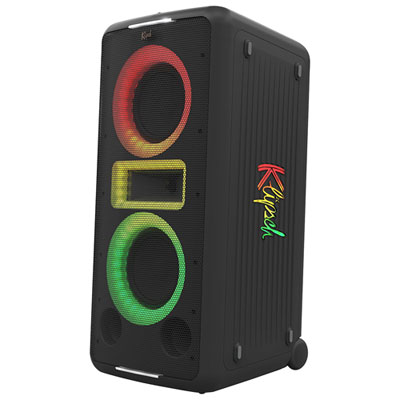
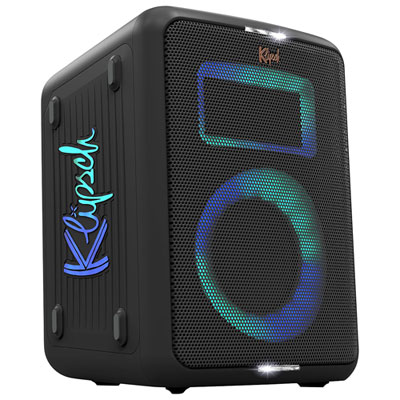
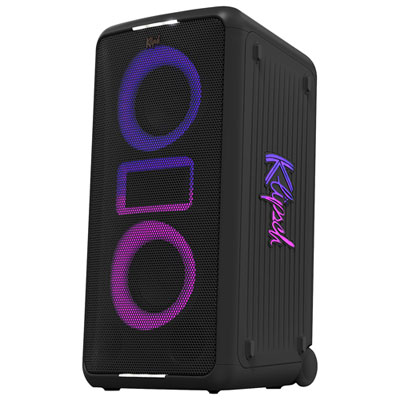
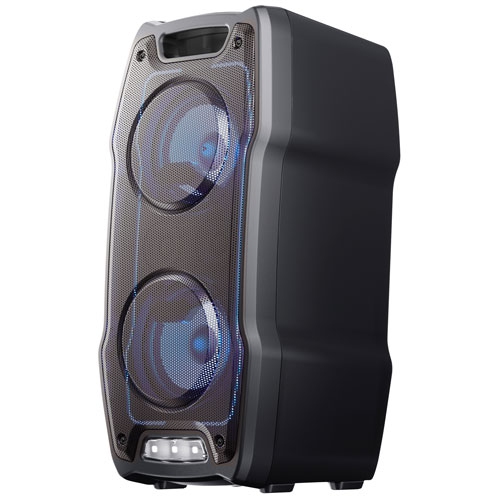
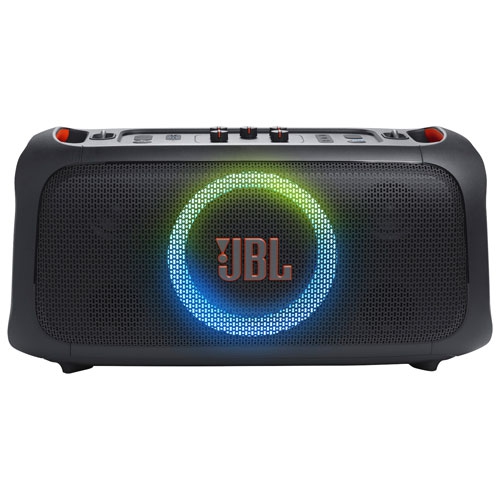
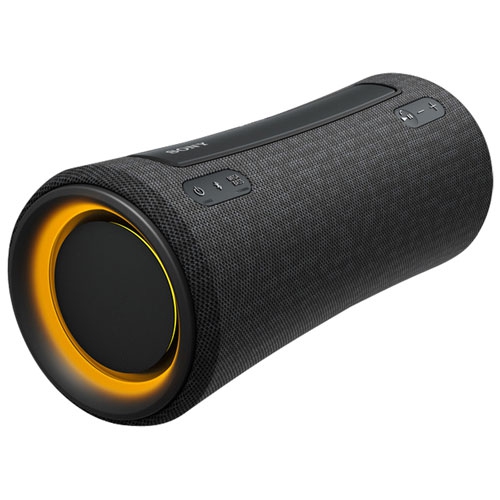
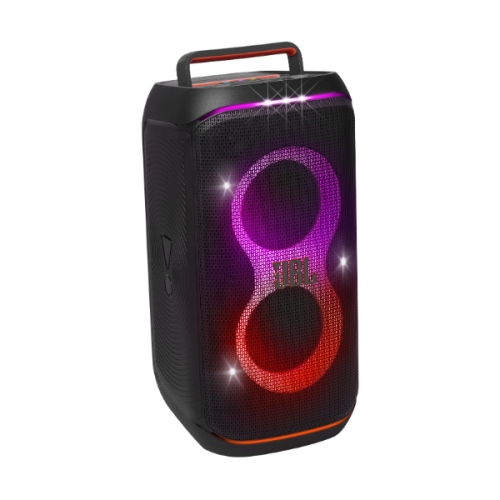
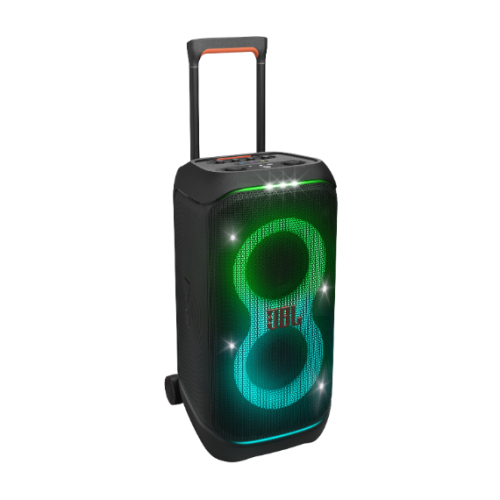
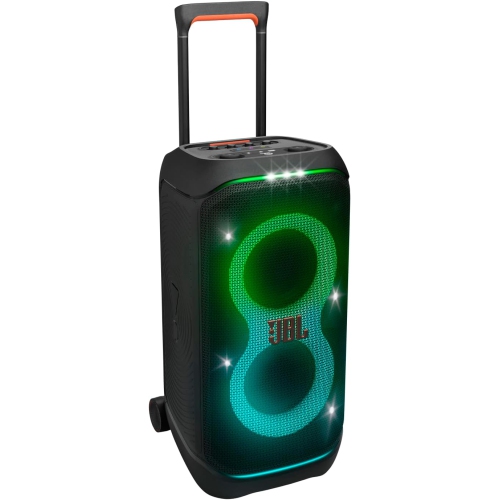
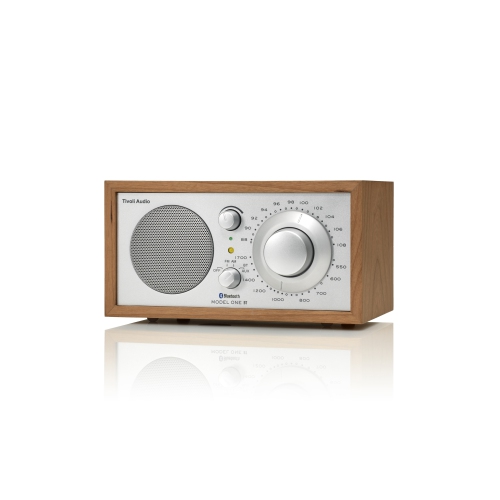
Speakers and related audio equipment give electronic party music its physical presence, particularly when kick drums and bass lines carry much of the track’s character. Compact portable speakers suit smaller gatherings and hosts who want to move music between rooms, while larger party speakers generally offer more output and a fuller presentation for a dedicated dancing area. Powered speakers have amplification built in, reducing the number of separate components needed, although connections and supported sources vary. A separate subwoofer can add weight to low frequencies when used with a compatible system, but powerful bass is not the same as balanced sound. A kick drum should sound distinct rather than blur into the bass line, and vocals should remain understandable when the arrangement becomes busy. Speaker size and wattage alone do not reveal how clearly a system will play in a particular room. Coverage, distortion at the intended listening level, and the ability to adjust bass and treble are useful considerations for electronic music. Placement changes the result, too. A speaker tucked into a corner may sound much bassier than the same speaker positioned away from nearby walls; on a hollow cabinet, vibration can introduce an unwanted rattle. Stable supports and a clear path between the speaker and listeners help avoid muffled sound, while keeping equipment away from the main walking route reduces accidental bumps. In a living room with an adjoining kitchen, spreading sound through compatible linked speakers may be more comfortable than turning one speaker up enough to reach every guest. Linking features are not universal, so support for stereo pairing or multi-speaker playback matters when planning a larger setup. Stereo can give synthesizer layers and effects a greater sense of space, although guests moving around a room will hear a different balance from someone seated between two speakers. In apartments and shared homes, low frequencies can travel through walls and floors even when the music seems moderate nearby. Controlled bass and a separate quieter conversation area can make a gathering more comfortable without removing the pulse that makes electronic music enjoyable.
Connections, controls, construction, and care shape how easily party audio fits into everyday use. Bluetooth offers convenient playback from a compatible phone or tablet, while Wi-Fi playback can support network-based listening on equipment designed for it. Neither connection type guarantees that different speakers will work together, and a reliable signal matters when music is expected to play without interruption. Wired inputs can be useful for compatible mixers and other audio sources, particularly when a host wants a straightforward connection that does not rely on wireless pairing. For someone who enjoys mixing rather than simply playing a playlist, DJ controllers and mixers provide hands-on control over transitions, track levels, and tone. Compatibility with the playback device and software is important, as are the available outputs for connecting to speakers. Headphones used for cueing let a DJ preview the next track separately from the main sound; cushioned ear pads, an adjustable headband, and a comfortable fit become especially relevant during longer sets. Sound-reactive lighting can complement a dancing area, but separate lighting controls allow a softer look when guests are eating or talking. Physical volume buttons, clearly labelled inputs, and accessible handles are practical details that often matter more during a gathering than a long list of effects. Battery-powered equipment offers flexibility where sockets are inconvenient, though playback time varies with volume, lighting, and other active features. Moulded housings, protective grilles, and well-fitted controls can help equipment withstand regular handling, while weight and handle placement affect how comfortably it can be carried. A stated water-resistance rating describes specific tested protection, not permission to leave drinks beside controls or connections. Routine care generally includes wiping suitable exterior surfaces with a soft, dry cloth, keeping vents clear, and following the manufacturer’s cleaning and charging directions. Cables need enough reach without crossing busy walkways, and equipment should sit on stable surfaces with appropriate ventilation. For a frequent host, an aspiring DJ, or a music enthusiast receiving audio equipment as a gift, the best fit depends on listening habits, room size, existing connections, and storage space. A system that is easy to connect, comfortable to operate, and suited to its intended space keeps the focus on the music and the people enjoying it.
Speakers and related audio equipment give electronic party music its physical presence, particularly when kick drums and bass lines carry much of the track’s character. Compact portable speakers suit smaller gatherings and hosts who want to move music between rooms, while larger party speakers generally offer more output and a fuller presentation for a dedicated dancing area. Powered speakers have amplification built in, reducing the number of separate components needed, although connections and supported sources vary. A separate subwoofer can add weight to low frequencies when used with a compatible system, but powerful bass is not the same as balanced sound. A kick drum should sound distinct rather than blur into the bass line, and vocals should remain understandable when the arrangement becomes busy. Speaker size and wattage alone do not reveal how clearly a system will play in a particular room. Coverage, distortion at the intended listening level, and the ability to adjust bass and treble are useful considerations for electronic music. Placement changes the result, too. A speaker tucked into a corner may sound much bassier than the same speaker positioned away from nearby walls; on a hollow cabinet, vibration can introduce an unwanted rattle. Stable supports and a clear path between the speaker and listeners help avoid muffled sound, while keeping equipment away from the main walking route reduces accidental bumps. In a living room with an adjoining kitchen, spreading sound through compatible linked speakers may be more comfortable than turning one speaker up enough to reach every guest. Linking features are not universal, so support for stereo pairing or multi-speaker playback matters when planning a larger setup. Stereo can give synthesizer layers and effects a greater sense of space, although guests moving around a room will hear a different balance from someone seated between two speakers. In apartments and shared homes, low frequencies can travel through walls and floors even when the music seems moderate nearby. Controlled bass and a separate quieter conversation area can make a gathering more comfortable without removing the pulse that makes electronic music enjoyable.
Connections, controls, construction, and care shape how easily party audio fits into everyday use. Bluetooth offers convenient playback from a compatible phone or tablet, while Wi-Fi playback can support network-based listening on equipment designed for it. Neither connection type guarantees that different speakers will work together, and a reliable signal matters when music is expected to play without interruption. Wired inputs can be useful for compatible mixers and other audio sources, particularly when a host wants a straightforward connection that does not rely on wireless pairing. For someone who enjoys mixing rather than simply playing a playlist, DJ controllers and mixers provide hands-on control over transitions, track levels, and tone. Compatibility with the playback device and software is important, as are the available outputs for connecting to speakers. Headphones used for cueing let a DJ preview the next track separately from the main sound; cushioned ear pads, an adjustable headband, and a comfortable fit become especially relevant during longer sets. Sound-reactive lighting can complement a dancing area, but separate lighting controls allow a softer look when guests are eating or talking. Physical volume buttons, clearly labelled inputs, and accessible handles are practical details that often matter more during a gathering than a long list of effects. Battery-powered equipment offers flexibility where sockets are inconvenient, though playback time varies with volume, lighting, and other active features. Moulded housings, protective grilles, and well-fitted controls can help equipment withstand regular handling, while weight and handle placement affect how comfortably it can be carried. A stated water-resistance rating describes specific tested protection, not permission to leave drinks beside controls or connections. Routine care generally includes wiping suitable exterior surfaces with a soft, dry cloth, keeping vents clear, and following the manufacturer’s cleaning and charging directions. Cables need enough reach without crossing busy walkways, and equipment should sit on stable surfaces with appropriate ventilation. For a frequent host, an aspiring DJ, or a music enthusiast receiving audio equipment as a gift, the best fit depends on listening habits, room size, existing connections, and storage space. A system that is easy to connect, comfortable to operate, and suited to its intended space keeps the focus on the music and the people enjoying it.
Top selling and popular products
-
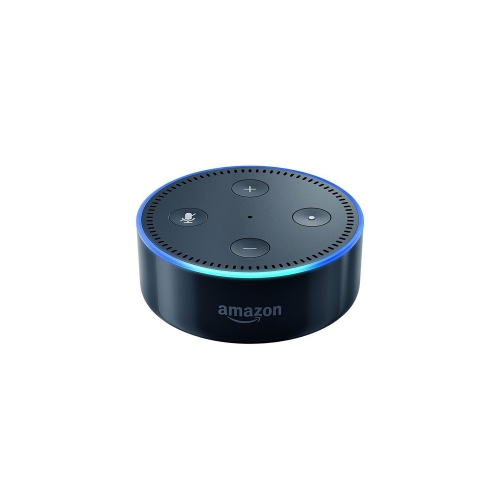 Your price for this item is $48.99
 -
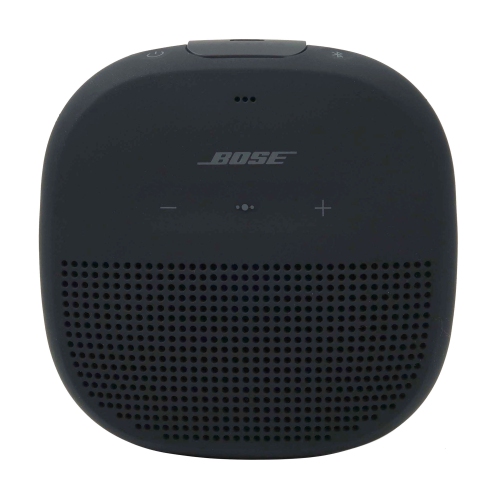 Your price for this item is $110
 -
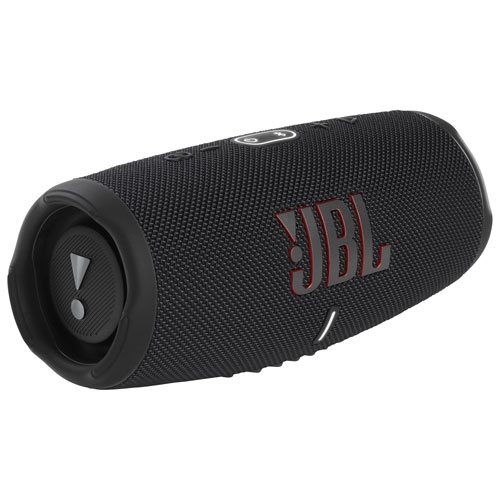 Your price for this item is $239.98
 -
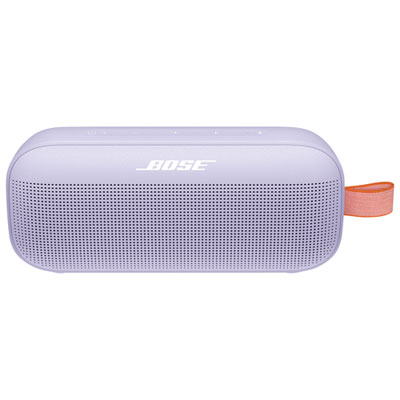 Your price for this item is $149.99
 -
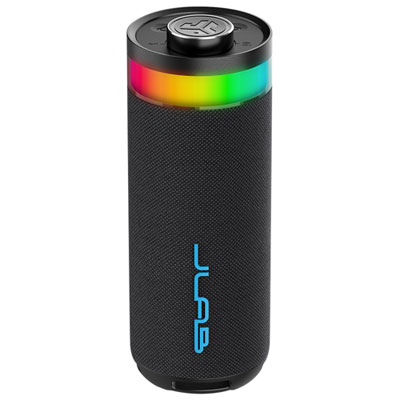 Your price for this item is $59.99
 -
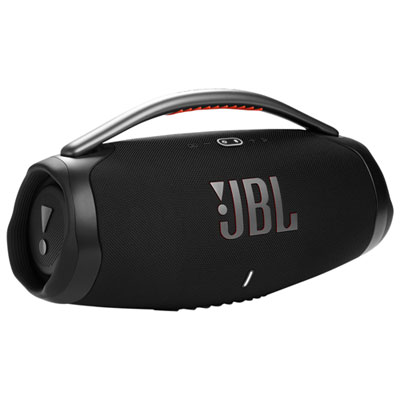 Your price for this item is $399.99
 -
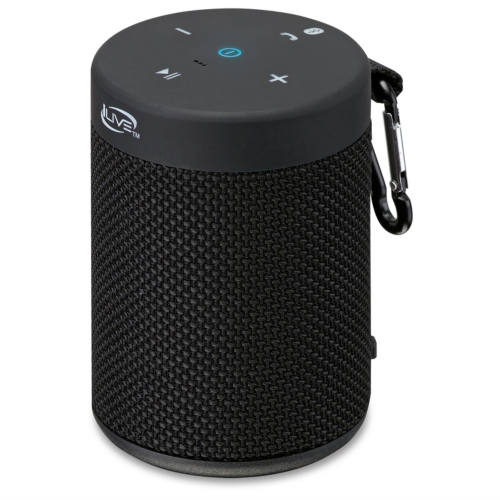 Your price for this item is $33.68
 -
 Your price for this item is $379.98
Discover more categories related to Electronic Music for Parties
Top Collections:
Pokemon Centers, Kindle Devices, Best Budget Office Chairs, Apple iPhones 16, Canon G7X Cameras, iPhone 15 Apple, Alarm Clock, Refurbished Apple Laptops, Flip Phones, Best Laptops for Writers
Some products may be subject to Environmental Handling Fees
(EHF) depending on your province.
Learn more about EHFs.