Noise Cancelling Sleep Earbuds
Noise Cancelling Sleep Earbuds offer a comfortable and effective way to enjoy restful nights and peaceful relaxation. Designed for bedtime use, these earbuds help create a calm environment by minimizing unwanted sounds. Whether you’re trying to drift off in a noisy neighborhood or seeking tranquility while traveling, Noise Cancelling Sleep Earbuds provide an ideal solution for uninterrupted rest. Explore a variety of options to find the perfect fit for your nighttime routine.
Sort
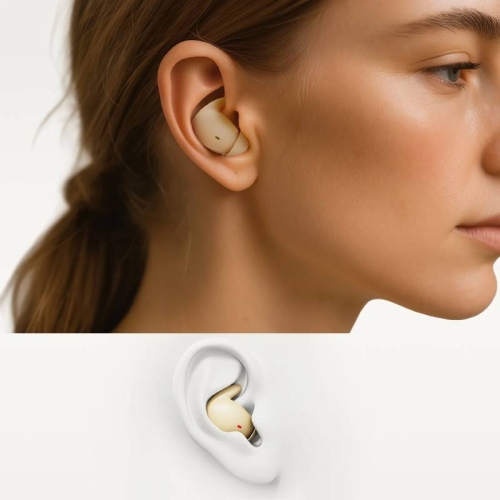
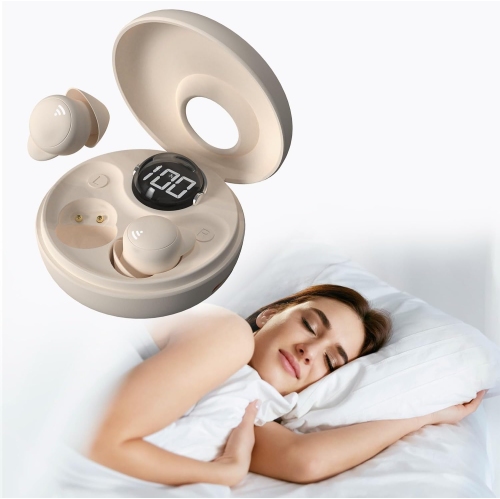
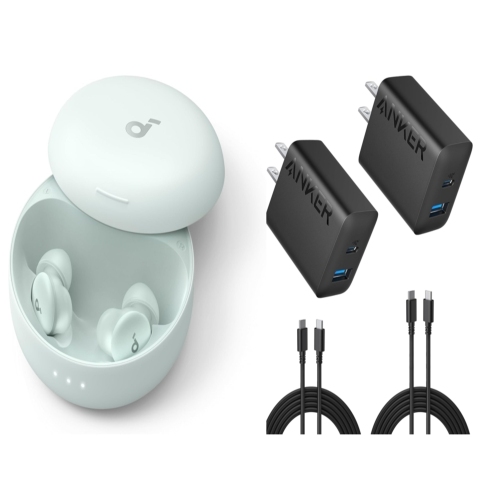
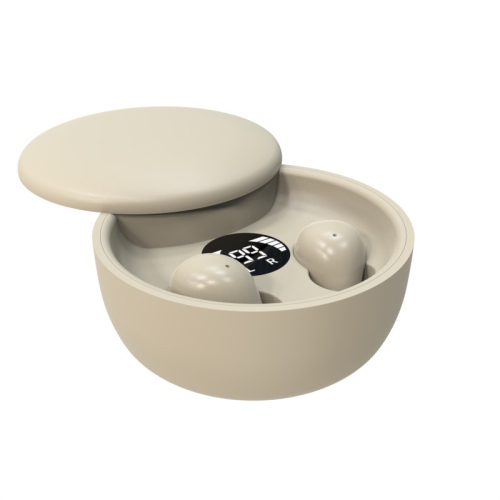
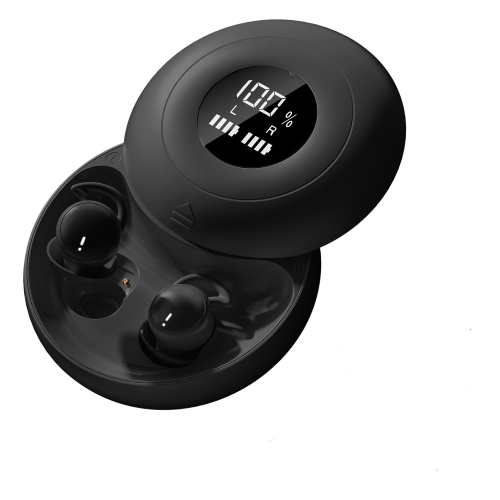
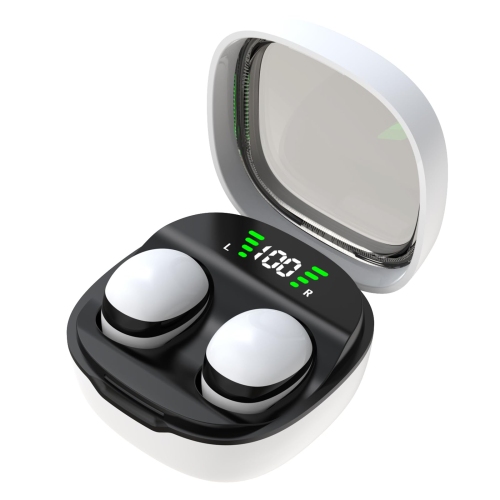
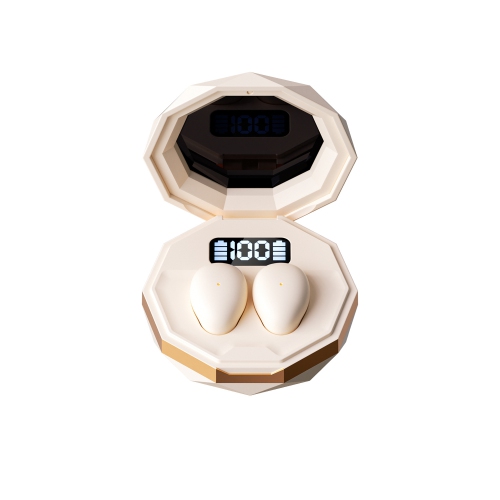
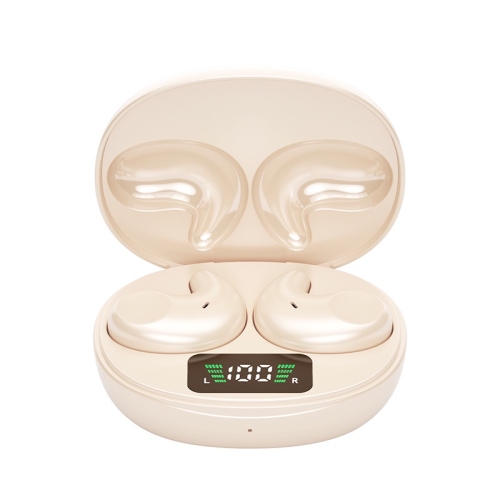
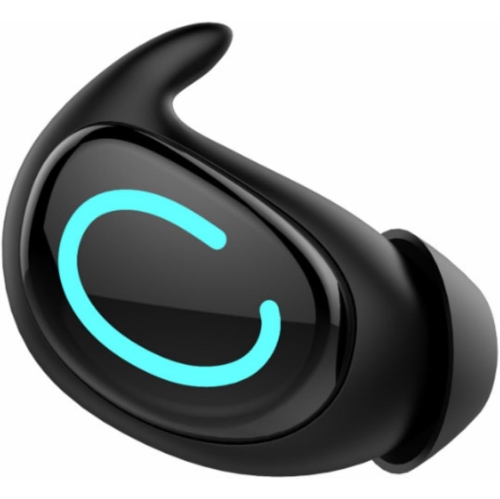
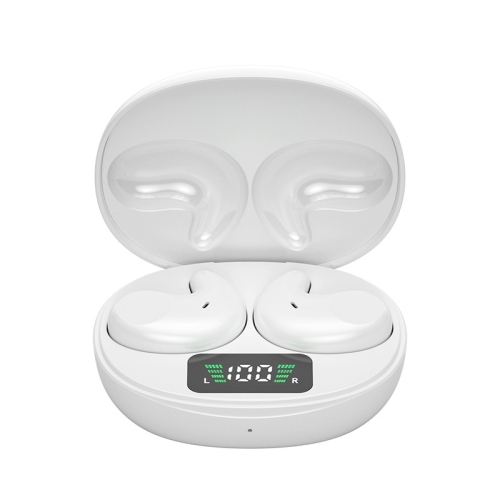
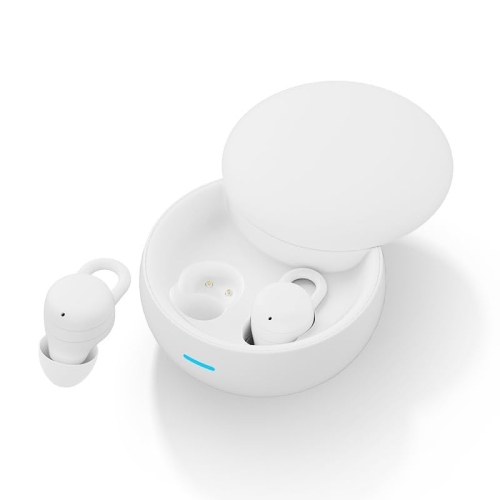
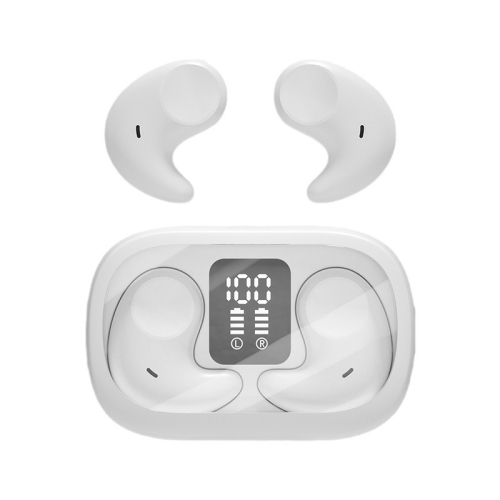
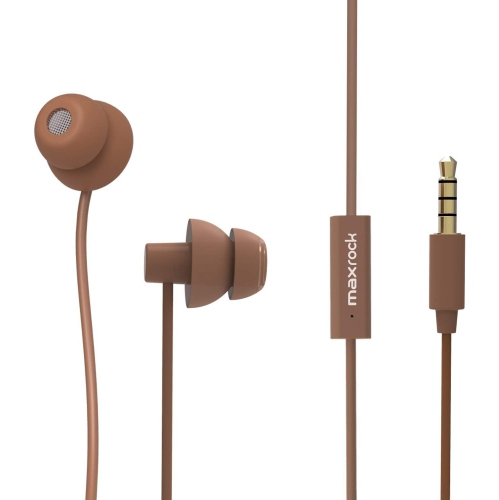
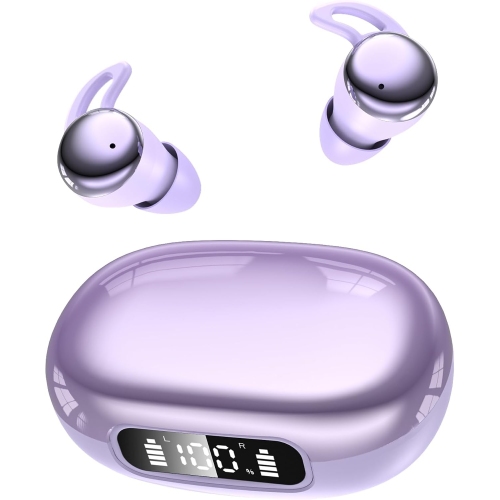
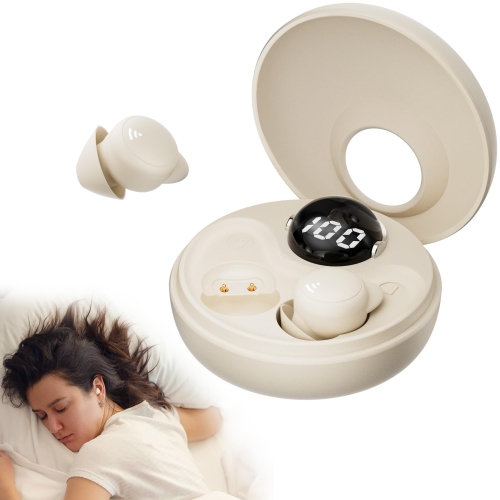
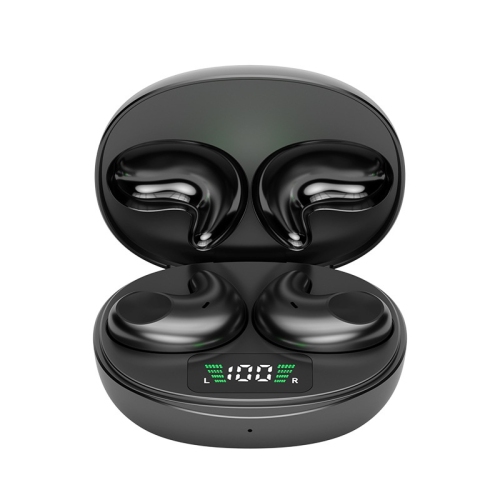
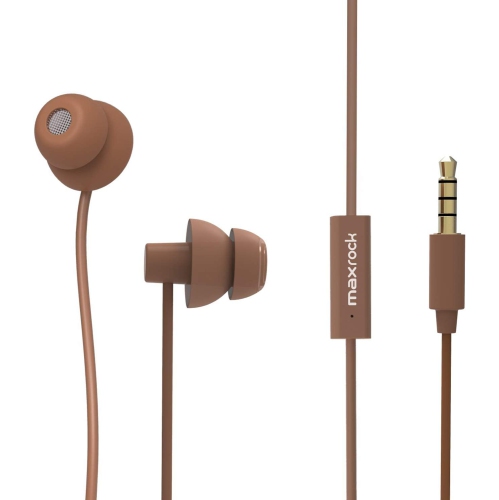
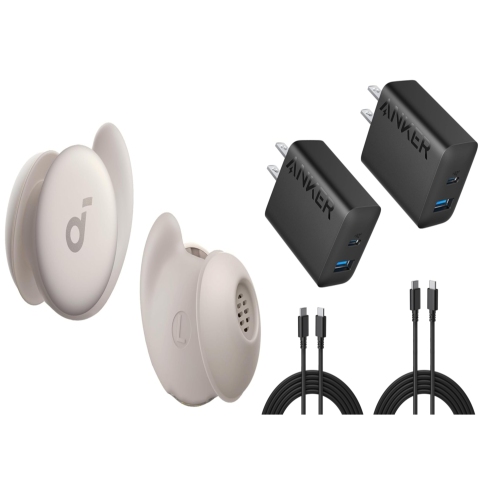
Pillow comfort matters as much as noise control
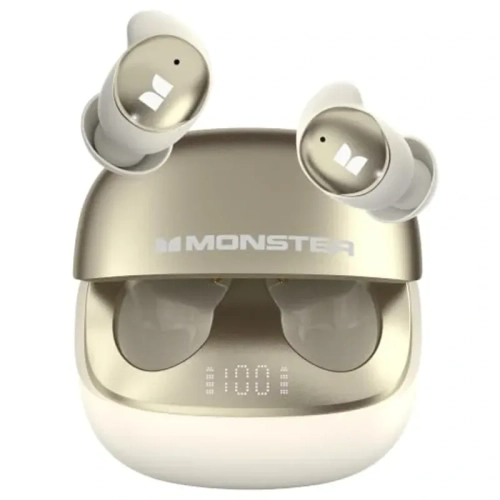
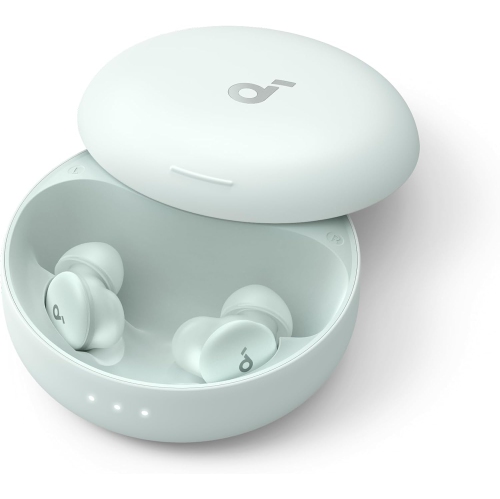
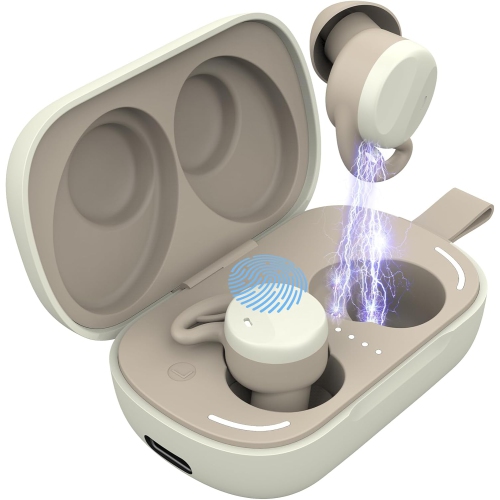
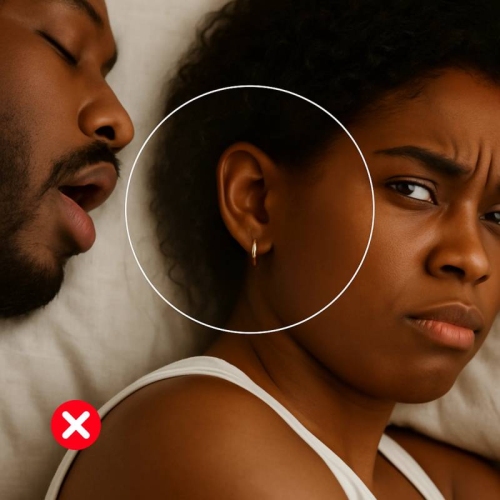
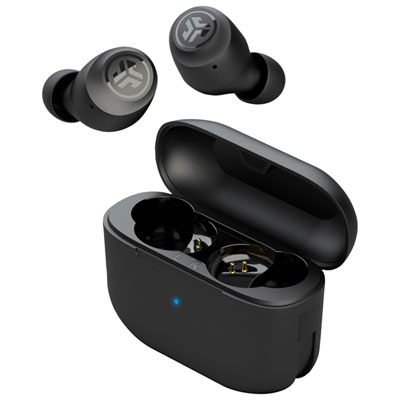
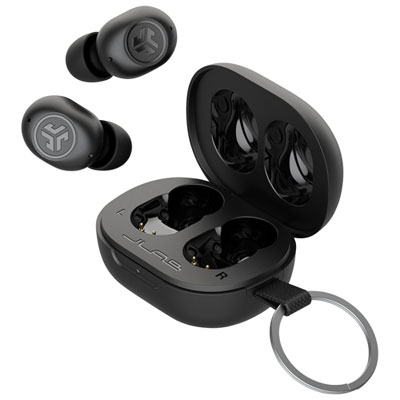
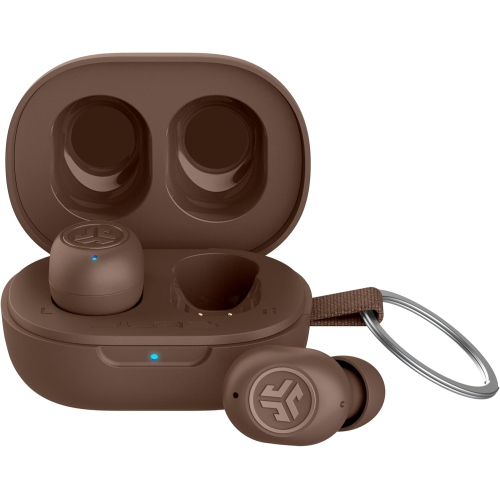
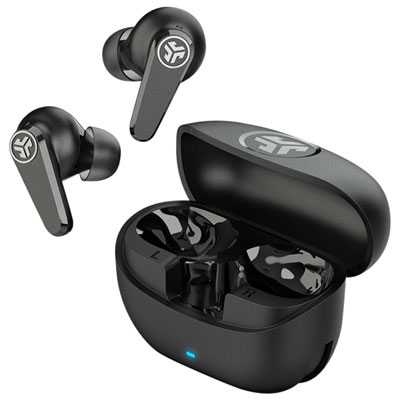
Noise cancelling sleep earbuds are made for quieter rest, with compact shapes and sound-control features suited to time spent on a pillow rather than at a desk or in the gym. They can be useful for someone sharing a bedroom with a snoring partner, resting while a roommate is still awake, or trying to settle down with traffic audible outside. The main distinction is how they manage unwanted sound. Active noise cancellation, often called ANC, uses microphones and electronic processing to reduce certain external sounds. It generally works best on steady, lower-frequency noise, such as a ventilation hum or distant engine rumble. Passive noise isolation comes from the physical seal of the ear tips, which helps limit sound entering the ear canal. Noise masking works differently: it plays background audio, such as white noise, rainfall, or a soft, steady tone, to make surrounding sounds less noticeable. Some sleep earbuds combine these approaches, while others rely on isolation and masking without active cancellation. That distinction matters because a sleep-focused design does not automatically include ANC, and ordinary wireless earbuds with ANC are not necessarily comfortable enough for overnight wear. Snoring can be particularly challenging because its pitch, volume, and rhythm change; no single technology guarantees that it will disappear. A close-fitting seal paired with suitable sound control may make it less distracting, but results depend on the fit and the noise itself. Sleep earbuds also differ in what they play. Some support streamed music, podcasts, or audiobooks, while others are dedicated to a selection of built-in sleep sounds. For someone who prefers quiet without audio, a design that supports noise reduction alone serves a different purpose from one built around continuous masking tracks. These differences make the category relevant to several bedtime routines, from listening briefly while winding down to keeping a consistent background sound through a full rest period.
Comfort depends on more than an earbud being small. For side sleepers, a low-profile housing that sits close to the ear can reduce the pressure created when the head rests against a pillow. A projecting stem, bulky outer shell, or firm edge may feel unobtrusive while sitting upright but become noticeable after turning onto one side. Back sleepers may have more flexibility in shape, although a secure, gentle fit still matters when changing position. Ear tips commonly use soft silicone or compressible foam, and each material has a different feel. Silicone tips are usually straightforward to wipe clean and may come in several sizes; foam tips compress before expanding to follow the ear canal and can require more frequent replacement. The best seal is not necessarily the tightest one. A tip should sit securely without needing to be pushed deeply into the ear, and different sizes may suit the left and right ears. Some designs also use soft wings or fins to help keep the earbuds in place as the sleeper moves. Smooth surfaces, light weight, and minimal protrusion are especially relevant when the same contact points rest against skin for hours. Earbuds should feel comfortable before sleep, not just become tolerable after adjusting the pillow. Care is equally important with frequent wear. Earwax and moisture can collect around tips, sound openings, and charging contacts, affecting both hygiene and performance. Removable tips and accessible surfaces can make routine cleaning easier, while manufacturer instructions determine which parts can be wiped, washed, or replaced. Earbuds and tips should be fully dry before returning to the charging case, and water resistance should never be assumed to mean they can be rinsed or submerged. Replaceable tips can help maintain a reliable fit as materials wear. Persistent soreness, itching, or irritation is a reason to stop wearing them rather than tighten the fit or continue through discomfort.
Battery life and overnight behaviour shape the experience just as much as sound quality. The useful figure is the earbuds’ operating time on a single charge in the mode intended for sleep, not the combined total that includes recharging in the case. Active cancellation, wireless streaming, and other features can affect that runtime, so a long evening audiobook session may leave less charge for the night. Some sleep earbuds store sounds locally and can keep playing without an ongoing Bluetooth connection; others depend on a nearby phone and compatible app. Local playback can reduce dependence on the phone overnight, but it may also limit listening to the sounds supported by the earbuds. Sleep timers, gradual volume changes, and controls that can be disabled may help avoid unwanted interruptions, particularly when a pillow presses against a touch-sensitive surface. Low-battery alerts and connection announcements also deserve attention, since a feature that is helpful during daytime listening can be disruptive during rest. Audio should remain at a low, comfortable level rather than being turned up to overpower every outside sound. Reduced awareness is another consideration: earbuds may make alarms, doorbells, or someone calling from another room harder to hear. An in-ear alarm, where supported, is not a substitute for remaining able to notice important household or emergency signals. People who need to respond to a child or another person overnight may prefer a different listening arrangement. For listening beyond the bedroom, Noise Cancelling Earbuds for Travel are a related category, although features valued on a journey, such as call microphones and convenient controls, do not necessarily translate into pillow comfort. Sleep-focused earbuds can also be a thoughtful gift for an adult who already enjoys bedtime audio or wants a more compact alternative to over-ear headphones. Because ear shape, pressure sensitivity, and preferred sounds are personal, compatibility with that person’s habits matters more than an extensive feature list. A suitable pair brings together a gentle fit, appropriate sound control, manageable care, and enough uninterrupted operating time for the way it will actually be used.
Top selling and popular products
-
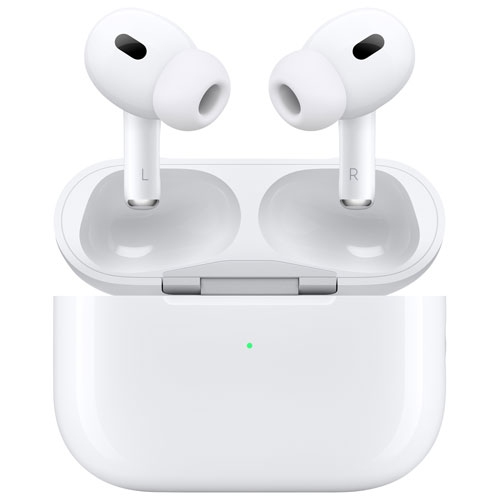 Your price for this item is $349.99
-
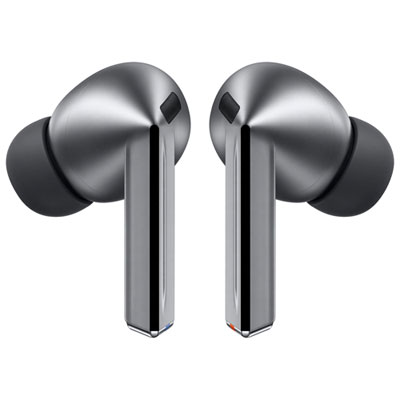 Your price for this item is $329.99
-
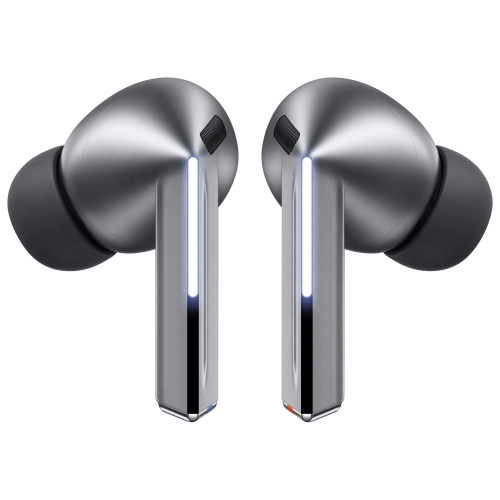 Your price for this item is $229
-
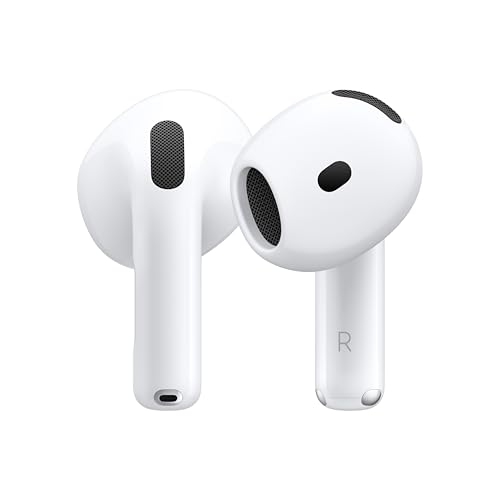 Your price for this item is $159.99
-
 Your price for this item is $19.99
-
 Your price for this item is $59.99
-
 Your price for this item is $107.49
-
 Your price for this item is $59.99
Discover more categories related to Noise Cancelling Sleep Earbuds


Top Collections:
Best Black Friday Deals This Year, Best Black Friday Deals On Electronics, Kindle Devices, Best Black Friday Deals On Apple Products, Best Budget Office Chairs, Best Cameras for Sports Photography, Dyson Airwrap, Canon G7X Cameras, Best Laptops for Writers, Samsung Galaxy Phones
Some products may be subject to Environmental Handling Fees
(EHF) depending on your province.
Learn more about EHFs.