Open Ear Headphones for Biking
Open Ear Headphones for Biking offer a unique listening experience designed with active lifestyles in mind. Perfect for cyclists who want to enjoy their favorite tunes or podcasts while staying aware of their surroundings, these headphones combine comfort and convenience on every ride. Explore a wide range of options to find the ideal fit for your biking adventures and experience audio in a whole new way.
Sort

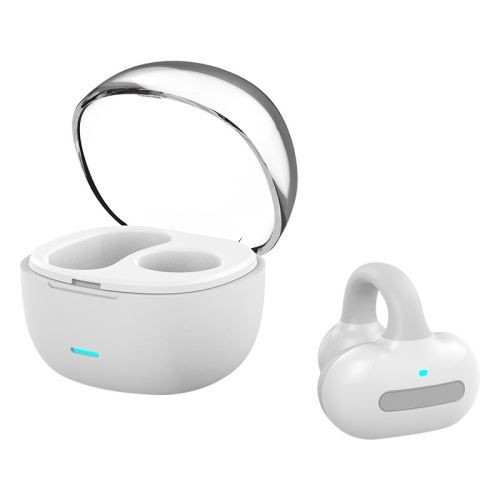
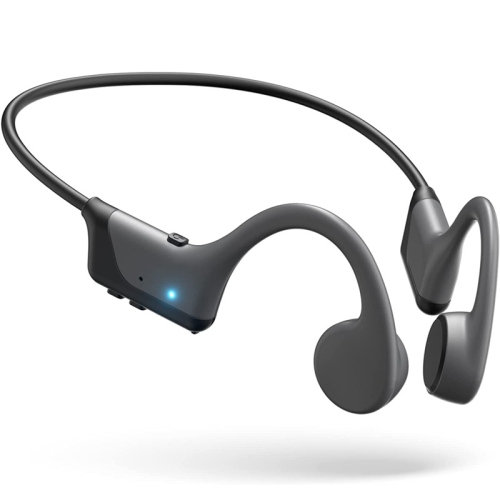
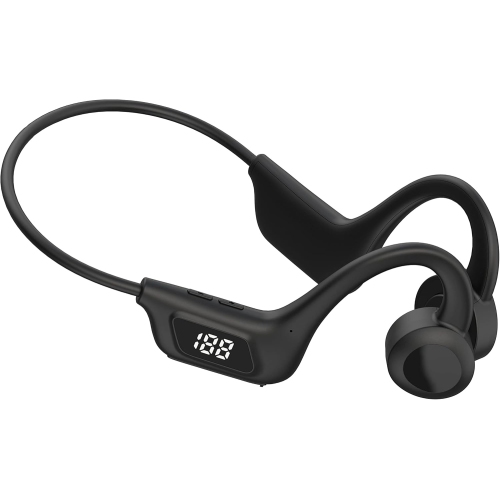

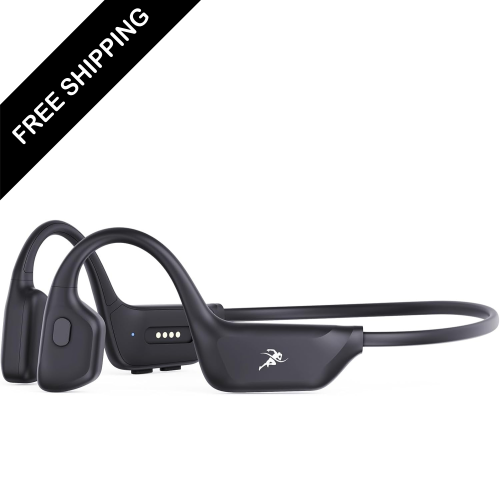
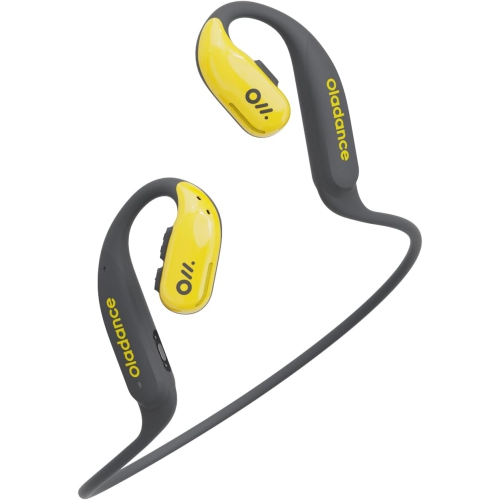
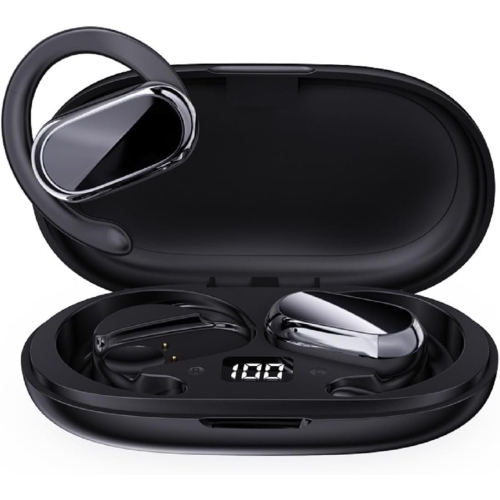
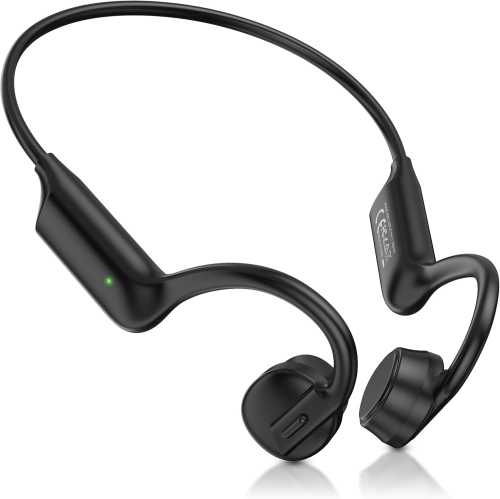
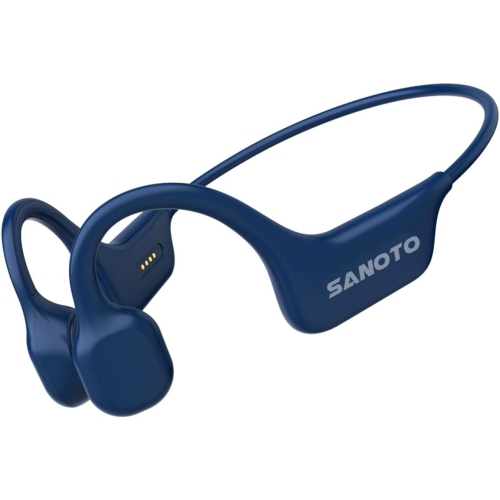
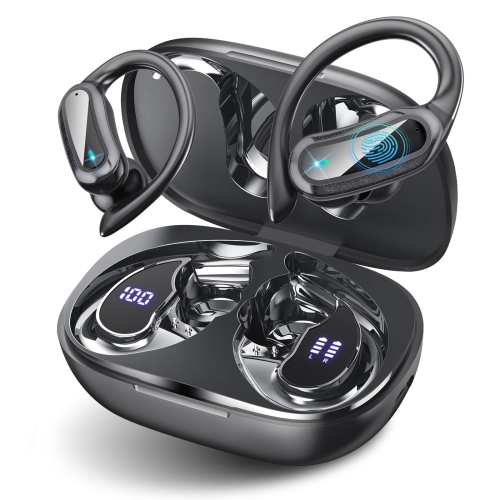
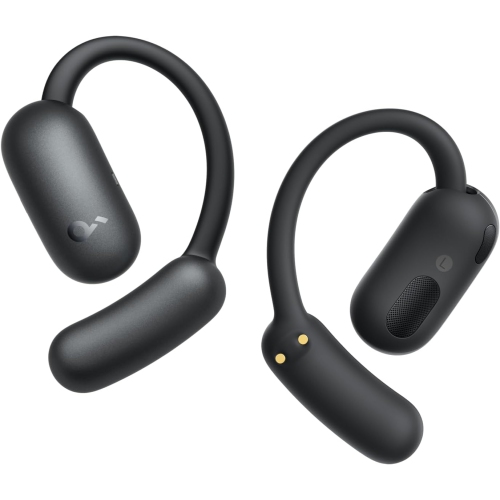
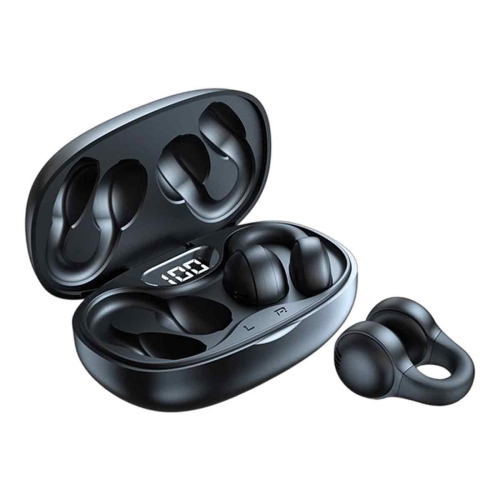
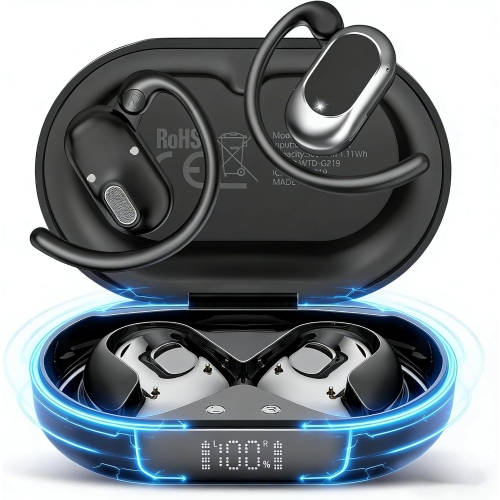
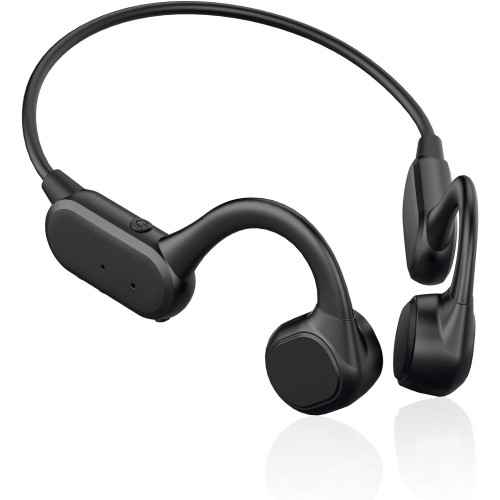
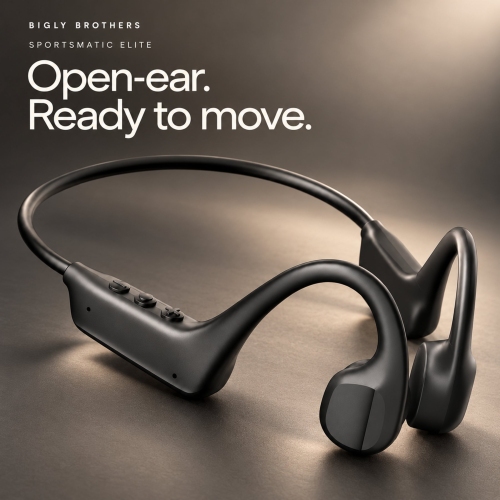
How open-ear audio fits your ride and gear
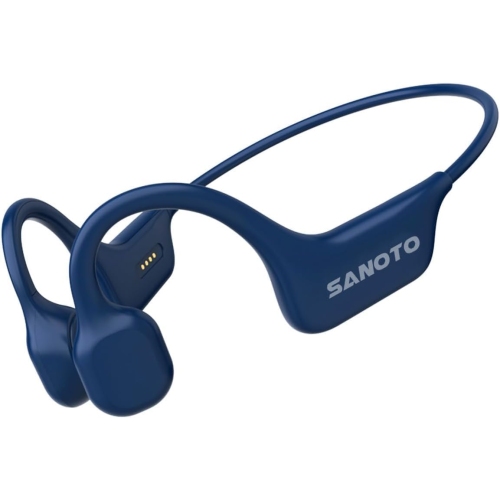
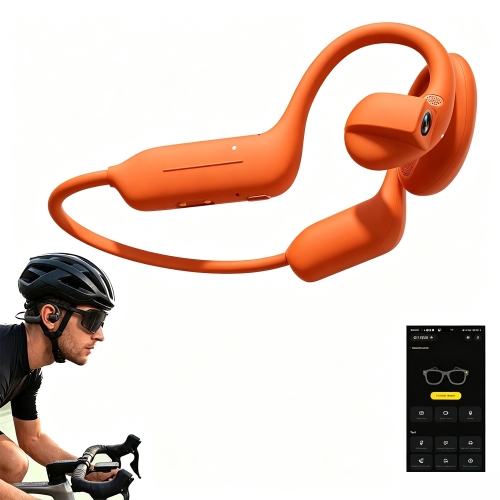
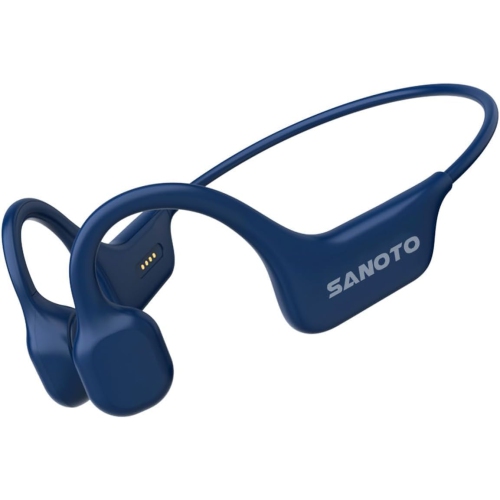
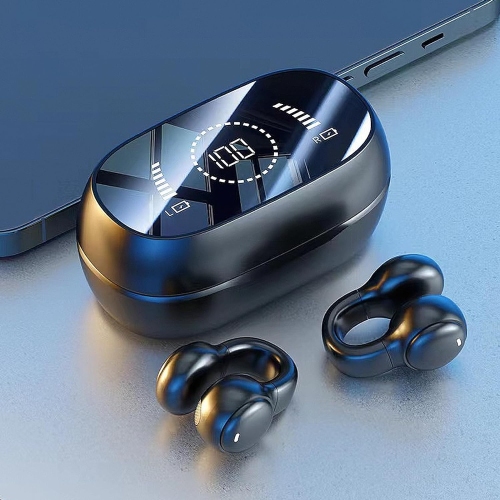
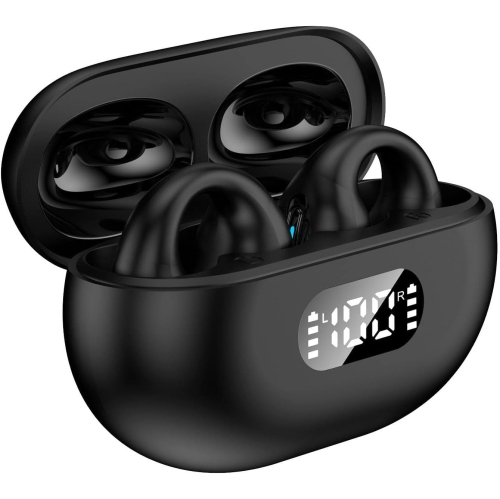
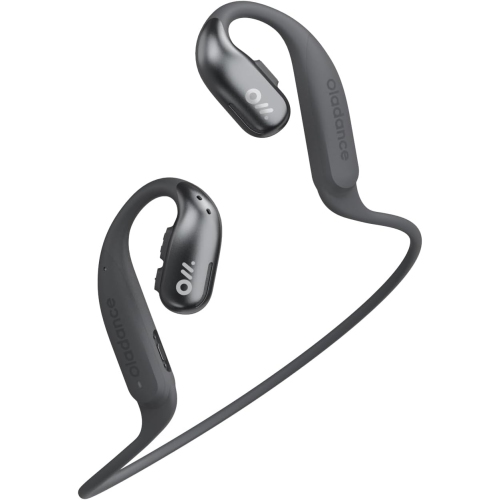
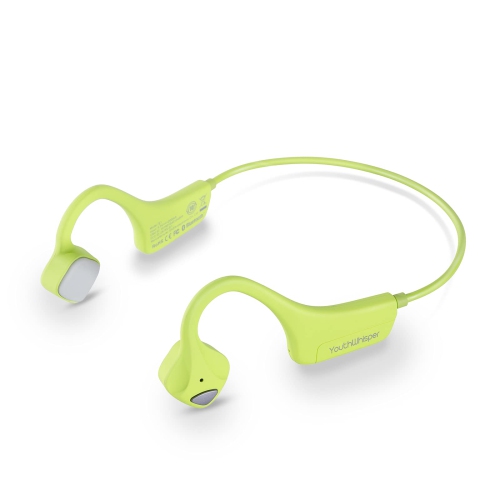
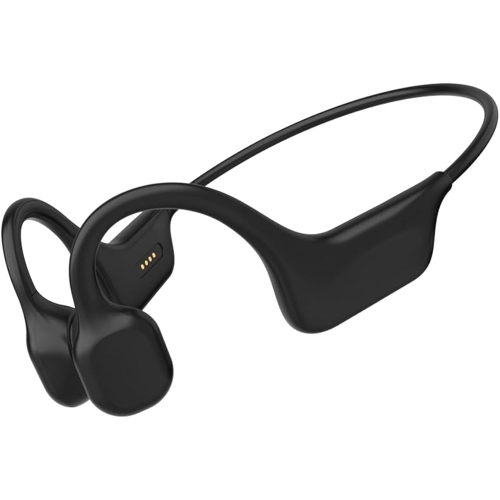
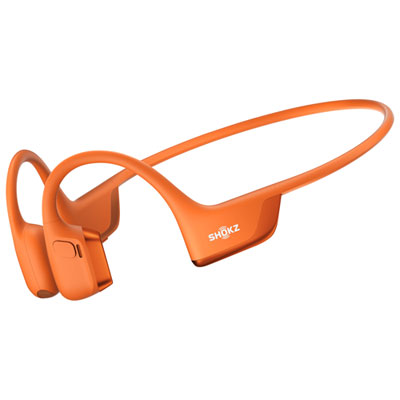
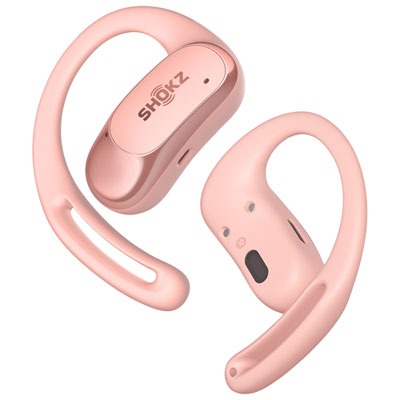
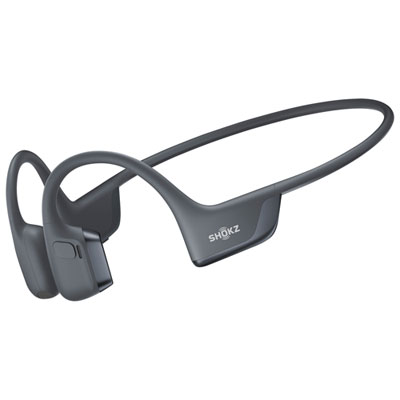
Open-ear headphones for biking deliver personal audio without sealing the ear canals, making them an option for cyclists who want music, spoken directions, or podcasts alongside the sounds around them. Unlike earbuds that sit inside the ear canal, open-ear designs rest near the ear or against the cheekbones. Two common approaches are bone conduction, which sends vibrations through contact points near the ears, and open-ear air conduction, which directs sound towards the ears through small speakers. Both can leave the ear canals unobstructed, although their fit, sound, and feel differ. Bone-conduction headphones typically use a band that curves around the back of the head, while air-conduction designs may use individual ear hooks, clips, or a connected frame. Neither approach guarantees that a rider will hear every vehicle, bell, or approaching person. Playback volume, surrounding noise, hearing ability, and attention all affect awareness, so an open-ear design should not be treated as a safety device. Low listening levels and pausing audio whenever full attention is needed remain important, along with following local rules on headphone use while cycling. For a commuter following a familiar route, brief navigation prompts may be more useful than continuous music. Someone riding a separated recreational path might prefer spoken audio, while an indoor cyclist may value an open fit that makes conversation easier between efforts. Sound expectations matter, too: because there is no tight seal, bass can feel lighter than with sealed earbuds, and quiet speech may become difficult to follow when surrounding noise increases. Raising the volume to compete can reduce the benefit of keeping the ears open. A comfortable listening level that still leaves room for surrounding sounds is a more useful priority than maximum loudness, particularly on routes shared with pedestrians and other cyclists. Pausing playback at crossings or complicated junctions also keeps entertainment secondary to the ride.
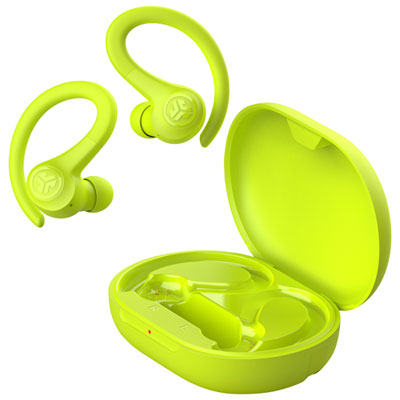
Fit has a noticeable effect on how open-ear cycling headphones feel over a longer ride. A secure design should stay in place when the rider looks over a shoulder, leans towards the handlebars, or moves across uneven pavement, without creating persistent pressure at the temples or behind the ears. Headphones also need to share limited space with helmet straps and glasses. Ear hooks that feel comfortable on their own may press against spectacle arms, while a rear band can touch a helmet’s adjustment cradle or catch on a high collar. Checking the fit with the helmet and eyewear normally worn for cycling gives a more realistic impression than trying headphones alone. The helmet should retain its proper position and strap adjustment; it should never need to be loosened or shifted to make room for audio gear. Frame flexibility, contact-point shape, and weight distribution can matter as much as overall weight. Materials vary, with flexible metal frames, moulded plastics, and silicone contact surfaces serving different roles in support and comfort. Soft-touch surfaces can reduce friction, but the shape still needs to suit the wearer. Sweat resistance is another practical consideration for repeated use during exercise. An IPX4 rating indicates resistance to splashing water under specified test conditions, not suitability for immersion, and the “X” does not establish a dust-resistance rating. Protection also varies between the headphones and their charging accessories, so the manufacturer’s care directions remain important. After a ride, wiping contact areas with a soft cloth and allowing the headphones to dry before charging helps manage sweat residue. Charging contacts, speaker openings, and microphone ports should be kept clear without sharp tools or harsh cleaning products. A protective case can prevent a flexible band or exposed ear hooks from being crushed inside a bag. For frequent riders, sturdy joints, manageable charging connections, and surfaces that are easy to wipe down can make daily ownership simpler than a design that requires delicate handling after every outing.
Useful features for biking extend beyond the open-ear shape. Physical buttons can be easier to identify by touch than a small touch-sensitive surface, particularly when adjusting playback before setting off or while stopped. Controls should be distinct enough to avoid confusing volume changes with track skipping, and detailed adjustments are best made off the bike. Bluetooth compatibility with the rider’s phone supports everyday listening, while multipoint connectivity, where offered, can simplify switching between a phone and a computer after a commute. Companion apps may provide equalizer settings, control customization, and battery information, but these features vary by design. Battery life should be considered against the total time between charging opportunities, including the return journey rather than just one leg of a commute. Published playback estimates depend on test conditions; listening volume, calls, and enabled features can change actual running time. Quick charging may be useful for a short top-up, while a proprietary cable needs a consistent place in a work bag or at home. Microphone performance is a separate consideration from playback quality. Air moving past the ears and helmet straps can interfere with speech pickup, and microphone noise reduction is not the same as active noise cancellation for the listener. Calls are better handled after stopping somewhere suitable, rather than relying on a headset to make conversation effortless during a ride. Open-ear speakers can also leak sound, especially at higher volumes, which matters when sharing a workspace, sitting on transit, or pausing beside other people. For shoppers comparing wearing styles, Earbuds for Biking offers another category to consider, with attention to whether a particular design leaves the ear canal open or creates a seal. As a gift for a regular commuter, recreational cyclist, or indoor cycling enthusiast, open-ear headphones are most personal when their fit suits the recipient’s helmet, glasses, and listening habits. Comfortable contact points, straightforward controls, and an appropriate balance between audio and awareness are the qualities likely to matter throughout repeated rides.
Top selling and popular products
-
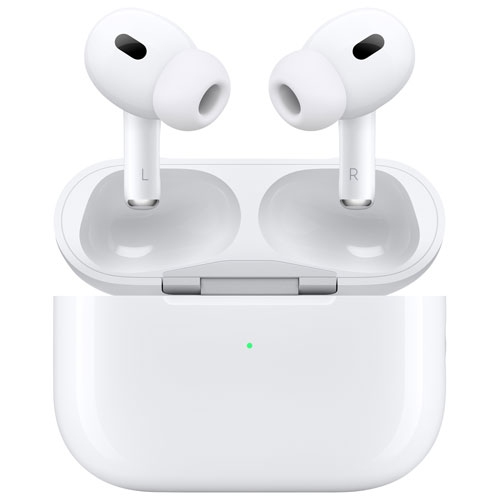 Your price for this item is $349.99
-
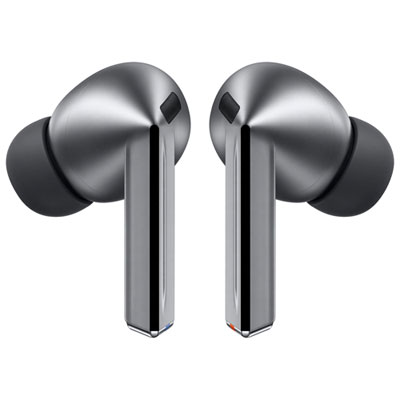 Your price for this item is $329.99
-
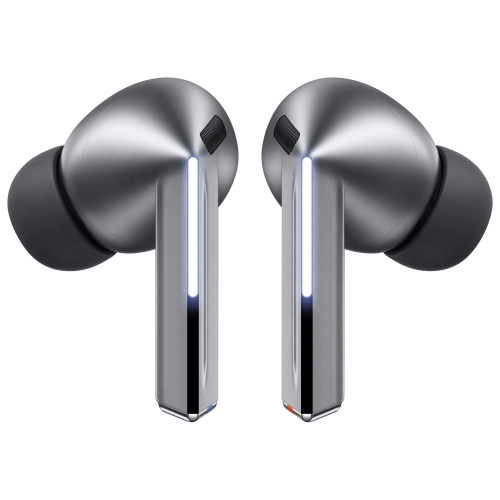 Your price for this item is $229
-
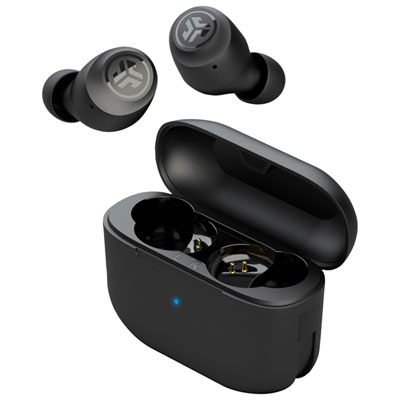 Your price for this item is $19.99
-
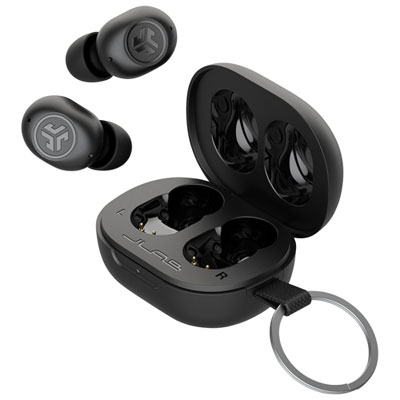 Your price for this item is $59.99
-
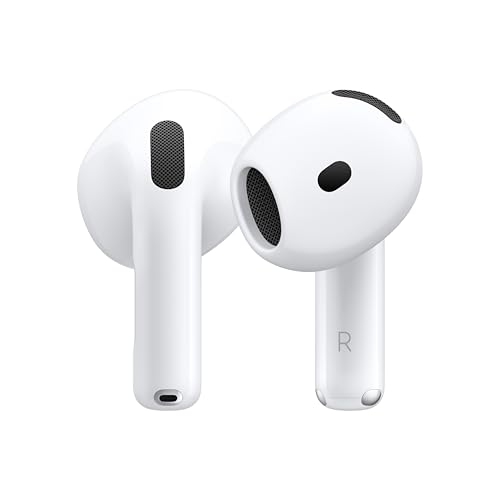 Your price for this item is $339.88
-
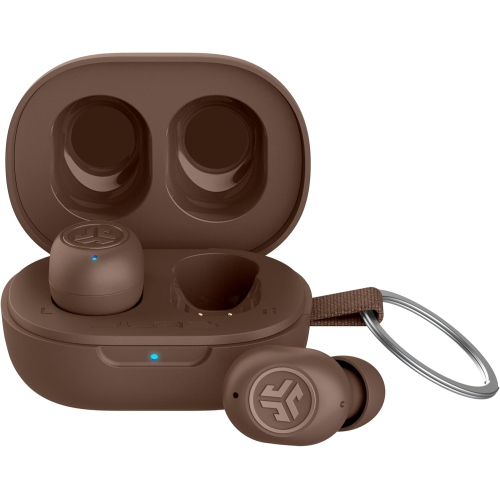 Your price for this item is $107.49
-
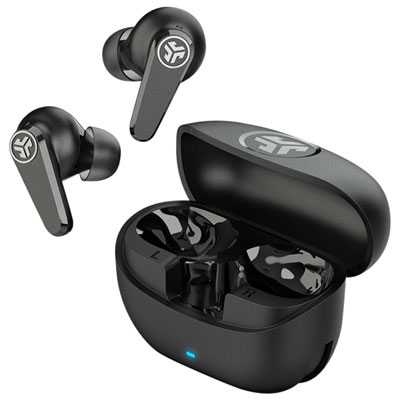 Your price for this item is $59.99
Discover more categories related to Open Ear Headphones for Biking
Top Collections:
Best Black Friday Deals This Year, Best Black Friday Deals On Electronics, Kindle Devices, Pokemon Centers, Best Black Friday Deals On Apple Products, Best Cameras for Sports Photography, Dyson Airwrap, Pokémon 30th Celebration Cards, Apple iPhone 17 Pro, Canon G7X Cameras
Some products may be subject to Environmental Handling Fees
(EHF) depending on your province.
Learn more about EHFs.