Replacement Turntable Stylus
Enhance your listening experience and keep your records sounding their best with a Replacement Turntable Stylus. Whether you're an avid vinyl collector or just rediscovering your favorite albums, having the right stylus is essential for clear and accurate audio playback. Explore a wide selection of Replacement Turntable Stylus options designed to fit various turntables, helping you maintain smooth performance and enjoy your music collection to the fullest. Find the perfect fit for your setup and bring new life to every record you play.
Sort










Why cartridge compatibility matters more than turntable brand
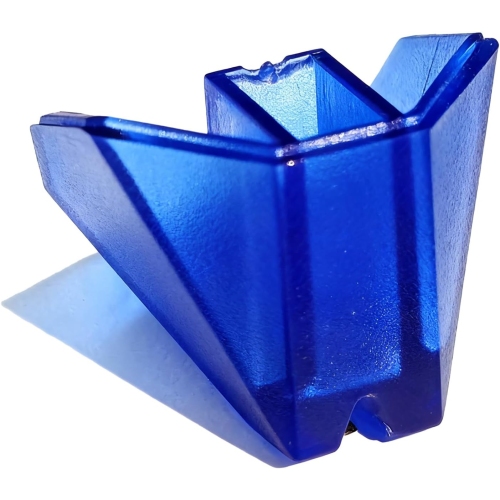
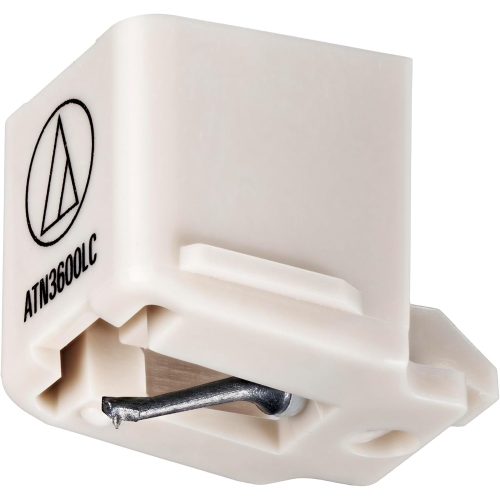
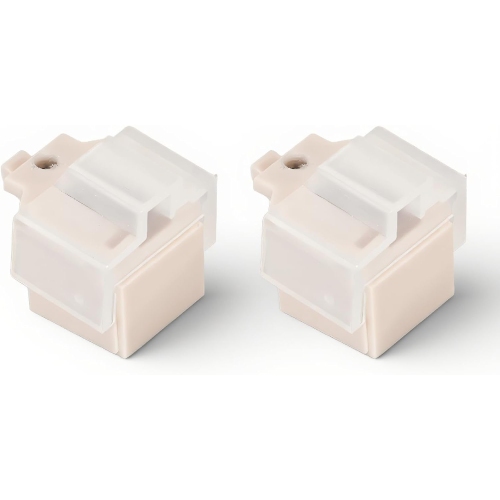
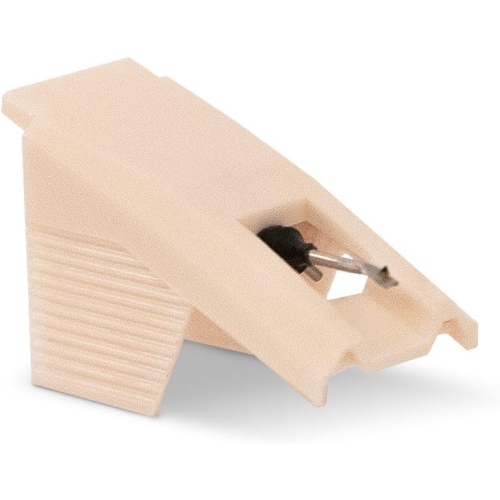
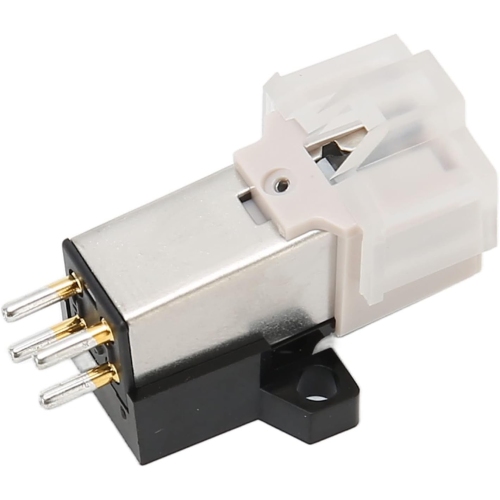
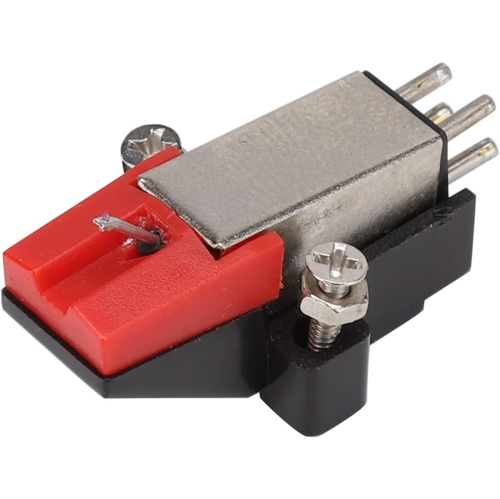
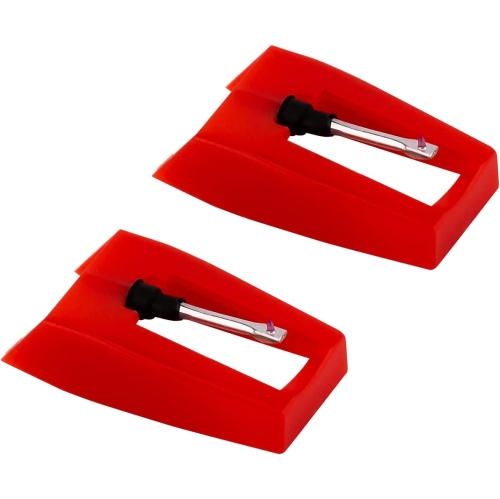
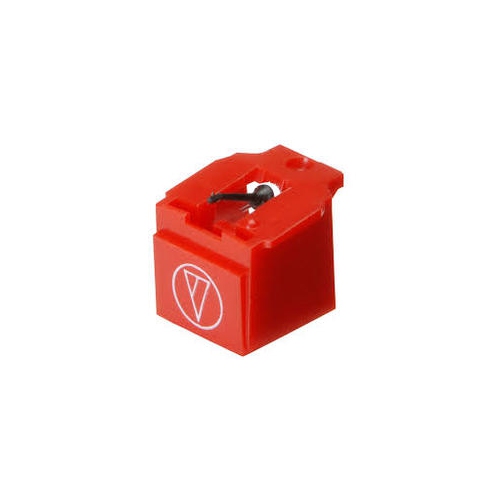
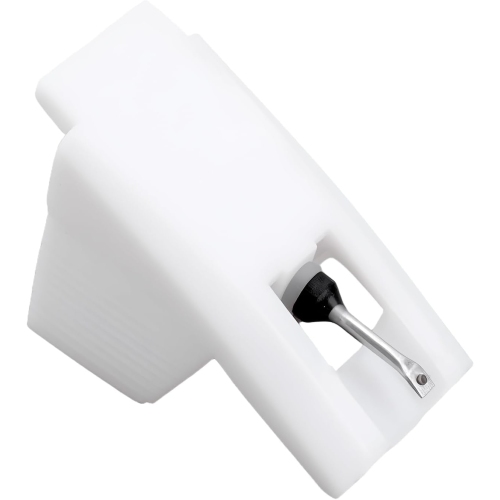
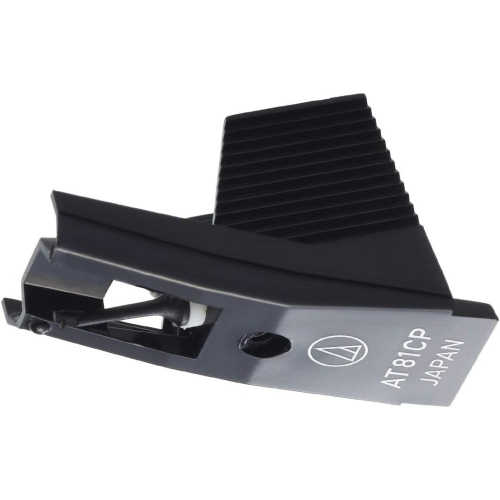
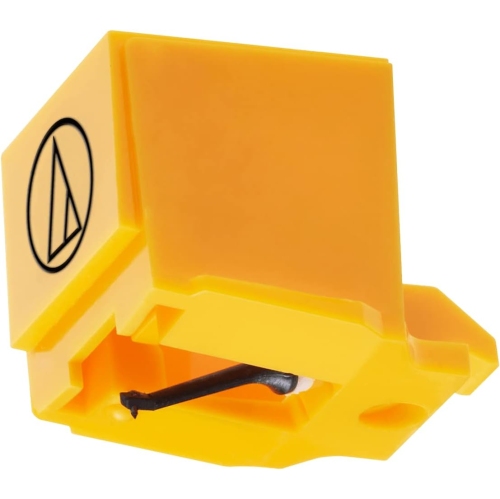
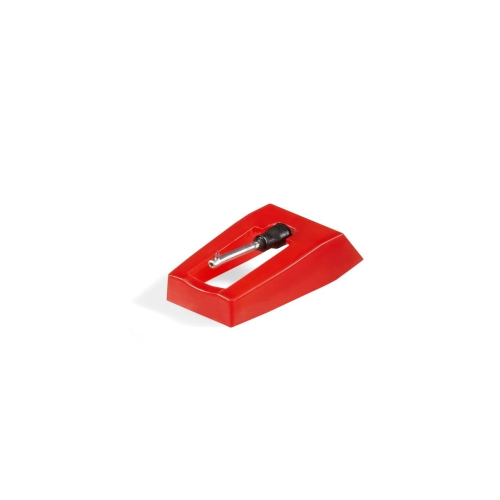
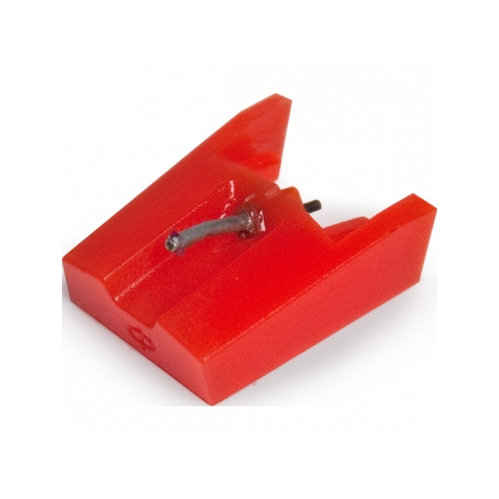
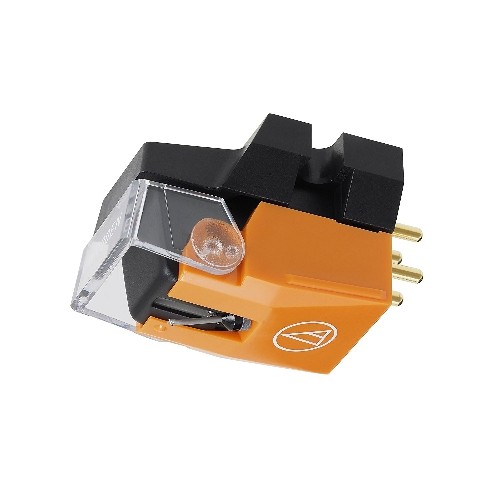
A replacement turntable stylus is the part of a record player’s pickup assembly that traces the record groove and transfers its movement through a cantilever to the cartridge. Often called a record player needle, it can restore clear playback when an existing tip is worn or damaged, provided it matches the cartridge fitted to the turntable. Compatibility depends primarily on the cartridge model, not simply on the turntable’s brand, appearance, or playback speeds. Two assemblies can look nearly identical yet use different mounting arrangements, cantilever designs, or tracking requirements. The cartridge’s model marking and the manufacturer’s compatibility information are therefore more useful than a visual resemblance alone. This matters especially with a second-hand turntable, since a previous owner may have changed the original cartridge. The stylus and cartridge are also distinct components: the stylus assembly usually contains the tip, cantilever, suspension, and a small housing, while the cartridge body converts the movement into an electrical signal. Many moving-magnet cartridges have a replaceable stylus assembly, whereas many moving-coil designs require specialist servicing or replacement of the cartridge rather than a simple stylus swap. Some compact record players use other cartridge types with their own replacement requirements. A stylus described as an upgrade is only suitable when it is explicitly compatible with the cartridge and the turntable’s operating requirements. Even within one cartridge family, different tip profiles can call for different tracking-force settings. Browsing the Audio Technica Stylus page can help focus a search for that cartridge brand, but the exact cartridge model remains the essential reference. For everyday listening, keeping the existing cartridge and fitting the correct replacement assembly can be a straightforward way to maintain a familiar setup without changing the whole pickup system. It also avoids assuming that a complete cartridge replacement is necessary whenever the needle reaches the end of its useful life.
Tip material, tip shape, and cantilever construction all influence how a replacement stylus performs. Diamond is widely used because of its hardness and resistance to wear, although a diamond tip still needs careful handling and eventually wears through normal use. A bonded diamond tip has a diamond section attached to a supporting shank, while a nude diamond tip is formed from a single piece of diamond. The lower moving mass possible with a nude design can support more responsive groove tracing, but performance depends on the complete assembly rather than that feature alone. Aluminium is a common cantilever material; other designs may use materials such as boron to achieve a particular balance of stiffness and mass. Conical tips have a rounded contact profile and are common in straightforward listening setups. Elliptical tips have a narrower front-to-back profile that can follow finer groove details, especially toward the centre of a record, when the cartridge is correctly set up. More advanced line-contact profiles are designed to contact the groove along a longer, narrower area and can retrieve fine detail, though they generally place greater demands on alignment and adjustment. These differences are most meaningful when considered alongside the tonearm, cartridge, record condition, and intended use. Someone playing favourite albums from start to finish may value balanced sound and dependable tracking, while a listener with a carefully adjusted hi-fi system may be interested in more precise tracing of busy passages or sustained vocals. DJ use brings different demands: back-cueing and scratching require a cartridge and stylus explicitly designed for those techniques, rather than an ordinary listening stylus assumed to be rugged enough. Record format matters as well. A stylus intended for the microgrooves of most 33⅓ and 45 rpm records is generally not appropriate for the wider grooves of many 78 rpm records. Playback speed alone does not establish stylus suitability; the record format and cartridge’s supported replacement options both need to match.
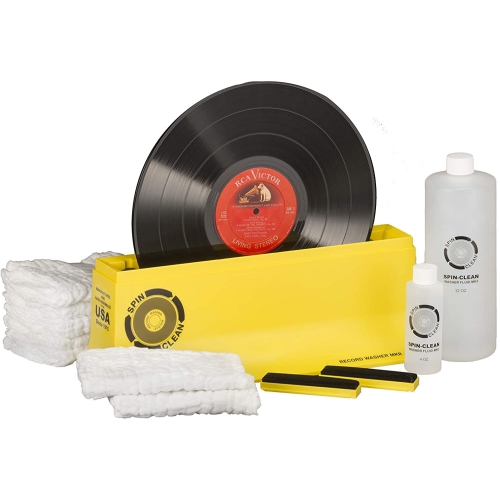
Good care helps a replacement stylus deliver consistent sound and protects the records passing beneath it. Dust can collect around the tip as a small tuft of lint, dulling detail or interfering with clean tracking, while grit on a record adds unnecessary wear. Clean records, a suitable record brush, and a dust cover when the turntable is not playing all contribute to a cleaner playback setup. Stylus cleaning should follow the manufacturer’s directions, using an appropriate tool and avoiding sideways pressure on the delicate cantilever. Many stylus brushes are used gently from the rear of the assembly toward the front; liquids and cleaning gels should only be used when approved for the particular assembly. The tip should not be touched with a finger, and the cueing lever is preferable to lowering the tonearm by hand when one is fitted. Correct tracking force is equally important. Too little force can cause mistracking rather than provide extra protection, while excessive force can accelerate wear. The appropriate setting comes from the stylus or cartridge specifications, with anti-skate and alignment adjusted as the turntable design requires. A replacement assembly may also need its specified settings checked even when it fits the existing cartridge body. There is no single replacement interval that suits every stylus: profile, playing hours, record cleanliness, and handling all affect service life. Persistent distortion on familiar clean records, increased sibilance, or a visibly bent cantilever warrants attention, although similar symptoms can also come from setup problems or damaged records. A suspect or damaged tip should not be repeatedly tested on valued albums. For a music enthusiast, a compatible replacement stylus can make a thoughtful gift, particularly when it supports a well-used record collection or an inherited turntable. Exact cartridge details are essential for that choice; the turntable’s name alone may not be enough. Whether intended for relaxed listening, focused album sessions, or supported DJ use, the right replacement is one that fits correctly, operates within the specified settings, and suits the records it will play.
Top selling and popular products
-
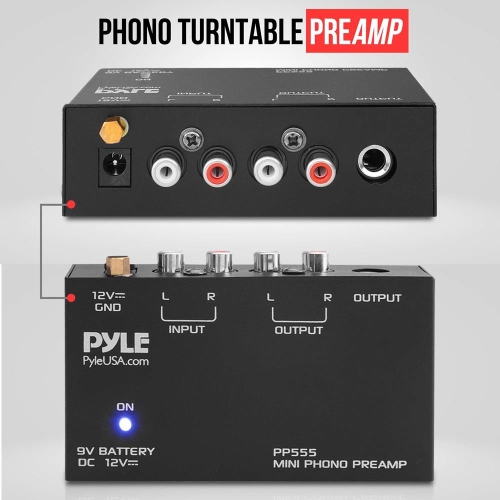 Your price for this item is $28.99
-
 Your price for this item is $36.14
-
 Your price for this item is $64.99
-
 Your price for this item is $24.99
-
 Your price for this item is $54.99
-
 Your price for this item is $179.99
-
 Your price for this item is $94.99
-
 Your price for this item is $138
Discover more categories related to Replacement Turntable Stylus
Top Collections:
Best Black Friday Deals This Year, Best Black Friday Deals On Electronics, Kindle Devices, Pokemon Centers, Best Black Friday Deals On Apple Products, Best Cameras for Sports Photography, Dyson Airwrap, Pokémon 30th Celebration Cards, Apple iPhone 17 Pro, Canon G7X Cameras
Some products may be subject to Environmental Handling Fees
(EHF) depending on your province.
Learn more about EHFs.