Turntable Stylus
Enhance your vinyl listening experience with the right Turntable Stylus. Whether you’re a dedicated audiophile or just starting your record collection, finding the perfect stylus is essential for enjoying rich, clear sound from your favorite albums. Explore a wide selection of options designed to fit various turntables and suit different listening preferences. Discover how the right Turntable Stylus can help you get the most out of every spin.
Sort






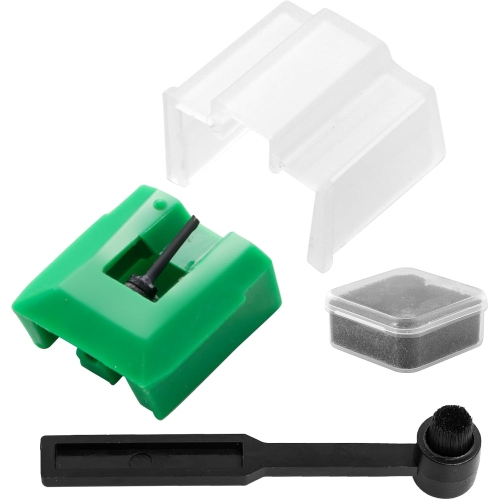
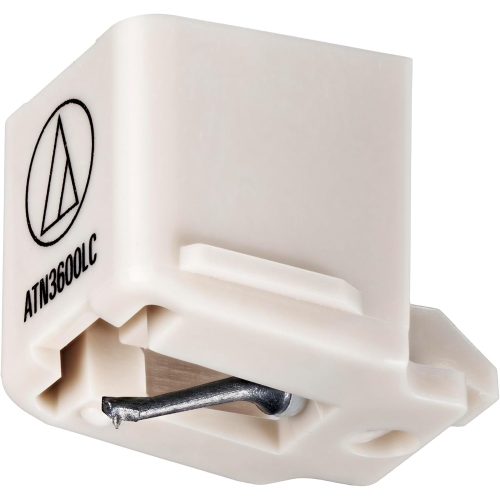

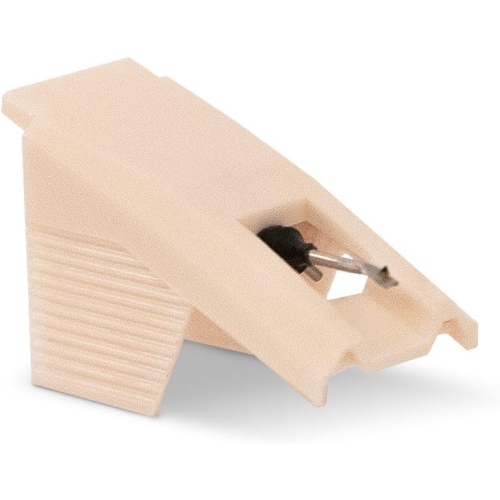

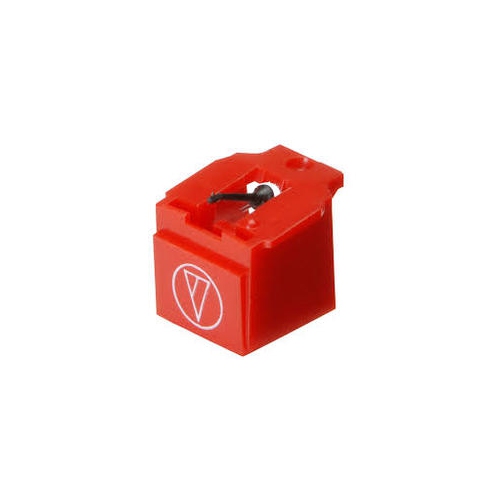
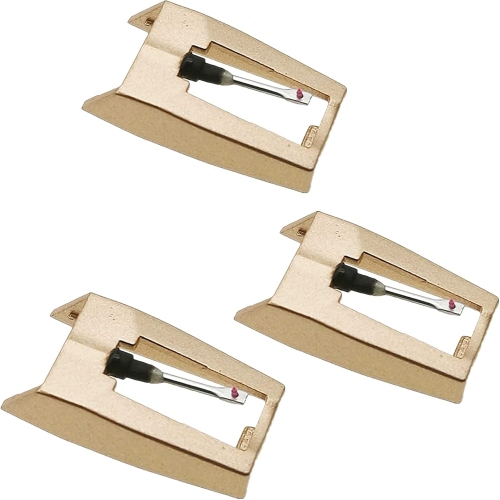

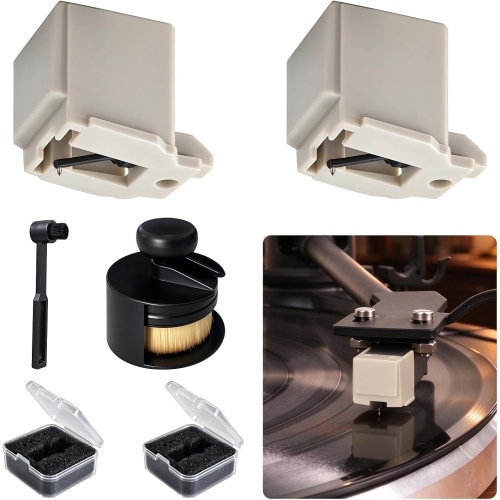

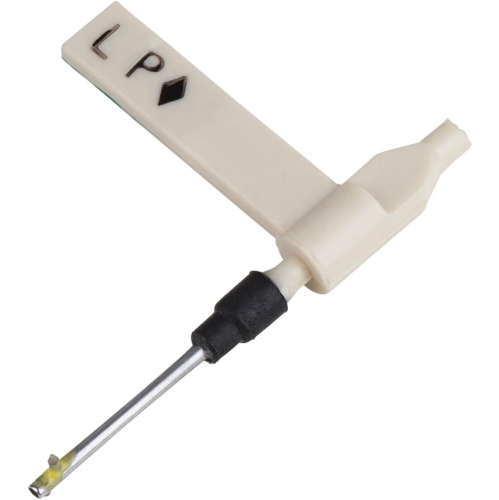
How a tiny needle shapes your vinyl’s sound
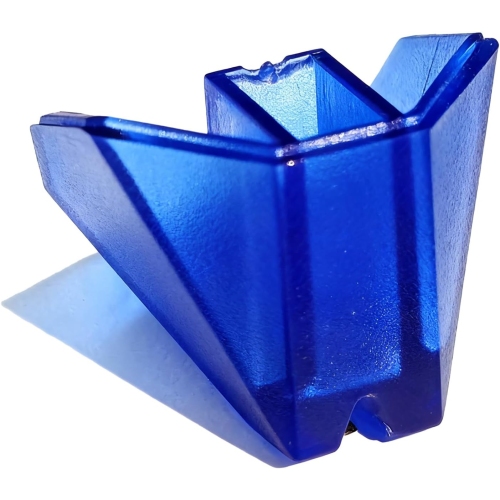
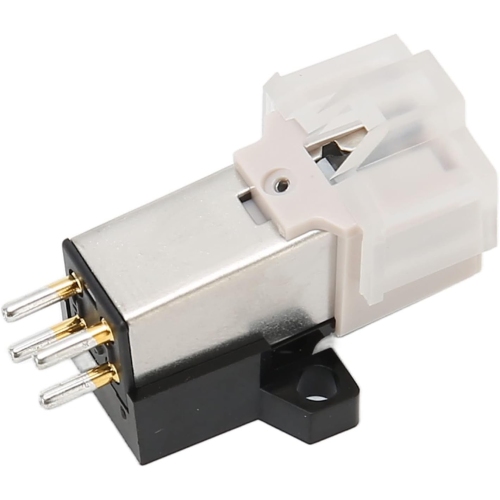
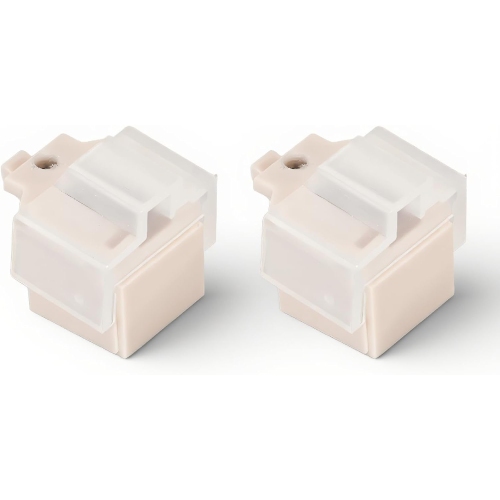
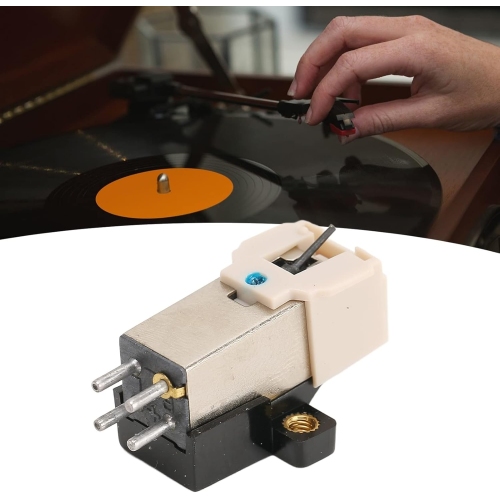
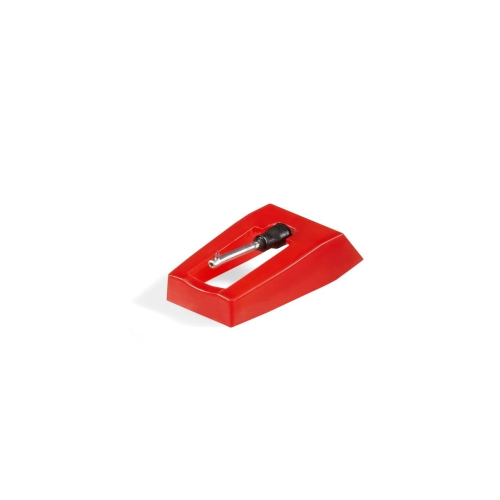
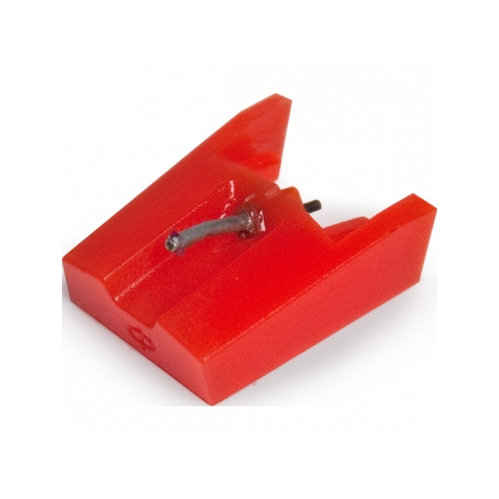
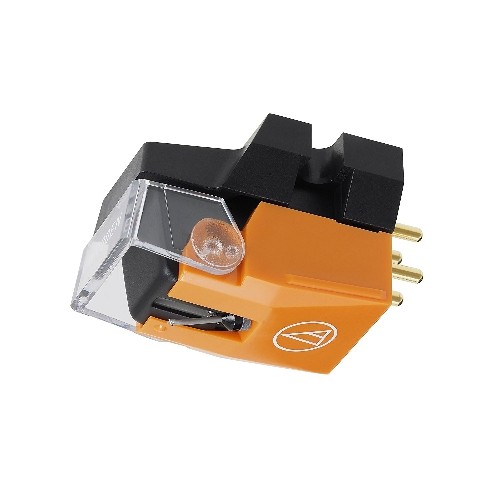
A turntable stylus is the small contact point between a record’s groove and the rest of a vinyl playback system. Often called a record player needle, it follows the groove’s movement and transfers those vibrations through a slender cantilever to the cartridge, where they become an electrical signal. That tiny point does delicate work: a vocal’s texture, the attack of a piano note, and the shimmer of a cymbal all begin with how accurately it traces the groove. Replacement styli serve listeners bringing a familiar record player back into regular use, maintaining a well-used setup, or exploring a compatible change in tip profile. The assembly can include the tip, cantilever, suspension, and mounting grip, rather than simply a loose needle. Diamond is widely used for its hardness and resistance to wear, while sapphire appears in some designs and generally has a shorter working life. Construction also matters. A bonded diamond tip is attached to a supporting shank, while a nude diamond uses a solid diamond mounted directly into the cantilever; the resulting differences in moving mass can affect tracking performance within a particular design. Conical tips have a rounded shape and are common in straightforward playback applications. Elliptical tips have a narrower contact profile in one direction, which can help them follow finer groove information when properly matched and adjusted. More advanced profiles use a longer, narrower contact area and may offer more precise tracing, although their performance depends on careful setup and a suitable cartridge and tonearm. These distinctions matter most as part of the complete system, not as a promise that one shape will improve every record player. A well-matched stylus should suit the equipment, the records being played, and the listener’s habits, whether that means enjoying an album from beginning to end or returning to a favourite passage to hear the instruments settle into the mix.
Fit is the central consideration because replacement turntable styli are not universal, even when their plastic grips look similar. The cartridge’s exact model and the manufacturer’s stated compatibility are more dependable than a matching colour, a familiar outline, or the name printed on the turntable alone. A turntable may have had its original cartridge replaced, so its current cartridge is what determines the appropriate stylus assembly. Some cartridges accept a removable stylus that slides or clips into place, while others require specialist servicing or replacement of the cartridge itself when the tip wears out. Moving-magnet designs commonly have user-replaceable styli, whereas many moving-coil designs do not, though the specific construction remains the deciding factor. For setups that need a complete pickup assembly rather than a replacement tip, Turntable Cartridges provide the broader component that holds the stylus and generates the signal. Compatibility also extends beyond physical attachment. Recommended tracking force, cartridge compliance, and tonearm suitability influence how securely the stylus follows the groove. Too little tracking force can allow mistracking, so an unusually light setting is not automatically gentler on records; the appropriate range is the one specified for the assembly. Listening style adds another layer. Home listening typically emphasizes accurate tracing and clean playback, while DJ use may involve back-cueing or scratching that requires a stylus and cartridge explicitly designed for those movements. An ordinary listening stylus should not be assumed to tolerate them. Record format matters as well: older wide-groove 78 rpm records generally need a different tip size from microgroove LPs and singles, together with suitable playback equipment. A collection containing several formats may therefore call for distinct playback arrangements. For someone replacing a worn stylus on a familiar system, a confirmed match can restore dependable playback without changing the character or operation of the entire setup.
Care and handling have a large influence on how a turntable stylus performs over time. Even a hard diamond tip sits on a delicate assembly, and its cantilever can be bent by a sideways brush stroke, a dropped tonearm, or a sleeve catching it during cleaning. A stylus guard, where supplied, helps protect the assembly during appropriate handling or transport, while the tonearm’s cueing mechanism allows a controlled descent onto the record. Dust deserves attention because fibres and debris can gather around the tip, interfering with its contact with the groove. Cleaning methods should follow the stylus manufacturer’s recommendations; a suitable stylus brush is commonly moved from the rear of the assembly towards the tip, never scrubbed sideways or pushed backwards. Liquids and cleaning compounds are not suitable for every construction, particularly where adhesives or suspension materials could be affected. Clean records, careful handling by the edges, and sleeves that keep dust off the playing surface also reduce the debris reaching the stylus. Working life varies with tip material and profile, tracking force, record cleanliness, alignment, and hours of use, so a single replacement schedule cannot describe every setup. A simple listening log can make usage easier to track, especially when several people share the turntable. Persistent distortion, rough-sounding vocals, or difficulty tracing louder passages can justify checking the stylus and setup, although damaged records, dirt, and alignment problems can produce similar symptoms. An unfamiliar second-hand turntable deserves particular attention before it plays a valued collection, since the tip’s history may be unknown. For a vinyl listener, a compatible replacement stylus can also be a thoughtful gift with an everyday purpose: keeping a cherished player ready for a quiet album session or a shared evening of favourite records. Confirming the cartridge model beforehand makes that gesture far more useful than choosing by appearance alone. The best fit is a stylus that belongs on the equipment and suits the way the collection is enjoyed.
Top selling and popular products
-
 Your price for this item is $28.99
-
 Your price for this item is $36.14
-
 Your price for this item is $64.99
-
 Your price for this item is $24.99
-
 Your price for this item is $54.99
-
 Your price for this item is $179.99
-
 Your price for this item is $94.99
-
 Your price for this item is $138
Discover more categories related to Turntable Stylus
Top Collections:
Best Black Friday Deals This Year, Best Black Friday Deals On Electronics, Kindle Devices, Pokemon Centers, Best Black Friday Deals On Apple Products, Best Cameras for Sports Photography, Dyson Airwrap, Pokémon 30th Celebration Cards, Apple iPhone 17 Pro, Canon G7X Cameras
Some products may be subject to Environmental Handling Fees
(EHF) depending on your province.
Learn more about EHFs.