Simple Alarm Clocks
If you're looking to simplify your morning routine, look no further than these simple alarm clocks. These sleek and functional devices are designed to wake you up on time without any unnecessary frills or complications. With their straightforward features and easy-to-use interfaces, these alarm clocks are perfect for those who prefer a no-nonsense approach to waking up. Whether you're a heavy sleeper or just need a reliable way to start your day, our collection of simple alarm clocks will ensure that you never oversleep again.
Sort
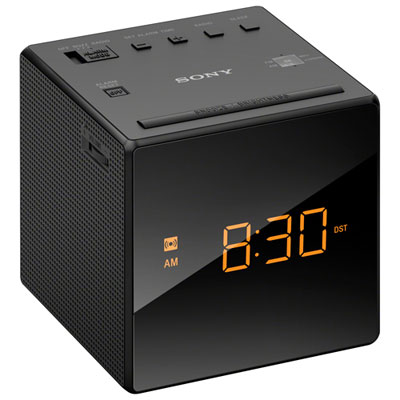
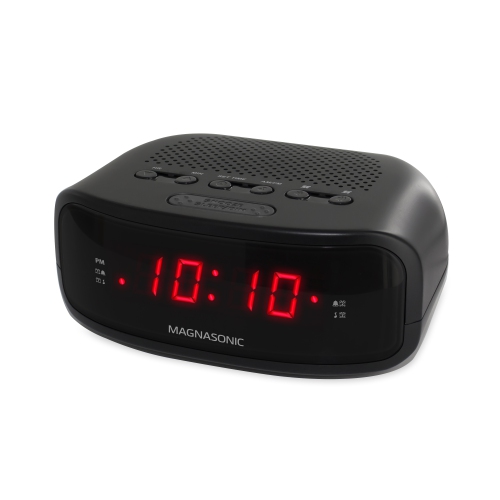
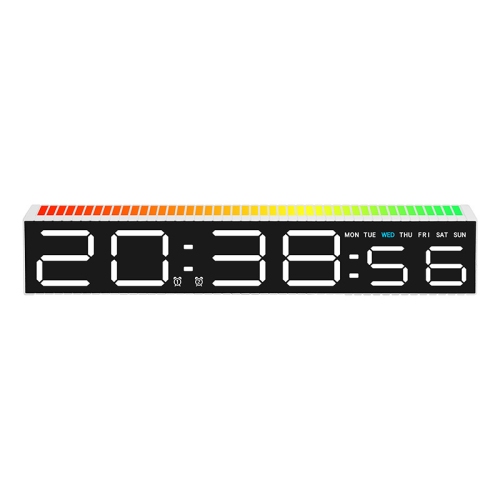
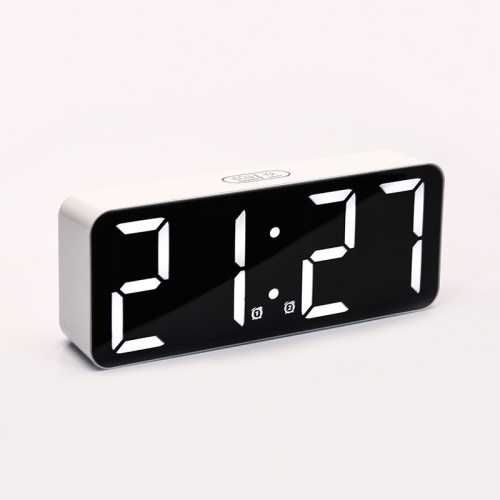
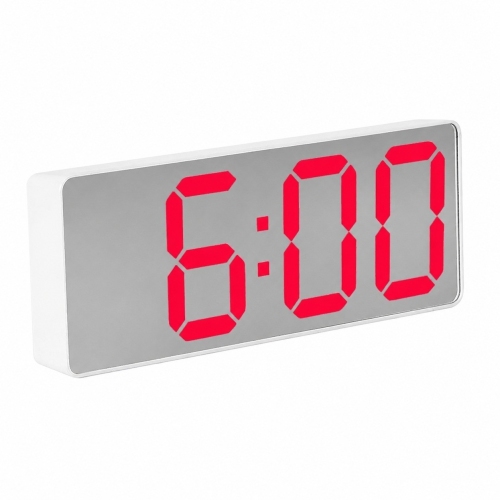
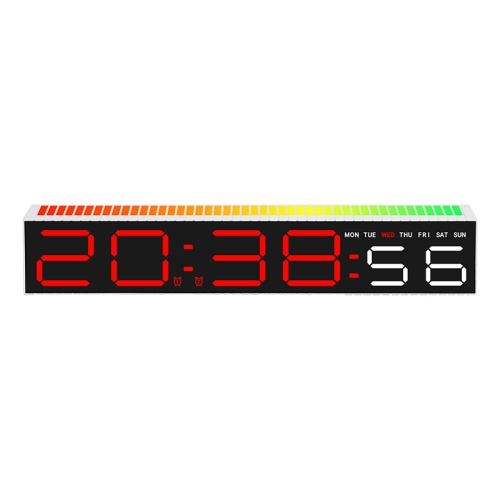
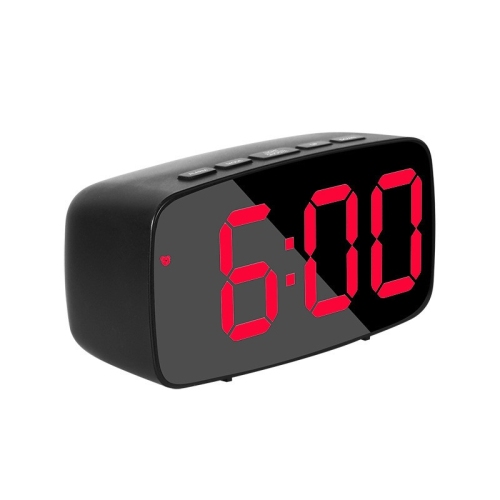
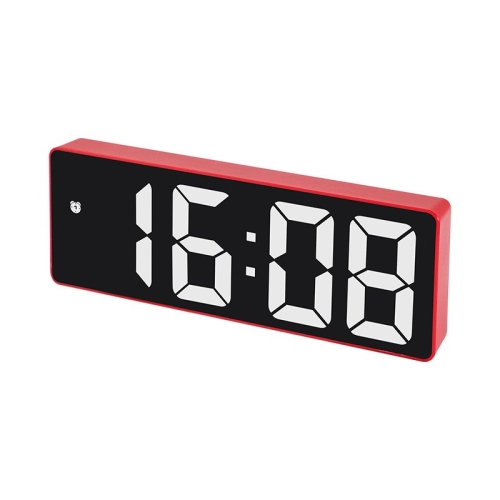

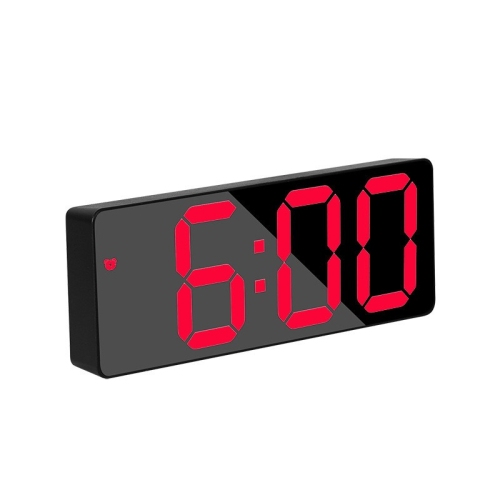
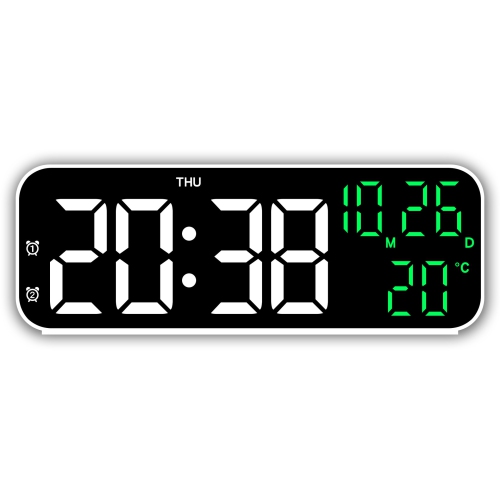
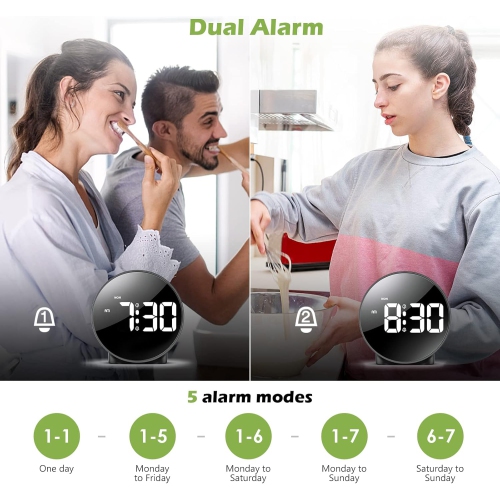
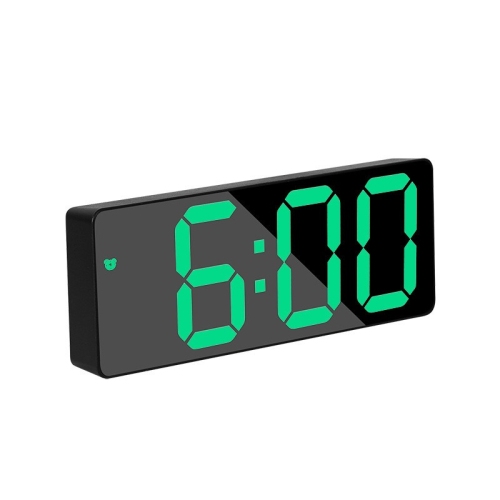
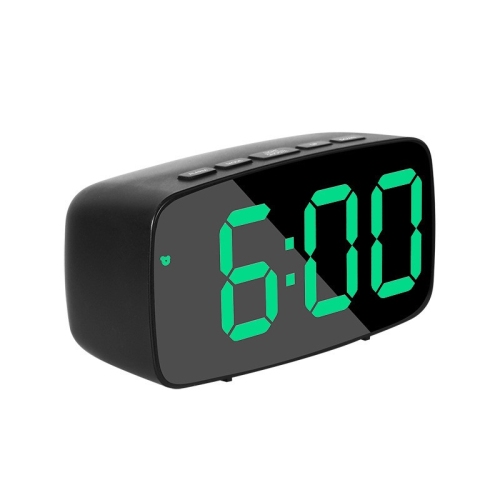
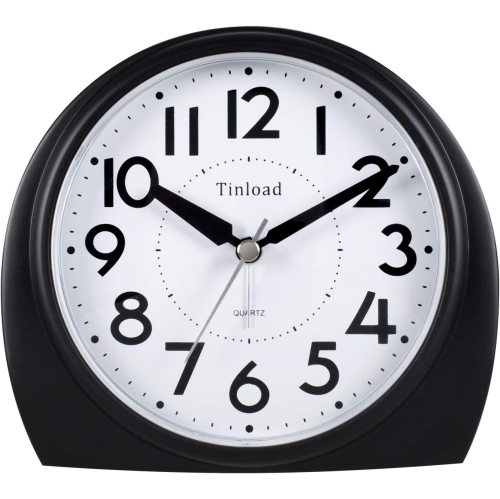
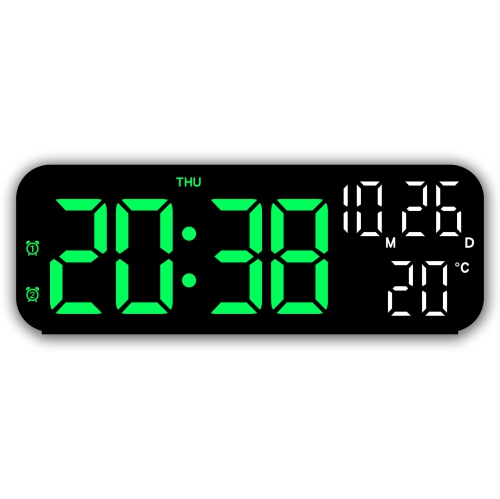
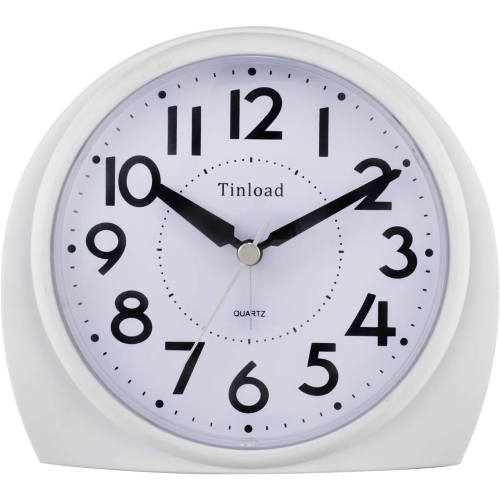

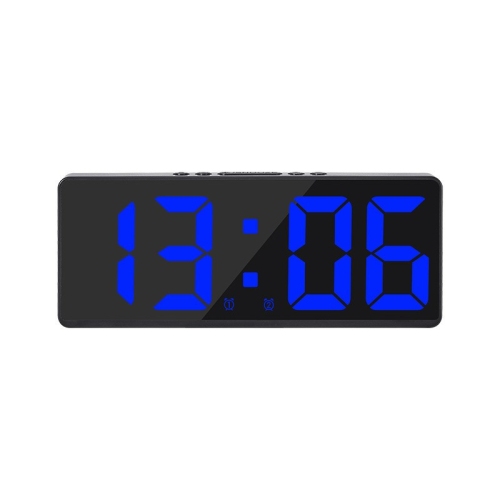
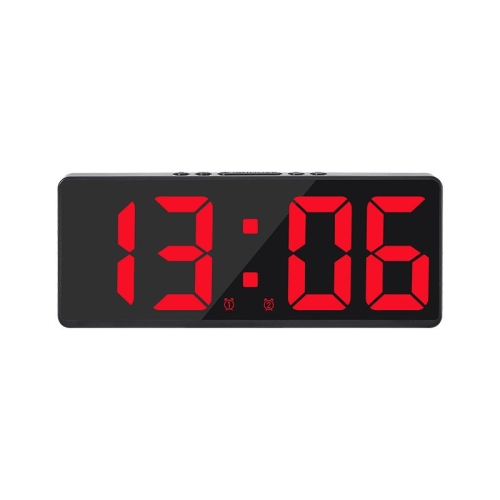
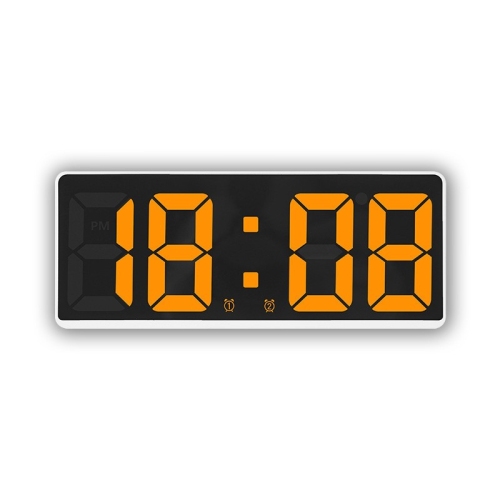
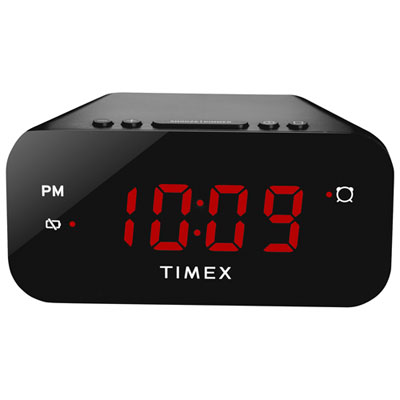
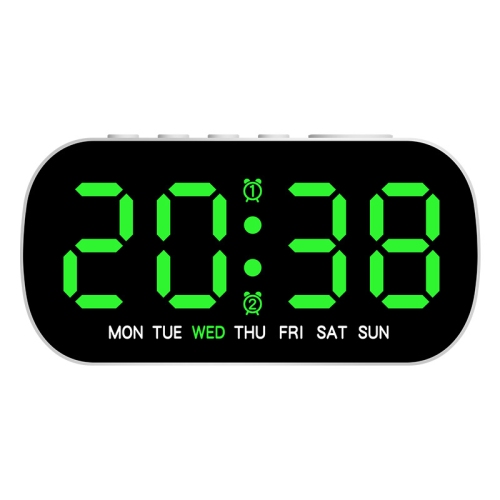

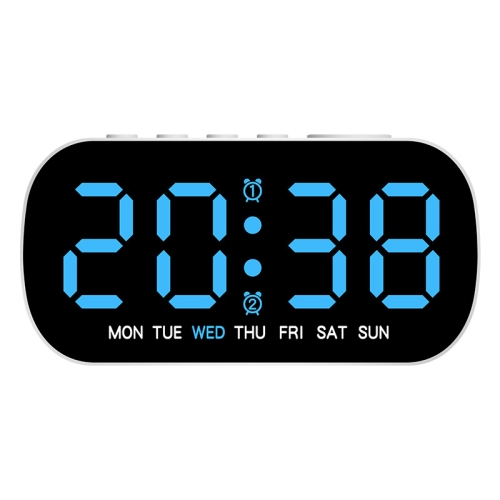
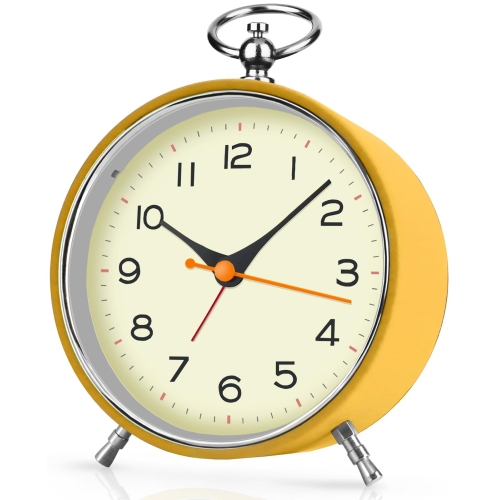
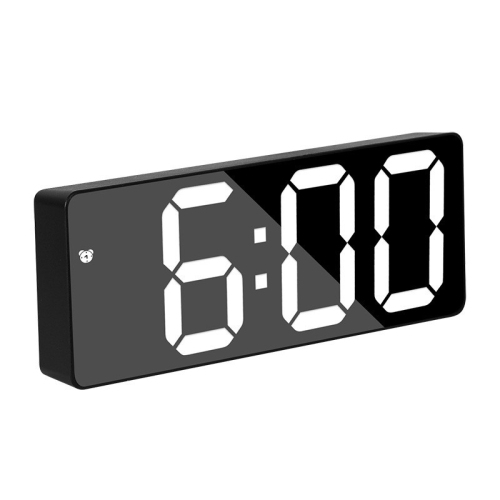
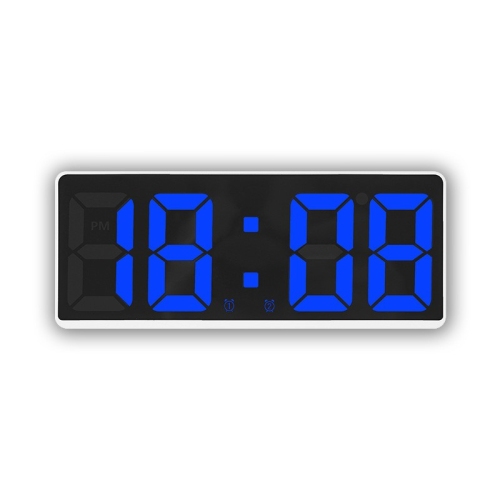
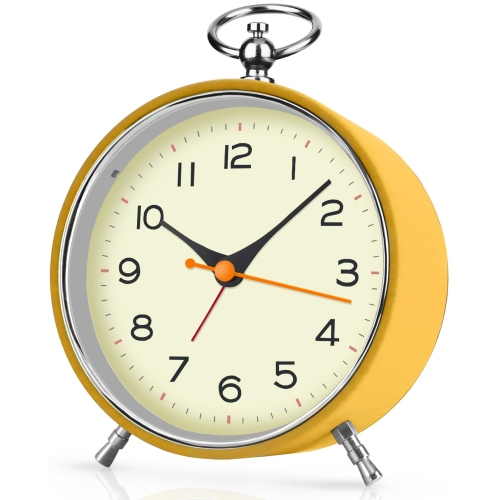
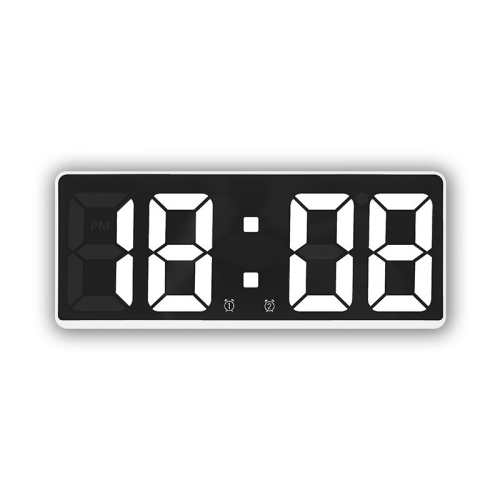
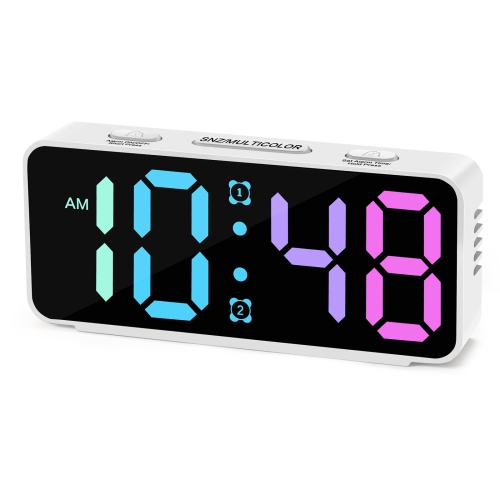
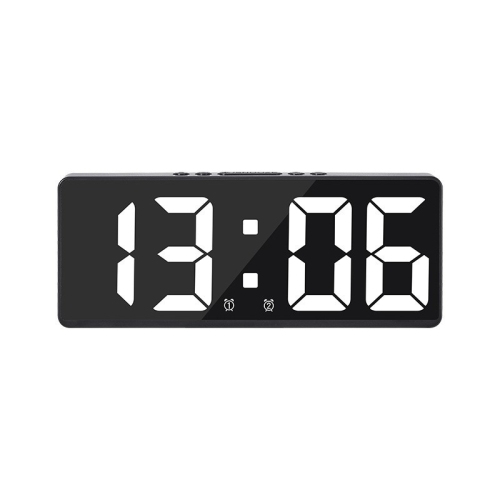
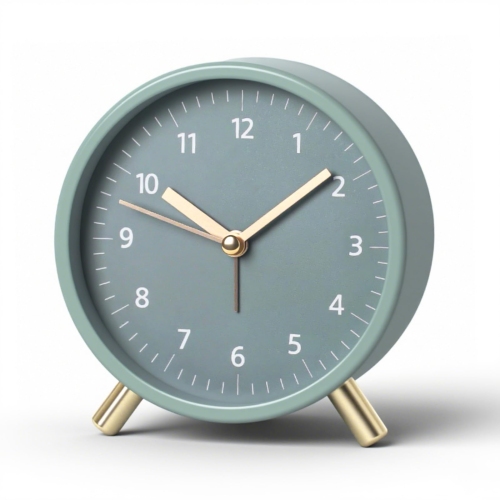
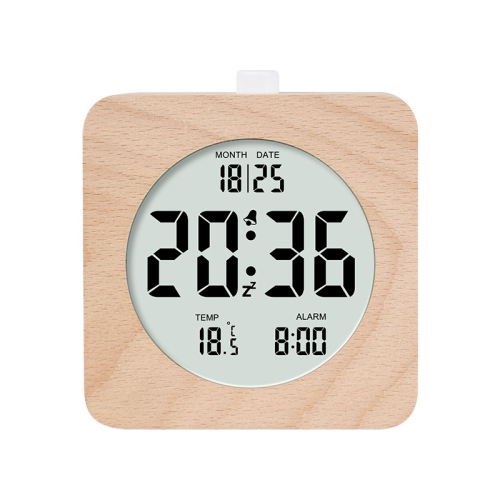
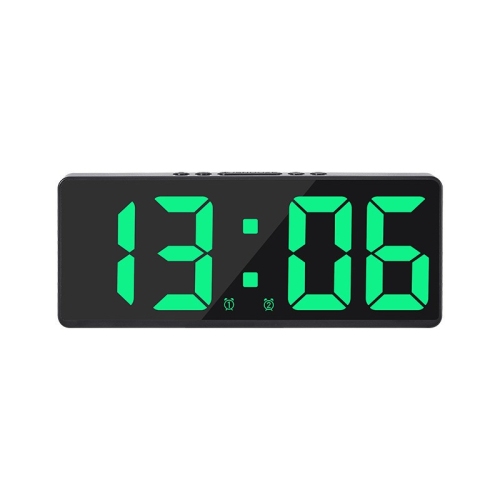
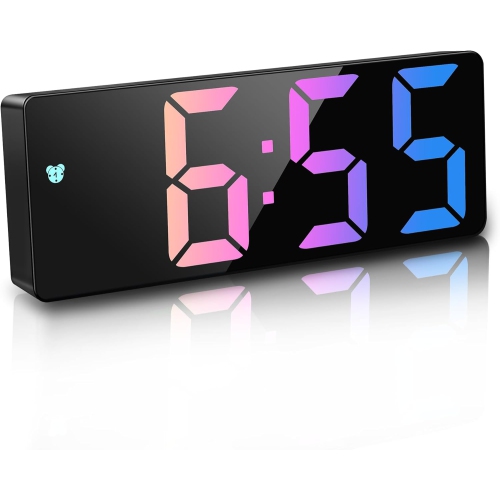
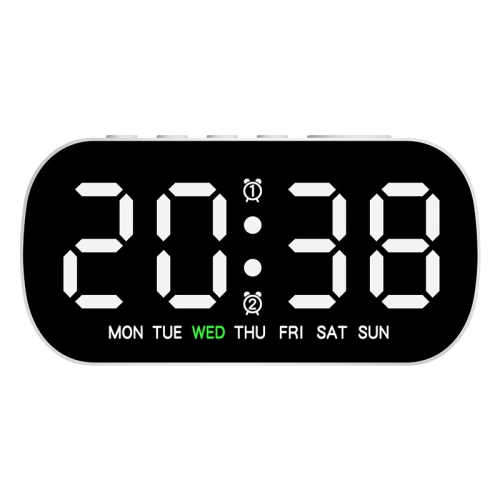
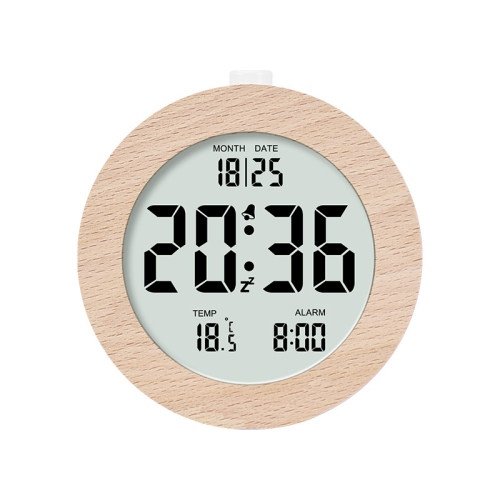
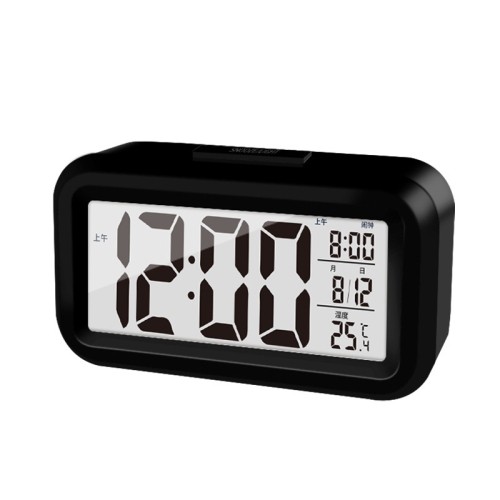
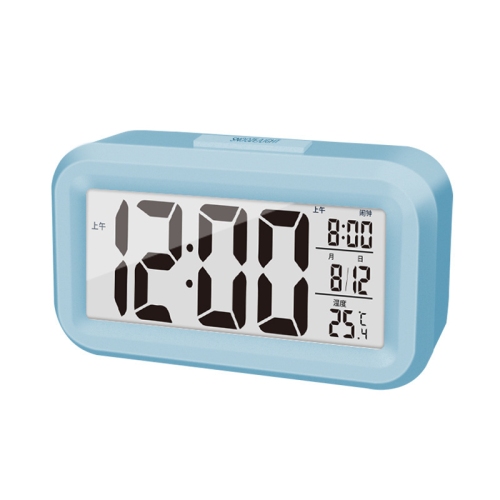
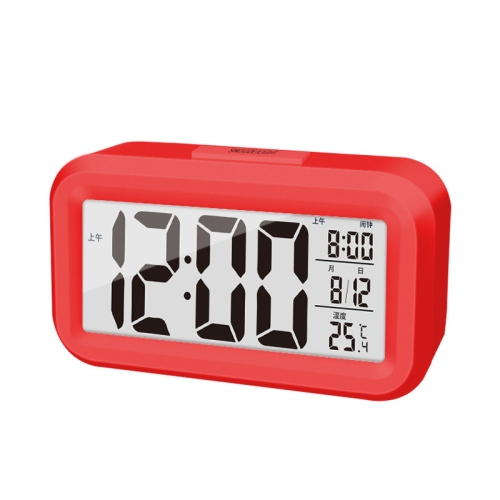
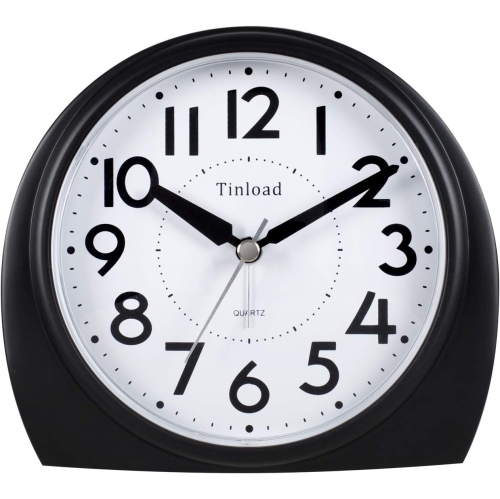
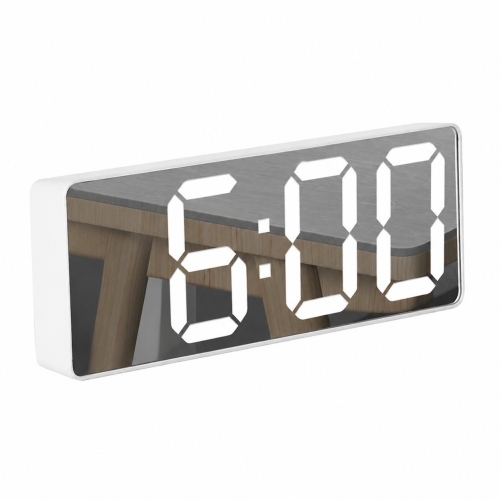
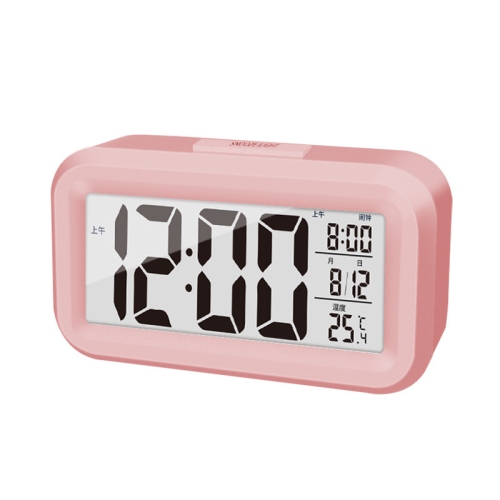
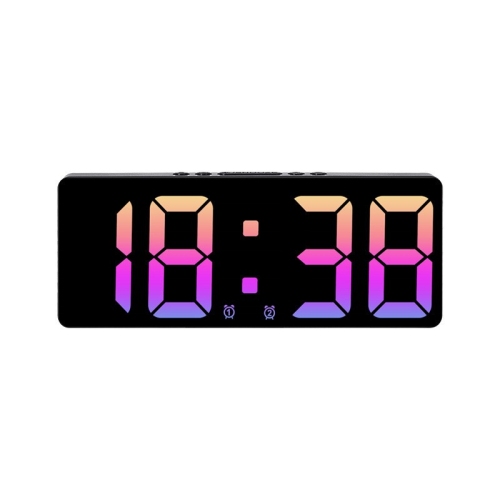
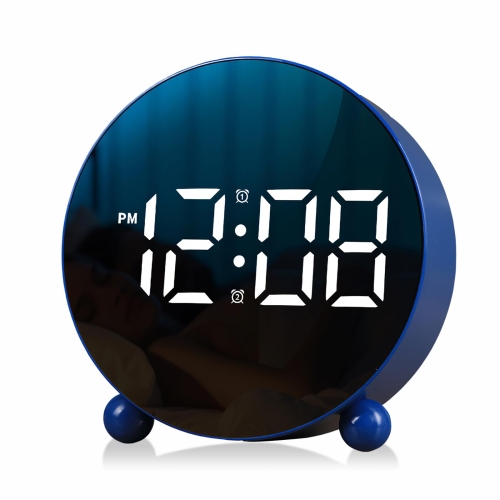
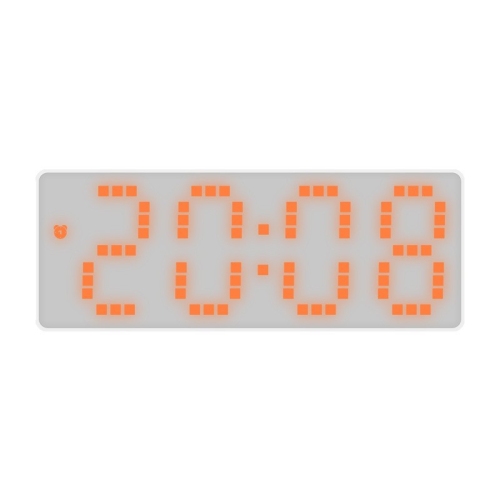
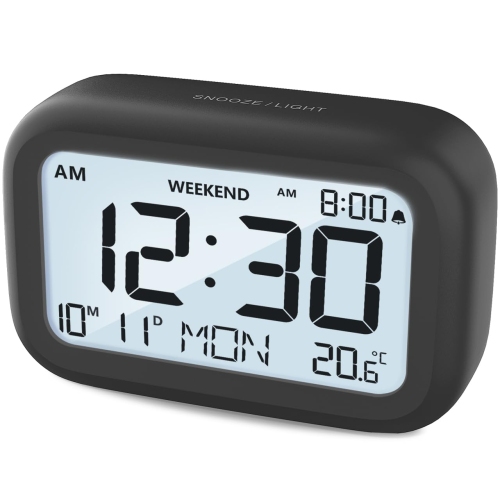
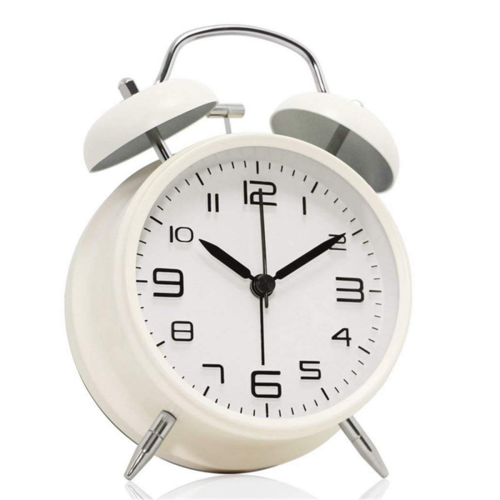
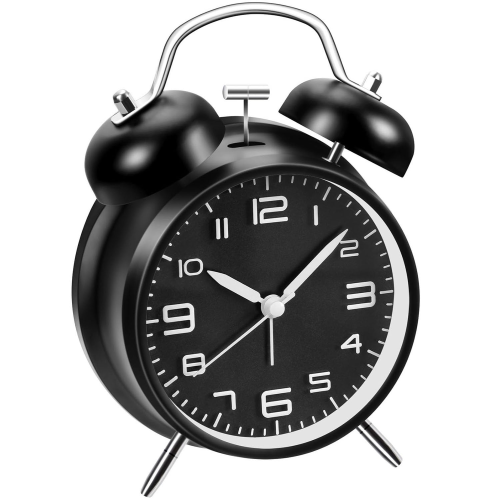
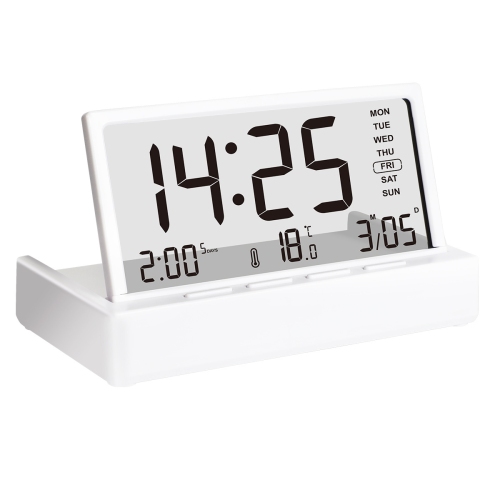
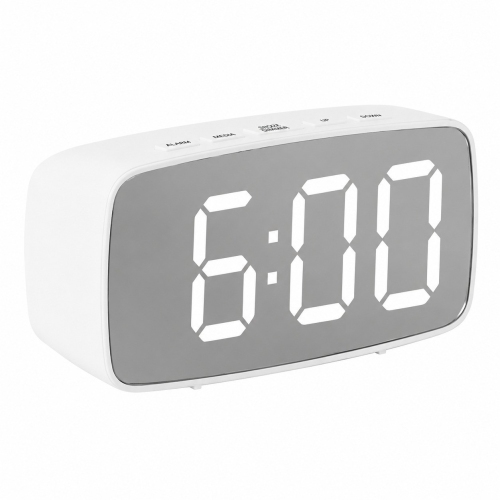
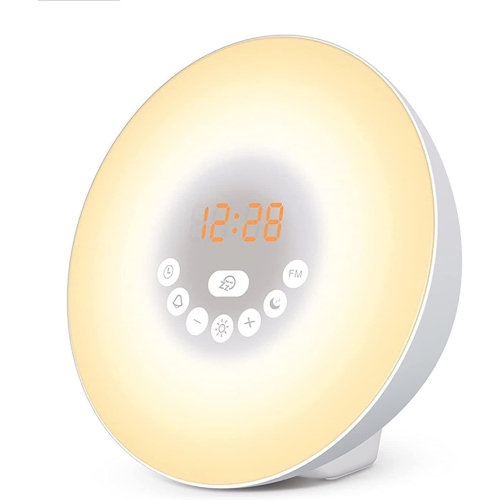
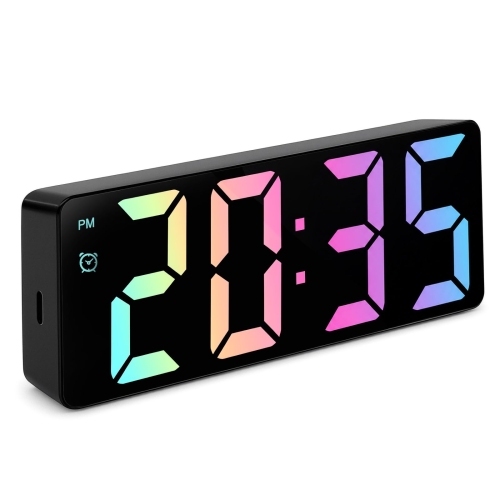
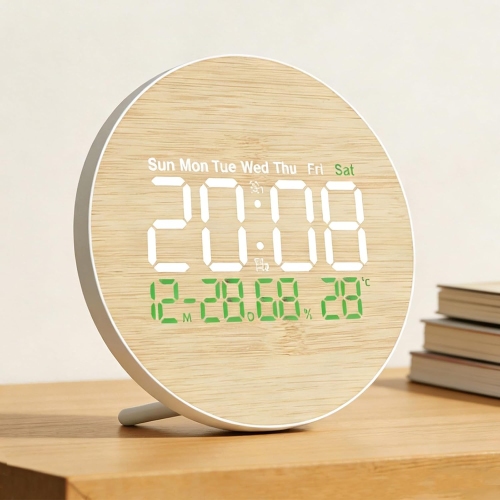
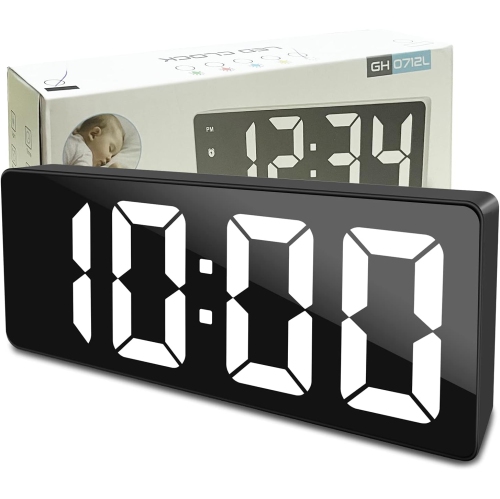
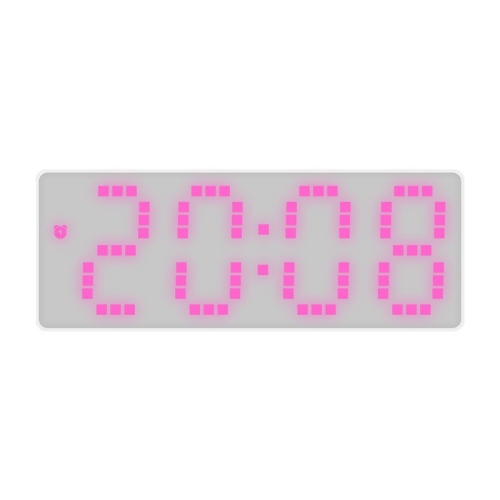
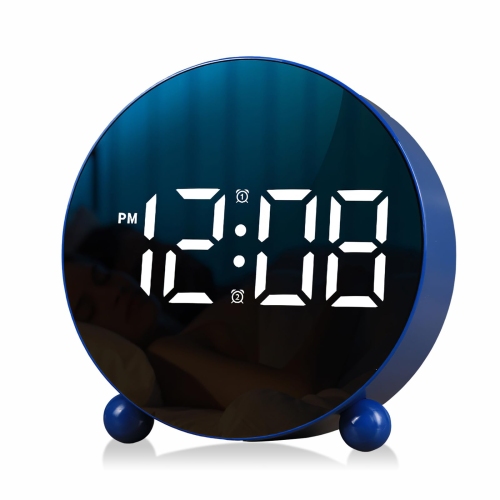
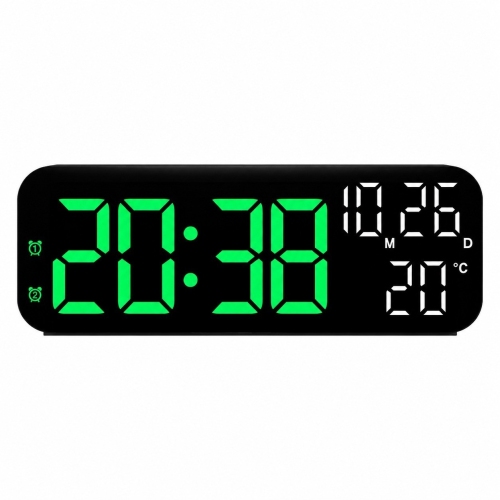


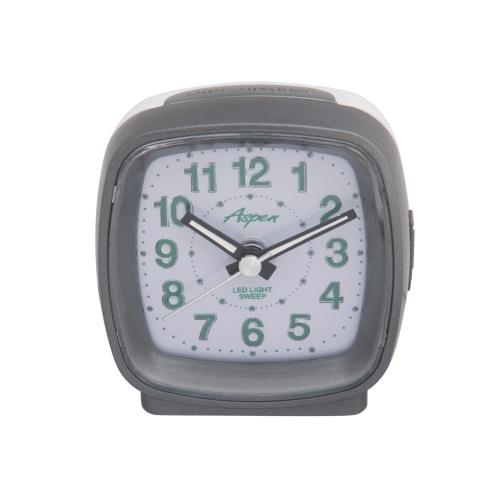
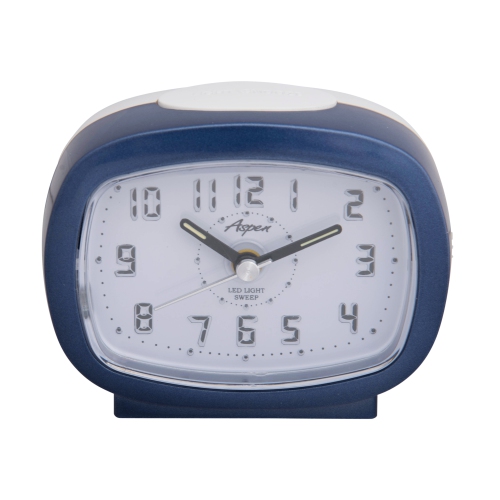
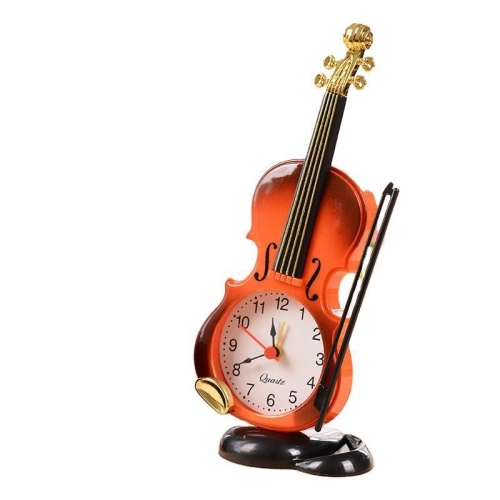
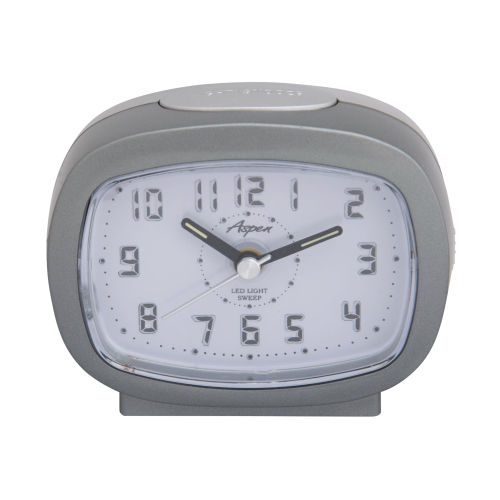

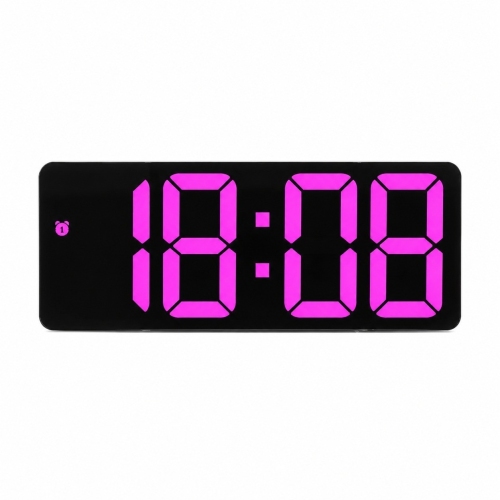
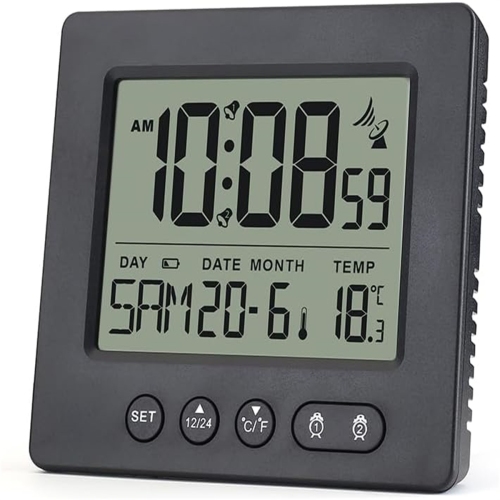
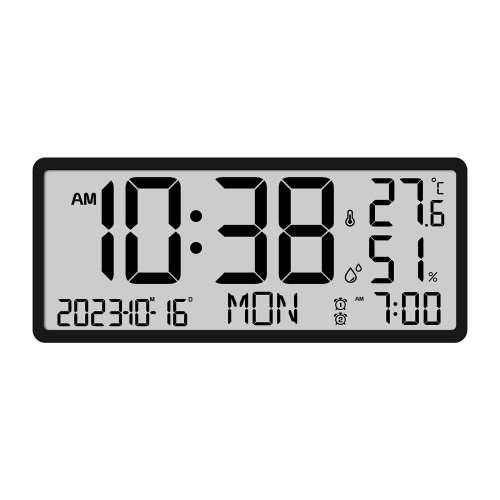
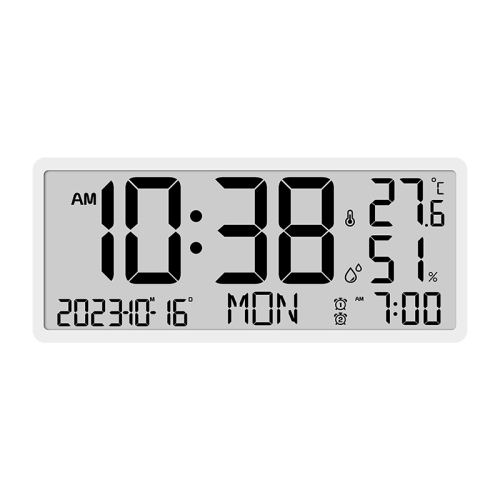


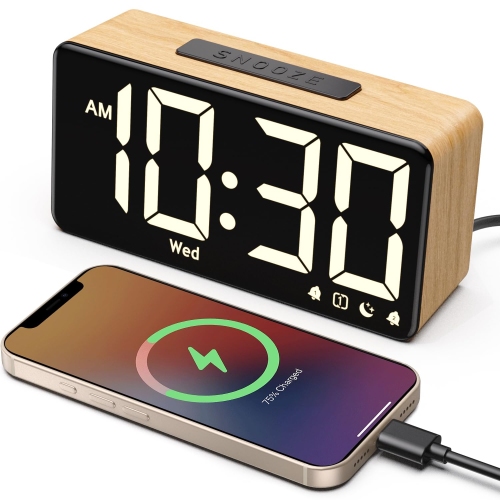
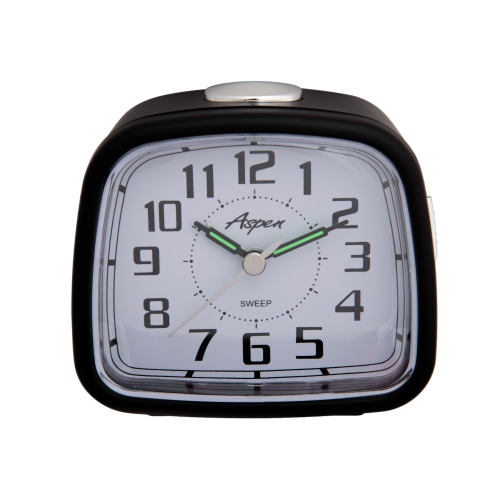
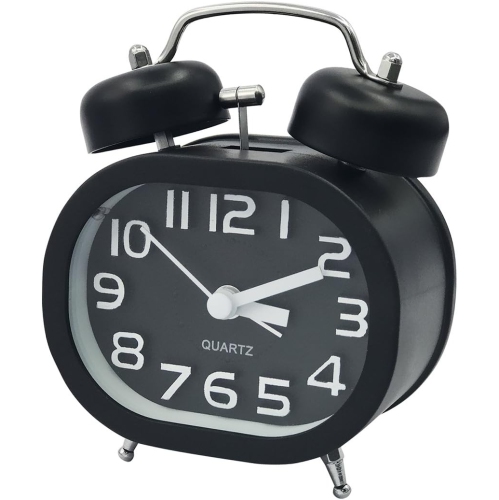
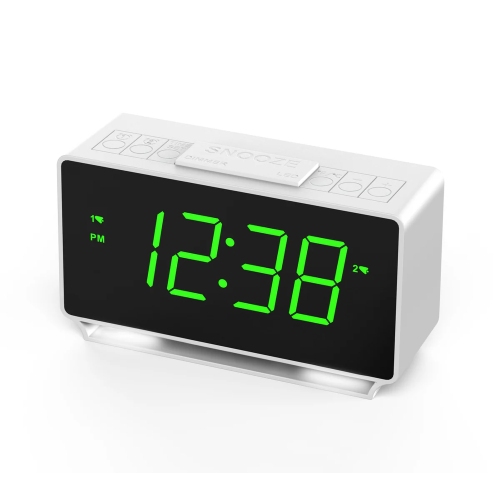

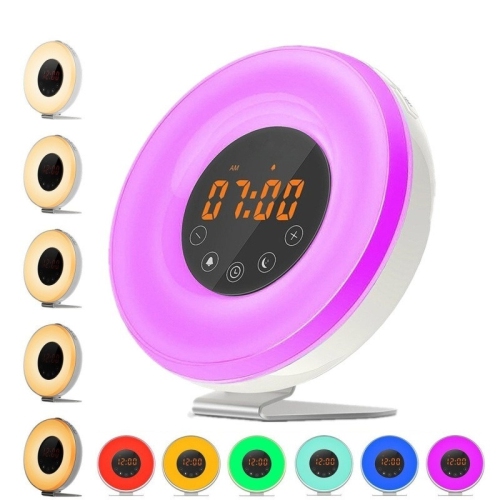
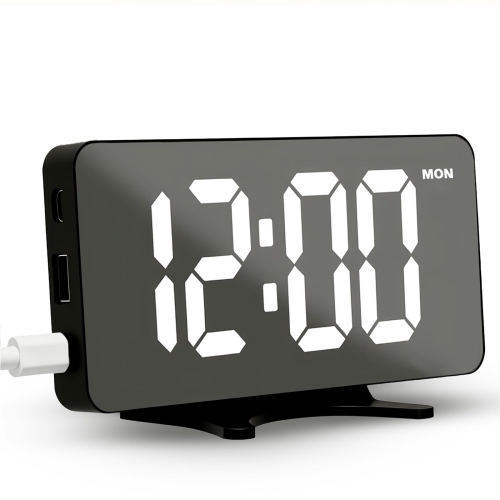
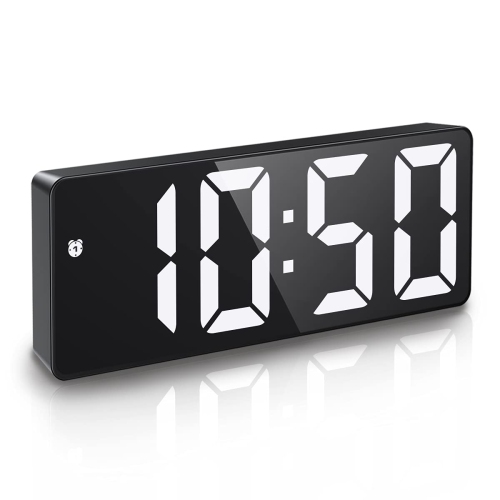
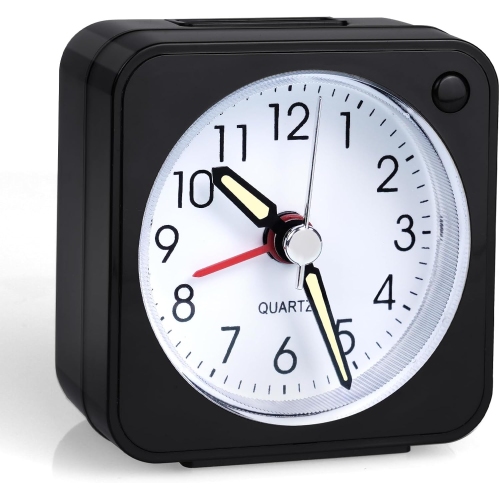
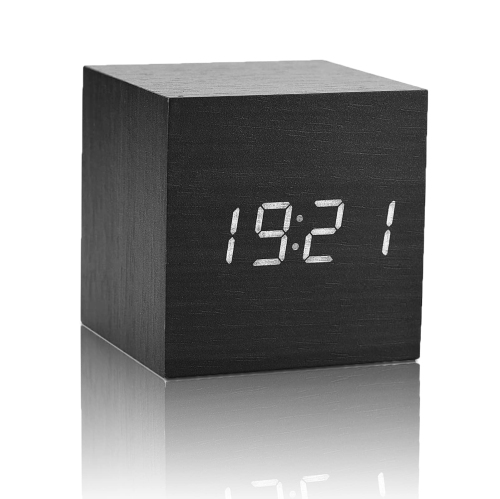
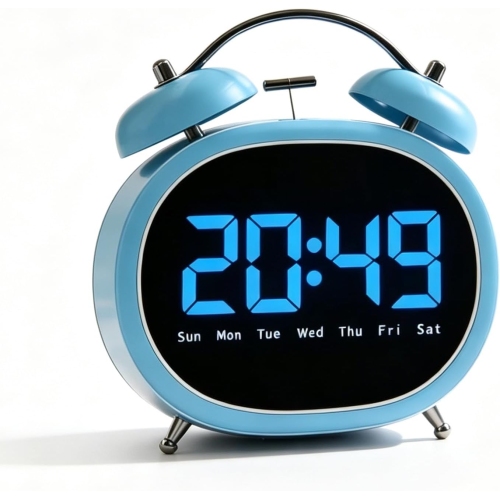

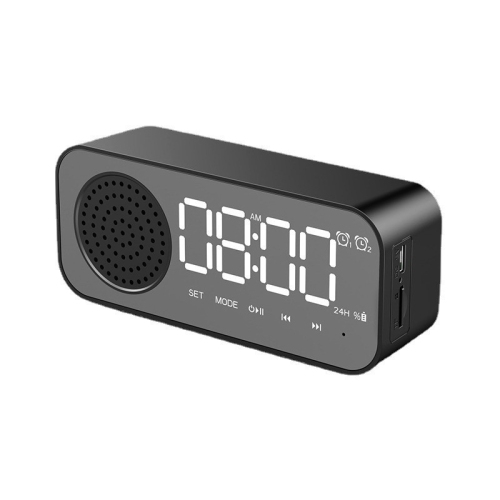
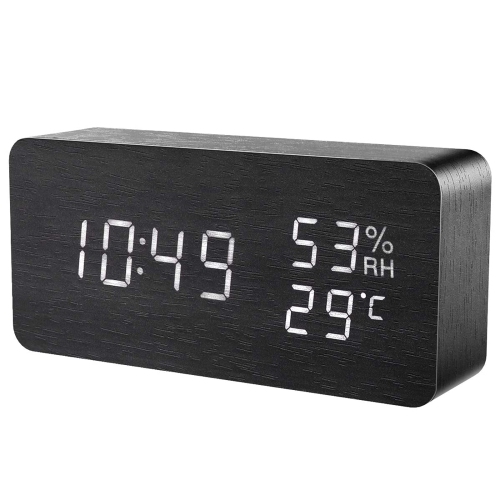
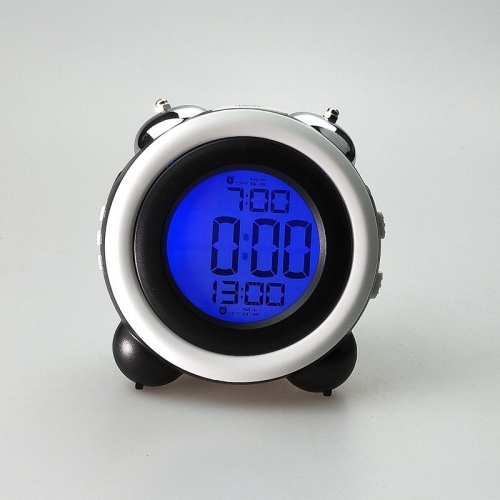
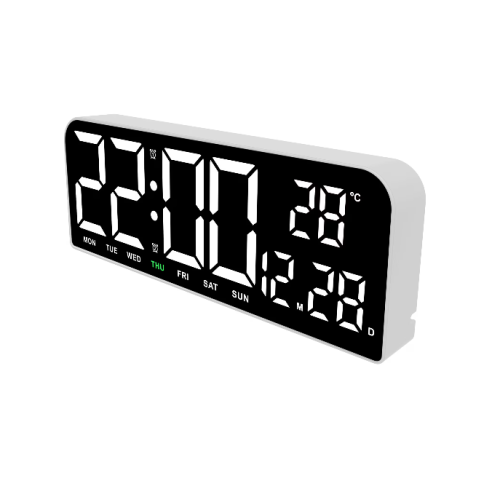
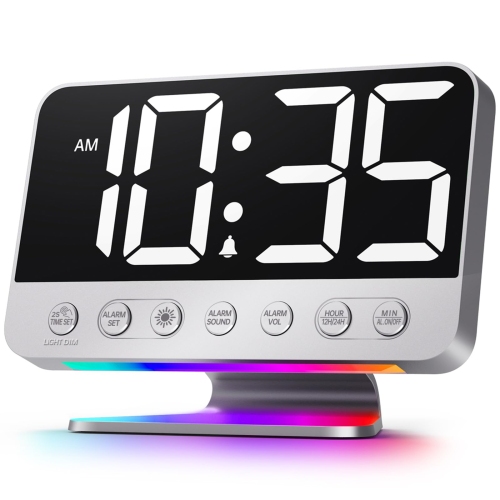
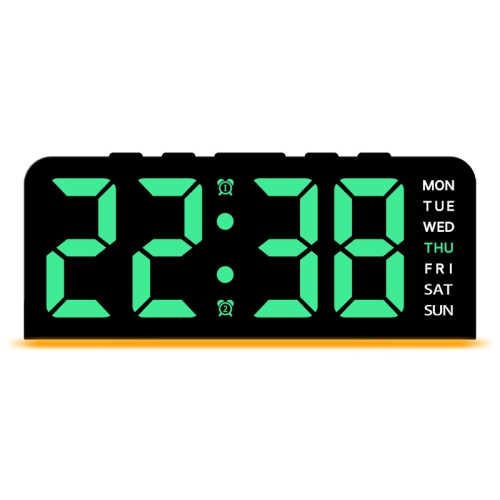
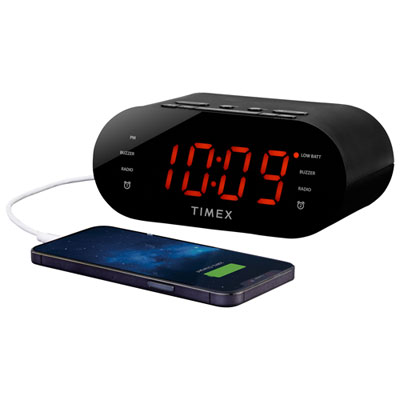

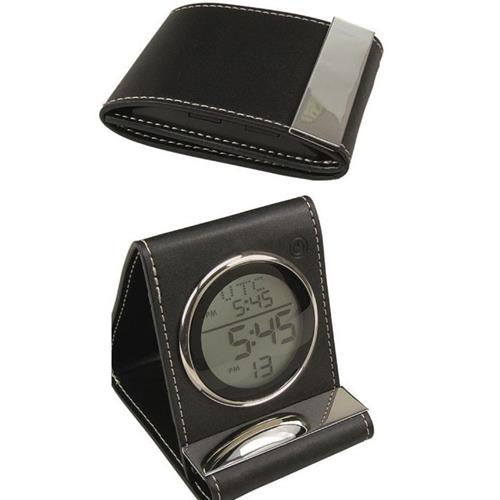
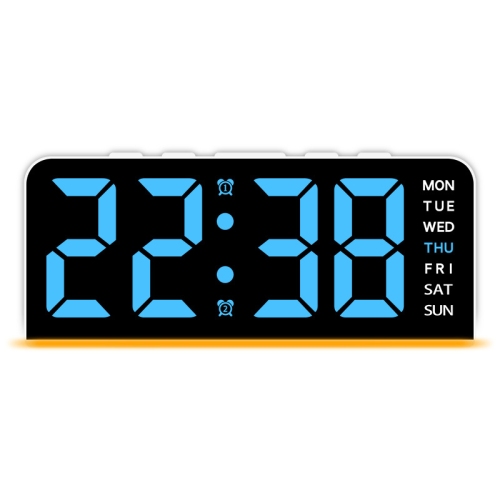
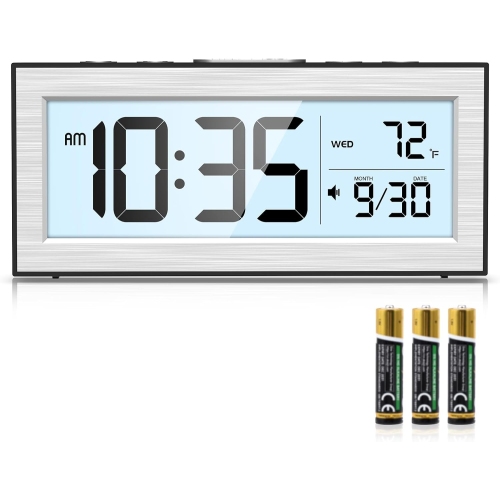
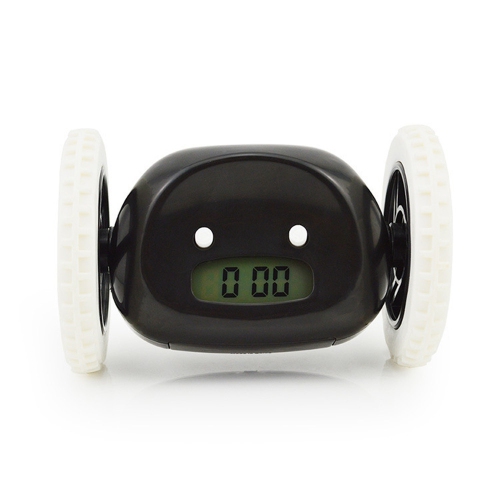
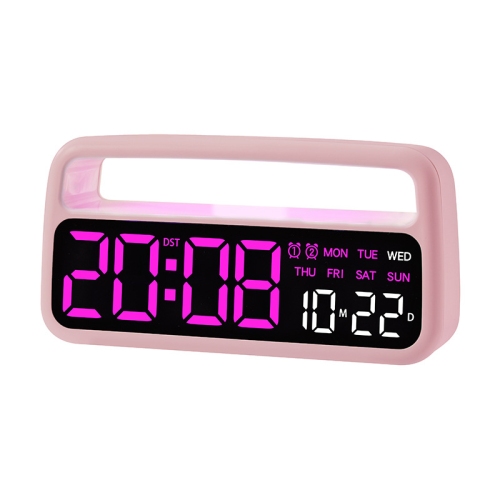
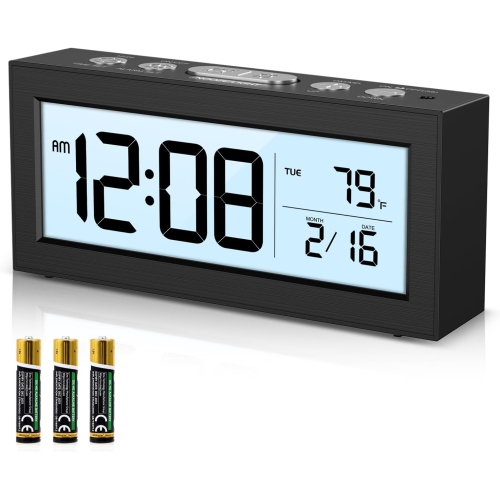
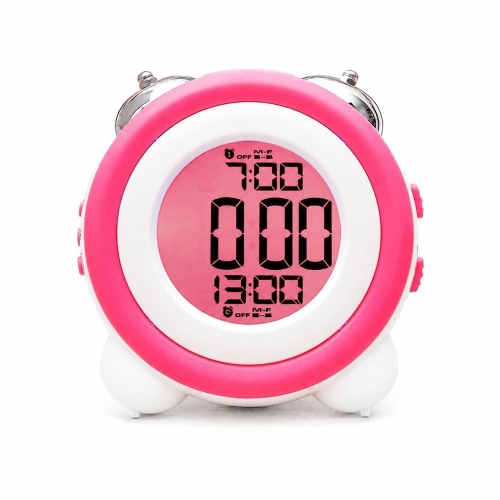
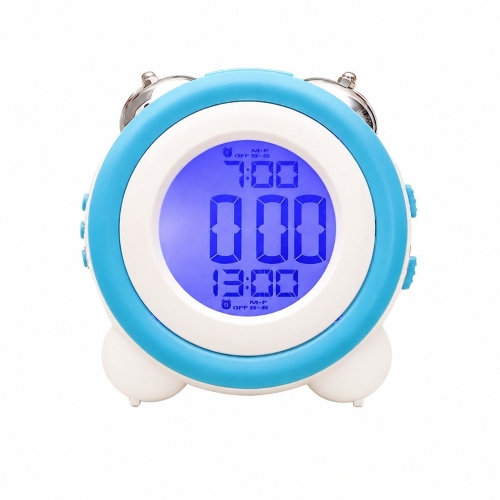
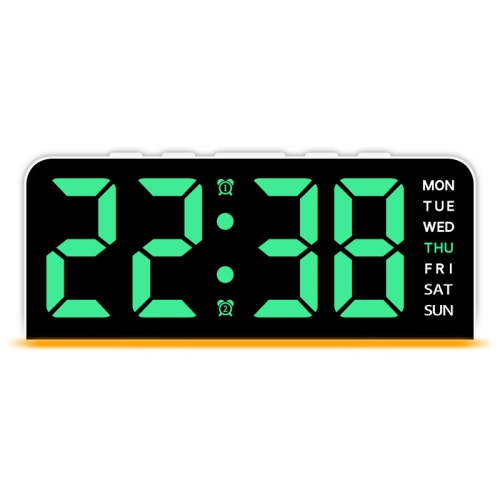
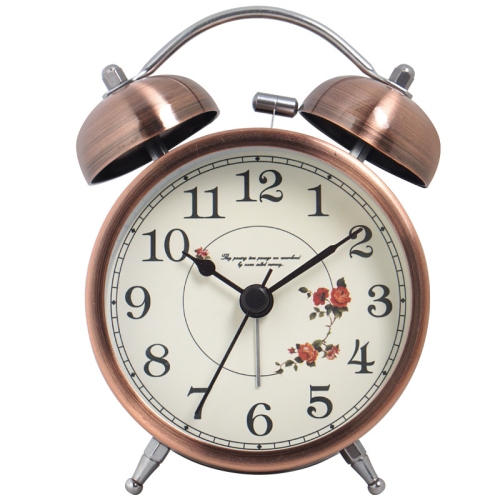
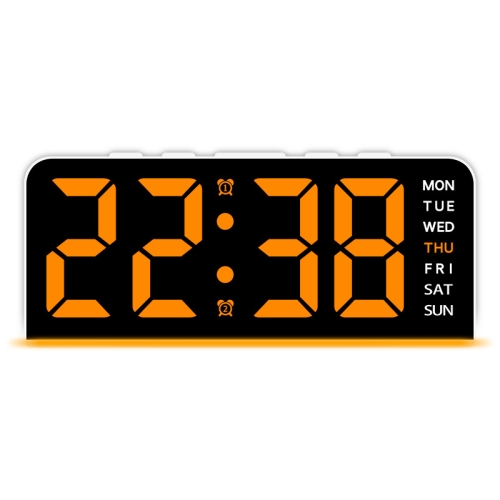
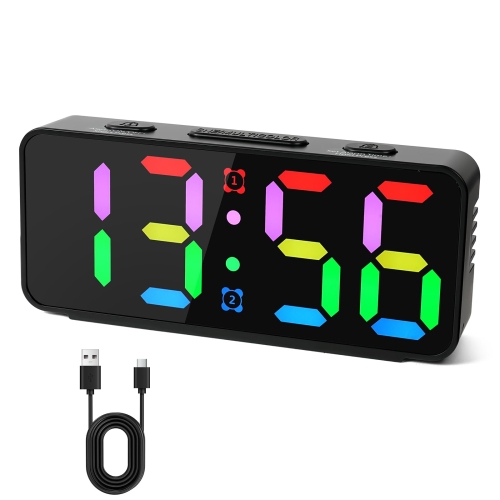
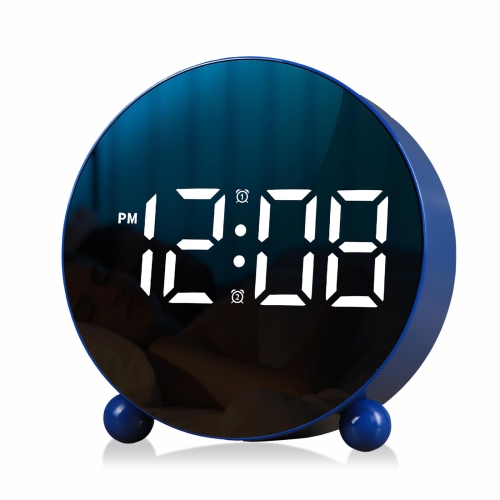
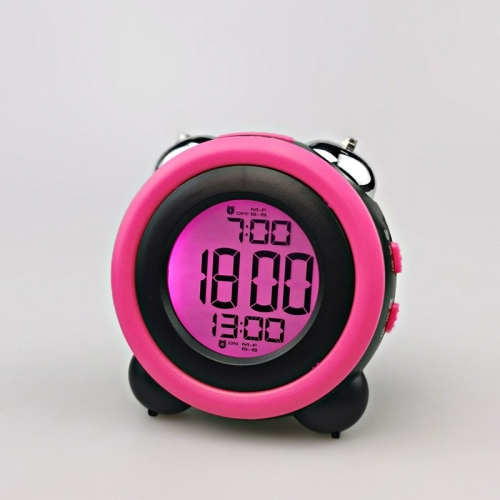
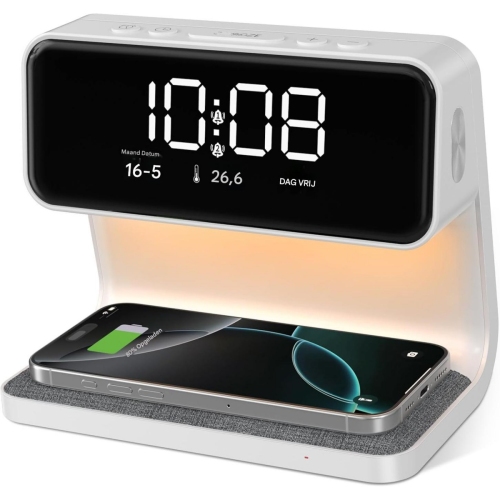
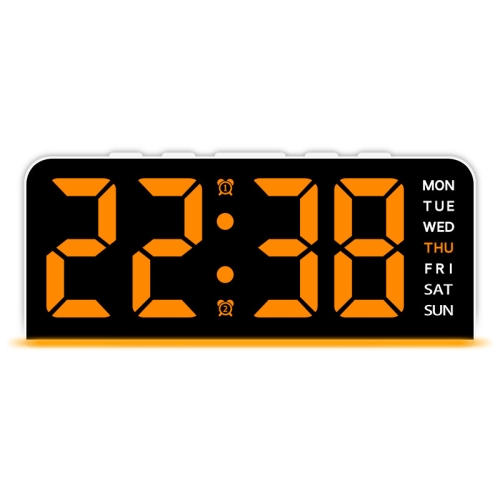
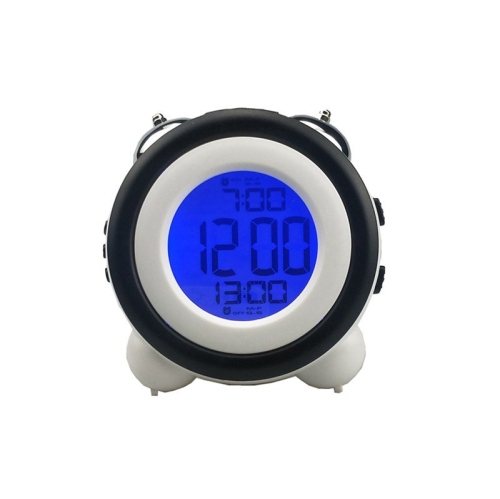
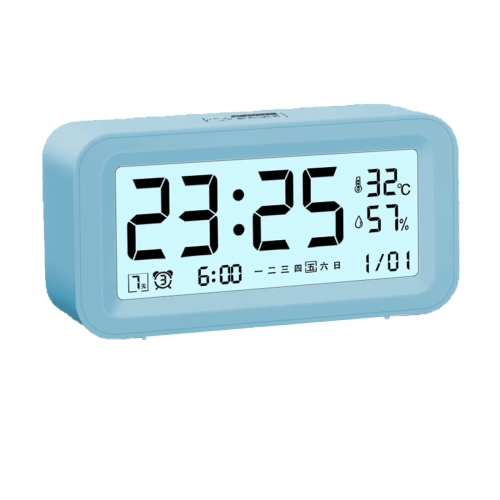
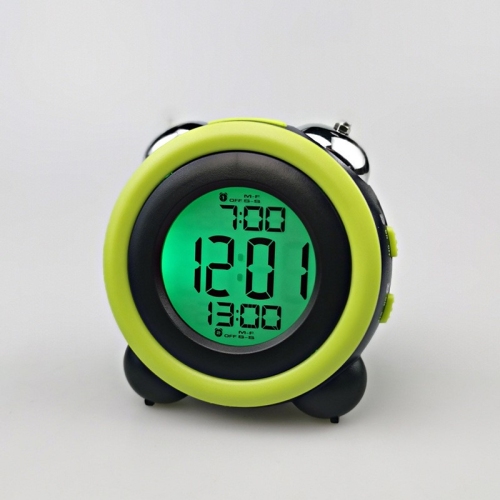
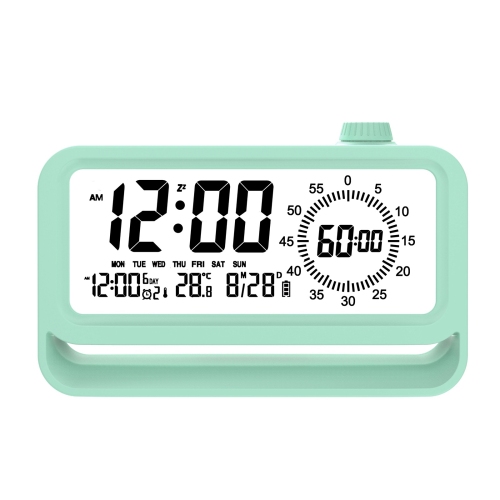
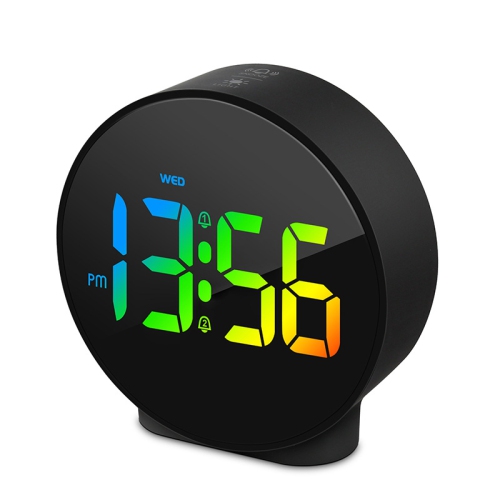
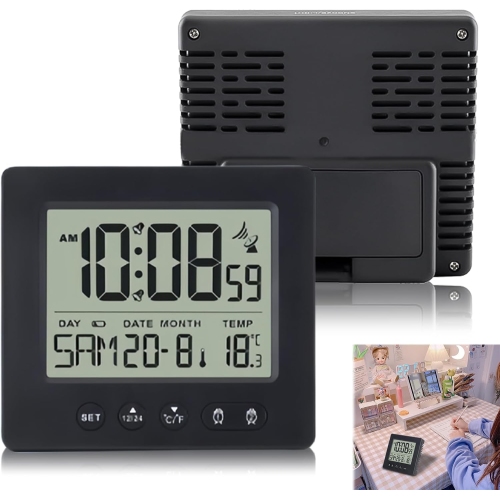
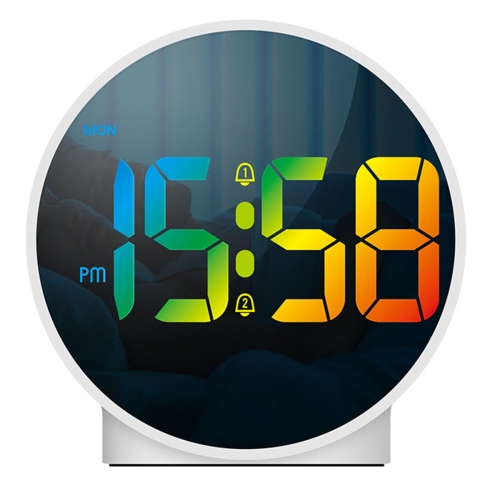
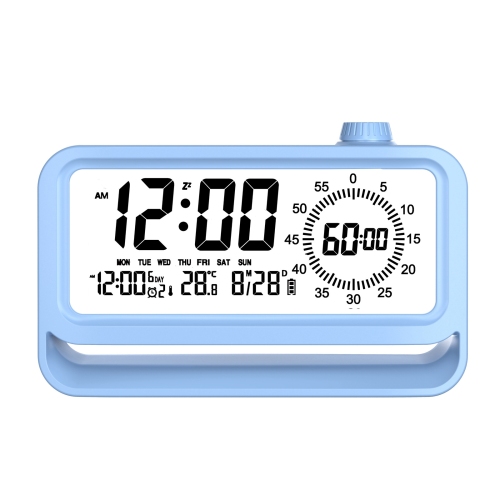
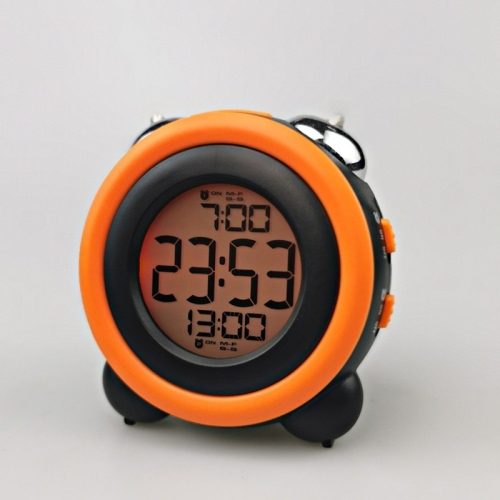
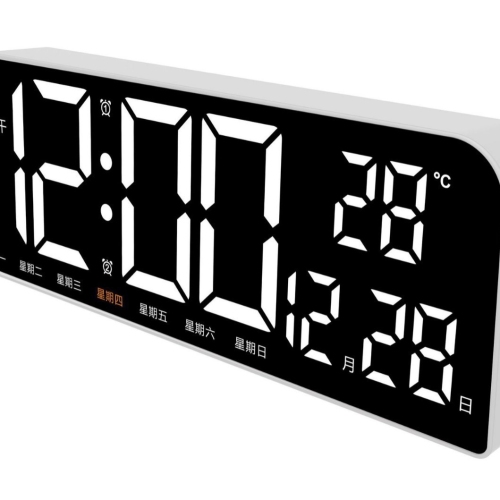
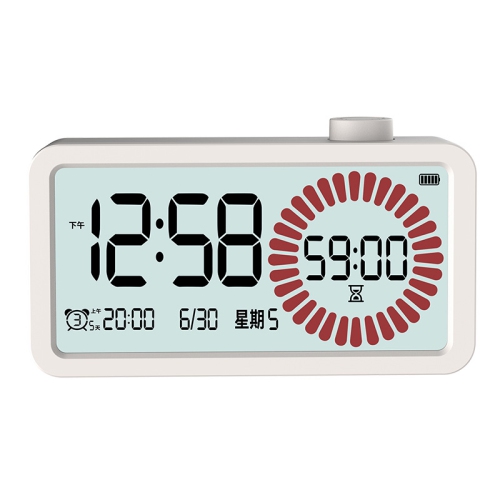
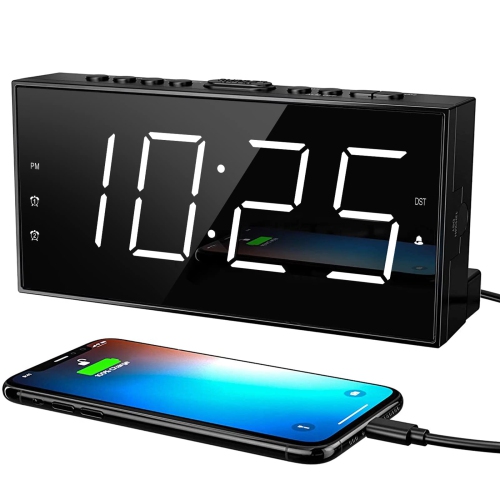
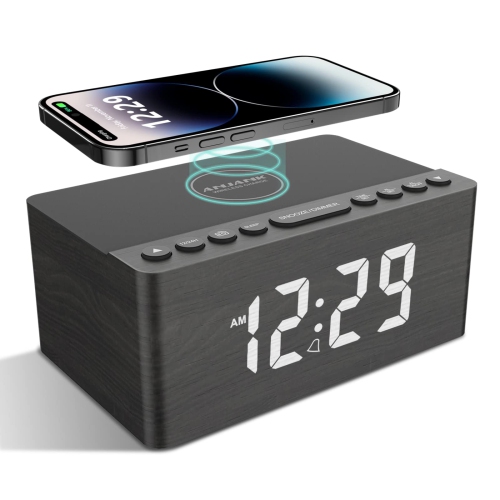
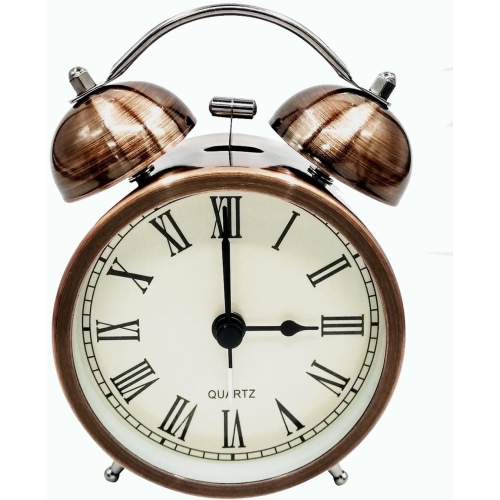
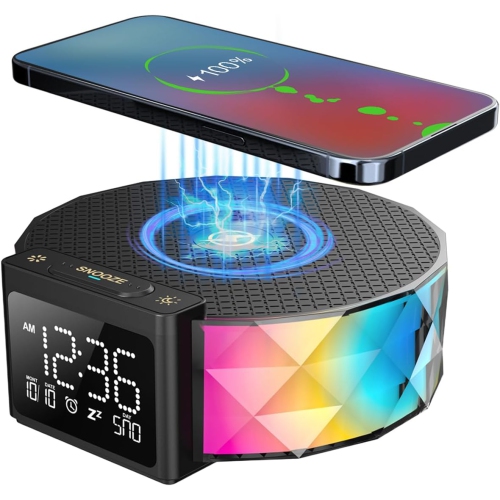
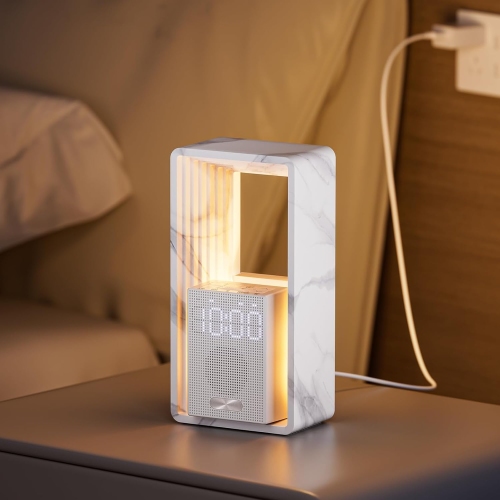
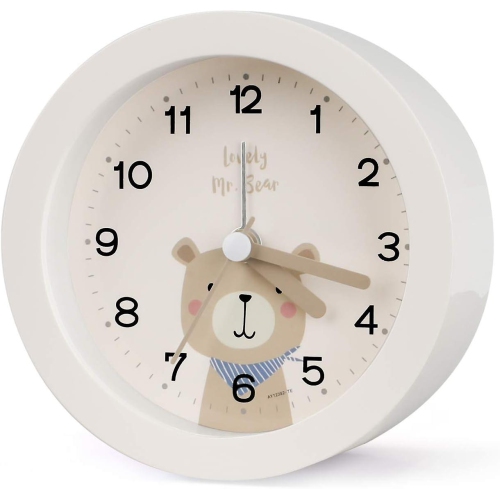
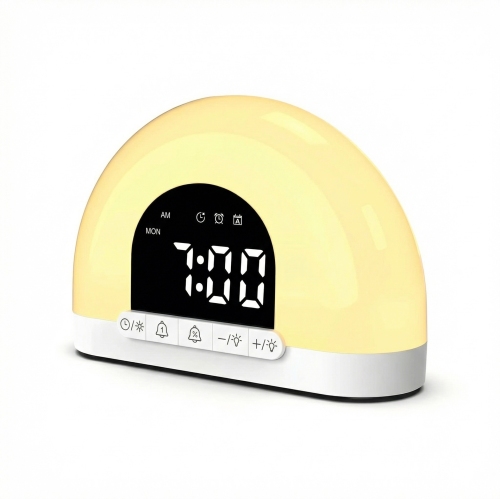
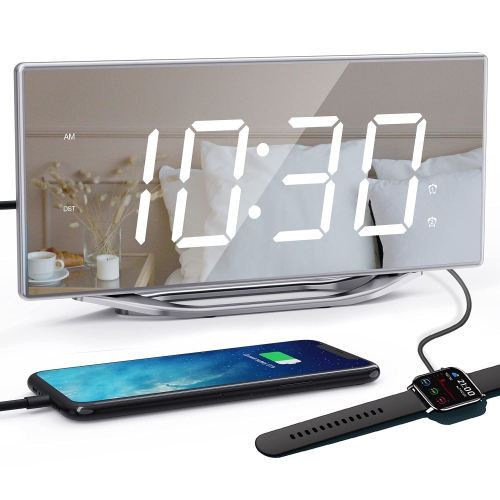
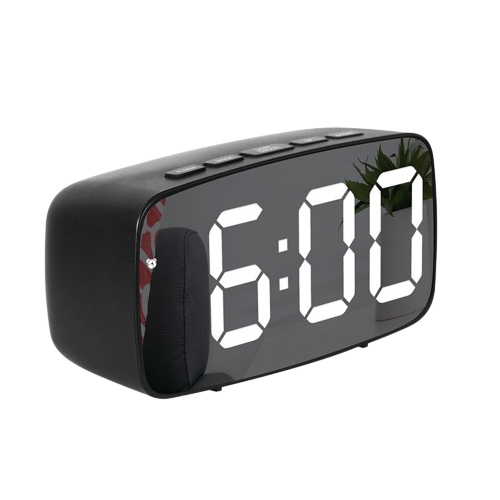
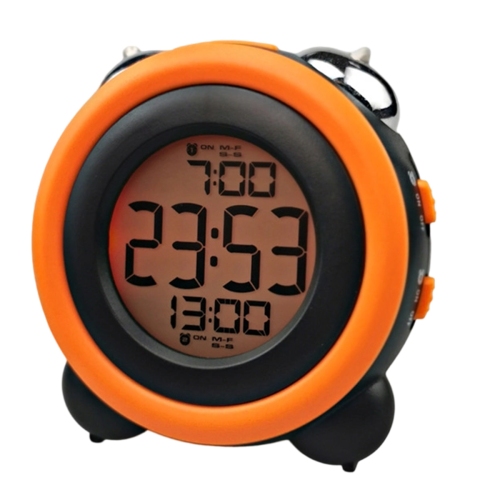
Straightforward wake-ups without reaching for your phone
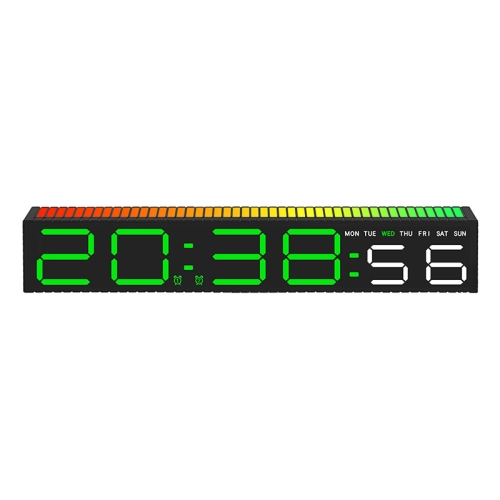
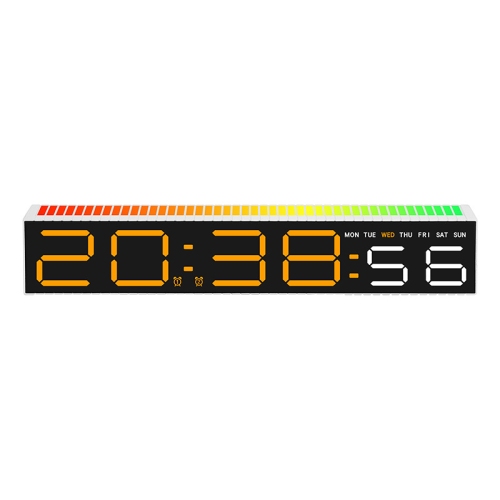
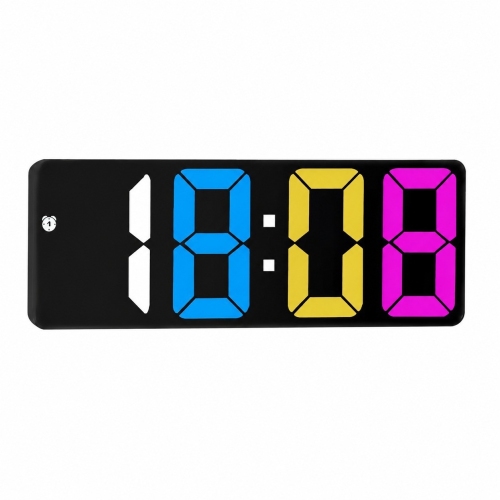
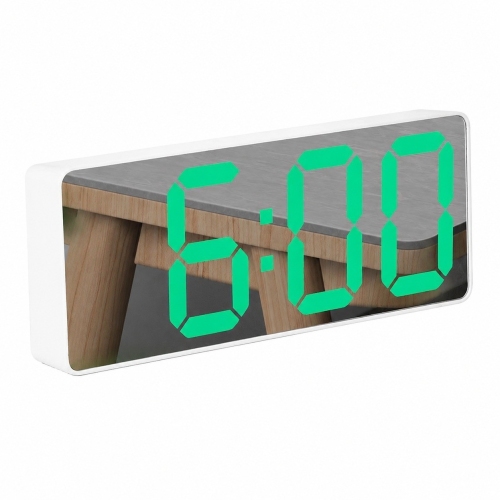
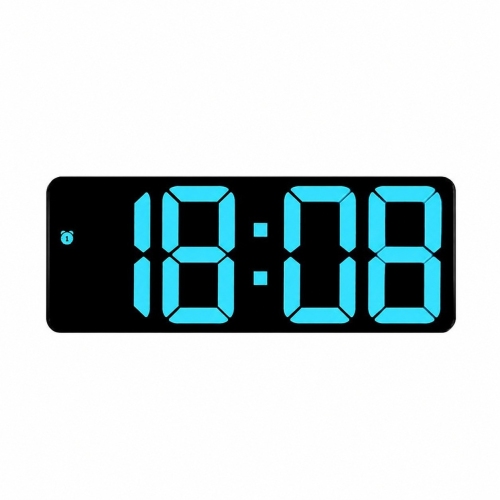
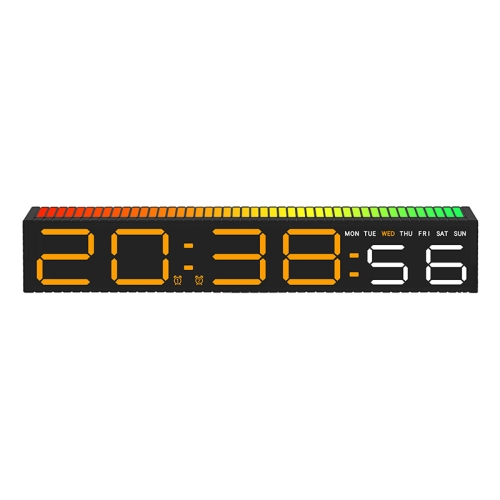
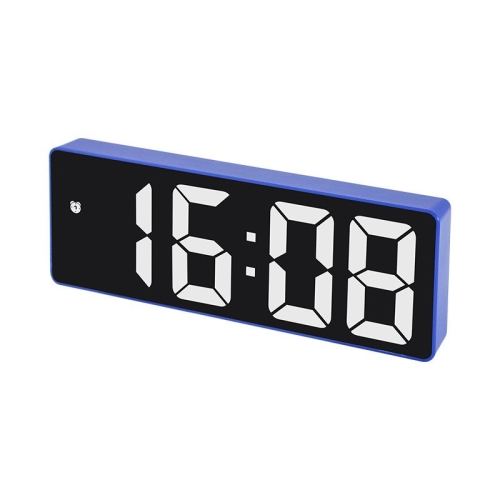
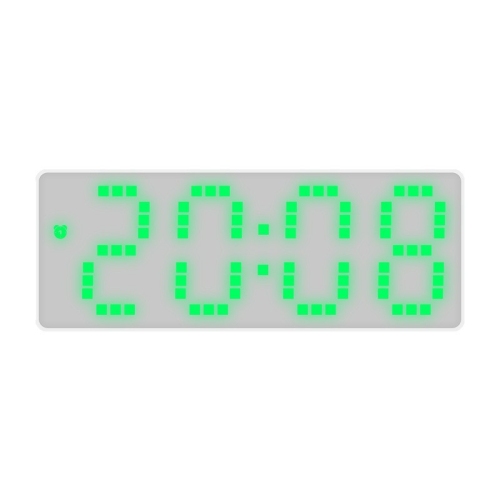
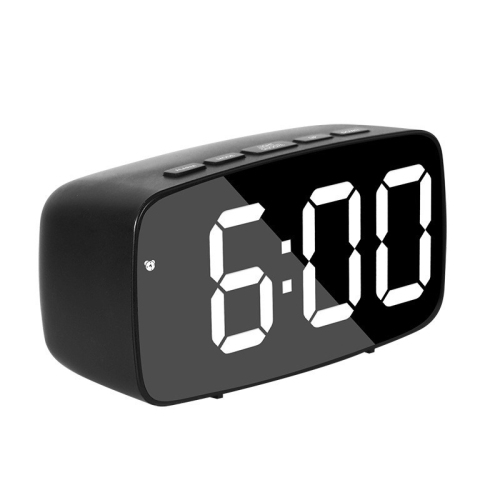
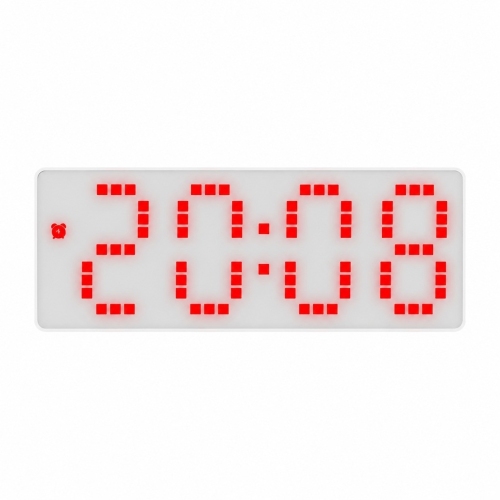
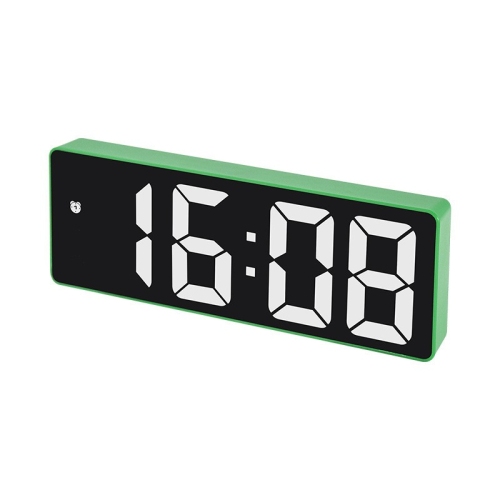
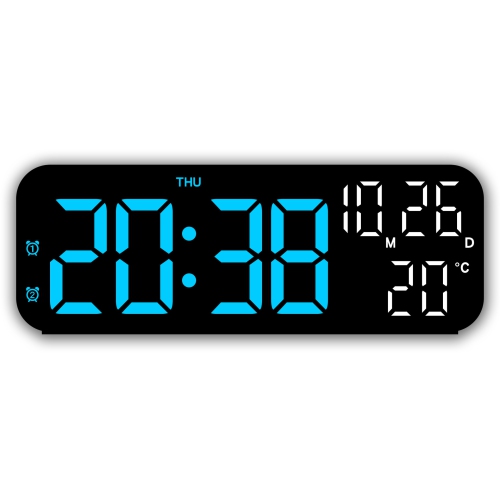
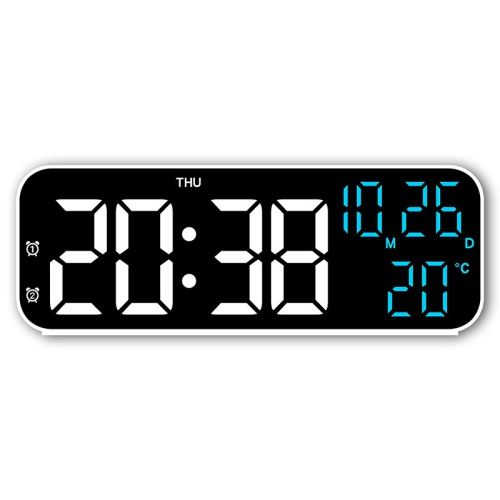
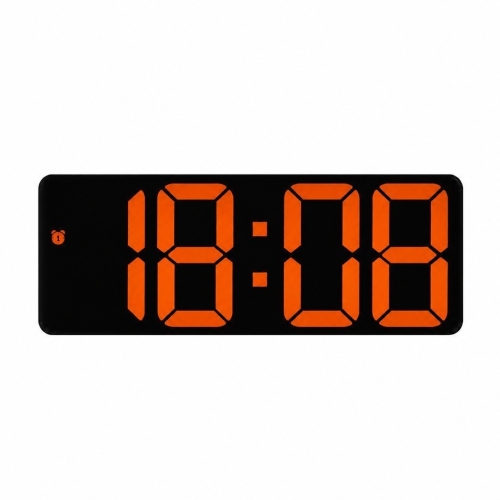
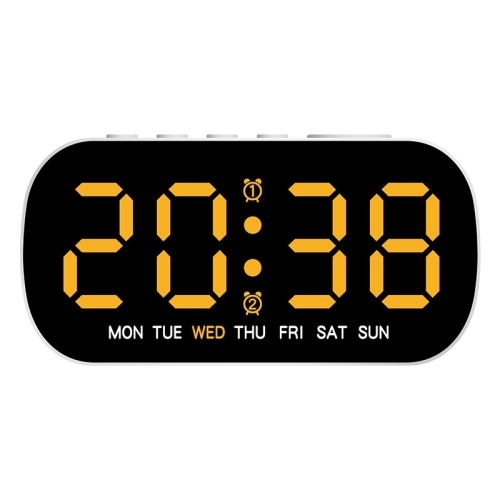
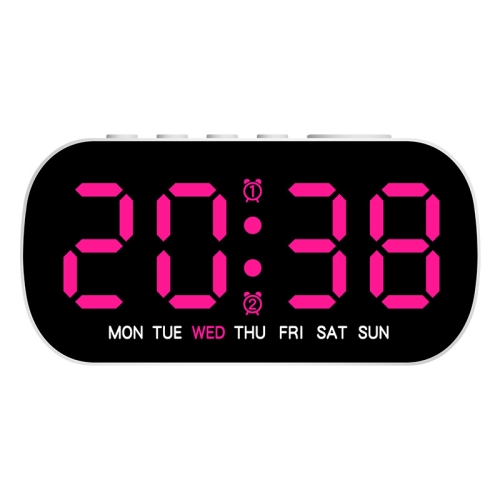
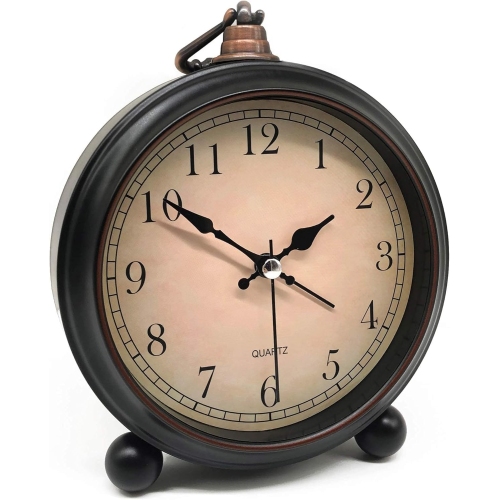
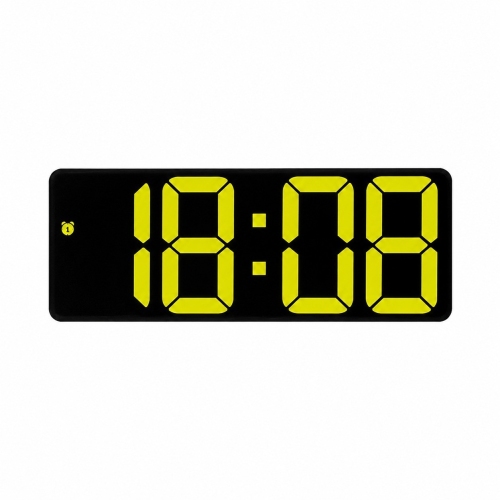
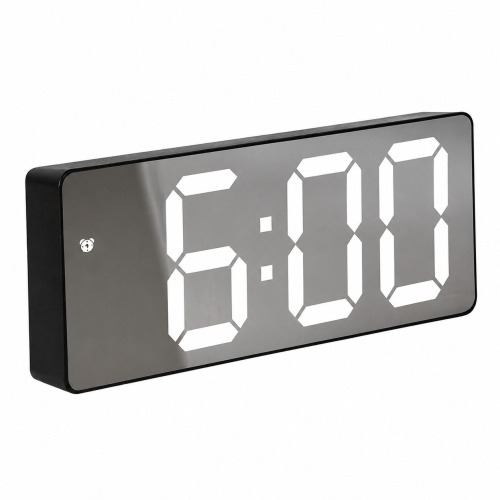
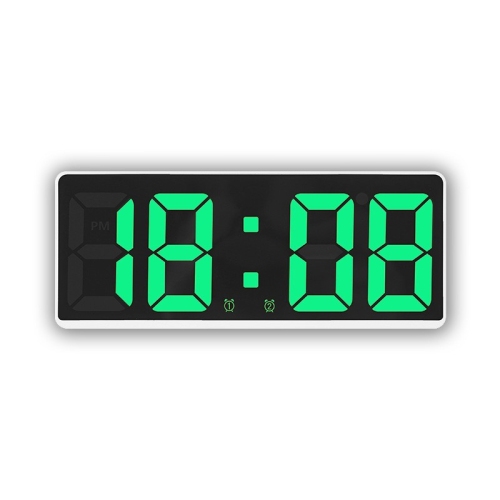
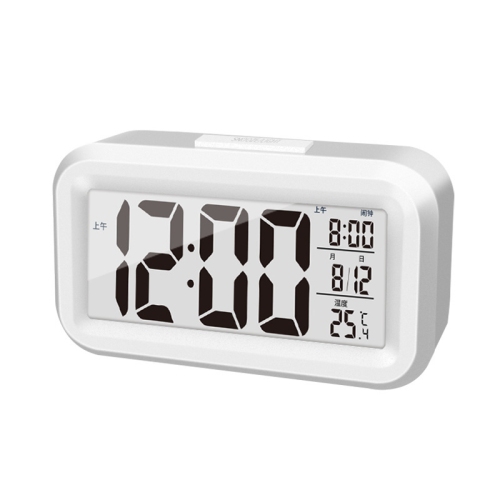
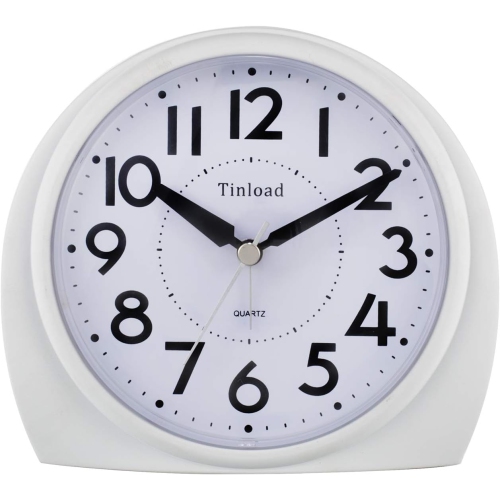
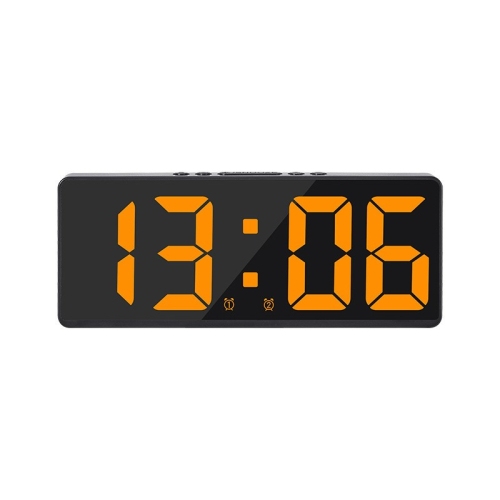
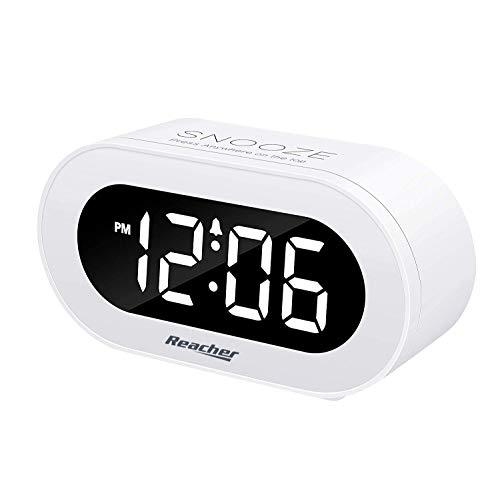
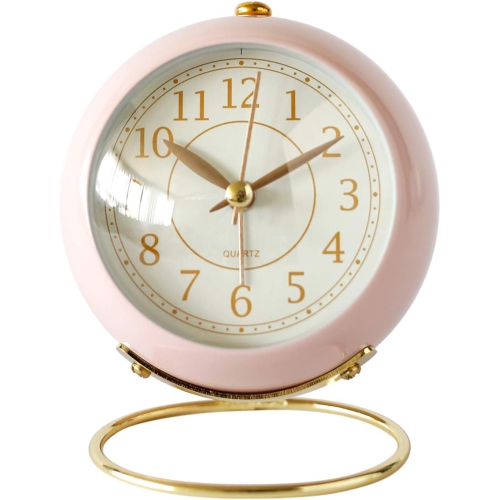
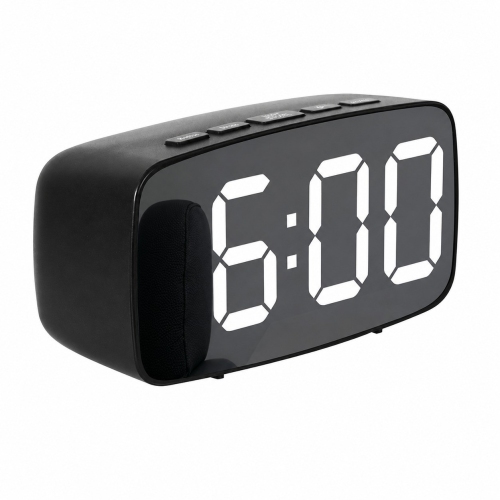
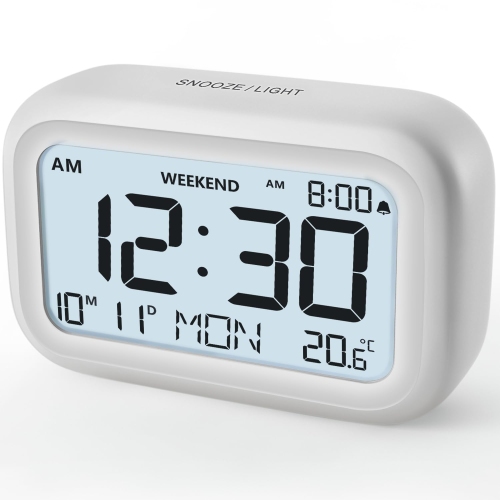
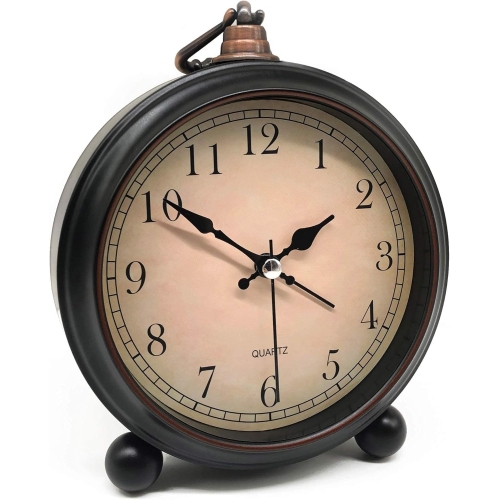
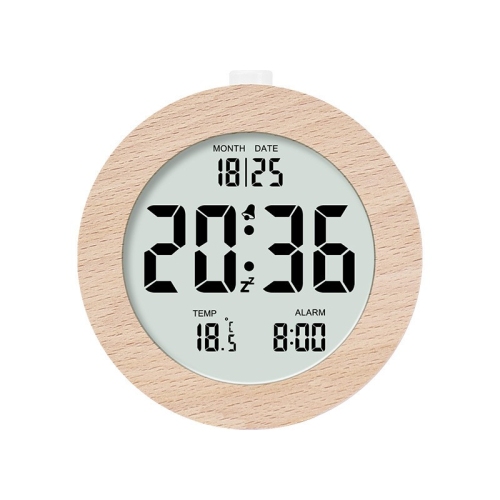
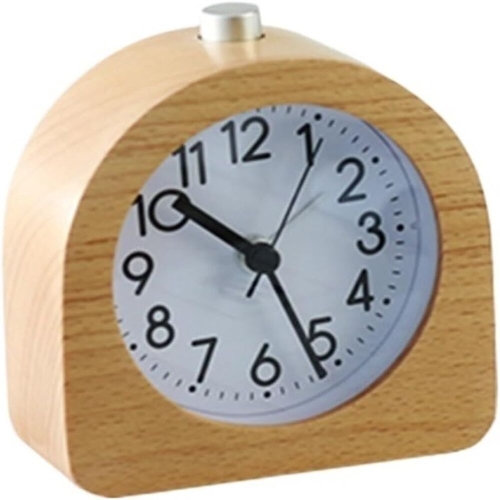
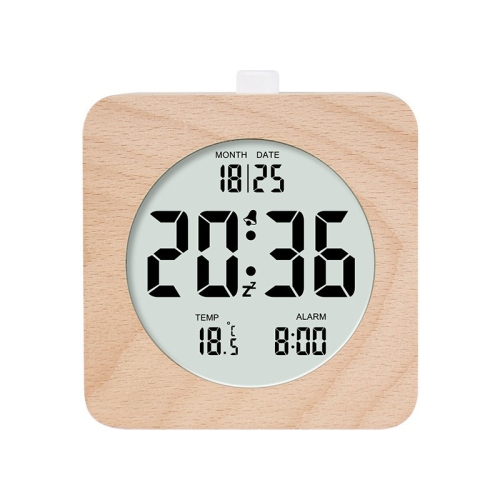
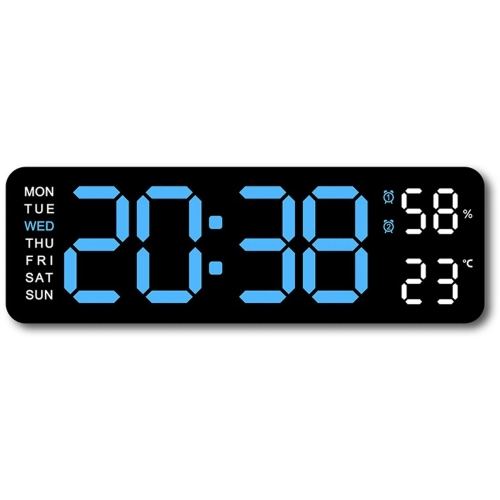
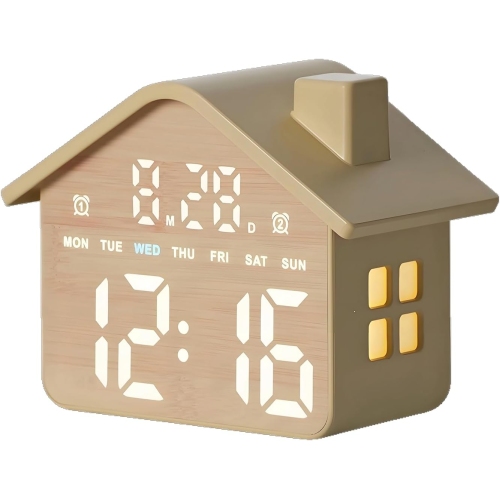
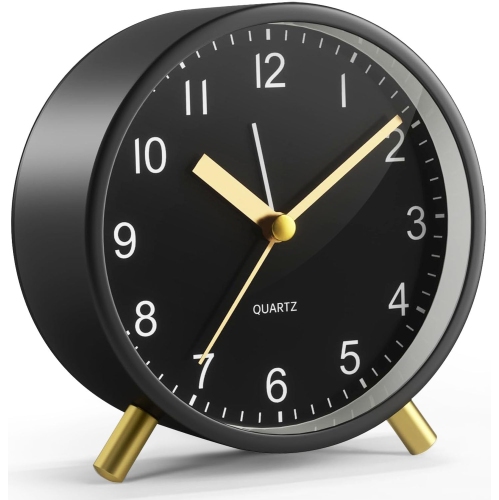
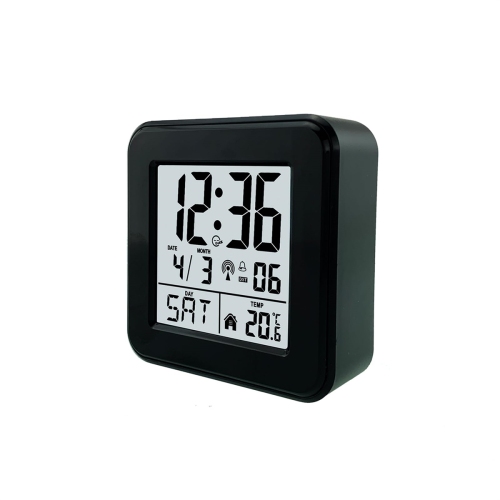
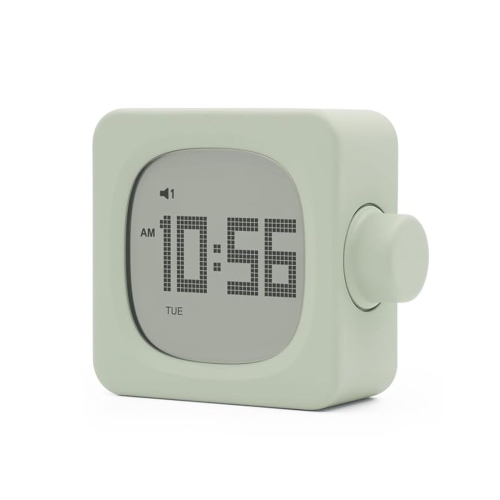
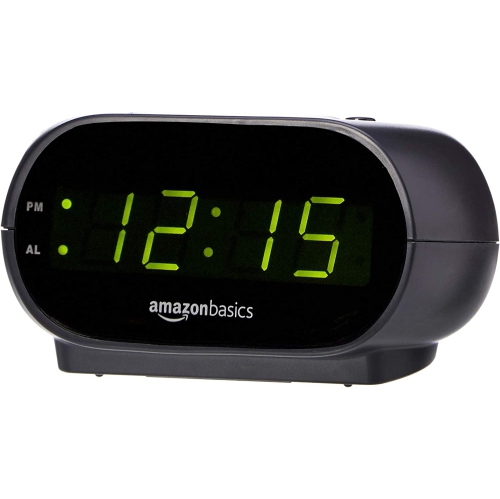
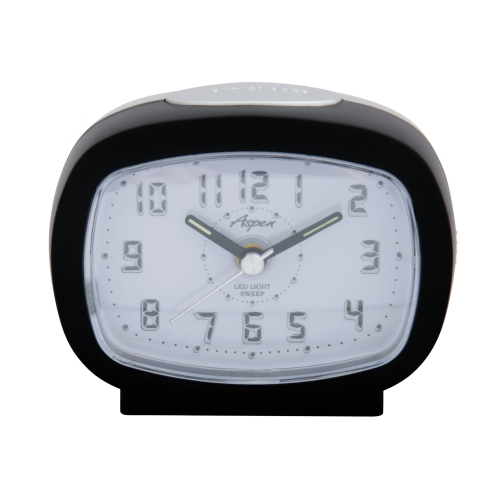
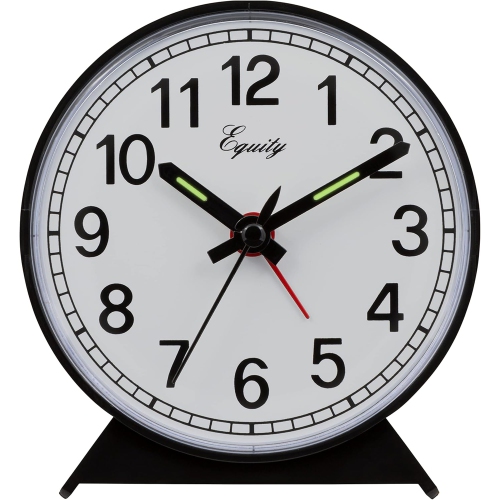
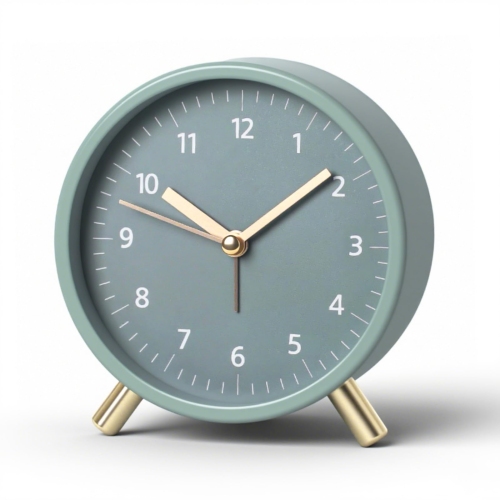
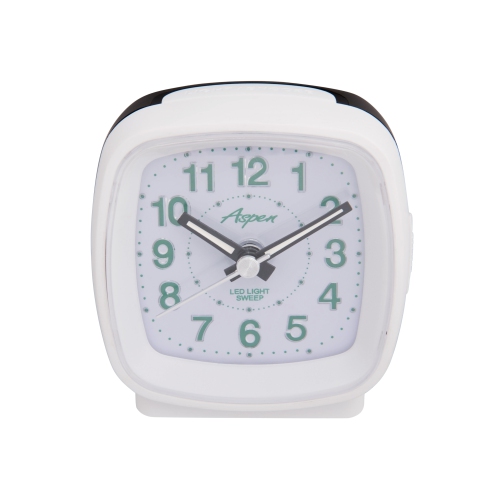
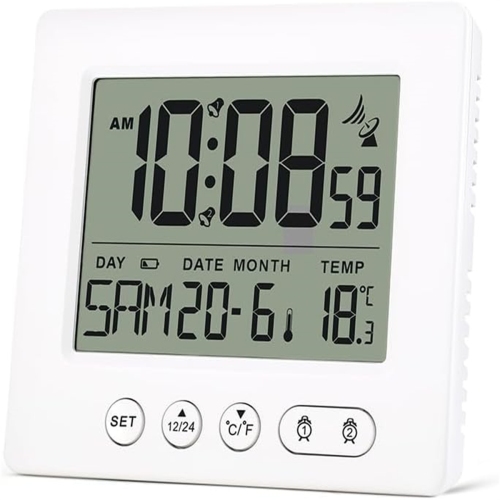
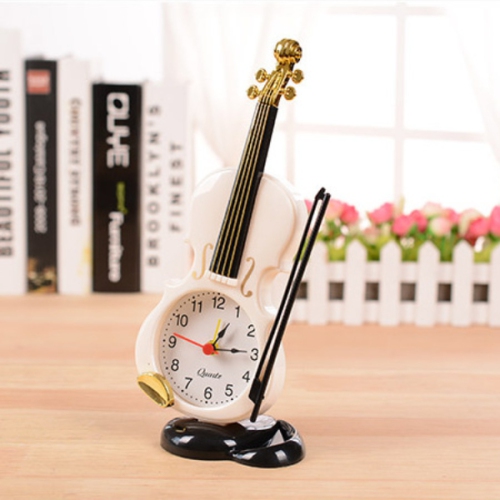
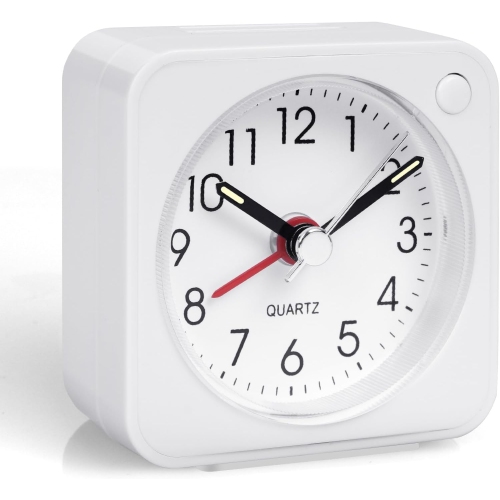
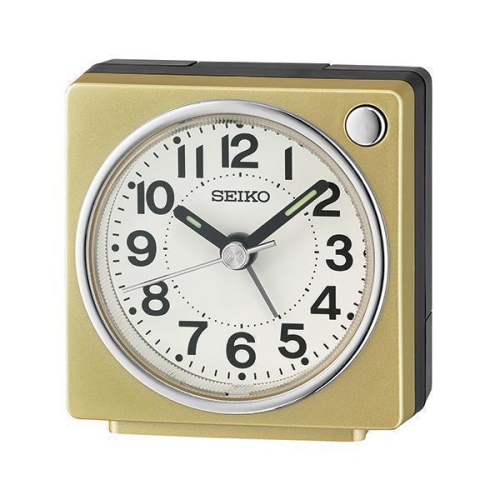
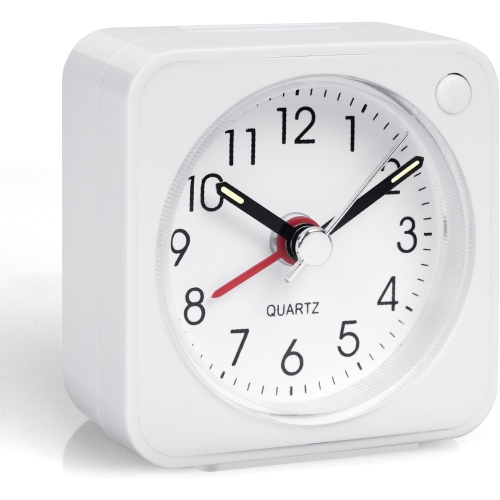
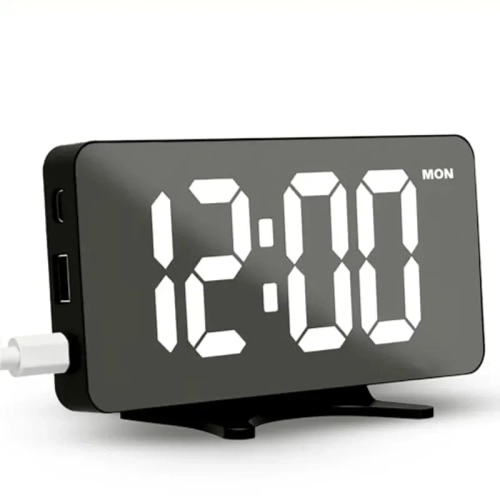
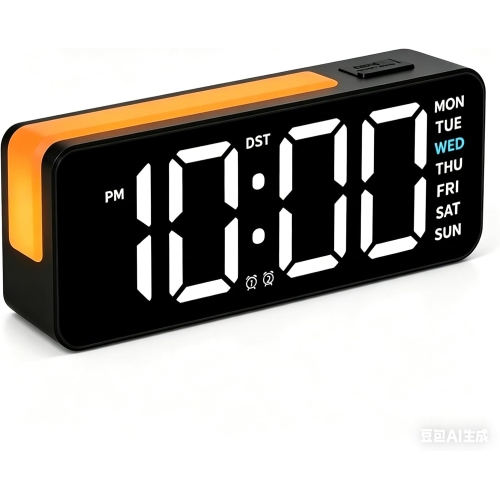
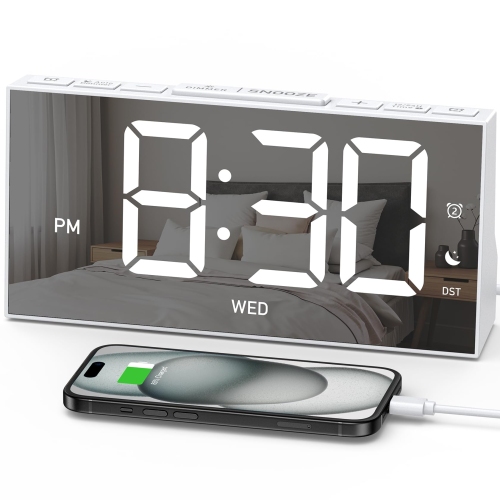
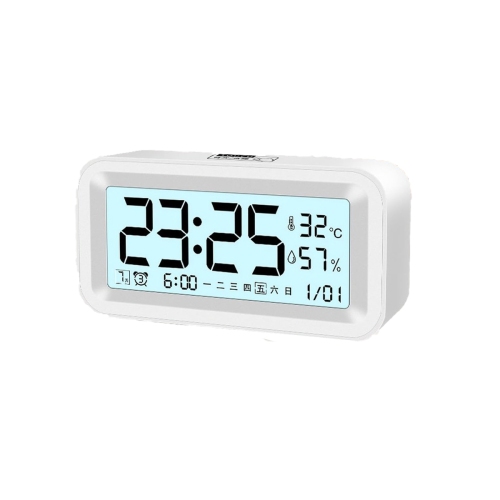
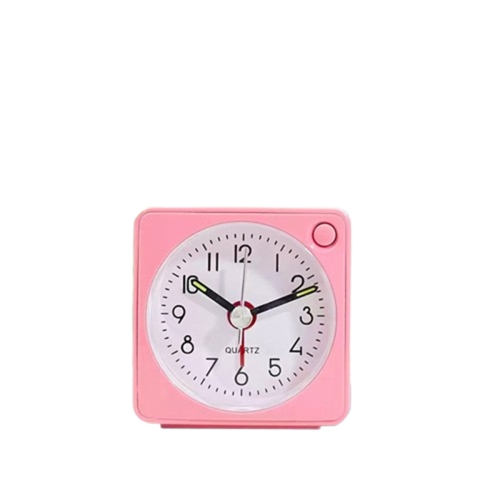
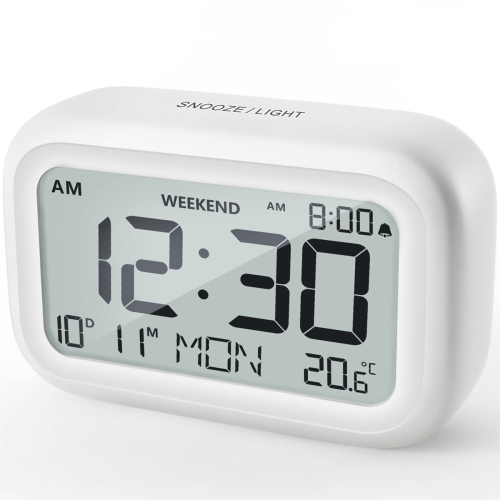
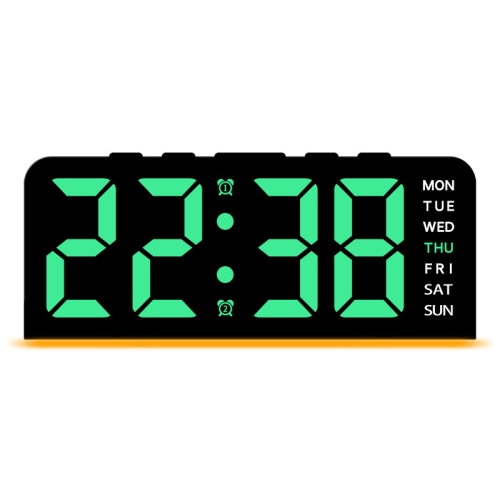
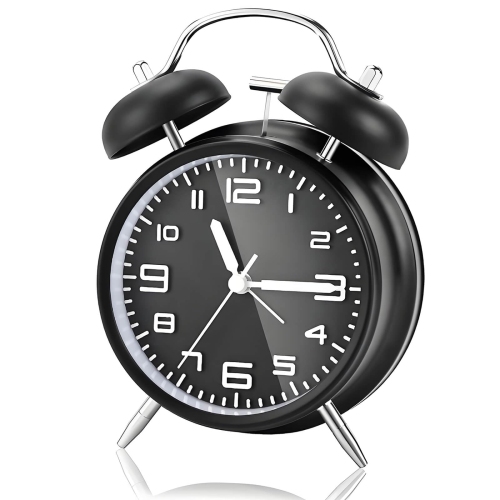
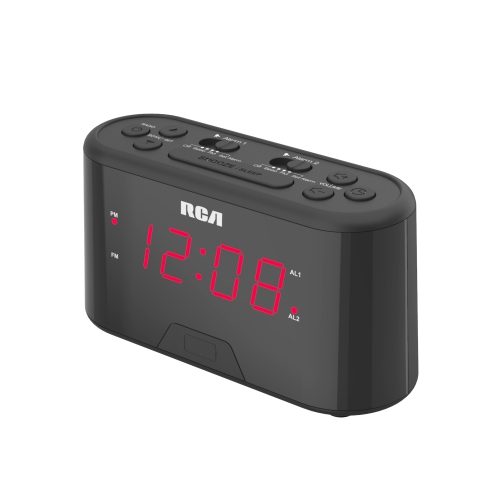
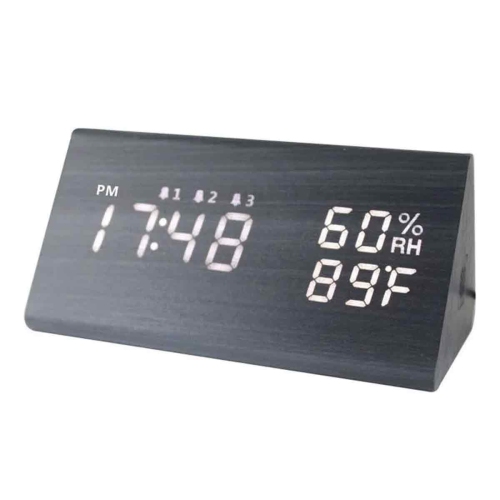
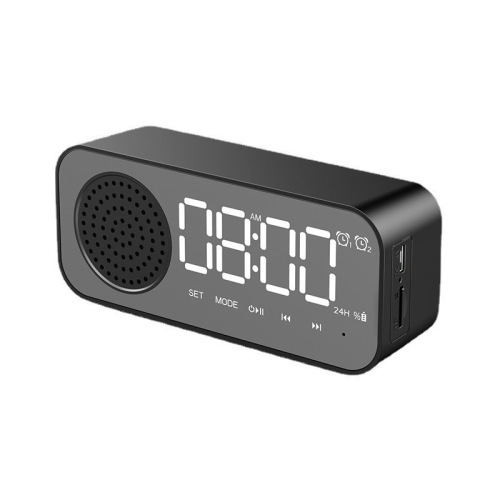
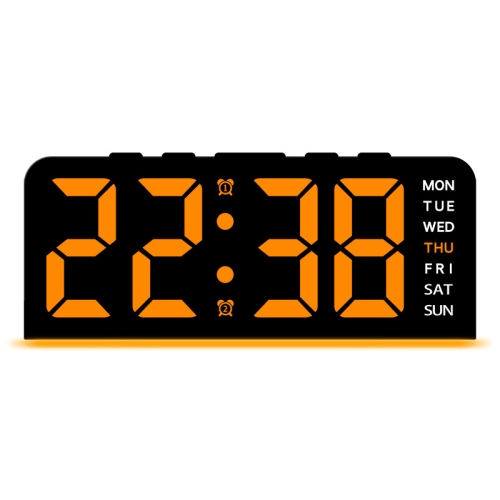
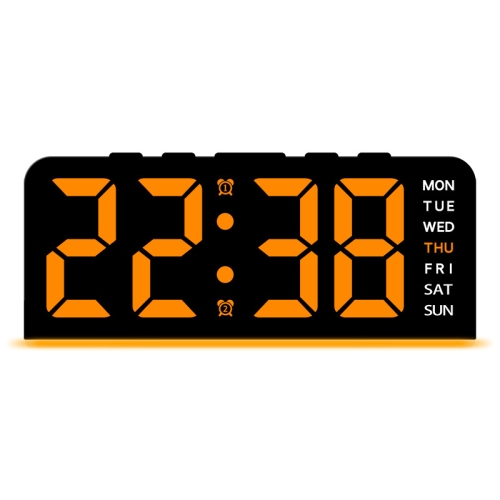
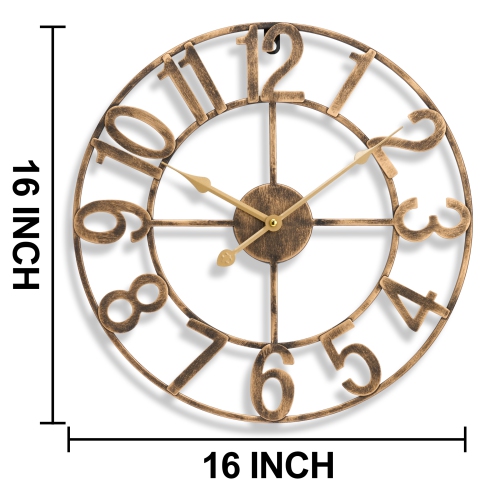
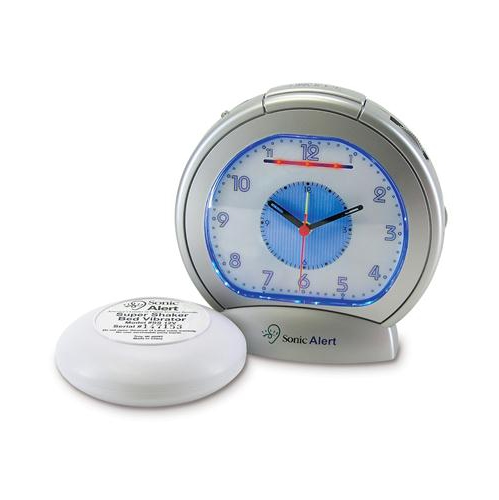
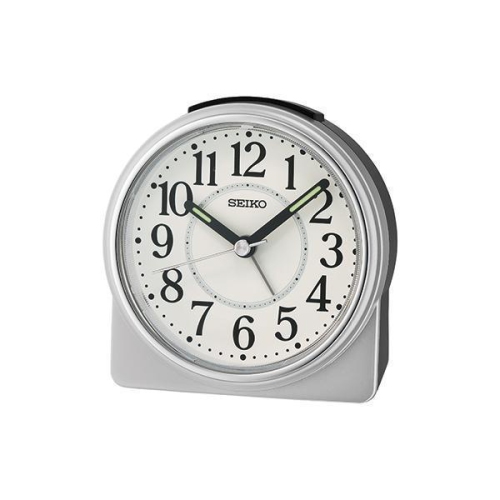
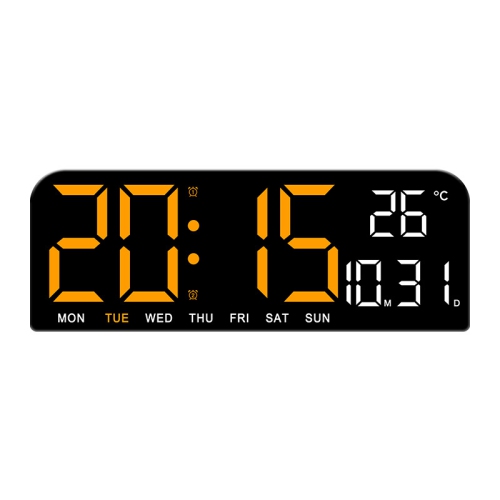
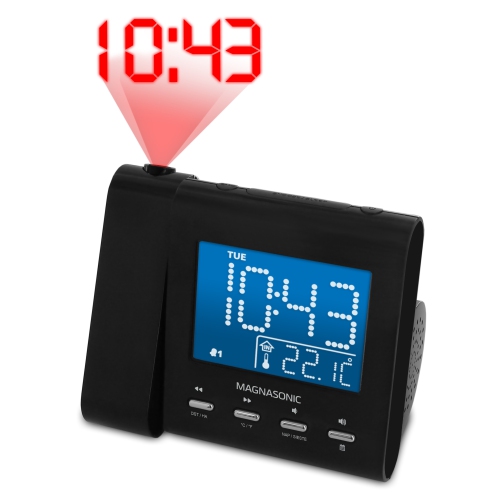
Simple alarm clocks provide clear timekeeping and a straightforward way to set a wake-up alarm, without making a smartphone or connected device part of the routine. Their appeal is practical: a readable face, understandable controls, and an alarm that is easy to set, check, and turn off. A dedicated clock gives the time a fixed place on a bedside table, dresser, or desk, so a quick glance does not need to involve unlocking a screen. Analogue designs use hands and hour markers, offering a familiar clock face that can be especially useful for someone who prefers visual reference points to illuminated numbers. Digital designs display the time in numerals, with some allowing a choice between 12-hour and 24-hour formats. The clearest display depends on where the clock sits and how far away it needs to be read. Large digits with strong contrast can be helpful across a bedroom, while a smaller display may be sufficient within arm’s reach. Brightness matters just as much as size. An adjustable display can stay readable without casting an unnecessarily strong glow beside the pillow, while a display that lights only when a button is pressed keeps the clock face dark between checks. On an analogue clock, a lighted dial or luminous hands may help with nighttime visibility, though the brightness and duration vary by design. Sound is another distinction: a traditional ticking movement may be reassuring to one sleeper and distracting to another, while a quieter movement may better suit someone who notices small noises. For students, working adults, older family members, or anyone keeping a regular schedule, a simple bedside clock offers a familiar way to keep track of the time. It can also help separate checking the hour from checking messages, with no need to reach for a phone simply to see whether it is time to get up.
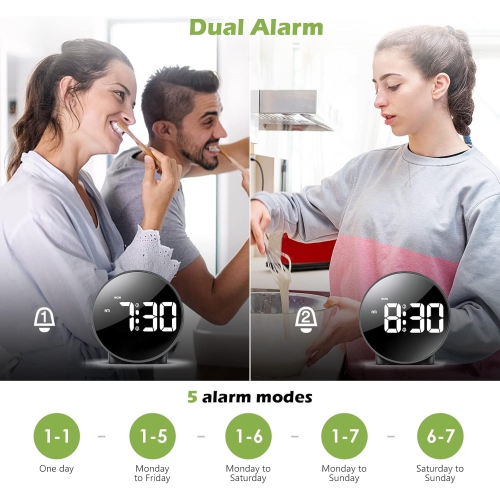
The alarm itself is central to everyday comfort and convenience. A basic beep or bell can be enough for someone who wakes readily, while adjustable volume gives more flexibility when a quiet signal is too easy to miss or a loud one feels abrupt. Some alarms begin softly and become louder, although this feature is not standard across simple designs. Volume alone does not tell the whole story; the tone, pattern, and position of the clock also affect how noticeable the alarm feels. A shared bedroom may call for a different balance than a room occupied by one person. Clearly separated controls make early-morning use less fiddly, particularly when the snooze button is easy to distinguish from the control that switches the alarm off completely. A visible alarm indicator is useful for confirming that the wake-up time is active before settling into bed. Setting the clock should also feel manageable, whether that means turning a knob on an analogue model or using clearly labelled buttons on a digital one. For people who want a simple routine, the number of steps needed to change the time can matter more than a long list of extra functions. Power arrangements deserve similar attention. Battery-powered clocks can sit away from an outlet and are convenient for a guest room or travel, provided the batteries are checked and replaced as needed. Plug-in clocks suit a permanent bedside position, with cord length and outlet access affecting placement. A USB-powered design requires a compatible power source, and a wall adapter is not necessarily included. Battery backup on a mains-powered clock often preserves the time and alarm settings during an interruption, but it does not always keep the display illuminated or allow the alarm to sound. Those details depend on the model. Someone relying on an alarm for an early shift or an important appointment benefits from understanding exactly what remains functional when the main power supply is interrupted.
Size, construction, and everyday handling help determine how well a simple alarm clock fits into a room. A compact case leaves space for a lamp, glasses, and a glass of water, but a small footprint should not come at the expense of readable numbers or usable buttons. A broad base and non-slip feet can help a clock stay steady when the snooze control is pressed, especially on a smooth bedside surface. Lightweight plastic housings are easy to move, while metal cases can provide a more substantial feel. Wood or wood-look finishes offer a different appearance, though the care requirements depend on the actual surface material. Rounded edges, a stable stand, and a securely fitted battery cover are useful details for a clock that will be handled regularly or moved between rooms. For travel, recessed controls or a lock function can help reduce accidental changes inside a bag, while a compact shape is easier to pack. At home, the finish and colour can blend into a quiet bedside arrangement or make the clock easier to spot against a dark tabletop. Care is generally straightforward: a soft, dry cloth removes everyday dust, and liquids should be kept away from openings, buttons, and battery compartments. Cleaning should follow the manufacturer’s directions, with mains-powered clocks disconnected before cleaning and no cleaner sprayed directly onto the case. Batteries that are leaking or damaged require prompt attention according to the manufacturer’s safety guidance. Simple alarm clocks can make practical gifts for a student setting up a bedroom, a family member who prefers physical controls, or someone furnishing a guest room. For an older recipient, large numerals and easy-to-grip controls may be more useful than a particularly small case; for a child learning to read time, a clear analogue dial may be appealing. People interested in a more involved wake-up routine can also explore Interactive Alarm Clocks. For a conventional bedside routine, the lasting appeal of a simple clock is its focus on the essentials: an easy-to-read time display, an understandable alarm setting, and controls that feel familiar each day.
Top selling and popular products
-
 Your price for this item is $89.99
-
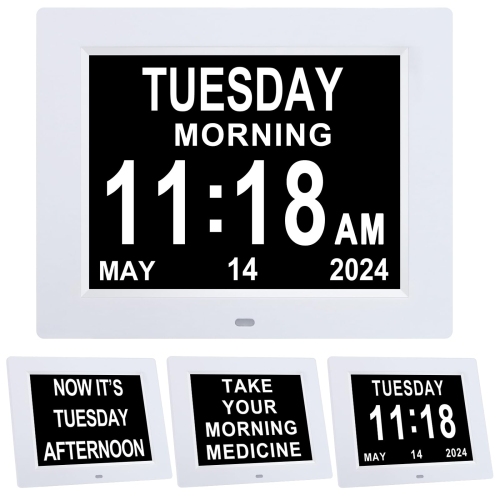 Your price for this item is $77.49
-
 Your price for this item is $67.99
-
 Your price for this item is $159.49
-
 Your price for this item is $46.2
-
 Your price for this item is $40.99
-
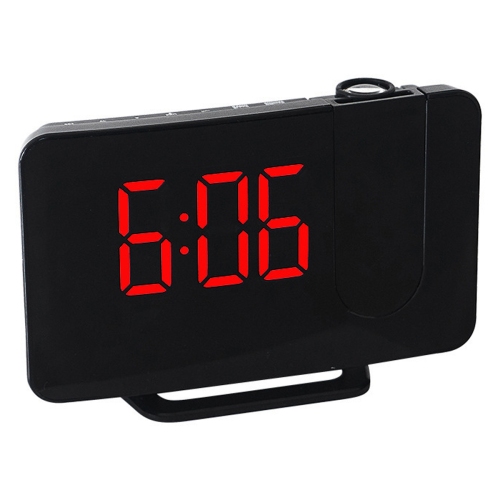 Your price for this item is $40.04
-
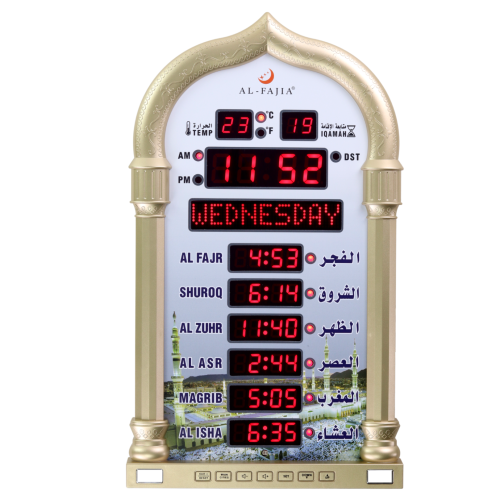 Your price for this item is $89.99
Discover more categories related to Simple Alarm Clocks
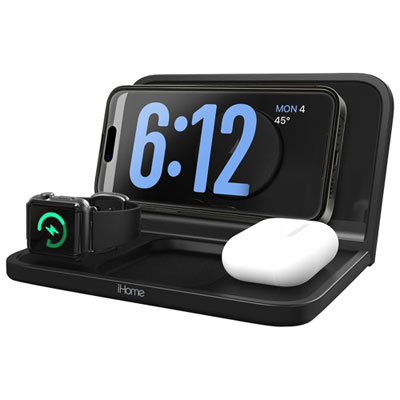
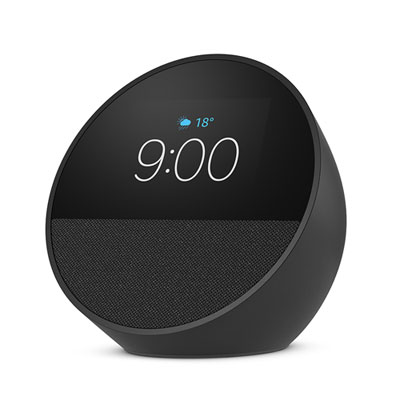
Top Collections:
Best Black Friday Deals This Year, Best Black Friday Deals On Electronics, Kindle Devices, Pokemon Centers, Best Black Friday Deals On Apple Products, Best Cameras for Sports Photography, Dyson Airwrap, Pokémon 30th Celebration Cards, Apple iPhone 17 Pro, Canon G7X Cameras
Some products may be subject to Environmental Handling Fees
(EHF) depending on your province.
Learn more about EHFs.