Speaker Woofers
When it comes to enhancing your audio experience, speaker woofers are an essential component to consider. These powerful drivers are designed to reproduce low-frequency sounds with precision and depth, adding richness and fullness to your music, movies, and games. Whether you're a music enthusiast, a movie buff, or a gamer looking to elevate your sound system, investing in quality speaker woofers can make a significant difference in the overall quality of your audio playback.
Sort



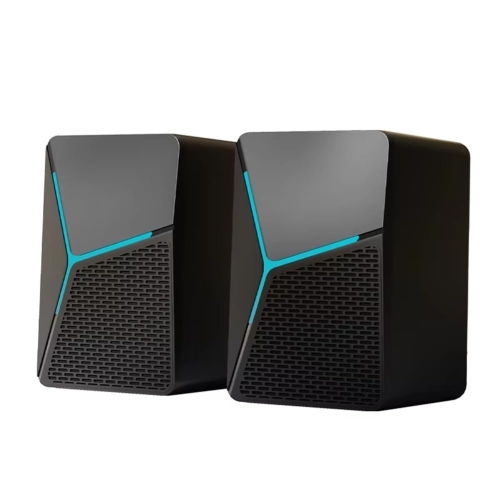

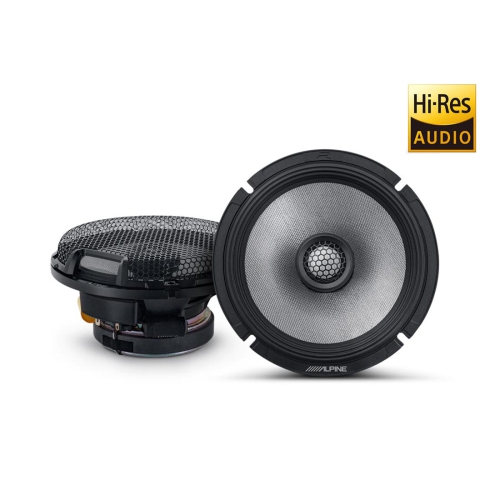

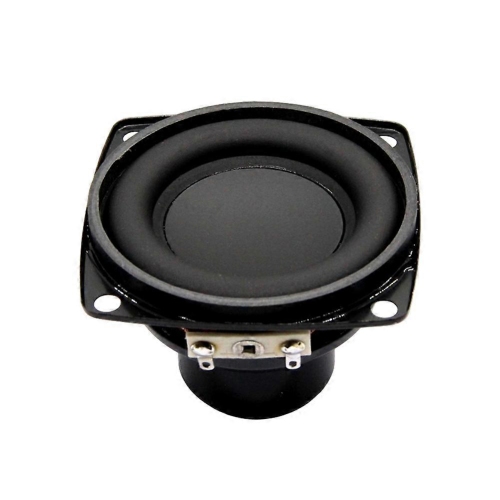
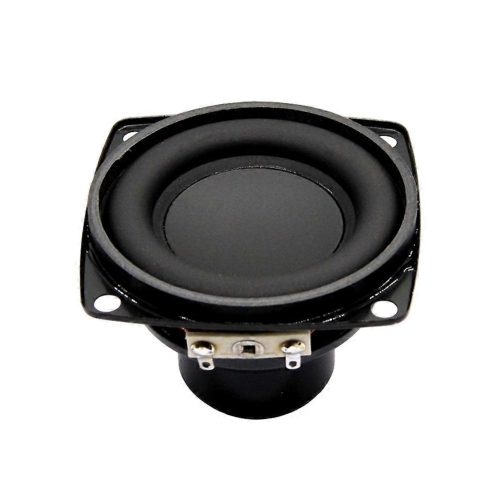

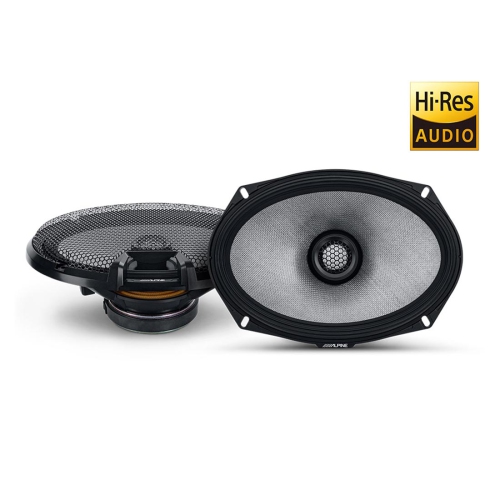
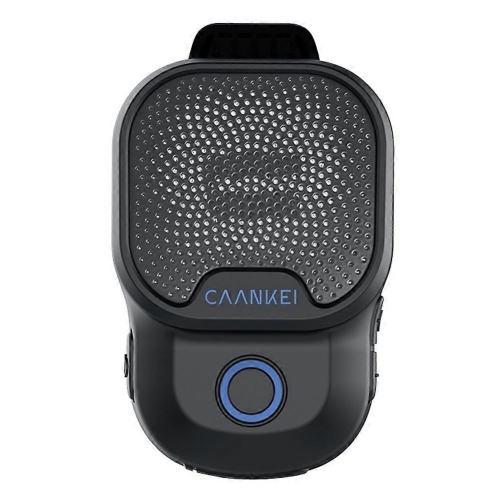
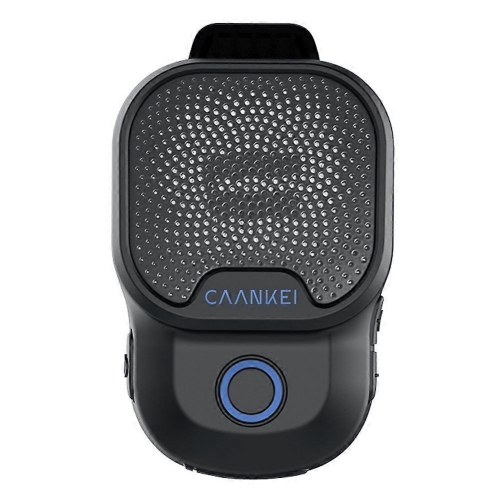
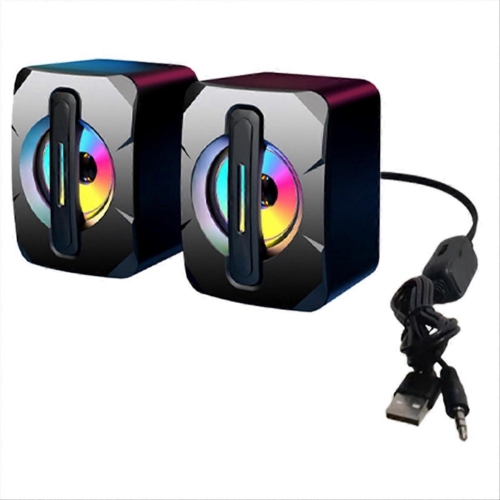
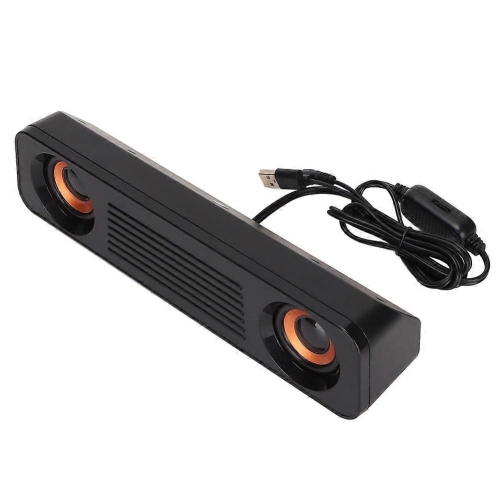
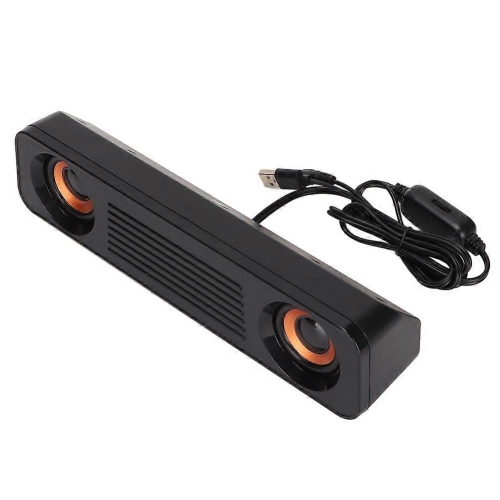
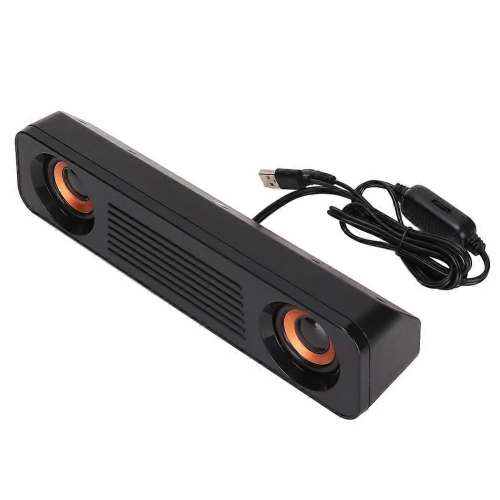
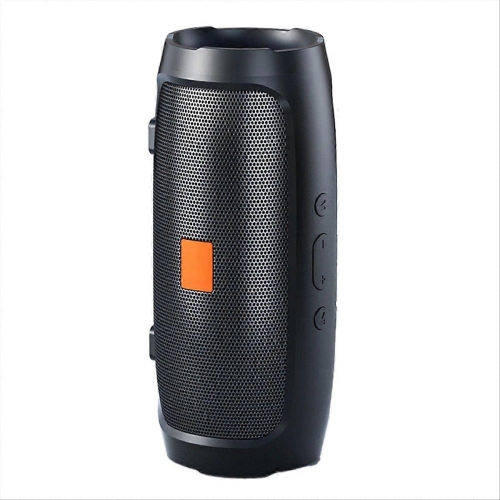
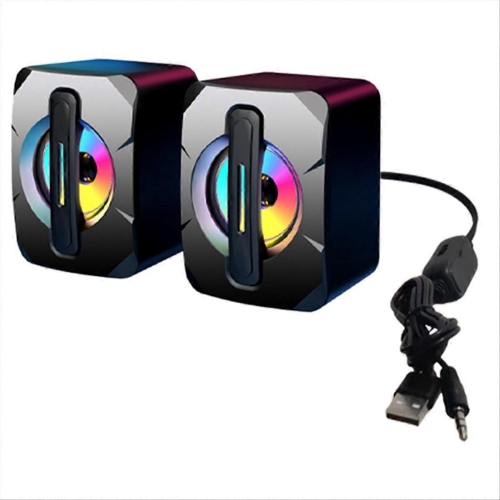

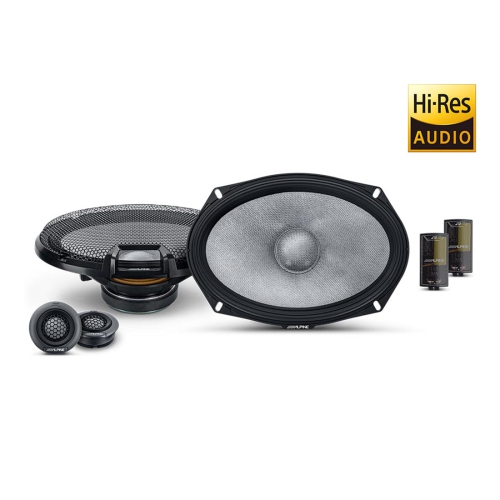
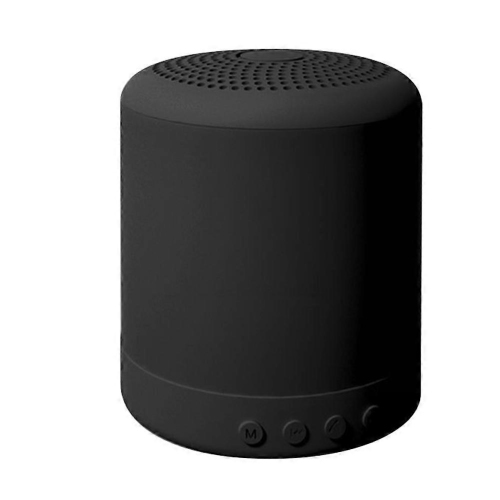
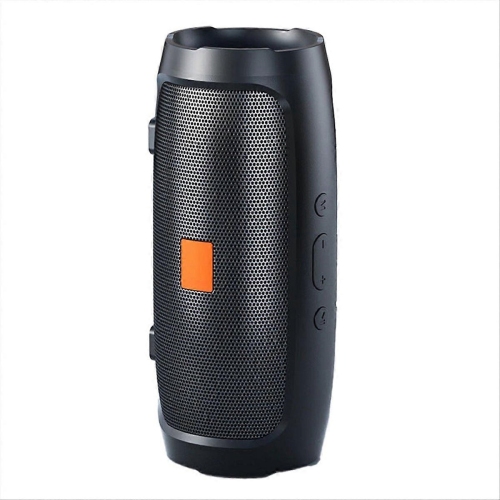


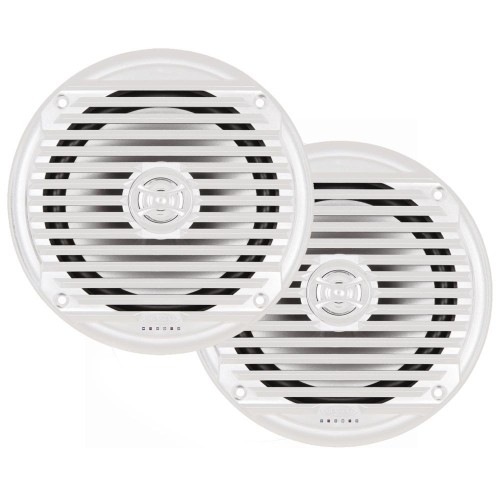
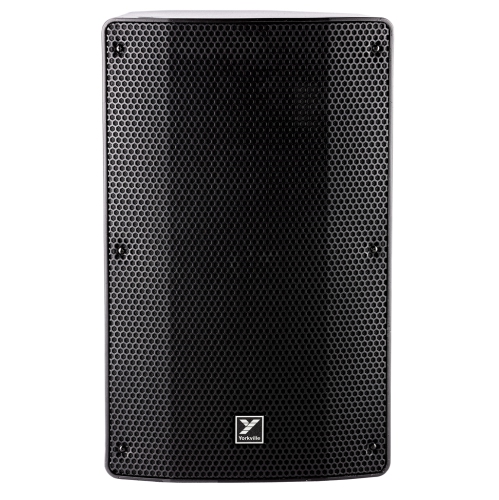
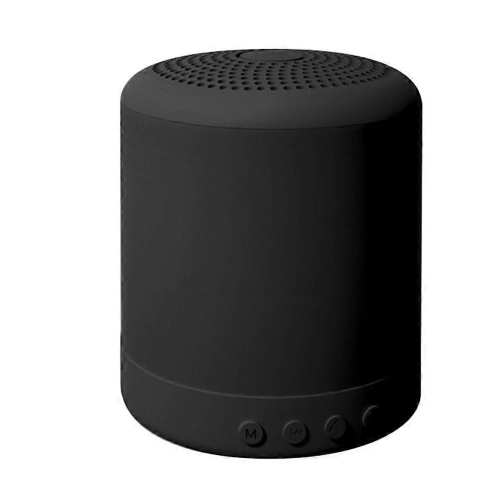
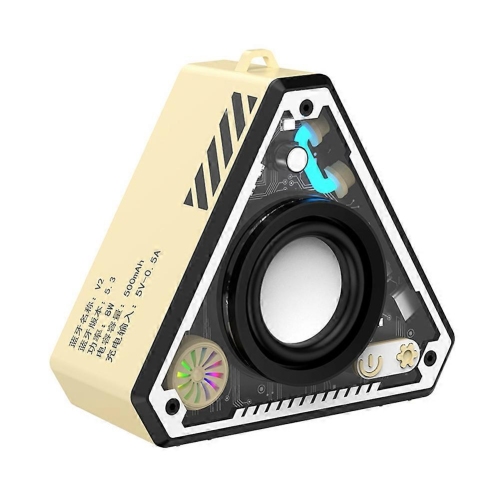


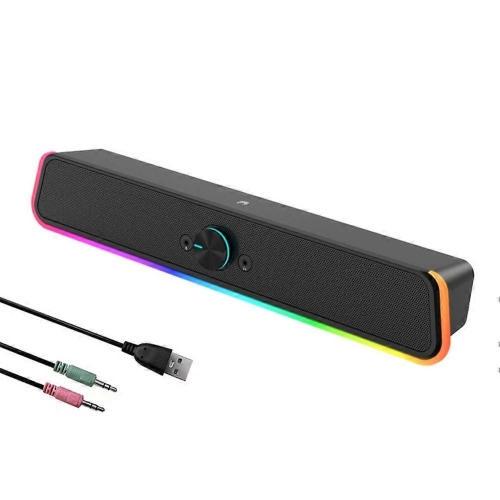
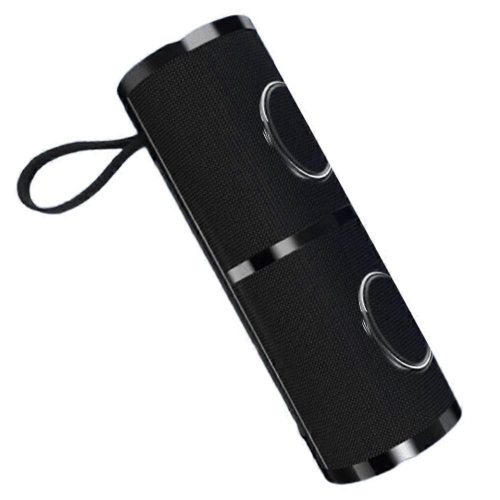
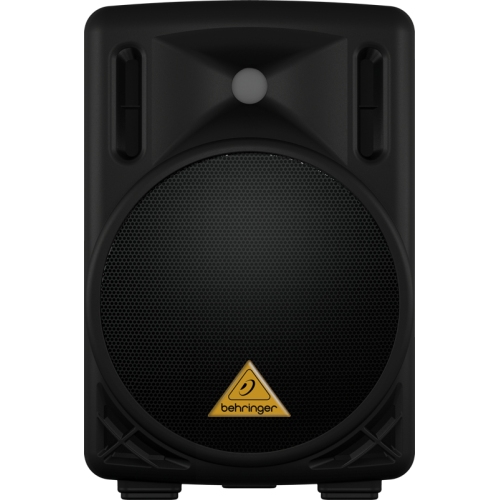
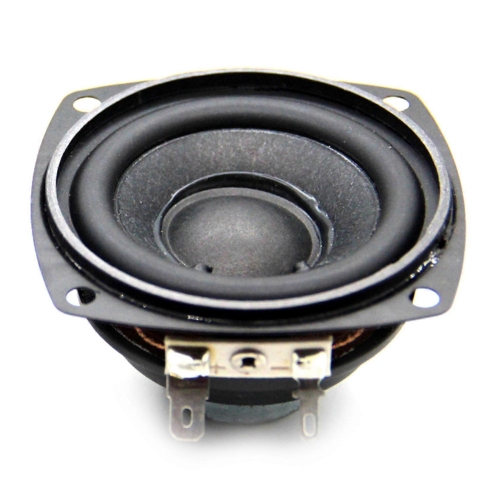



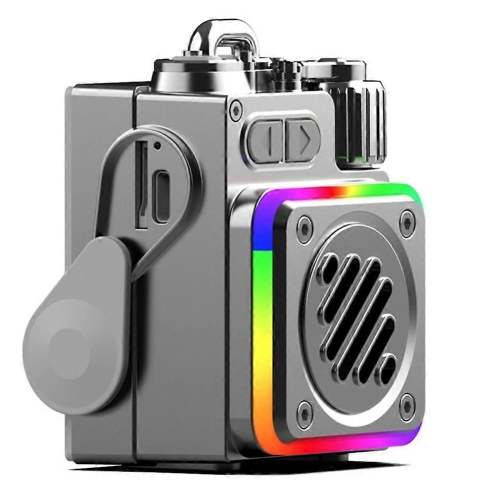
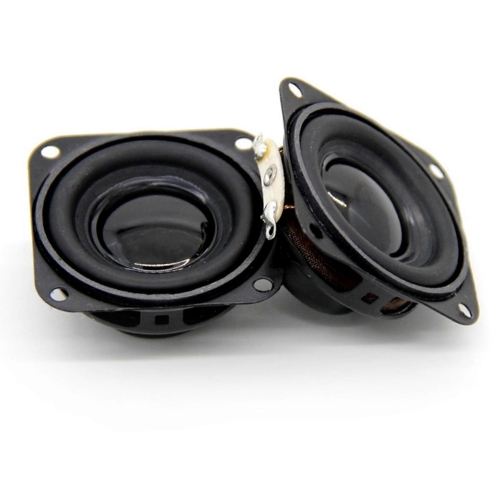
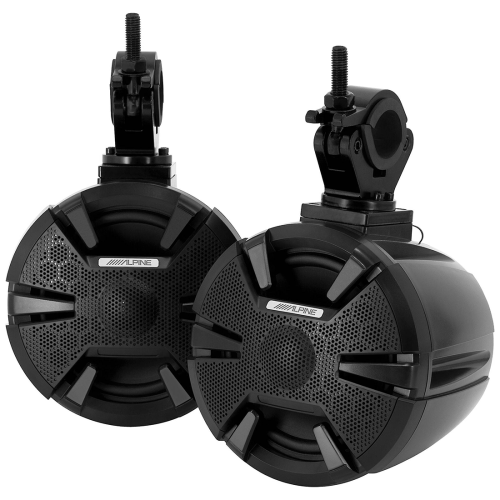
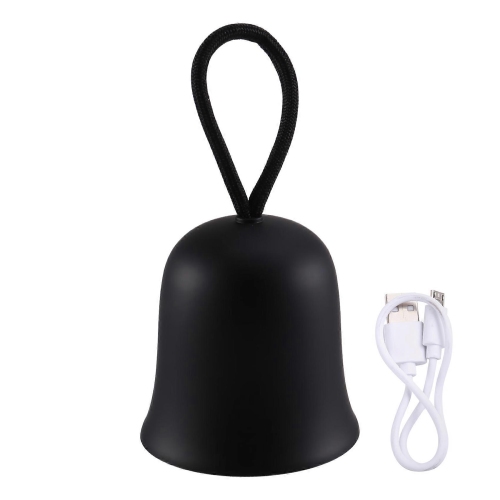






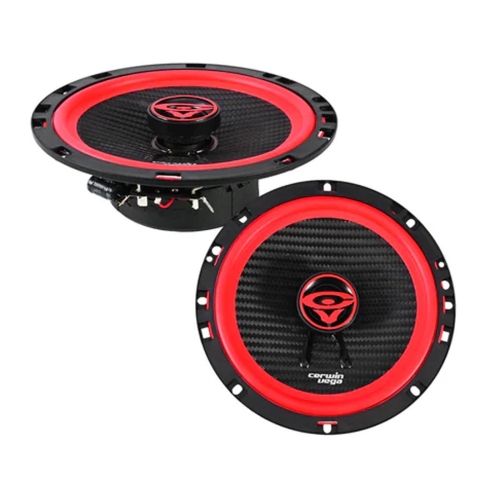
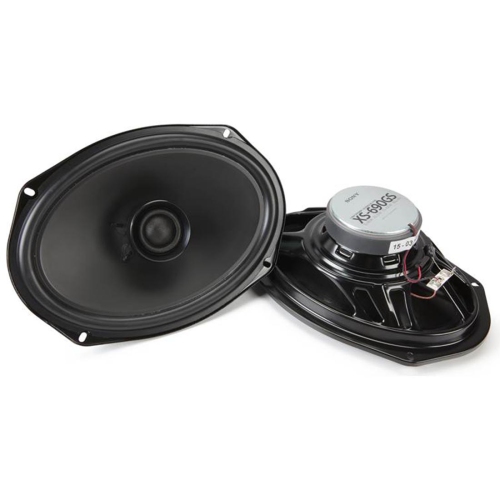
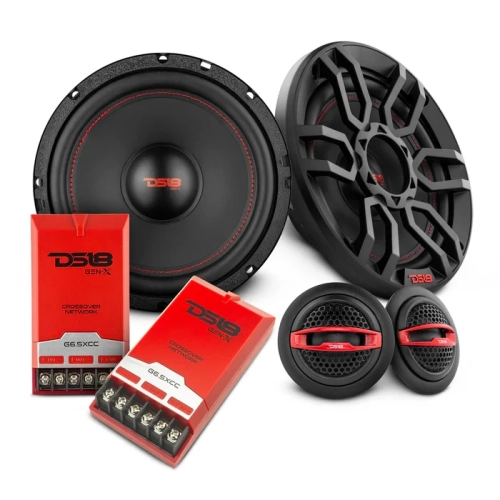


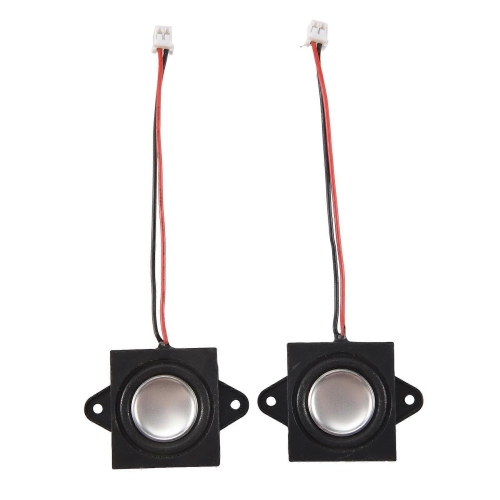



Understanding bass response, compatibility, placement, and speaker system fit
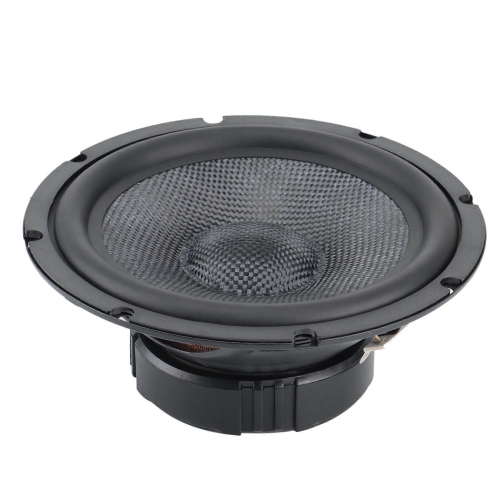
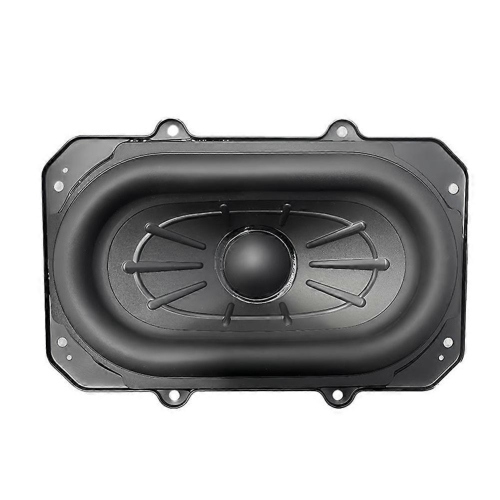
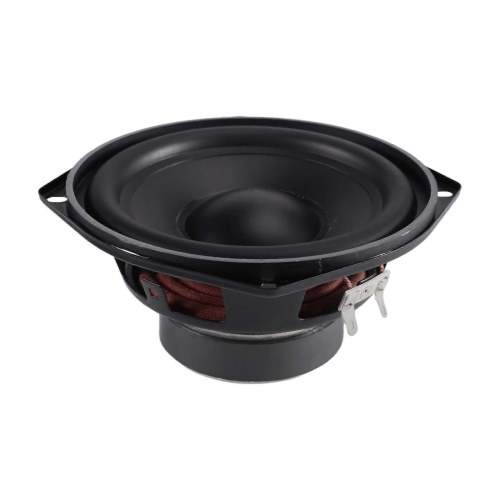
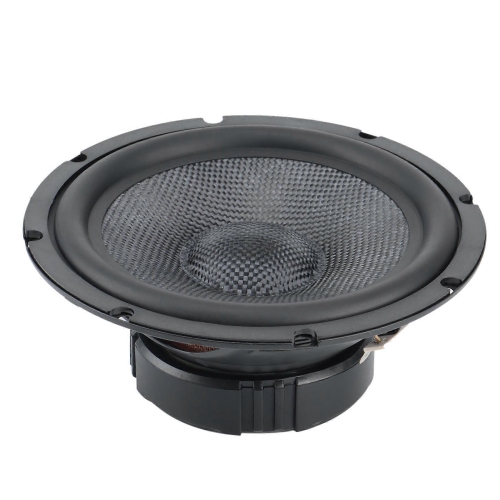
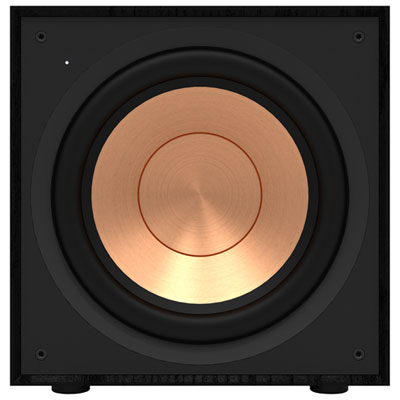
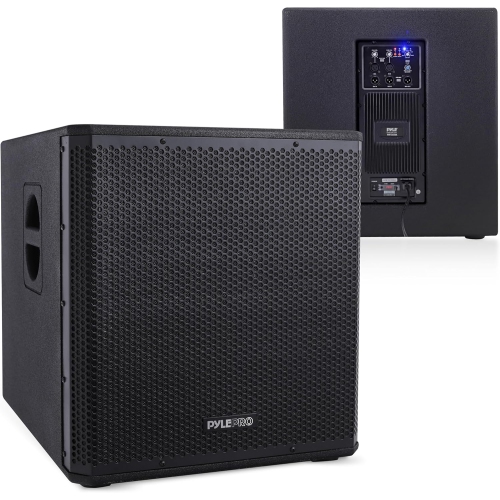
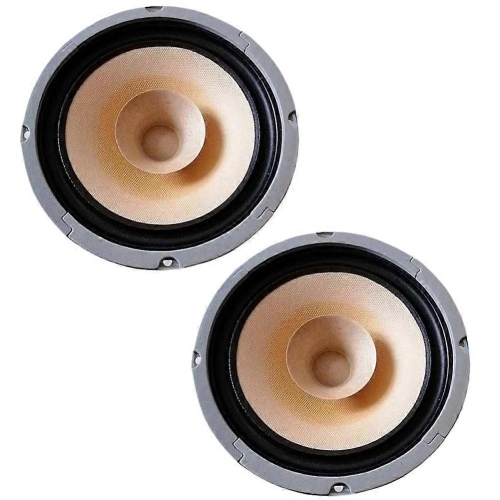
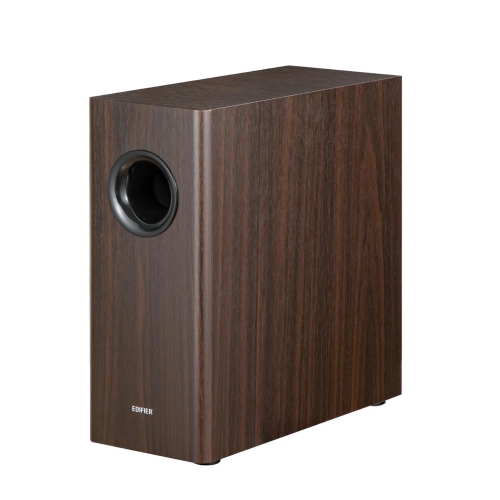
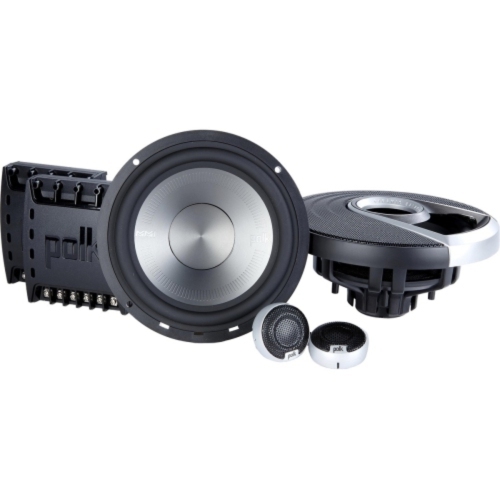
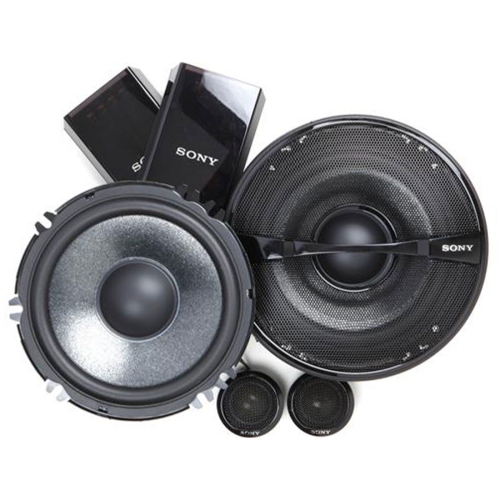
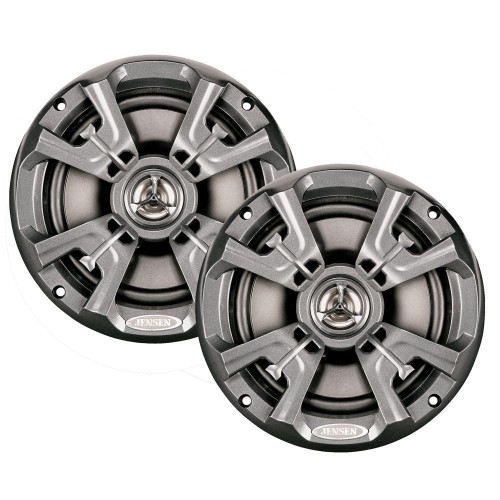
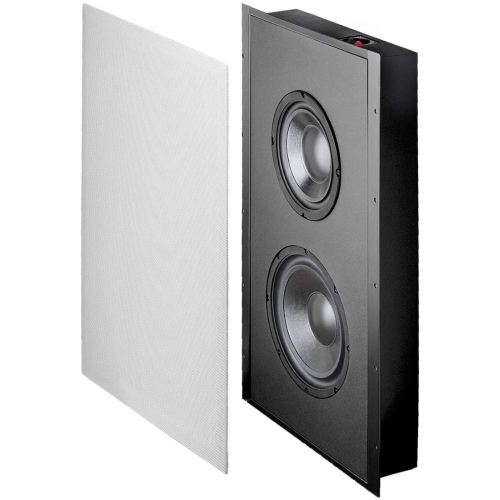
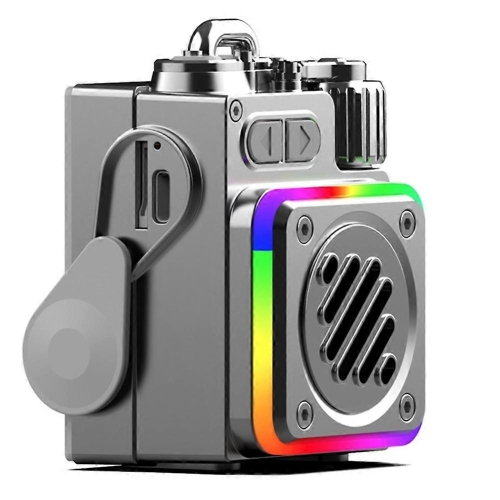
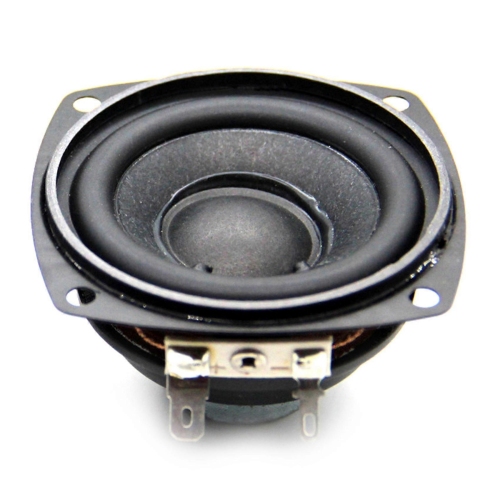
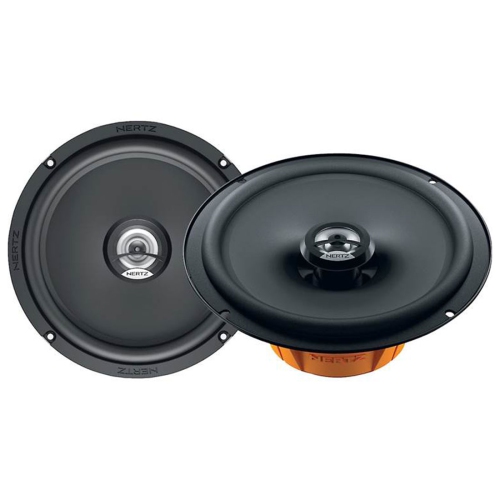
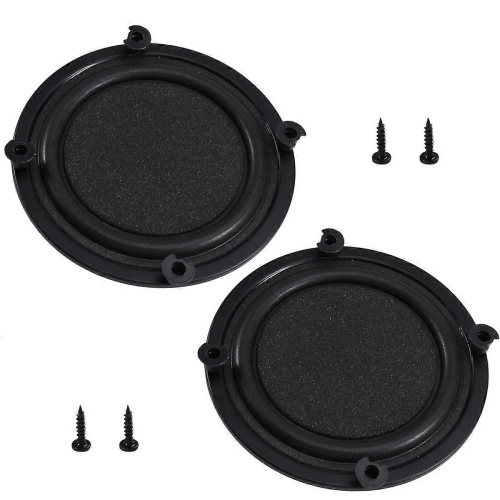
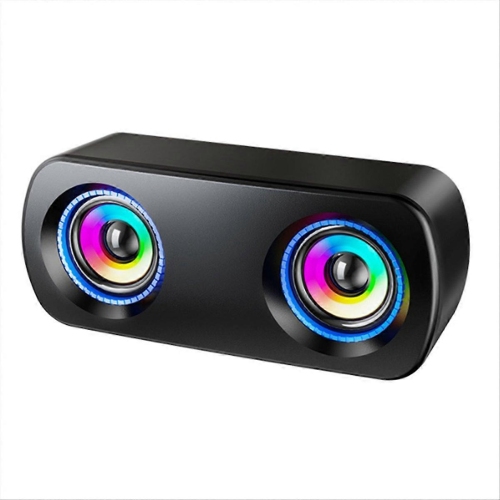
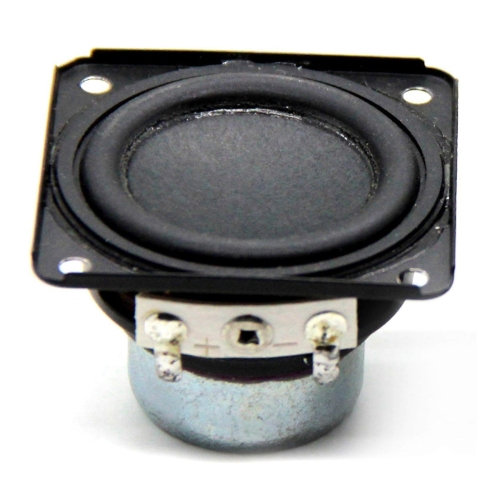
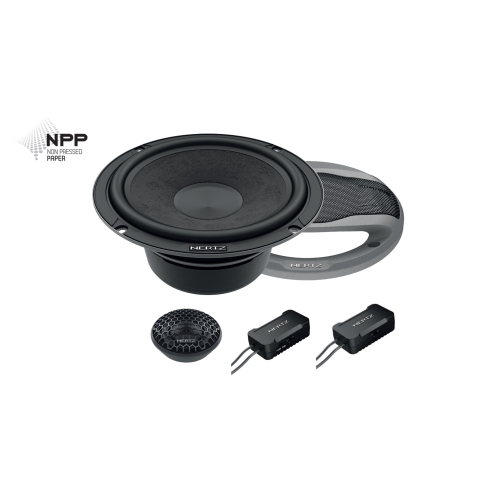
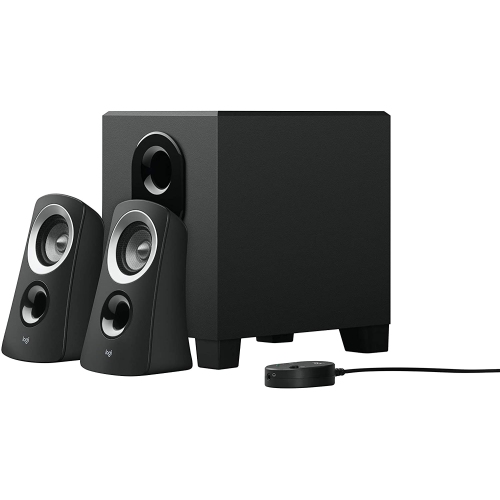
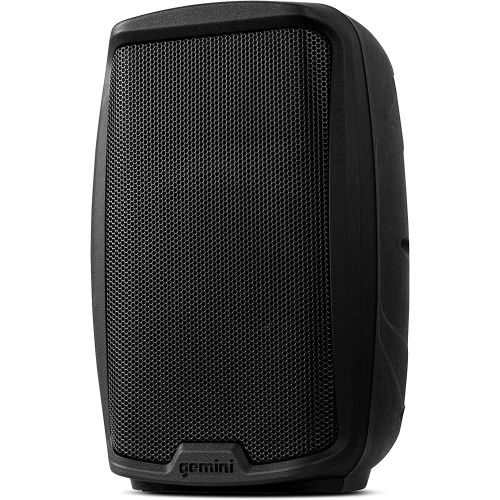
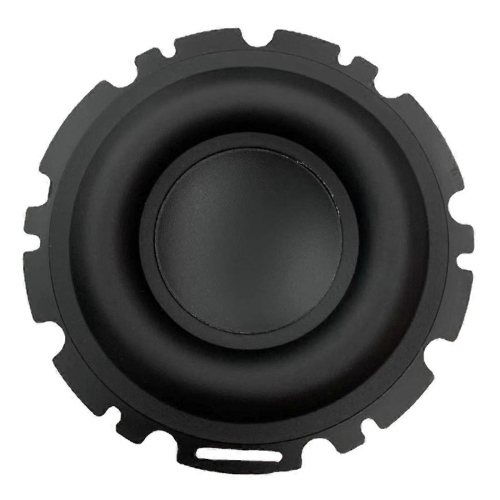
Speaker woofers are the drivers responsible for producing the low and lower-midrange frequencies that give music, films, games, and spoken audio much of their body and warmth. In a multi-way speaker, the woofer works alongside other drivers, such as a tweeter, to cover a broad range of sound. Most woofers use a cone, a voice coil, and a magnet to move air and create sound; the cone may be made from paper, polymer, metal, or another engineered material, with each construction offering its own balance of response, detail, and durability. A woofer commonly handles frequencies from roughly 50 Hz to 2,000 Hz, although the exact range depends on the speaker design, crossover settings, cabinet, and intended use. That range helps reproduce the fullness of vocals, the resonance of guitars and piano, the punch of a kick drum, and the impact of sound effects. A woofer is not the same as a subwoofer. While a woofer handles bass and lower-midrange content as part of a complete speaker system, a subwoofer is designed to focus on the deepest bass, often below approximately 80 Hz to 100 Hz, for the rumble of an action scene or the physical weight of a bass line. Many bookshelf and tower speakers include woofers as part of their built-in design, while a separate subwoofer can be added to take on the lowest frequencies and allow the main speakers to play with greater balance. When browsing speaker woofers, consider the role the driver will play in the system rather than choosing by size alone. A larger cone can move more air, but cabinet design, sensitivity, power handling, impedance, crossover points, and the quality of the amplifier all affect the final result.
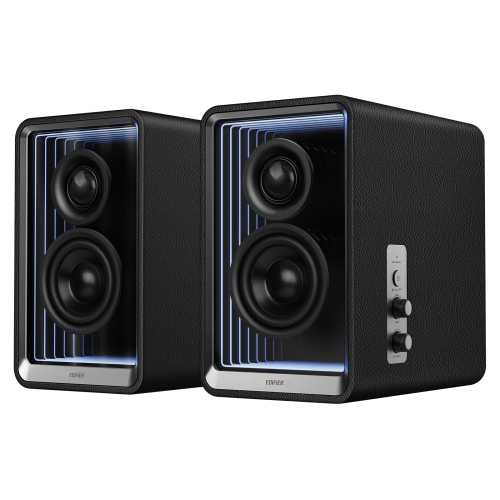
Compatibility is one of the most important details when choosing a woofer or a speaker that contains one. Check the nominal impedance and power requirements against the connected amplifier or receiver, and confirm that the physical dimensions will suit the cabinet or installation space. If you are replacing a damaged driver, measure the cutout diameter, mounting-hole spacing, overall depth, and terminal position before ordering. The replacement should also match the original driver’s impedance and general performance characteristics; a driver that fits the opening may still produce uneven sound if it is not suited to the cabinet or crossover. For a new home audio setup, think about the room as well as the equipment. A compact woofer in a pair of bookshelf speakers can be a practical choice for a desk, bedroom, apartment, or smaller lounge, while floor-standing speakers with larger woofers may deliver a broader presentation in a spacious living area. Placement matters, too. Keeping speakers at a similar distance from the main listening position can create a more even stereo image, while placing them too close to a wall or corner may make bass sound boomy. A dedicated subwoofer can add depth, but it should blend with the main speakers instead of overpowering vocals and instruments. If you enjoy building or repairing audio equipment, individual woofers can be useful for a custom speaker project, a cabinet restoration, or an upgrade to an older system. DIY projects benefit from careful attention to enclosure volume, port design, crossover components, and the driver’s published specifications. For creative desktop listening, streaming, or casual home recording, browse related options such as Creative Speakers to explore compact audio solutions that may suit a workspace or personal listening area.
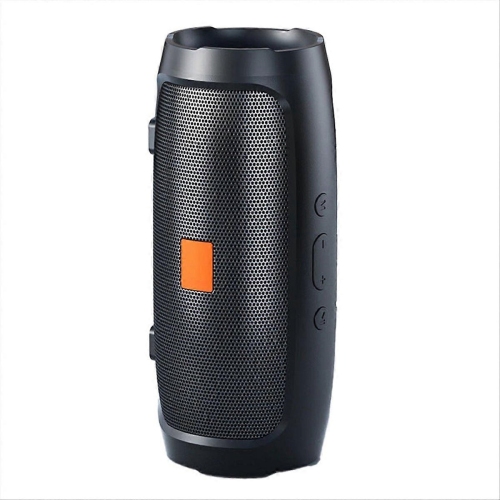
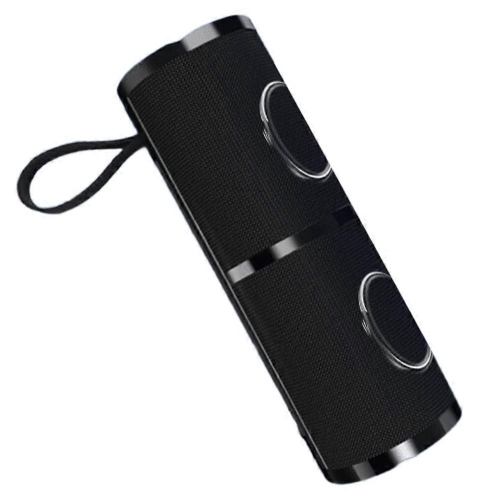
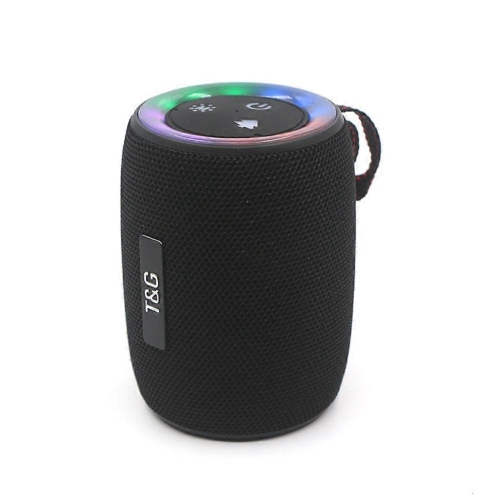
Woofer-equipped speakers can be useful for a wide range of listeners, from someone assembling a first stereo system to a film fan refining a home theatre setup. They can bring more presence to music during a quiet evening, make dialogue and soundtracks feel fuller during a film, and add satisfying impact to games without requiring extreme volume. They are also a thoughtful gift for a music lover, a student setting up a first apartment, a family member creating a media room, or a hobbyist who enjoys working with audio components. For gift shopping, consider the recipient’s existing equipment and habits. Someone who listens at a desk may appreciate a compact speaker system, while a person with a dedicated listening room may be more interested in a replacement driver or an additional speaker for a matched pair. A portable speaker with a built-in woofer can suit gatherings, patios, and trips, while a wired home audio speaker may be the better fit for focused listening and a permanent setup. During the cooler months, speakers can help make a living room feel inviting for movie nights, playlists, podcasts, and gaming sessions, but a well-chosen system remains useful throughout the year. Pay attention to connection options, including speaker wire terminals, optical inputs, auxiliary connections, Bluetooth, or network audio, depending on the rest of the setup. It is also worth considering grille protection, cabinet size, finish, and ease of placement, particularly in a shared room. The best choice combines the right low-frequency performance with a practical fit for the room, the amplifier, and the way the speaker will be used. With the correct pairing and placement, a woofer can add depth without masking detail, helping voices sound natural, instruments feel grounded, and favourite recordings take on a richer, more engaging character.
Top selling and popular products
-
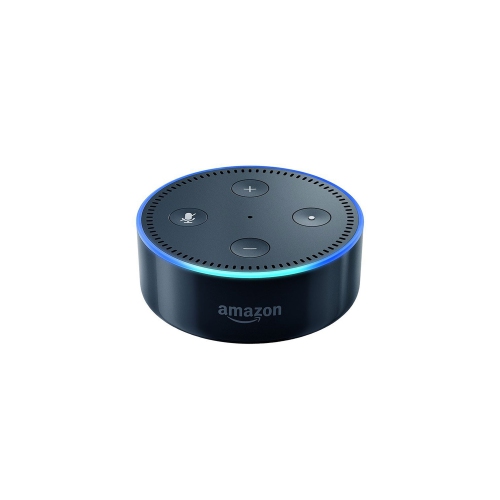 Your price for this item is $48.99
-
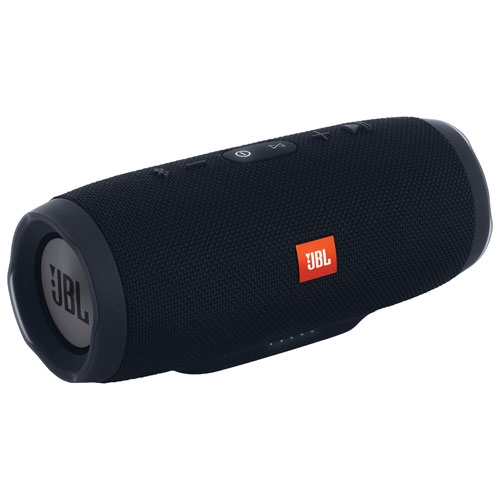 Your price for this item is $189
-
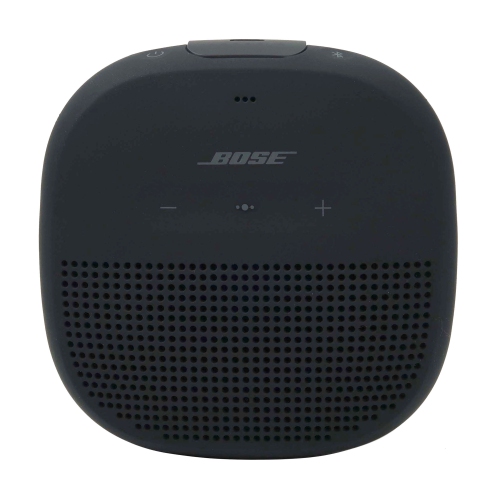 Your price for this item is $110
-
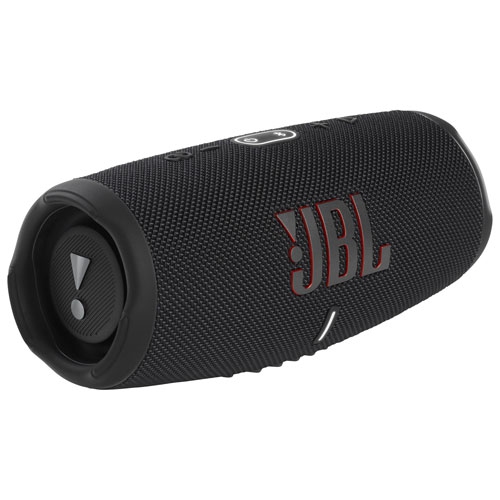 Your price for this item is $239.98
-
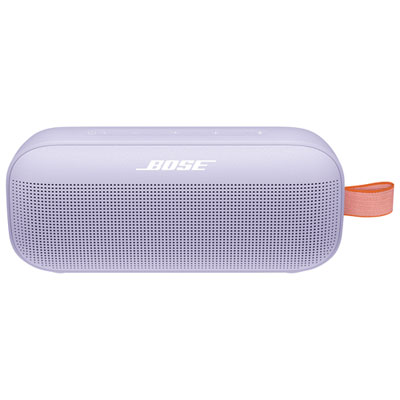 Your price for this item is $149.99
-
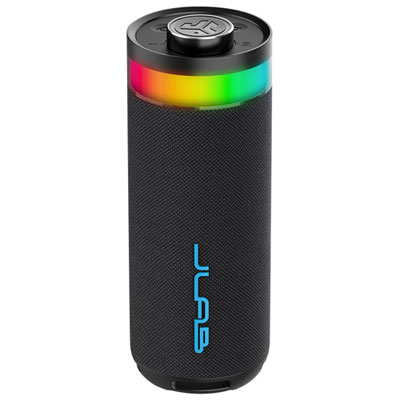 Your price for this item is $59.99
-
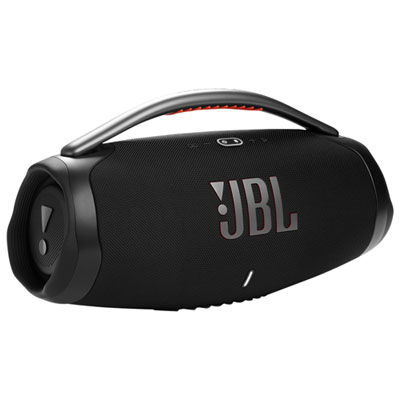 Your price for this item is $399.99
-
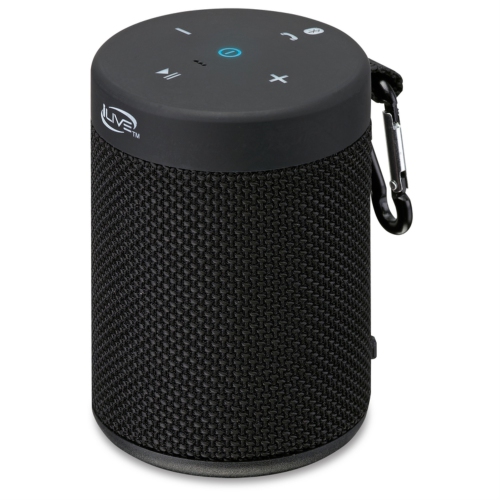 Your price for this item is $33.68
Discover more categories related to Speaker Woofers



Top Collections:
Pokemon Centers, Best Cameras for Sports Photography, Kindle Devices, Samsung Galaxy Phones, Canon G7X Cameras, Pokémon 30th Celebration Cards, Refurbished Apple Laptops, iPhone 15 Apple, Laptops for Students, Budget Smartphones
Some products may be subject to Environmental Handling Fees
(EHF) depending on your province.
Learn more about EHFs.