Speakers Wired
Speakers Wired offer a reliable connection for enjoying your favorite music, movies, and games with impressive clarity. Perfect for home audio setups, entertainment centers, or office spaces, these speakers provide consistent sound performance and easy integration with a variety of devices. Explore a wide selection of options to find the ideal Speakers Wired to suit your listening preferences and enhance your audio experience.
Sort



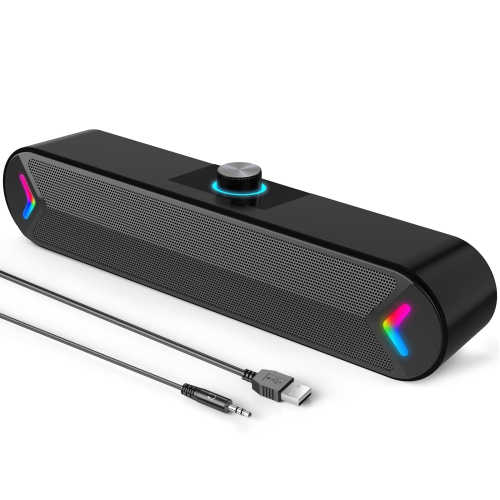
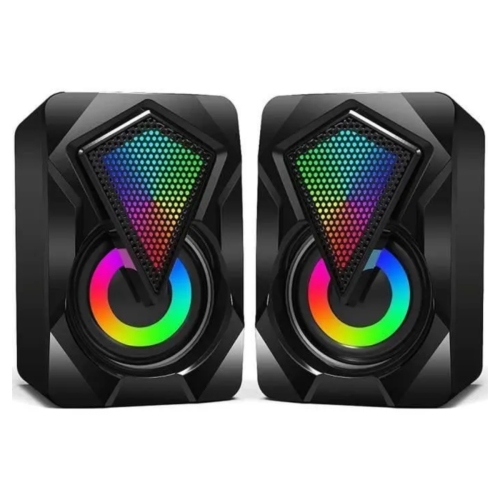

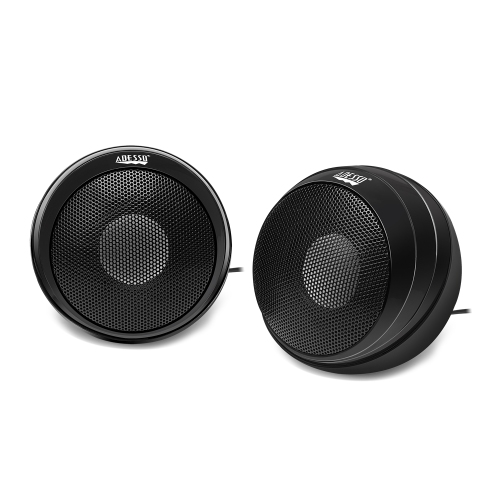
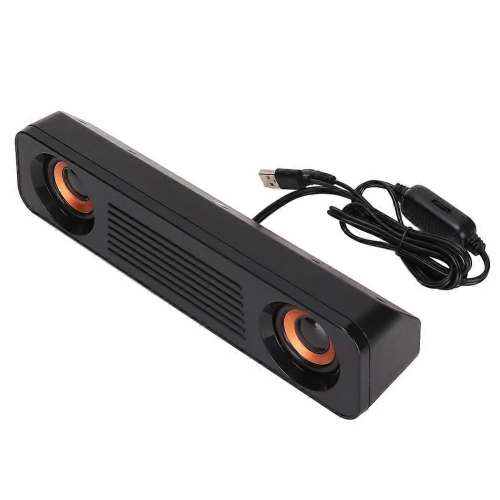
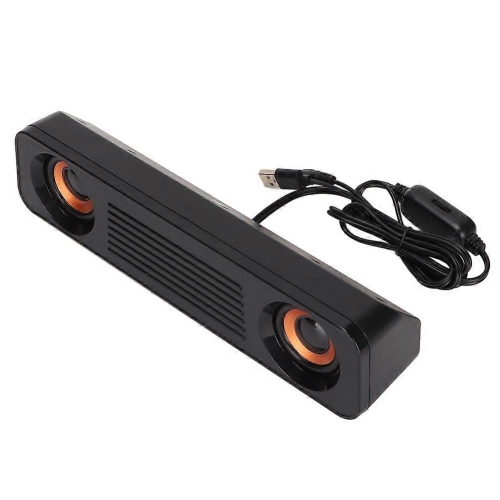

![DOLAER Single] Computer Speaker for Desktop PC, USB-Powered, Plug-N-Play, Wired, External Speaker for Laptop, w Crystal-Clear Sound, Loud Volume](https://multimedia.bbycastatic.ca/multimedia/products/500x500/196/19663/19663562.jpeg)

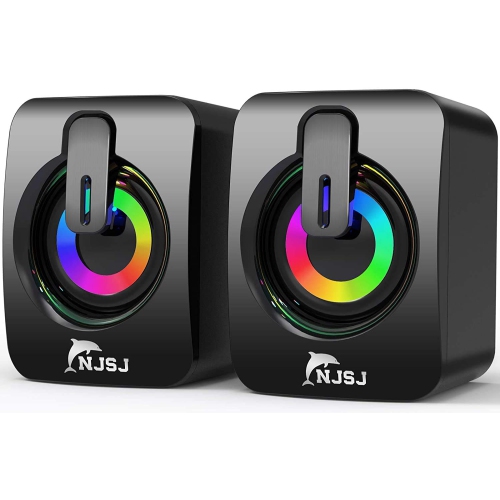
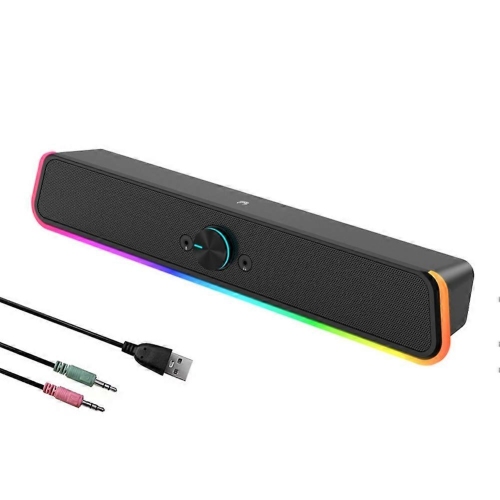
How speaker connections and placement shape everyday listening
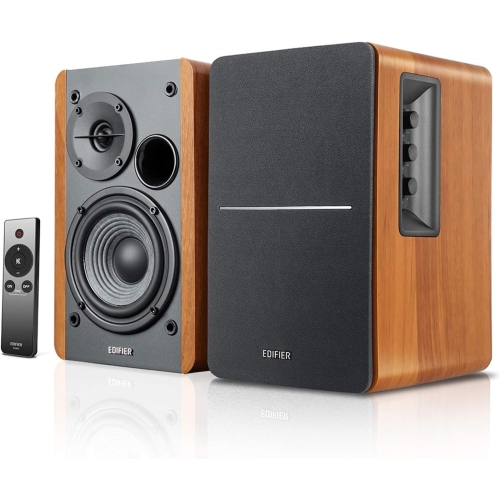
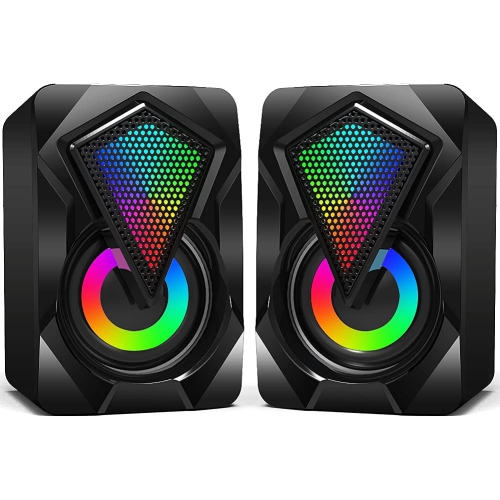
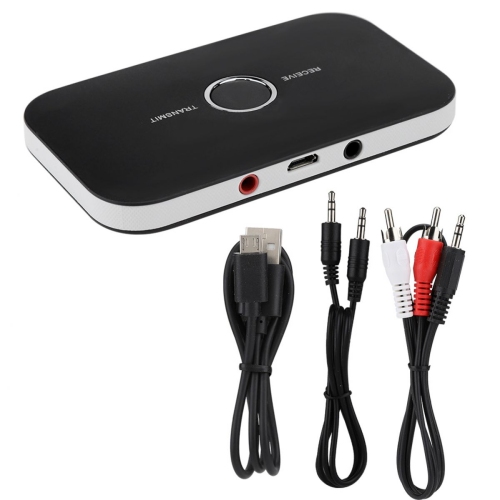
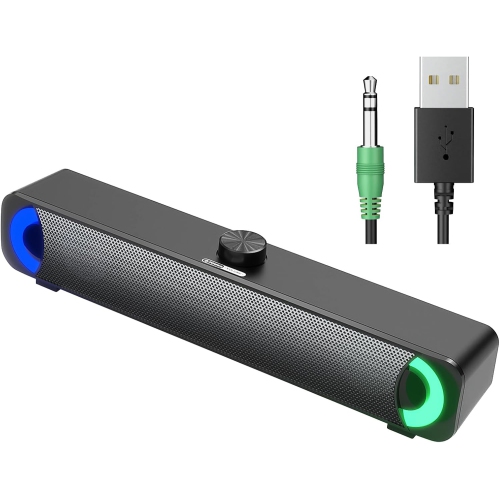
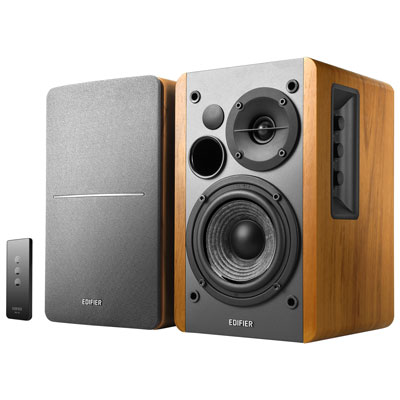
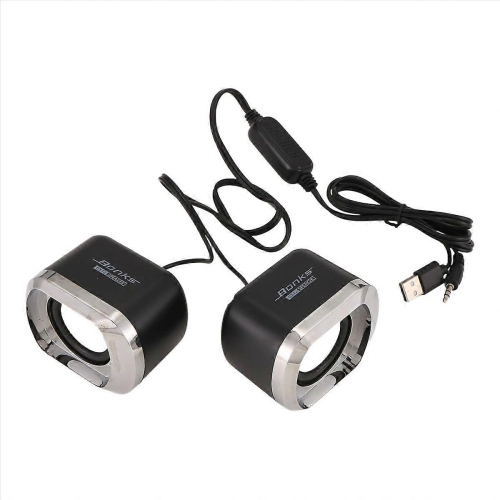
Wired speakers carry audio through a physical cable, either from a source directly into powered speakers or from an amplifier into passive speakers. This connection does not depend on wireless pairing or wireless signal strength, making it a practical choice for consistent listening at a desk, beside a television, or across a dedicated music space. Sound quality still depends on the speakers, source, amplification, and placement, but a wired signal path avoids the interference and dropouts associated with wireless audio transmission. Powered speakers contain their own amplification and usually connect directly to a compatible computer, television, or other audio source. Passive speakers need a separate amplifier or receiver, with speaker wire carrying the amplified signal to each cabinet. That distinction affects both the space required and the connections involved. A compact powered pair can keep a workstation relatively simple, while passive bookshelf or floor-standing speakers can form part of a larger stereo or home theatre system. Connection types also shape everyday use. A 3.5 mm input is common for analogue audio from compatible computers and other devices, while RCA connections are often used with home audio equipment. USB can carry digital audio on supported speakers, although some USB connections supply power only. Optical inputs and HDMI ARC are found on some powered designs intended for television use. The presence of a matching socket does not always establish compatibility, since the source must provide the type of signal the speaker accepts. Turntables may require a phono preamp, either built in or separate, before connecting to a standard line-level input. For computer listening, accessible volume controls and a headphone output can matter just as much as the input itself. A control within easy reach is useful when a video call interrupts a playlist, and a separate headphone connection makes it easier to switch from room-filling sound to private listening. Cable length, power outlet placement, and the location of source connections all influence how comfortably a wired setup fits into daily routines.
The size and construction of wired speakers influence both their sound and their physical presence in a room. Compact desktop speakers suit close listening and limited surfaces, while larger bookshelf and floor-standing designs generally offer more cabinet volume and room for larger drivers. Size alone does not determine quality, and a large speaker squeezed into a shallow shelving unit may be less suitable than a smaller pair with room around it. Tweeters handle higher frequencies, woofers reproduce lower frequencies, and some designs include a separate midrange driver for the range that carries much of a voice or instrument’s character. A subwoofer can extend low-frequency output for film effects, electronic music, and the weight of a bass guitar, but it also needs floor space and a suitable connection. For near-field listening at a computer, clear voices and balanced sound at moderate volume may be more useful than sheer output. In a living room, the distance between the speakers and seating becomes more important, particularly when several people share the listening area. A stereo pair with distinct left and right placement can give instruments a sense of position rather than concentrating everything beneath a screen. Nearby walls, open shelving, and hard surfaces can change the perceived bass and clarity, so placement is part of the overall fit. Cabinet materials commonly include engineered wood, plastic, or metal, with finishes ranging from textured surfaces to wood-look veneers. A rigid, well-built enclosure helps limit unwanted cabinet vibration, while stable feet or suitable stands help keep speakers securely positioned. Driver materials vary, and no single cone material guarantees a particular listening experience. Exposed drivers deserve care around pets, small children, and busy workspaces; protective grilles can provide a useful barrier against accidental contact. Routine care is usually straightforward: a soft, dry cloth for the cabinet, gentle dusting around grilles, and clear ventilation openings where amplification is built in. Secure connections and cables routed away from chair wheels and foot traffic help protect the setup from everyday wear.
Different listening habits call for different wired speaker arrangements. A student working from a small desk may value a narrow footprint, front-facing controls, and enough cable to place the left and right speakers on opposite sides of a monitor. Someone editing video or practising an instrument may prefer a setup that keeps voices and musical details easy to distinguish without an exaggerated bass emphasis. A direct audio connection is useful for these activities because it removes wireless audio transmission from the signal path, although the source device and software still affect overall timing. Listeners exploring Creative Speakers for a computer setup may find input type, cable reach, and control placement useful points of comparison. For television viewing, dialogue clarity and convenient volume adjustment often take priority, especially when the screen’s built-in speakers sound thin or distant from the seating area. In a multi-speaker home theatre arrangement, a centre speaker can anchor dialogue near the screen, while front and surround speakers contribute direction and a broader sense of space. Passive speakers need to suit the receiver’s supported impedance range and power recommendations, and a balanced combination across channels helps voices and effects remain consistent as they move through a scene. Music-focused systems have their own priorities, from the texture of an acoustic guitar to the separation between vocals and percussion. Comfortable listening at everyday volume often matters more than maximum loudness. Wired speakers can also make a thoughtful gift for a music enthusiast, gamer, or someone setting up a home office, provided the recipient’s existing equipment and available space are understood. The most useful fit combines compatible connections, manageable cabinet dimensions, suitable amplification, and controls that feel convenient in regular use. With those practical details aligned, wired speakers can become an unobtrusive part of a room, bringing clearer conversations, fuller music, and more engaging screen audio to familiar routines.
Top selling and popular products
-
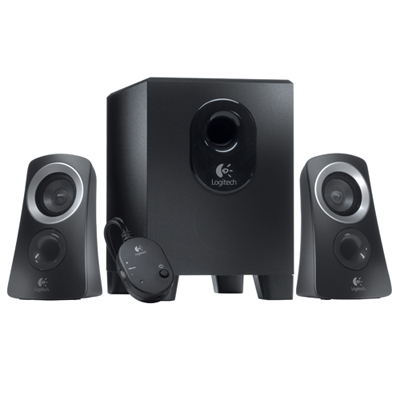 Your price for this item is $89.99
-
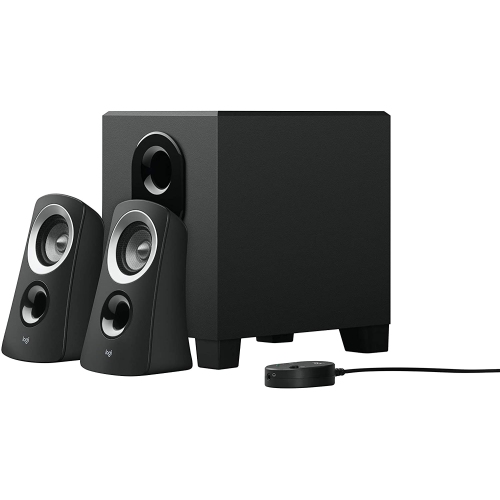 Your price for this item is $108.23
-
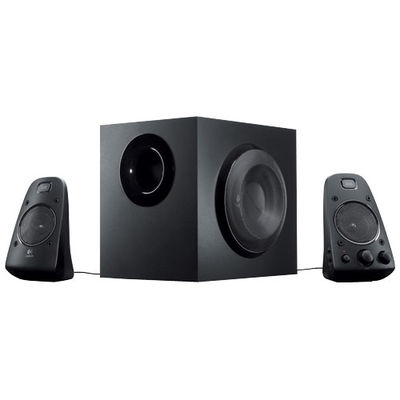 Your price for this item is $249.99
-
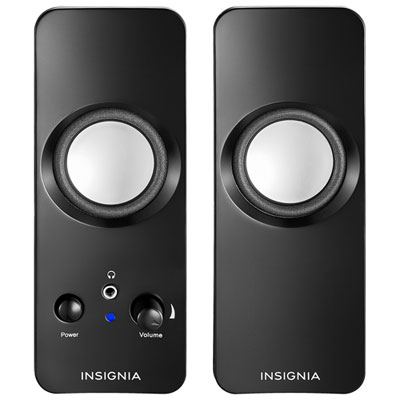 Your price for this item is $29.99
-
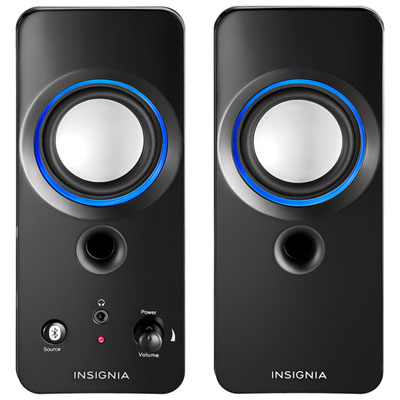 Your price for this item is $39.99
-
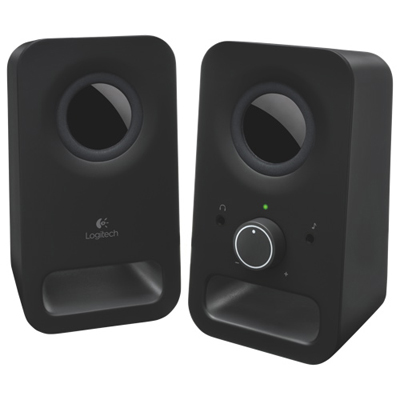 Your price for this item is $39.99
-
 Your price for this item is $129.98
-
 Your price for this item is $236.99
Discover more categories related to Speakers Wired


Top Collections:
Pokemon Centers, Best Cameras for Sports Photography, Kindle Devices, Samsung Galaxy Phones, Canon G7X Cameras, Pokémon 30th Celebration Cards, Refurbished Apple Laptops, iPhone 15 Apple, Laptops for Students, Budget Smartphones
Some products may be subject to Environmental Handling Fees
(EHF) depending on your province.
Learn more about EHFs.