USB-C In-Ear Headphones With Built-In Microphone
Discover a wide selection of usb-c in-ear headphones with built-in microphone, designed to deliver convenience and versatility for your audio needs. Whether you’re taking calls on the go, enjoying your favorite music, or connecting to a variety of devices, these headphones offer compatibility with many modern smartphones, tablets, and laptops. Explore options that combine clear sound quality with the practicality of an integrated microphone, making them a great choice for work, travel, and everyday use. Find the right pair of usb-c in-ear headphones with built-in microphone to suit your lifestyle and preferences.
Sort


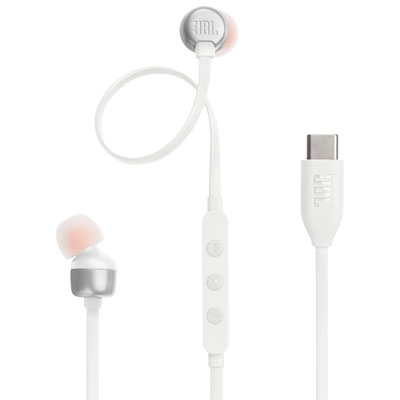
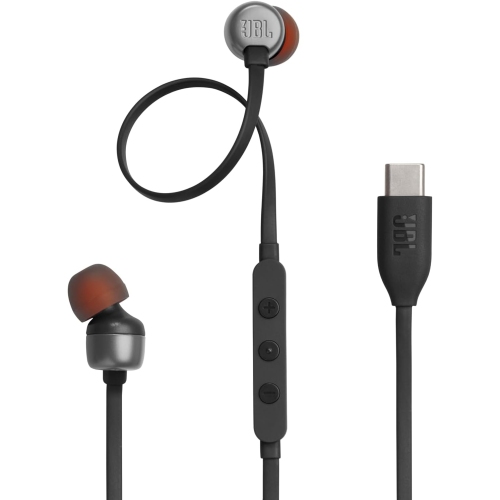

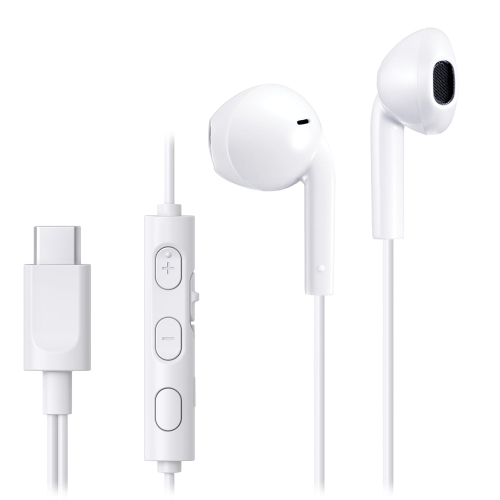
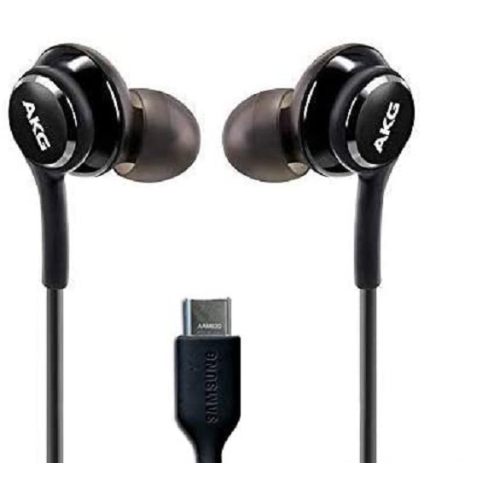
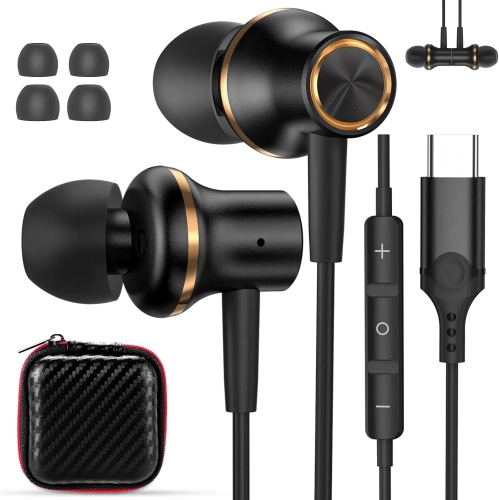


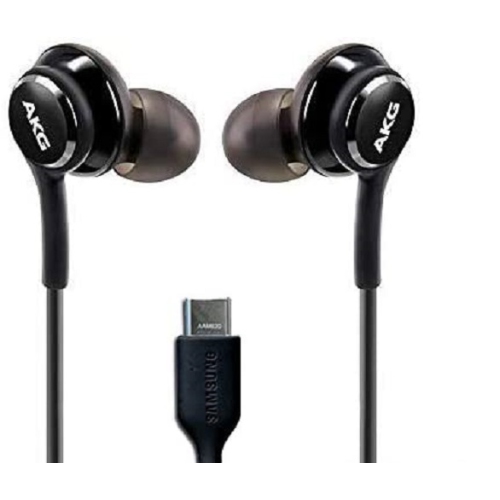
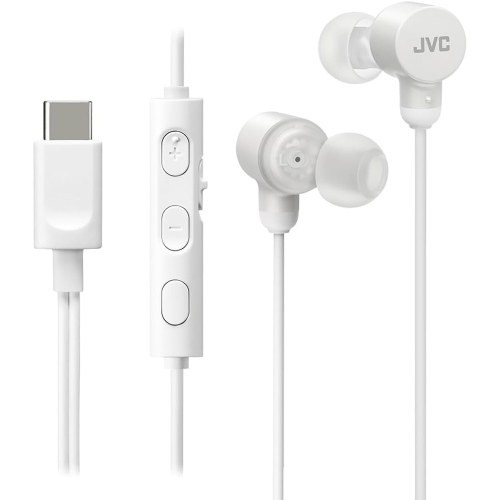
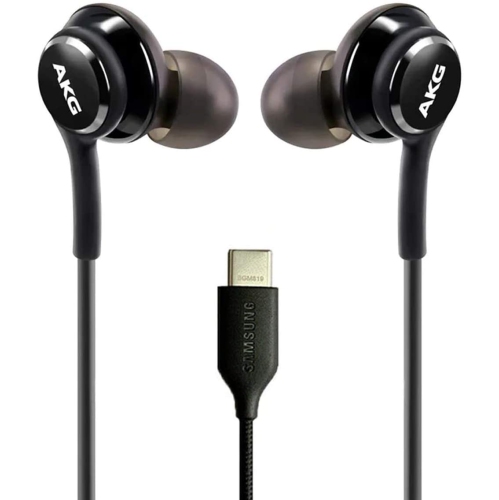
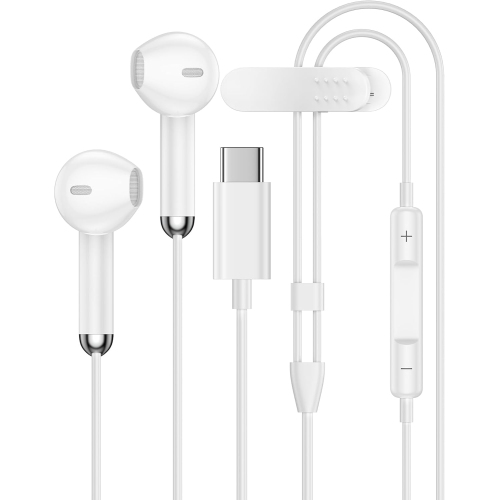
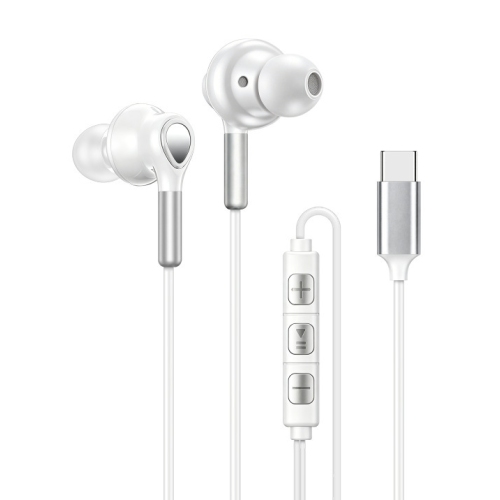
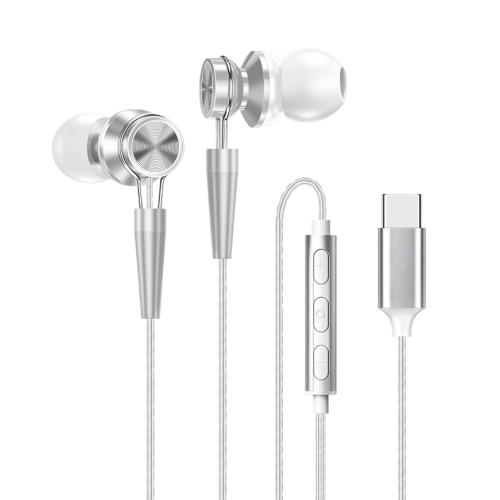
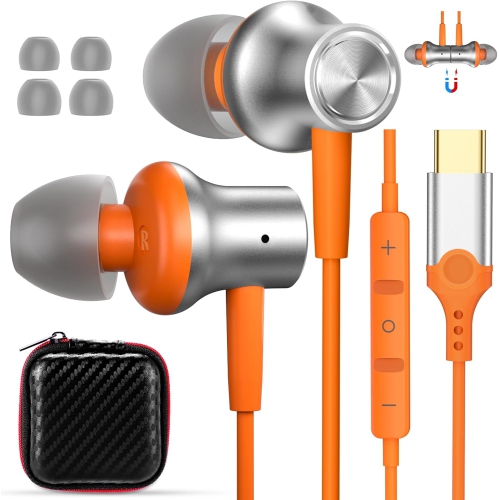

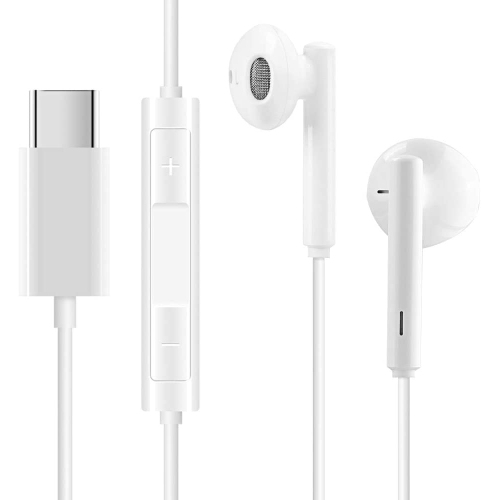
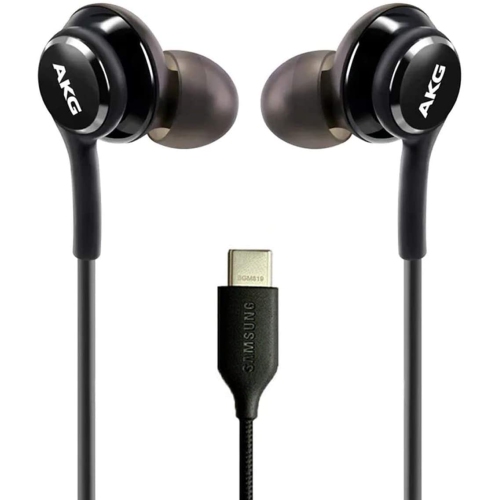


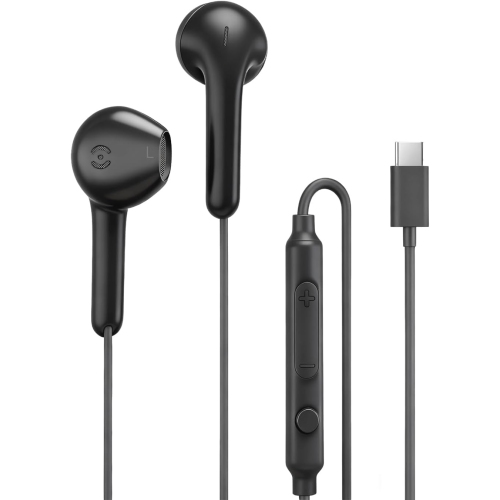
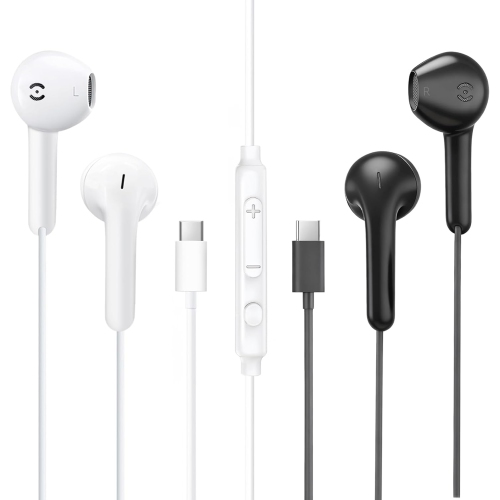
From playlists to calls with one wired connection
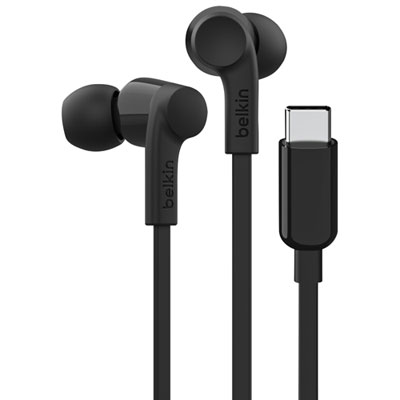
USB-C in-ear headphones with a built-in microphone combine personal listening and hands-free conversation in a compact wired design. A single USB-C connector carries audio between the headphones and a compatible phone, tablet, laptop or other device, while the microphone lets the same pair handle calls, video meetings and voice messages. For someone moving between a lecture recording, a playlist and a call home, that combination keeps everyday audio straightforward. There is no Bluetooth pairing to manage, and conventional wired models draw power from the connected device rather than requiring a separate charging routine. The physical connection can also reduce the audio delay associated with some wireless connections, although overall performance still depends on the device and application. Compatibility matters beyond the shape of the plug: a USB-C port does not automatically guarantee support for every USB-C audio accessory. Many designs include a digital-to-analogue converter, or DAC, which turns digital audio into the signal that drives the earpieces; others rely on compatible analogue audio output from the device. Support for microphone input, volume buttons and call controls can also vary between operating systems and apps. The most useful compatibility details identify both the supported devices and the functions that work with them. An inline remote may offer playback, track selection, call answering and volume adjustment, but not every design includes every control. A dedicated microphone mute switch, where included, adds a convenient way to silence speech during a meeting, though its behaviour should not be assumed to match an app’s on-screen mute indicator. Because these headphones occupy the USB-C port during use, listening while charging may require a compatible adapter that supports charging, audio and microphone input together. A phone case with a deep or narrow port opening can also affect whether the connector seats properly. These practical details make a difference when headphones need to move easily between a desk, a bag and a daily commute.
Fit shapes both comfort and sound, especially with headphones that sit at the entrance to the ear canal. Soft silicone ear tips create a seal that helps retain bass and reduce some surrounding sound, while different tip sizes accommodate differences between ears. It is common for one ear to need a different size from the other. A secure fit should feel settled rather than tightly wedged, with no need to push the earpiece deeply into place. A tip that is too small may loosen during conversation or allow bass to sound thin; one that is too large can create pressure during longer listening sessions. Open-fit earbud designs, sometimes grouped alongside in-ear styles, rest without the same sealed feel and allow more surrounding sound through, although comfort and stability depend on individual ear shape. Passive noise isolation from an ear-tip seal is different from active noise cancellation, which uses electronic processing to reduce certain external sounds. Neither feature automatically means that the microphone will filter background noise for the person on the other end of a call. Microphone noise reduction, when specified, is a separate capability, and results depend on placement and surroundings. An inline microphone resting clear of a jacket collar will generally capture speech more cleanly than one rubbing against fabric or tucked beneath a scarf. For video meetings at a kitchen table or conversations from a shared study space, a stable microphone position can matter as much as the earpieces themselves. Sound preferences also vary with intended use. Speech-focused listening benefits from clear voices, while music listeners may prefer a fuller low end or a more balanced presentation across vocals and instruments. High-resolution audio support describes a technical capability, not a guarantee of better sound from every source. The recording, connected device, fit and listening level all influence the result. Keeping volume moderate and taking breaks supports comfortable listening, while remaining aware of nearby traffic and announcements is important outside the home.
Materials and construction determine how well a compact pair of wired headphones handles regular use. Lightweight earpiece housings can reduce the feeling of weight at the ear, while smooth edges and soft tips help avoid pressure points. Silicone tips are typically easy to wipe clean; foam tips, where supported, have different care requirements and may need more frequent replacement. Cable design affects everyday handling, too. A flat cable may be easier to untangle, while a round cable can feel more flexible, but neither shape alone establishes durability. Reinforced areas where the cable enters the connector, remote and earpieces help limit stress at common bending points. Cable length should suit the distance between the ears and the device without pulling when turning toward a second monitor or standing up from a chair. Excess cable can catch on armrests or bag zippers, while a cable that is too short may tug at the ears when a phone sits in a pocket. For storage, a loose coil in a small pouch is gentler than tightly wrapping the cord around a device. Disconnecting by holding the connector rather than pulling the cable also helps protect the connection. Earpieces benefit from regular gentle cleaning according to their care directions, with moisture kept away from microphone openings, sound outlets and the USB-C plug. A water-resistance rating, if specified, applies only under the stated conditions and should not be treated as permission to wash the headphones or use them for swimming. For students, remote workers, travellers and anyone who prefers a direct wired connection, this format offers a small accessory that can serve several daily routines. It can also make a practical gift when the recipient’s device compatibility and preferred fit are known. The broader selection of USB-C Headphones provides context for different wearing styles, while in-ear designs with a built-in microphone keep the focus on portable listening and conversation without a separate headset.
Top selling and popular products
-
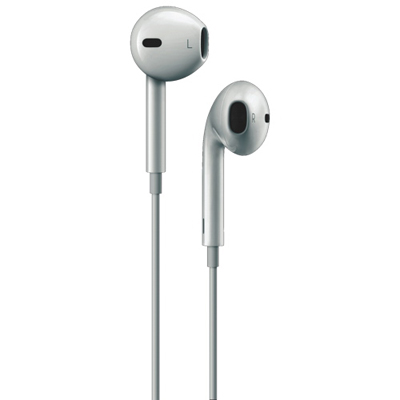 Your price for this item is $25.99
-
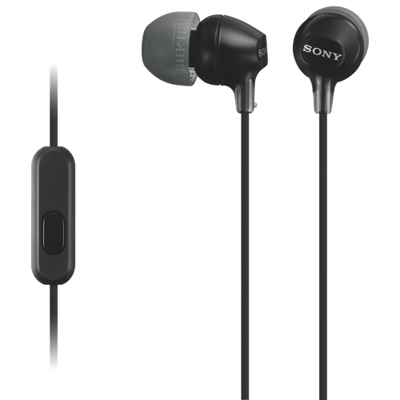 Your price for this item is $15.98
-
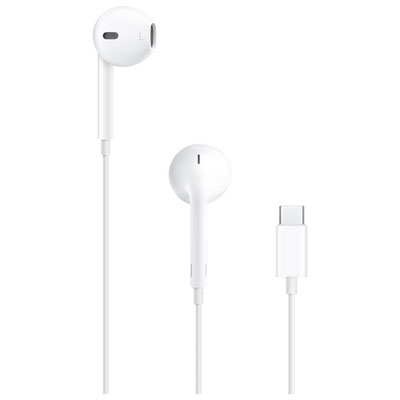 Your price for this item is $25.99
-
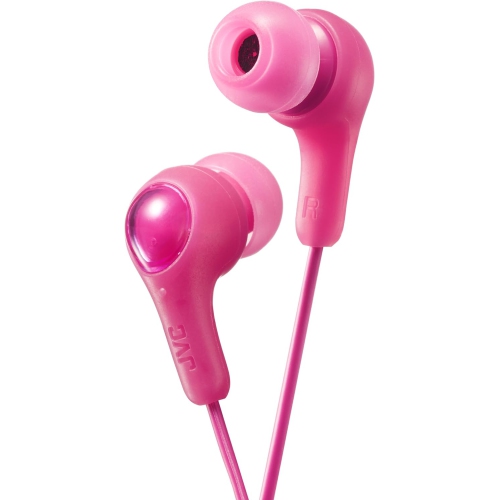 Your price for this item is $25.98
-
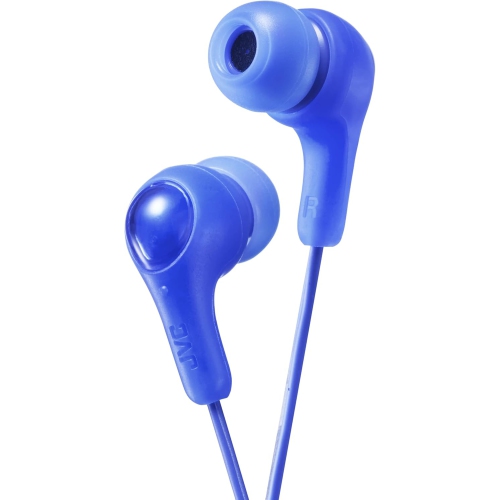 Your price for this item is $25.98
-
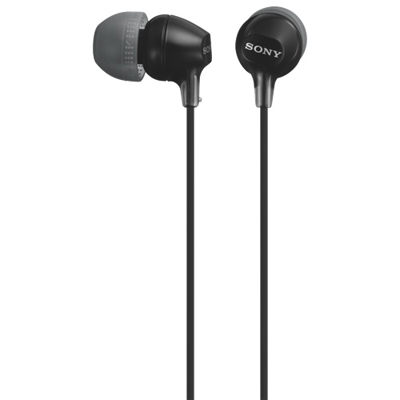 Your price for this item is $12.99
-
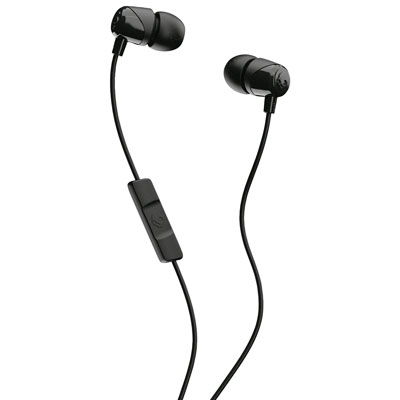 Your price for this item is $14.99
-
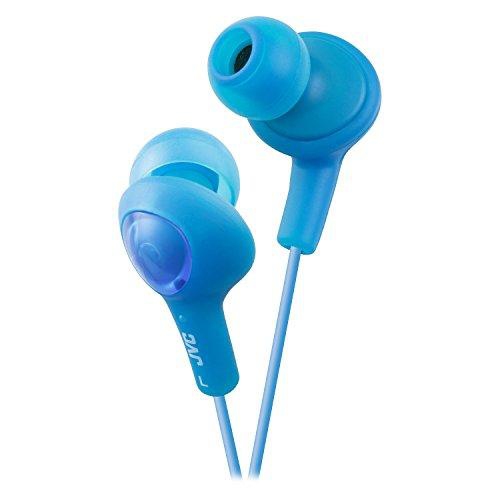 Your price for this item is $19.99
Discover more categories related to USB-C In-Ear Headphones With Built-In Microphone
Top Collections:
Best Black Friday Deals This Year, Best Black Friday Deals On Electronics, Kindle Devices, Pokemon Centers, Best Black Friday Deals On Apple Products, Best Cameras for Sports Photography, Dyson Airwrap, Pokémon 30th Celebration Cards, Apple iPhone 17 Pro, Canon G7X Cameras
Some products may be subject to Environmental Handling Fees
(EHF) depending on your province.
Learn more about EHFs.