Water Resistant Earbuds
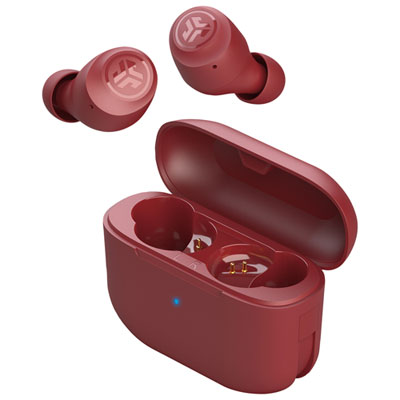
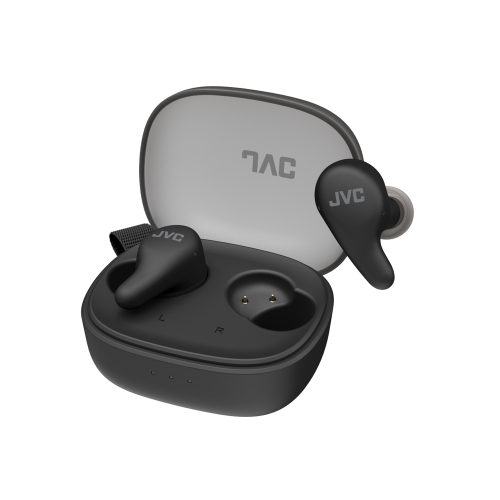
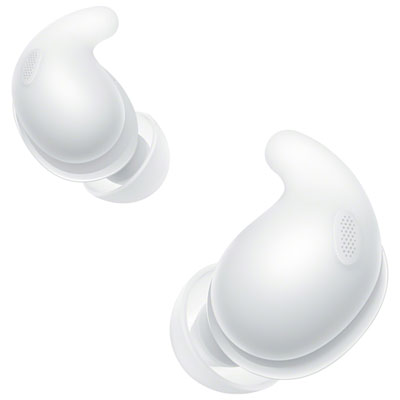
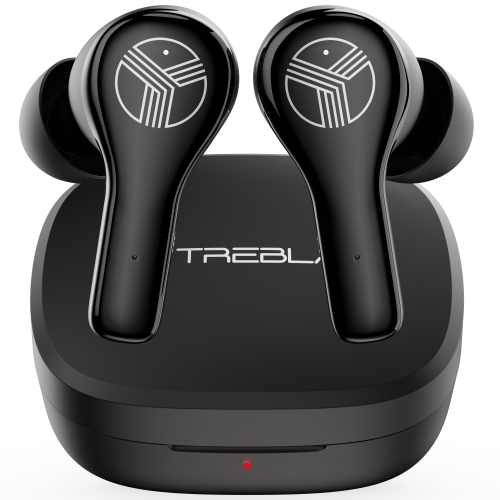
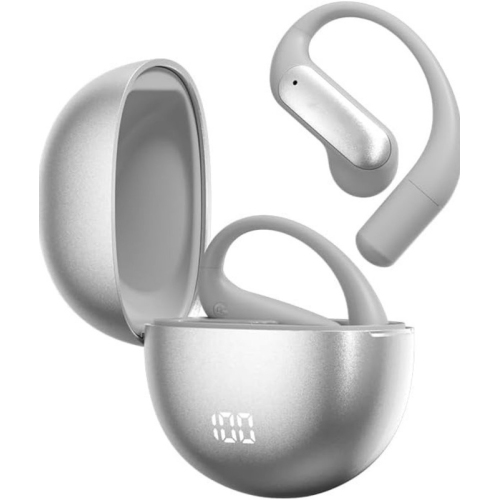
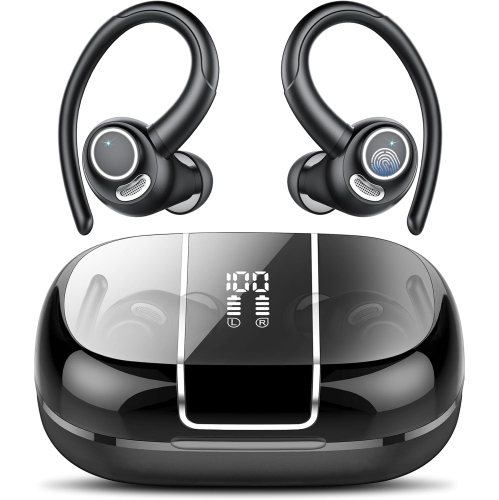
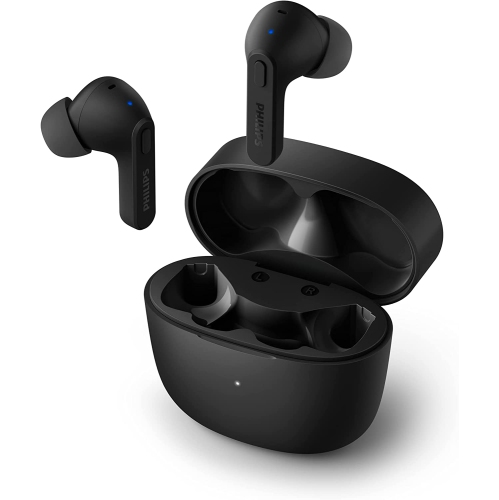
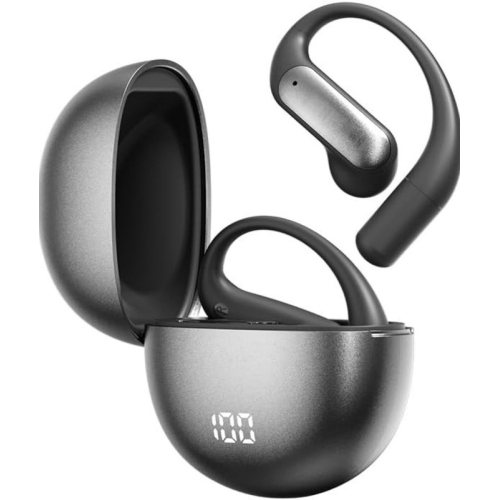
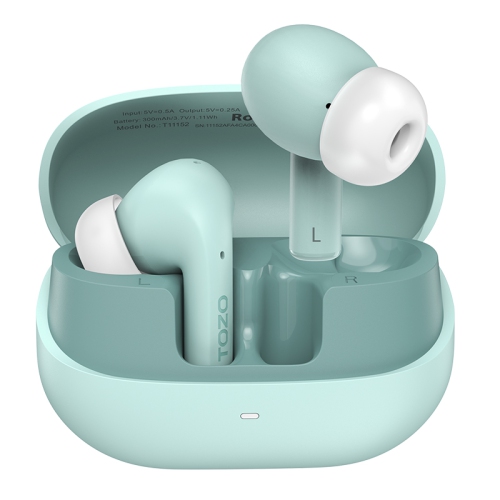
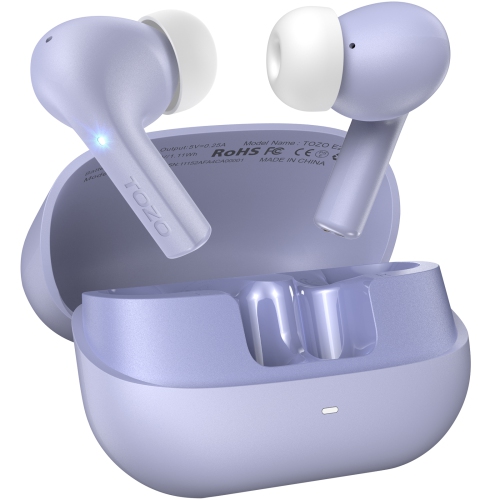
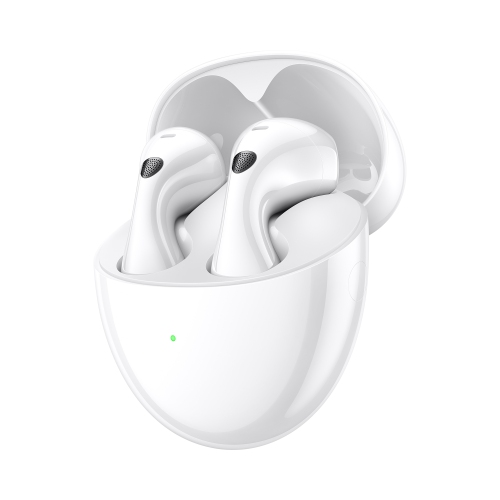
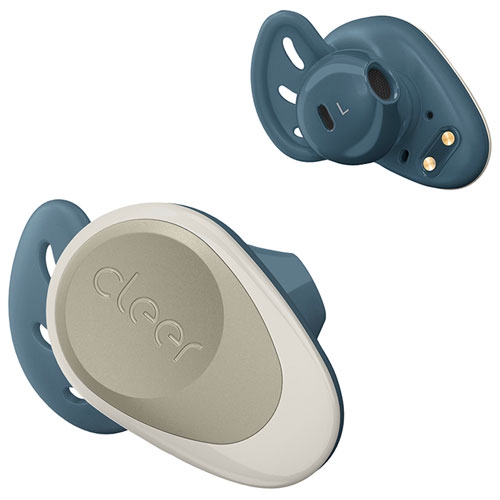
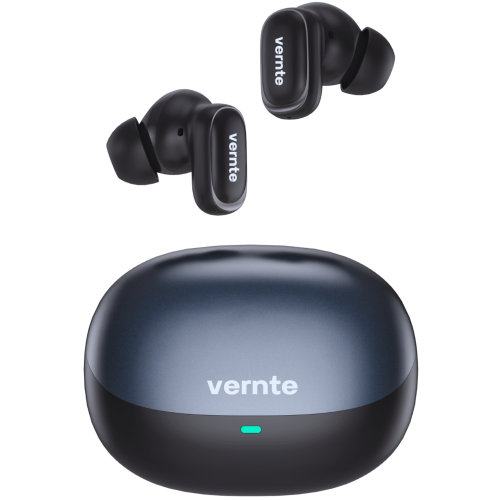
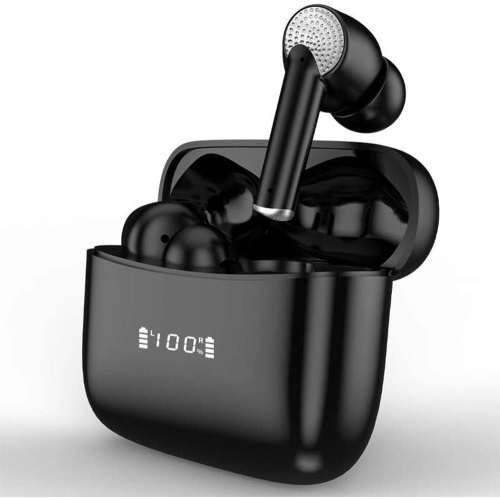
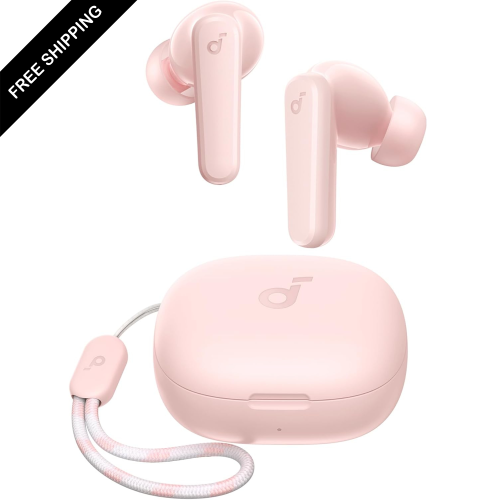
If you're looking for a pair of earbuds that can stand up to the elements, look no further than these water-resistant models. These earbuds are perfect for active lifestyles, as they can handle your sweatiest workouts and even a quick dip in the pool or ocean. Here are some of our favorites.
Sort
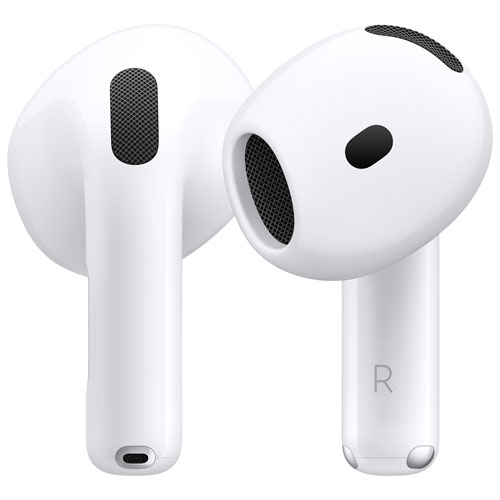
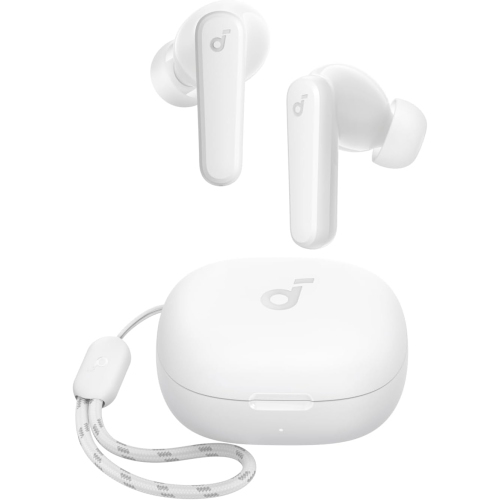
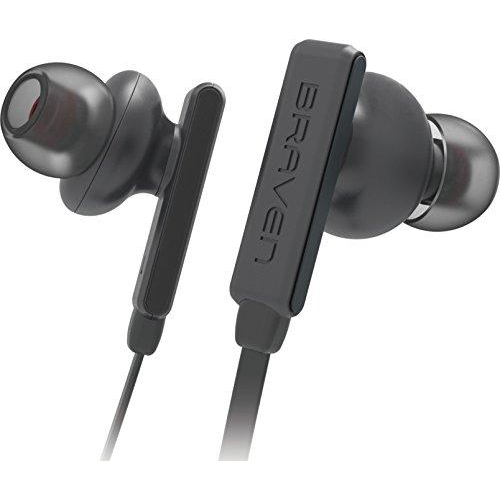
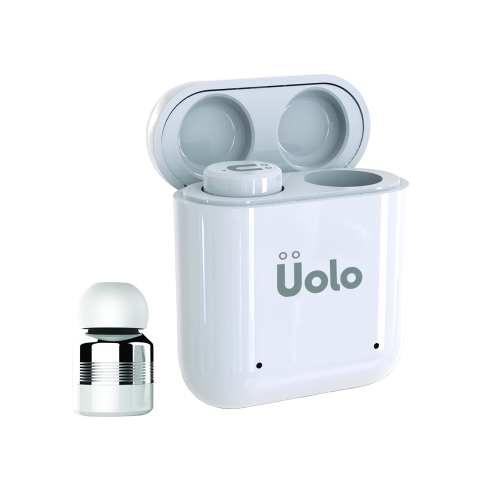
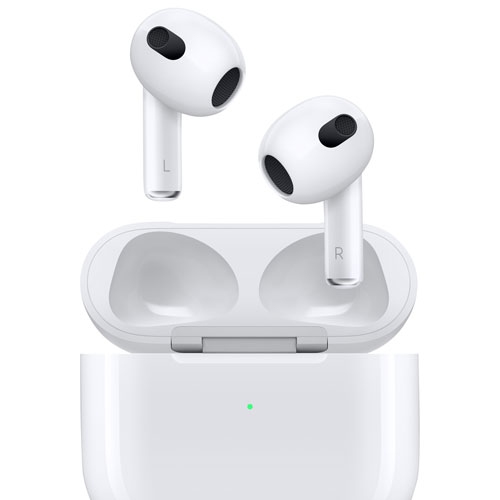
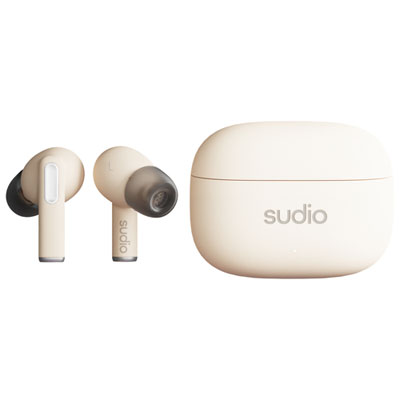
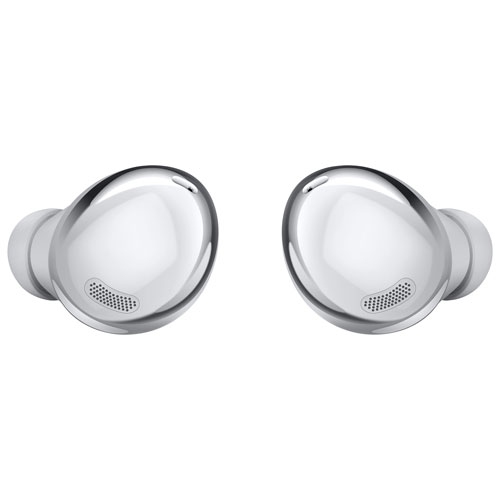
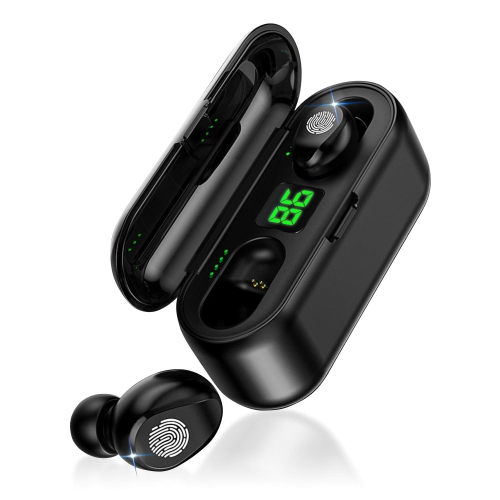
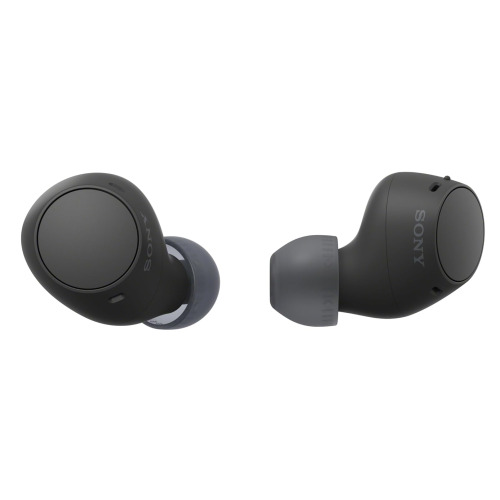
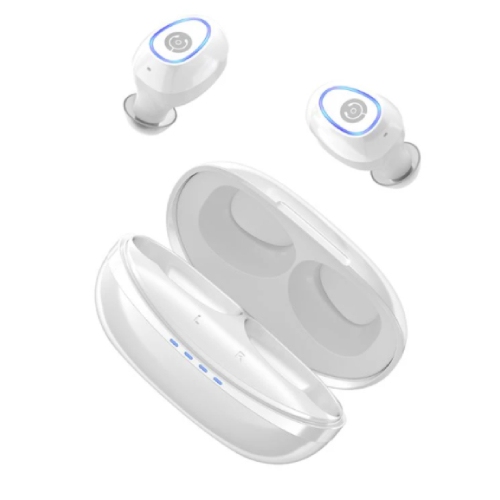
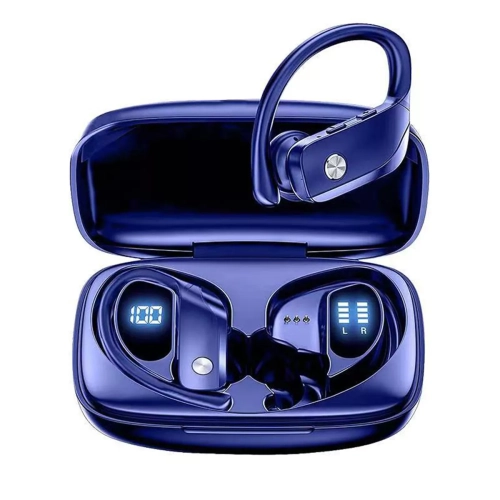
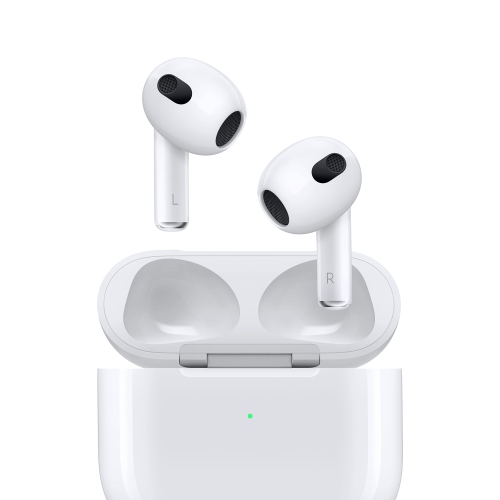

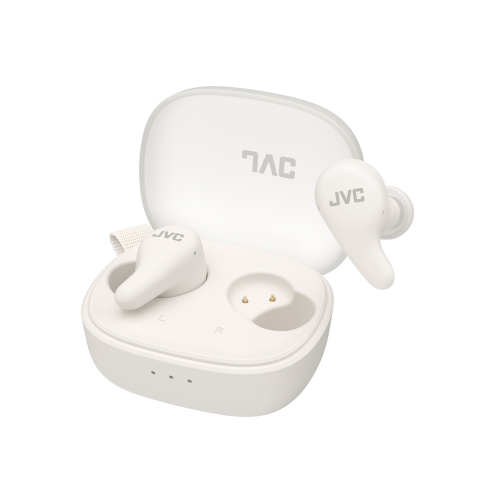
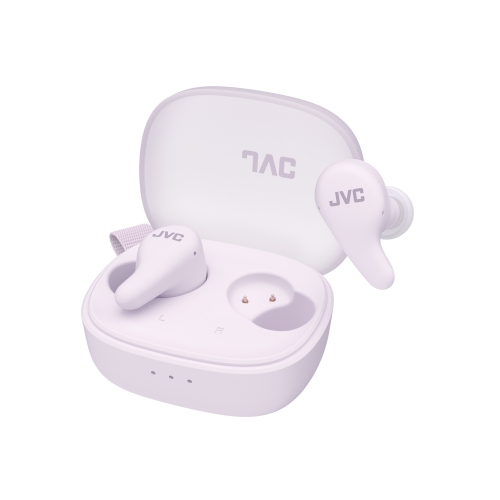
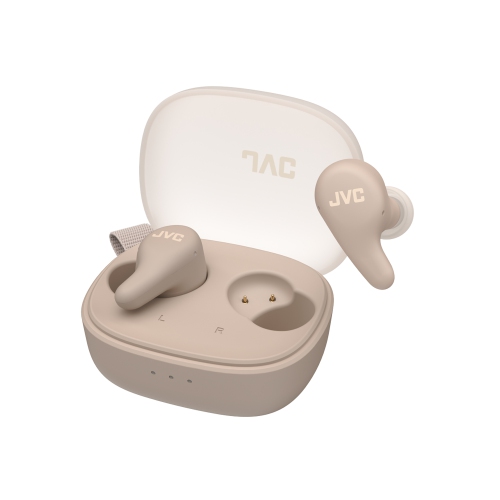
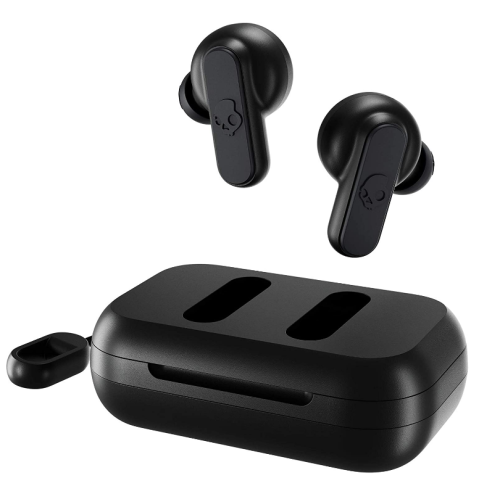
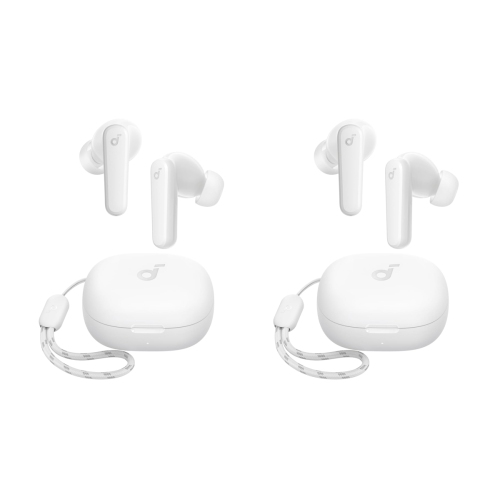
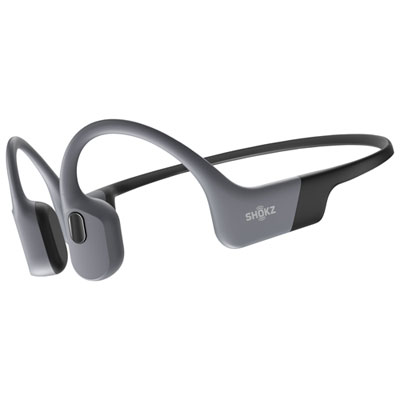
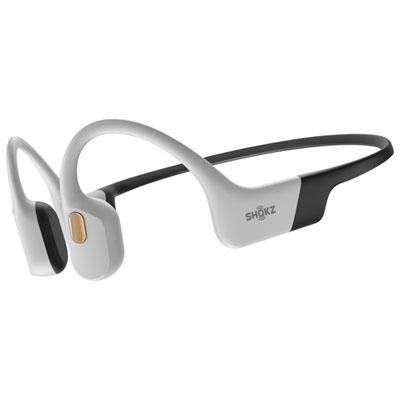
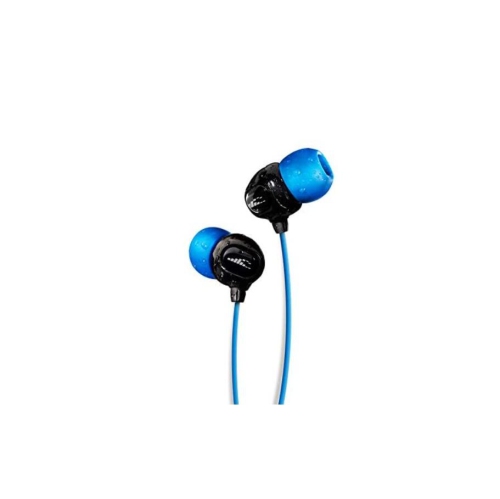
What to know about IP ratings, fit, and everyday use
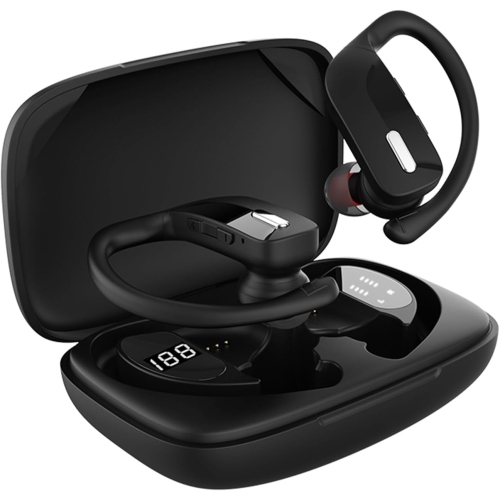
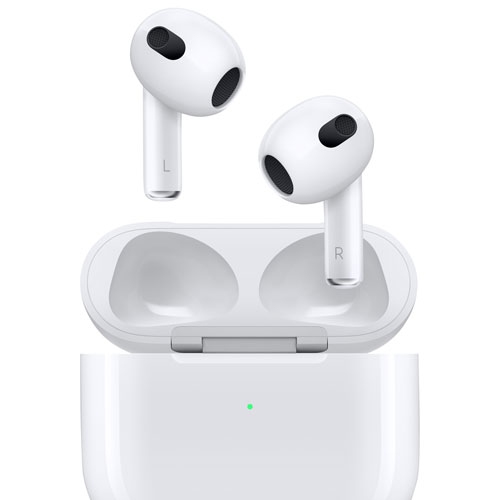
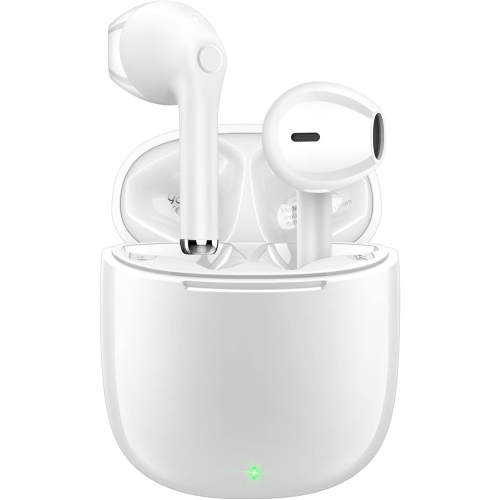
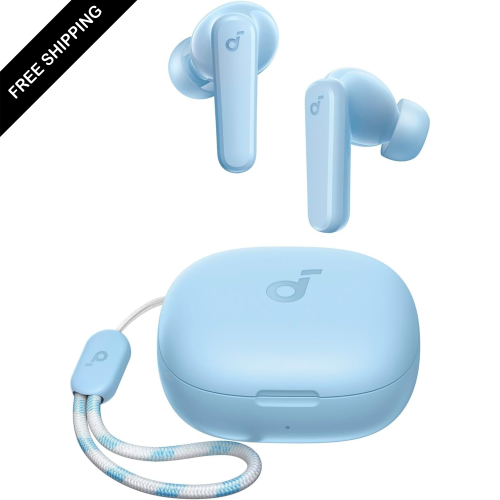
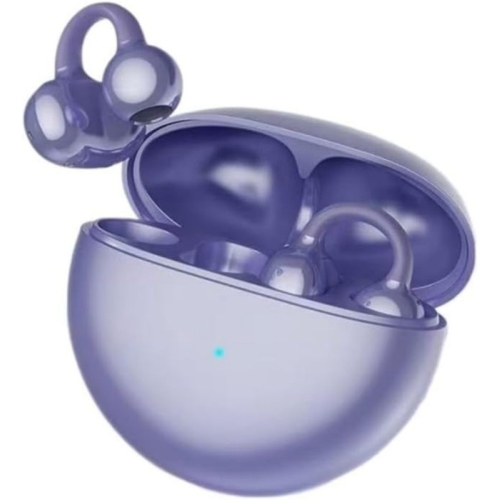
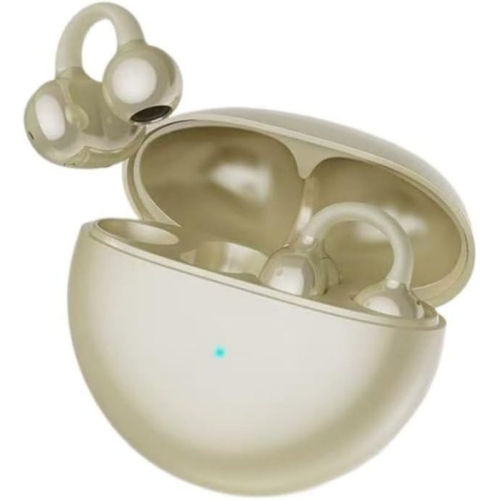
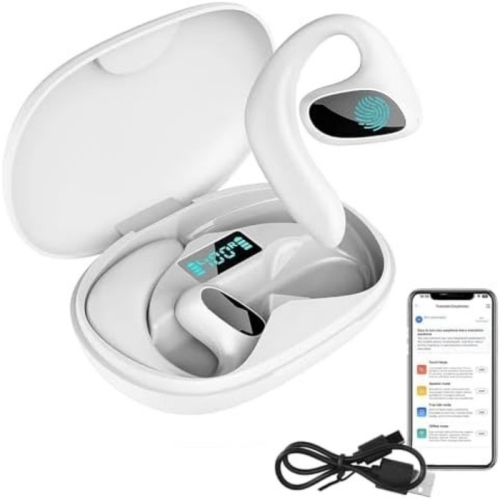
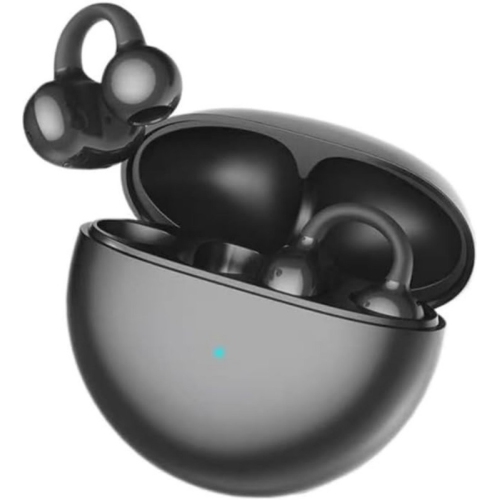
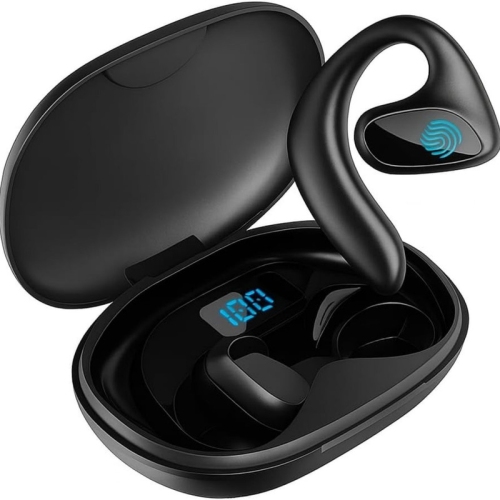
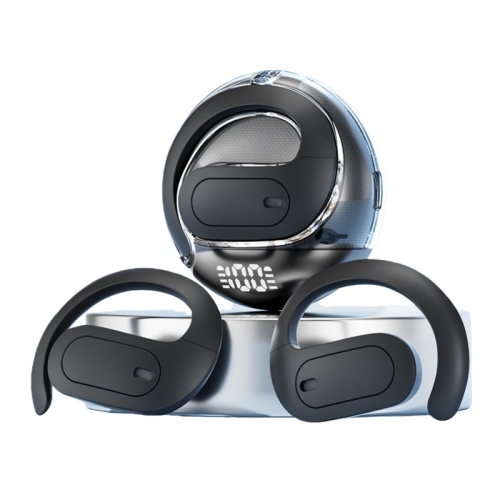
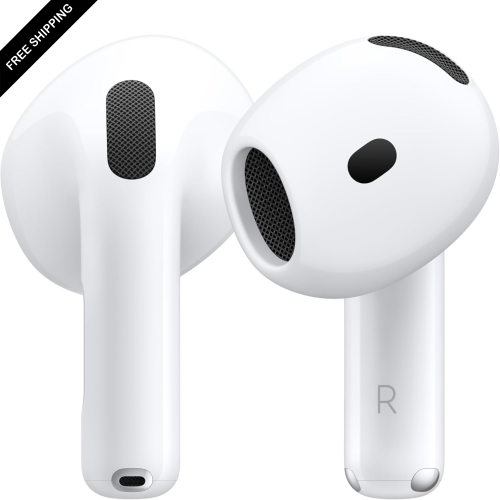
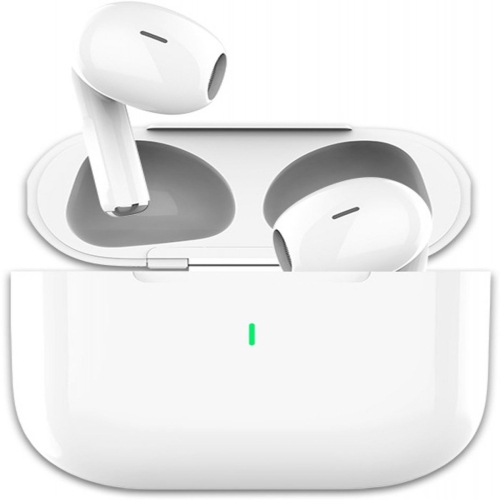
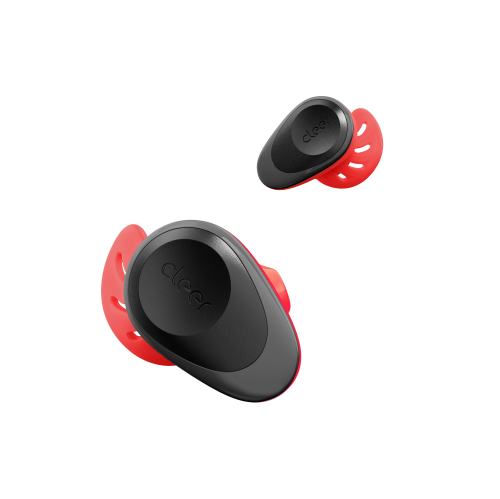
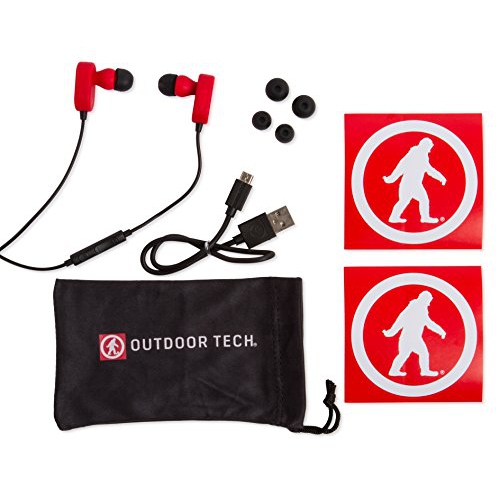
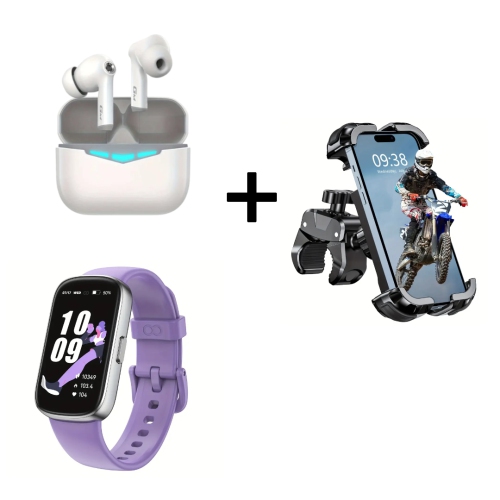
Water resistant earbuds are designed for everyday listening when moisture is part of the routine, from a damp walk to a demanding workout. They can be a practical choice for runners, cyclists, commuters, travellers, gym-goers, and anyone who prefers not to worry about light rain or perspiration while listening to music, podcasts, audiobooks, or calls. They also make thoughtful gifts for people who enjoy an active lifestyle, especially when paired with a comfortable fit and dependable battery life. The most important detail to check is the product’s Ingress Protection, or IP, rating. This rating indicates how well the earbuds resist solids and water under defined testing conditions, although it does not make every part of the listening setup equally protected. An IPX4 rating generally indicates resistance to splashes from any direction, making it suitable for sweat and light rain. IPX5 and IPX6 ratings offer increasing protection against water jets, but they still should not be treated as permission to submerge the earbuds. IPX7 and IPX8 ratings indicate protection against temporary immersion, with the exact depth and duration determined by the manufacturer’s specifications. A rating such as IP68 may also indicate dust-tight construction alongside a high level of water protection. Since testing conditions do not always mirror real-life use, it is wise to review the full product details before wearing earbuds in heavy rain, around a pool, or during activities where they could be dropped into water. For a broader selection and additional specifications, browse Waterproof Earbud options alongside water resistant models.
Comfort and stability matter just as much as water protection. Earbuds that sound excellent but loosen with every stride can quickly become frustrating, particularly during running, interval training, or a busy commute. Look for ear tips in multiple sizes, an ergonomic shape, or optional ear hooks and wings that help keep each bud in place without creating pressure. A secure seal can also improve bass response and reduce outside noise, while a more open fit may feel preferable when awareness of traffic, conversation, or surroundings is important. Consider how the controls work with wet or sweaty fingers, and whether touch controls may register accidental taps when adjusting a hat, hood, or headband. Battery life should be viewed in two parts: the listening time of the earbuds themselves and the additional charges supplied by the case. A compact case is convenient for a work bag or jacket pocket, while a larger-capacity case can be useful for travel or long stretches away from an outlet. Check whether the charging case has its own water protection; in many designs, the earbuds are more resistant to moisture than the case and should be dried before they are returned for charging. After exercise or exposure to rain, wipe the earbuds with a soft, dry cloth and allow them to air-dry fully. Avoid charging damp earbuds, using excessive heat to dry them, or exposing them to soap, shampoo, salt water, or chlorinated water unless the manufacturer specifically permits it, as these substances can affect seals, microphones, charging contacts, and sound openings.
The right level of protection depends on how the earbuds will be used. For office commutes, errands, walks, and moderate gym sessions, splash and sweat resistance may be all that is needed. People who train outdoors during changing conditions may prefer a higher IP rating, a secure sport-oriented fit, clear call microphones, and controls that remain easy to use while wearing gloves or a hood. Those who spend time hiking or travelling should also consider battery life, case size, charging options, and how easily the earbuds can be located if one is misplaced. Active noise cancellation can help make music easier to hear on a train or beside a busy road, although transparency or ambient modes are valuable when staying aware of bicycles, vehicles, announcements, or conversation. Sound preferences are personal: some listeners favour a strong low end for workouts, while others want balanced detail for spoken content and acoustic music. Water resistant earbuds are not automatically intended for swimming. Standard Bluetooth signals do not travel reliably through water, so earbuds designed for lap swimming typically use onboard storage, specialised transmission methods, or bone conduction rather than a conventional phone-to-earbud connection. Even with highly water-resistant models, do not assume they are suitable for showering, diving, salt water, or prolonged submersion unless the manufacturer clearly states that use is supported. A careful match between the IP rating, fit, controls, battery system, and intended activity helps make listening more dependable as the weather warms, during rainy outings, and through the cooler months.
Comfort and stability matter just as much as water protection. Earbuds that sound excellent but loosen with every stride can quickly become frustrating, particularly during running, interval training, or a busy commute. Look for ear tips in multiple sizes, an ergonomic shape, or optional ear hooks and wings that help keep each bud in place without creating pressure. A secure seal can also improve bass response and reduce outside noise, while a more open fit may feel preferable when awareness of traffic, conversation, or surroundings is important. Consider how the controls work with wet or sweaty fingers, and whether touch controls may register accidental taps when adjusting a hat, hood, or headband. Battery life should be viewed in two parts: the listening time of the earbuds themselves and the additional charges supplied by the case. A compact case is convenient for a work bag or jacket pocket, while a larger-capacity case can be useful for travel or long stretches away from an outlet. Check whether the charging case has its own water protection; in many designs, the earbuds are more resistant to moisture than the case and should be dried before they are returned for charging. After exercise or exposure to rain, wipe the earbuds with a soft, dry cloth and allow them to air-dry fully. Avoid charging damp earbuds, using excessive heat to dry them, or exposing them to soap, shampoo, salt water, or chlorinated water unless the manufacturer specifically permits it, as these substances can affect seals, microphones, charging contacts, and sound openings.
The right level of protection depends on how the earbuds will be used. For office commutes, errands, walks, and moderate gym sessions, splash and sweat resistance may be all that is needed. People who train outdoors during changing conditions may prefer a higher IP rating, a secure sport-oriented fit, clear call microphones, and controls that remain easy to use while wearing gloves or a hood. Those who spend time hiking or travelling should also consider battery life, case size, charging options, and how easily the earbuds can be located if one is misplaced. Active noise cancellation can help make music easier to hear on a train or beside a busy road, although transparency or ambient modes are valuable when staying aware of bicycles, vehicles, announcements, or conversation. Sound preferences are personal: some listeners favour a strong low end for workouts, while others want balanced detail for spoken content and acoustic music. Water resistant earbuds are not automatically intended for swimming. Standard Bluetooth signals do not travel reliably through water, so earbuds designed for lap swimming typically use onboard storage, specialised transmission methods, or bone conduction rather than a conventional phone-to-earbud connection. Even with highly water-resistant models, do not assume they are suitable for showering, diving, salt water, or prolonged submersion unless the manufacturer clearly states that use is supported. A careful match between the IP rating, fit, controls, battery system, and intended activity helps make listening more dependable as the weather warms, during rainy outings, and through the cooler months.
Top selling and popular products
-
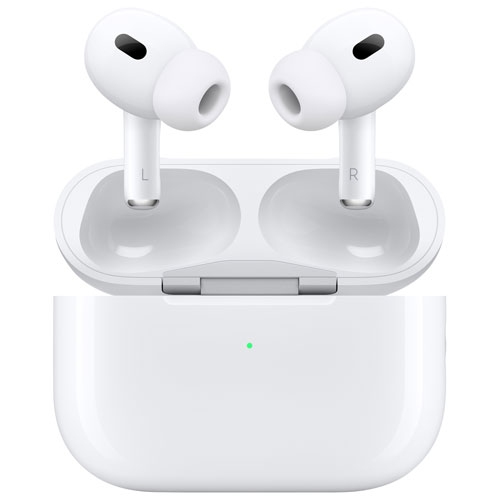 Your price for this item is $349.99
 -
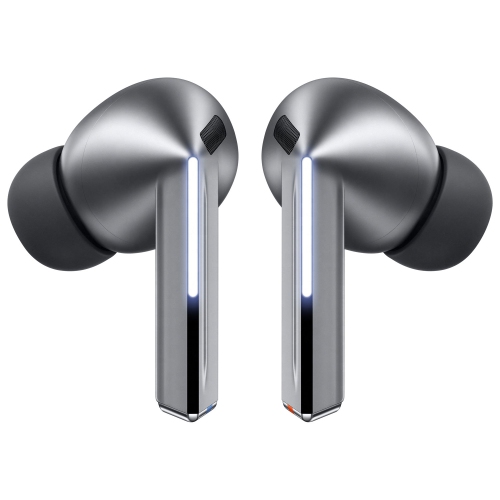 Your price for this item is $229
 -
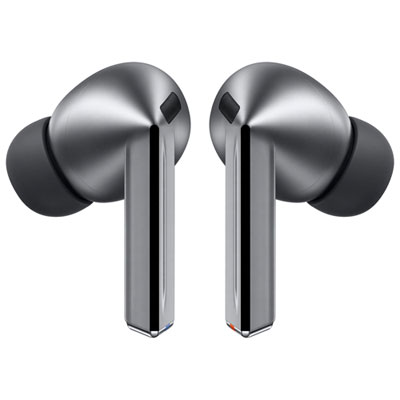 Your price for this item is $329.99
 -
 Your price for this item is $227
 -
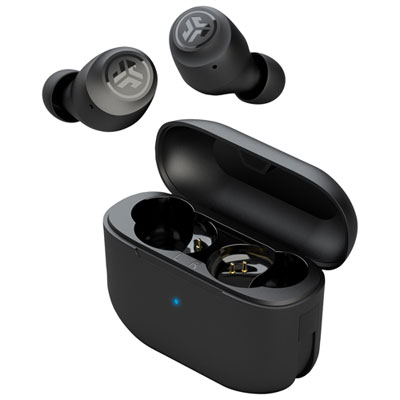 Your price for this item is $34.99
 -
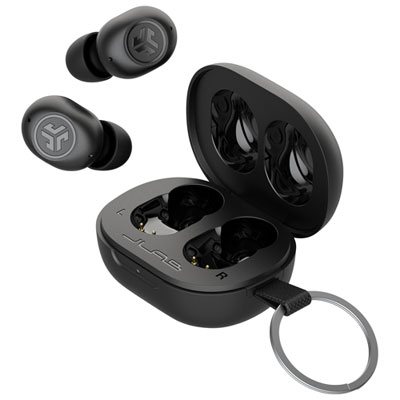 Your price for this item is $39.99
 -
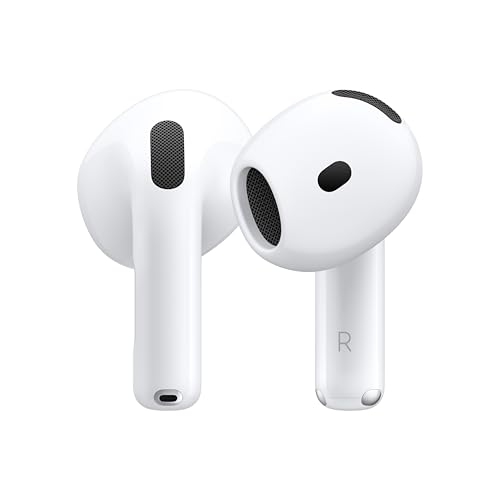 Your price for this item is $238.99
 -
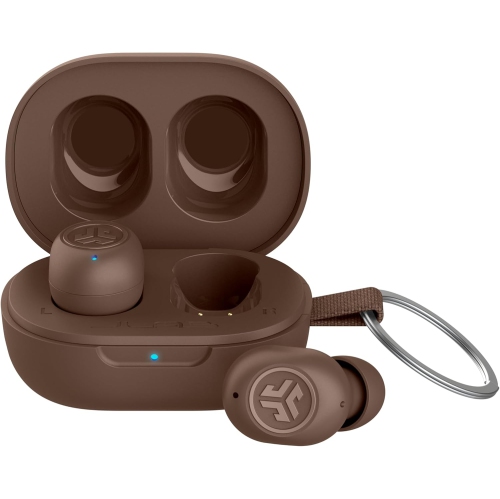 Your price for this item is $89.99
Discover more categories related to Water Resistant Earbuds
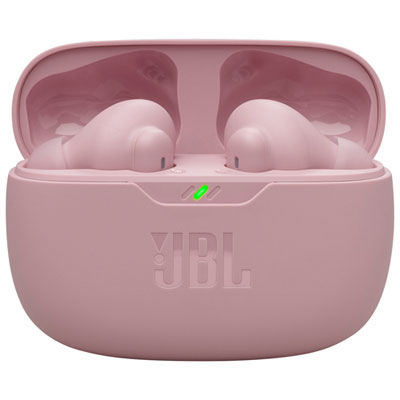
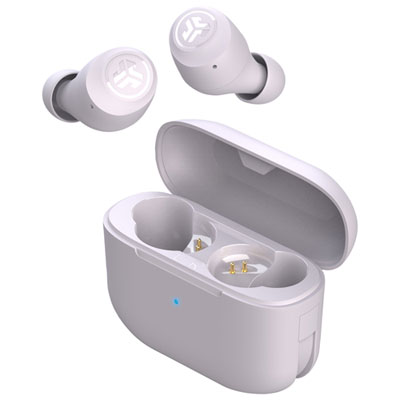
Top Collections:
Pokemon Centers, Budget 4K TVs, Kindle Devices, Canon G7X Cameras, Apple iPhones 16, iPhone 15 Apple, Laptops for Business Work, Flip Phones, Xiaomi Phones, Refurbished Apple Laptops
Some products may be subject to Environmental Handling Fees
(EHF) depending on your province.
Learn more about EHFs.