Waterproof Earbud
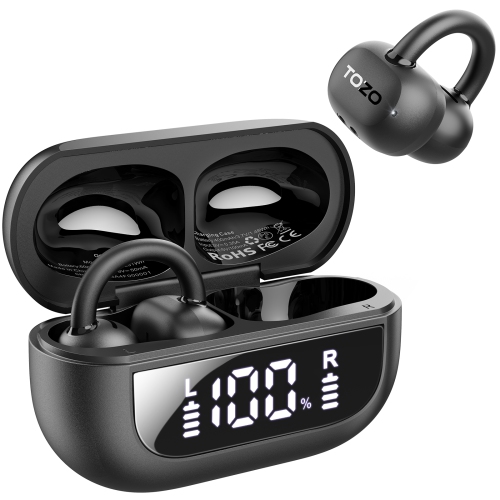
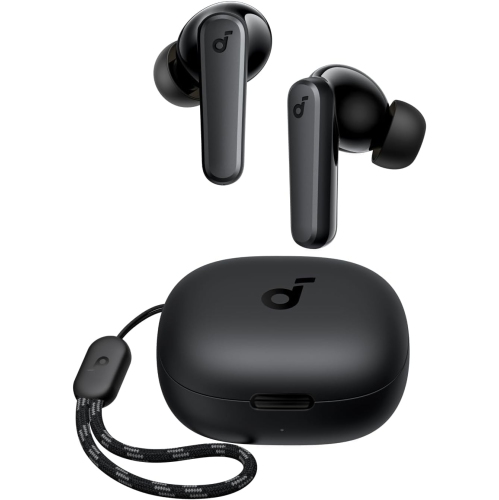
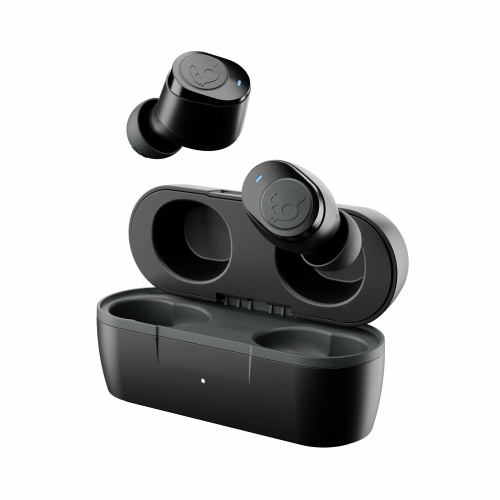
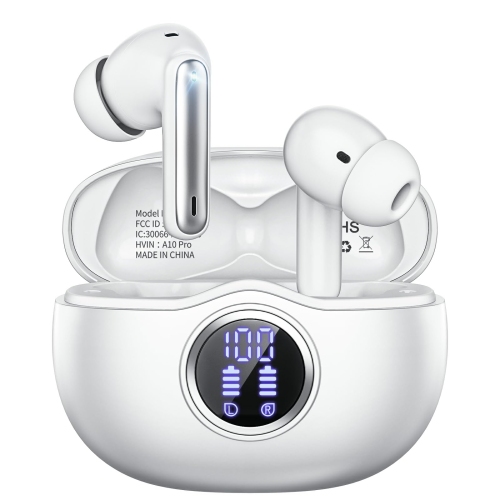
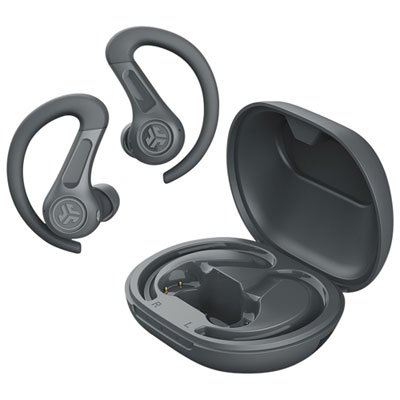
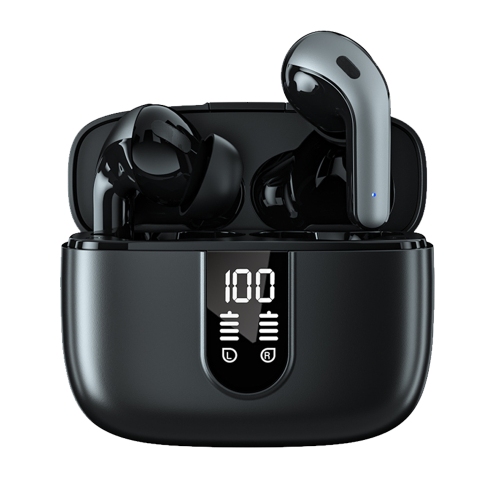
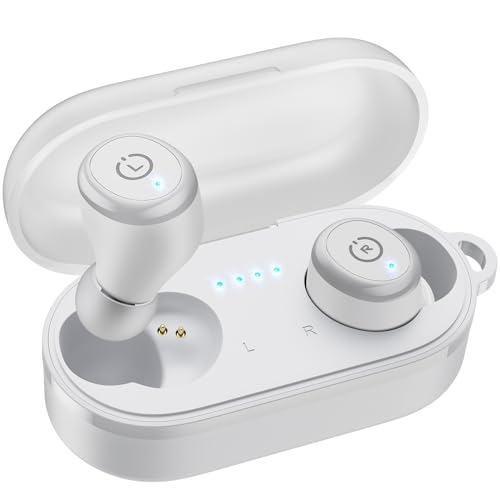
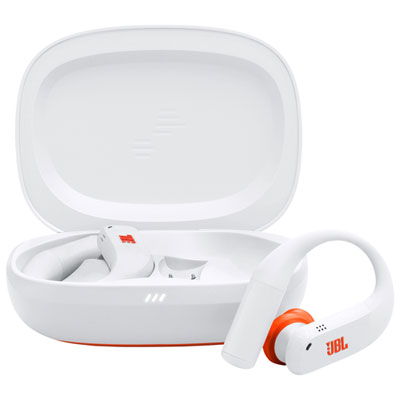
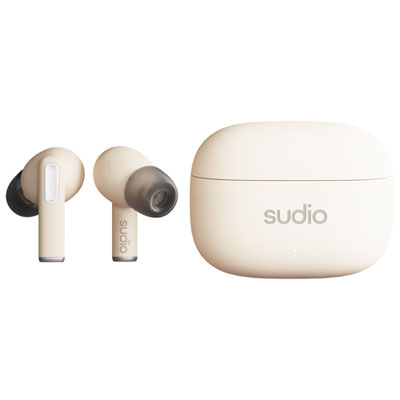
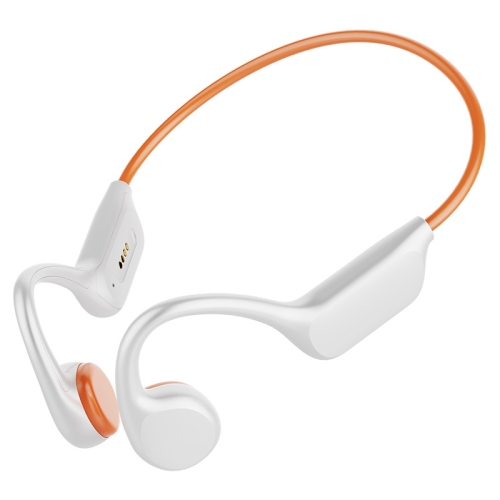
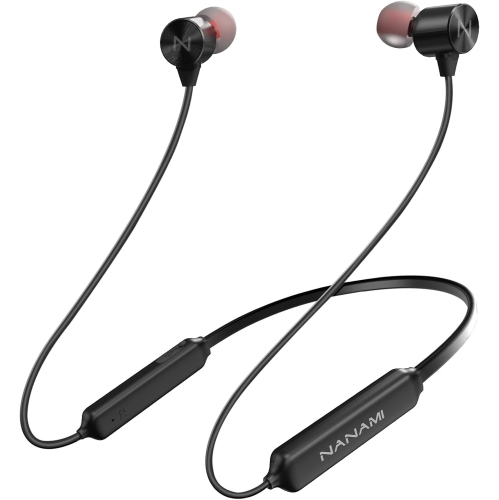
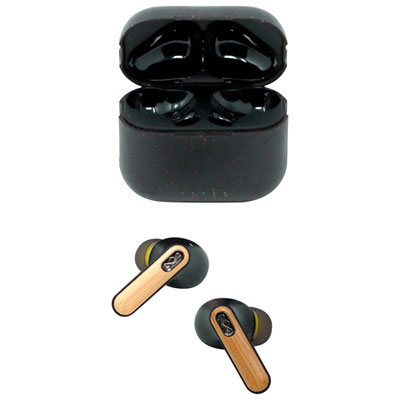
Waterproof earbuds are a great option for anyone who wants to listen to music while in the shower, on a boat, or anywhere else where they might get wet. These earbuds are designed to be protected against the elements, allowing you to enjoy your music without worrying about water damage. Here are some great options available.
Sort

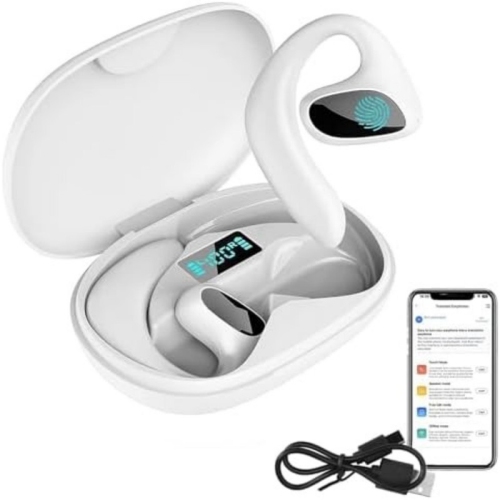
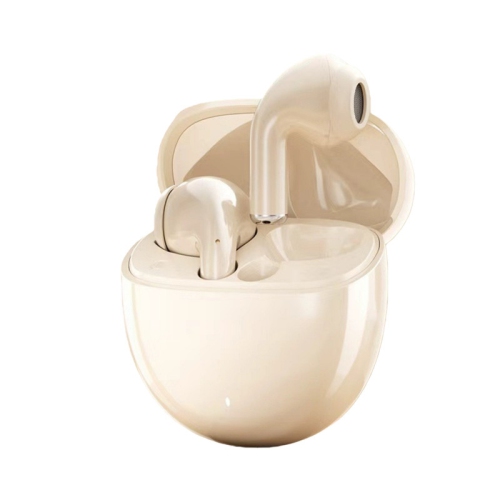
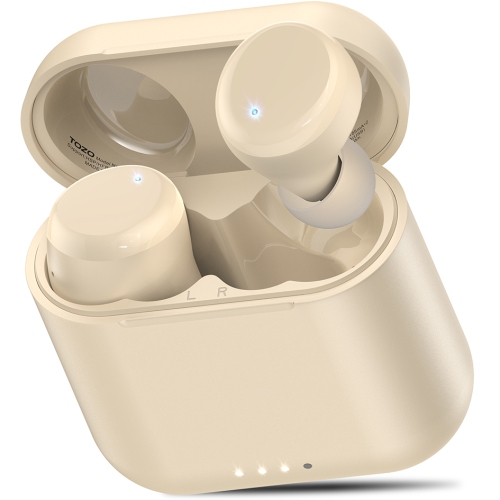
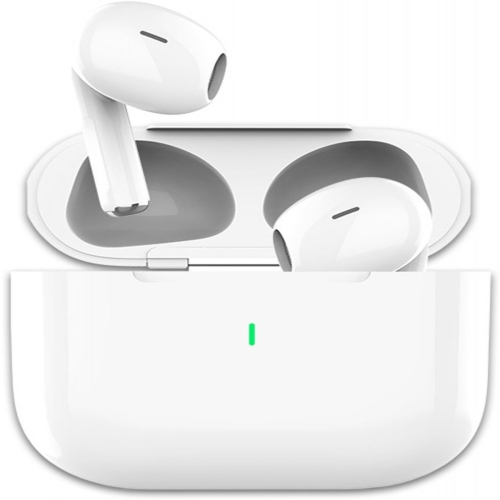
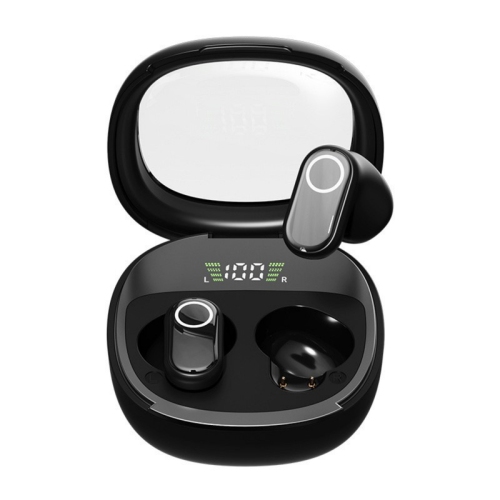
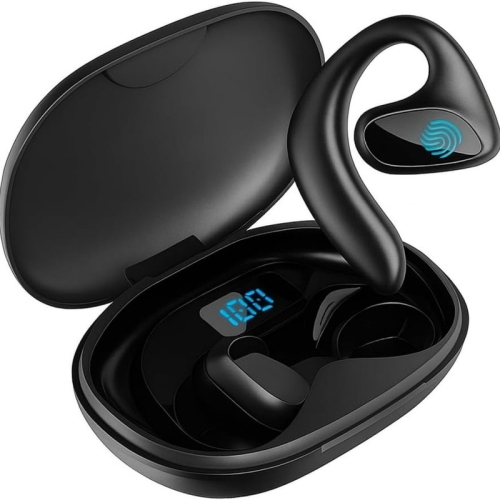
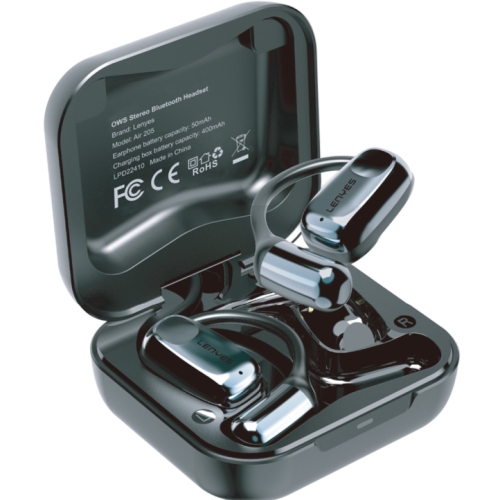
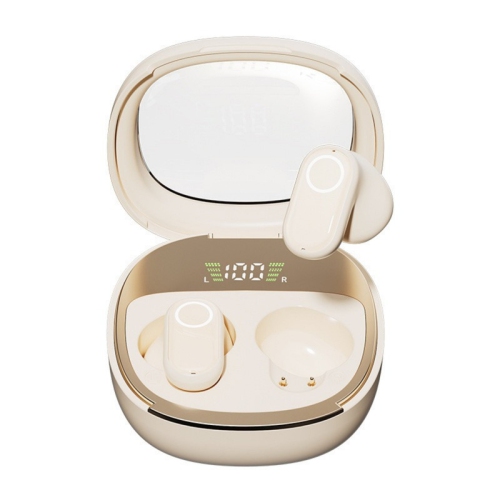

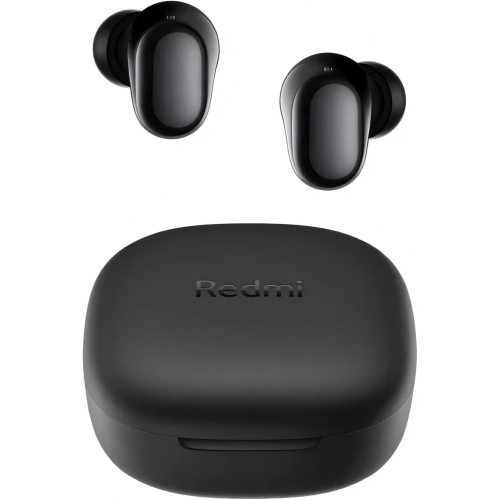
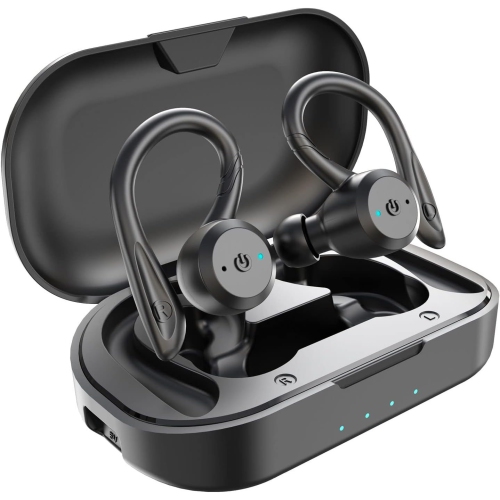
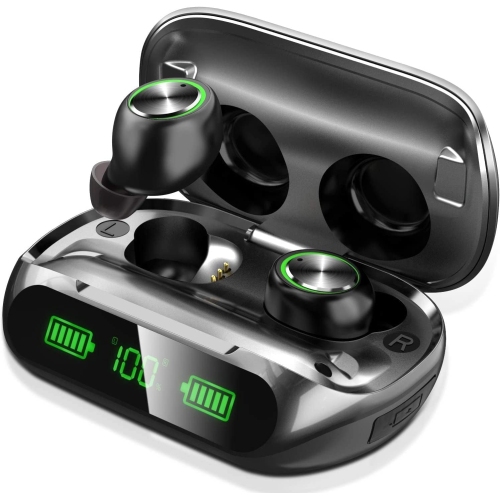
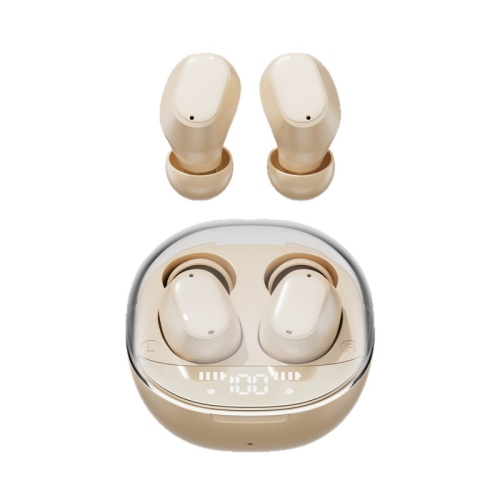
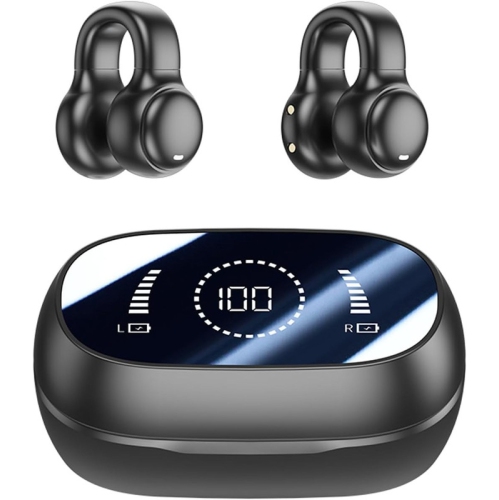
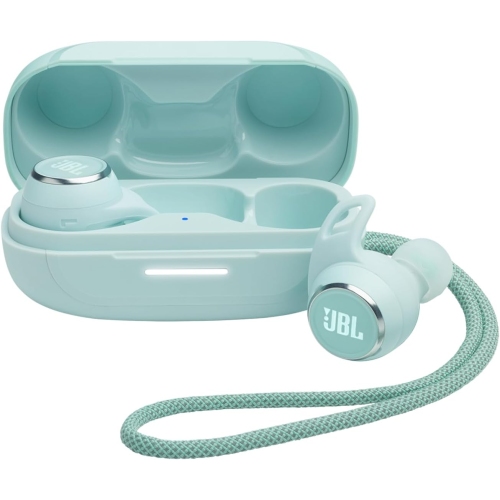
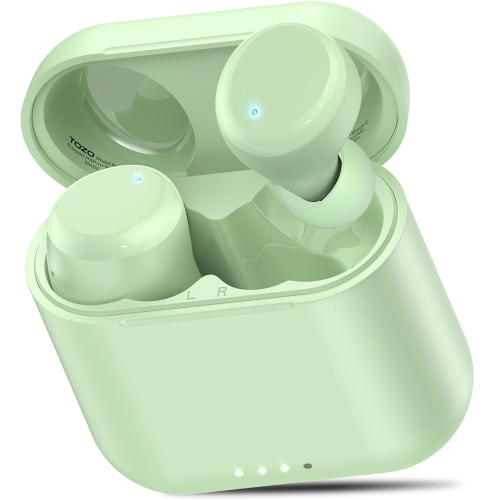
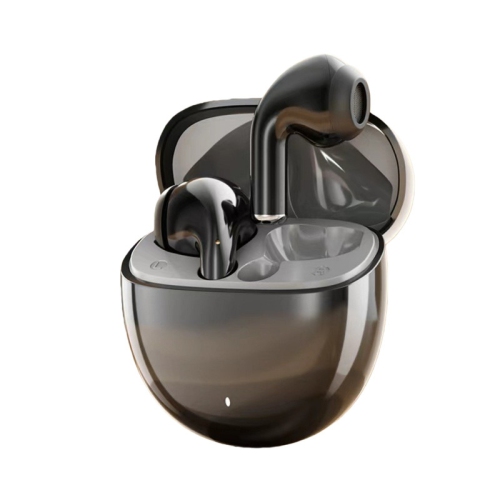
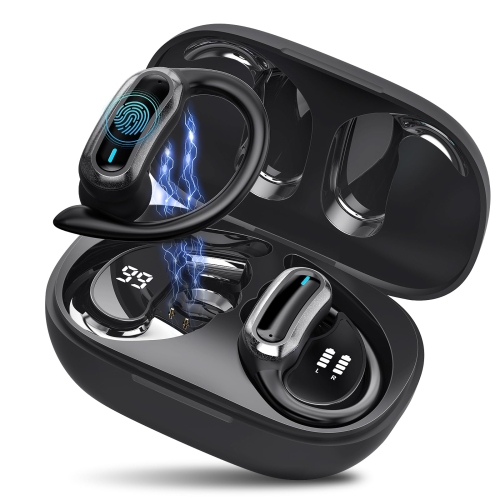
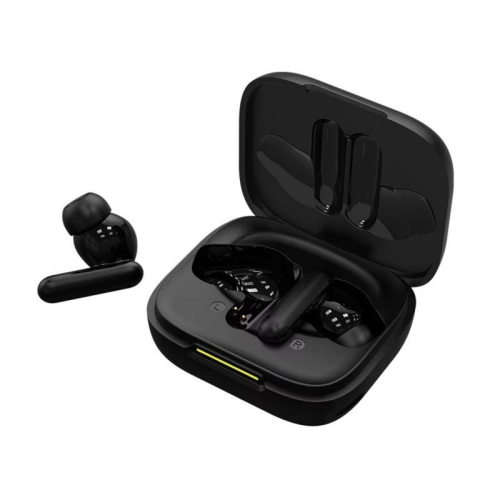
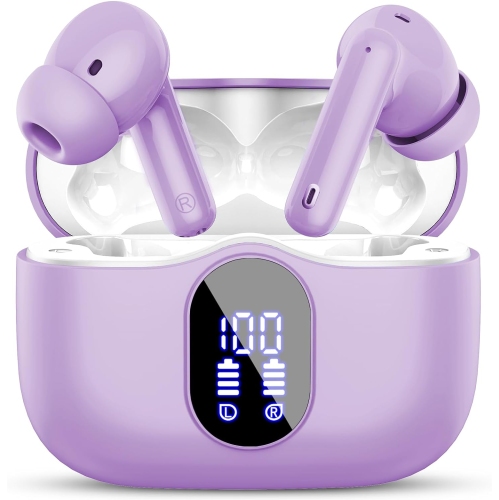
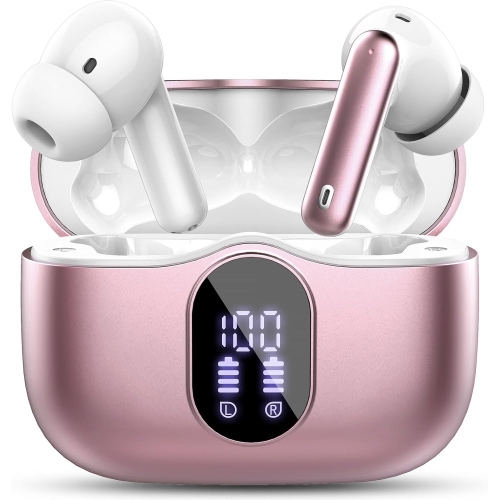
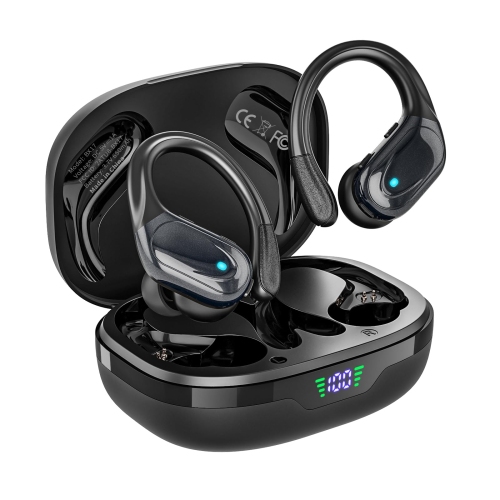
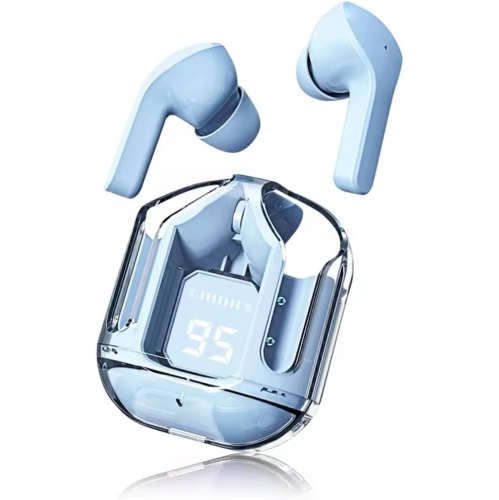

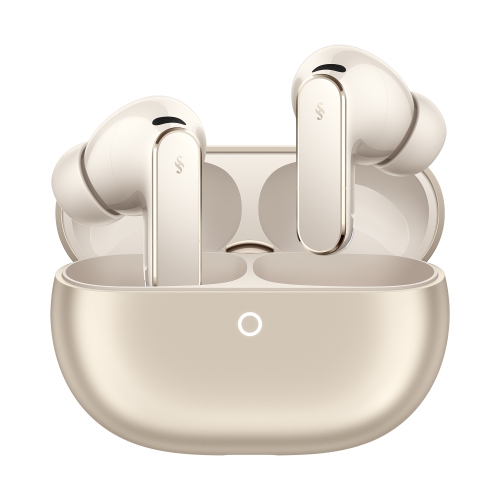
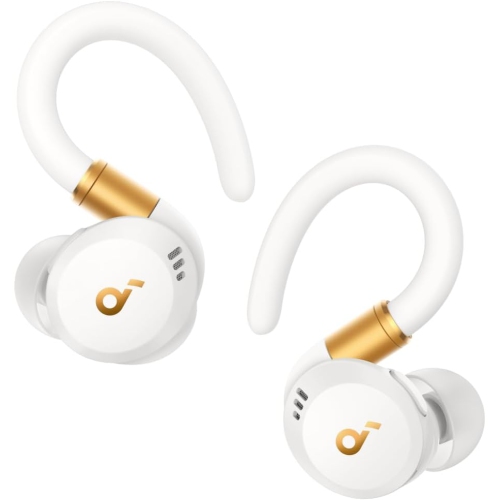
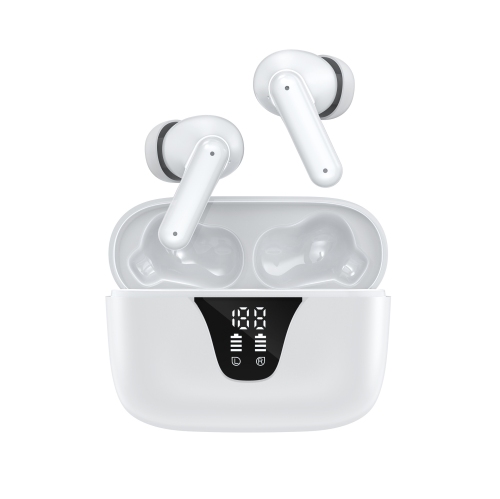
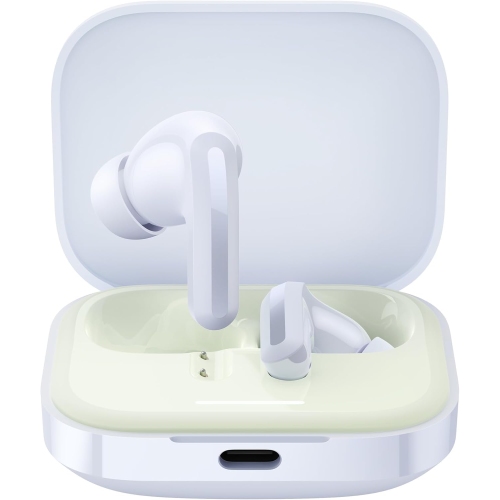
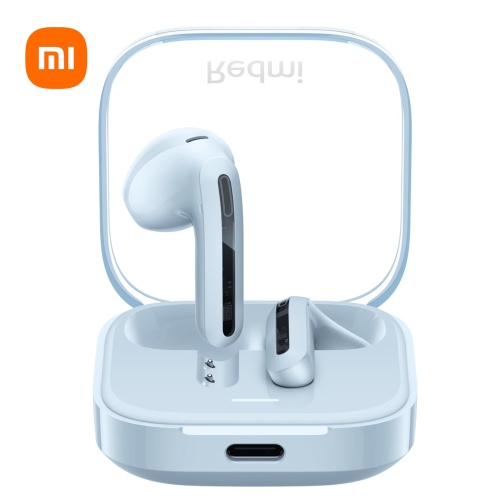
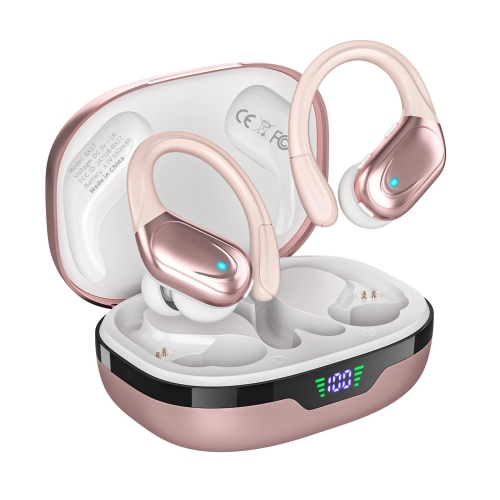
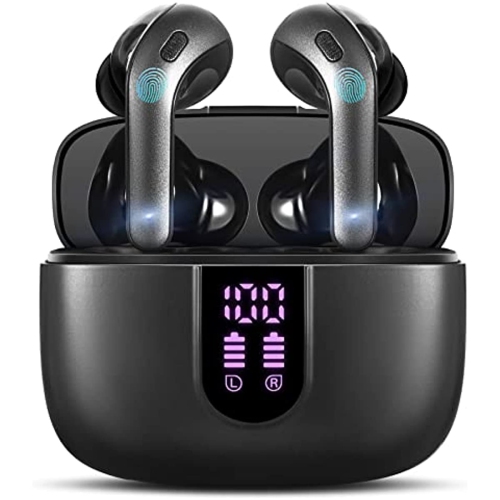
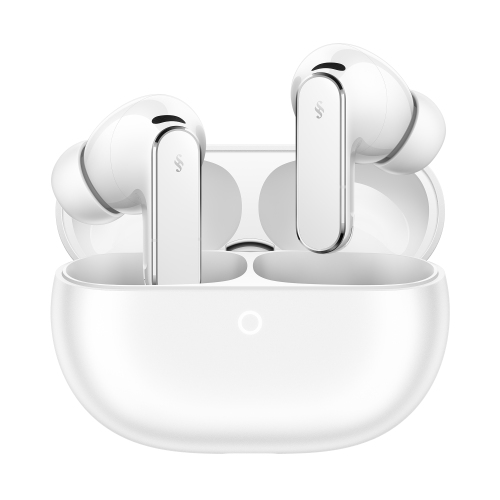
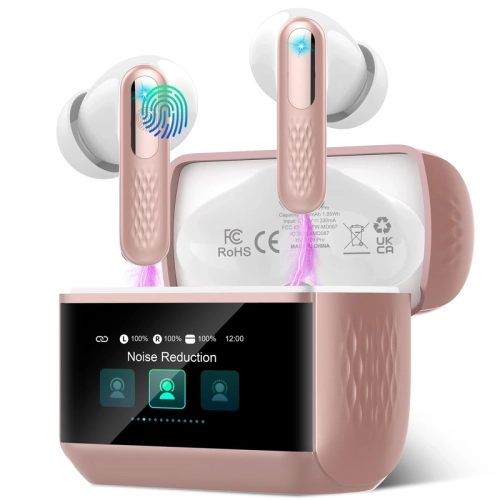
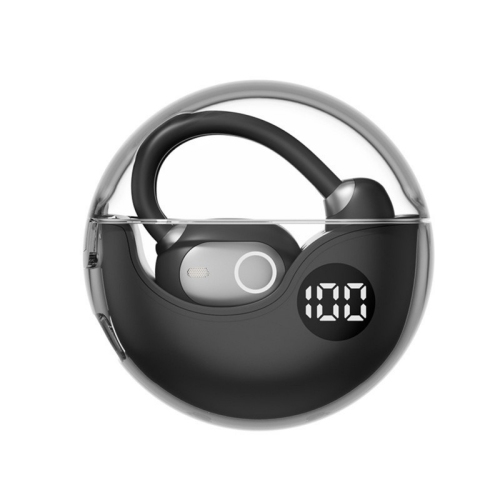
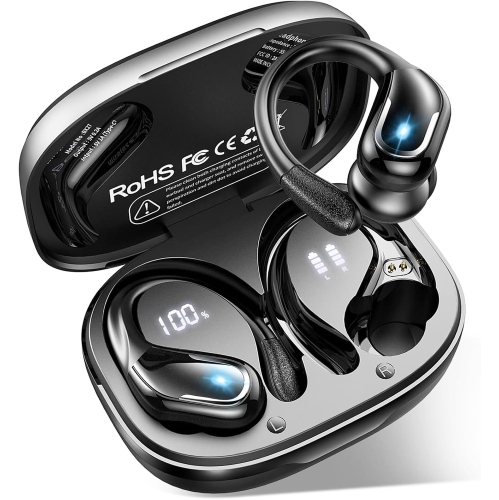
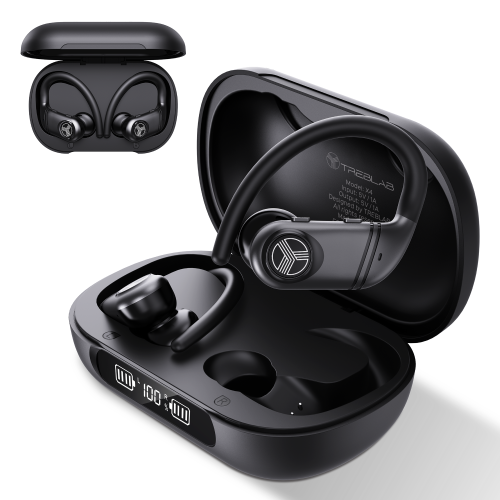
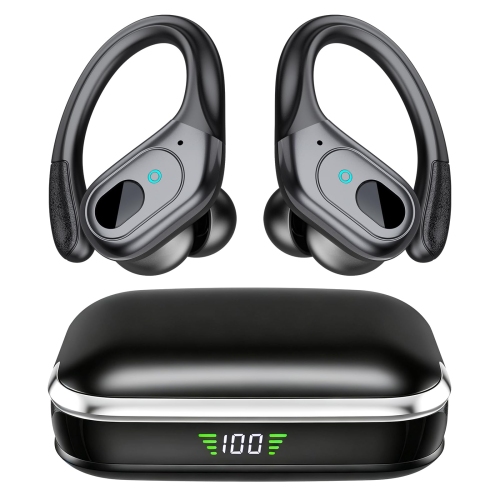
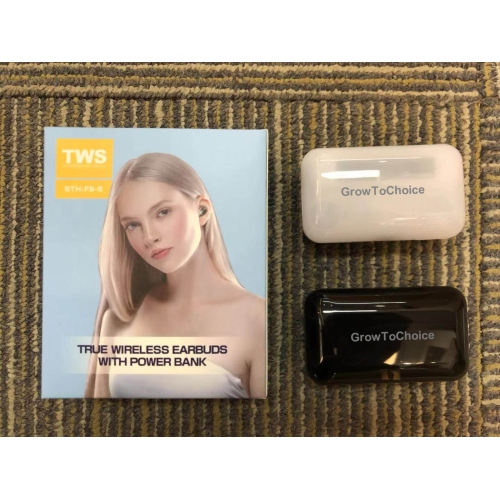
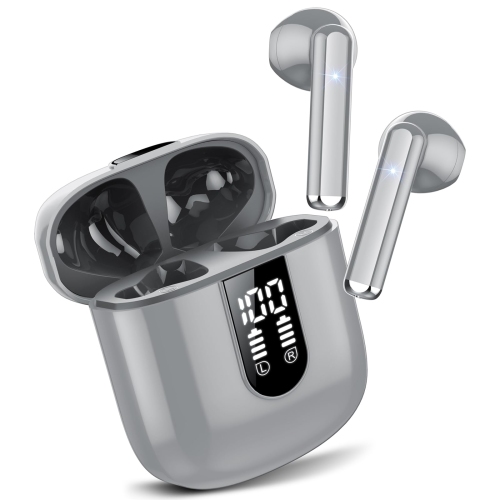
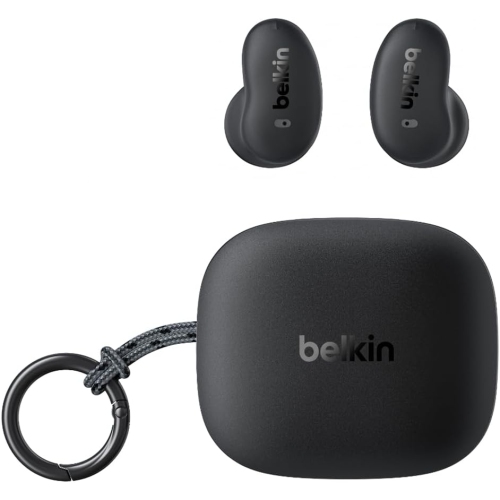
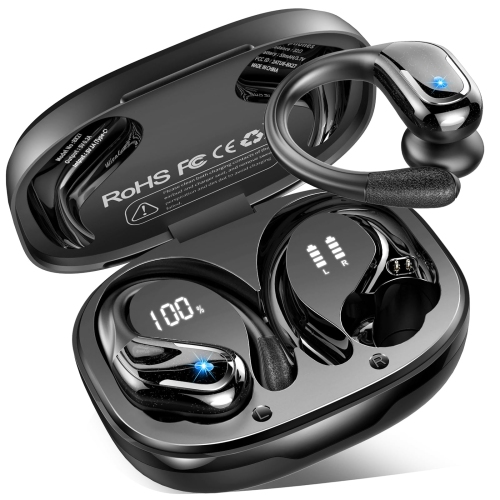
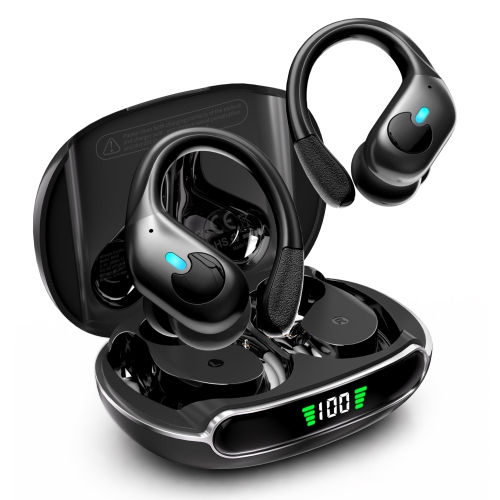
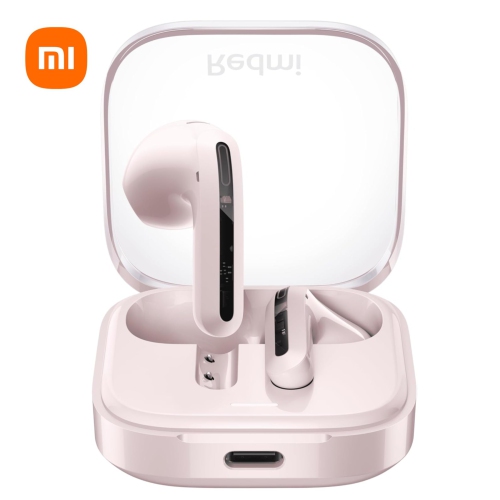
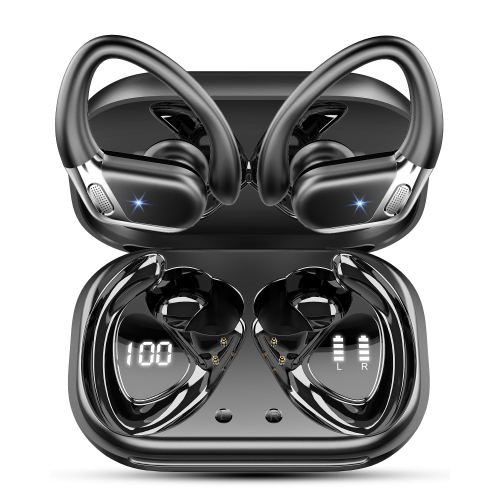
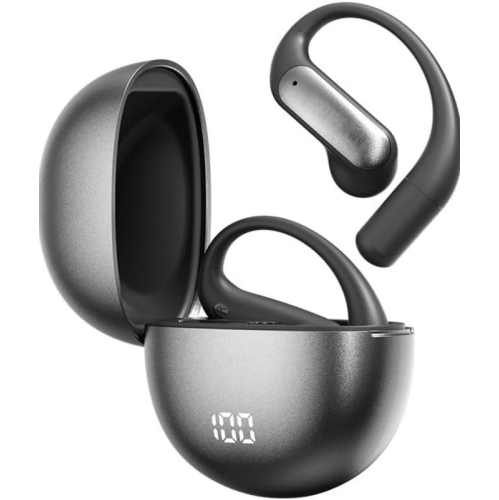
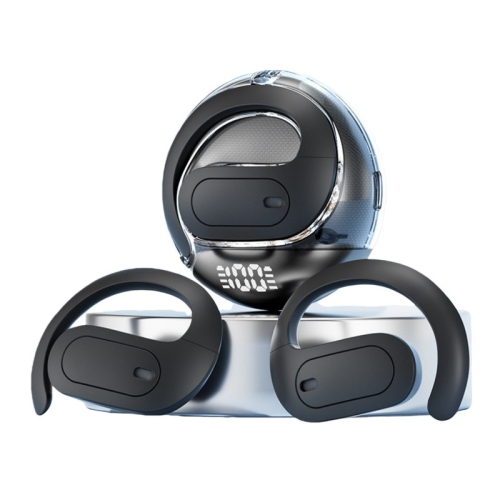
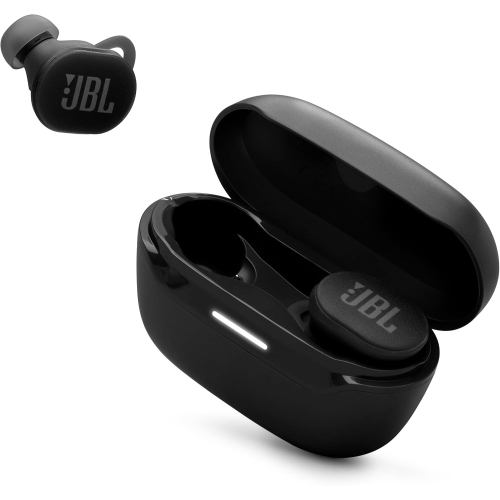
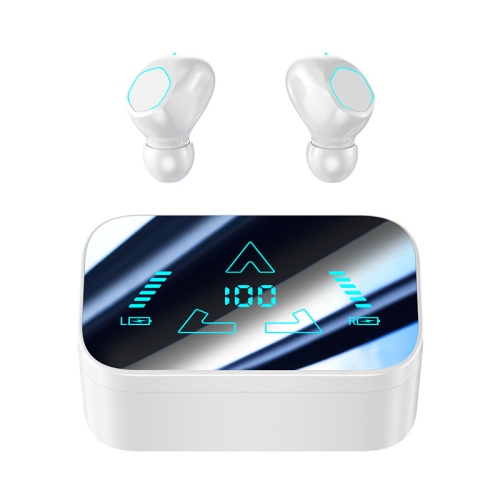
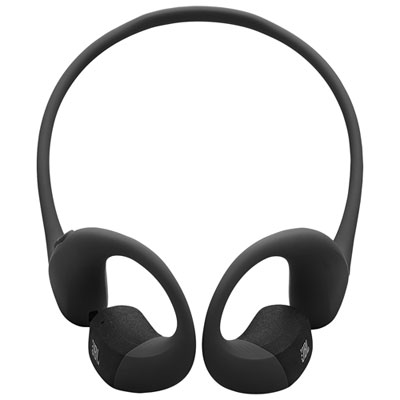
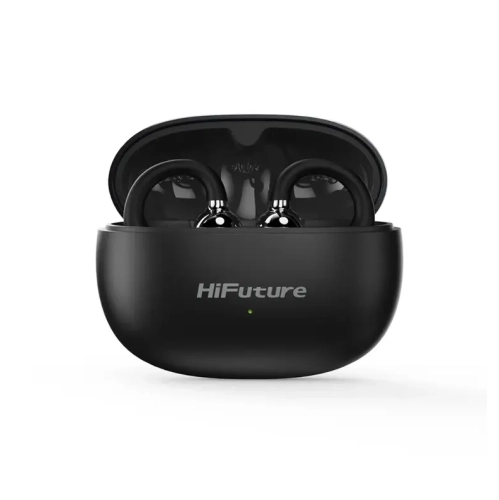
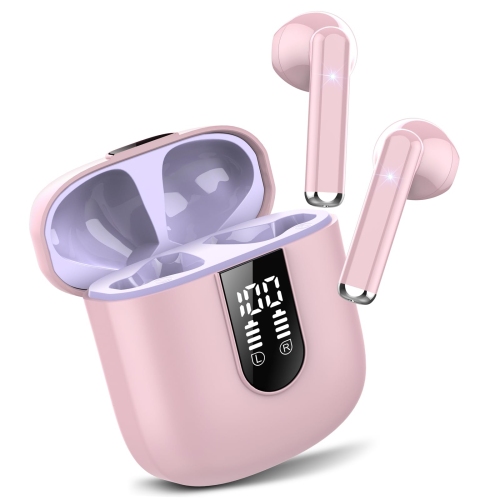
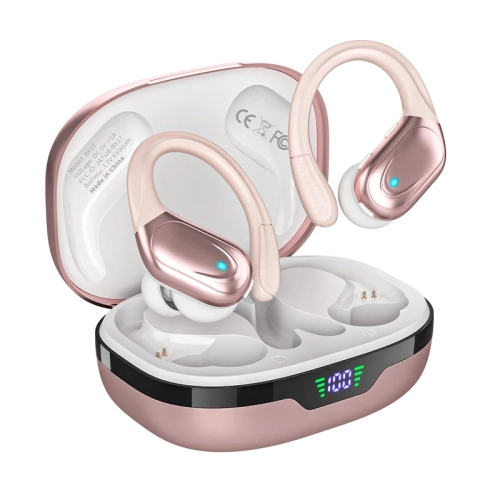
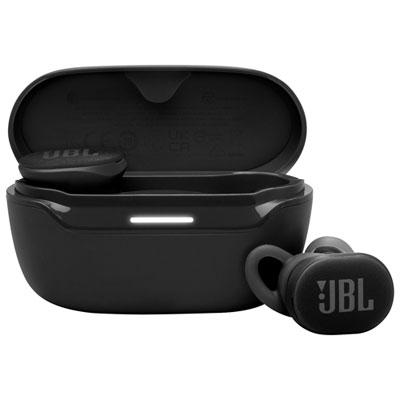
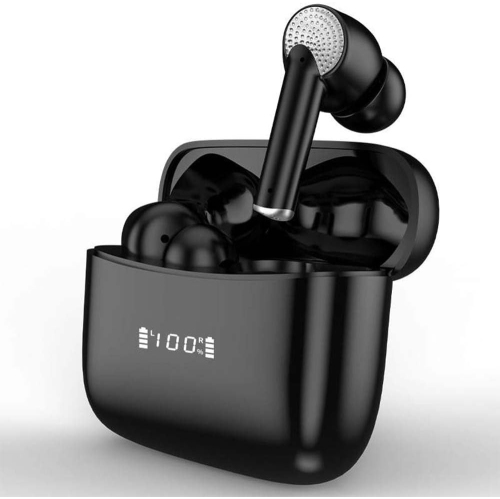
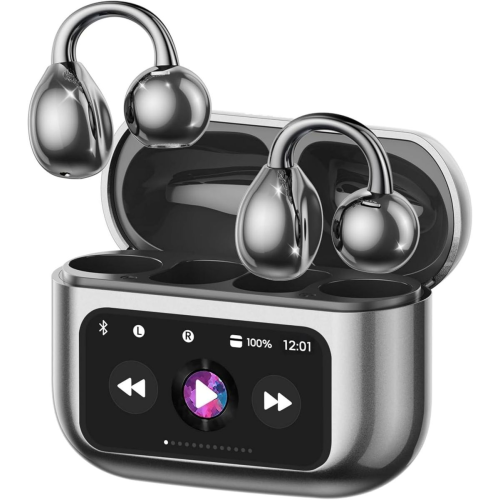
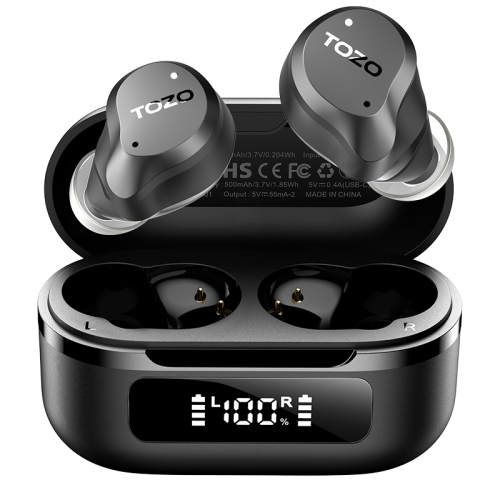
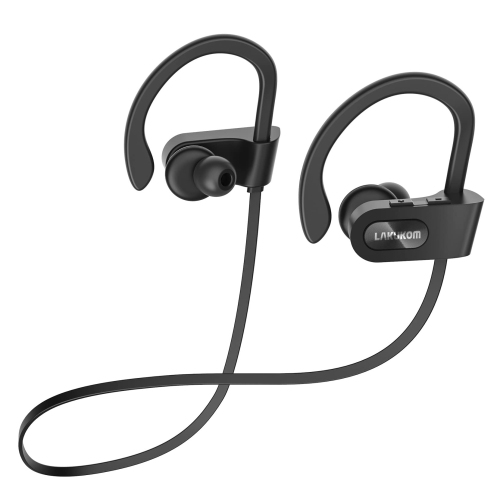
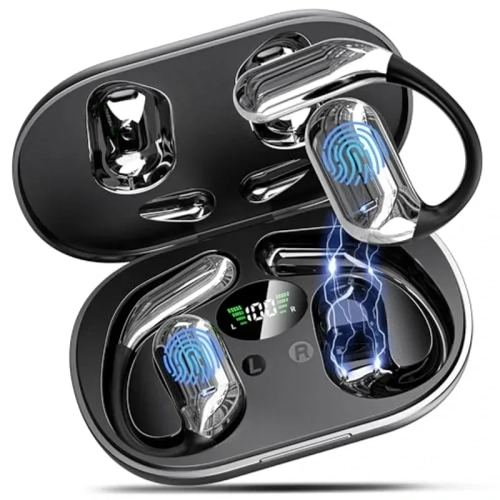
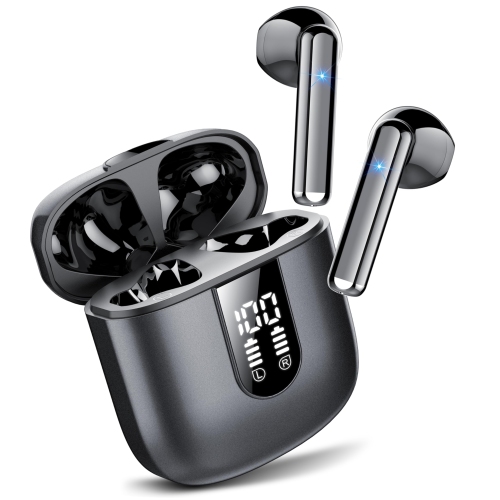
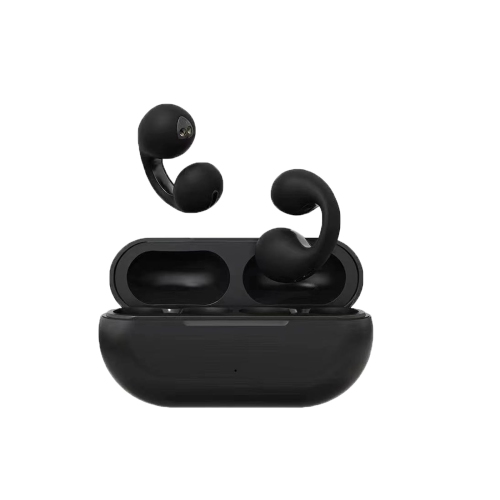
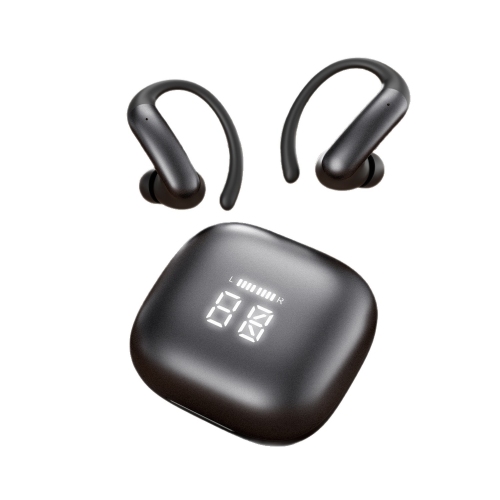
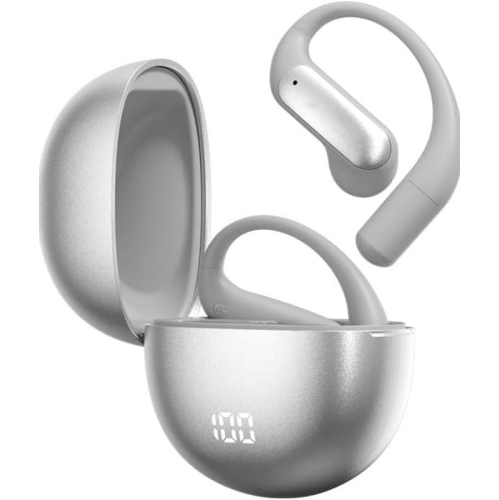
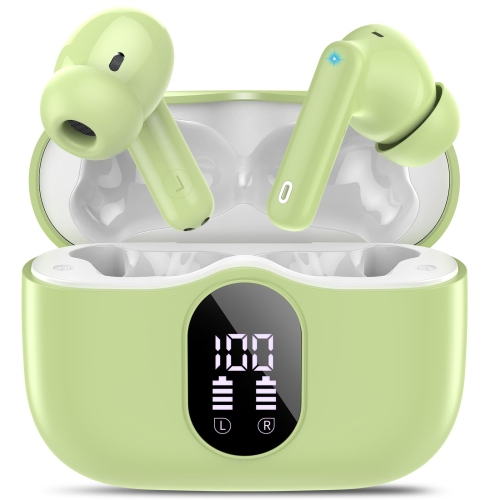
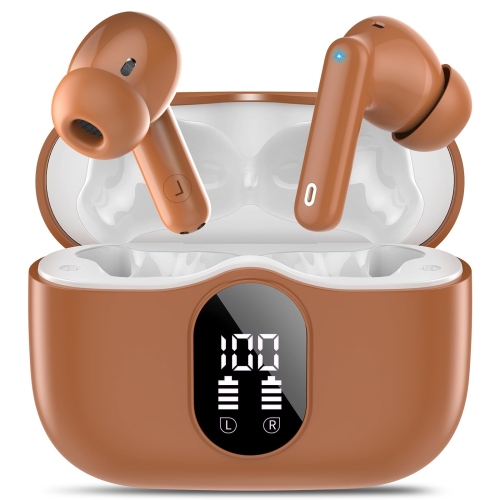
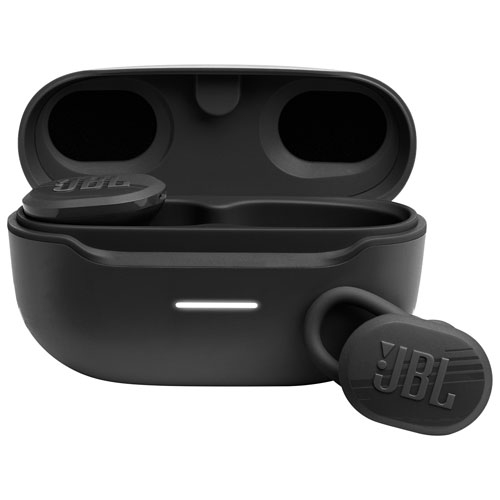
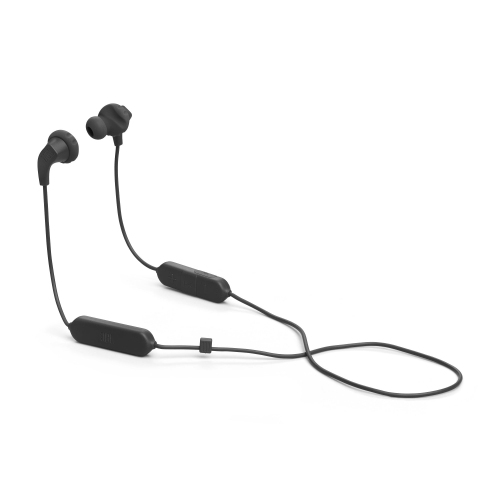
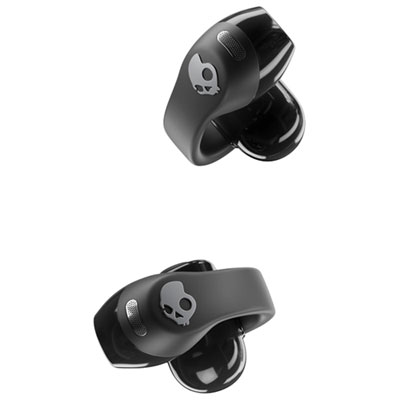
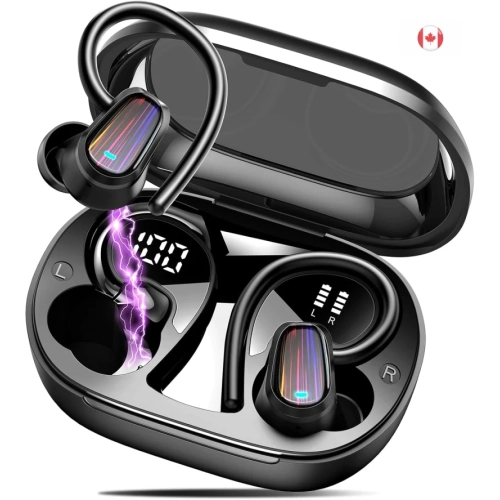

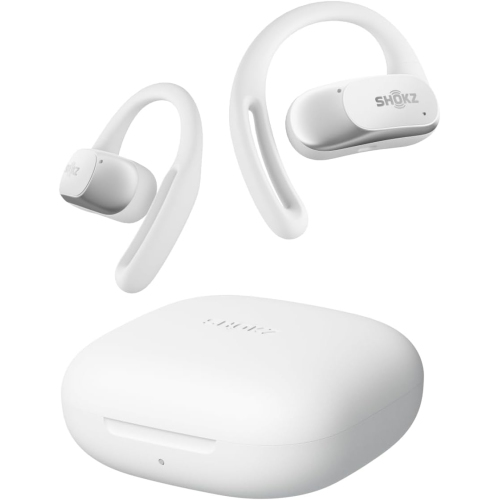
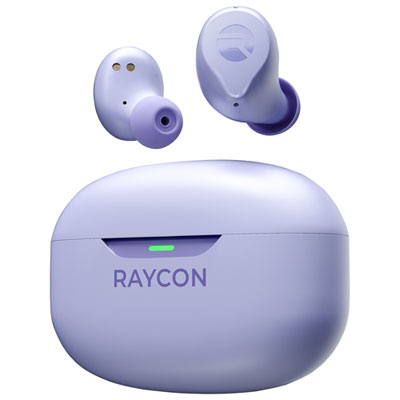
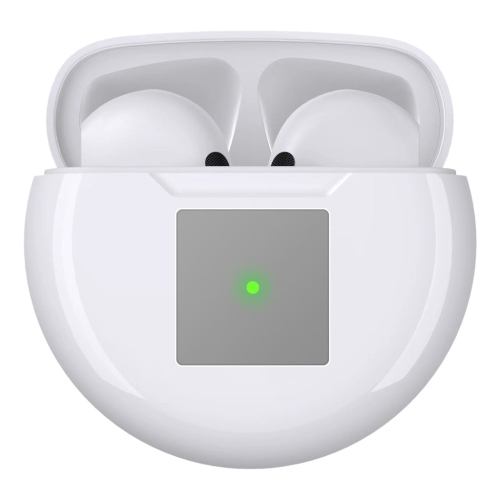
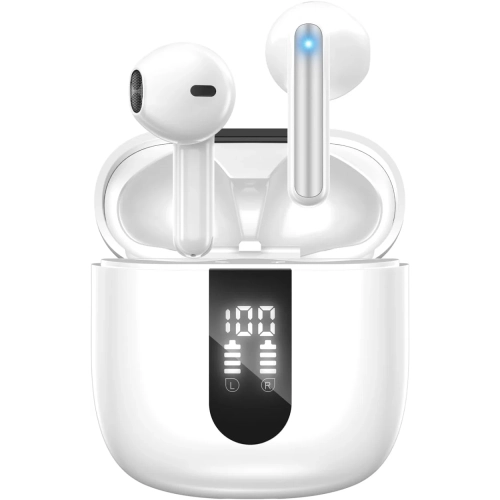
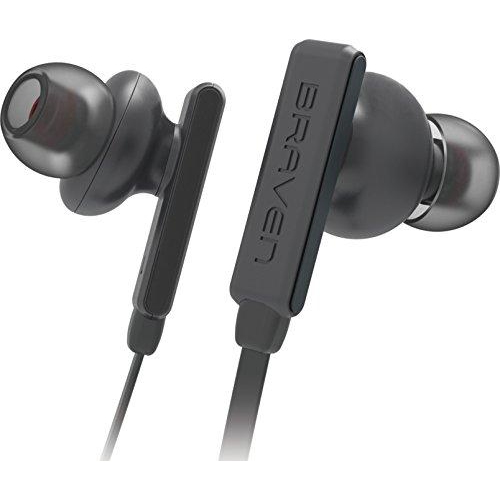
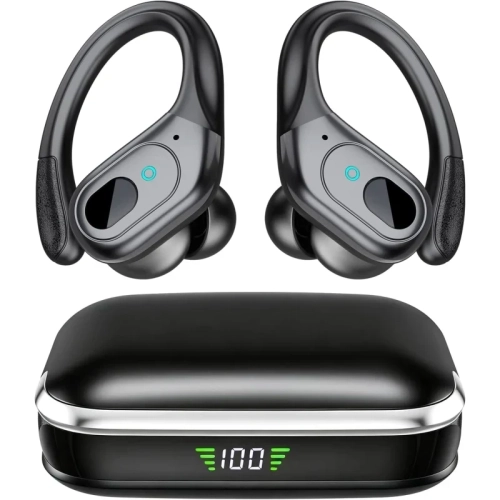
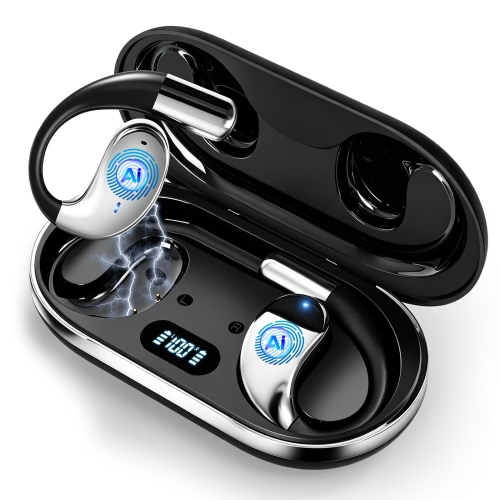
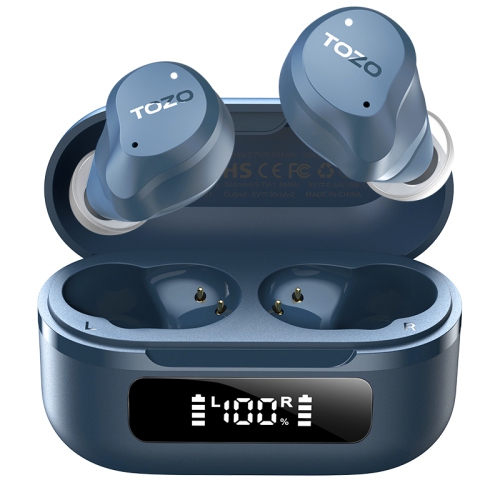
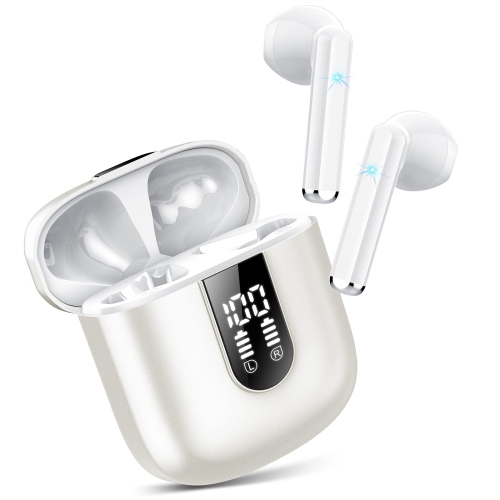
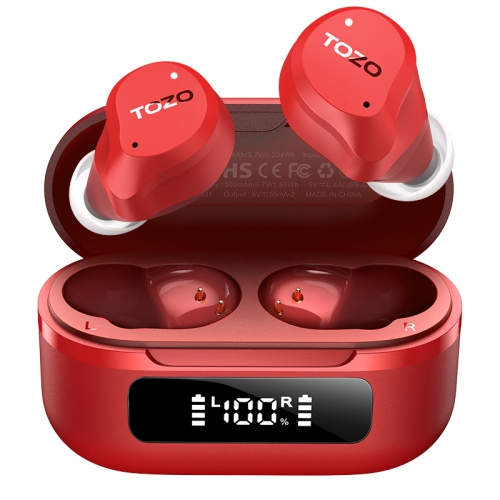
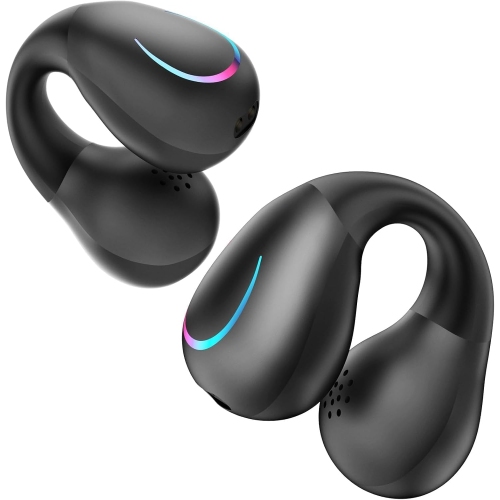
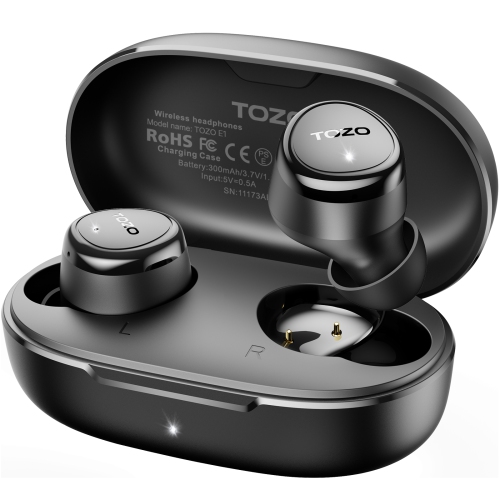
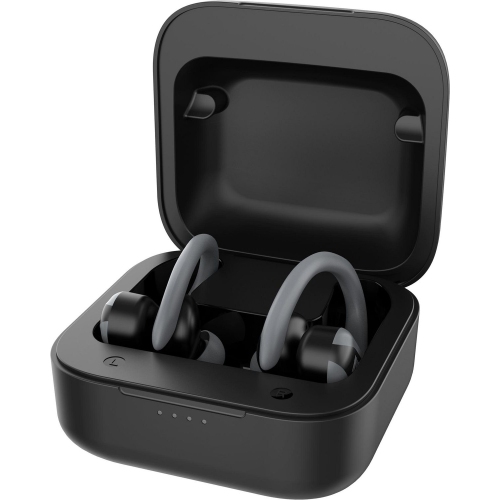
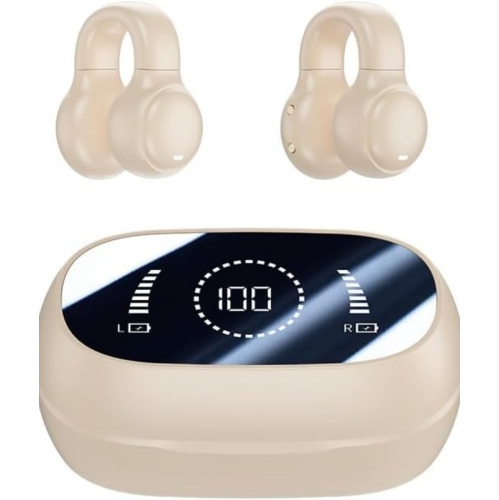
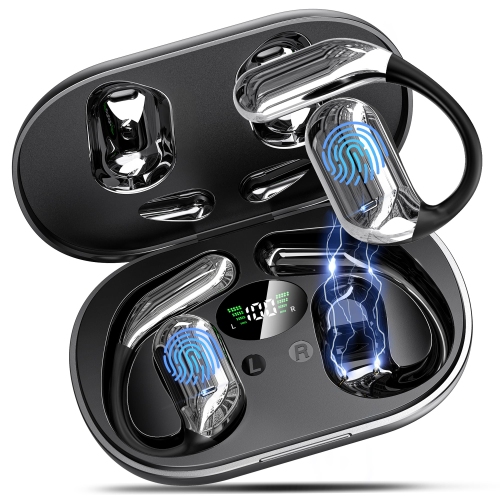
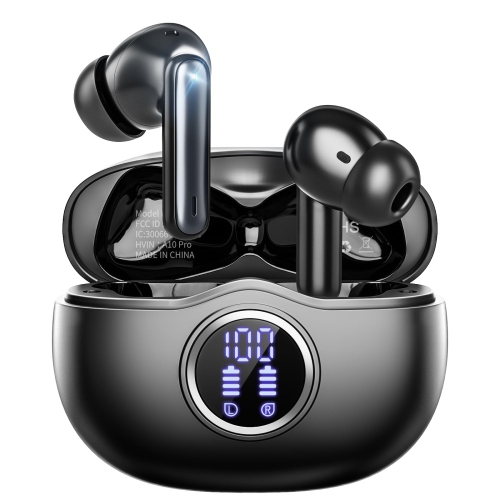
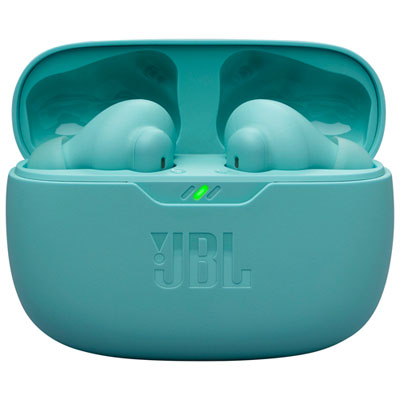
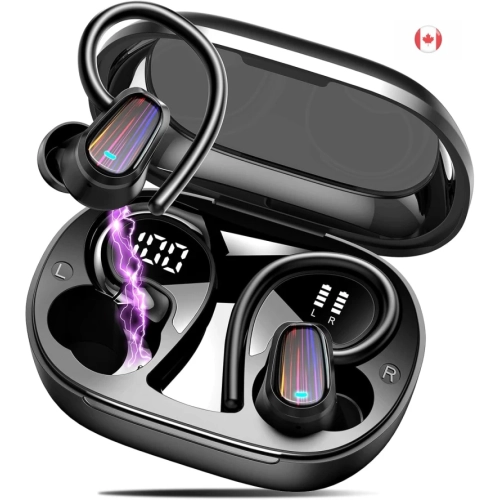
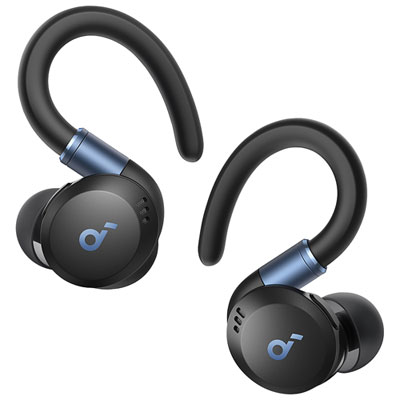
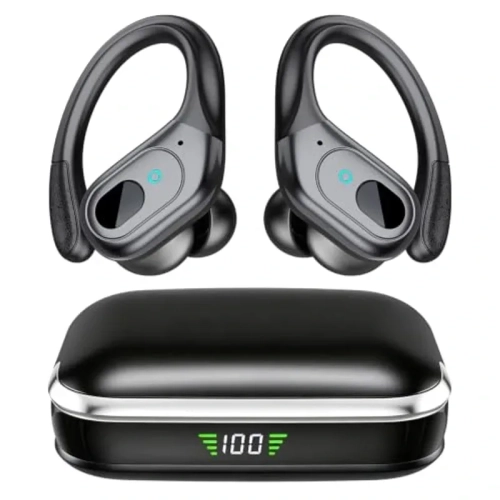
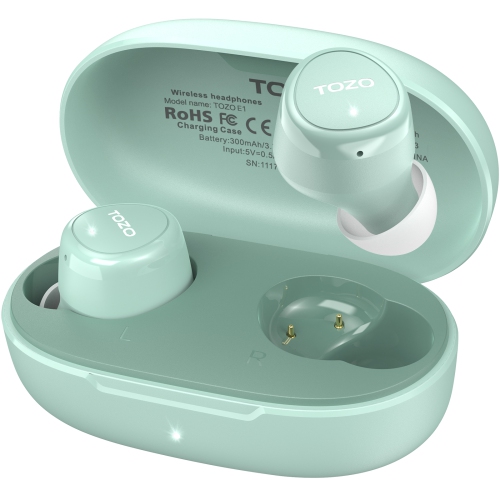
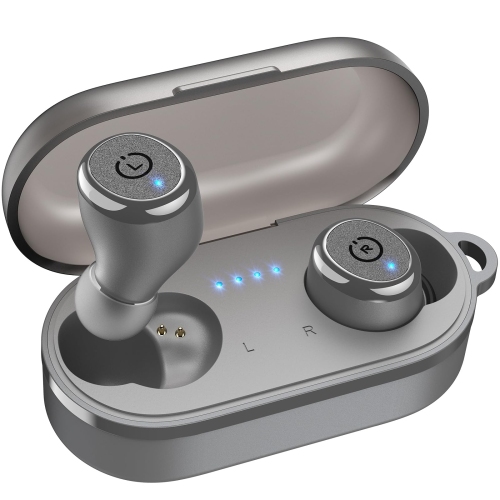
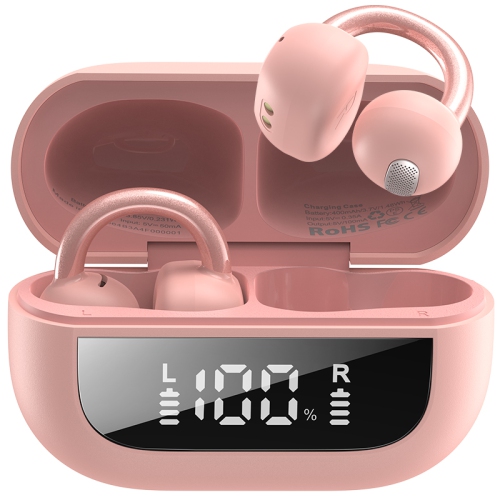
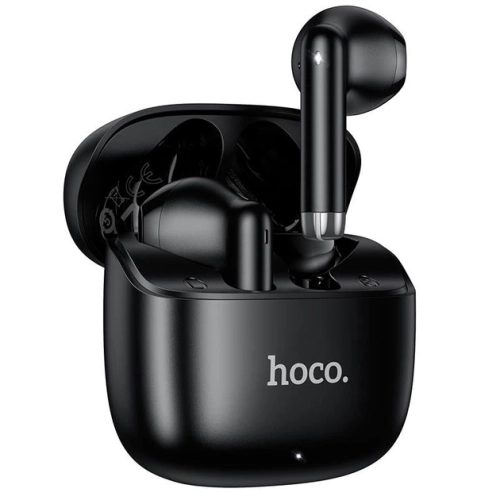

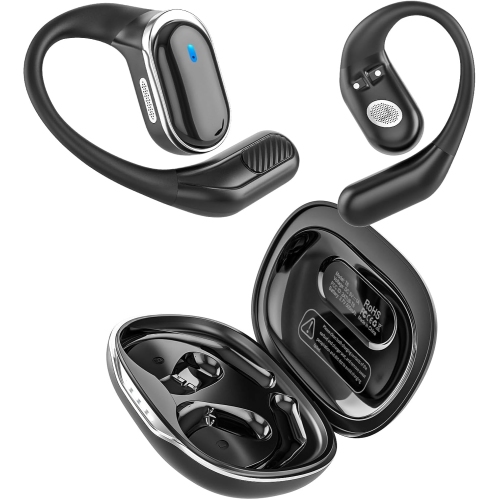
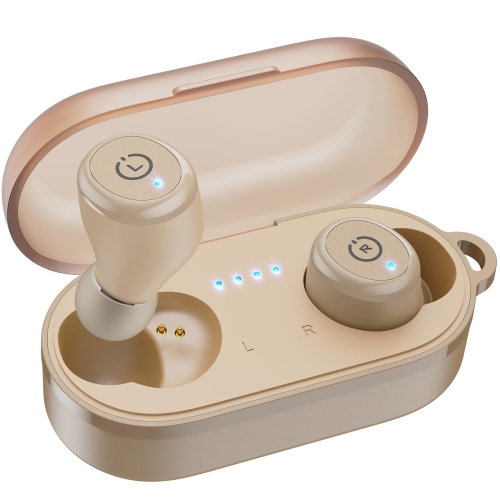
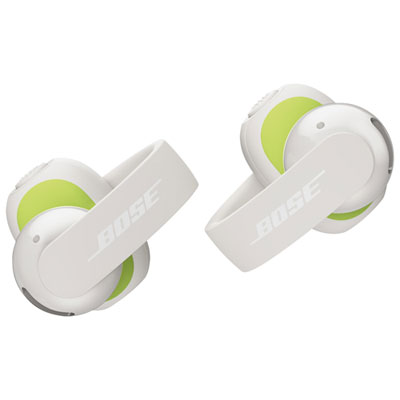
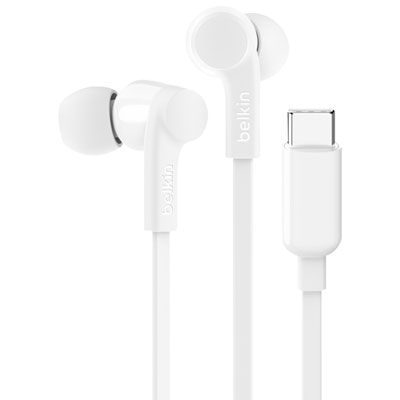
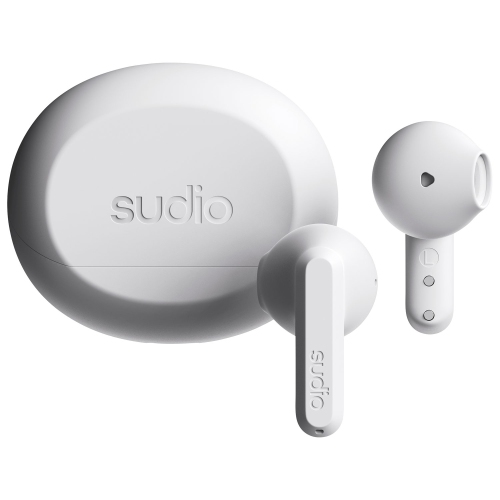
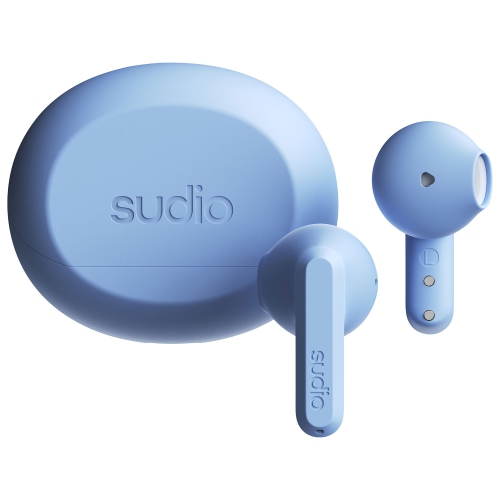
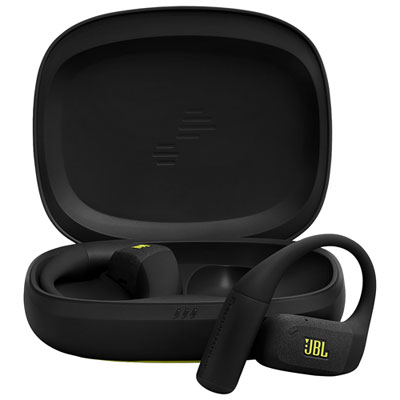
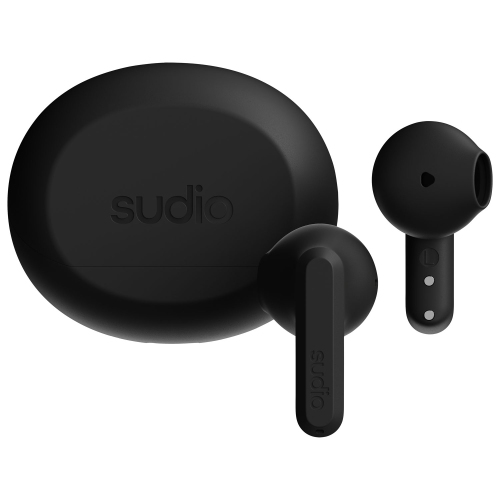
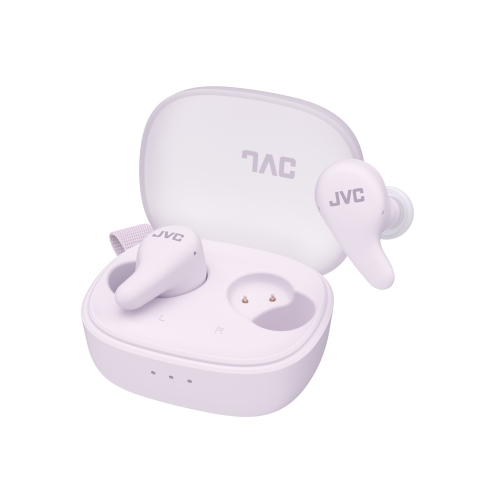
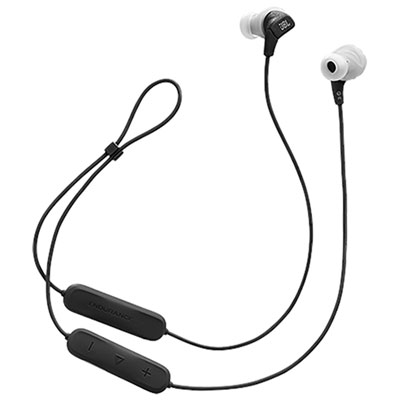
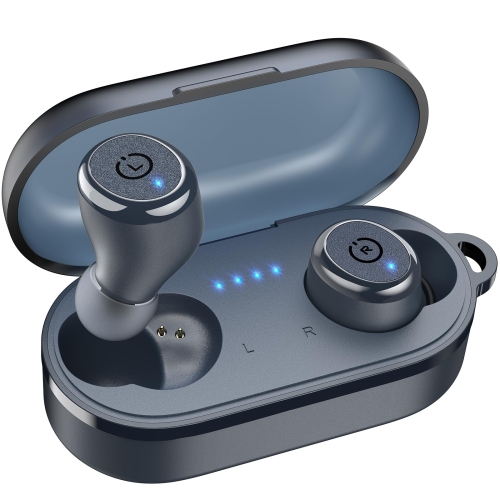
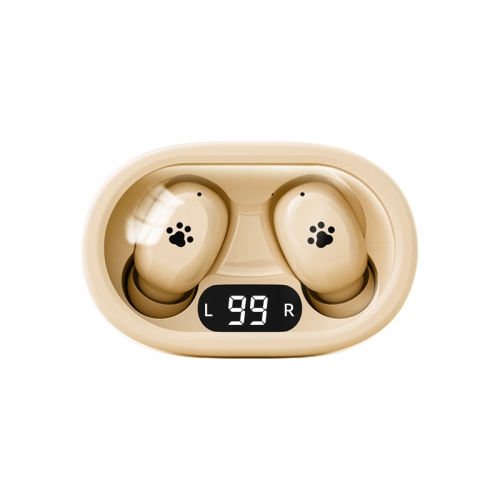
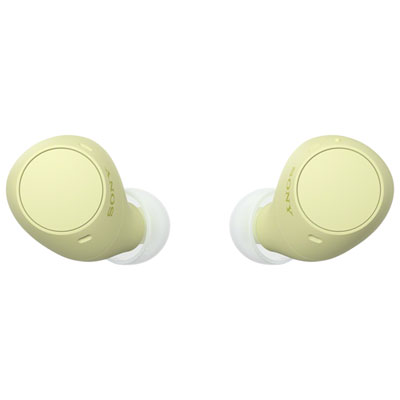

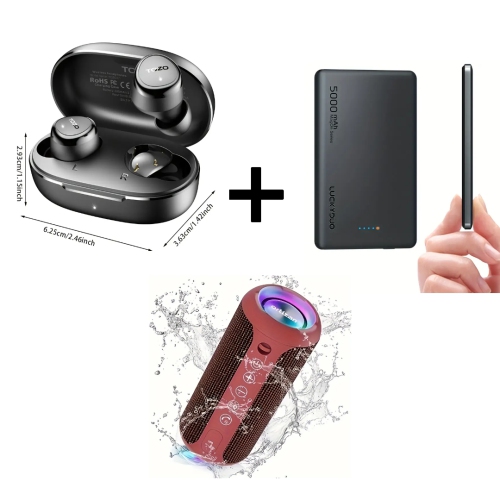
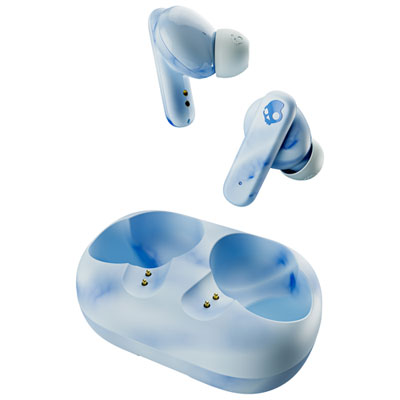
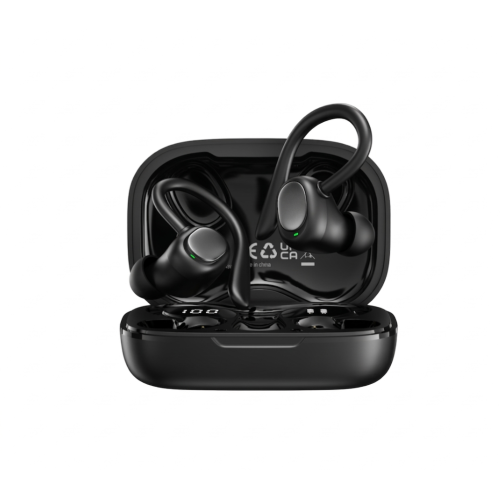
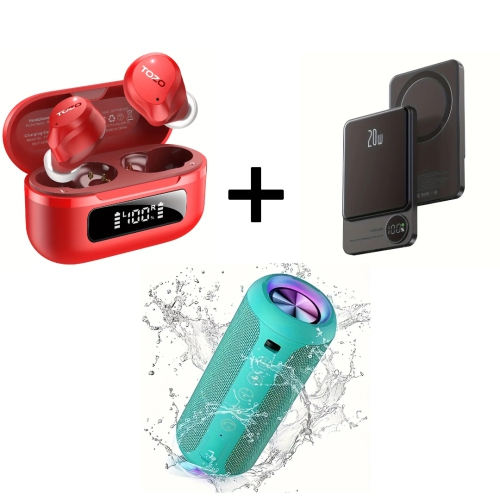
Why an immersion rating does not guarantee swim readiness
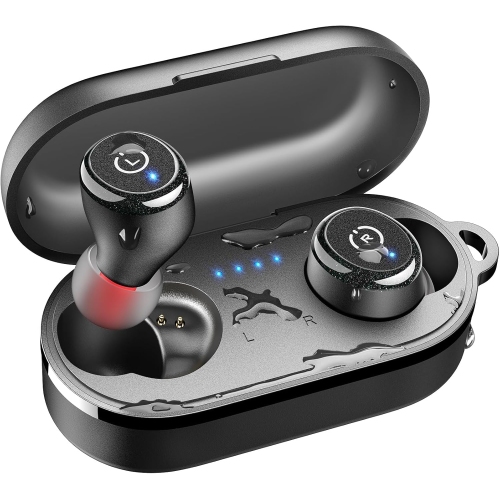
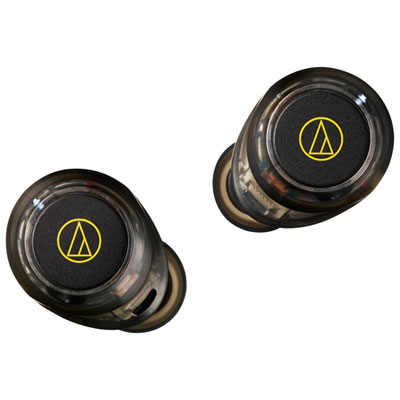
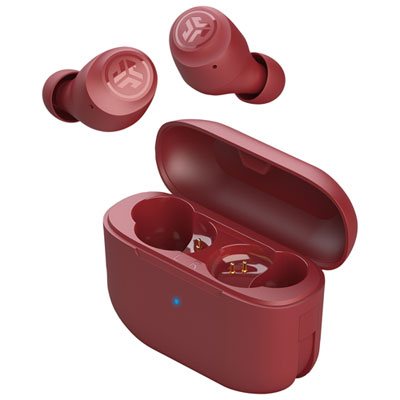
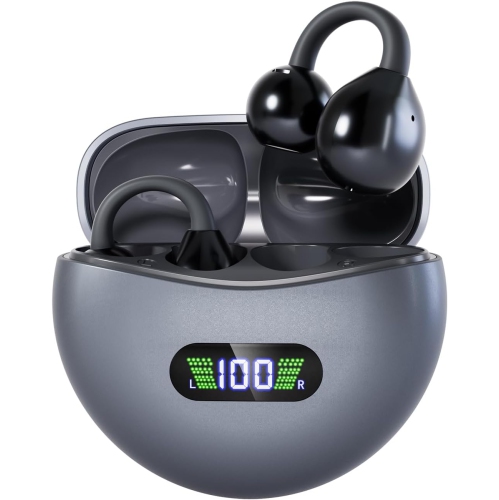
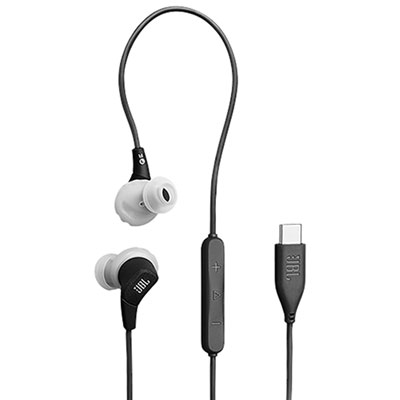
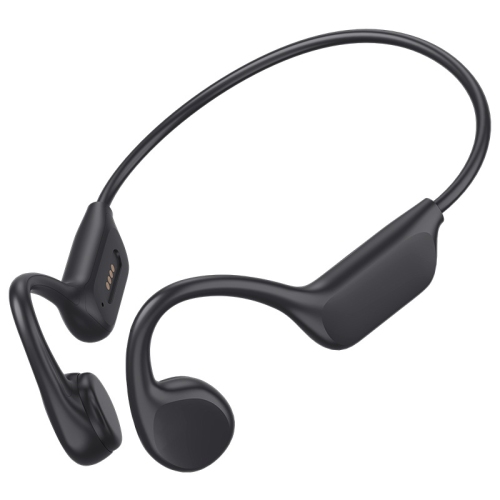
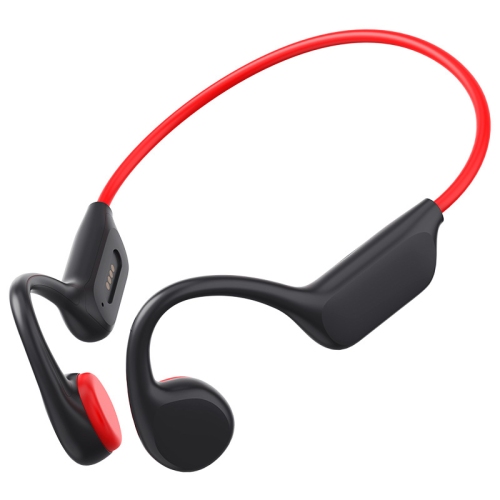
Waterproof earbuds bring personal audio to activities where splashes, perspiration and accidental contact with water are part of the routine. The word “waterproof” does not mean unlimited protection, though: an earbud’s ingress protection (IP) rating and the manufacturer’s stated uses define what it can handle. IPX7 indicates protection against temporary immersion under specified laboratory conditions, commonly described as up to one metre of fresh water for 30 minutes. IP68 combines a dust-tight rating with protection against immersion at a depth and duration specified by the manufacturer; those details matter more than the number alone. The “X” in IPX7 means that a dust-protection rating is not specified, rather than confirming either dust protection or its absence. Splash-resistant ratings such as IPX4 address a different level of exposure and should not be treated as equivalent to an immersion rating. These distinctions separate earbuds suited to a demanding workout from audio equipment expressly designed for swimming. Most standard Bluetooth earbuds cannot maintain a reliable connection to a phone underwater because water strongly attenuates the wireless signal. Swimming therefore calls for an explicitly swim-approved design, typically with onboard music storage or another playback system intended for underwater use, rather than ordinary Bluetooth streaming. An immersion rating alone does not establish suitability for swimming laps, diving or use in a shower. Moving water, soap, salt and pool chemicals introduce conditions that a basic fresh-water test does not cover, and sweat resistance should also be confirmed in the product’s stated specifications. For everyday listening where protection against splashes is the main concern, Water Resistant Earbuds offer a related category, with the appropriate level of protection depending on each design. Clear information about permitted activities, exposure limits and care requirements makes it easier to distinguish a useful safeguard against an accidental dunk from a feature intended for regular water-based activity. Water protection is most meaningful when it matches the way the earbuds will actually be worn.
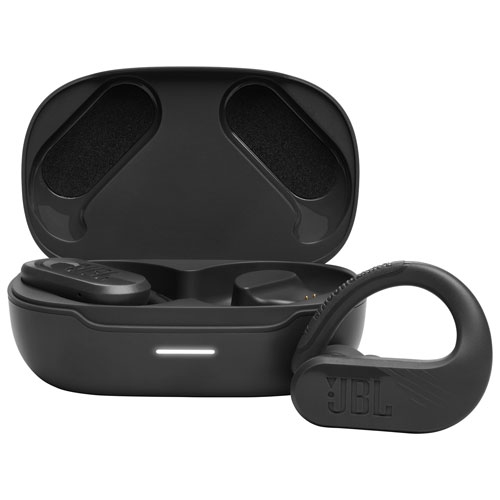
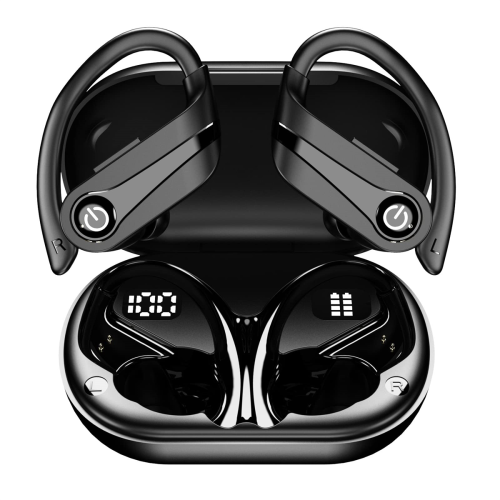
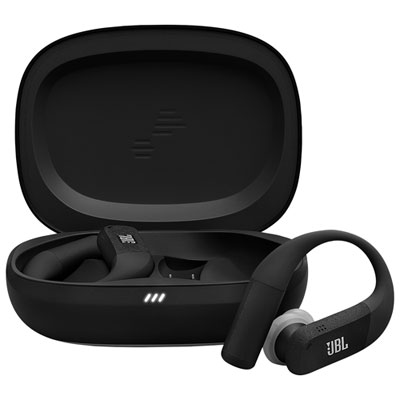
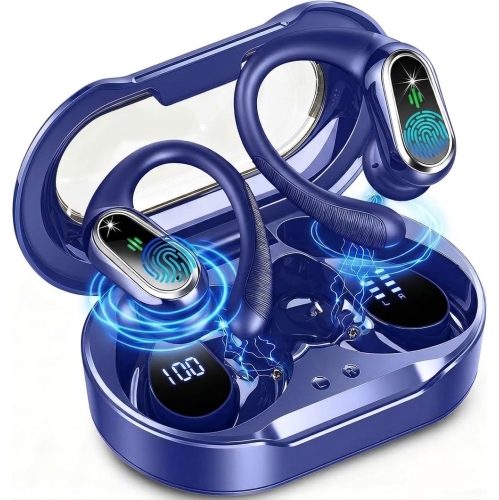
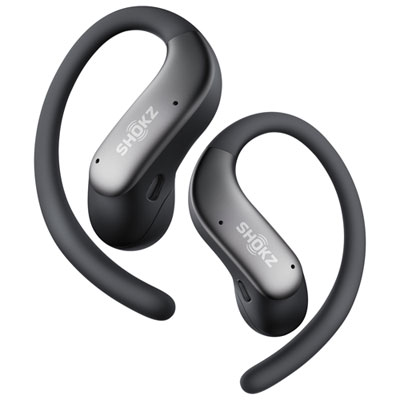
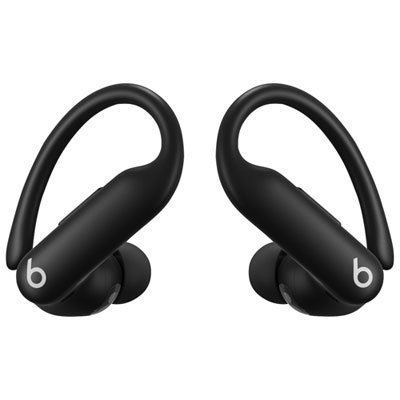
Fit has just as much influence on everyday satisfaction as the protection rating. A compact earbud that feels secure while sitting may loosen during a treadmill session, especially when movement and perspiration change how the ear tip sits. Soft silicone tips in several sizes allow a more tailored seal, while stabilizing fins or ear hooks can provide additional support during repeated movement. These features serve different preferences: some listeners favour a discreet shape with little contact around the outer ear, while others appreciate the reassurance of a hook during circuit training. A firm seal should not require painful pressure, and the left and right ears may need different tip sizes. Tip materials also affect cleaning and maintenance; silicone can often be wiped clean, whereas foam tips may have different moisture restrictions and replacement needs. The manufacturer’s instructions remain important for both the earbud body and any removable accessories. A consistent seal supports bass response and passive noise isolation, helping music sound fuller without relying solely on higher volume. Active noise cancellation can reduce steady background sounds, such as ventilation or the hum of public transit, but it does not improve the water-protection rating. Transparency or ambient-listening modes bring some surrounding sound into the listening mix, although they are not a substitute for paying attention around equipment, traffic or other people. For a gym routine, controls that respond reliably with damp hands can be more useful than an extensive set of touch gestures. Physical buttons and touch panels offer different trade-offs in pressure, sensitivity and ease of use. Microphone performance, call clarity and compatibility with a preferred phone also shape the experience between workouts. Someone moving from a training session to a call may value clear voice pickup, while a listener settling into a long playlist may care more about comfort and a balanced sound. Water protection supports those uses without replacing the basics of good audio design.
Battery life and charging habits determine how easily waterproof earbuds fit into a daily routine. The listening time from a single charge is different from the combined total offered by the charging case, and features such as active noise cancellation, call use and higher playback volume can reduce runtime. A quick-charge function may help before a short session, while a clear battery indicator makes it easier to plan longer listening. Protection also needs to be considered separately for the earbuds and their case: a water-rated pair of earbuds does not automatically come with a case carrying the same rating, or any water rating at all. Moisture around charging contacts can cause problems even when the earbud housing is designed to withstand water exposure. After use, surface moisture should be removed with a soft, lint-free cloth, and the earbuds should be fully dry before returning to the case or connecting to power. Rinsing is appropriate only when the manufacturer specifically permits it, using the stated method; an immersion rating is not a general instruction to wash the earbuds under a tap. Sharp tools, abrasive cleaners and heat used to speed drying can damage meshes, seals or finishes. Removable tips need their own cleaning routine, and keeping sound outlets clear helps preserve consistent audio. Water resistance can also diminish as seals age or housings suffer impacts, so a cracked shell or damaged mesh deserves attention even if playback still works. For frequent gym users, runners and people who want added protection during active listening, the most practical features are often a comfortable fit, clearly defined water protection and straightforward maintenance. Waterproof earbuds can also make a thoughtful gift for someone who enjoys fitness or portable audio, particularly when their preferred fit and phone compatibility are known. Matching the design to that person’s actual activities is more useful than treating the highest-looking rating as the only measure of suitability.
Top selling and popular products
-
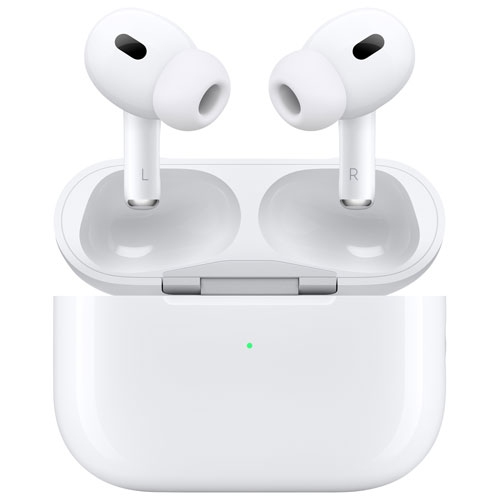 Your price for this item is $349.99
-
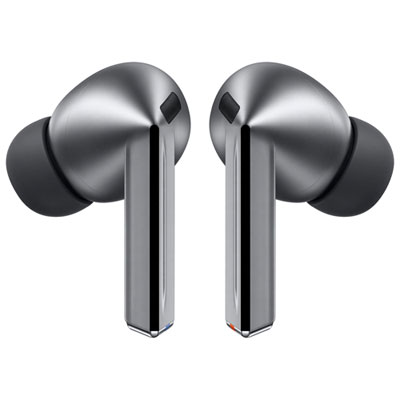 Your price for this item is $329.99
-
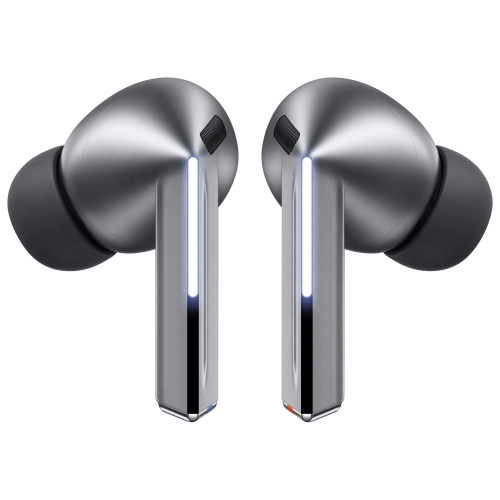 Your price for this item is $229
-
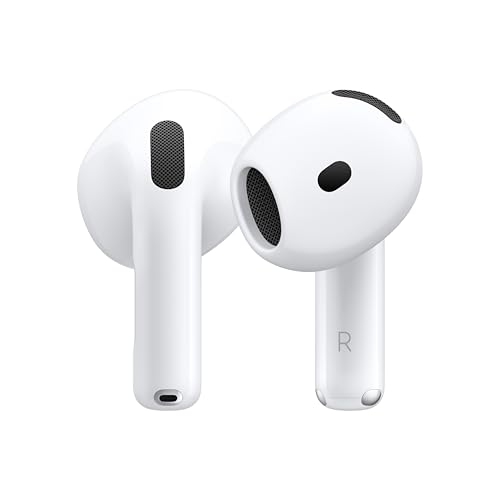 Your price for this item is $354.66
-
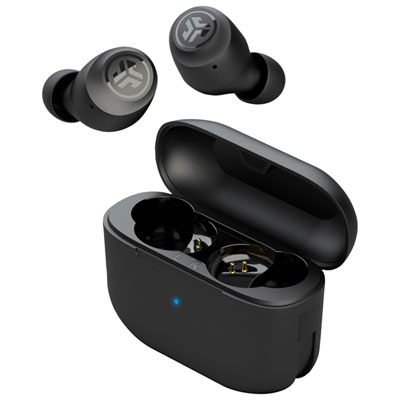 Your price for this item is $19.99
-
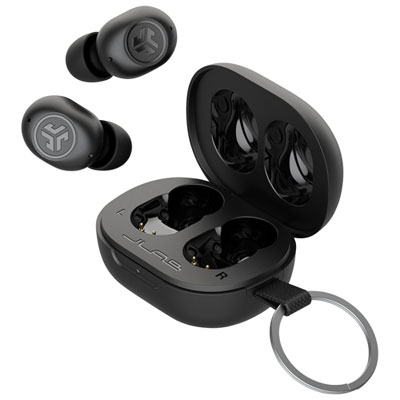 Your price for this item is $59.99
-
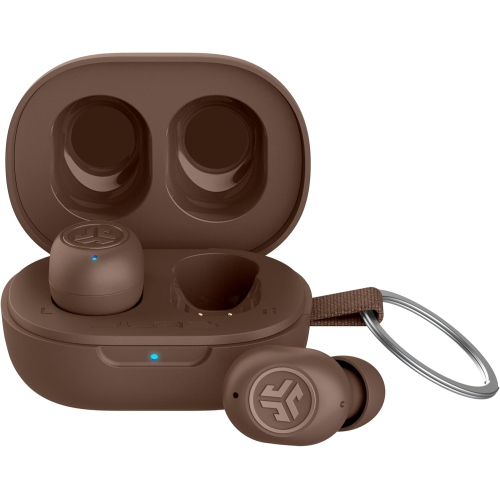 Your price for this item is $107.49
-
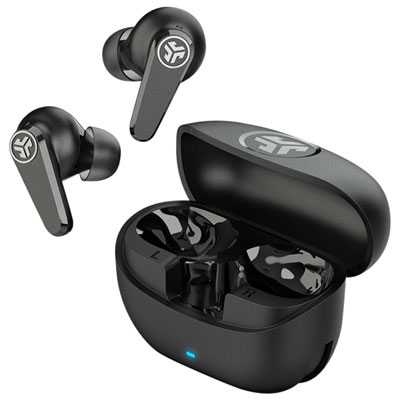 Your price for this item is $59.99
Discover more categories related to Waterproof Earbud
Top Collections:
Best Black Friday Deals This Year, Best Black Friday Deals On Electronics, Kindle Devices, Dyson Airwrap, Best Cameras for Sports Photography, Best Budget Office Chairs, Canon G7X Cameras, PS5 Pro Consoles, Best Black Friday Deals On Apple Products, XBOX One S Consoles
Some products may be subject to Environmental Handling Fees
(EHF) depending on your province.
Learn more about EHFs.