Wide Dispersion Ceiling Speakers
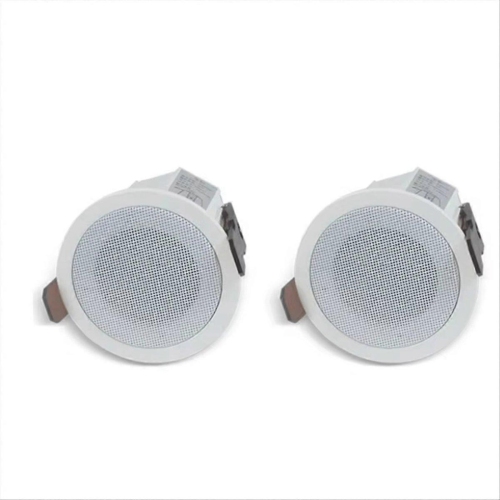
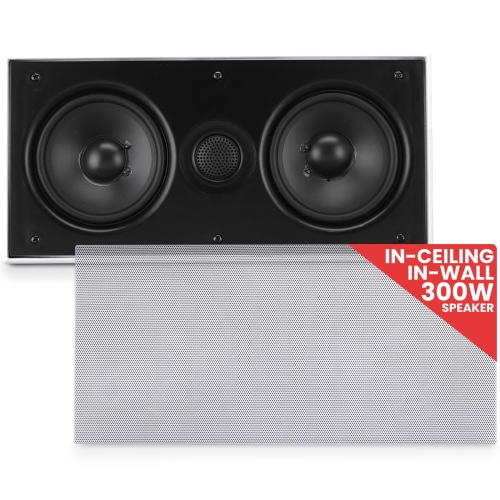
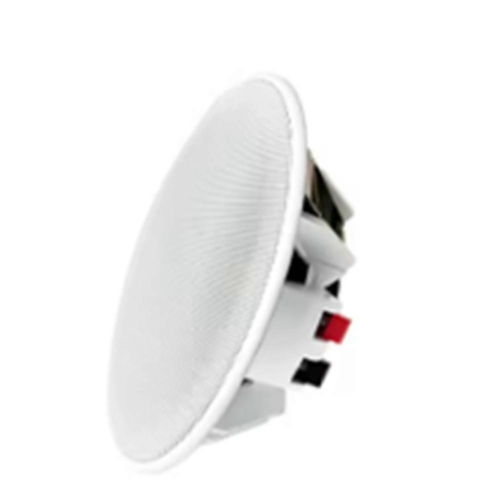
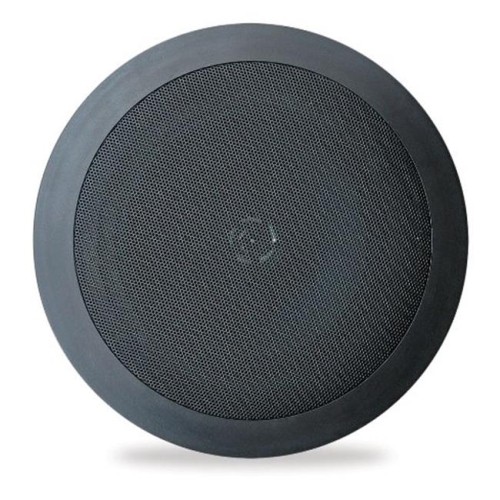
Wide Dispersion Ceiling Speakers are an excellent choice for delivering immersive audio throughout any room. Designed to provide consistent sound coverage, these speakers blend seamlessly into ceilings for a clean, modern look. Ideal for home theaters, offices, or commercial spaces, Wide Dispersion Ceiling Speakers help create an even listening experience in larger areas. Explore a variety of options to find the perfect fit for your space and enjoy high-quality audio from above.
Sort











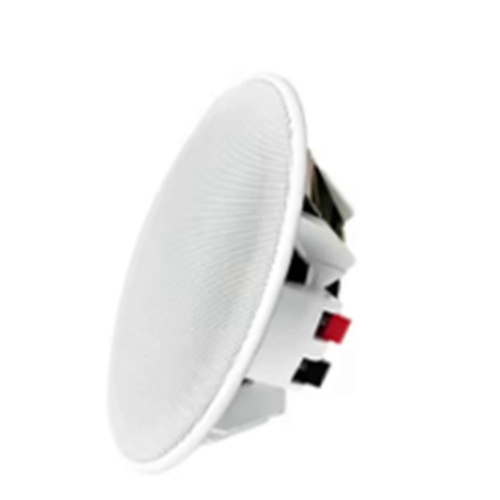
Why sound coverage matters beyond your favourite seat
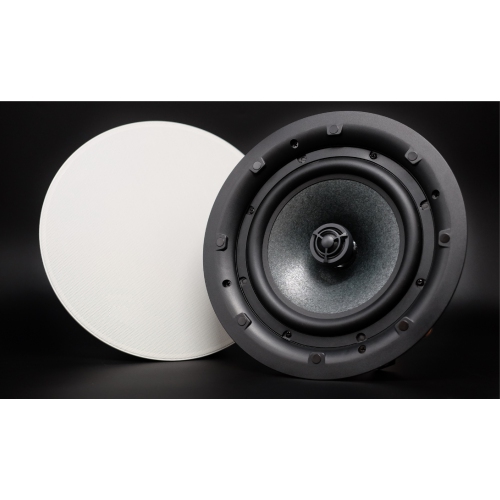
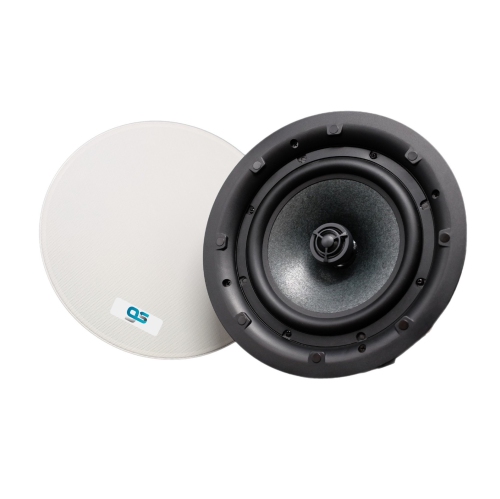
Wide dispersion ceiling speakers are designed to spread sound across a broad listening area rather than concentrate it directly beneath each speaker. Their driver arrangement, tweeter design, and acoustic shaping help maintain useful coverage as listeners move away from the centre of the speaker’s output. This is especially relevant at higher frequencies, where sound can become more directional and details may fade for people sitting or standing off to one side. In an open-plan kitchen and dining area, broad coverage can help music remain clear from the island to the table without requiring everyone to gather under a single speaker. In a living room, it can give several seats a more consistent listening experience while keeping cabinets and speaker stands off the floor. Wide dispersion does not mean identical sound in every corner, however. Ceiling height, room dimensions, furnishings, and speaker placement all affect the result. A coverage angle is most useful when considered alongside the frequencies at which it was measured, since a speaker’s radiation pattern changes across its operating range. A broad pattern may suit a low ceiling or a room with several listening positions, while a more controlled pattern can be useful where sound needs to stay within a particular seating area. Speech, acoustic instruments, and background music can all benefit from balanced coverage, but bass performance still depends on driver size, enclosure design, installation, and the room itself. A larger woofer may provide greater low-frequency capability, while a compact design may be easier to fit between ceiling joists. Neither size nor a wide coverage claim alone establishes how full or clear a speaker will sound. For everyday listening, the appeal is a discreet system that supports conversation, meal preparation, reading, or entertaining without making one spot noticeably louder than the rest. The most suitable designs balance broad coverage with the output, tonal character, and physical dimensions needed for the space.
The construction of an in-ceiling speaker matters both acoustically and practically, particularly because much of the assembly sits out of sight. Woofer cones may use polypropylene, treated paper, woven fibre, or other materials chosen to balance stiffness, weight, and damping. Tweeters may use fabric or metal diaphragms, sometimes paired with a waveguide or acoustic lens to shape their spread. These materials contribute to performance, but no single cone or dome material guarantees wider coverage or better sound. A fixed wide-dispersion design also differs from an adjustable tweeter: one is intended to distribute sound broadly, while the other allows some control over where higher frequencies are directed. Some designs combine both approaches. At the ceiling surface, a low-profile grille can blend into a simple painted finish, and a paintable grille offers flexibility when the manufacturer permits it. Paint must not clog the perforations or reach the drivers, as blocked openings can affect sound. Fit involves more than the visible grille diameter. The required cut-out, mounting depth, ceiling thickness, and clearance around joists, pipes, wiring, and ductwork determine whether a speaker can be installed properly. An existing opening may need a different size than expected, even when two grilles look similar from below. Mounting clamps and supporting hardware must be suitable for the ceiling material, and an approved back enclosure may help provide a more predictable acoustic space behind the driver. A back enclosure can also limit some sound transfer into the ceiling cavity, though it does not make a room soundproof. Where required, fire-rated accessories and appropriate in-wall speaker cable are part of the installation rather than optional finishing touches. A qualified installer can assess structural clearances and applicable requirements before any openings are cut. In bathrooms or other moisture-prone rooms, suitability depends on an explicit moisture-resistance rating and the permitted installation location; a metal grille or plastic cone alone does not establish protection. Routine care is generally straightforward: gentle dusting with a soft, dry cloth helps keep the grille clean, while avoiding sprays, excess moisture, and pressure on delicate drivers helps protect the assembly.
System matching gives wide dispersion ceiling speakers their intended role, whether that is relaxed whole-room music or a more defined home theatre experience. Many in-ceiling designs are passive and require a compatible amplifier or receiver, with speaker cable running to each location. Impedance, power handling, and amplifier capability need to work together, particularly when several pairs share a system. Sensitivity also matters because it affects how much amplifier power is needed to reach a given sound level. In larger commercial installations, transformer-equipped ceiling speakers may use a distributed audio system rather than the connections typical of a home receiver; these approaches are not interchangeable without suitable equipment. For music at home, a conventional stereo pair places the left and right channels in separate speakers, while a single-speaker stereo design accepts both channels through a purpose-built arrangement. That distinction can matter in a small room where there is space for only one ceiling opening. A broad sound pattern alone does not turn a single-channel speaker into a stereo speaker. In a media room, ceiling speakers may instead serve overhead or surround duties within a compatible system. The related selection of Surround Sound Ceiling Speakers focuses on that application, where channel placement and the relationship to the main listening seats matter as much as overall coverage. Broad dispersion can help several viewers hear overhead effects, but speaker positions still need to follow the system’s layout requirements. A separate subwoofer can supply deeper bass, allowing the ceiling speakers to handle the frequencies they reproduce most effectively. Across these uses, room surfaces remain important: bare floors, glass, and large uninterrupted walls can make reflected sound more prominent, while rugs, upholstered seating, and curtains can soften it. Wide coverage works best as part of a balanced installation, giving households, shared workspaces, and reception areas clear, unobtrusive audio suited to how people actually use the room.
Top selling and popular products
-
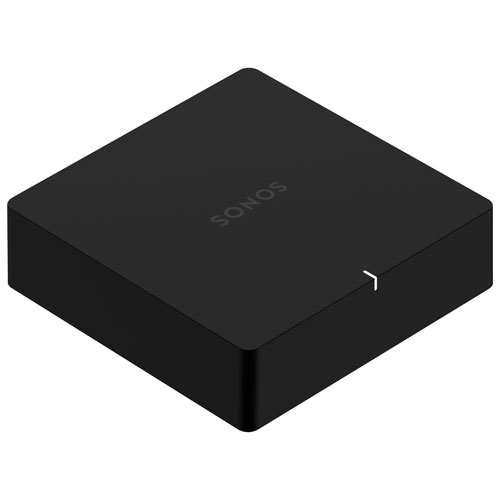 Your price for this item is $609.99
-
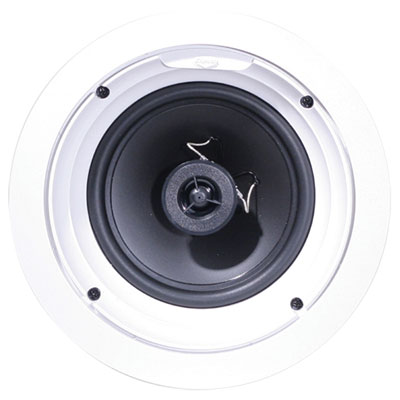 Your price for this item is $109.99
-
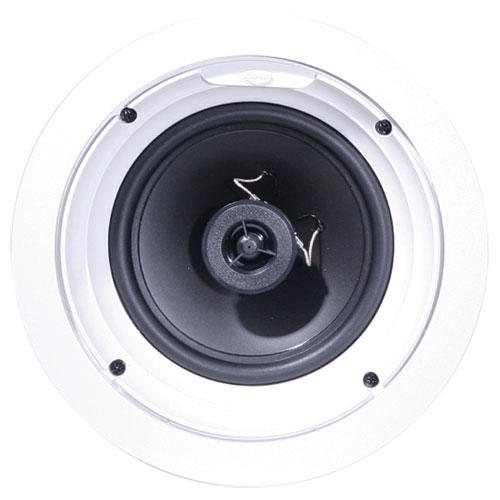 Your price for this item is $89.99
-
 Your price for this item is $999.99
-
 Your price for this item is $399.88
-
 Your price for this item is $288.88
-
 Your price for this item is $875
-
 Your price for this item is $89.99
Discover more categories related to Wide Dispersion Ceiling Speakers


Top Collections:
Pokemon Centers, Best Cameras for Sports Photography, Kindle Devices, Samsung Galaxy Phones, Canon G7X Cameras, Pokémon 30th Celebration Cards, Refurbished Apple Laptops, iPhone 15 Apple, Laptops for Students, Budget Smartphones
Some products may be subject to Environmental Handling Fees
(EHF) depending on your province.
Learn more about EHFs.