Wireless Earbuds for Work
Wireless Earbuds for Work are designed to help you stay focused and productive throughout your busy day. Whether you’re taking calls, joining virtual meetings, or listening to music while tackling tasks, these versatile earbuds offer the convenience of cable-free connectivity. Explore a wide selection of styles and options to find the perfect fit for your professional needs, ensuring comfort and performance from your morning commute to after-hours projects. Discover how Wireless Earbuds for Work can enhance your daily routine and keep you connected wherever your job takes you.
Sort
Clear calls take more than noise cancellation
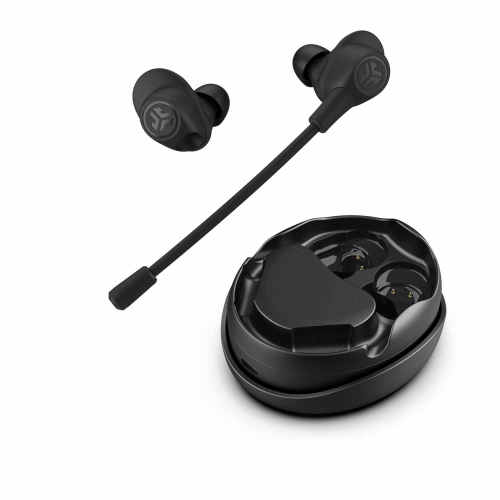
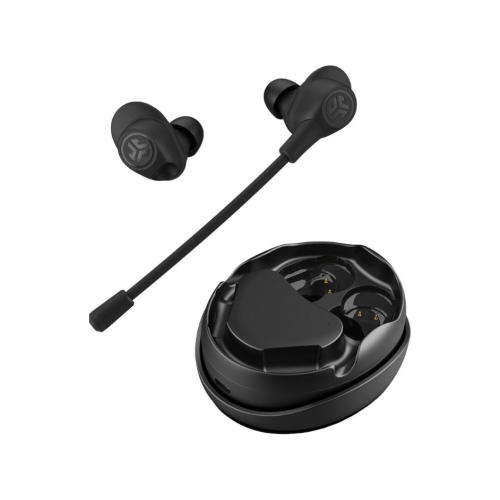
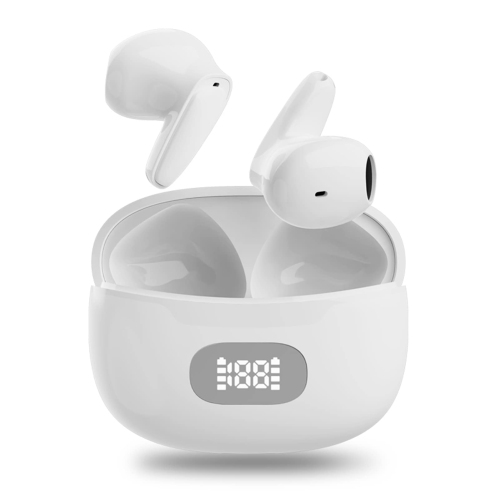
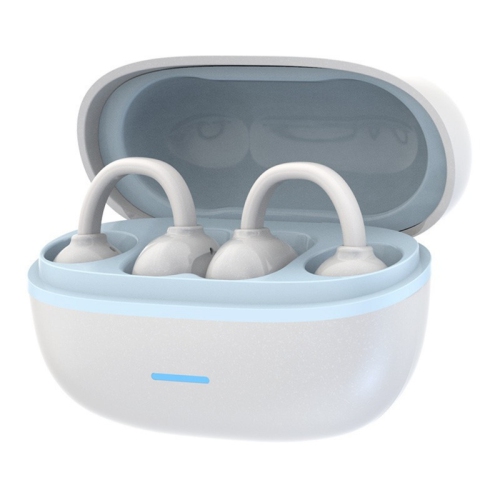
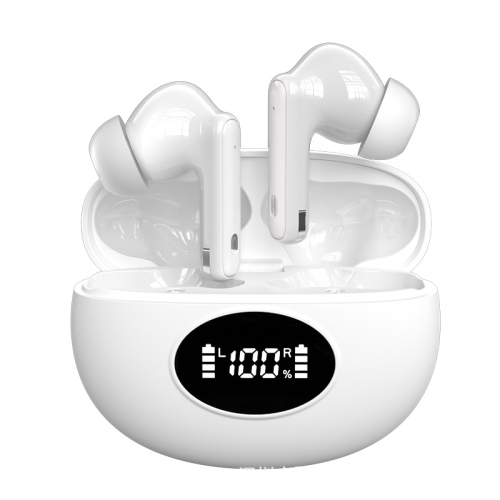
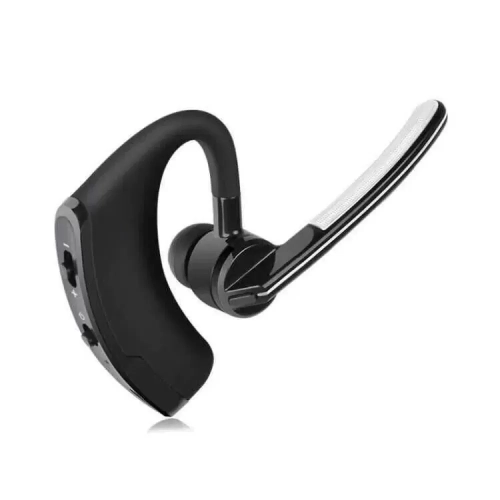
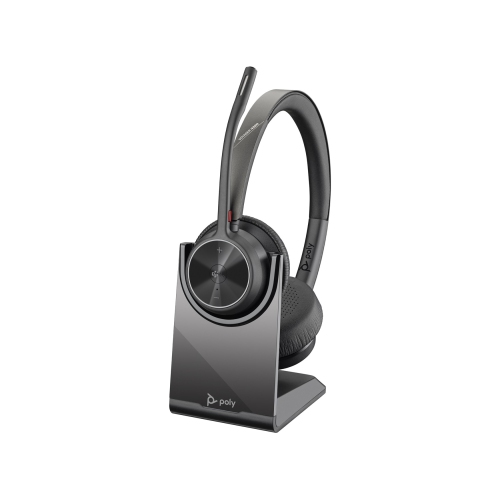
Wireless earbuds for work suit a range of routines, from taking calls at a shared desk to joining video meetings from a home office or listening to music between appointments. The most useful features depend on how much of the day involves conversation rather than listening. For frequent calls, microphone clarity matters as much as playback quality: a clear voice helps colleagues follow a conversation without repeated requests to speak up. Microphone noise reduction processes incoming sound to help separate speech from background activity, while active noise cancellation reduces some of the sound heard by the wearer. These are different functions, and strong listening isolation does not automatically mean clearer outgoing calls. Microphone placement, voice processing, fit, and the surrounding noise all affect results. Some work-focused designs include an extended or detachable boom microphone that places the microphone closer to the mouth, while others keep everything within a compact earbud housing. Bluetooth multipoint can be useful when a workday moves between a laptop and a phone, allowing compatible earbuds to maintain connections with both devices. How calls take priority and how audio switches can vary, so support for two connected devices should not be confused with playing sound from both at once. Compatibility with a computer’s operating system, Bluetooth hardware, and meeting software also influences the experience. Answering a call, muting the microphone, or adjusting volume directly from the earbuds may work differently across applications. A mute control is particularly useful during a busy meeting, although its behaviour should be checked with the software used for work. For people who alternate between focused listening and brief conversations, support for using either earbud independently can add flexibility. The other earbud may remain in its case while a short call is handled, provided the design supports that arrangement. These details make wireless earbuds for office use more than a smaller alternative to a headset; they shape how smoothly audio fits into everyday tasks.
Comfort becomes especially noticeable when several short meetings turn into an afternoon of listening. Lightweight housings, rounded contact points, and a choice of ear tip sizes can help reduce pressure, but fit is individual, and each ear may need a different tip size. Silicone tips are commonly used for their flexibility and wipe-clean surface, while compatible foam tips compress before expanding to follow the shape of the ear canal. Foam can provide a snug seal, though it generally needs gentler cleaning and periodic replacement. A secure fit should feel stable during ordinary movement without requiring the earbuds to be pushed in forcefully. The seal also affects sound: a loose fit can weaken bass and make outside conversation more distracting. Closed in-ear designs can provide passive isolation, with active noise cancellation adding further reduction of certain background sounds. ANC is often most effective against steady, lower-frequency noise, such as ventilation hum, rather than making nearby voices or sudden sounds disappear. Transparency or ambient sound modes use microphones to bring outside sound into the listening experience, which can make a quick exchange with a colleague more convenient. They do not guarantee that every announcement or warning will be heard. In workplaces with machinery, vehicle traffic, or other hazards, earbud use must follow workplace rules, and active noise cancellation is not a substitute for required certified hearing protection. At an ordinary desk, an open fit may feel less isolating, while a sealed fit may better suit concentrated listening. Neither approach is universally better. Sound preferences matter too: clear speech supports calls and spoken recordings, while adjustable equalizer settings can help tailor music without relying on higher volume. Touch controls can feel convenient, but their placement matters when adjusting an earbud or brushing hair away. Physical buttons offer a more distinct press, although pressing too firmly can move the earbud. Comfortable listening at a moderate volume, with breaks between sessions, supports a more manageable routine than keeping earbuds in continuously throughout the day.
Battery life and charging habits are another practical part of wireless earbuds for work. The listening time from a single charge is different from the combined total quoted with a charging case, and both figures depend on how the earbuds are used. Calls, active noise cancellation, volume, and other features can change real-world running time, so a long day of meetings places different demands on a battery than occasional music playback. A case kept near the desk can make short charging breaks convenient, while a quick-charge feature may provide useful listening time before an unexpected call; the amount gained varies by design. USB charging and, where supported, wireless charging offer different ways to keep a case topped up. Durability also involves more than the outer shell. Sturdy housings, a secure case hinge, replaceable ear tips, and accessible charging contacts all contribute to everyday usability. A water-resistance rating applies only to the conditions specified for that design, and the charging case may have a different rating or none at all. Resistance to sweat or splashes should not be taken as permission to rinse or submerge the earbuds. Routine care is straightforward: follow the manufacturer’s cleaning directions, wipe compatible surfaces with a soft cloth, remove debris gently from accessible areas, and let everything dry fully before charging. Moisture, earwax, and pocket lint can interfere with charging contacts or sound openings, so storing the earbuds in their case helps protect them between uses. For a dedicated desk setup, Wireless Earbuds for Home Office offers a closely related focus for calls and listening in a space shared with household activity. Wireless earbuds can also make a practical gift for someone starting a desk-based role, moving between shared workspaces, or replacing a bulky audio setup. Familiarity with the recipient’s phone, computer, preferred fit, and calling habits makes the choice more personal than appearance alone. Whether the priority is clear conversation, fewer audible distractions, or a compact way to move between tasks, the best match is the one that fits comfortably into the actual working day.
Top selling and popular products
-
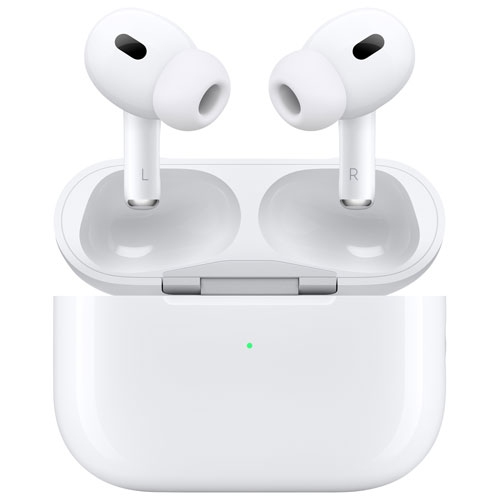 Your price for this item is $349.99
-
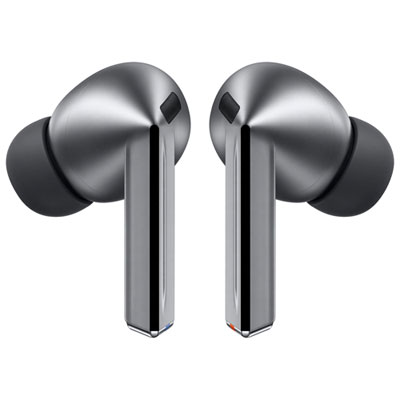 Your price for this item is $329.99
-
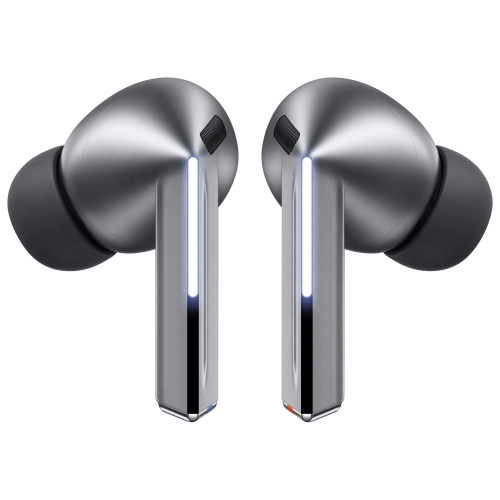 Your price for this item is $229
-
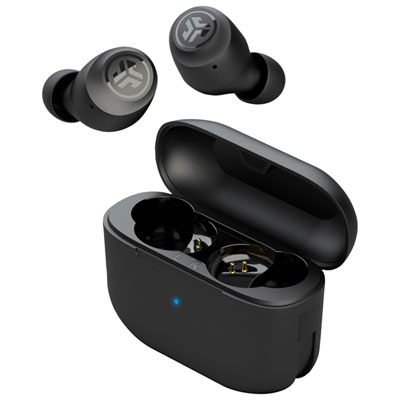 Your price for this item is $19.99
-
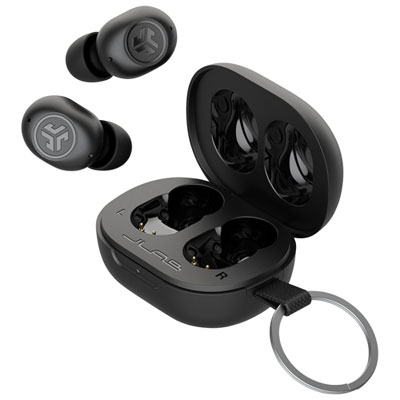 Your price for this item is $59.99
-
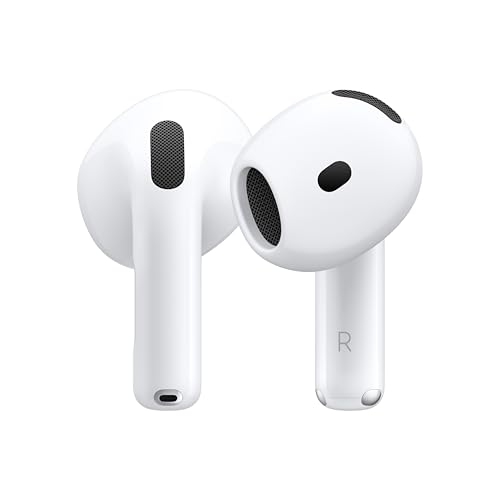 Your price for this item is $339.88
-
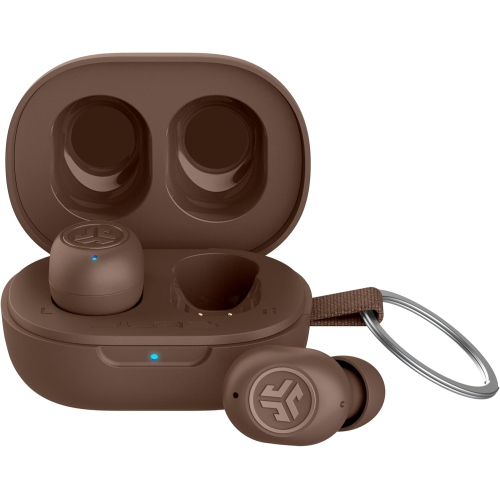 Your price for this item is $107.49
-
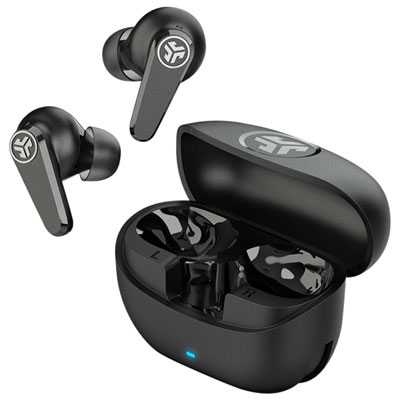 Your price for this item is $59.99
Discover more categories related to Wireless Earbuds for Work
Top Collections:
Best Black Friday Deals This Year, Best Black Friday Deals On Electronics, Kindle Devices, Pokemon Centers, Best Black Friday Deals On Apple Products, Best Cameras for Sports Photography, Dyson Airwrap, Pokémon 30th Celebration Cards, Apple iPhone 17 Pro, Canon G7X Cameras
Some products may be subject to Environmental Handling Fees
(EHF) depending on your province.
Learn more about EHFs.