Baby Change Tables
If you're looking for a convenient and functional solution to make diaper changes a breeze, this selection of baby change tables offers a variety of options to suit your needs. From compact designs perfect for small spaces to multifunctional units with ample storage, these change tables are designed with both style and practicality in mind. Ensure your little one stays comfortable and secure during diaper changes with these essential nursery pieces.
Sort
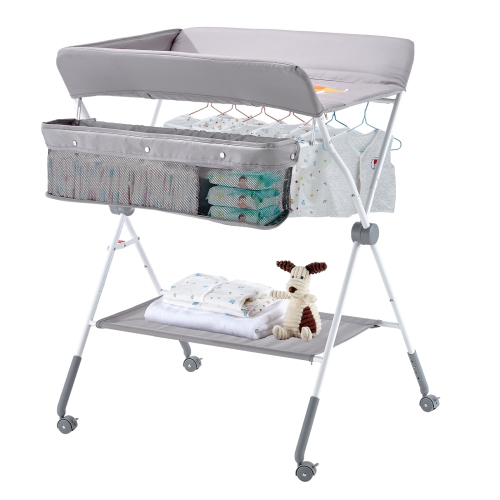
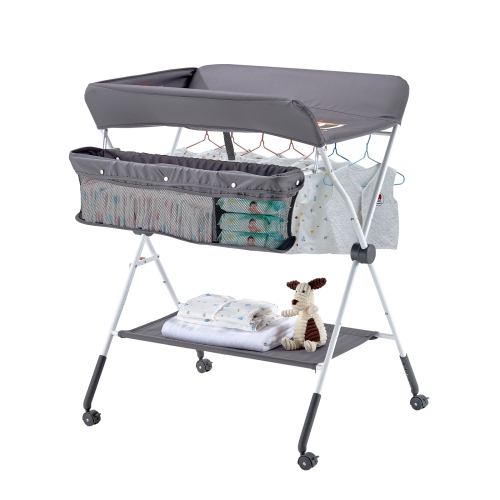


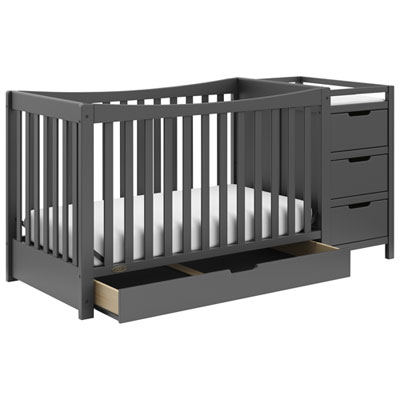
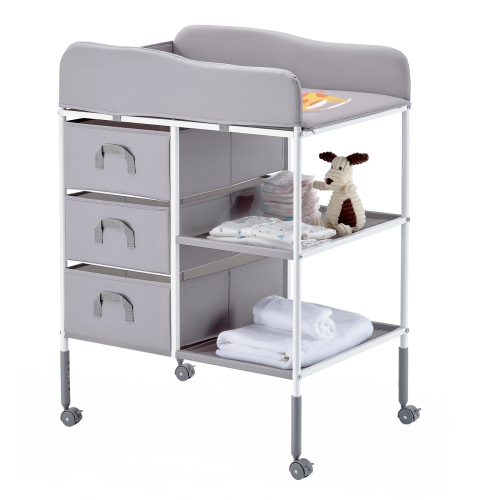
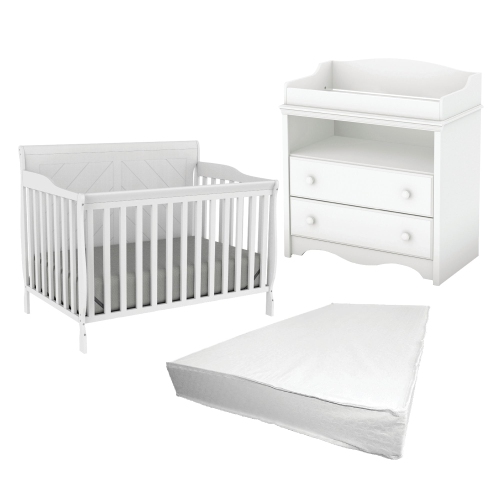
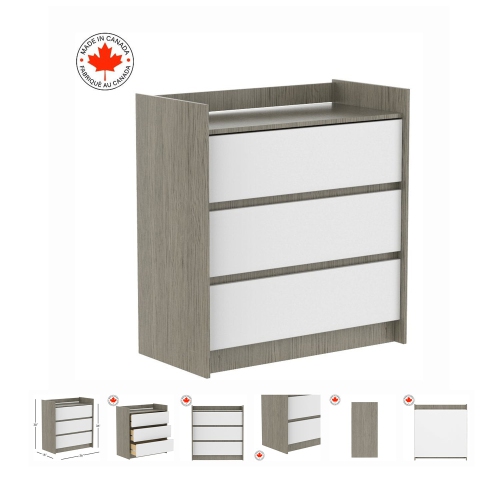
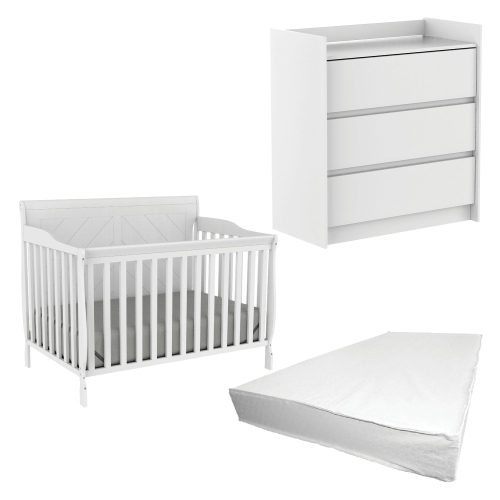
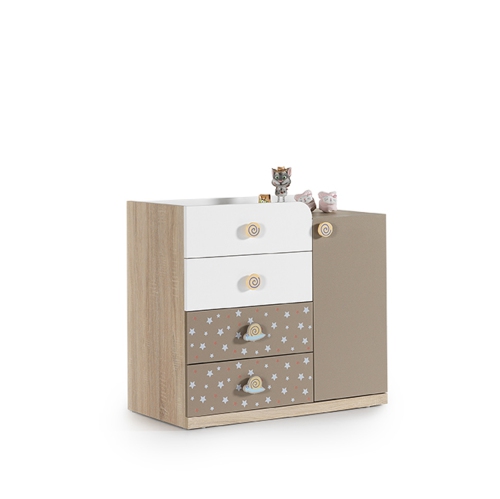
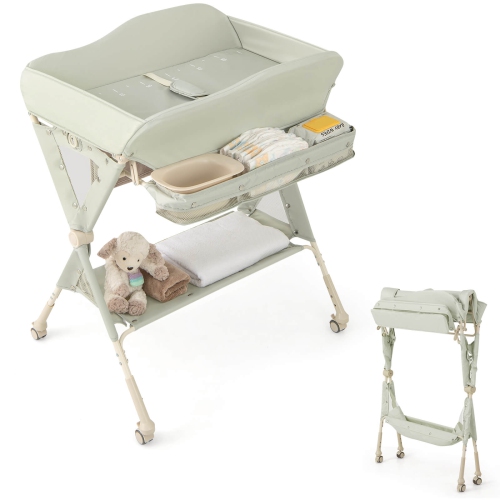
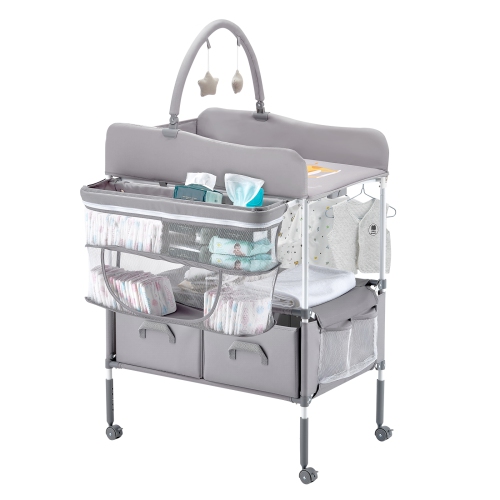
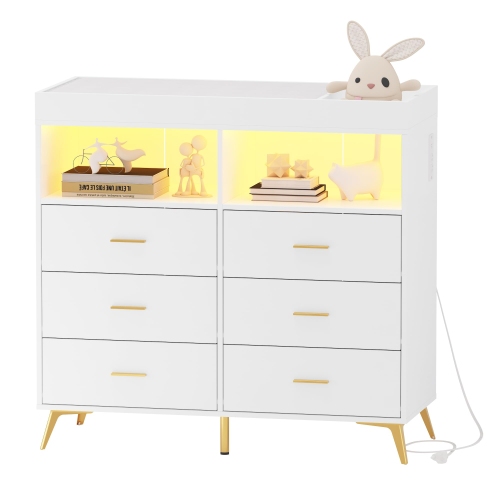
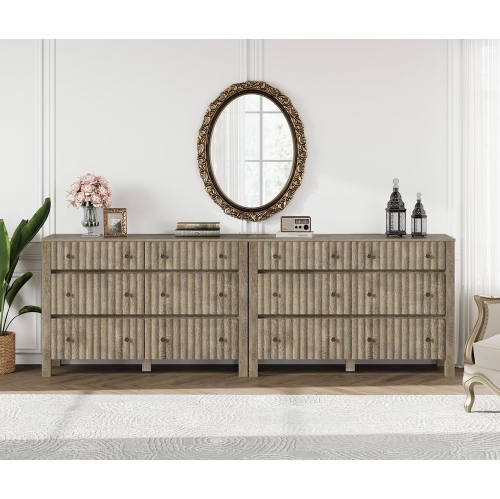
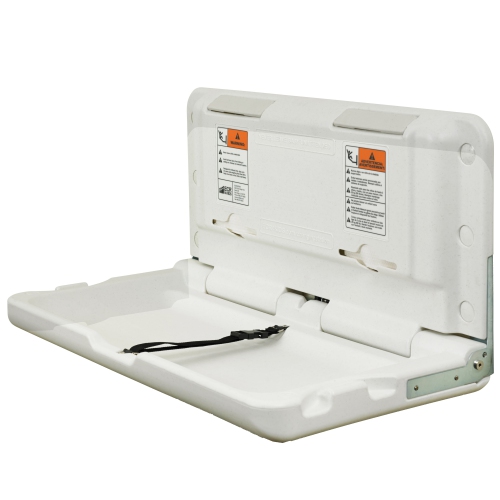
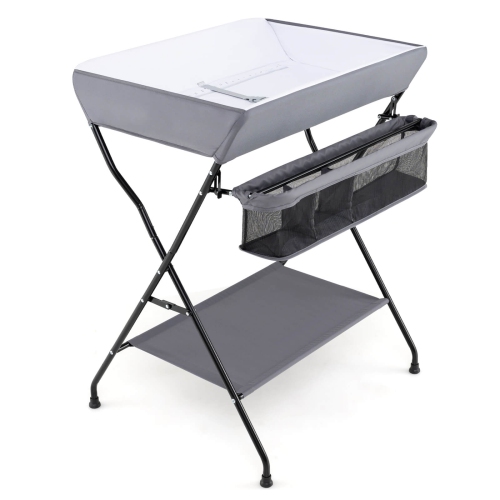
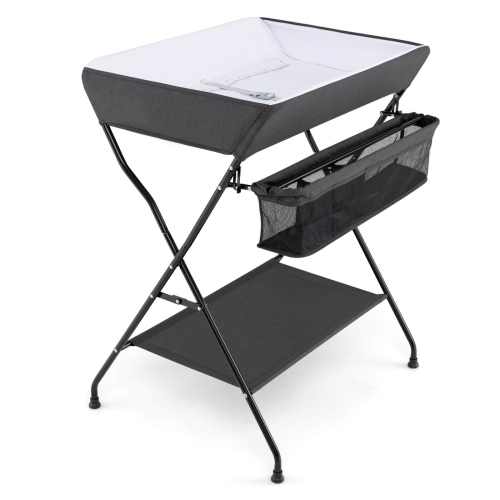
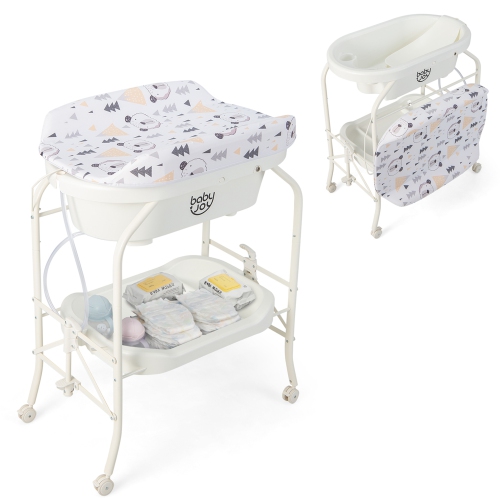

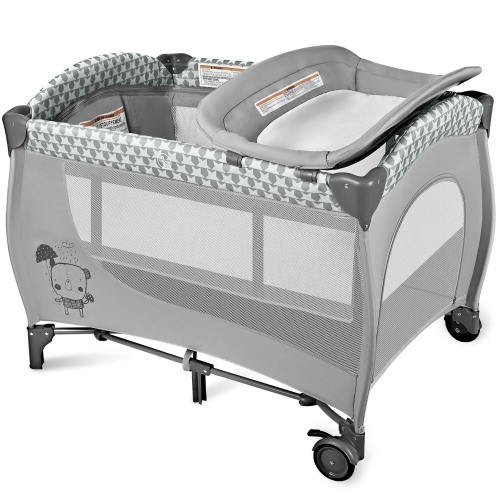
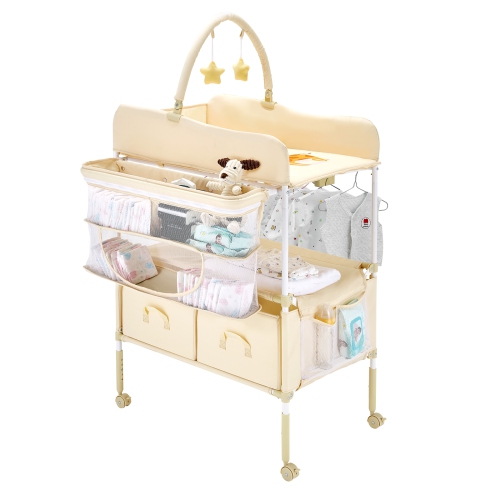
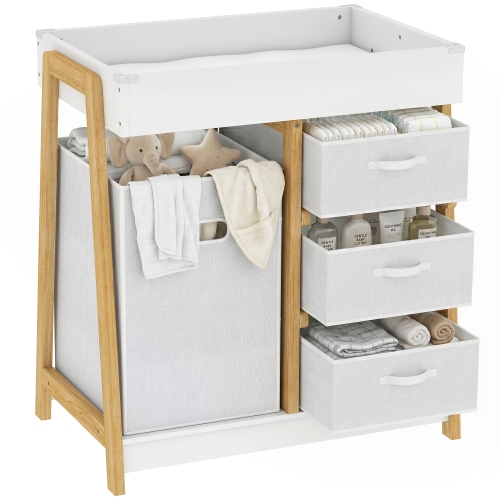
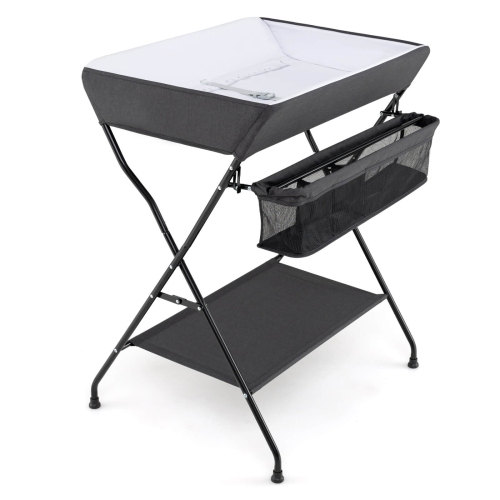
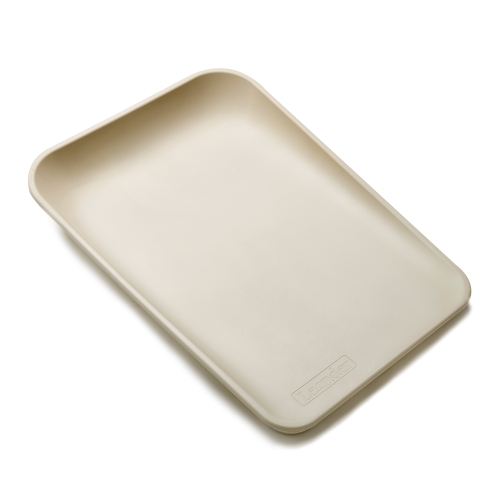
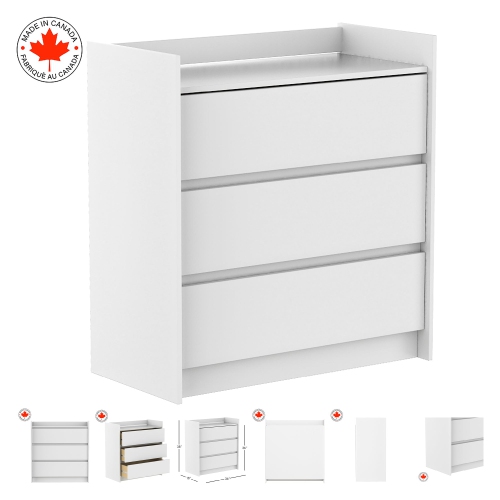
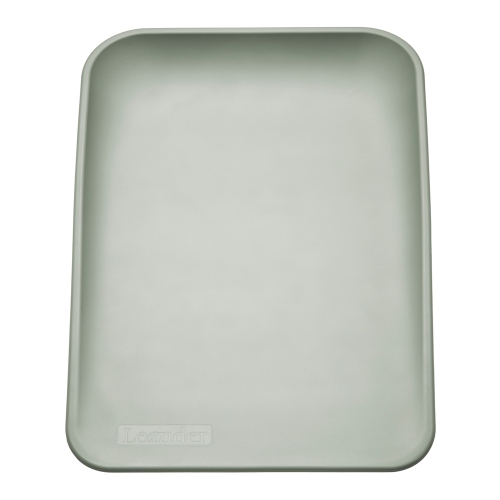
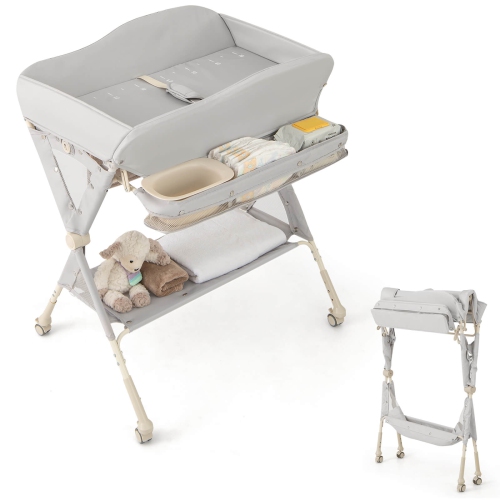
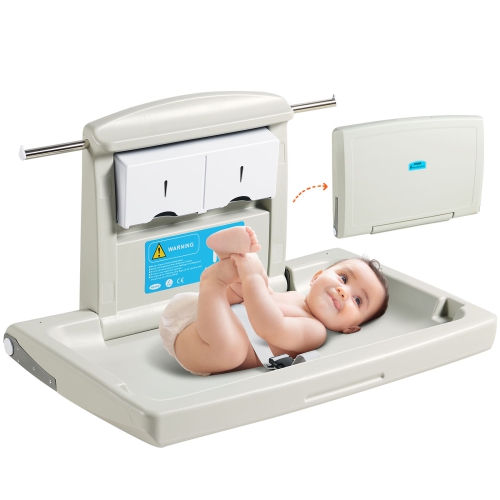
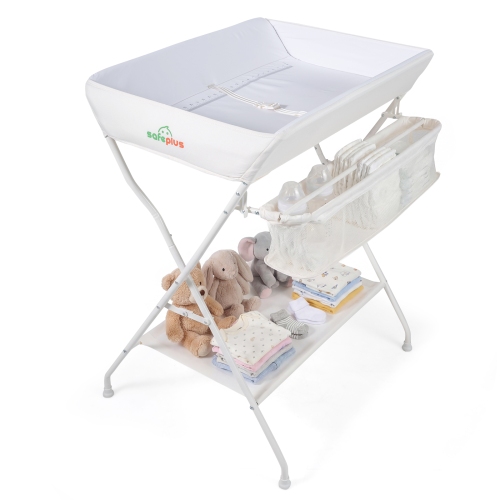
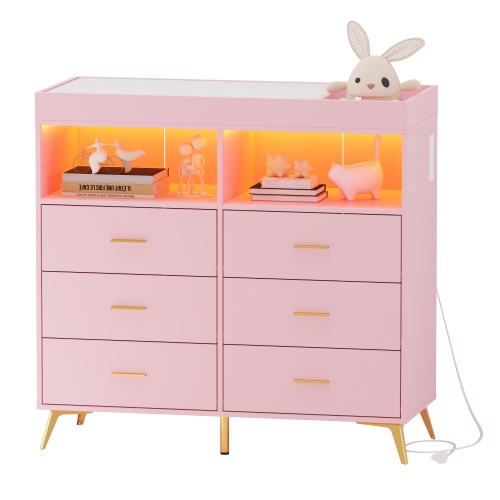
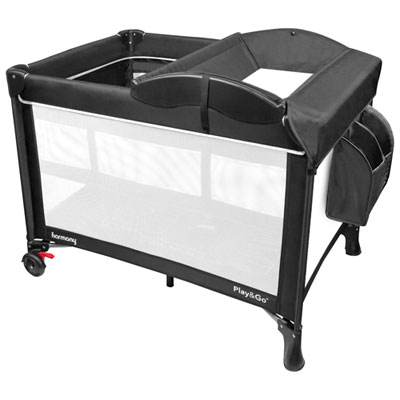
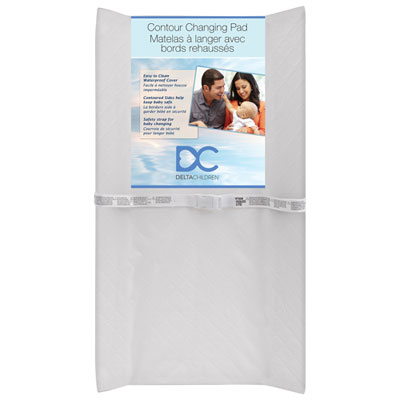
Everyday changes feel simpler with essentials within reach
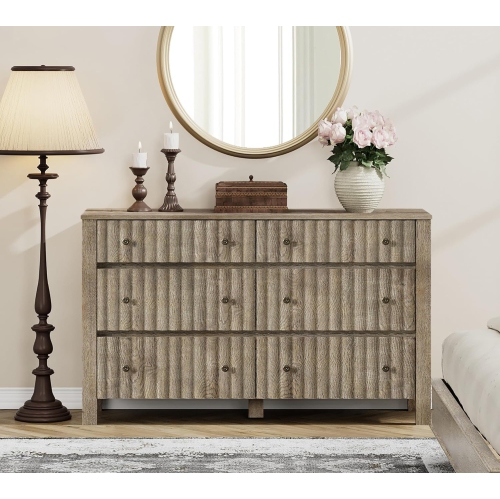
Baby change tables give everyday nappy changes a dedicated place, with a raised surface for your baby and storage for the supplies that tend to travel with them. A clean nappy, a fresh sleeper, wipes, and a spare changing pad cover are easier to manage when each has a spot within reach. For parents and caregivers handling several changes throughout the day, that arrangement can make a familiar routine feel less scattered. The right fit depends as much on the room and the people using it as on the furniture’s appearance. An open-shelf table keeps baskets visible and easy to reach, while a dresser-style design offers drawers that can separate clothing from changing essentials. In a shared bedroom, a compact footprint may leave more room beside a crib or wardrobe; in a larger nursery, a wider unit can provide additional storage without needing a separate chest of drawers. Measure the full width and depth of the furniture, then account for the space needed to stand comfortably in front of it and open any drawers or doors. Table height matters, too. A surface that suits one caregiver may feel awkward for another, particularly when there is a noticeable height difference between adults. Checking the assembled height can help you picture whether routine changes will involve excessive bending or reaching. Position also deserves attention: the changing area should be away from windows, blind cords, heaters, and anything a baby could pull down. A clear path to the table is useful when carrying a baby and a bundle of clothing, especially in a room where a rocking chair or laundry hamper already occupies floor space. Whether the table belongs in a nursery, a bedroom corner, or a grandparent’s home, its intended role is the same: to support supervised changing and dressing with practical storage close at hand.
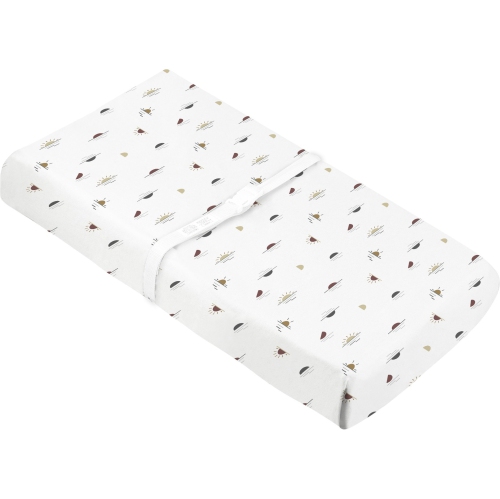
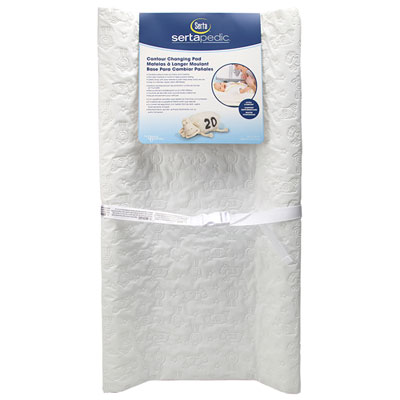
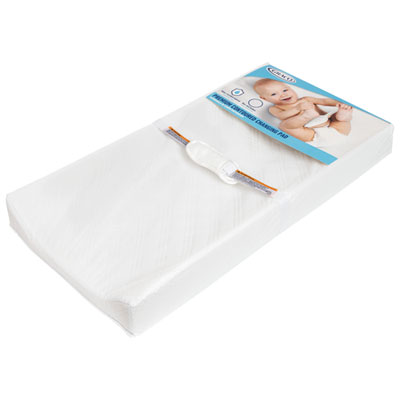
Materials and construction affect how a baby change table looks, how it feels in daily use, and how much care it needs. Solid wood can bring visible grain and a substantial furniture-like appearance, while engineered wood can provide smooth, uniform panels in a range of finishes. Some designs combine different materials across the frame, shelves, drawer bases, and changing surface, so the construction details are more informative than the finish alone. Neither material type tells the whole story about durability. Secure joints, stable legs or a well-supported base, smoothly operating drawers, and clear assembly instructions all contribute to a dependable setup. Follow the manufacturer’s assembly directions and use the supplied hardware as instructed, including wall anchoring where specified. Check fasteners periodically, and stop using a table if parts become loose, damaged, or missing until the issue has been properly resolved. The changing pad is another important part of the fit. Its dimensions and attachment method need to match the table’s requirements; a pad that is too large, too small, or not secured as directed is not an appropriate substitute. Covers should fit the pad properly rather than bunching around the baby, and a spare washable cover can be useful when one needs laundering. For cleaning, follow the care instructions for both the furniture and the pad, since a cleaner suitable for a wipeable pad may damage a painted or wood-finished surface. Promptly wiping up spills and drying the furniture helps prevent moisture from lingering along seams and edges. Appearance can still play a meaningful role in choosing a piece that feels at home beside existing furniture. Natural wood tones introduce grain and texture, while painted finishes offer a more uniform look. White Changing Tables can coordinate with pale nursery furniture or provide contrast beside darker drawers, patterned textiles, and colourful storage baskets. Comparing the finish, handle shape, and overall proportions helps create a coordinated room without requiring every piece to match exactly.
Storage is most useful when it reflects what happens during an actual change rather than simply providing more compartments. A shallow drawer can keep folded bodysuits and spare covers easy to see, while a deeper drawer may suit larger clothing or unopened supplies. Open shelves work well with appropriately sized baskets, although the shelf dimensions and weight limits should be checked before filling them. Keep frequently used essentials accessible to the adult without placing creams, bags, or other potentially hazardous supplies within the baby’s reach. Preparing the changing area before laying the baby down is especially helpful after a messy feed or when a fresh outfit is needed halfway through a change. Even with raised sides or a restraint, an elevated changing surface requires constant adult supervision. Keep a hand on your baby, use any restraint according to the manufacturer’s directions, and never leave the baby unattended, even briefly. If something has been left across the room, take the baby with you rather than stepping away. A change table is not a sleeping surface, and its suitability needs to be reassessed as the baby grows. Follow all stated weight, age, and developmental limits, ending use when any applicable limit is reached. For families thinking beyond the nappy stage, some dresser-style designs have a removable changing topper and can continue serving as clothing storage when assembled and used as directed. That flexibility is worth distinguishing from a dedicated change table whose shelves and upper surface were designed primarily for changing supplies. Baby change tables can also be practical gifts for expectant parents or caregivers preparing a regular space for a new arrival, but larger nursery furniture benefits from coordination beforehand. Confirming room measurements, preferred storage, compatible pad requirements, and assembly arrangements makes the gift more useful than choosing by appearance alone. A thoughtfully chosen table fits the household’s daily habits: enough room for essential supplies, a comfortable working height, straightforward care, and a layout that lets the caregiver stay focused on the baby.
Materials and construction affect how a baby change table looks, how it feels in daily use, and how much care it needs. Solid wood can bring visible grain and a substantial furniture-like appearance, while engineered wood can provide smooth, uniform panels in a range of finishes. Some designs combine different materials across the frame, shelves, drawer bases, and changing surface, so the construction details are more informative than the finish alone. Neither material type tells the whole story about durability. Secure joints, stable legs or a well-supported base, smoothly operating drawers, and clear assembly instructions all contribute to a dependable setup. Follow the manufacturer’s assembly directions and use the supplied hardware as instructed, including wall anchoring where specified. Check fasteners periodically, and stop using a table if parts become loose, damaged, or missing until the issue has been properly resolved. The changing pad is another important part of the fit. Its dimensions and attachment method need to match the table’s requirements; a pad that is too large, too small, or not secured as directed is not an appropriate substitute. Covers should fit the pad properly rather than bunching around the baby, and a spare washable cover can be useful when one needs laundering. For cleaning, follow the care instructions for both the furniture and the pad, since a cleaner suitable for a wipeable pad may damage a painted or wood-finished surface. Promptly wiping up spills and drying the furniture helps prevent moisture from lingering along seams and edges. Appearance can still play a meaningful role in choosing a piece that feels at home beside existing furniture. Natural wood tones introduce grain and texture, while painted finishes offer a more uniform look. White Changing Tables can coordinate with pale nursery furniture or provide contrast beside darker drawers, patterned textiles, and colourful storage baskets. Comparing the finish, handle shape, and overall proportions helps create a coordinated room without requiring every piece to match exactly.
Storage is most useful when it reflects what happens during an actual change rather than simply providing more compartments. A shallow drawer can keep folded bodysuits and spare covers easy to see, while a deeper drawer may suit larger clothing or unopened supplies. Open shelves work well with appropriately sized baskets, although the shelf dimensions and weight limits should be checked before filling them. Keep frequently used essentials accessible to the adult without placing creams, bags, or other potentially hazardous supplies within the baby’s reach. Preparing the changing area before laying the baby down is especially helpful after a messy feed or when a fresh outfit is needed halfway through a change. Even with raised sides or a restraint, an elevated changing surface requires constant adult supervision. Keep a hand on your baby, use any restraint according to the manufacturer’s directions, and never leave the baby unattended, even briefly. If something has been left across the room, take the baby with you rather than stepping away. A change table is not a sleeping surface, and its suitability needs to be reassessed as the baby grows. Follow all stated weight, age, and developmental limits, ending use when any applicable limit is reached. For families thinking beyond the nappy stage, some dresser-style designs have a removable changing topper and can continue serving as clothing storage when assembled and used as directed. That flexibility is worth distinguishing from a dedicated change table whose shelves and upper surface were designed primarily for changing supplies. Baby change tables can also be practical gifts for expectant parents or caregivers preparing a regular space for a new arrival, but larger nursery furniture benefits from coordination beforehand. Confirming room measurements, preferred storage, compatible pad requirements, and assembly arrangements makes the gift more useful than choosing by appearance alone. A thoughtfully chosen table fits the household’s daily habits: enough room for essential supplies, a comfortable working height, straightforward care, and a layout that lets the caregiver stay focused on the baby.
Top selling and popular products
-
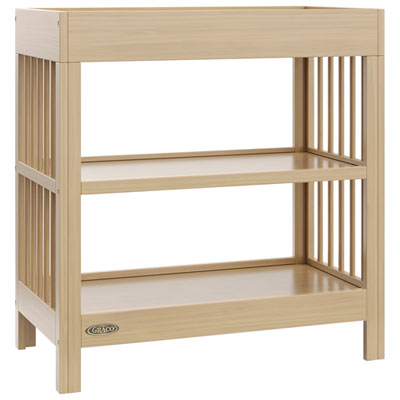 Your price for this item is $149.99
 -
 Your price for this item is $179.99
 -
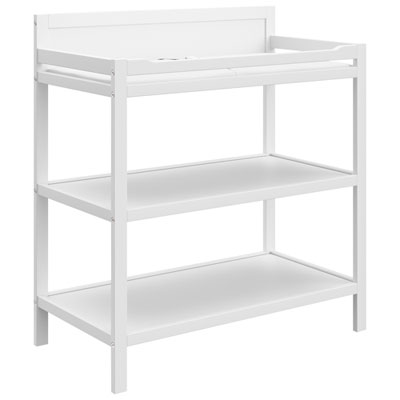 Your price for this item is $189.99
 -
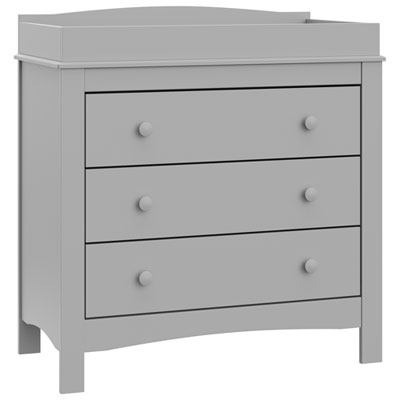 Your price for this item is $399.99
 -
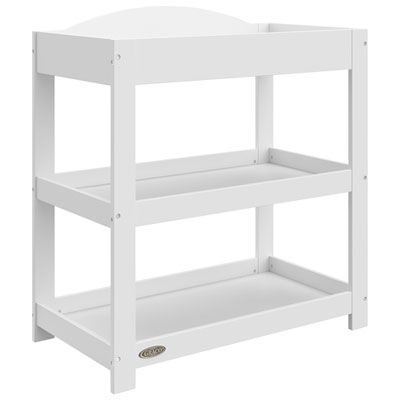 Your price for this item is $119.99
 -
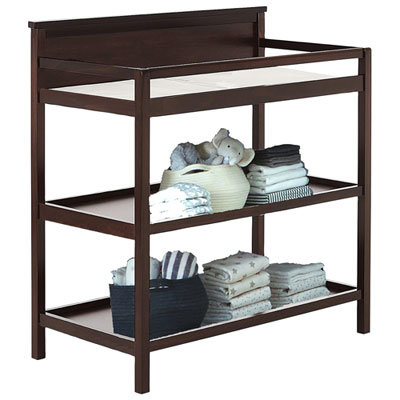 Your price for this item is $119.99
 -
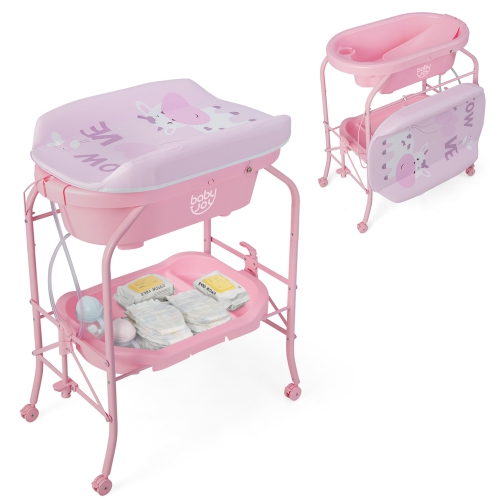 Your price for this item is $196.99
 -
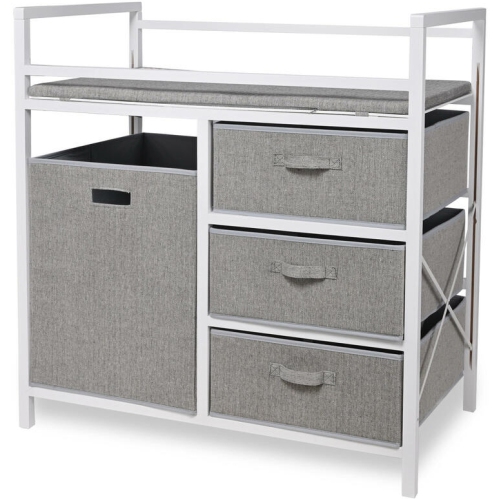 Your price for this item is $119.99
Discover more categories related to Baby Change Tables
Top Collections:
Pokemon Centers, Kindle Devices, Best Budget Office Chairs, Apple iPhones 16, Canon G7X Cameras, iPhone 15 Apple, Alarm Clock, Refurbished Apple Laptops, Flip Phones, Best Laptops for Writers
Some products may be subject to Environmental Handling Fees
(EHF) depending on your province.
Learn more about EHFs.