Infant Changing Tables
When it comes to caring for your little one, having a reliable and functional infant changing table is a must-have addition to almost any nursery. These versatile pieces of furniture provide a safe and convenient space for diaper changes, making it easier than ever to keep your baby clean and comfortable. With various styles, designs, and features available, finding the perfect infant changing table to suit your needs and match your nursery decor has never been easier. Whether you're a new parent or looking to upgrade your current setup, explore our wide selection of infant changing tables to find the perfect solution for your baby's changing needs.
Sort
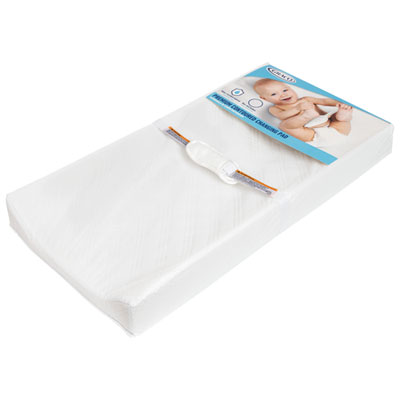

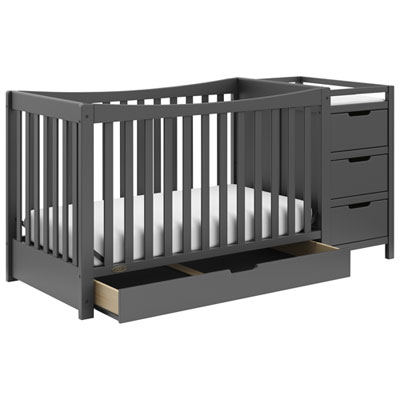
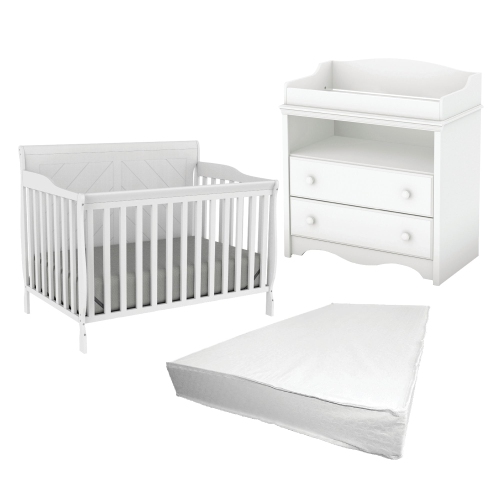
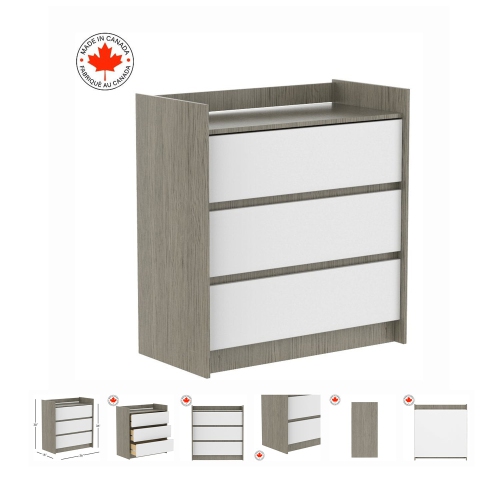
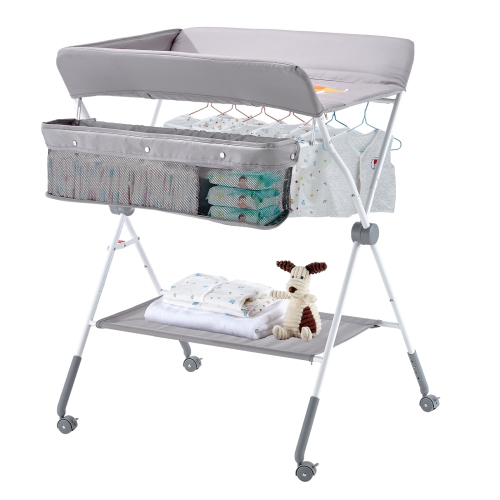
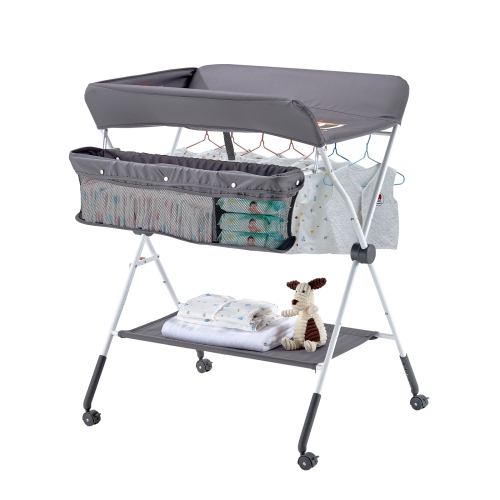
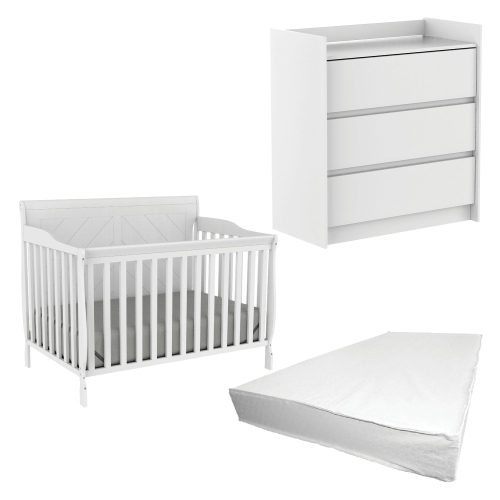
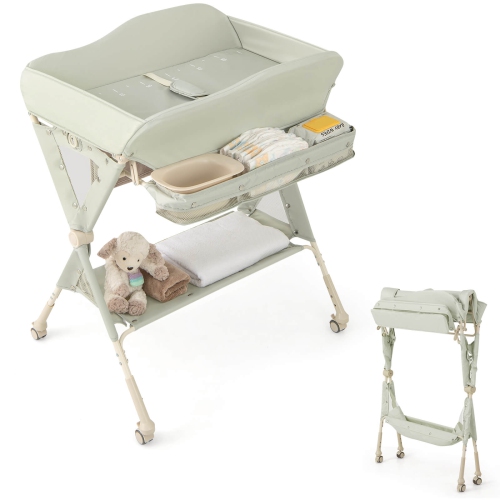
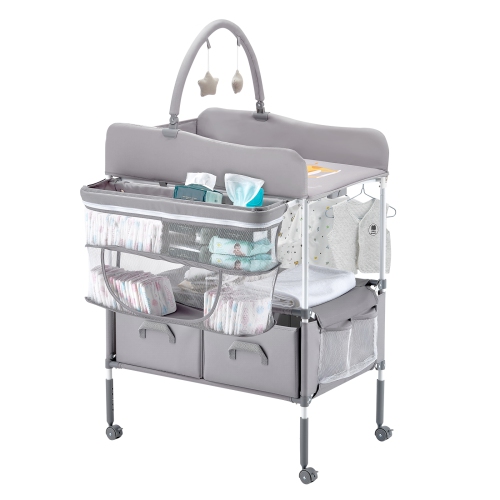
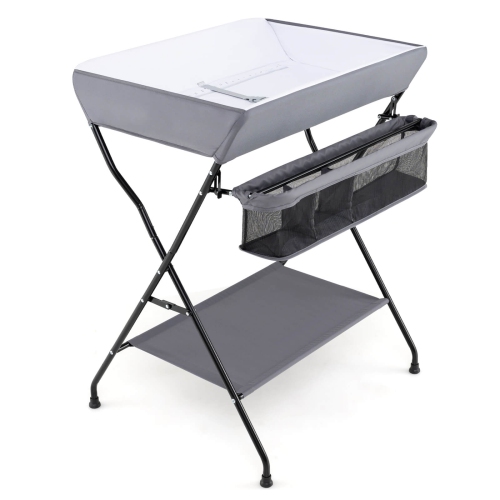
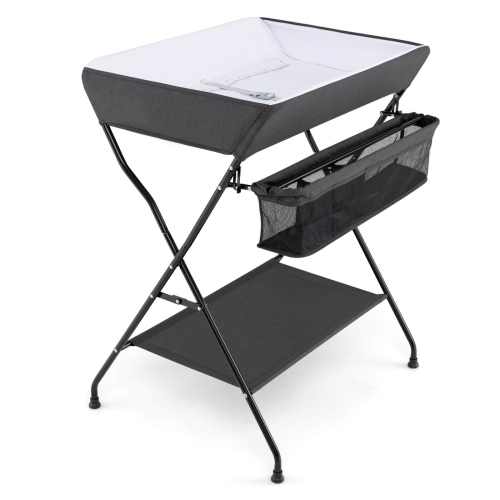
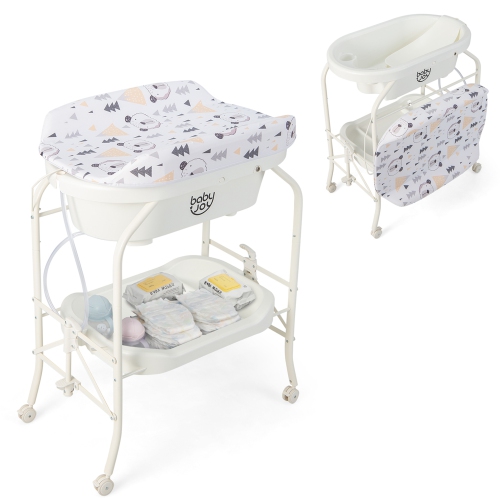

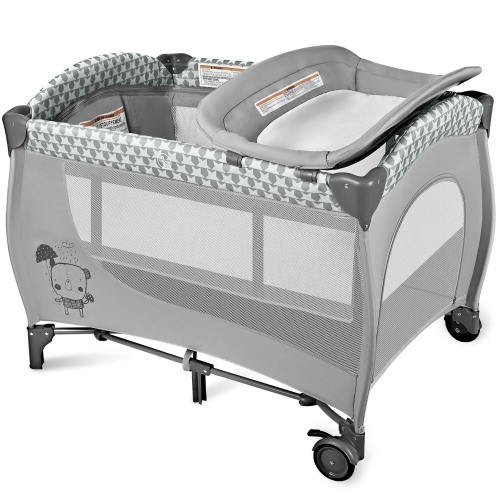
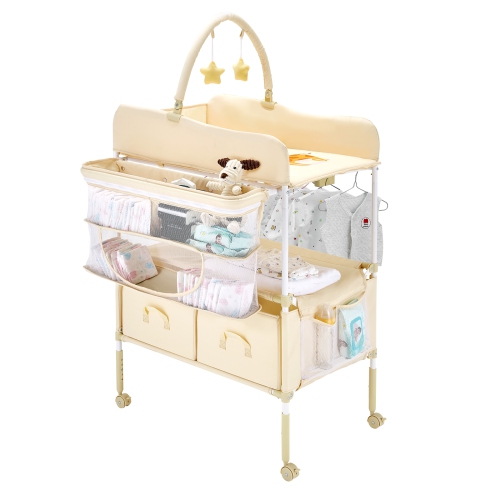
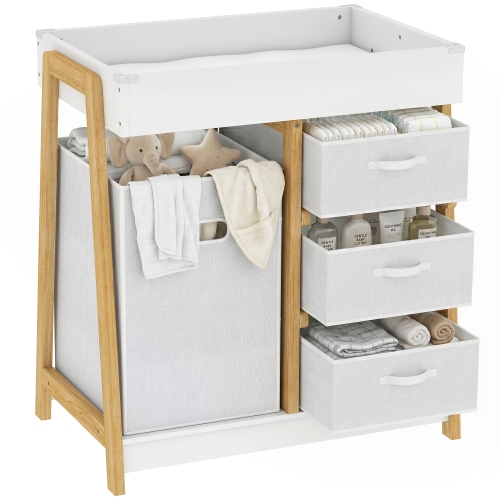
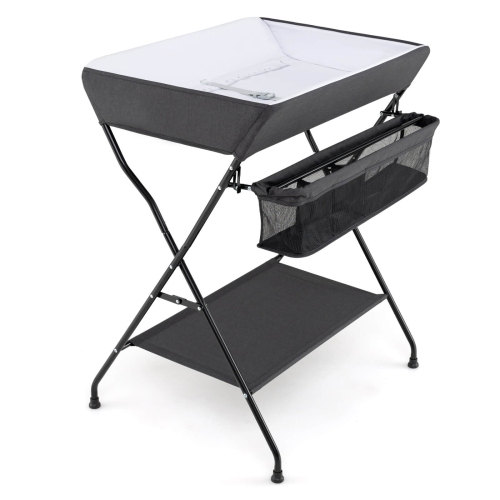
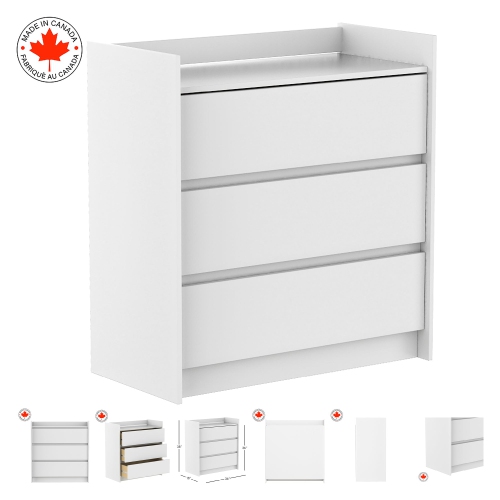
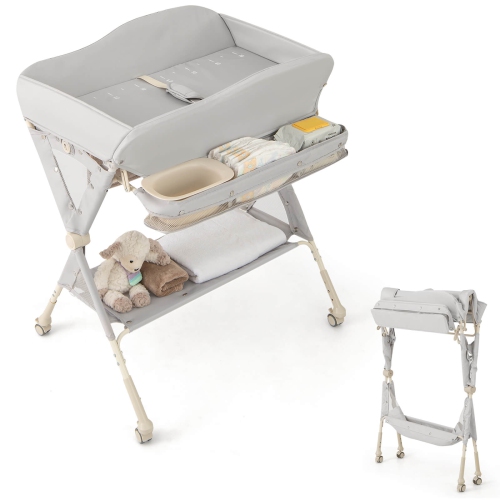
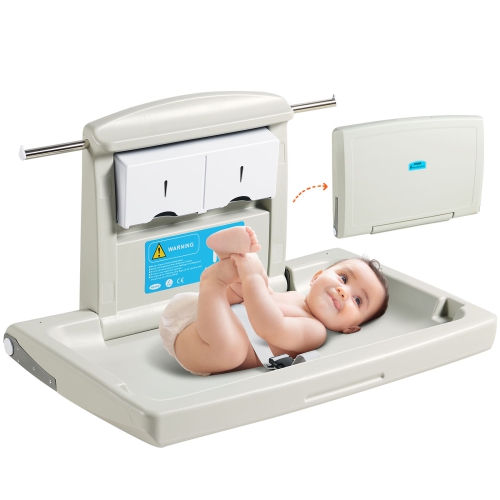
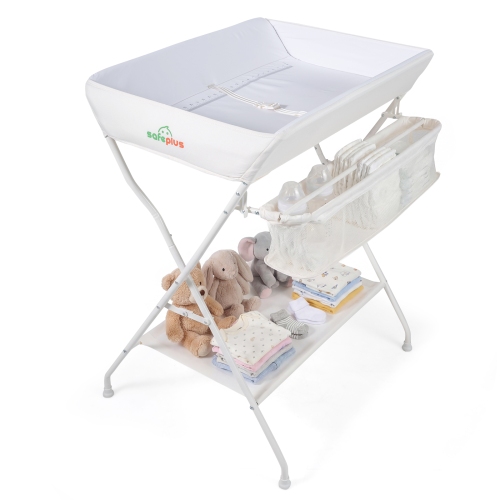
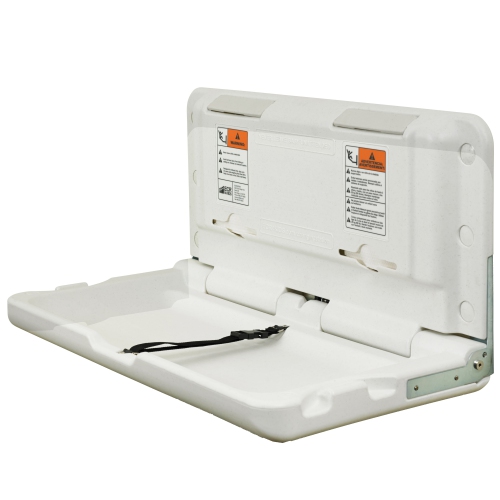
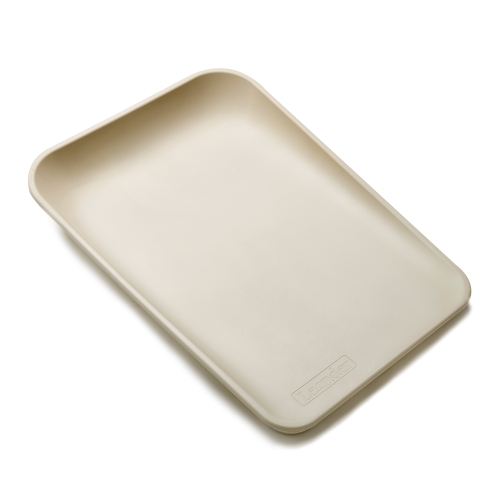
Everyday diaper changes with essentials close at hand
Infant changing tables give everyday diaper changes a dedicated place, with a raised surface for tending to a baby and storage that keeps essentials close at hand. In a nursery, a shared bedroom, or a small corner set aside for baby care, that combination can make a busy routine feel more manageable. A fresh diaper, a clean sleeper, and a soft washcloth are easier to reach when each has a familiar spot, particularly during a sleepy change before dawn. These tables generally fall into a few practical styles: open-frame designs with shelves, enclosed units with drawers or cupboards, and dressers fitted with a compatible changing top. Open shelves make it easy to see supplies at a glance, while drawers keep spare clothing and diapering accessories tucked away. A dresser-style unit may continue to serve as clothing storage after the changing attachment is removed, provided that conversion is part of its intended design. The right fit depends as much on the room and the caregiver as it does on storage capacity. Overall width and depth determine whether the table sits comfortably beside other furniture, but there also needs to be room to stand in front of it, open drawers fully, and move through the space without squeezing past sharp corners. The changing surface should be at a comfortable working height for the adults who will use it most often, helping limit awkward bending without making it difficult to reach the baby. For parents sharing care with grandparents or other caregivers, straightforward storage and an uncluttered layout can be especially useful. Families furnishing a nursery with clean lines and simple finishes may also appreciate Modern Changing Tables as a related furniture style. Whether the room feels traditional, playful, or pared back, a changing table works best when its proportions and layout suit daily care rather than merely filling an empty wall. Even a compact setup can be practical when the surface, storage, and surrounding floor space work together.
Materials and construction influence how a changing table looks, feels, and stands up to repeated use. Solid wood, engineered wood, and metal each bring different characteristics, while painted, laminated, or sealed surfaces can affect cleaning requirements. The material name alone does not tell the whole story: secure joints, properly fitted hardware, smooth edges, and a stable frame all matter in a piece of furniture used several times a day. Drawers should move smoothly, shelf supports should sit securely, and handles should be comfortable to grasp when reaching for supplies. A finish that can be wiped clean according to the manufacturer’s directions is useful for the small splashes and spills that come with baby care. Textured details and narrow grooves may need more attention than broad, smooth surfaces, especially around the changing area. Changing pads and covers also deserve a close look, since not every pad fits every top. Length, width, thickness, and any attachment requirements should match the table manufacturer’s specifications; a pad that looks close in size is not necessarily a suitable substitute. A fitted cover should sit neatly without interfering with the pad’s fastening system, and removable fabric components should be washed and dried as directed. Having a clean spare cover nearby can simplify the routine when laundry is already piling up. For the furniture itself, gentle cleaning methods are often preferable to abrasive tools, but the care label or manual should determine which cleaners are appropriate. Wiping up moisture promptly and allowing cleaned surfaces to dry helps protect the finish. Hardware can loosen with regular use, so periodic checks are worthwhile, especially after moving the table or rearranging the room. Assembly deserves the same attention as appearance: all required parts should be installed, and any supplied wall attachment or anti-tip system should be fitted exactly as instructed. Furniture with a removable changing top should be used only in its approved configurations, rather than adapted with an improvised tray or a pad placed on an unsuitable surface.
A changing table is intended for supervised diapering and dressing, not for sleeping or leaving a baby unattended. Raised edges and restraints do not replace an adult’s attention, and a caregiver should keep a hand on the baby throughout a change, following all restraint instructions supplied with the table and pad. Preparing the space before placing the baby down makes that easier: open the clean diaper, set out clothing, and put frequently used supplies within the adult’s reach but beyond the baby’s grasp. If something has been forgotten, take the baby along rather than stepping away, even briefly. The table’s maximum weight, age guidance, and developmental limits should all be checked, and use should stop when any stated limit is reached. Placement matters, too. A spot away from windows, blind cords, heaters, and reachable electrical cords helps keep the changing area separate from household hazards. Wall shelves, artwork, and other objects should not create anything the baby can pull down or knock loose. Within the table, storage is most useful when it follows the order of the routine: diapers and wipes close by, spare outfits in an easy-to-open drawer, and less frequently needed linens farther down. Creams, medicines, plastic packaging, and small accessories need secure storage beyond children’s reach, including that of an older sibling exploring the nursery. Parents preparing for a first baby may value a complete, clearly arranged changing station, while families with limited space may prefer furniture that combines diapering needs with everyday clothing storage. As a gift, an infant changing table is often best chosen with the recipients, since room measurements, preferred working height, and plans for matching a pad are personal considerations. For caregivers setting up a place where a baby visits regularly, the same attention to fit, assembly, and safe use applies. A thoughtfully arranged table does not need to hold every baby-care supply; it needs to keep the essentials accessible and provide a suitable space for those frequent, hands-on moments of care.
Materials and construction influence how a changing table looks, feels, and stands up to repeated use. Solid wood, engineered wood, and metal each bring different characteristics, while painted, laminated, or sealed surfaces can affect cleaning requirements. The material name alone does not tell the whole story: secure joints, properly fitted hardware, smooth edges, and a stable frame all matter in a piece of furniture used several times a day. Drawers should move smoothly, shelf supports should sit securely, and handles should be comfortable to grasp when reaching for supplies. A finish that can be wiped clean according to the manufacturer’s directions is useful for the small splashes and spills that come with baby care. Textured details and narrow grooves may need more attention than broad, smooth surfaces, especially around the changing area. Changing pads and covers also deserve a close look, since not every pad fits every top. Length, width, thickness, and any attachment requirements should match the table manufacturer’s specifications; a pad that looks close in size is not necessarily a suitable substitute. A fitted cover should sit neatly without interfering with the pad’s fastening system, and removable fabric components should be washed and dried as directed. Having a clean spare cover nearby can simplify the routine when laundry is already piling up. For the furniture itself, gentle cleaning methods are often preferable to abrasive tools, but the care label or manual should determine which cleaners are appropriate. Wiping up moisture promptly and allowing cleaned surfaces to dry helps protect the finish. Hardware can loosen with regular use, so periodic checks are worthwhile, especially after moving the table or rearranging the room. Assembly deserves the same attention as appearance: all required parts should be installed, and any supplied wall attachment or anti-tip system should be fitted exactly as instructed. Furniture with a removable changing top should be used only in its approved configurations, rather than adapted with an improvised tray or a pad placed on an unsuitable surface.
A changing table is intended for supervised diapering and dressing, not for sleeping or leaving a baby unattended. Raised edges and restraints do not replace an adult’s attention, and a caregiver should keep a hand on the baby throughout a change, following all restraint instructions supplied with the table and pad. Preparing the space before placing the baby down makes that easier: open the clean diaper, set out clothing, and put frequently used supplies within the adult’s reach but beyond the baby’s grasp. If something has been forgotten, take the baby along rather than stepping away, even briefly. The table’s maximum weight, age guidance, and developmental limits should all be checked, and use should stop when any stated limit is reached. Placement matters, too. A spot away from windows, blind cords, heaters, and reachable electrical cords helps keep the changing area separate from household hazards. Wall shelves, artwork, and other objects should not create anything the baby can pull down or knock loose. Within the table, storage is most useful when it follows the order of the routine: diapers and wipes close by, spare outfits in an easy-to-open drawer, and less frequently needed linens farther down. Creams, medicines, plastic packaging, and small accessories need secure storage beyond children’s reach, including that of an older sibling exploring the nursery. Parents preparing for a first baby may value a complete, clearly arranged changing station, while families with limited space may prefer furniture that combines diapering needs with everyday clothing storage. As a gift, an infant changing table is often best chosen with the recipients, since room measurements, preferred working height, and plans for matching a pad are personal considerations. For caregivers setting up a place where a baby visits regularly, the same attention to fit, assembly, and safe use applies. A thoughtfully arranged table does not need to hold every baby-care supply; it needs to keep the essentials accessible and provide a suitable space for those frequent, hands-on moments of care.
Top selling and popular products
-
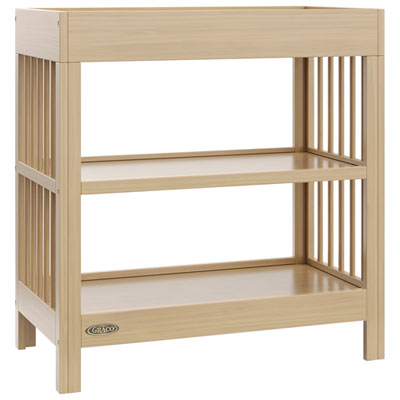 Your price for this item is $149.99
 -
 Your price for this item is $179.99
 -
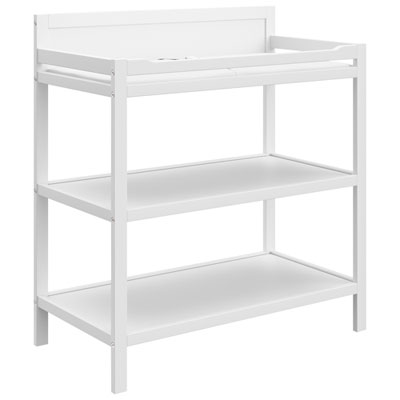 Your price for this item is $189.99
 -
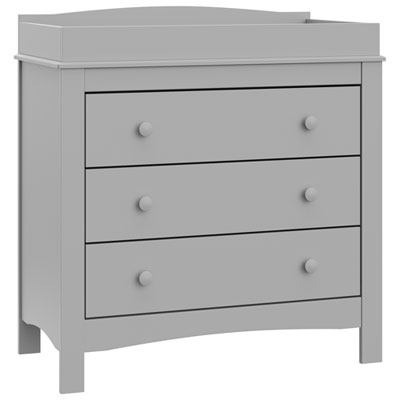 Your price for this item is $399.99
 -
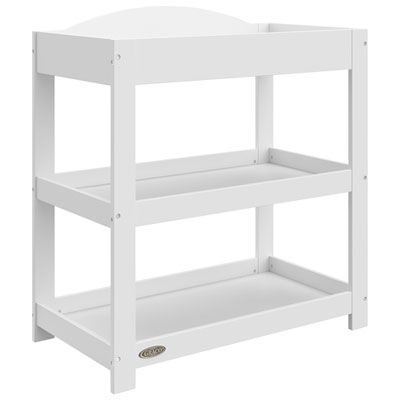 Your price for this item is $119.99
 -
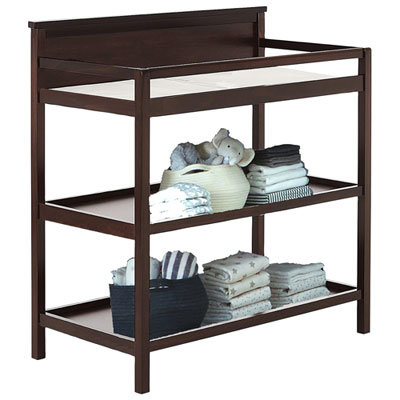 Your price for this item is $119.99
 -
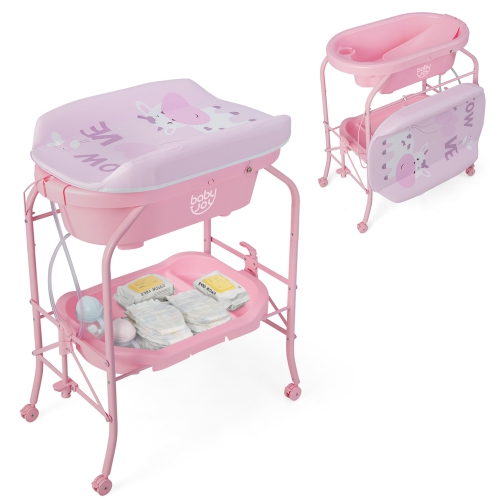 Your price for this item is $196.99
 -
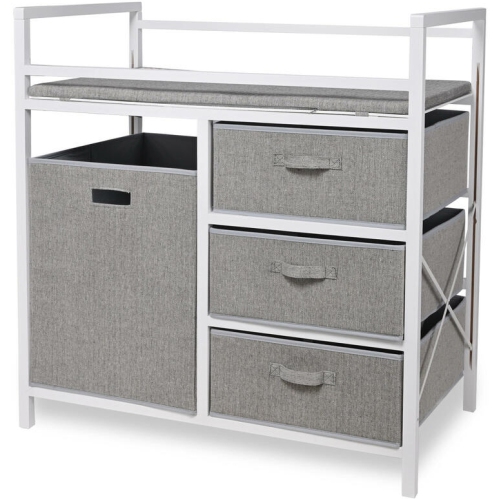 Your price for this item is $119.99
Discover more categories related to Infant Changing Tables
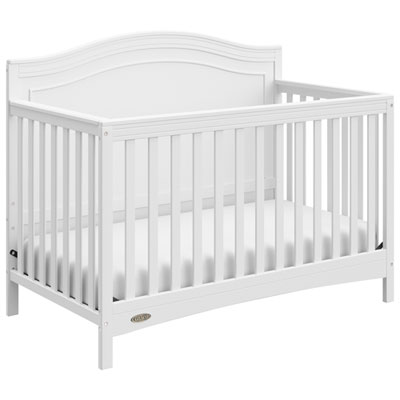
Top Collections:
Pokemon Centers, Kindle Devices, Best Budget Office Chairs, Apple iPhones 16, Canon G7X Cameras, iPhone 15 Apple, Alarm Clock, Refurbished Apple Laptops, Flip Phones, Best Laptops for Writers
Some products may be subject to Environmental Handling Fees
(EHF) depending on your province.
Learn more about EHFs.