Baby Feeding Sets
Discover a wide selection of baby feeding sets designed to make mealtime a breeze for both parents and little ones. From adorable bibs and utensils to convenient storage containers and easy-to-clean bottles, our collection offers everything you need to ensure your baby enjoys a comfortable and mess-free feeding experience. Whether you're looking for durable materials, ergonomic designs, or vibrant colors to stimulate your baby's senses, this range of baby feeding sets has something for every family's needs and preferences.
Sort
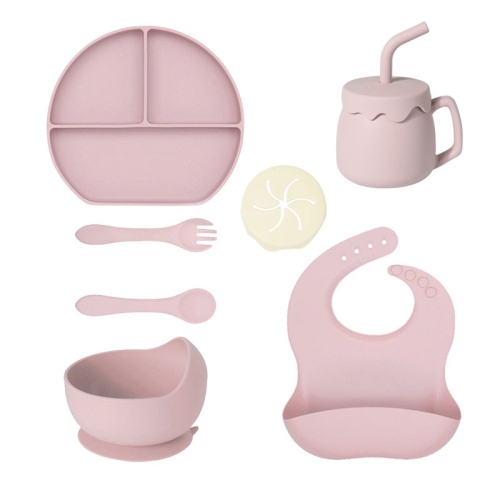
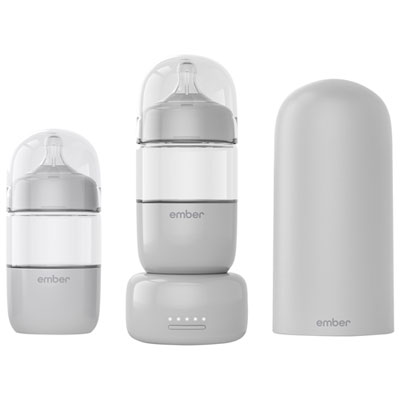
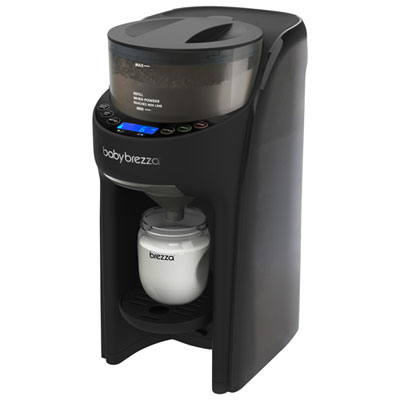
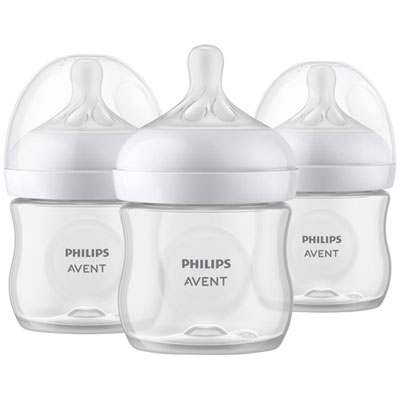
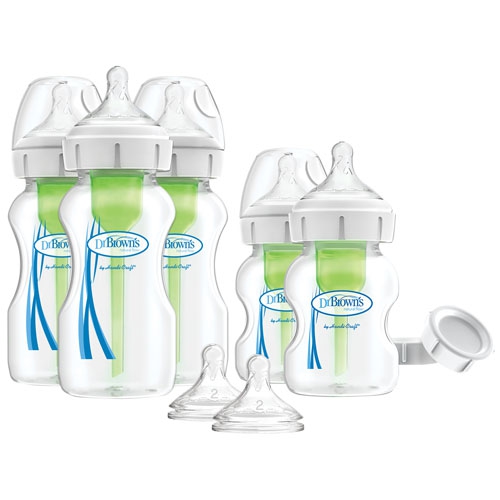
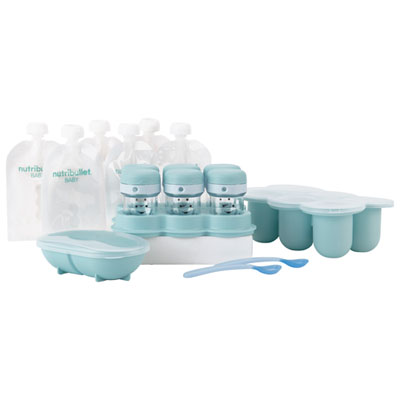
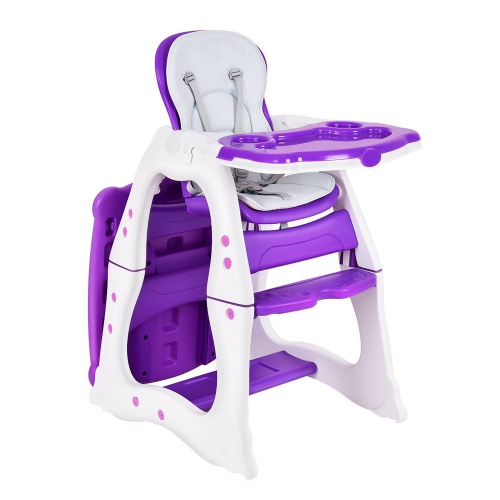
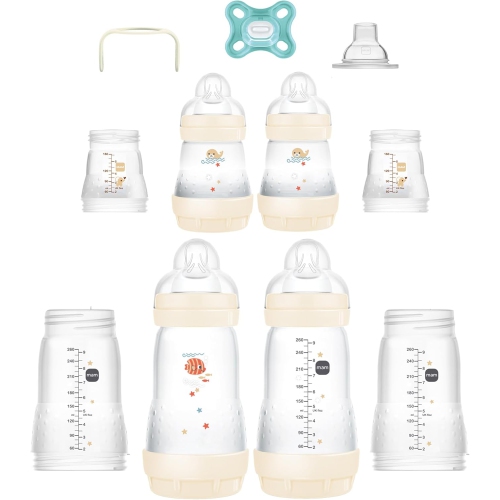
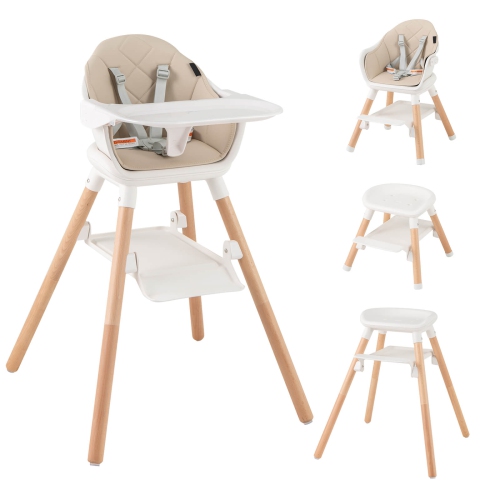
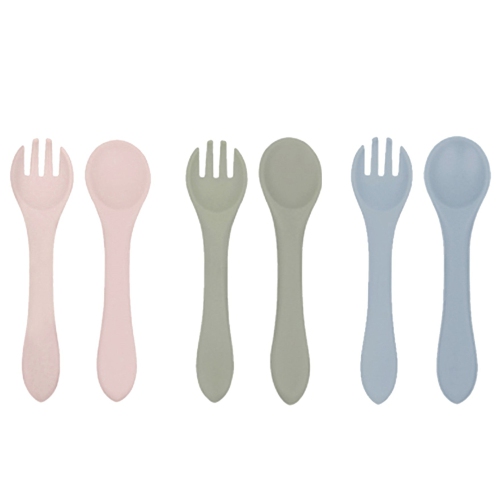
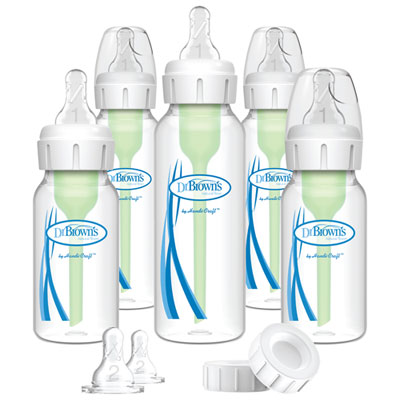
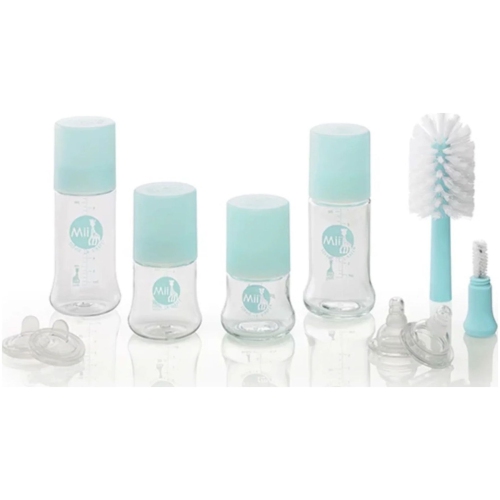
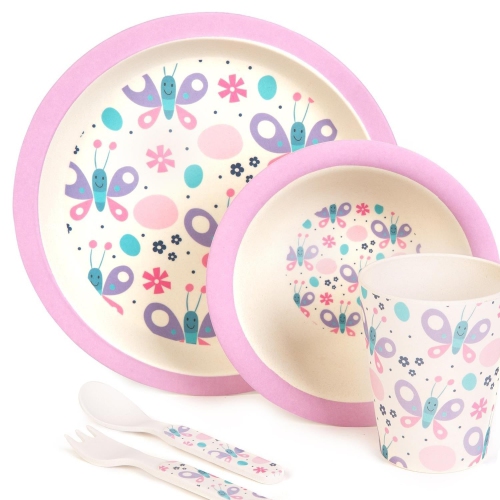

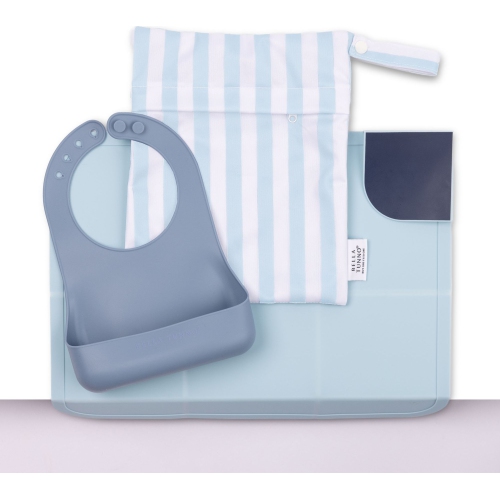
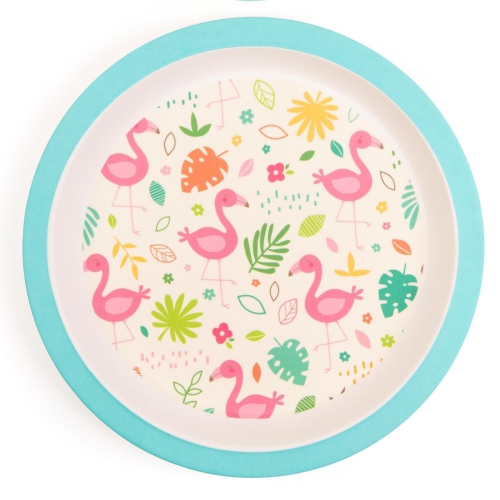
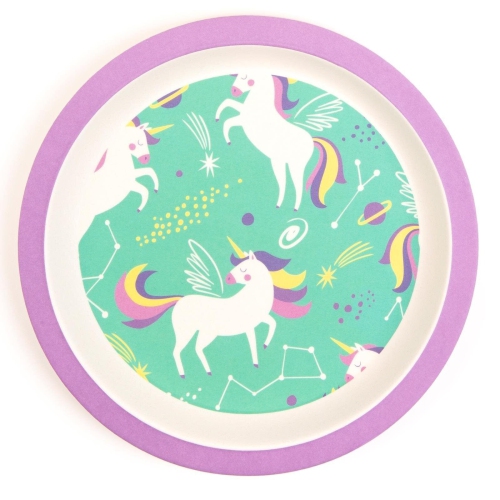
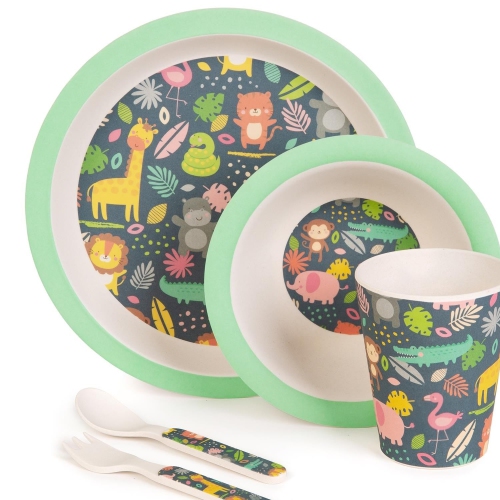

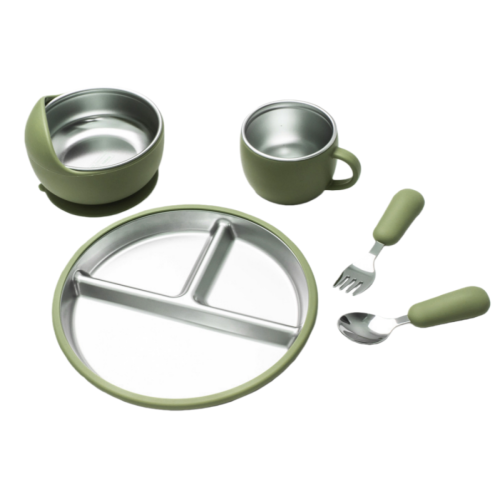
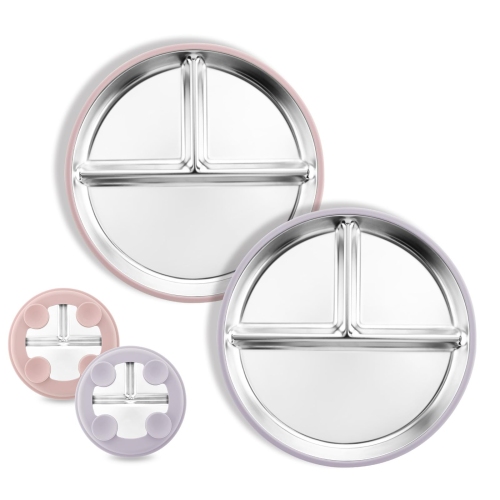
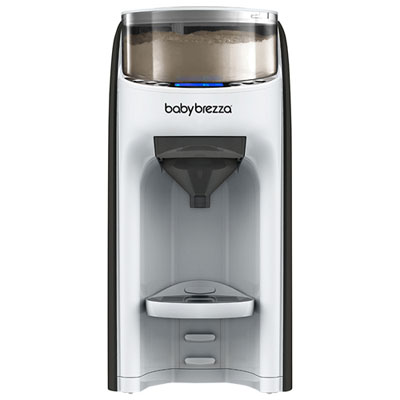
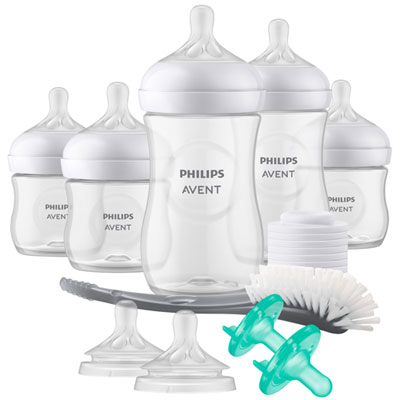
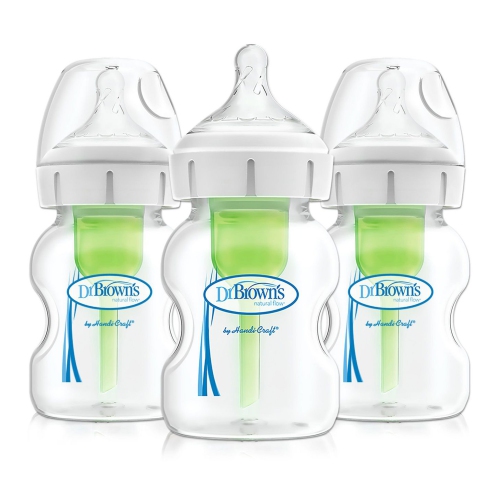

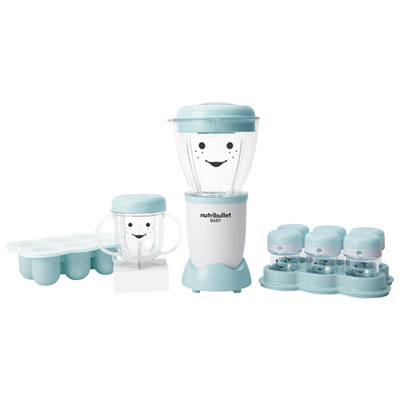
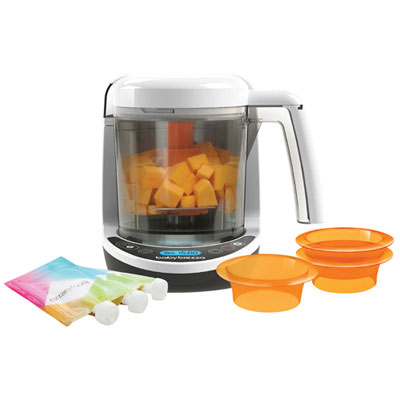
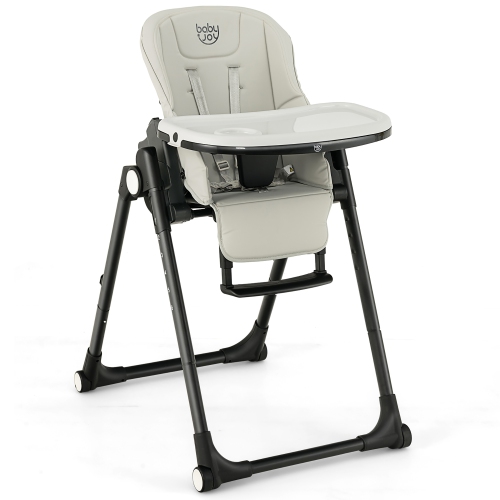
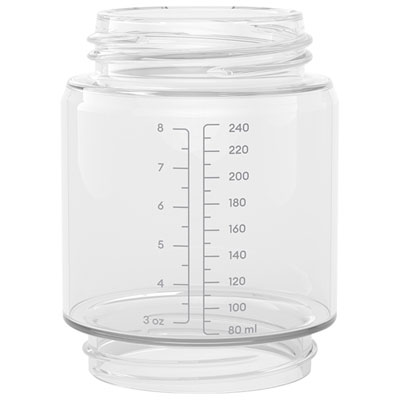
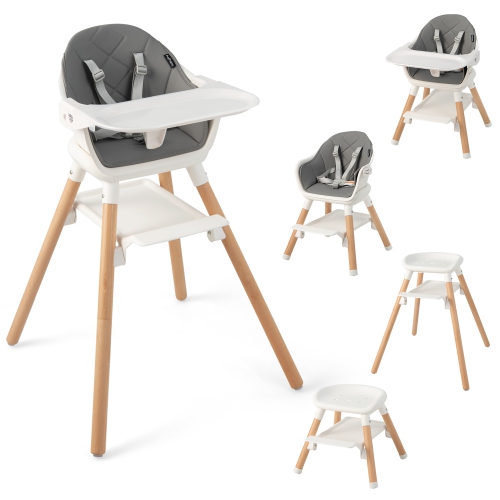
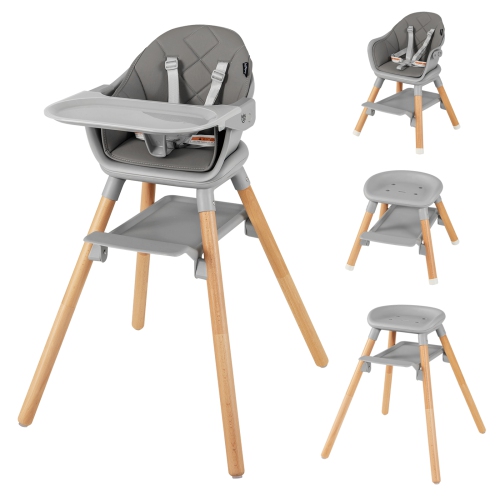
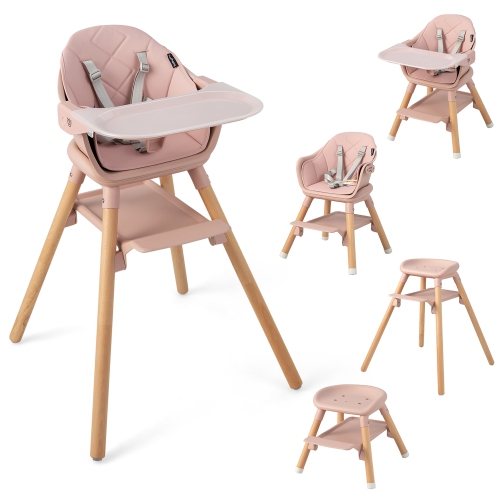
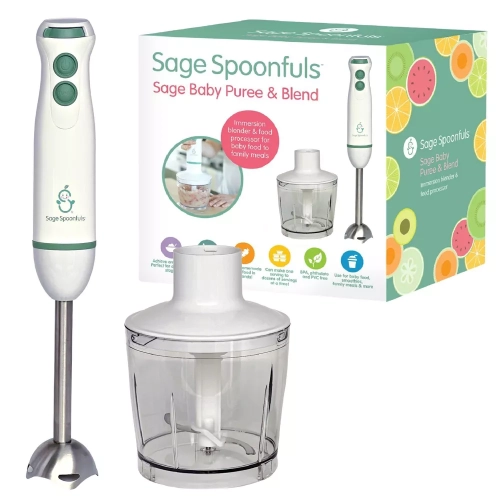
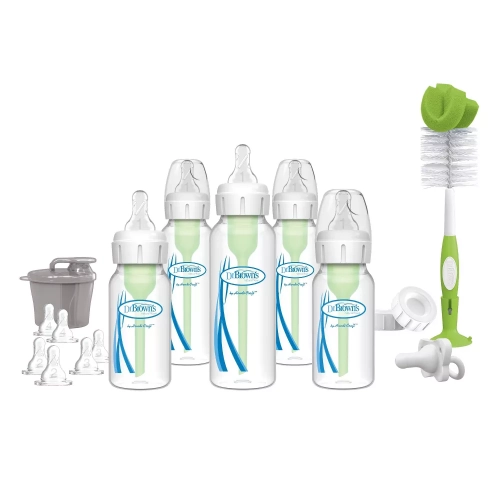
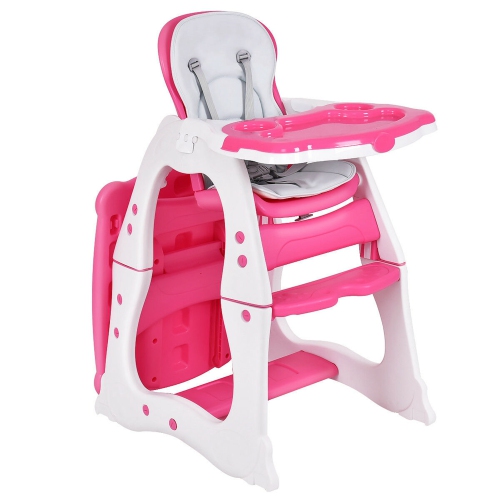
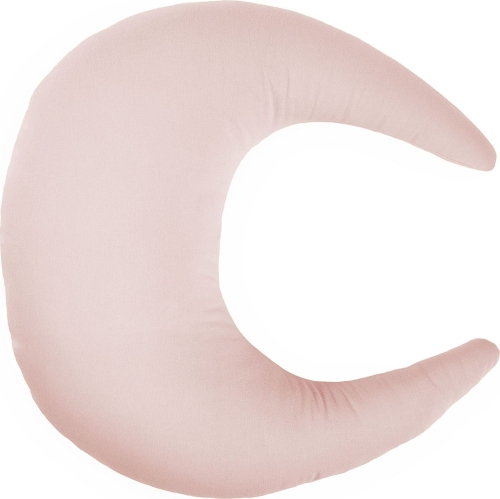


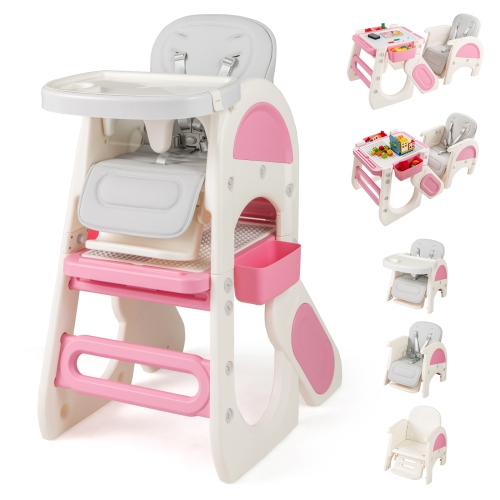
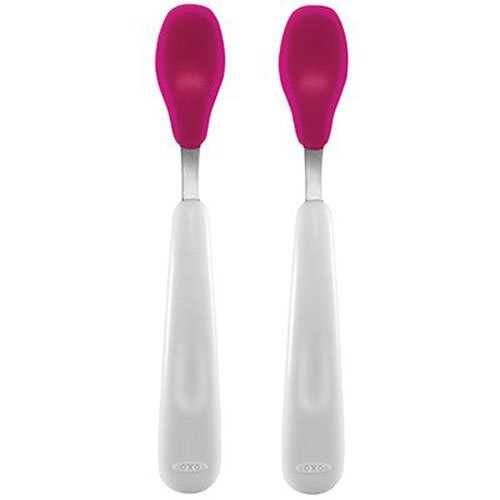

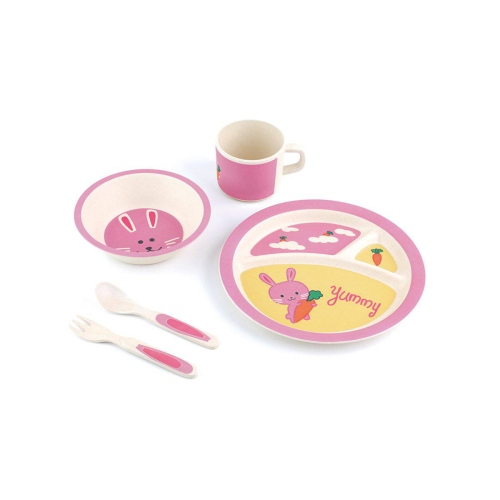
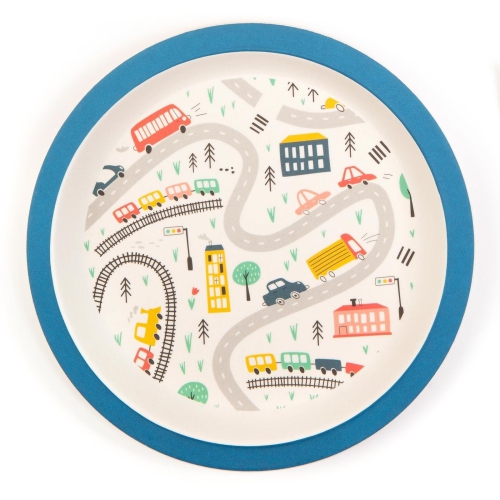
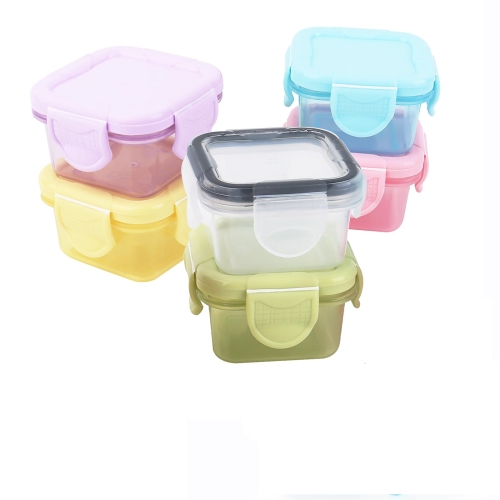
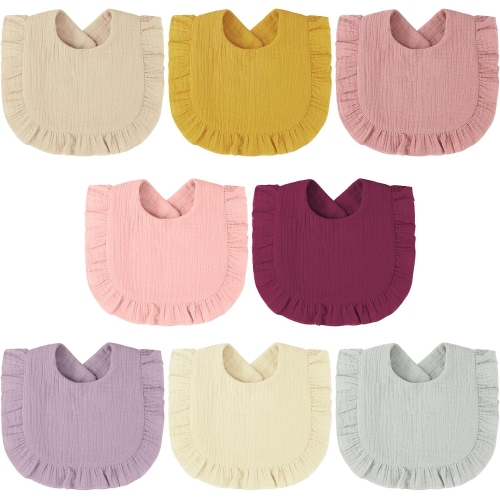
Coordinated essentials from first tastes to independent eating
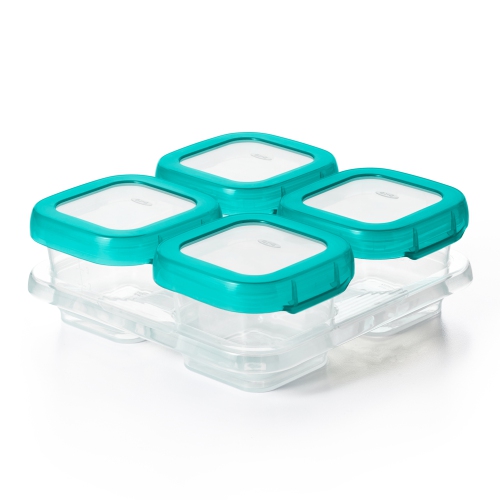
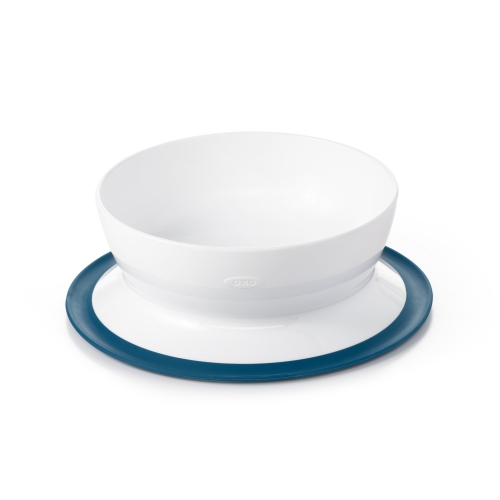
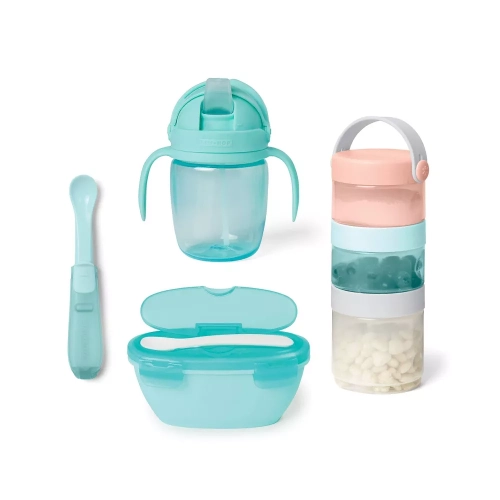
Baby feeding sets bring several everyday mealtime essentials together in one coordinated collection, helping caregivers move from first tastes to more independent eating with fewer separate items to gather. Depending on the set, pieces may include a suction bowl or plate, divided plate, soft-tip spoon, training cup, straw cup, fork, and bib designed to catch crumbs and drips. This combination can be especially useful when a baby is beginning solid foods, whether meals are spoon-fed, offered for baby-led weaning, or served as a mix of both approaches. A small bowl with a stable base can hold smooth purées, mashed vegetables, yoghurt, oatmeal, or soft fruit, while divided sections allow different foods to be presented separately as a child becomes more curious about colour, texture, and flavour. Short, chunky utensils are easier for small hands to grasp than standard adult cutlery, and a gently shaped spoon can make early feeding more comfortable for both the child and the caregiver. Training cups can support the transition away from bottles, while bibs with adjustable fastenings or crumb-catching pockets help keep food closer to the table instead of on clothing, the high chair, or the floor. Families preparing for a new stage of feeding may appreciate having matching pieces ready in one place, and a feeding set can also be a practical gift for a baby shower, a first birthday, or relatives welcoming a little one into their home. Explore the available Feeding Sets to compare collections suited to different stages, routines, and mealtime preferences.
When choosing a baby feeding set, consider the child’s age, developmental stage, eating style, and the way meals usually happen at home. A younger baby starting solids may benefit from a shallow bowl, a soft spoon with a narrow tip, and a bib that is easy to fasten and remove between small servings. As self-feeding develops, a plate with compartments, a strong suction base, and easy-grip utensils can help a child practise reaching, scooping, dipping, and bringing food to their mouth. Suction designs can reduce sliding and tipping on a smooth high-chair tray or table, although no base can prevent every spill, particularly when a determined toddler discovers how to lift an edge. Look for bowls and plates with a broad, stable shape and a surface that is simple to wipe clean. Materials commonly used for baby feeding items include food-grade silicone and polypropylene; caregivers may also wish to check that pieces are BPA-free and PVC-free, and to confirm whether they are dishwasher-safe. Soft silicone can feel gentle against a baby’s gums and may offer a little flexibility when dropped, while lightweight plastic can be convenient for older toddlers who are learning to carry a cup or plate. Pay attention to the size of each piece as well: a deep bowl may help contain spoon-fed meals, whereas a flatter plate can make finger foods easier to see and reach. Dividers are useful for keeping foods apart, but some children prefer a single open surface as they grow more comfortable combining textures. Manufacturer instructions should always guide age suitability, cleaning, microwave use, and supervision, especially when a set includes cups, removable suction components, or small detachable parts.
Daily routines often reveal which feeding features matter most. In a busy kitchen, dishwasher-safe pieces and a bib that rinses clean under the tap can make the difference between a manageable supper and a pile of hand-washing after bedtime. For grandparents, babysitters, or family members who host regular meals, a complete set can provide familiar tools that fit smaller hands and reduce the need to improvise with adult dishes. When eating away from home, lightweight bowls, cups, and utensils can be packed for visits, travel, or meals on a patio as the weather warms, while during the cooler months they can make indoor family meals feel more organised and relaxed. A suction plate may be helpful for a child who enthusiastically pushes food across the tray, and a divided design can make it easier to offer a balanced selection of soft, appropriately prepared foods without crowding the eating surface. Bibs with a wide coverage area or a front pocket are practical for runny foods, but comfort is equally important; adjustable necks, smooth edges, and flexible materials can help a baby remain content throughout a meal. Sets with coordinated colours and shapes can make the table feel inviting, yet function should remain the priority. Choose pieces that are appropriately sized, easy to hold, straightforward to clean, and suitable for the child’s current abilities, remembering that feeding skills develop gradually. With the right combination of dishes, utensils, drinkware, and protective accessories, mealtimes can become a more comfortable opportunity for practice, shared attention, and the small daily discoveries that come with learning to eat independently.
When choosing a baby feeding set, consider the child’s age, developmental stage, eating style, and the way meals usually happen at home. A younger baby starting solids may benefit from a shallow bowl, a soft spoon with a narrow tip, and a bib that is easy to fasten and remove between small servings. As self-feeding develops, a plate with compartments, a strong suction base, and easy-grip utensils can help a child practise reaching, scooping, dipping, and bringing food to their mouth. Suction designs can reduce sliding and tipping on a smooth high-chair tray or table, although no base can prevent every spill, particularly when a determined toddler discovers how to lift an edge. Look for bowls and plates with a broad, stable shape and a surface that is simple to wipe clean. Materials commonly used for baby feeding items include food-grade silicone and polypropylene; caregivers may also wish to check that pieces are BPA-free and PVC-free, and to confirm whether they are dishwasher-safe. Soft silicone can feel gentle against a baby’s gums and may offer a little flexibility when dropped, while lightweight plastic can be convenient for older toddlers who are learning to carry a cup or plate. Pay attention to the size of each piece as well: a deep bowl may help contain spoon-fed meals, whereas a flatter plate can make finger foods easier to see and reach. Dividers are useful for keeping foods apart, but some children prefer a single open surface as they grow more comfortable combining textures. Manufacturer instructions should always guide age suitability, cleaning, microwave use, and supervision, especially when a set includes cups, removable suction components, or small detachable parts.
Daily routines often reveal which feeding features matter most. In a busy kitchen, dishwasher-safe pieces and a bib that rinses clean under the tap can make the difference between a manageable supper and a pile of hand-washing after bedtime. For grandparents, babysitters, or family members who host regular meals, a complete set can provide familiar tools that fit smaller hands and reduce the need to improvise with adult dishes. When eating away from home, lightweight bowls, cups, and utensils can be packed for visits, travel, or meals on a patio as the weather warms, while during the cooler months they can make indoor family meals feel more organised and relaxed. A suction plate may be helpful for a child who enthusiastically pushes food across the tray, and a divided design can make it easier to offer a balanced selection of soft, appropriately prepared foods without crowding the eating surface. Bibs with a wide coverage area or a front pocket are practical for runny foods, but comfort is equally important; adjustable necks, smooth edges, and flexible materials can help a baby remain content throughout a meal. Sets with coordinated colours and shapes can make the table feel inviting, yet function should remain the priority. Choose pieces that are appropriately sized, easy to hold, straightforward to clean, and suitable for the child’s current abilities, remembering that feeding skills develop gradually. With the right combination of dishes, utensils, drinkware, and protective accessories, mealtimes can become a more comfortable opportunity for practice, shared attention, and the small daily discoveries that come with learning to eat independently.
Top selling and popular products
-
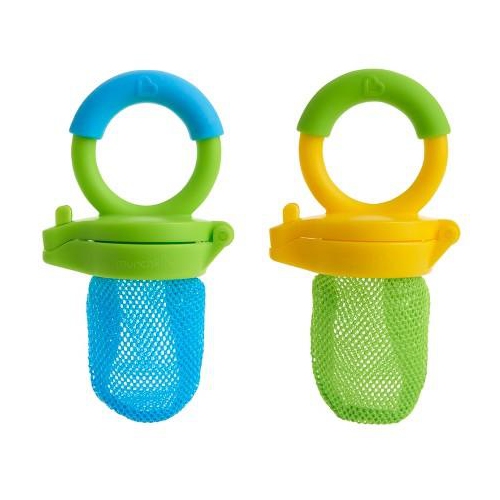 Your price for this item is $23.97
 -
 Your price for this item is $19.99
 -
 Your price for this item is $30.11
 -
 Your price for this item is $59.99
 -
 Your price for this item is $71.93
 -
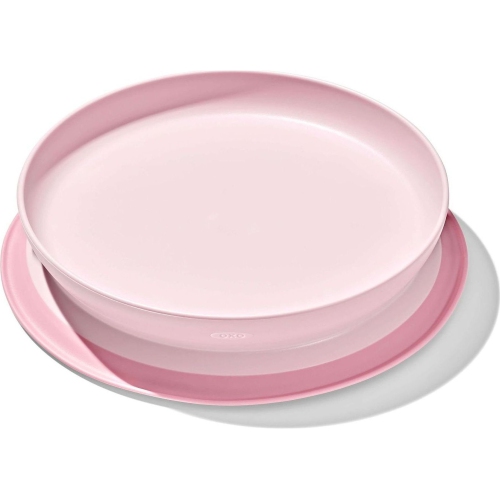 Your price for this item is $19.99
 -
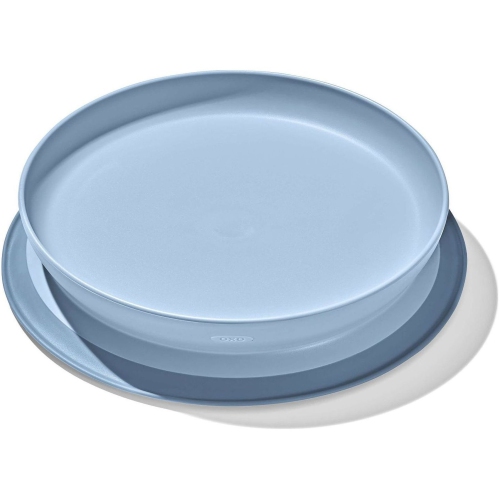 Your price for this item is $19.99
 -
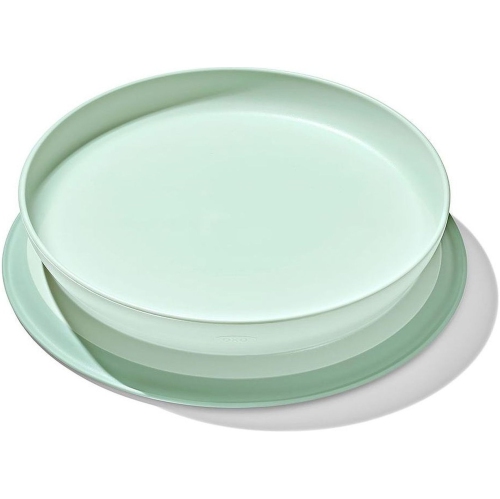 Your price for this item is $19.99
Discover more categories related to Baby Feeding Sets
Top Collections:
Pokemon Centers, Kindle Devices, Best Budget Office Chairs, Apple iPhones 16, Canon G7X Cameras, iPhone 15 Apple, Alarm Clock, Refurbished Apple Laptops, Flip Phones, Best Laptops for Writers
Some products may be subject to Environmental Handling Fees
(EHF) depending on your province.
Learn more about EHFs.