Feeding Sets
Feeding sets are essential for making mealtime enjoyable and convenient for both parents and little ones. With a variety of options available, these sets are designed to cater to the diverse needs of growing children. From colorful designs that capture their attention to practical components that simplify feeding routines, you'll find the perfect feeding set to suit your family's lifestyle. Explore our selection of feeding sets to discover high-quality choices that combine functionality and fun, ensuring every meal is a delightful experience.
Sort
Small mealtime details that support growing eating skills
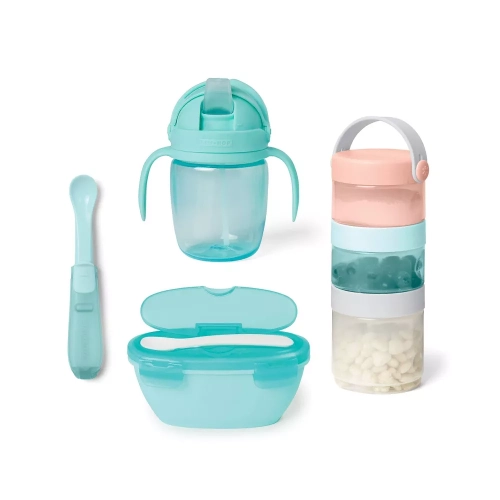
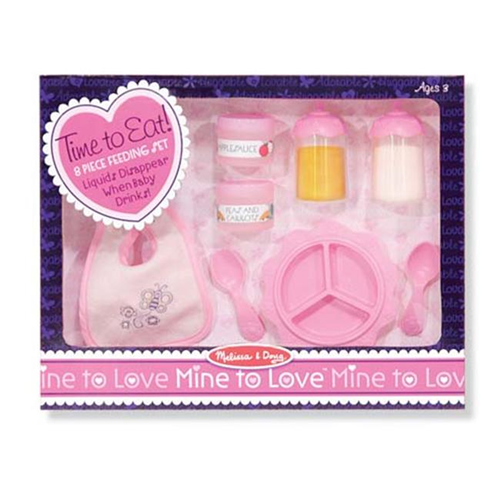
Baby feeding sets bring together coordinated mealtime essentials for infants beginning solid foods and toddlers learning to eat more independently. A set may include a bowl, a plate, a spoon and fork, a bib, and a drinking cup, although the combination and number of pieces vary. Some focus on first tastes with a shallow bowl and small spoon, while others include divided plates, suction bases, or training cups for later stages. The most useful combination depends on how a child eats and where meals take place. For a baby trying smooth purées, a shallow spoon with a small head helps a caregiver offer manageable mouthfuls without a large utensil getting in the way. For a child practising self-feeding, short, easy-to-grip handles and a bowl with curved sides can make scooping less frustrating. A divided plate keeps different foods apart, giving soft vegetables, pasta, and fruit their own space without requiring several dishes on a high-chair tray. An undivided plate offers more room for larger pieces and mixed meals as eating skills develop. Many babies begin solid foods at around six months, when they show developmental signs of readiness, including good head control and the ability to sit upright with support. Age recommendations on feeding accessories are helpful, but they do not replace attention to a child’s abilities or the suitability of the food being served. Children should be seated upright and supervised throughout meals, with food prepared in shapes and textures appropriate to their stage. A feeding set supports the routine rather than determining when a baby is ready. Its value often lies in small, practical details: a spoon that fits comfortably in a little hand, a bowl that leaves room to scoop, or a bib pocket positioned to catch the bites that miss. Coordinated pieces can also make it easier to keep a child’s everyday feeding supplies together between meals.
Materials affect how feeding sets feel, how much they weigh, and how they stand up to repeated washing and the occasional tumble from a tray. Food-grade silicone is flexible and generally resistant to breakage, making it a practical choice for bowls, bibs, and utensils that are likely to be dropped. Its soft texture can be comfortable against gums, though silicone pieces can sometimes retain food or detergent odours and still need thorough cleaning. Plastic feeding dishes are often lightweight and easy for small hands to lift; their suitability for dishwashers, microwaves, and hot foods depends on the manufacturer’s directions. Stainless steel offers a firm, durable eating surface, but it is not microwave-safe and can become hot when filled with hot food. Bamboo and wood-based pieces require particular attention to their finish and construction, since many need handwashing and should not be soaked or placed in a microwave. Material alone does not establish that a dish is suitable for every use, so care markings and stated age ranges matter. Fit is equally important, especially with suction feeding sets. A broad plate may sit comfortably on a dining table but overlap the edges of a narrow high-chair tray, preventing the base from making full contact. Suction generally works best on a clean, smooth, non-porous surface, and textured trays or uneven tabletops may limit its hold. A suction base can reduce sliding, but it cannot guarantee that a determined toddler will leave the bowl in place. Bowl depth, plate weight, and handle thickness also influence how easily a child can manage each piece. Bibs should sit comfortably around the neck without feeling tight, and an adjustable fastening can accommodate growth. For cups, size and shape matter as much as the lid: small open cups, straw cups, and other training designs call for different drinking skills. Removable valves, straws, and seals add cleaning steps, while any claim of spill resistance should be understood according to the cup’s stated design and use.
Daily care often determines whether a feeding set remains convenient after the first few meals. A bowl with a smooth interior is usually easier to wipe and wash than one with deep grooves, while lids and cup parts need to come apart far enough to remove trapped food and milk. Dishwasher-safe pieces can simplify cleanup, but the recommended rack position and wash settings still matter. Handwashing may be required for certain materials or components, even when the rest of a set can go in the dishwasher. All parts should be cleaned according to their instructions and allowed to dry fully before being reassembled or stored. Strongly coloured foods such as tomato sauce can leave marks on some surfaces; cracks, peeling finishes, torn silicone, or loose components are different concerns and should prompt a check of the manufacturer’s replacement guidance. Microwave suitability also needs to be confirmed for each piece rather than assumed for an entire set, and warmed food should be stirred and checked before serving. Beyond cleanup, the best fit for a household depends on its routines. Stackable bowls take up less cupboard space, a lidded container can keep a prepared portion covered, and a compact bib is easier to pack for meals away from home. A travel lid does not necessarily create a leakproof seal, so the closure deserves attention before a filled bowl goes into a bag. For grandparents or other caregivers, a simple set with easy-to-clean pieces can help make familiar mealtime routines easier to repeat. Feeding sets can also be thoughtful gifts for a baby shower, a first birthday, or the transition to solid foods, particularly when the contents suit the child’s next stage rather than duplicating accessories already in use. Families putting together supplies for different feeding stages may also consider Feeding Pillows for supported breast- or bottle-feeding with an attentive adult; these serve a different purpose from tableware and are not intended for infant sleep. For everyday meals, a manageable assortment of comfortable, well-fitting, easy-to-maintain pieces can be more useful than a larger collection with parts that rarely leave the cupboard.
Materials affect how feeding sets feel, how much they weigh, and how they stand up to repeated washing and the occasional tumble from a tray. Food-grade silicone is flexible and generally resistant to breakage, making it a practical choice for bowls, bibs, and utensils that are likely to be dropped. Its soft texture can be comfortable against gums, though silicone pieces can sometimes retain food or detergent odours and still need thorough cleaning. Plastic feeding dishes are often lightweight and easy for small hands to lift; their suitability for dishwashers, microwaves, and hot foods depends on the manufacturer’s directions. Stainless steel offers a firm, durable eating surface, but it is not microwave-safe and can become hot when filled with hot food. Bamboo and wood-based pieces require particular attention to their finish and construction, since many need handwashing and should not be soaked or placed in a microwave. Material alone does not establish that a dish is suitable for every use, so care markings and stated age ranges matter. Fit is equally important, especially with suction feeding sets. A broad plate may sit comfortably on a dining table but overlap the edges of a narrow high-chair tray, preventing the base from making full contact. Suction generally works best on a clean, smooth, non-porous surface, and textured trays or uneven tabletops may limit its hold. A suction base can reduce sliding, but it cannot guarantee that a determined toddler will leave the bowl in place. Bowl depth, plate weight, and handle thickness also influence how easily a child can manage each piece. Bibs should sit comfortably around the neck without feeling tight, and an adjustable fastening can accommodate growth. For cups, size and shape matter as much as the lid: small open cups, straw cups, and other training designs call for different drinking skills. Removable valves, straws, and seals add cleaning steps, while any claim of spill resistance should be understood according to the cup’s stated design and use.
Daily care often determines whether a feeding set remains convenient after the first few meals. A bowl with a smooth interior is usually easier to wipe and wash than one with deep grooves, while lids and cup parts need to come apart far enough to remove trapped food and milk. Dishwasher-safe pieces can simplify cleanup, but the recommended rack position and wash settings still matter. Handwashing may be required for certain materials or components, even when the rest of a set can go in the dishwasher. All parts should be cleaned according to their instructions and allowed to dry fully before being reassembled or stored. Strongly coloured foods such as tomato sauce can leave marks on some surfaces; cracks, peeling finishes, torn silicone, or loose components are different concerns and should prompt a check of the manufacturer’s replacement guidance. Microwave suitability also needs to be confirmed for each piece rather than assumed for an entire set, and warmed food should be stirred and checked before serving. Beyond cleanup, the best fit for a household depends on its routines. Stackable bowls take up less cupboard space, a lidded container can keep a prepared portion covered, and a compact bib is easier to pack for meals away from home. A travel lid does not necessarily create a leakproof seal, so the closure deserves attention before a filled bowl goes into a bag. For grandparents or other caregivers, a simple set with easy-to-clean pieces can help make familiar mealtime routines easier to repeat. Feeding sets can also be thoughtful gifts for a baby shower, a first birthday, or the transition to solid foods, particularly when the contents suit the child’s next stage rather than duplicating accessories already in use. Families putting together supplies for different feeding stages may also consider Feeding Pillows for supported breast- or bottle-feeding with an attentive adult; these serve a different purpose from tableware and are not intended for infant sleep. For everyday meals, a manageable assortment of comfortable, well-fitting, easy-to-maintain pieces can be more useful than a larger collection with parts that rarely leave the cupboard.
Top selling and popular products
-
 Your price for this item is $21.98
 -
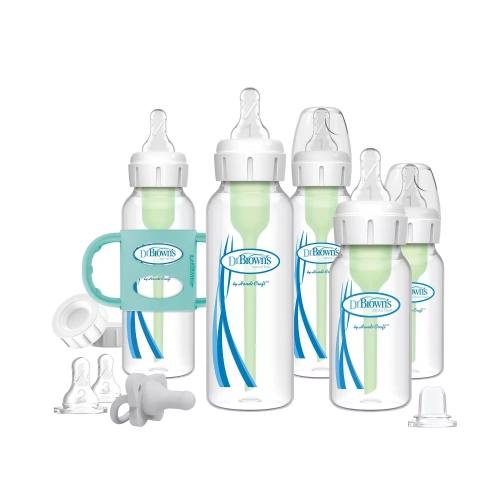 Your price for this item is $65.99
 -
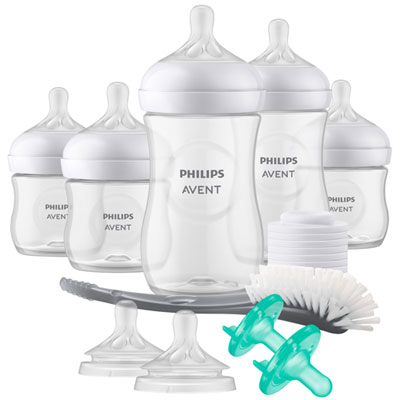 Your price for this item is $49.98
 -
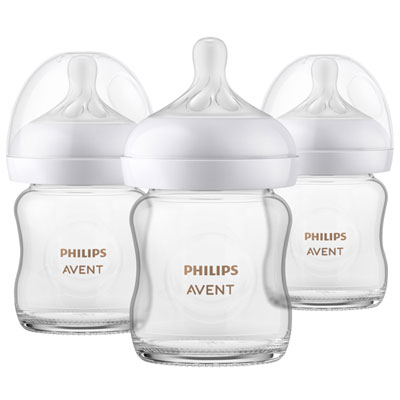 Your price for this item is $32.99
 -
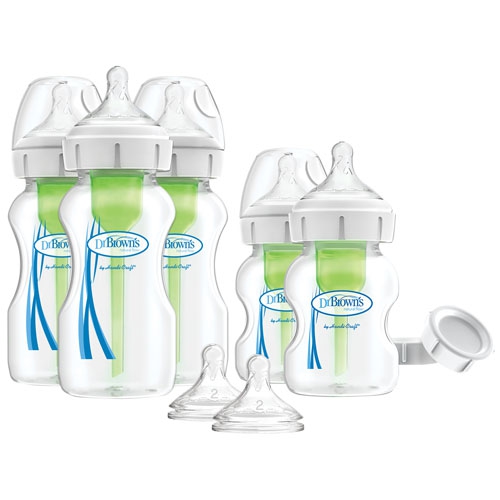 Your price for this item is $49.97
 -
 Your price for this item is $69.95
 -
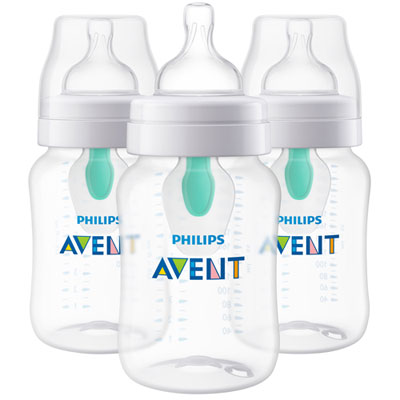 Your price for this item is $29.99
 -
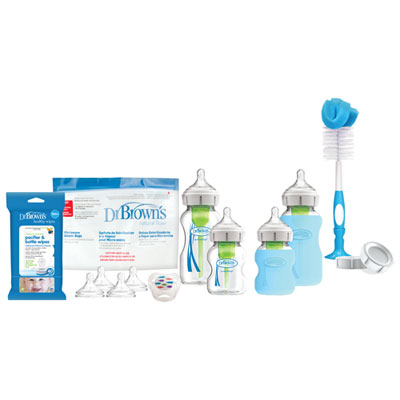 Your price for this item is $64.98
Discover more categories related to Feeding Sets
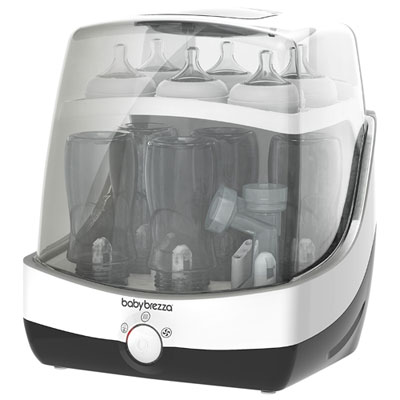
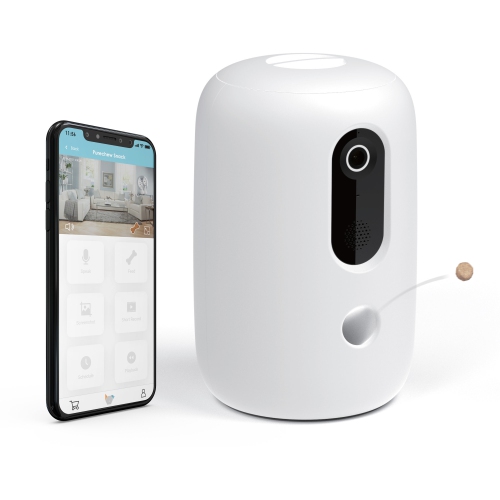
Top Collections:
Pokemon Centers, Kindle Devices, Best Budget Office Chairs, Apple iPhones 16, Canon G7X Cameras, iPhone 15 Apple, Alarm Clock, Refurbished Apple Laptops, Flip Phones, Best Laptops for Writers
Some products may be subject to Environmental Handling Fees
(EHF) depending on your province.
Learn more about EHFs.