Baby Gloves
When it comes to keeping your little one cozy and protected during the cooler months, baby gloves are an essential accessory for any parent. From playful designs to practical features, our selection of baby gloves offers a variety of options to suit your child's needs. Whether you're looking for soft and comfortable materials or vibrant colors to match their outfits, these baby gloves are designed to keep tiny hands warm and stylish all season long. Discover the perfect pair to add to your little one's wardrobe and ensure they stay snug while exploring the world around them.
Sort

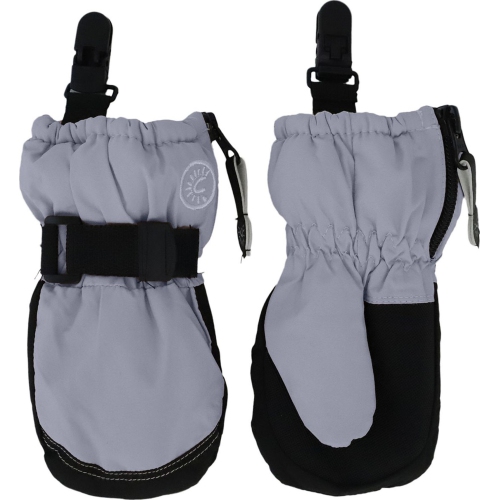
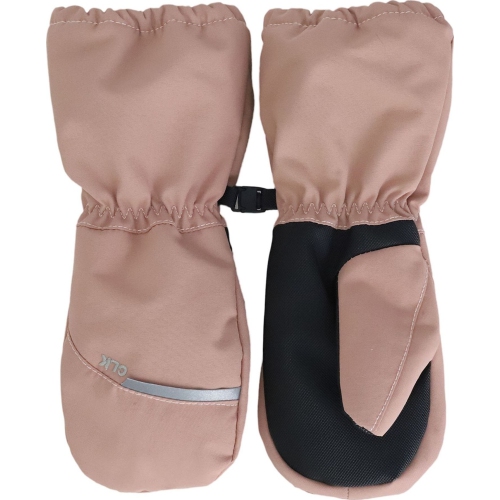
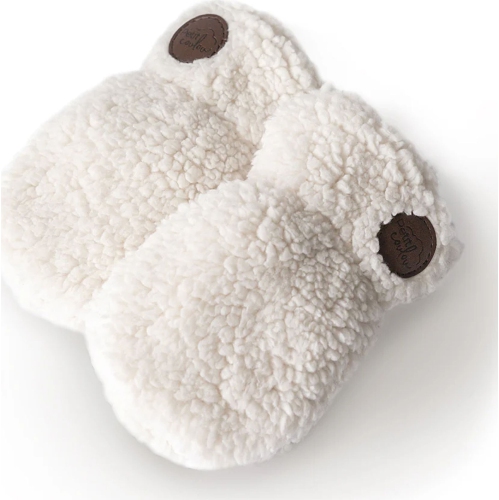
Why scratch mittens and winter pairs serve different needs
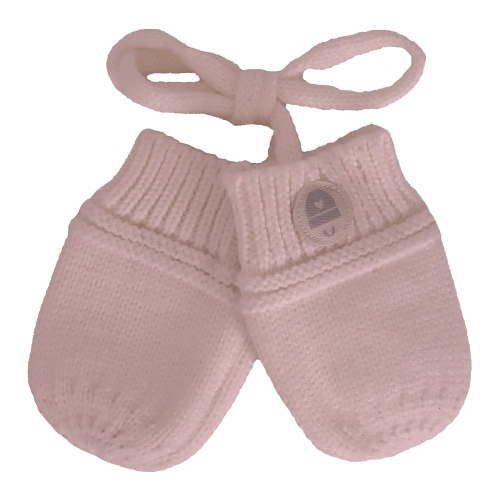
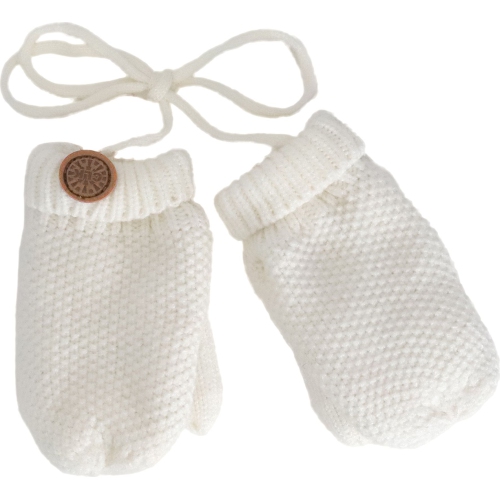
Baby gloves are small hand coverings designed for different needs, from soft newborn scratch mittens to insulated mittens for outdoor use. The main distinction is their purpose: scratch mittens help limit accidental scratches from tiny fingernails, while cold-weather mittens help keep hands warm and shield them from wind or moisture. Although “gloves” is often used as a general term, many infant styles have a mitten shape rather than separate finger sections. This gives little fingers room to rest together and makes dressing easier when a baby is curling their hands into fists. Newborn scratch mittens are usually lightweight, with soft fabric and a gently secured wrist opening. Cotton jersey and interlock fabrics can provide a smooth feel against the skin, while the placement of seams and labels can make a noticeable difference in comfort. A soft fabric is only part of the picture: rough stitching, a stiff cuff, or an exposed internal thread can make an otherwise simple mitten less suitable for delicate hands. Fit matters just as much as the age printed on the label. Babies of the same age can have different hand sizes, so hand measurements and the manufacturer’s sizing information are more useful than an age range alone. There should be room for the fingers to open without excess fabric bunching around them, and the cuff should stay in place without leaving pressure marks. Scratch mittens are intended for occasional use rather than constant wear. Uncovered hands give babies opportunities to explore textures, bring their hands to their mouths, and practise grasping. Regular nail care remains important, since a mitten does not address a sharp nail edge underneath it. For a baby who repeatedly scratches irritated skin, advice from a health care professional can help identify the underlying concern rather than simply keeping the hands covered. Simple construction, a comfortable opening, and an appropriate size are generally more useful than elaborate decorative details, especially when the fabric will frequently come into contact with a baby’s face.
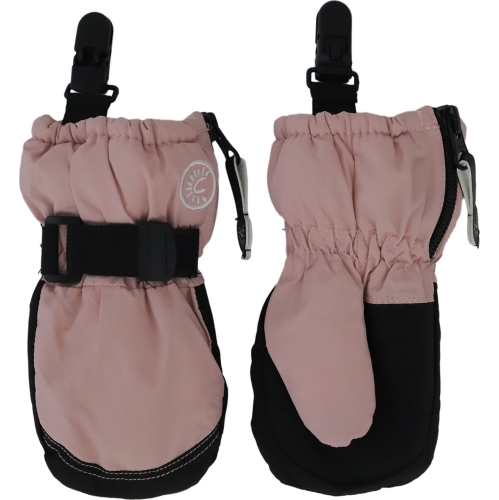
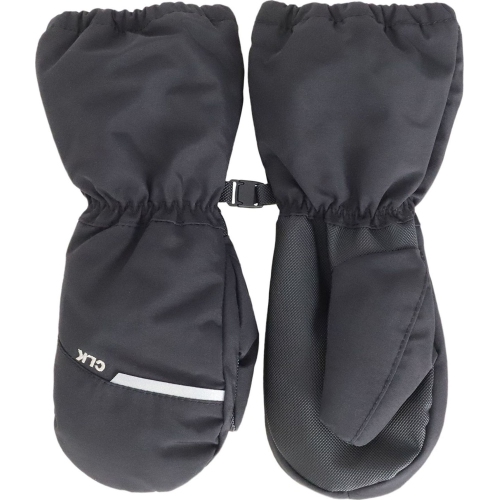
For outdoor use in cold conditions, baby mittens have a different job and need a different combination of materials. A soft lining provides comfort next to the hand, insulation helps retain warmth, and an outer layer can offer resistance to wind and moisture. Fleece is commonly used for its soft texture, while wool and wool blends may appeal to families who prefer knitted handwear. Fibre content alone does not determine how a mitten performs; thickness, lining, construction, and fit all contribute. A knitted mitten may suit a brief outing in dry conditions, whereas contact with wet snow calls for closer attention to the outer fabric and its stated level of water protection. Water-resistant and waterproof descriptions are not interchangeable, and an outer fabric’s performance does not necessarily describe the seams or cuff opening. The way a mitten meets a coat sleeve also affects coverage. A longer cuff can help close the gap at the wrist, while a shorter cuff may fit more comfortably beneath a roomy sleeve. Neither arrangement should create tight layers or restrict movement. For babies who keep their hands curled, a roomy mitten shape can be easier to put on than a glove with individual fingers. As children begin holding toys, reaching for a stroller bar, or exploring outdoors, flexibility becomes increasingly useful. Very bulky padding may make those movements harder even when the mitten feels warm. A gentle elastic opening or an adjustable wrist closure can help with fit, provided it does not press into the skin. Long cords and dangling ties are best avoided around infants, and any fastening should remain secure without loose components. Damp handwear should be changed rather than left against the skin, making a spare pair practical for longer outings. Warm mittens are one part of appropriate outdoor clothing, not a guarantee of comfort in every condition; checking a baby’s hands and overall comfort remains important throughout an outing.
Everyday care has a significant effect on how baby gloves feel and how well they hold their shape. Scratch mittens can collect milk, saliva, and skin-care residue, while outdoor pairs may pick up dirt and moisture around the palms and cuffs. The care label should guide washing, drying, and stain treatment, particularly when a pair combines a lining, insulation, and a protective outer layer. Some cotton fabrics tolerate routine machine washing, while certain wool blends or structured mittens need gentler handling. High heat can shrink fabric, affect elastic, or alter the fit, so drying instructions deserve as much attention as washing instructions. Mittens should be fully dry before being stored, including the fingertips and the space between layers. Turning them as directed during drying can help reveal hidden damp areas. After laundering, a quick inspection of seams, cuffs, and closures can catch stretched elastic, loose threads, or a lining that has twisted inside. Durability is not simply a matter of thick fabric: tidy stitching, securely attached components, and materials that retain their softness after repeated washing are useful qualities in frequently handled baby accessories. Keeping matching pairs together in a small drawer compartment or change-bag pocket can make dressing less fiddly when a baby is already wriggling. For gifts, simple colours and easy-care fabrics can be practical choices, but intended use and size should come first. A lightweight newborn pair serves a different purpose from insulated mittens sized for an older infant, and a larger size is not automatically a better fit for future use. Decorative or light-up accessories such as LED Gloves have a different purpose and should not be assumed suitable for babies. For infant handwear, clearly stated sizing, straightforward care requirements, and construction suited to the intended activity provide a more useful basis for choosing than appearance alone.
Top selling and popular products
-
 Your price for this item is $22.99
-
 Your price for this item is $24.99
-
 Your price for this item is $16.99
-
 Your price for this item is $8.65
-
 Your price for this item is $16.99
-
 Your price for this item is $24.99
-
 Your price for this item is $29.99
-
 Your price for this item is $24.99
Discover more categories related to Baby Gloves
Top Collections:
Pokemon Centers, Best Cameras for Sports Photography, Kindle Devices, Samsung Galaxy Phones, Canon G7X Cameras, Pokémon 30th Celebration Cards, Refurbished Apple Laptops, iPhone 15 Apple, Laptops for Students, Budget Smartphones
Some products may be subject to Environmental Handling Fees
(EHF) depending on your province.
Learn more about EHFs.