Baby Hip Carriers
If you're looking for a convenient and comfortable way to carry your little one while keeping your hands free, this collection of baby hip carriers offers the perfect solution for parents on the go. These versatile carriers provide excellent support for both you and your baby, allowing you to tackle daily tasks or explore the outdoors with ease. Designed with safety and comfort in mind, these baby hip carriers are adjustable, durable, and stylish, making them a must-have accessory for busy parents.
Sort


Practical support for short carries and busy transitions
Baby hip carriers are designed for the busy in-between moments when a child wants to be held but a traditional stroller or full baby carrier is not the most convenient choice. A padded hip seat or waist-supported carrier gives a baby or toddler a stable place to sit against the caregiver’s body, helping reduce the pressure placed on the arms during short outings, household tasks, and frequent up-and-down transitions. They can be especially useful when walking through a shop, moving between the car and home, waiting in a queue, or exploring a park path where a child may want to be carried one minute and walk independently the next. Unlike a fully structured, hands-free baby carrier, many baby hip carriers are carrying aids rather than complete restraint systems. The caregiver generally needs to keep one arm securely around the child, particularly when using a simple hip seat. This makes them well suited to close, interactive carrying while still allowing the other hand to manage a small bag, open a door, or hold an older child’s hand. Some designs include a supportive waistband, storage pockets, adjustable straps, or a structured attachment that adds more support, while others are intentionally compact for quick use. When comparing options, consider the child’s age, size, developmental stage, and the type of carrying you expect to do most often. A baby should have strong head, neck, and trunk control and be able to sit upright independently before using a hip-style carrier, which is commonly around six months but varies from child to child. Always follow the manufacturer’s age, weight, positioning, and safety instructions, and never use a carrier as a substitute for a car seat, sleep surface, or supervised seating area.
Comfort and fit are central to choosing baby hip carriers. The waistband should sit securely around the caregiver’s natural waist or hips without digging in, slipping, or leaving a gap that makes the seat feel unstable. Look for adjustable fastening that can accommodate different layers of clothing and different caregivers, especially in households where a carrier is shared. A broad, supportive waistband can help distribute the child’s weight across the hips and core rather than concentrating it in one shoulder or forearm. Padding on the seat may make longer carrying periods more comfortable, while a firm, level platform can help keep the child positioned close to the caregiver. The child should sit upright with their body well supported, their face and breathing space unobstructed, and their legs positioned comfortably rather than dangling or being forced into an awkward angle. Check that buckles, seams, fasteners, and fabric panels are secure before each use, and make sure the child cannot lean or climb out of the supported area. Because carrying posture can affect comfort over time, switch sides periodically when the design allows and take regular breaks. Alternating the hip used for carrying may help reduce uneven muscle strain, particularly during a long day of errands. During cooler months, remember that bulky coats and snowsuits can change the fit and may make it harder to keep the carrier snug and the child properly positioned; layers should not interfere with secure fastening or cover the child’s face. In warmer weather, breathable materials and a simple design may help prevent overheating. Caregivers who prefer a lightweight, fabric-based option for quick holds may also wish to explore Baby Sling Carriers, while those looking for a more structured seat may favour a supportive waist design.
Baby hip carriers can be a practical gift for new parents, grandparents, relatives, and other caregivers who spend time with a growing baby or toddler. They are particularly helpful for families who already own a stroller or full-body carrier but want an easier option for brief carrying sessions. A caregiver may use one while soothing a fussy child at home, carrying a little one from the front entrance to the car, or navigating a busy family gathering where staying close helps the child feel secure. The compact format can also be convenient for travel, visits, and everyday walks, since it may take up less room than a larger carrier and can be put on before a child asks to be picked up. Before choosing a gift, consider whether the recipient prefers a waist seat, a shoulder-supported style, or a carrier with additional fastening and storage. Neutral sizing, adjustable straps, easy-clean materials, and a simple care routine can make a carrier more useful across different caregivers and routines. It is also worth checking whether the child has reached the developmental stage required for the particular design, since a carrier intended for a sitting baby may not be appropriate for a younger infant. No matter which style is selected, close supervision remains important. Keep one hand on the child when the carrier instructions require it, avoid activities that could cause a fall or sudden impact, and remove the child before bending, reaching, cooking, climbing stairs, or handling hot drinks. With the right fit and realistic expectations, baby hip carriers can make everyday carrying feel more manageable while preserving the closeness that children often seek as they grow more mobile.
Top selling and popular products
-
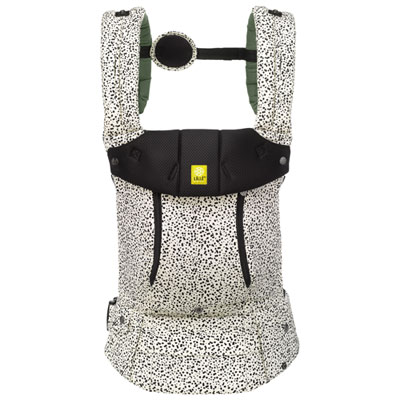 Your price for this item is $129.99
-
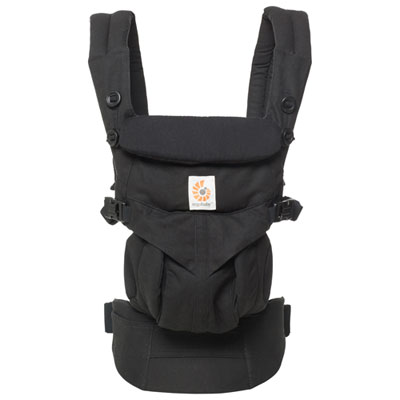 Your price for this item is $233.99
-
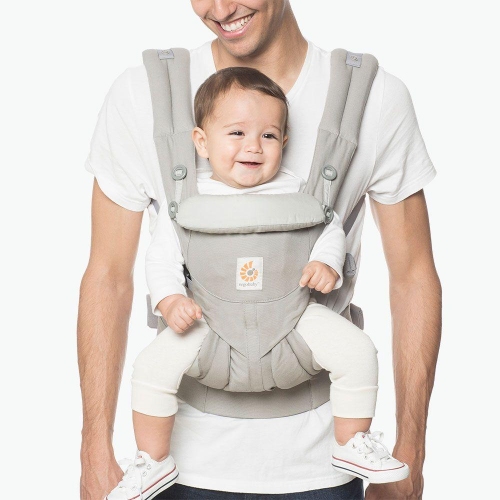 Your price for this item is $249
-
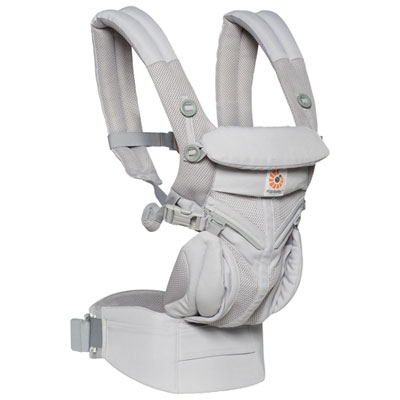 Your price for this item is $233.99
-
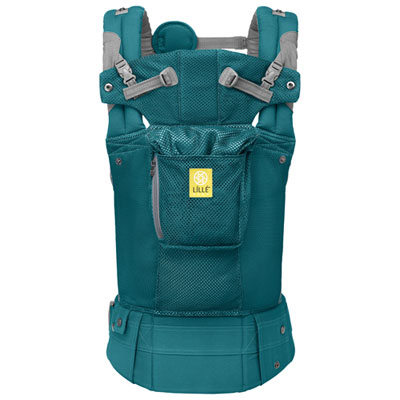 Your price for this item is $99.99
-
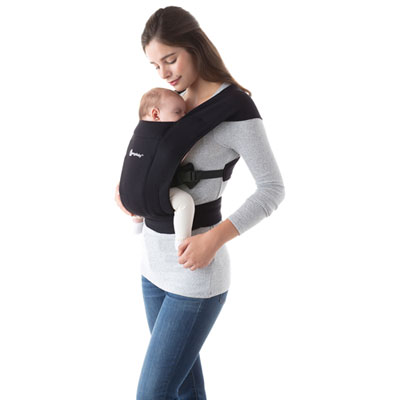 Your price for this item is $128.99
-
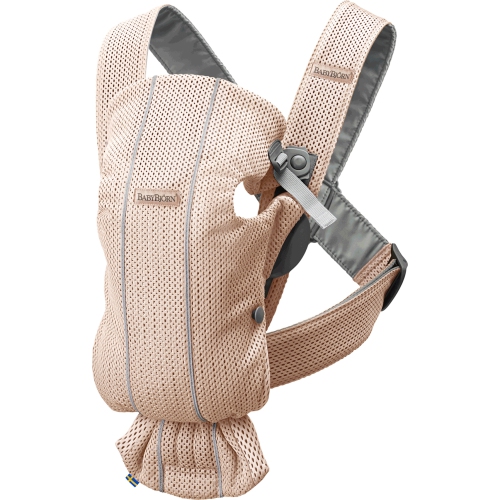 Your price for this item is $179.99
-
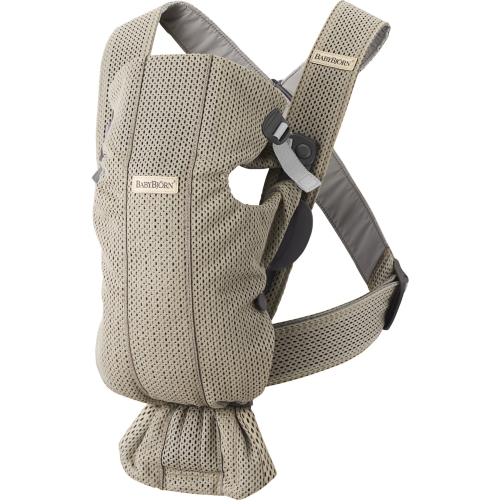 Your price for this item is $179.99
Discover more categories related to Baby Hip Carriers


Top Collections:
Pokemon Centers, Best Cameras for Sports Photography, Kindle Devices, Samsung Galaxy Phones, Canon G7X Cameras, Pokémon 30th Celebration Cards, Refurbished Apple Laptops, iPhone 15 Apple, Laptops for Students, Budget Smartphones
Some products may be subject to Environmental Handling Fees
(EHF) depending on your province.
Learn more about EHFs.