Baby Carriers for Walking
If you're a parent, you know that nothing beats the comfort of holding your baby in your arms. But if you're going to be walking around with a baby, it's important to have the right gear. A good carrier can make all the difference between a pleasant outing and a comfortable one. Here are some of the best options available.
Sort


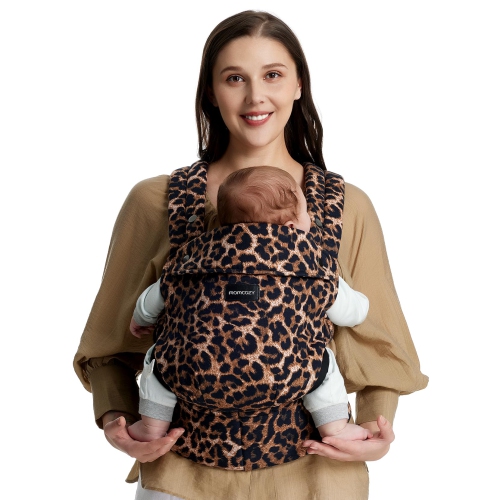


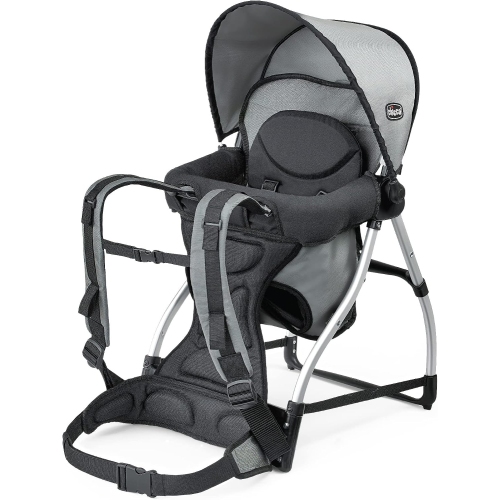


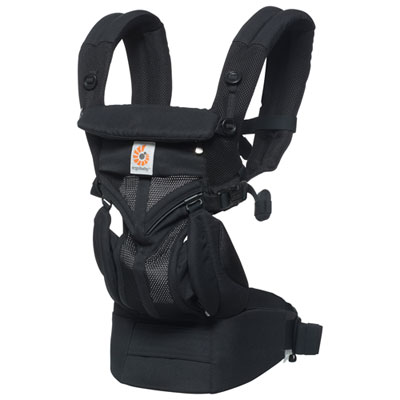

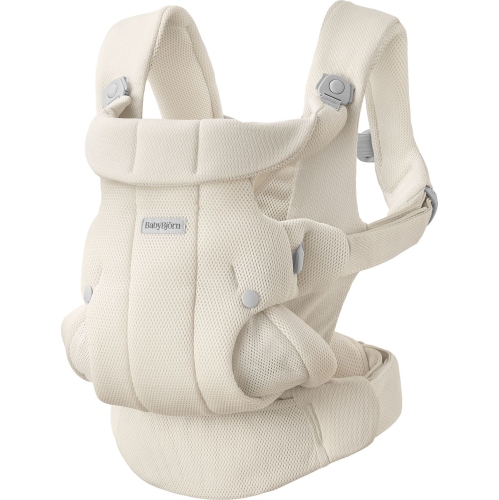
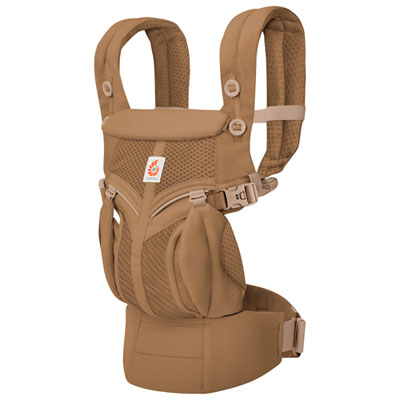
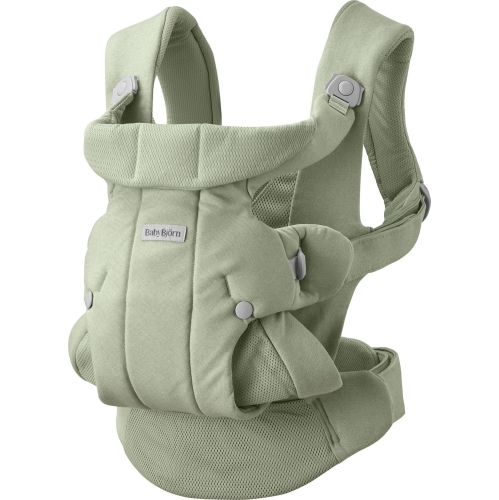


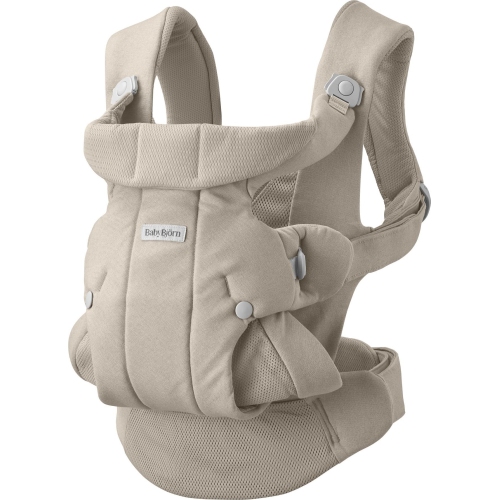


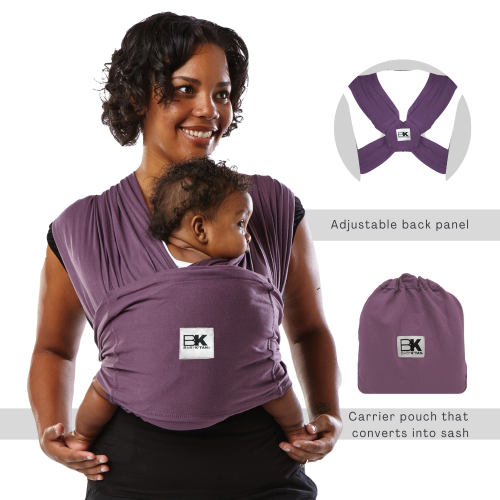
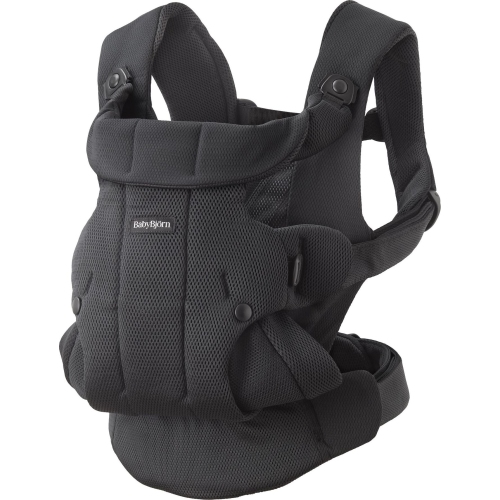
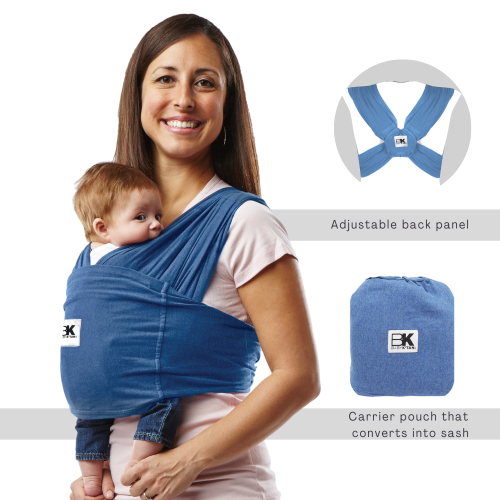


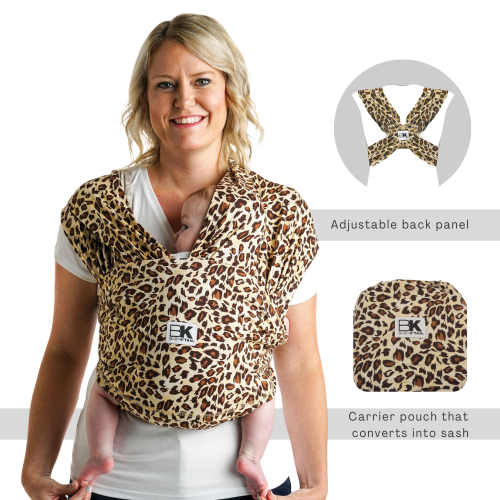

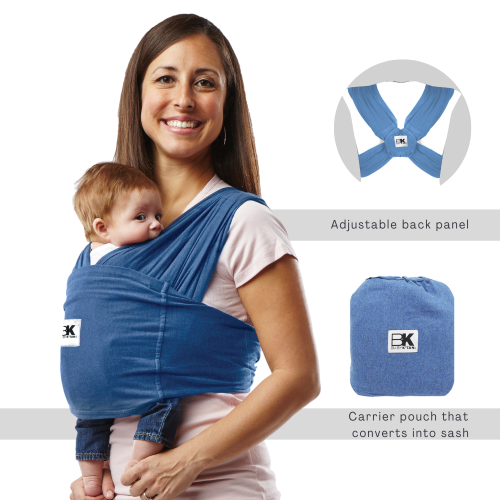
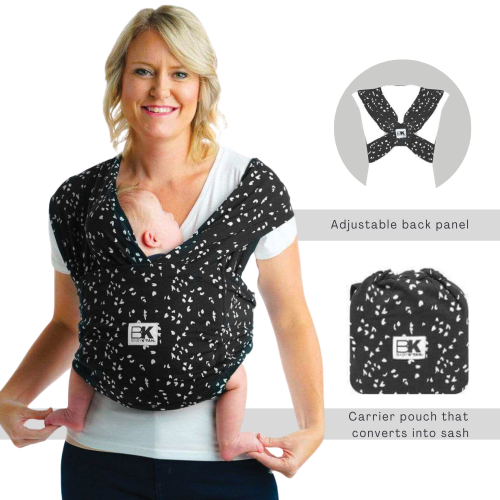
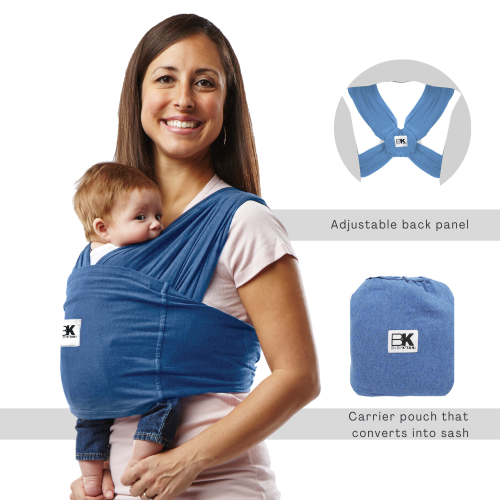


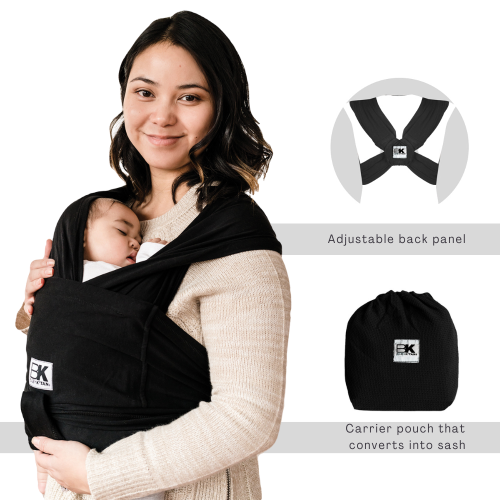
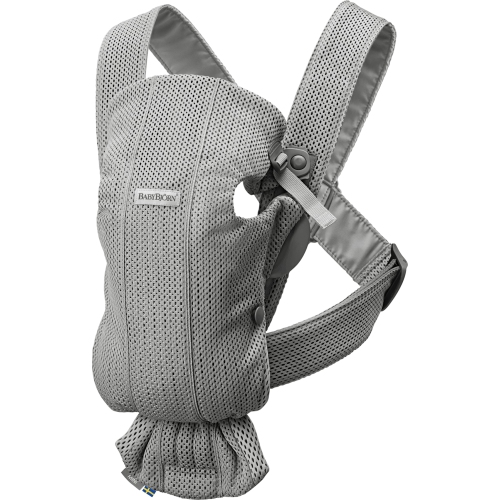

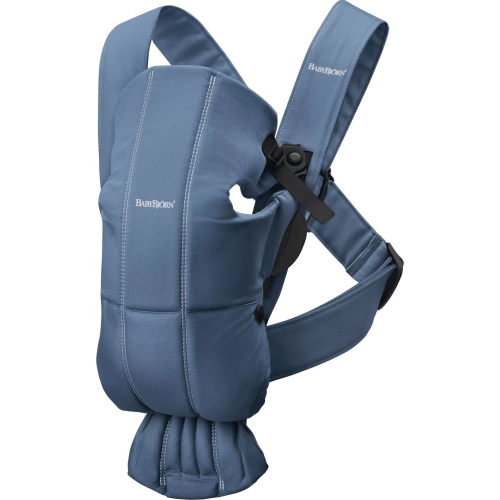


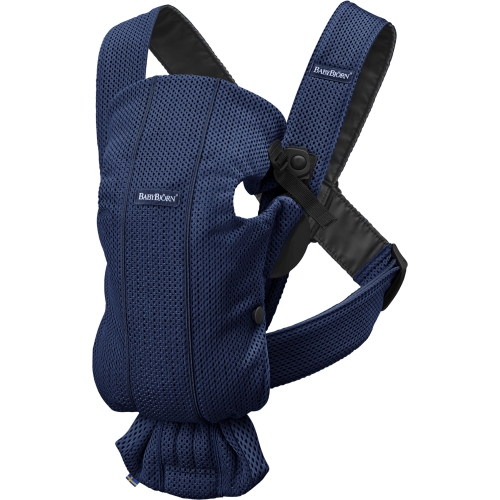


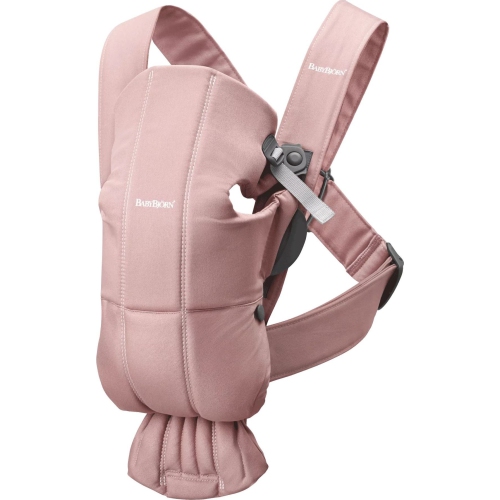
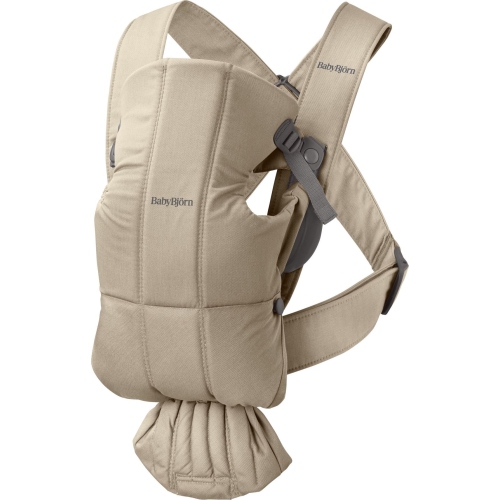







Hands-free closeness and comfort for everyday walks
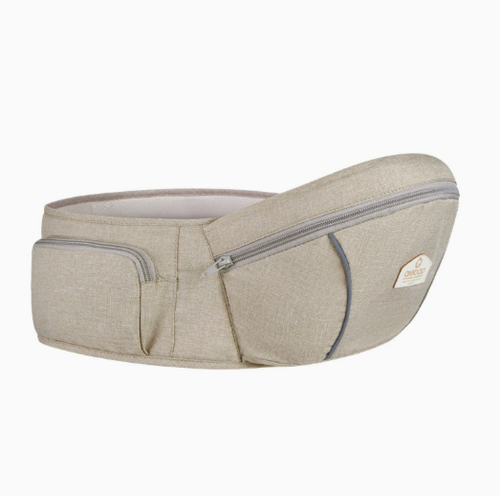
Baby carriers for walking offer a practical way to keep your baby close while leaving both hands available for everyday tasks, neighbourhood walks, errands and outdoor adventures. Unlike a stroller, a carrier lets you move easily through narrow shop aisles, busy sidewalks, uneven paths and places where stairs or crowded spaces make wheels less convenient. Many parents also appreciate the closeness: your baby can hear your voice, feel your movement and observe the world from a secure position while you stay connected during a walk. Carriers come in several styles, so the right choice depends on your child’s age, size, stage of development and the type of walking you plan to do. Soft wraps and structured carriers are often selected for younger babies and shorter walks, while framed hiking carriers are generally designed for older babies who can sit upright independently and are ready for longer outings. Some designs support front carrying, while others allow back carrying as a child grows. Hip-style carriers can be useful for quick ups and downs when a toddler wants to walk for a while, then be carried again. Explore Baby Hip Carriers for options intended to make those brief carrying moments easier. Always check the manufacturer’s instructions for minimum and maximum weight limits, recommended carrying positions and developmental requirements before use. A newborn should have appropriate head, neck and airway support, with the baby’s face visible and chin lifted away from the chest. As your child becomes more active, look for a design that allows a comfortable, secure fit without restricting healthy hip positioning. A carrier should feel snug enough to keep your baby close to your body, while still allowing room for natural leg movement and comfortable breathing.
Comfort matters for both the wearer and the child, especially when a quick stroll turns into an extended walk. Adjustable shoulder straps, a supportive waistband and a panel that spreads your child’s weight evenly can help reduce pressure on your shoulders, neck and lower back. Padded straps may be helpful for longer outings, while a lightweight design can be more convenient for daily use and easy storage. If more than one caregiver will use the carrier, choose an option with simple adjustments that can be changed without a lengthy re-fitting process. Breathable fabrics and airflow panels may be welcome during warmer days, while a soft, well-padded interior can add comfort during cooler months. Clothing should be considered carefully: bulky coats can affect the fit and may make it harder to keep your baby positioned correctly, so layers that allow the carrier to sit close to the body are often more practical. Useful details such as storage pockets, a removable hood, sun protection or a washable cover can make a noticeable difference during regular walks. For errands, a compact carrier that goes on quickly may be the most useful option, particularly when your child alternates between walking and being carried. For a longer park visit or a walk along a paved trail, lumbar support and a wider, supportive waistband may be higher priorities. If your plans include rugged trails, look for a carrier designed for outdoor use with a stable frame, secure child seat, adjustable foot supports and a reliable harness. These designs can be more structured and may be better suited to experienced walkers who need extra load support, rather than families looking for a lightweight carrier for short neighbourhood outings. Before leaving home, practise putting the carrier on and taking it off, adjust the straps while standing in front of a mirror and confirm that all buckles are fully fastened. It is also helpful to start with brief walks so both you and your baby can become familiar with the fit and movement.
Baby carriers for walking can be especially useful for parents, grandparents and caregivers who want a hands-free option for daily routines. They may be convenient for walking to a nearby playground, soothing a baby during a gentle stroll, bringing a child along while carrying a small bag or navigating a busy venue where a stroller is difficult to manoeuvre. They can also make thoughtful gifts for new parents, parents preparing for an active lifestyle or families welcoming a second child who need a practical way to keep an older baby close while managing other responsibilities. Gift-givers should consider choosing an adjustable style that can accommodate growth, since babies change quickly during their first year. A carrier with straightforward instructions and flexible settings may be more useful than one designed for a narrow age range. During the cooler months, carriers can be layered with appropriate clothing and used for crisp walks through the neighbourhood, visits to outdoor markets or trips to and from the car, provided the baby remains comfortably positioned and protected from cold wind. On warmer days, shade, hydration for the adult and breathable materials become more important, and regular checks can help ensure that neither the baby nor the wearer is becoming overheated. The carrier should never be used during activities that could cause a fall or expose the child to excessive bouncing, and it should not replace a properly installed car seat. Pay attention to your posture as you walk, take breaks during longer outings and ask another adult for help when transferring a sleeping or unsettled baby. With the right fit and realistic expectations, a baby carrier can become a dependable part of everyday life, helping families enjoy walks, errands and outdoor time while keeping little ones close, supported and comfortable.
Top selling and popular products
-
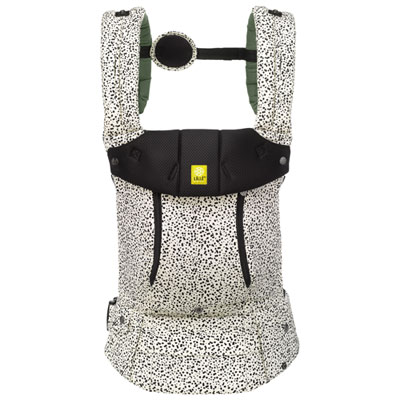 Your price for this item is $129.99
-
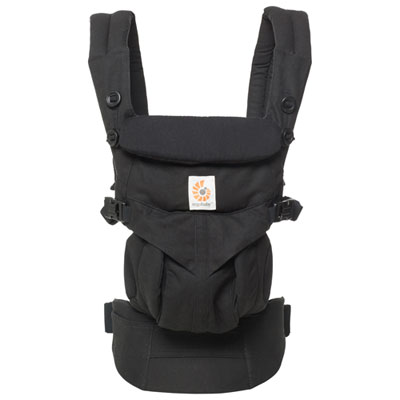 Your price for this item is $233.99
-
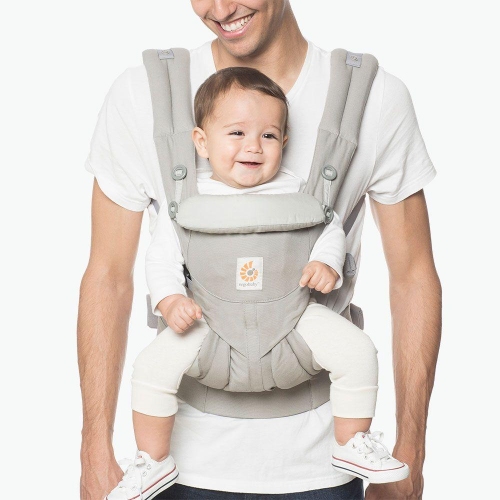 Your price for this item is $249
-
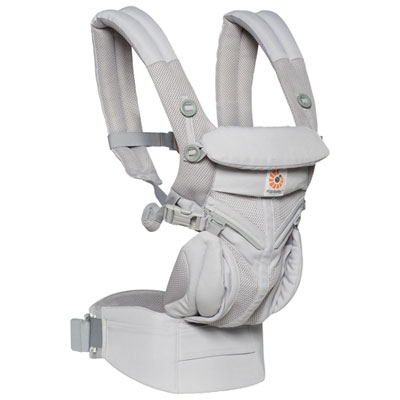 Your price for this item is $233.99
-
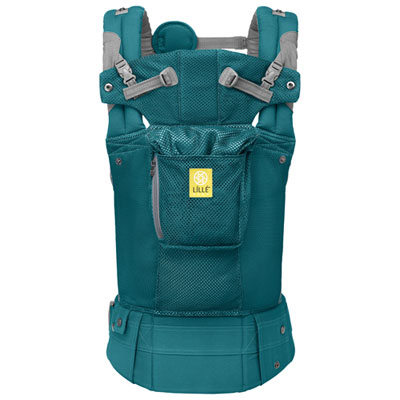 Your price for this item is $99.99
-
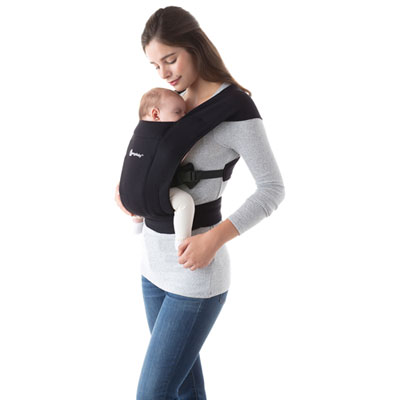 Your price for this item is $128.99
-
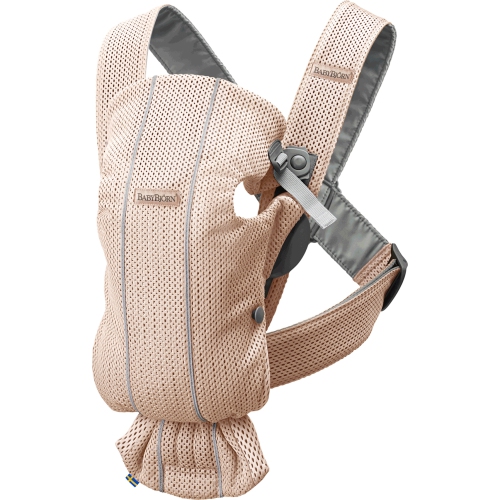 Your price for this item is $179.99
-
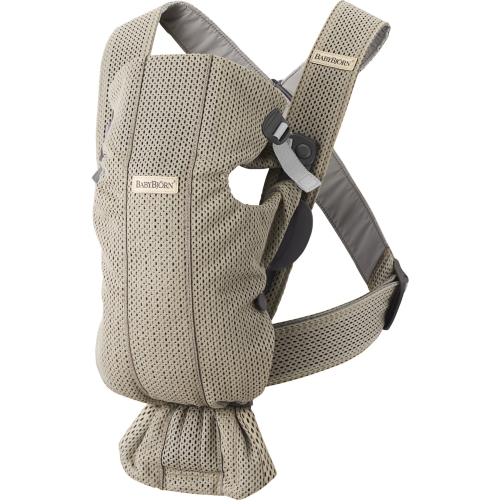 Your price for this item is $179.99
Discover more categories related to Baby Carriers for Walking
Top Collections:
Pokemon Centers, Best Cameras for Sports Photography, Kindle Devices, Samsung Galaxy Phones, Canon G7X Cameras, Pokémon 30th Celebration Cards, Refurbished Apple Laptops, iPhone 15 Apple, Laptops for Students, Budget Smartphones
Some products may be subject to Environmental Handling Fees
(EHF) depending on your province.
Learn more about EHFs.