Baby Monitors for Safety
Discover peace of mind with baby monitors for safety, designed to help you keep a close eye on your little one. Whether you're in another room or multitasking around the house, these monitors provide reassurance by helping you stay connected to your baby. Explore a variety of options to find the perfect solution that fits your family's needs and lifestyle, making every moment with your child even more enjoyable.
Sort


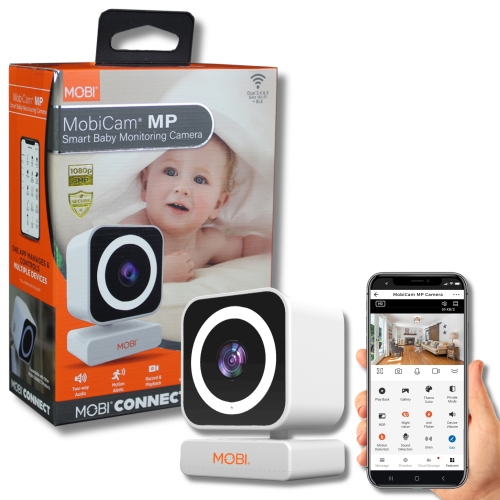


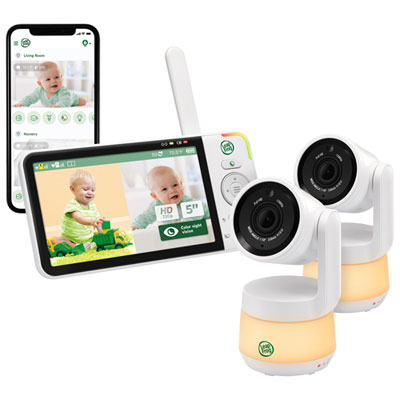
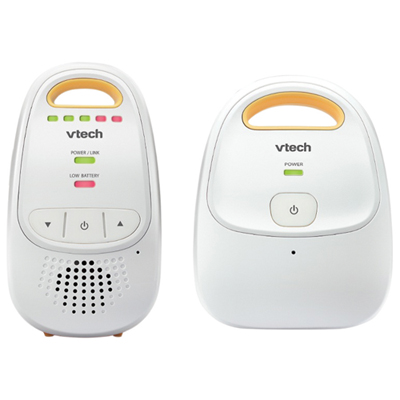


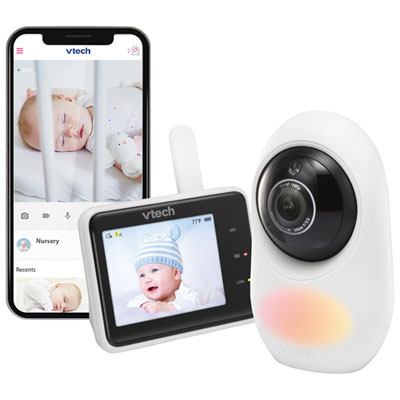
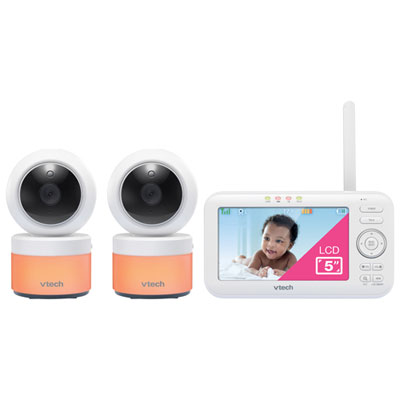
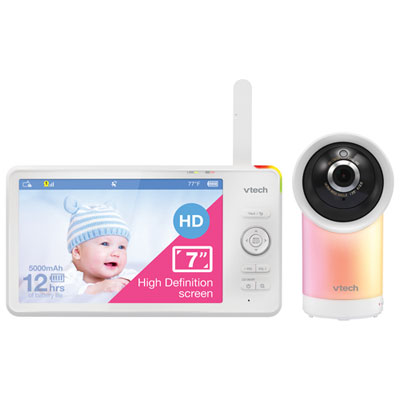
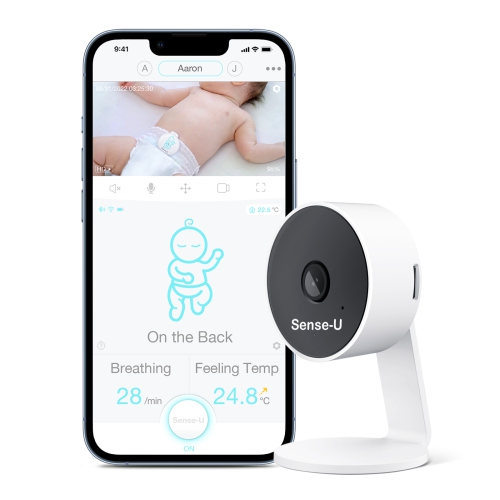
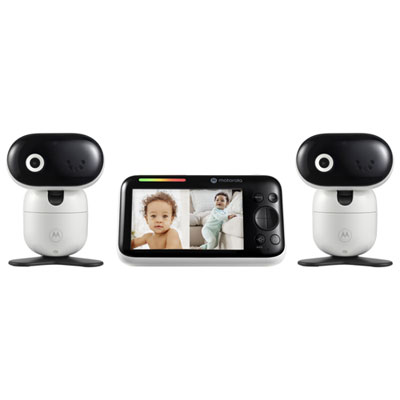

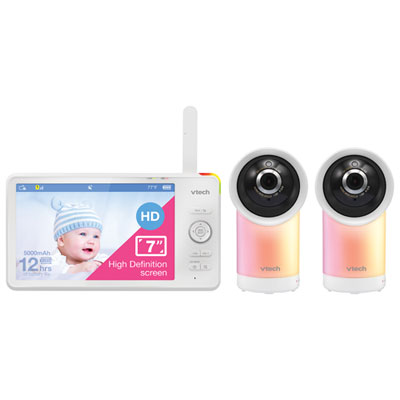
What matters when monitoring your baby from another room
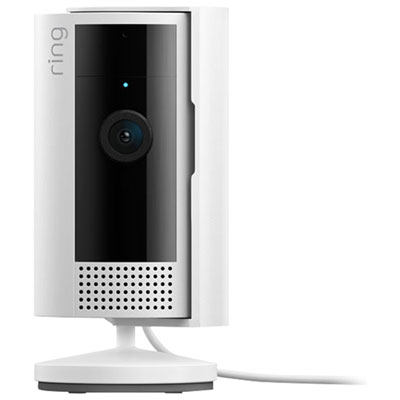
Baby monitors for safety help parents and caregivers stay aware of a baby’s sounds and movements while spending time in another part of the home. Their role is to support attentive care, not to replace an adult’s supervision or make a sleep space safe on their own. Across the range of Baby Monitors, the main options include audio monitors, video monitors with a dedicated parent unit, and Wi-Fi cameras that connect to a compatible phone or tablet. Audio monitors focus on the sounds that prompt a check-in, such as crying or a baby waking from a nap. They can suit caregivers who prefer a straightforward receiver without a video screen. Video adds a view of the sleep space, making it easier to see whether a sound came from a brief stir or a baby who is fully awake. A dedicated parent unit keeps that view separate from phone calls and other apps, while a Wi-Fi monitor can support viewing beyond the home when its connection and account settings allow it. Some systems combine both approaches. The most useful arrangement depends on who will be watching, where they will be in the home, and how comfortably they can operate the controls. A grandparent caring for a baby during an afternoon visit may appreciate clearly labelled buttons and a screen that wakes quickly. Parents sharing overnight duties may value adjustable sound levels, a visible sound indicator, and a receiver that is easy to carry between rooms. Two-way audio can let a caregiver speak through the camera, although it does not replace going to the baby when attention is needed. For families with more than one young child, support for additional cameras may be helpful; how the system displays each room and plays its audio matters as much as the number of cameras it accepts. These everyday details help distinguish a monitor that simply offers many features from one that fits a household’s actual routine.
Connection type, image quality, and alert behaviour shape how useful a baby monitor feels in practice. Non-Wi-Fi video monitors transmit between the camera and a paired receiver without relying on a home internet connection. This removes the need for an internet-connected viewing account, but it does not make a wireless device completely immune to interference or unauthorized access. Encrypted transmission and secure pairing are worthwhile features to look for. Wi-Fi baby monitors offer app-based viewing and may allow separate access for another parent or trusted caregiver. Their privacy protections deserve close attention, including encryption, two-factor authentication where supported, ongoing security updates, and controls for removing someone’s access. Unique passwords for the monitor account and home network help protect connected devices, and any recording features should have clear storage and deletion settings. Within the home, walls, floors, other wireless devices, and the distance between rooms can affect performance. An advertised range is not a promise of identical coverage in every layout: a receiver that works well across an open living area may behave differently behind a closed door on another floor. Clear out-of-range warnings and low-battery alerts help caregivers notice when monitoring has been interrupted. Battery-life specifications also need context, since continuous video, screen brightness, and audio settings can change how long a parent unit runs between charges. A rechargeable receiver does not necessarily mean the camera will operate during a power outage. For video, a clear night view, a suitable field of view, and an adjustable camera angle can matter more than resolution alone. Remote pan and tilt may help keep the sleep space in view without repositioning the camera by hand. Sound activation and adjustable sensitivity can reduce unnecessary screen wake-ups, but settings should still allow important sounds to come through. With phone-based viewing, notification permissions, muted audio, app behaviour, and internet interruptions can all affect whether a caregiver receives an alert. Testing the monitor from the places where it will actually be used provides a more meaningful picture than specifications alone.
Physical placement, care, and realistic expectations are essential parts of using a baby monitor safely. Cameras, transmitters, and power cords should remain at least one metre from the crib and completely beyond the baby’s reach, including as the child grows and begins pulling up or reaching farther. A camera should never sit inside the crib or be attached to its rails, and a wide viewing angle is no reason to bring a cord closer. Stable bases and securely installed, manufacturer-approved mounts help maintain a useful view without loose equipment near the sleep space. Housing materials are commonly rigid plastics, while wearable components may include soft textile bands or flexible surfaces designed for skin contact. Smooth, accessible surfaces are easier to wipe clean, and sturdy stands, well-fitted charging connections, and securely closing battery compartments support repeated daily handling. Cleaning methods should follow the manufacturer’s directions; electronics should not be immersed, and washable straps should be removed and cleaned only as instructed. Wearable movement or vital-sign monitors require particular attention to intended use, age and size limits, correct placement, and skin care. Their capabilities differ: a movement sensor does not necessarily measure breathing or oxygen levels, and an app’s sleep summary is not a clinical assessment. Consumer baby monitors are not proven to prevent sudden infant death syndrome, cannot reliably identify every urgent problem, and should not be relied on to diagnose illness or choking. False alarms and missed events are possible. Medical concerns or a need for prescribed monitoring belong with a qualified healthcare professional. Safe sleep practices remain necessary regardless of the monitor: babies should be placed on their backs on a firm, flat sleep surface in an appropriate crib, cradle, or bassinet, with loose bedding, pillows, and toys kept out. For a baby shower or a gift to new parents, a monitor is most useful when it matches the recipients’ preferences for a dedicated screen or app, their home setup, and their comfort with connected technology. Straightforward controls, dependable everyday operation, and sensible placement ultimately matter more than a long list of tracking features.
Top selling and popular products
-
 Your price for this item is $429.99
-
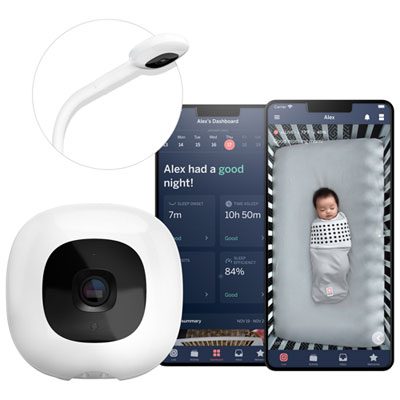 Your price for this item is $499.99
-
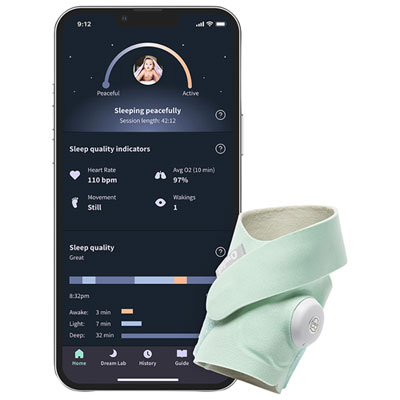 Your price for this item is $449.99
-
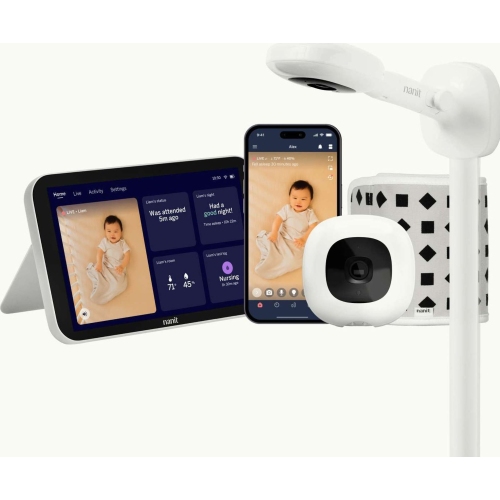 Your price for this item is $679.99
-
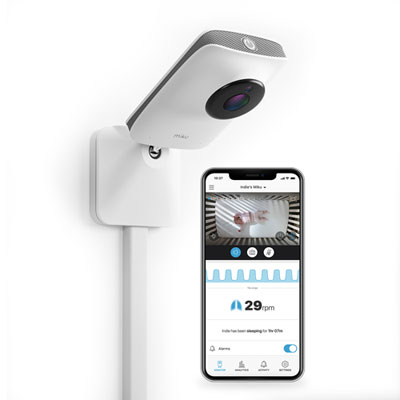 Your price for this item is $539.99
-
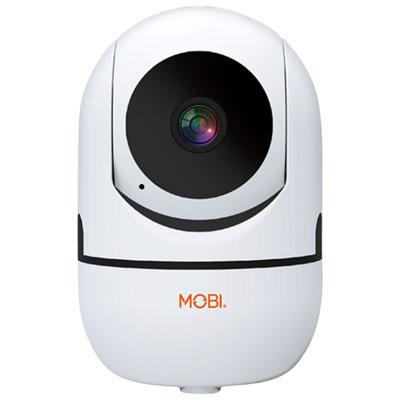 Your price for this item is $74.95
-
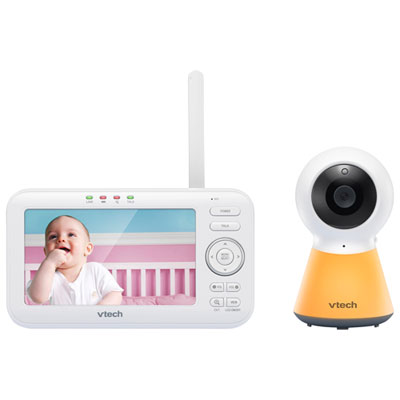 Your price for this item is $119.99
-
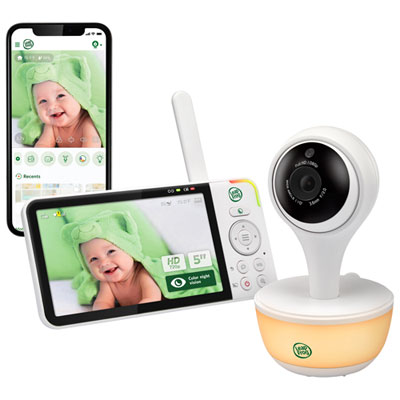 Your price for this item is $199.99
Discover more categories related to Baby Monitors for Safety
Top Collections:
Pokemon Centers, Kindle Devices, Best Budget Office Chairs, Canon G7X Cameras, Apple iPhones 16, Samsung Galaxy Phones, Refurbished Apple Laptops, Laptops for Students, iPhone 15 Apple, Budget Smartphones
Some products may be subject to Environmental Handling Fees
(EHF) depending on your province.
Learn more about EHFs.