Baby Sleep Sack
Help your little one drift off to dreamland in comfort and safety with our selection of baby sleep sacks. Designed to keep your baby cozy and secure throughout the night, these sleep sacks provide a safe alternative to loose blankets. With a variety of styles and sizes to choose from, you can find the perfect sleep sack to suit your baby's needs. Ensure a peaceful night's sleep for both you and your little one with our collection of baby sleep sacks.
Sort
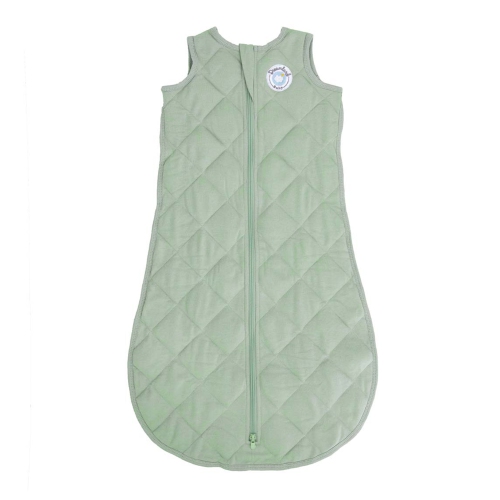
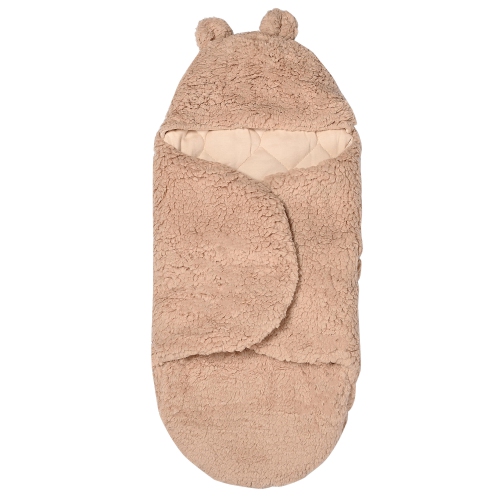
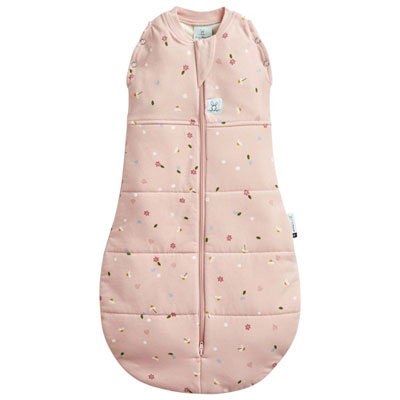
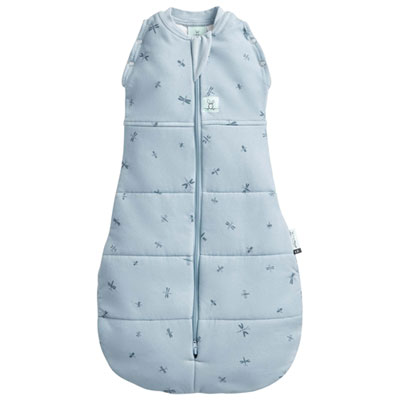
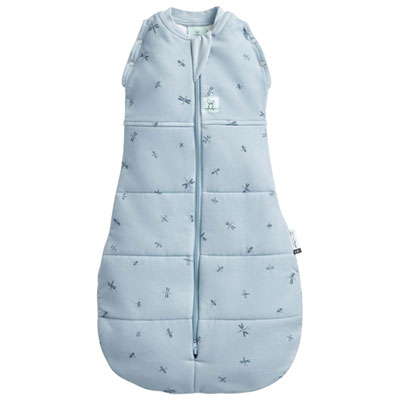
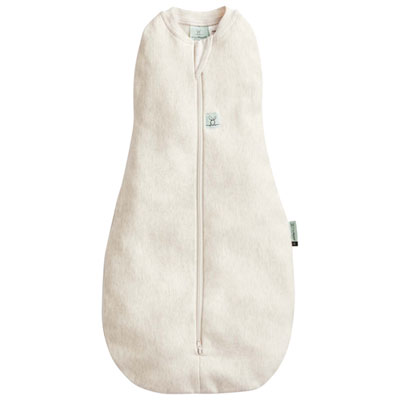
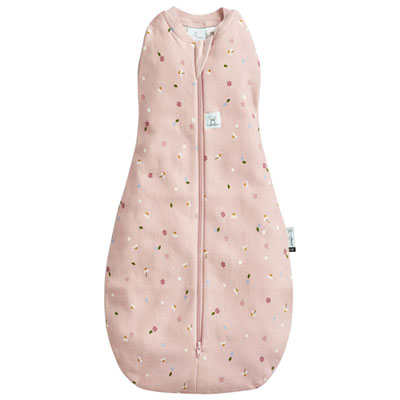
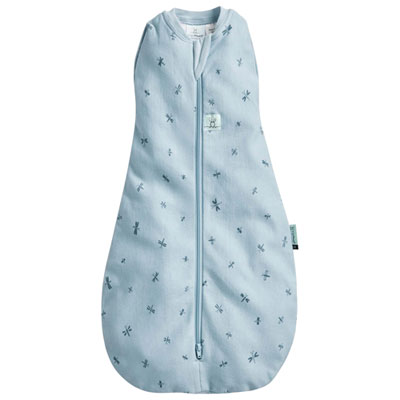
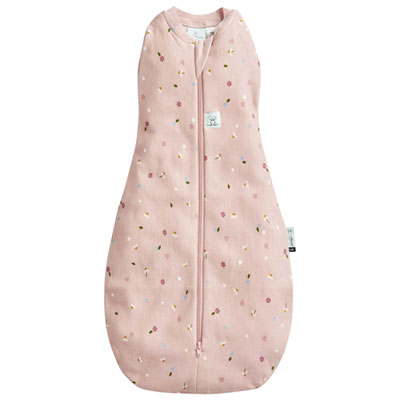
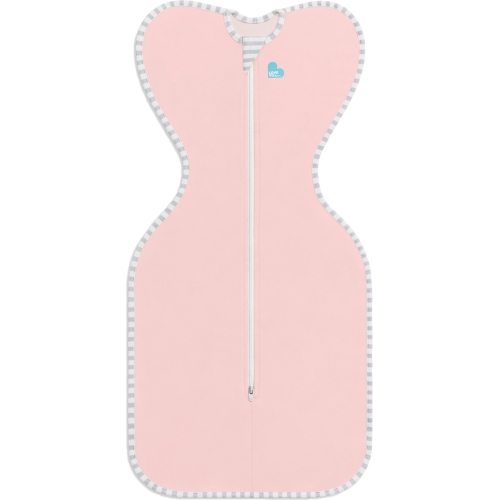
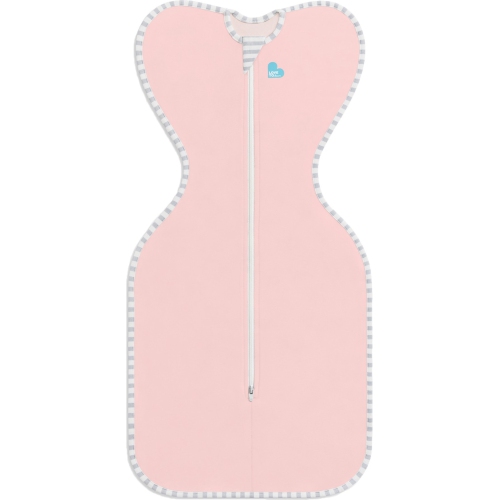
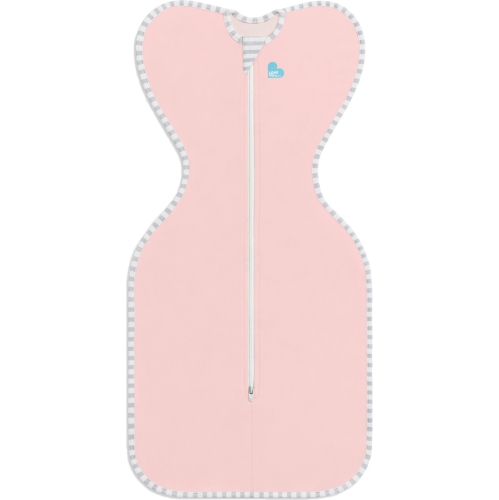
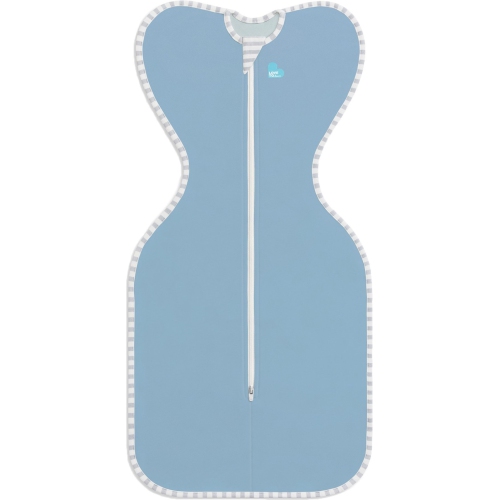
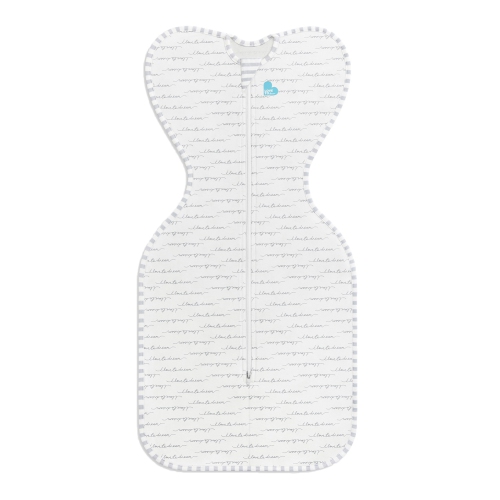
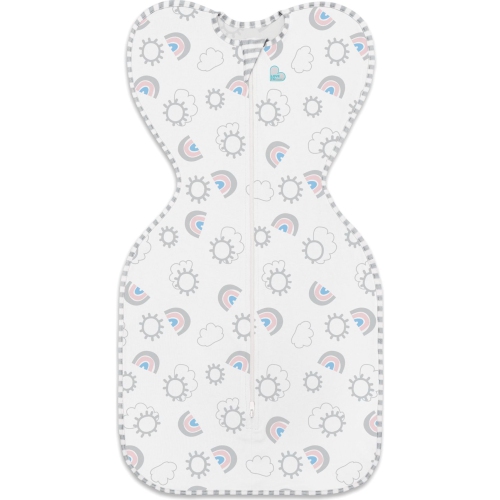
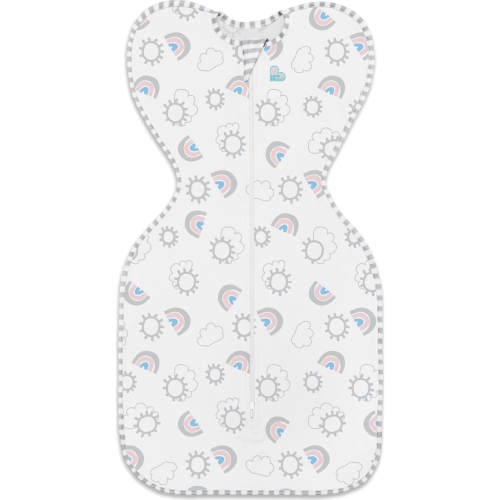
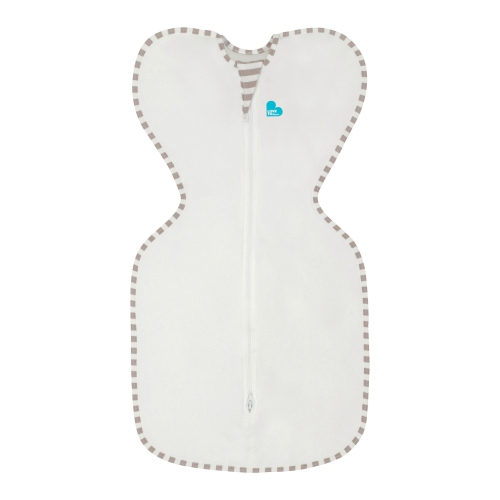
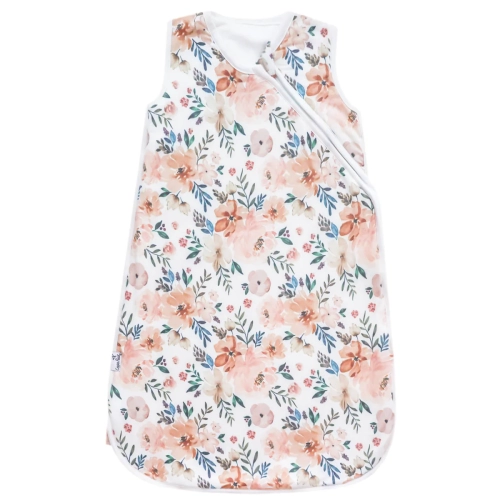
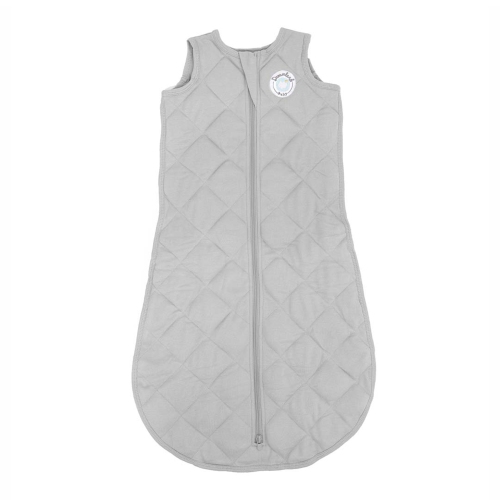
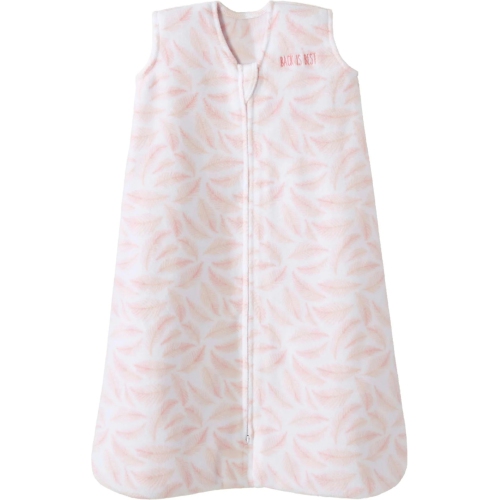
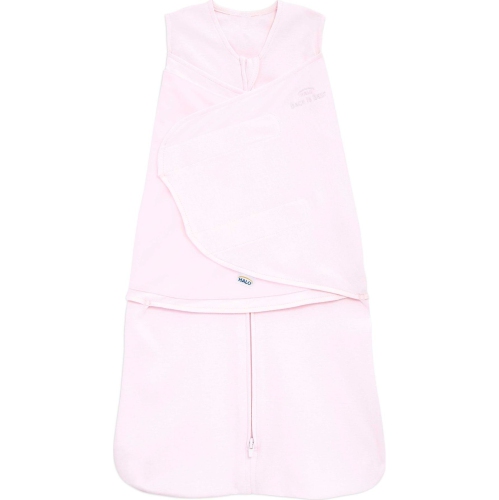
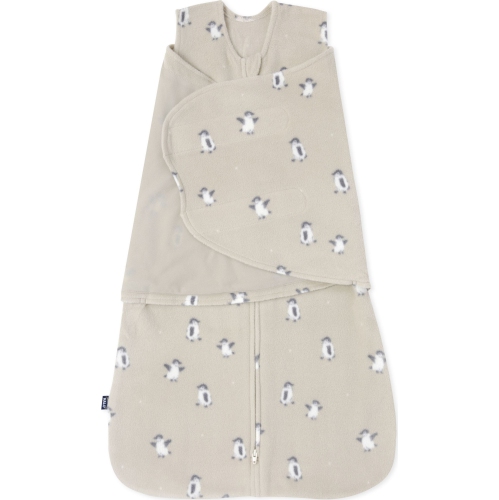
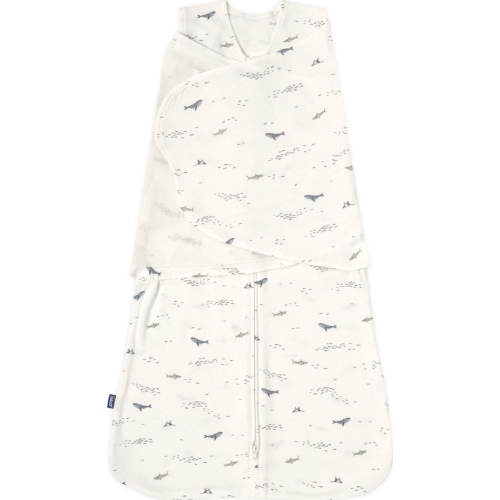


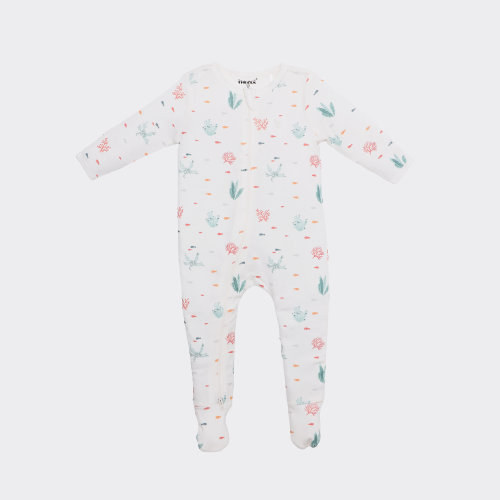
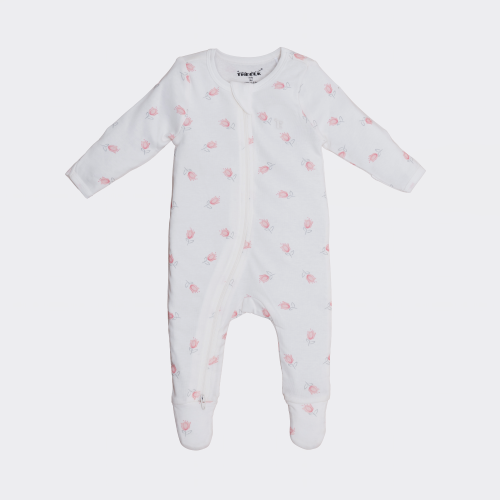
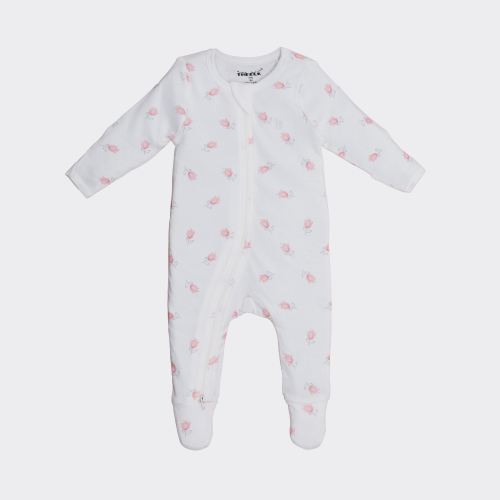

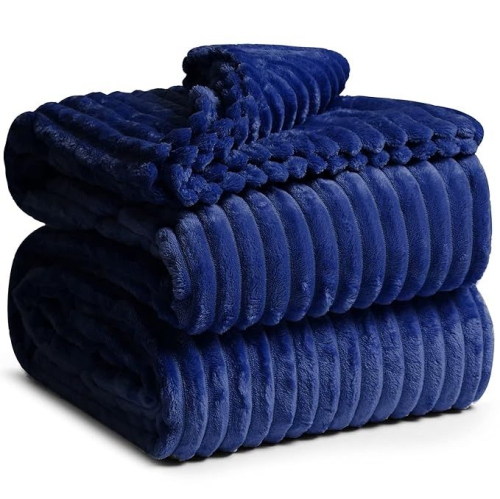
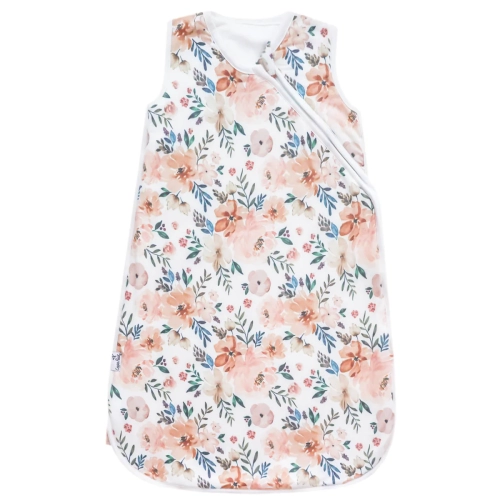
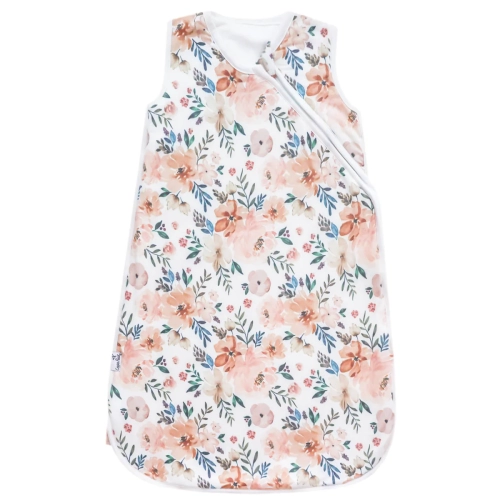
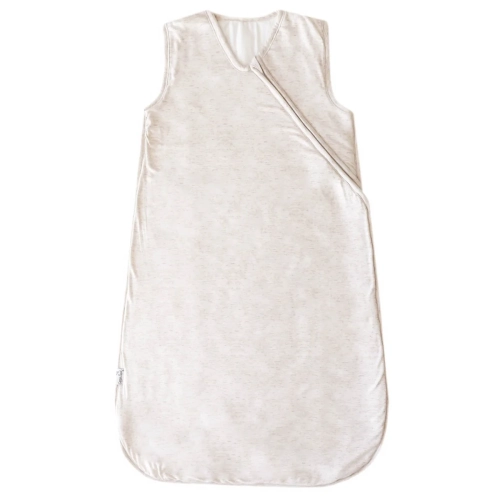
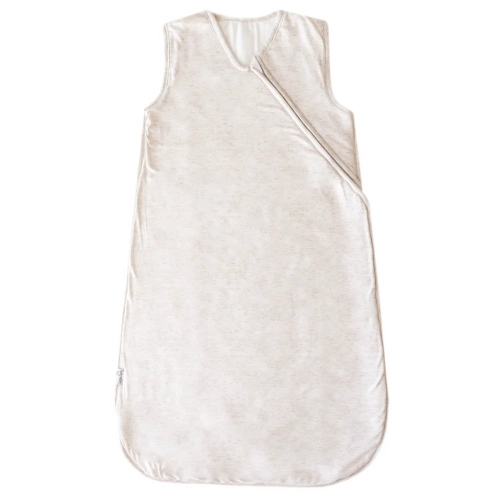
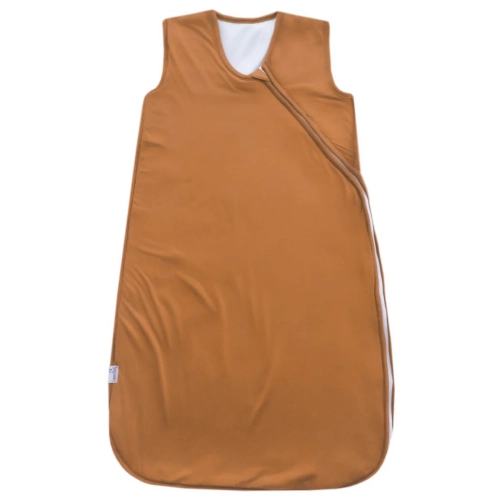
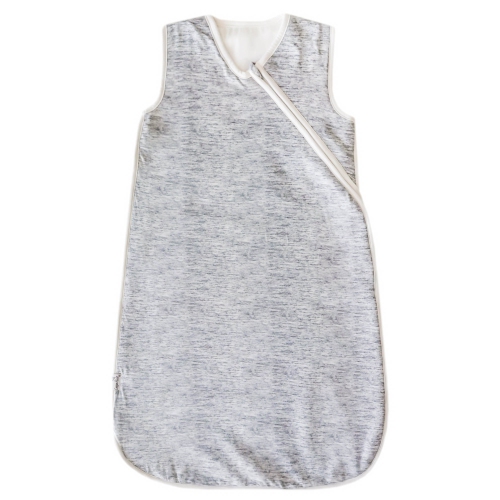
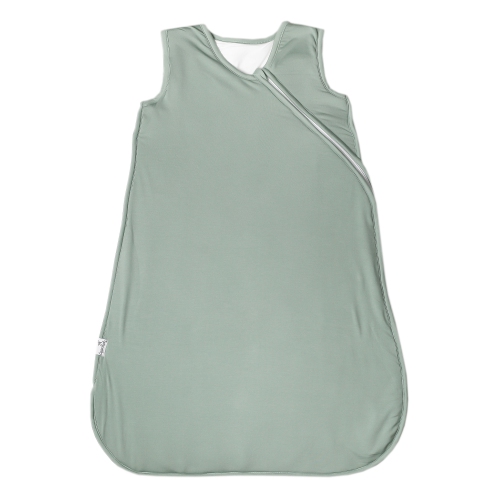
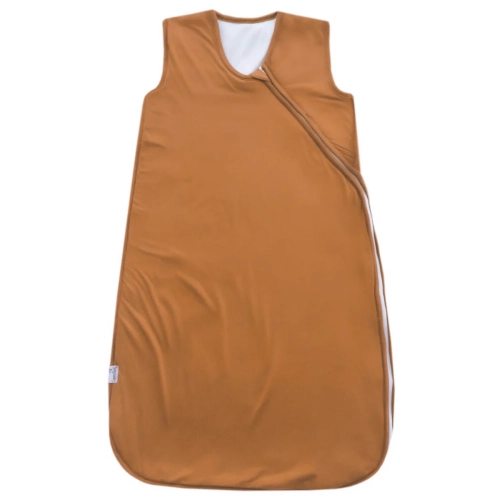
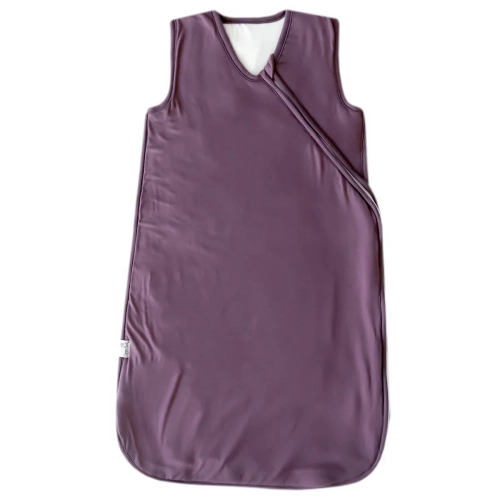
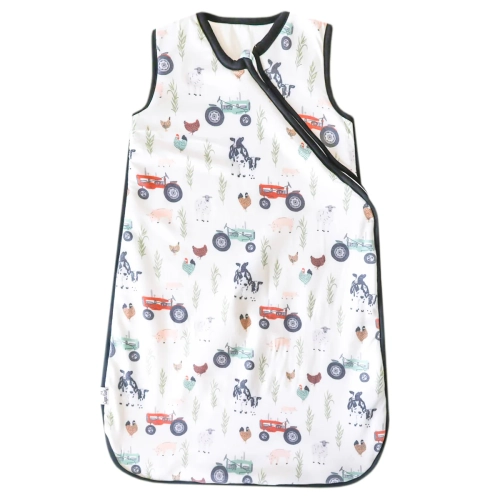
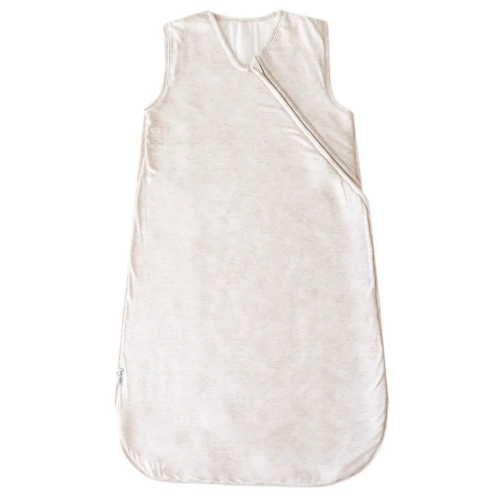
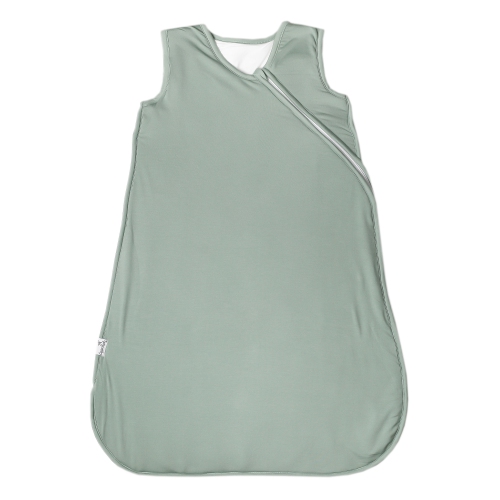
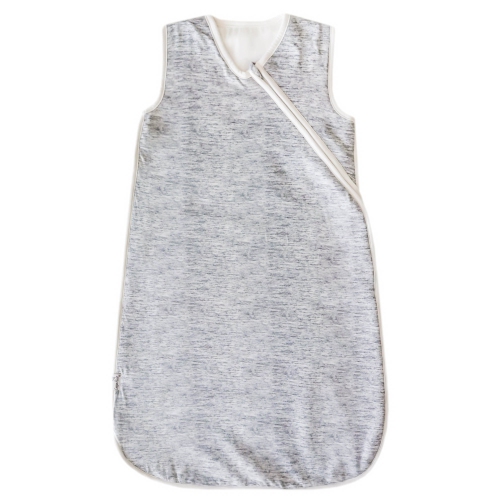
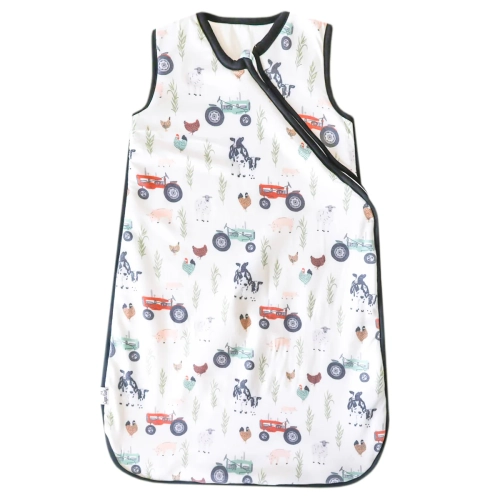
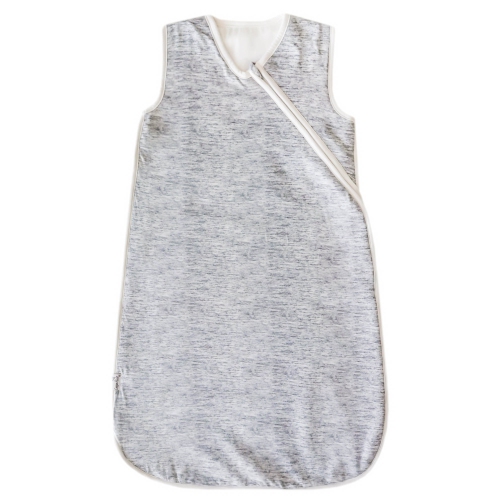
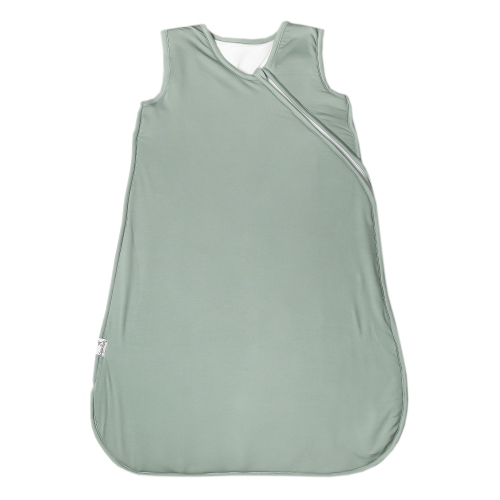
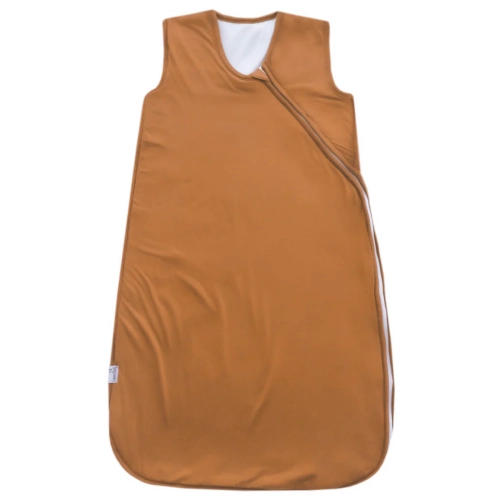
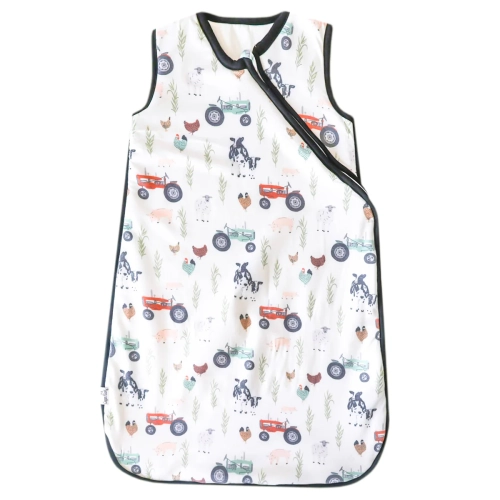
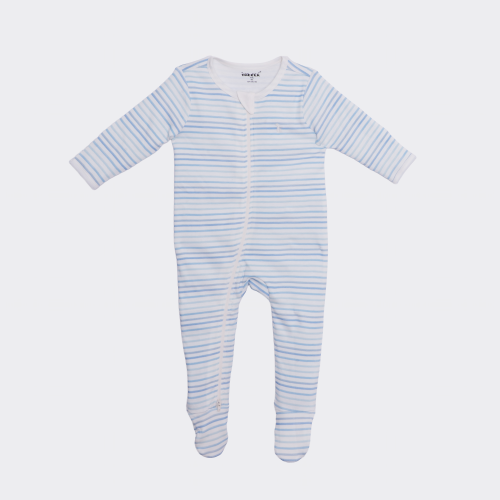
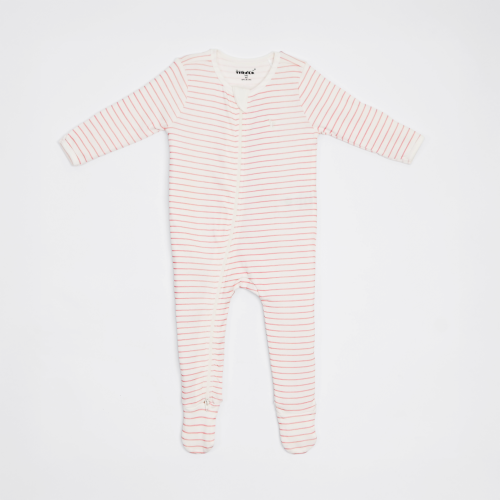
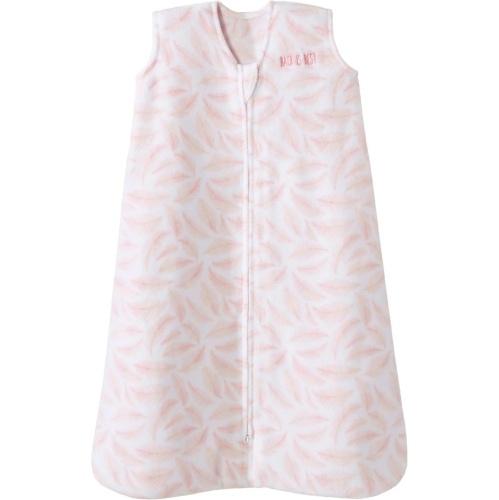
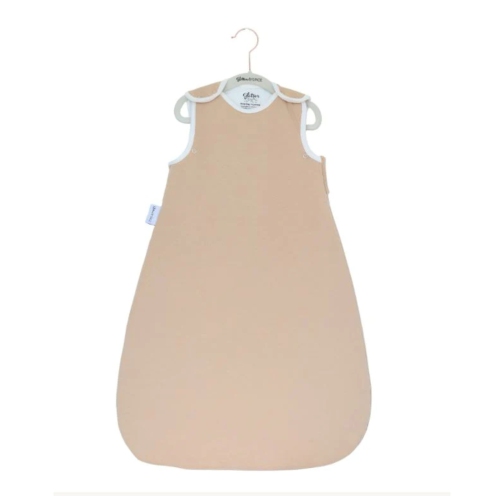
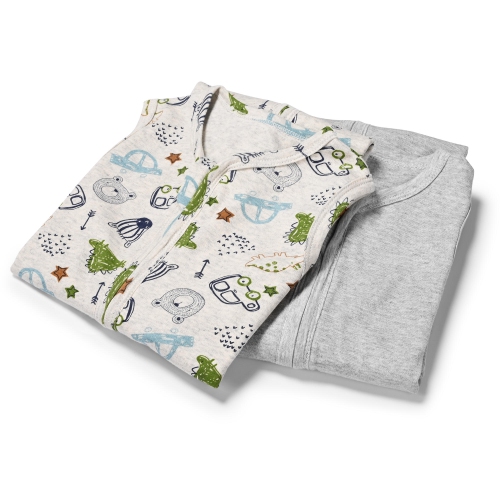
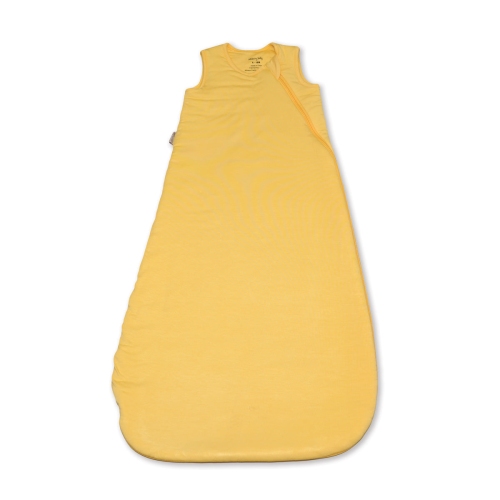
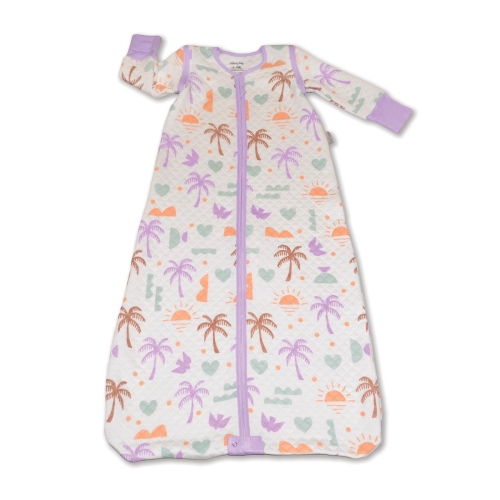
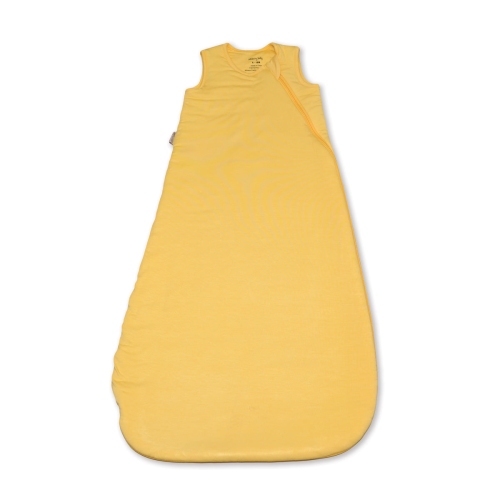
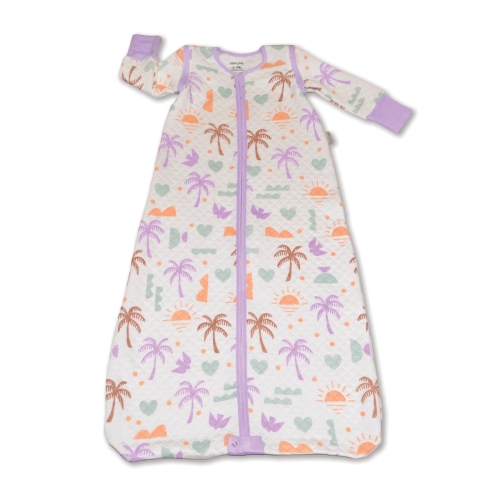
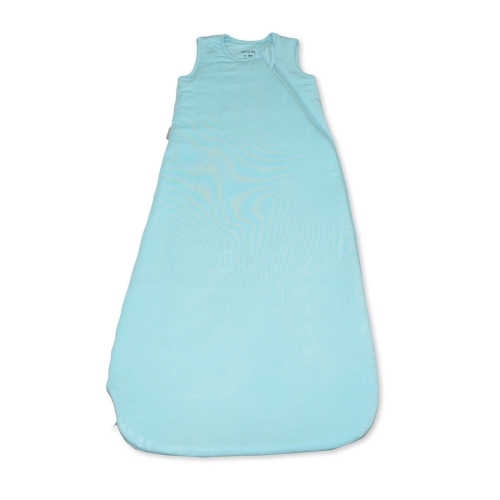
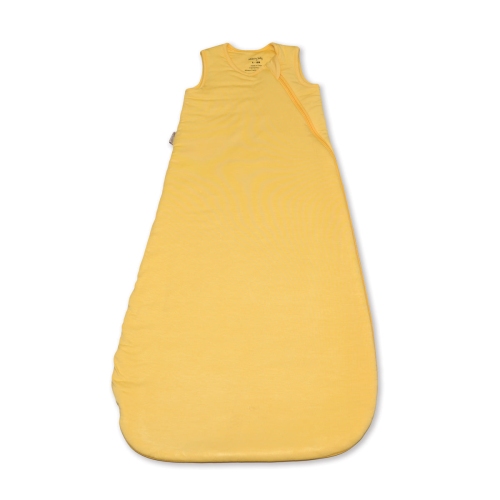
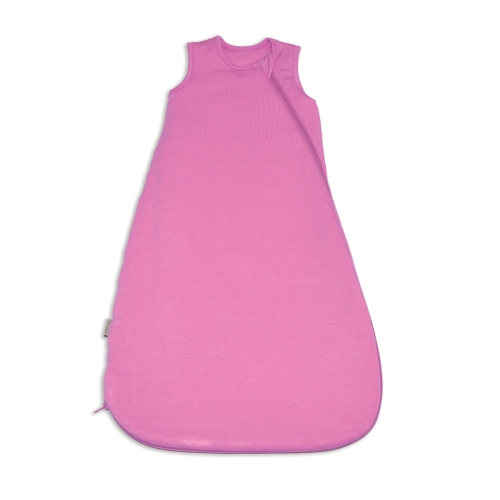
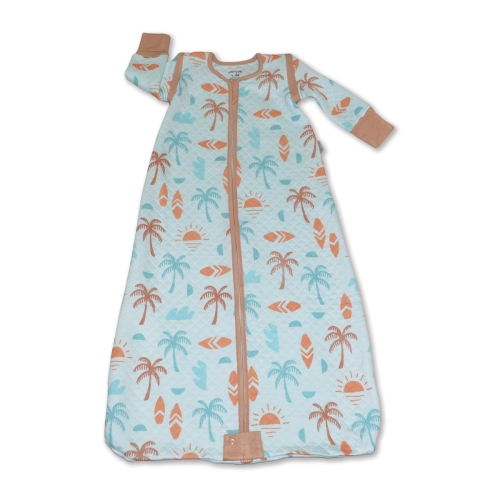
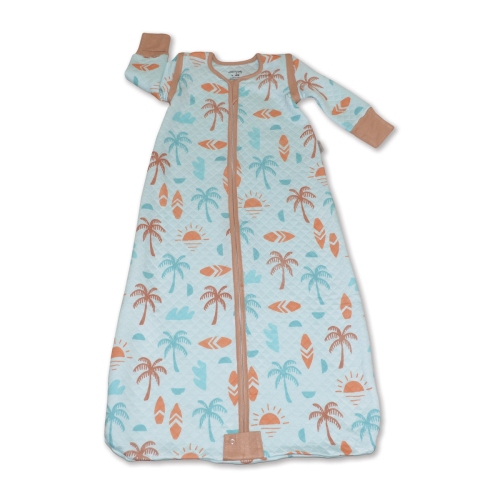
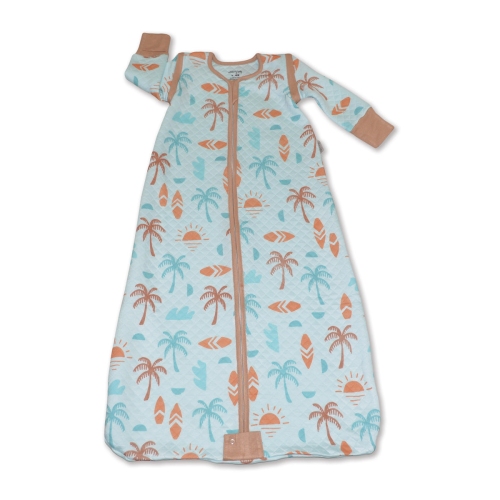
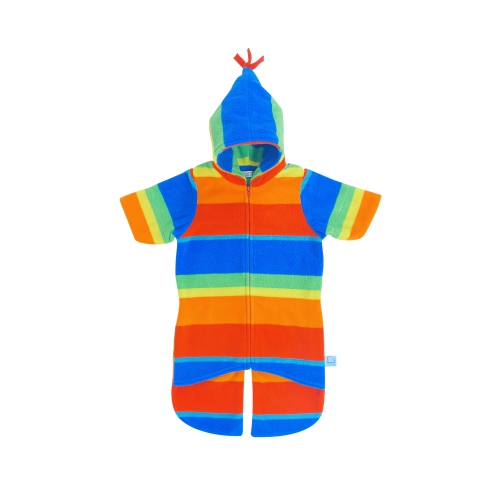
Guidance on fit, warmth, routines and safe sleep
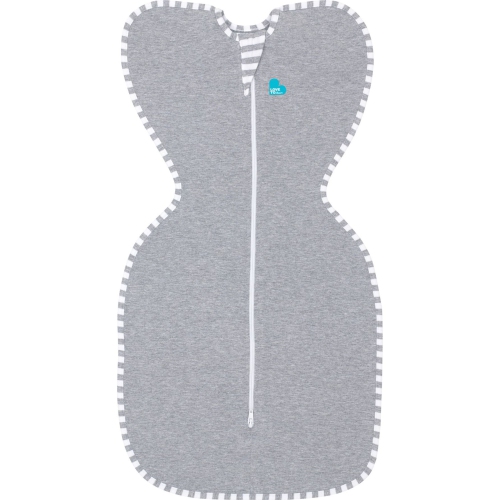
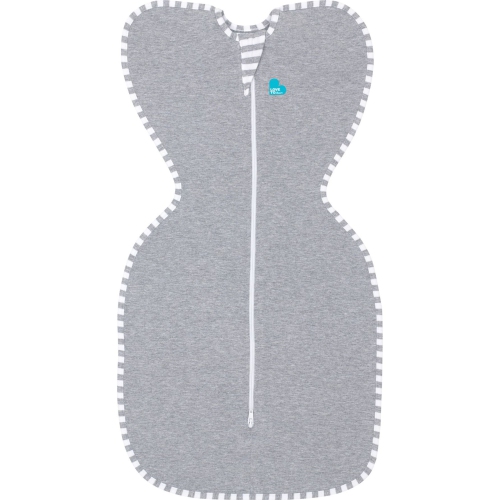
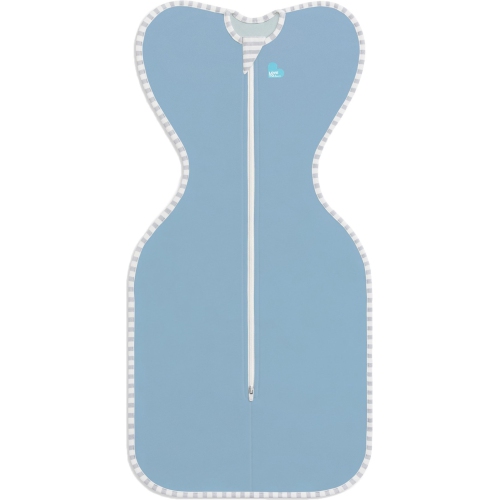
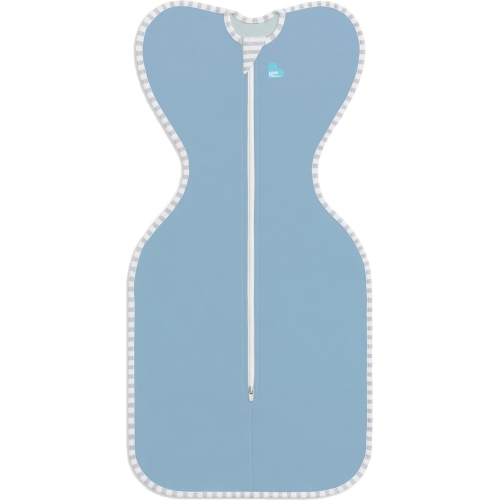
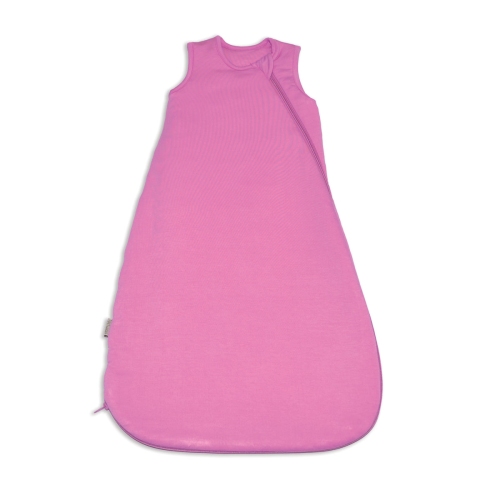
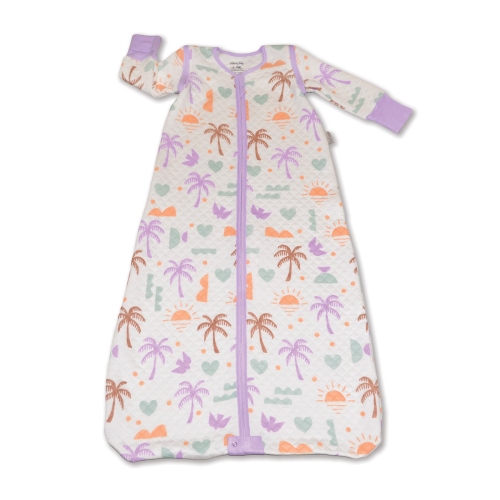
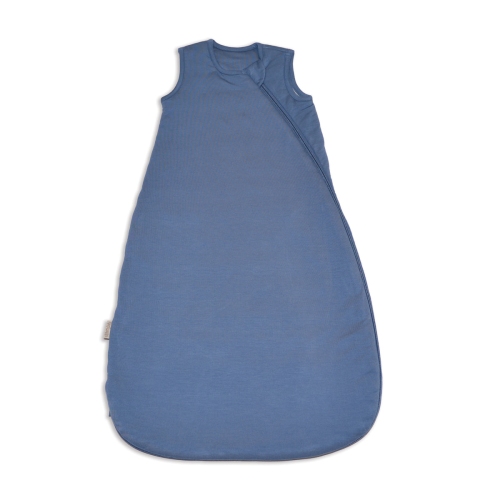
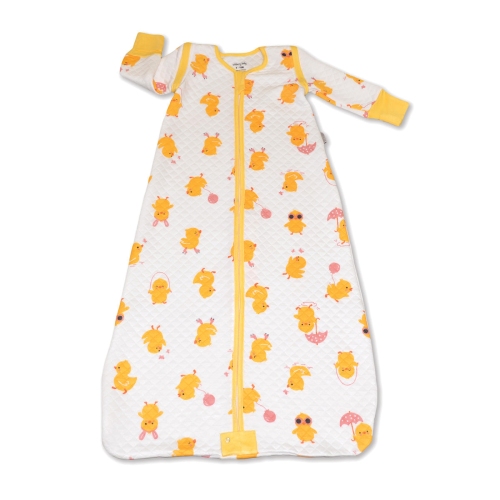
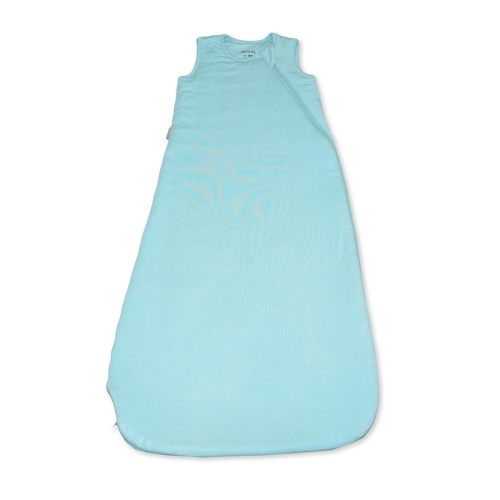
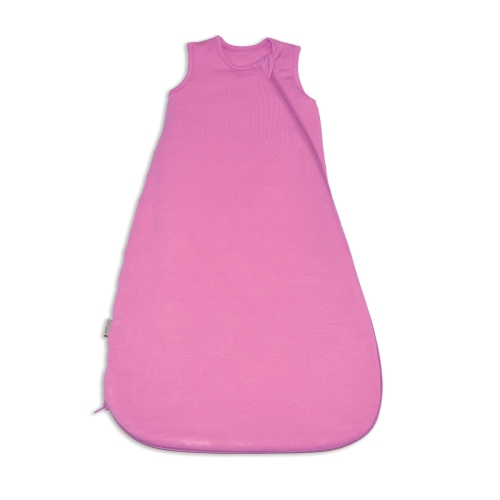
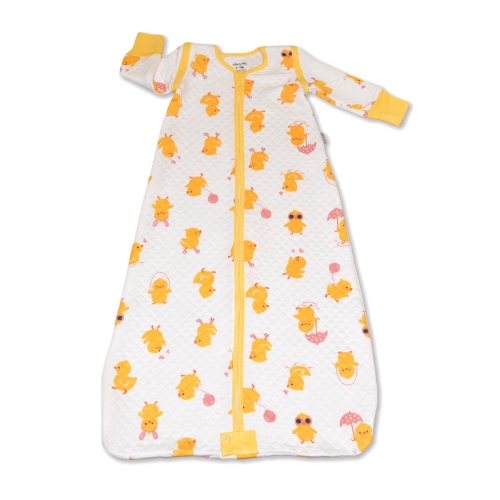
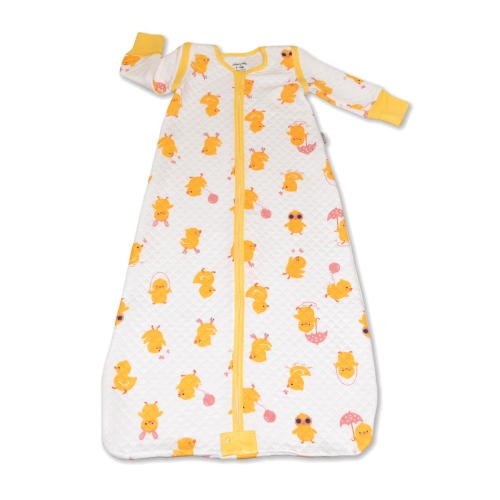
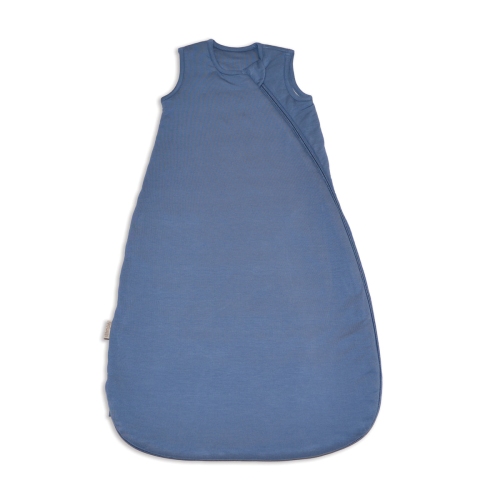
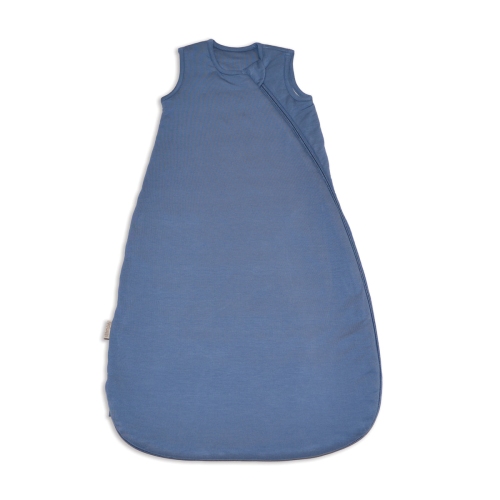
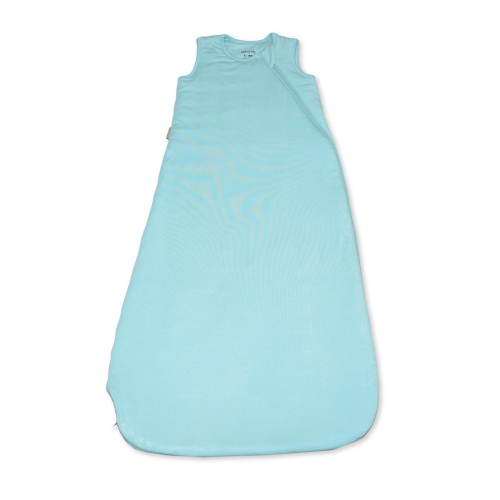
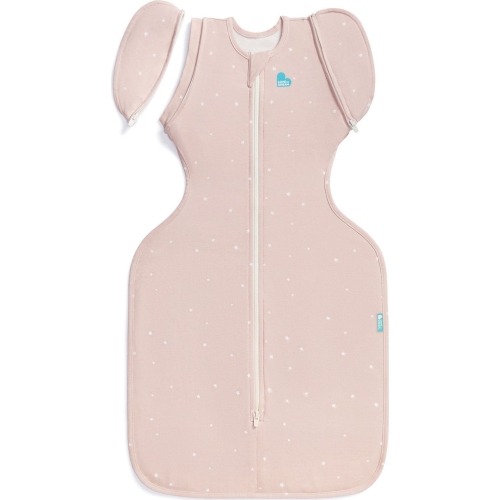
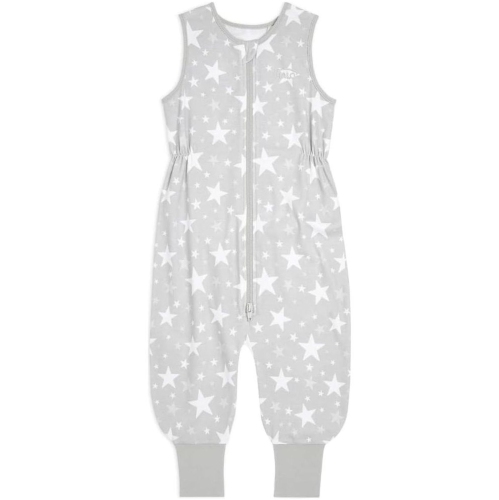
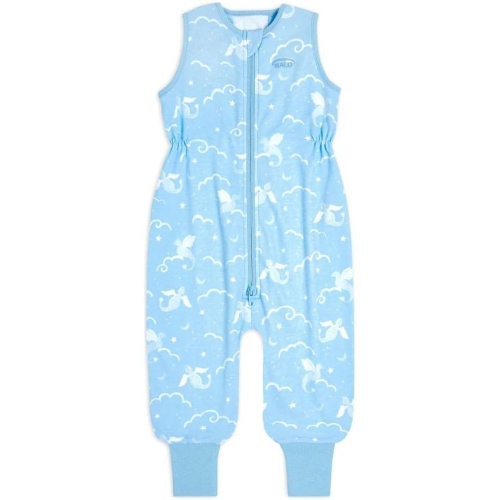
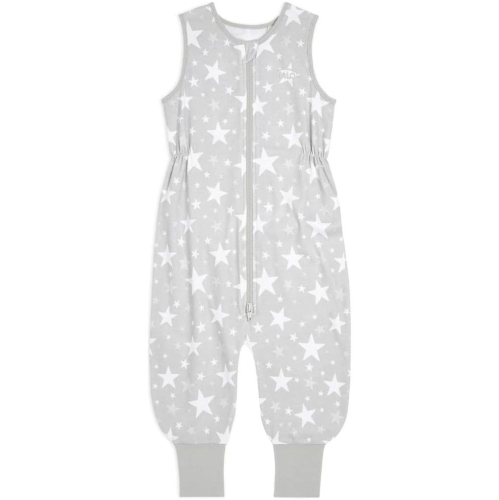
A baby sleep sack, also called a wearable blanket, is designed to help keep a baby comfortably warm during sleep without relying on loose blankets in the crib. It typically has a sleeveless shape, a fitted neckline and arm openings, and a roomy lower section that allows the legs to bend and move. For many families, it becomes part of a familiar bedtime routine: a fresh nappy, soft pyjamas, the sleep sack, a quiet feed or story, and then lights out. This consistent sequence can help signal that it is time to settle, whether the baby sleeps in a crib, bassinet or play yard that follows the manufacturer’s safety recommendations. Sleep sacks are available in a range of fabrics, weights and sizes, making it easier to choose an option suited to the nursery temperature and the baby’s stage. Lightweight cotton or similarly breathable fabric can be useful in warmer rooms, while a thicker sleep sack may be more comfortable during cooler months. TOG ratings, when provided, offer a helpful way to compare warmth: lower ratings are generally intended for warmer conditions, medium ratings suit moderate room temperatures, and higher ratings are designed for cooler spaces. Room temperature, layers underneath and the baby’s individual comfort all matter, so check for signs of overheating, such as sweating, flushed skin or a hot chest, rather than relying only on hands and feet, which can feel cool naturally. A sleep sack should fit snugly around the neck and armholes without pressing or restricting movement. Avoid choosing a larger size simply to allow a baby to grow into it, since an oversized opening can allow the baby to slip down inside. Look for a length and shape that provide room for kicking while avoiding excessive fabric near the face. A bottom that allows the hips and legs to move freely is especially useful, and designs with a bell-shaped or roomy lower section can make space for natural leg positioning. As with any baby sleep product, follow the care and use instructions supplied with the item and place the baby on their back on a firm, flat sleep surface with no loose bedding, pillows, toys or other soft items around them.
When selecting a baby sleep sack, start with the baby’s current height, weight and developmental stage rather than choosing based only on age. Babies grow at different rates, and a properly fitted sack should sit securely at the shoulders while leaving enough space for comfortable movement below the waist. Zipper placement can make a noticeable difference during overnight changes. A front, side or two-way zipper may allow caregivers to open the sack without fully undressing a sleepy baby, while covered zip pulls and smooth seams can help reduce contact with delicate skin. Snaps, fasteners and stitching should feel secure, and the fabric should be checked for loose threads or small detachable pieces before use. Consider how the sack will feel across a full night: breathable cotton can suit families who prefer a light, familiar fabric, while stretchier materials may make it easier for a baby to move their legs and for a caregiver to dress them. Some sleep sacks are designed to be worn over a nappy and light sleepwear, while others may accommodate an additional layer when the room is cooler. Always use the garment’s instructions as the starting point and avoid adding bulky layers underneath. Washing instructions are another practical consideration, particularly for newborns and babies who spill, drool or need frequent changes. A machine-washable design that retains its shape, has durable seams and dries readily can simplify the rotation between laundry days. Families may choose to keep more than one sleep sack on hand so that a spare is available after an overnight accident or while another is being washed. For babies who are transitioning from swaddling, pay close attention to developmental signs. Swaddling should be discontinued as soon as a baby shows signs of trying to roll, and any sleep sack used after that point should allow the arms to remain out and movement to remain unrestricted. Products with restrictive arm sections or weighted features should be used only as directed, and caregivers should not modify a sleep sack or use it in a way that differs from its instructions. If a baby has a medical condition, unusual temperature sensitivity or specific sleep recommendations from a health professional, those recommendations should take priority.
A baby sleep sack can be a thoughtful gift for new parents, grandparents, relatives and friends preparing for a new arrival, especially when chosen in a size and warmth level that suit the season and the family’s home. It is also a practical addition to a baby shower gift, welcome-home present or first-birthday bundle, and a neutral colour or simple pattern can work well when the baby’s nursery style is not yet known. For gifting, consider including a size that the baby can use soon rather than selecting an excessively large option for later, and check whether the family prefers lightweight layers or warmer sleepwear. Caregivers who travel between homes may appreciate a compact sleep sack that helps maintain a familiar bedtime routine at grandparents’ homes, on visits or during overnight stays. During late summer’s warmer evenings, a light, breathable option may help babies stay comfortable without adding loose covers; as the weather cools, a higher warmth rating and suitable sleepwear underneath may be more appropriate for a cooler nursery. It is still important to check the room and the baby rather than choosing solely by the outdoor forecast, since indoor temperatures can vary from one room to another. Those shopping for a Sleep Sack Baby can compare sizes, materials, closures, shapes and warmth ratings to find an option that fits their routine. With the right fit and appropriate layering, a wearable blanket can make bedtime dressing straightforward, give caregivers one less loose item to manage in the crib and help create a calm, repeatable transition from daytime activity to sleep.
When selecting a baby sleep sack, start with the baby’s current height, weight and developmental stage rather than choosing based only on age. Babies grow at different rates, and a properly fitted sack should sit securely at the shoulders while leaving enough space for comfortable movement below the waist. Zipper placement can make a noticeable difference during overnight changes. A front, side or two-way zipper may allow caregivers to open the sack without fully undressing a sleepy baby, while covered zip pulls and smooth seams can help reduce contact with delicate skin. Snaps, fasteners and stitching should feel secure, and the fabric should be checked for loose threads or small detachable pieces before use. Consider how the sack will feel across a full night: breathable cotton can suit families who prefer a light, familiar fabric, while stretchier materials may make it easier for a baby to move their legs and for a caregiver to dress them. Some sleep sacks are designed to be worn over a nappy and light sleepwear, while others may accommodate an additional layer when the room is cooler. Always use the garment’s instructions as the starting point and avoid adding bulky layers underneath. Washing instructions are another practical consideration, particularly for newborns and babies who spill, drool or need frequent changes. A machine-washable design that retains its shape, has durable seams and dries readily can simplify the rotation between laundry days. Families may choose to keep more than one sleep sack on hand so that a spare is available after an overnight accident or while another is being washed. For babies who are transitioning from swaddling, pay close attention to developmental signs. Swaddling should be discontinued as soon as a baby shows signs of trying to roll, and any sleep sack used after that point should allow the arms to remain out and movement to remain unrestricted. Products with restrictive arm sections or weighted features should be used only as directed, and caregivers should not modify a sleep sack or use it in a way that differs from its instructions. If a baby has a medical condition, unusual temperature sensitivity or specific sleep recommendations from a health professional, those recommendations should take priority.
A baby sleep sack can be a thoughtful gift for new parents, grandparents, relatives and friends preparing for a new arrival, especially when chosen in a size and warmth level that suit the season and the family’s home. It is also a practical addition to a baby shower gift, welcome-home present or first-birthday bundle, and a neutral colour or simple pattern can work well when the baby’s nursery style is not yet known. For gifting, consider including a size that the baby can use soon rather than selecting an excessively large option for later, and check whether the family prefers lightweight layers or warmer sleepwear. Caregivers who travel between homes may appreciate a compact sleep sack that helps maintain a familiar bedtime routine at grandparents’ homes, on visits or during overnight stays. During late summer’s warmer evenings, a light, breathable option may help babies stay comfortable without adding loose covers; as the weather cools, a higher warmth rating and suitable sleepwear underneath may be more appropriate for a cooler nursery. It is still important to check the room and the baby rather than choosing solely by the outdoor forecast, since indoor temperatures can vary from one room to another. Those shopping for a Sleep Sack Baby can compare sizes, materials, closures, shapes and warmth ratings to find an option that fits their routine. With the right fit and appropriate layering, a wearable blanket can make bedtime dressing straightforward, give caregivers one less loose item to manage in the crib and help create a calm, repeatable transition from daytime activity to sleep.
Top selling and popular products
-
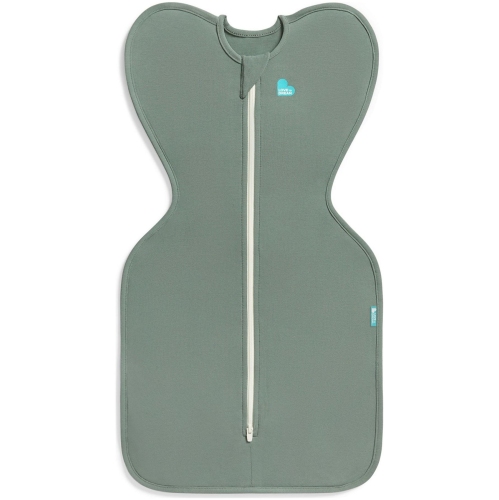 Your price for this item is $44.95
 -
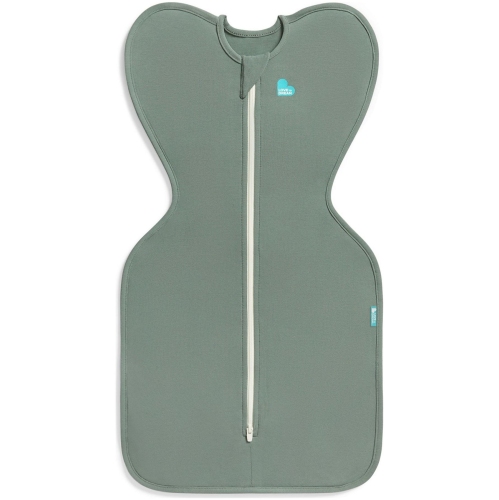 Your price for this item is $44.95
 -
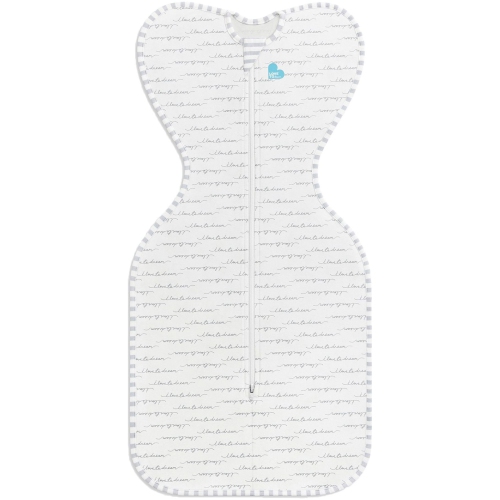 Your price for this item is $44.95
 -
 Your price for this item is $54.95
 -
 Your price for this item is $44.99
 -
 Your price for this item is $44.99
 -
 Your price for this item is $44.99
 -
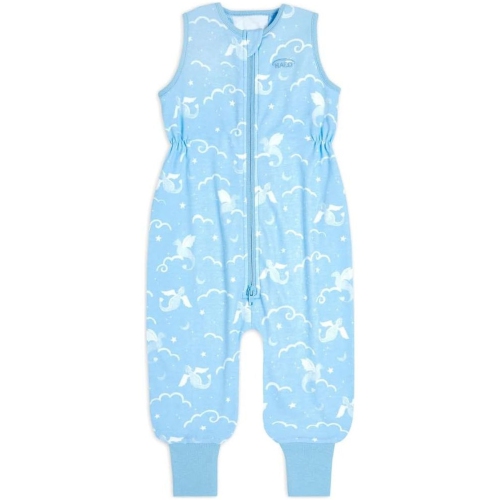 Your price for this item is $34.98
Discover more categories related to Baby Sleep Sack
Top Collections:
Pokemon Centers, Kindle Devices, Best Budget Office Chairs, Apple iPhones 16, Best Laptops for Writers, iPhone 15 Apple, Canon G7X Cameras, Refurbished Apple Laptops, Alarm Clock, Motorola Razr Phones
Some products may be subject to Environmental Handling Fees
(EHF) depending on your province.
Learn more about EHFs.