Sleep Sack
Ensure your little one sleeps soundly and safely with our collection of sleep sacks. Designed to provide a cozy and secure sleeping environment, these sleep sacks are a must-have for any parent looking to promote better and more restful sleep for their baby. Say goodbye to loose blankets that can pose a safety risk and hello to the peace of mind that comes with knowing your baby is snug and warm all night long. Browse our selection of sleep sacks today and give your baby the gift of a good night's sleep.
Sort
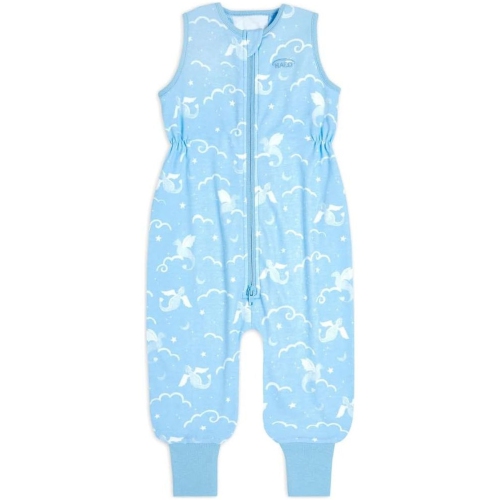
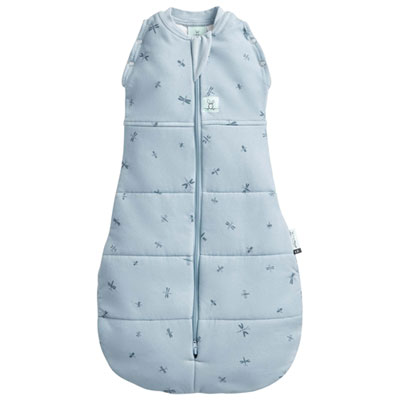
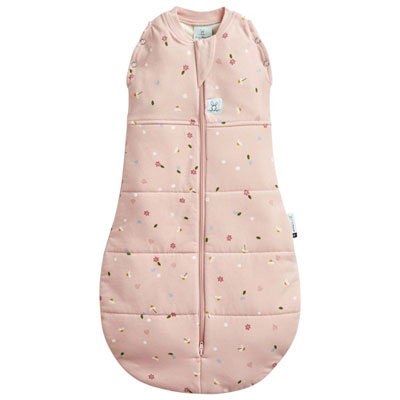
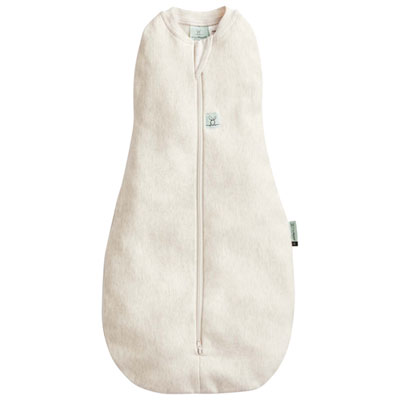
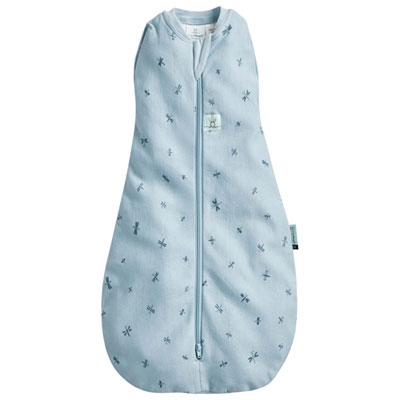
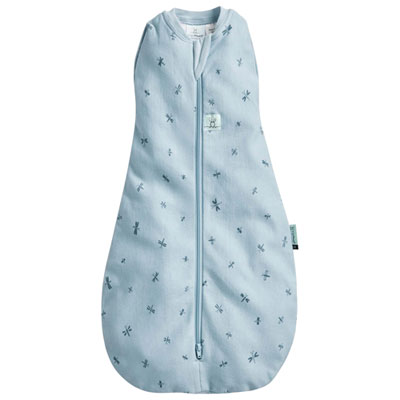
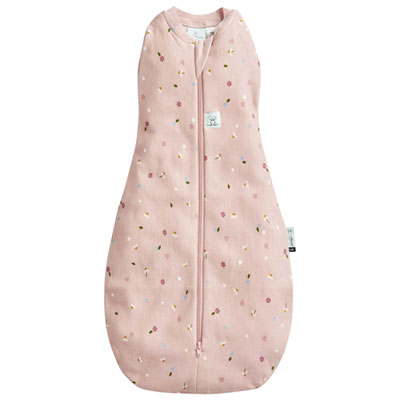
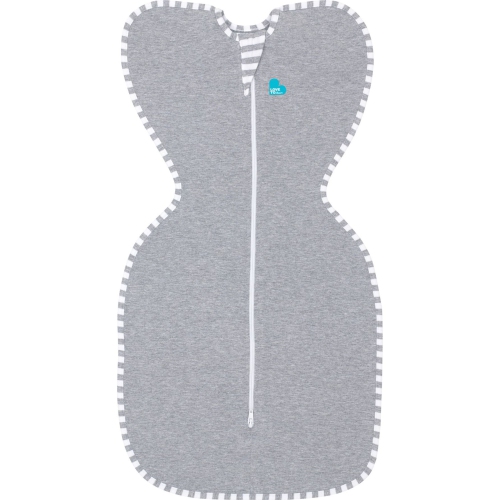
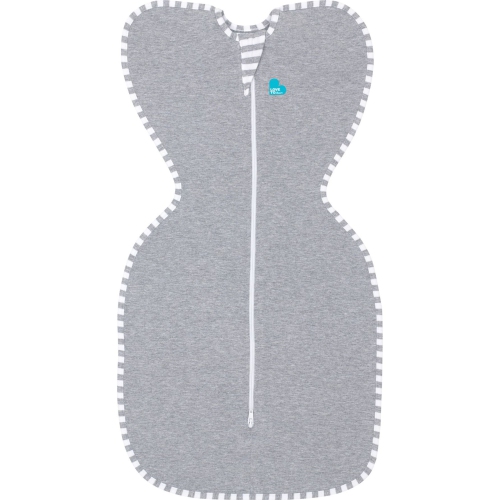
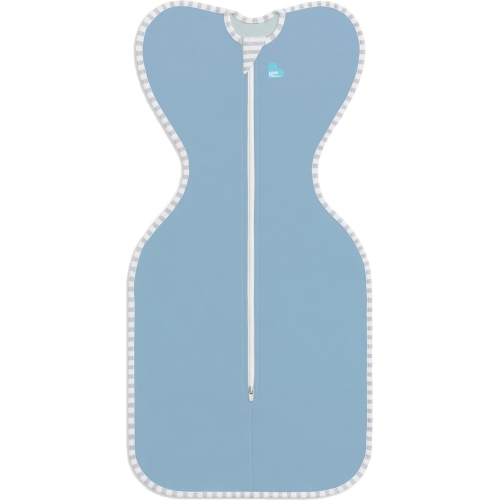


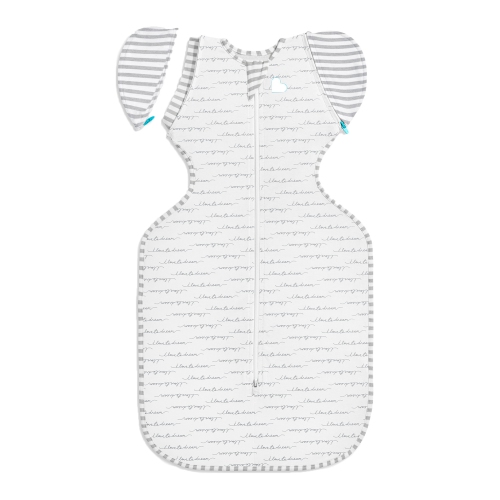
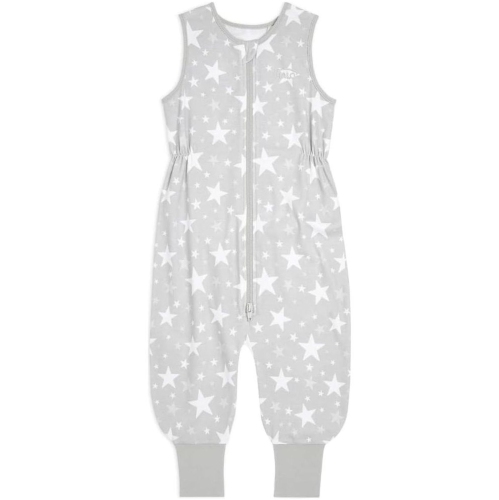
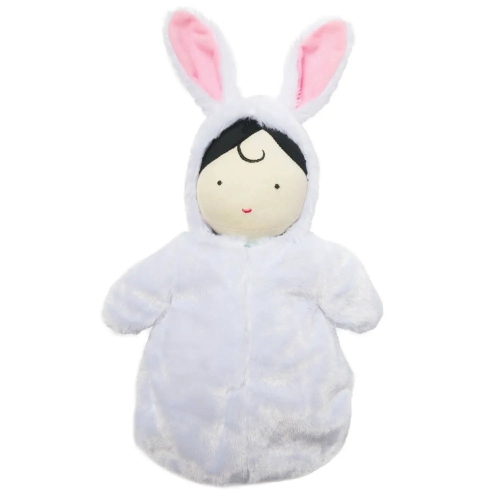
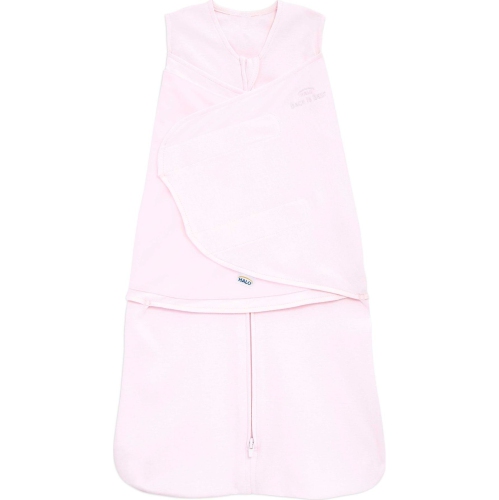
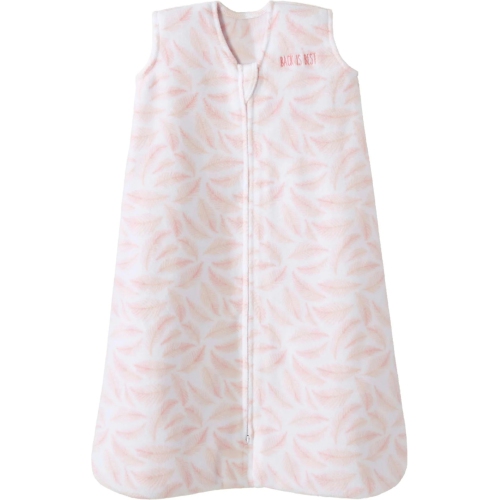
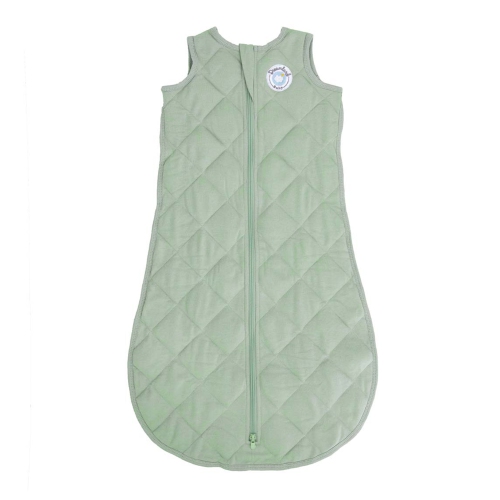
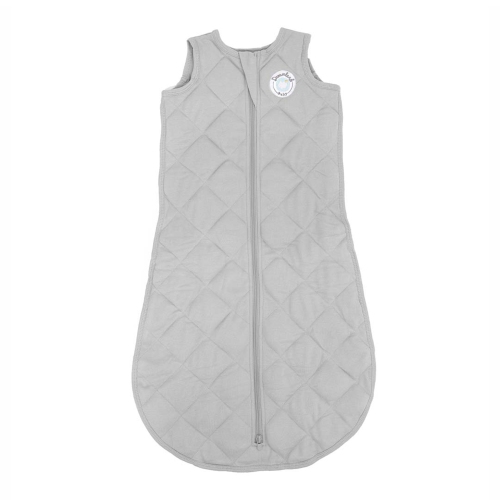
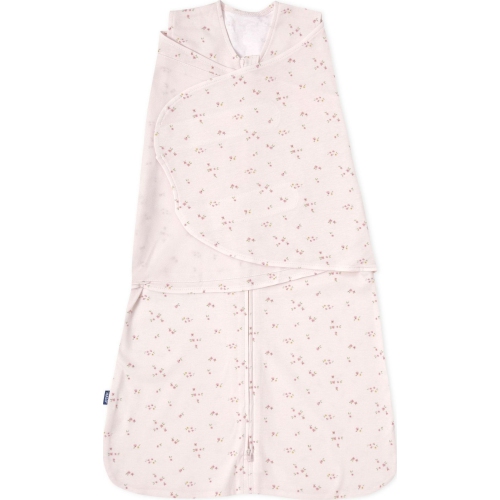
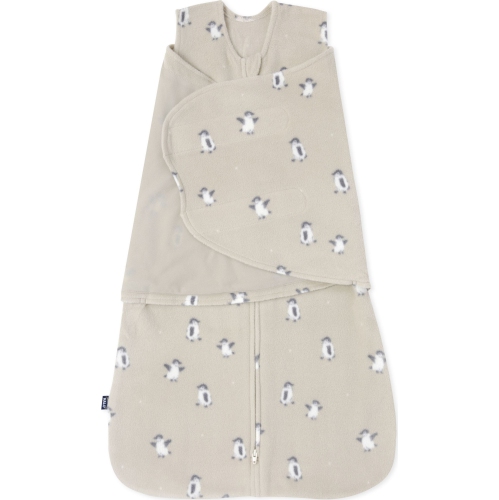
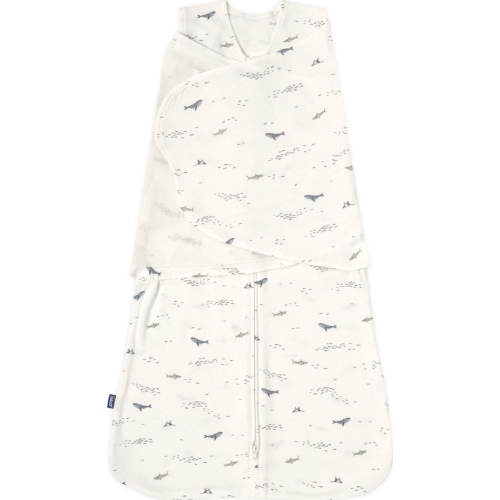
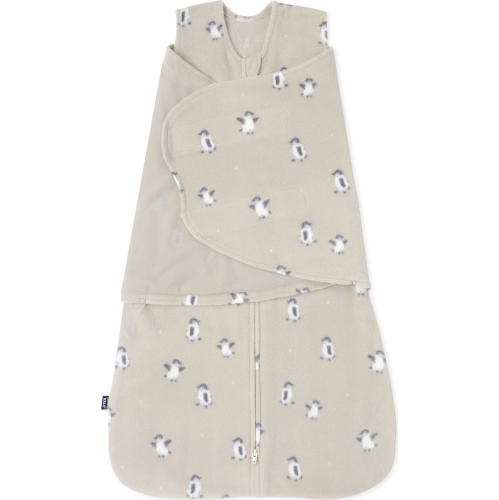
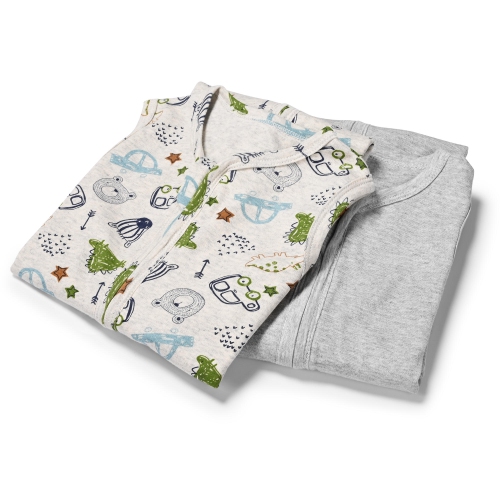
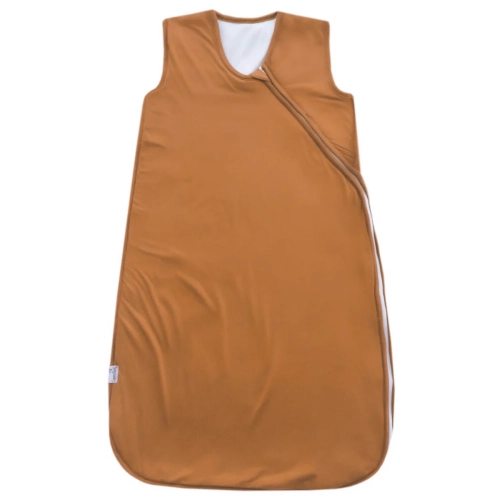
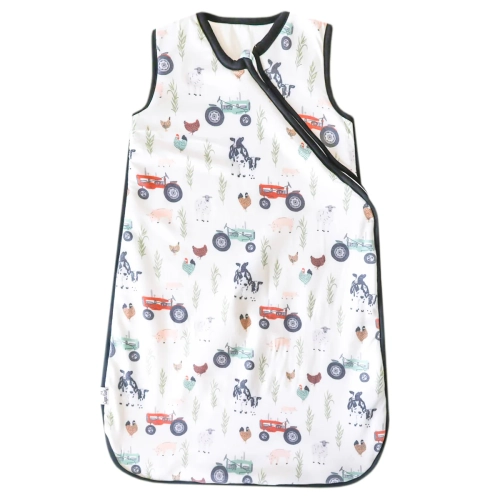
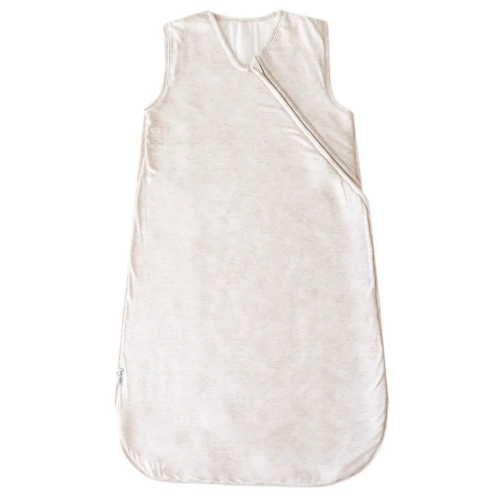
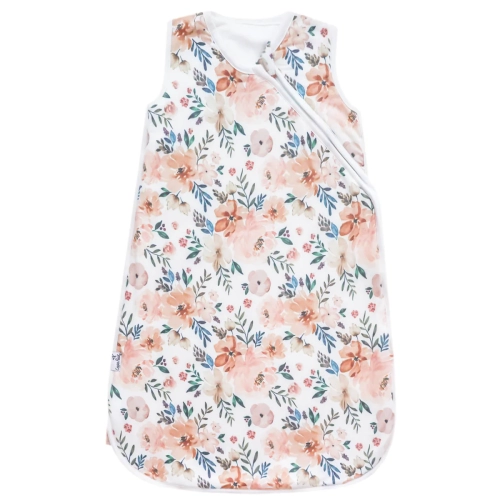
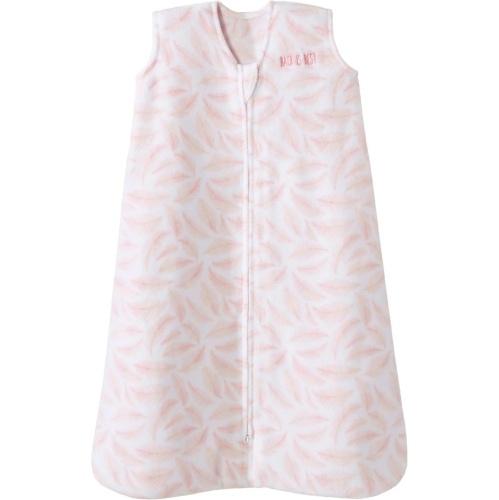
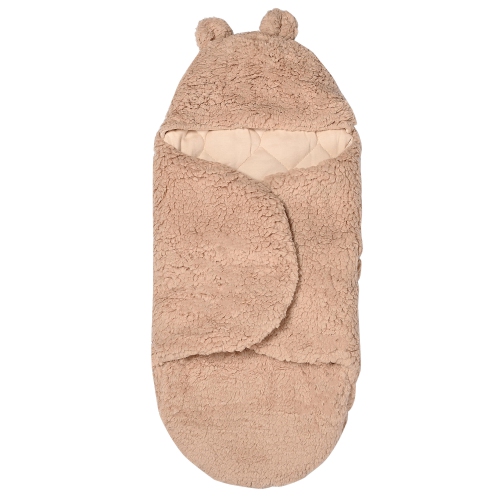
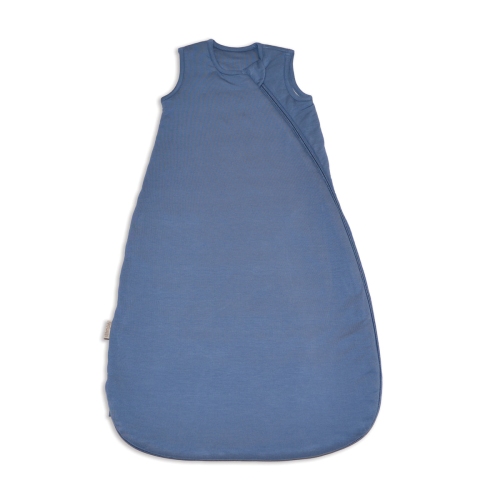
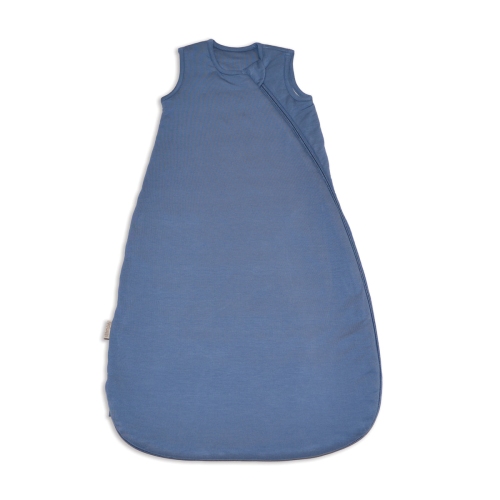
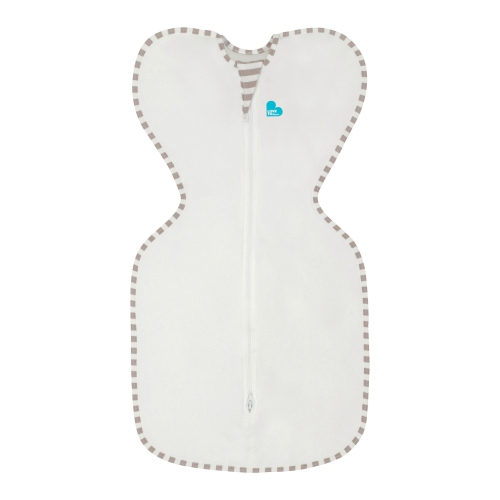
Wearable warmth with room for little legs to move
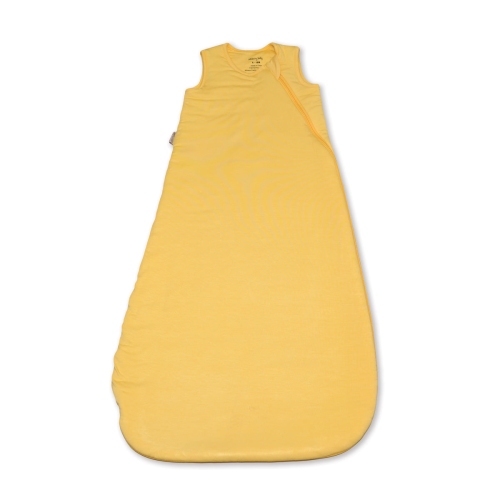
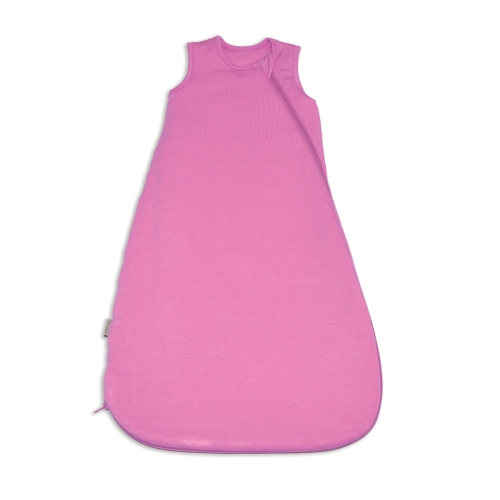
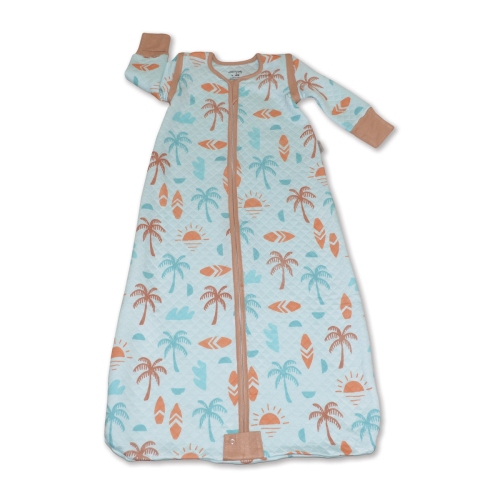
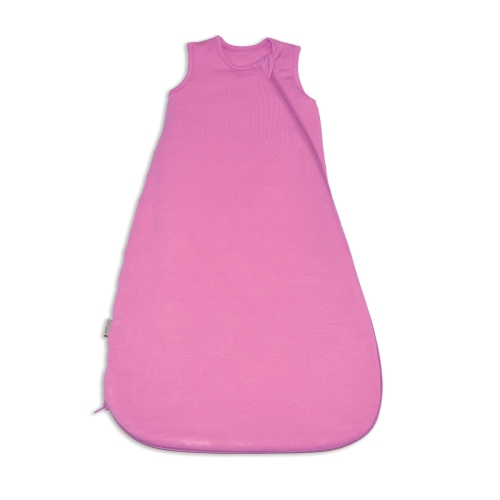
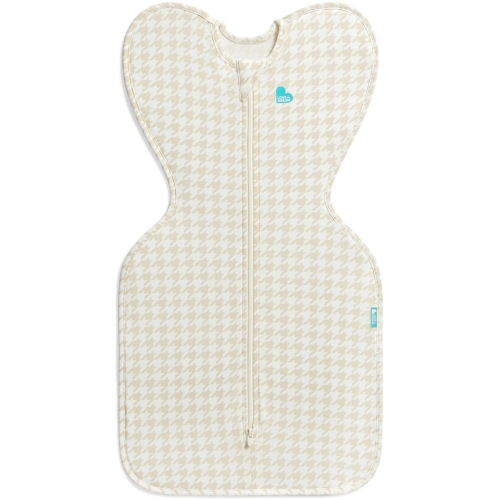
A sleep sack is a wearable blanket designed to provide a baby with a layer of warmth without placing a loose blanket in the crib. It usually fits over sleepwear, fastens with a zipper or snaps, and leaves space around the legs so a baby can bend and move them. Unlike a swaddle, a standard sleep sack keeps the arms free rather than wrapping them against the body. This makes the distinction between an arms-out sleep sack and a swaddle-style design important when comparing features and intended use. Any wrapping or garment that restricts the arms should no longer be used once a baby shows signs of trying to roll. An appropriately fitted, non-weighted sleep sack can remain part of a bedtime routine as a baby grows, provided it suits their size and stage of development. It does not prevent every sleep-related risk or replace a safe sleep setup: babies should be placed on their backs on a firm, flat sleep surface with a fitted sheet, without pillows, loose blankets, toys, or bumper pads. For everyday use, the appeal is straightforward. A wearable layer stays with the baby’s movements instead of becoming an uncovered foot at one end of the crib or a loose covering near the face. The familiar steps of changing a diaper, putting on sleepwear, and fastening a sleep sack can also become a consistent cue before naps and bedtime, although no garment can guarantee longer or more settled sleep. Parents and caregivers may use sleep sacks at home or bring a familiar one along for an overnight stay where an appropriate crib is provided. Their purpose is to support a comfortable sleep routine, not to serve as a restraint or a substitute for supervision when a baby is awake. Designs intended for older babies and toddlers may differ from newborn styles, so age alone is not enough to determine which fit or construction is suitable.
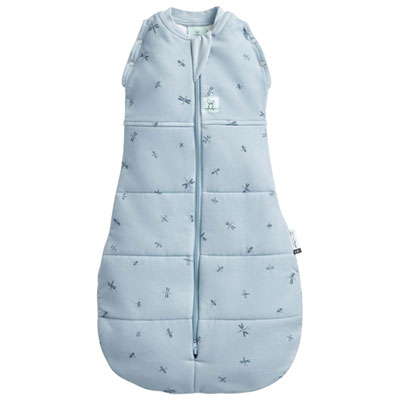
Fit is one of the most useful points of comparison because a sleep sack needs room for movement without being loose around the upper body. Manufacturer sizing often uses weight and length as well as an approximate age range. These measurements matter more than choosing a larger size simply to extend wear. The neck and arm openings should fit securely enough that the baby cannot slip down inside, while the lower section should allow the hips and knees to bend freely. A long-looking foot area can be intentional; an oversized neckline is not. Check the fit again as the baby grows, particularly when moving between sizes or changing the layers worn underneath. Fabric affects the feel, weight, and care needs of the garment. Cotton jersey offers a familiar T-shirt-like softness, while cotton muslin has a gauzy texture that can feel lighter and more open. Quilted constructions, fleece, and wool blends have different insulating properties, so fabric names alone do not tell the whole story. Where a TOG rating is supplied, it describes thermal resistance: a higher number indicates more insulation, not a higher quality or safety level. The appropriate choice depends on the room conditions, the sleepwear underneath, and the manufacturer’s layering directions. Avoid assuming that a thicker sack is automatically more comfortable, and check the baby’s chest or back for signs of overheating, such as hot or sweaty skin, rather than relying only on the feel of their hands or feet. For the layer worn underneath, Baby Sleepers can provide a close-fitting clothing option, with the combination chosen according to the sleep sack’s instructions. Smooth inner seams, a covered zipper end, and a soft neckline can also make a difference where the fabric touches the skin. Choose non-weighted sleep sacks without hoods, cords, or loose attachments, and keep the baby’s head uncovered during sleep.
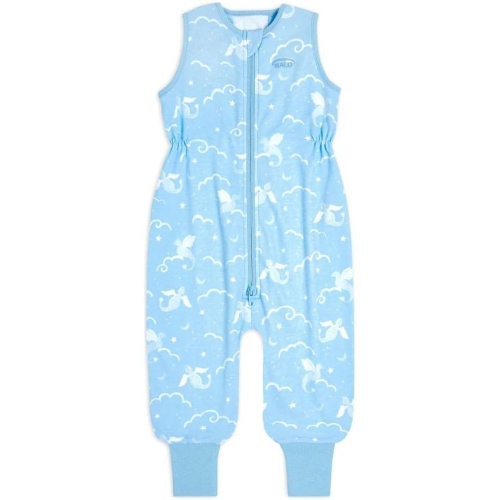
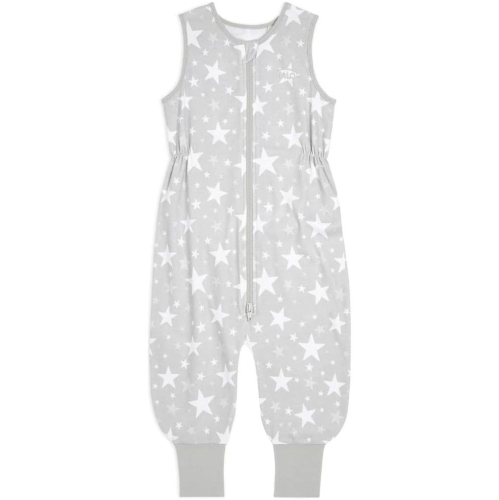
Small construction details often become most noticeable during everyday care. A zipper that opens from the bottom can make a diaper change simpler by allowing access to the lower half while leaving the upper section fastened. A two-way zipper may offer similar flexibility, though its usefulness depends on the garment’s design and the caregiver’s preference. Fasteners should close smoothly and remain secure, with no sharp edges or exposed parts pressing against the skin. A generous lower shape gives kicking legs room to move, but it should not be treated as permission to size up beyond the stated measurements. For a toddler who is already walking, some wearable designs include foot openings; these serve a different movement need from a closed-bottom baby sack and should be assessed against their stated age, fit, and use directions. Fabric care deserves equal attention because sleepwear encounters diaper leaks, spit-up, and frequent washing. Check whether a sleep sack is machine washable, whether tumble drying is permitted, and whether special care is needed to preserve the fabric or filling. Washing according to the label helps maintain the intended shape and fit, while thorough drying is especially important for padded constructions. Having another clean sleep sack ready can make a middle-of-the-night change less disruptive without requiring a different routine. Over time, inspect neck bindings, arm openings, seams, and closures for stretched fabric, broken stitching, or loose components. A garment that has become misshapen or no longer fastens properly should not remain in use simply because its overall length still fits. Sleep sacks can also make thoughtful baby shower or new-baby gifts when the recipient’s preferences and sizing needs are known. Practical details such as easy washing, uncomplicated closures, and a suitable weight may be more useful than decorative extras. Neutral colours, playful prints, and simple textures offer ways to match a family’s taste, but the most meaningful differences remain fit, fabric, care, and intended use. Those details help a wearable blanket fit naturally into the repeated, hands-on tasks of caring for a baby.
Fit is one of the most useful points of comparison because a sleep sack needs room for movement without being loose around the upper body. Manufacturer sizing often uses weight and length as well as an approximate age range. These measurements matter more than choosing a larger size simply to extend wear. The neck and arm openings should fit securely enough that the baby cannot slip down inside, while the lower section should allow the hips and knees to bend freely. A long-looking foot area can be intentional; an oversized neckline is not. Check the fit again as the baby grows, particularly when moving between sizes or changing the layers worn underneath. Fabric affects the feel, weight, and care needs of the garment. Cotton jersey offers a familiar T-shirt-like softness, while cotton muslin has a gauzy texture that can feel lighter and more open. Quilted constructions, fleece, and wool blends have different insulating properties, so fabric names alone do not tell the whole story. Where a TOG rating is supplied, it describes thermal resistance: a higher number indicates more insulation, not a higher quality or safety level. The appropriate choice depends on the room conditions, the sleepwear underneath, and the manufacturer’s layering directions. Avoid assuming that a thicker sack is automatically more comfortable, and check the baby’s chest or back for signs of overheating, such as hot or sweaty skin, rather than relying only on the feel of their hands or feet. For the layer worn underneath, Baby Sleepers can provide a close-fitting clothing option, with the combination chosen according to the sleep sack’s instructions. Smooth inner seams, a covered zipper end, and a soft neckline can also make a difference where the fabric touches the skin. Choose non-weighted sleep sacks without hoods, cords, or loose attachments, and keep the baby’s head uncovered during sleep.
Small construction details often become most noticeable during everyday care. A zipper that opens from the bottom can make a diaper change simpler by allowing access to the lower half while leaving the upper section fastened. A two-way zipper may offer similar flexibility, though its usefulness depends on the garment’s design and the caregiver’s preference. Fasteners should close smoothly and remain secure, with no sharp edges or exposed parts pressing against the skin. A generous lower shape gives kicking legs room to move, but it should not be treated as permission to size up beyond the stated measurements. For a toddler who is already walking, some wearable designs include foot openings; these serve a different movement need from a closed-bottom baby sack and should be assessed against their stated age, fit, and use directions. Fabric care deserves equal attention because sleepwear encounters diaper leaks, spit-up, and frequent washing. Check whether a sleep sack is machine washable, whether tumble drying is permitted, and whether special care is needed to preserve the fabric or filling. Washing according to the label helps maintain the intended shape and fit, while thorough drying is especially important for padded constructions. Having another clean sleep sack ready can make a middle-of-the-night change less disruptive without requiring a different routine. Over time, inspect neck bindings, arm openings, seams, and closures for stretched fabric, broken stitching, or loose components. A garment that has become misshapen or no longer fastens properly should not remain in use simply because its overall length still fits. Sleep sacks can also make thoughtful baby shower or new-baby gifts when the recipient’s preferences and sizing needs are known. Practical details such as easy washing, uncomplicated closures, and a suitable weight may be more useful than decorative extras. Neutral colours, playful prints, and simple textures offer ways to match a family’s taste, but the most meaningful differences remain fit, fabric, care, and intended use. Those details help a wearable blanket fit naturally into the repeated, hands-on tasks of caring for a baby.
Top selling and popular products
-
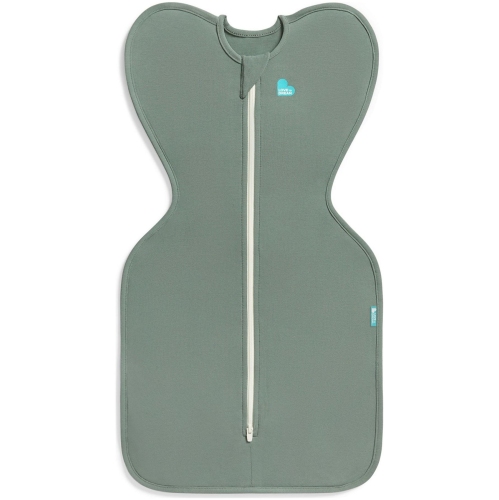 Your price for this item is $44.95
 -
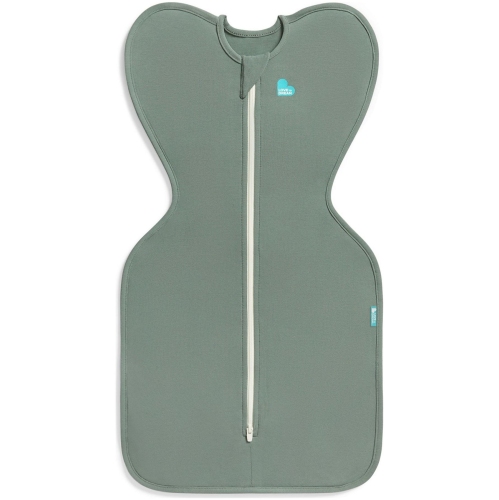 Your price for this item is $44.95
 -
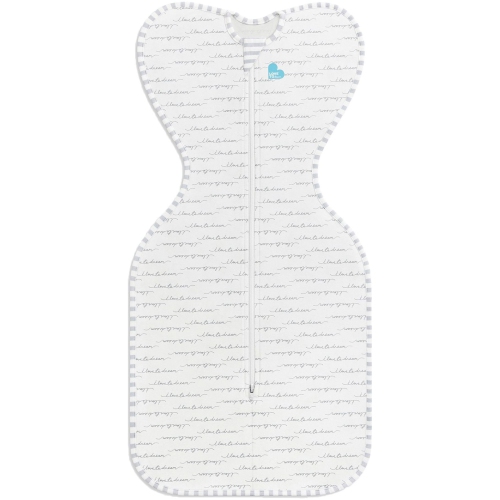 Your price for this item is $44.95
 -
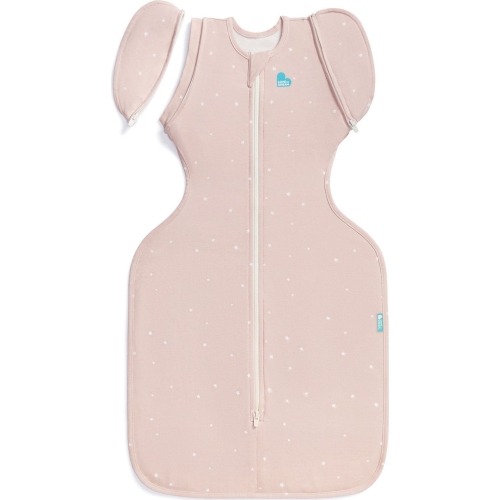 Your price for this item is $54.95
 -
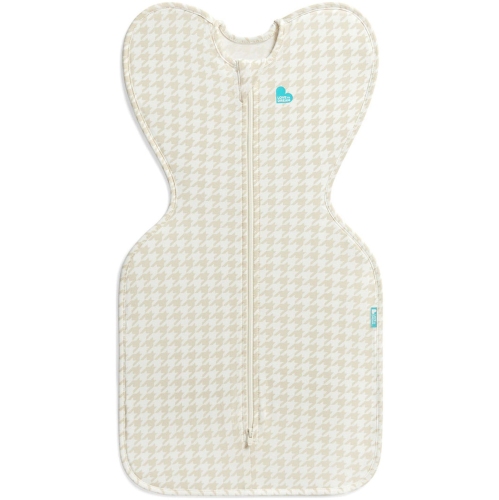 Your price for this item is $44.95
 -
 Your price for this item is $44.95
 -
 Your price for this item is $44.99
 -
 Your price for this item is $44.99
Discover more categories related to Sleep Sack
Top Collections:
Pokemon Centers, Kindle Devices, Best Budget Office Chairs, Apple iPhones 16, Canon G7X Cameras, iPhone 15 Apple, Alarm Clock, Refurbished Apple Laptops, Flip Phones, Best Laptops for Writers
Some products may be subject to Environmental Handling Fees
(EHF) depending on your province.
Learn more about EHFs.