Bottle Sterilizers
A bottle sterilizer is a device that uses heat to kill bacteria, viruses, and other microorganisms that may be present in water. It is for sterilizing bottles, jars, vases, and other containers. Here are some of the best bottle sterilizers on the market today.
Sort
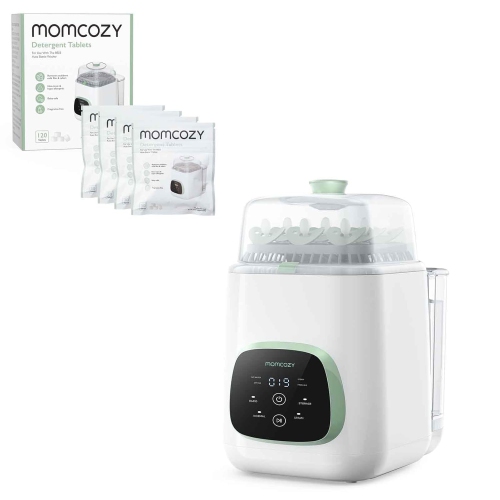
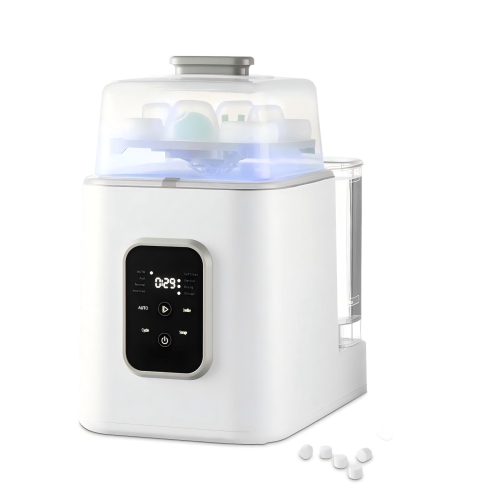
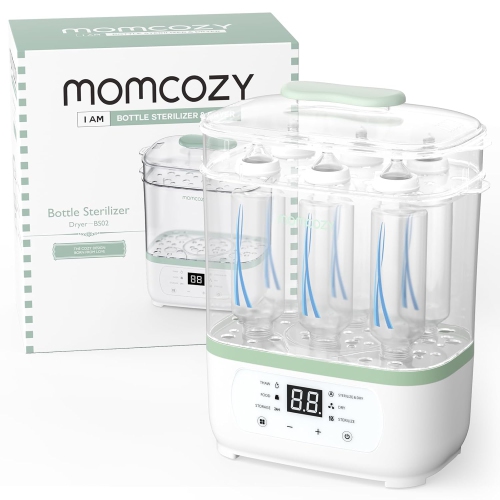
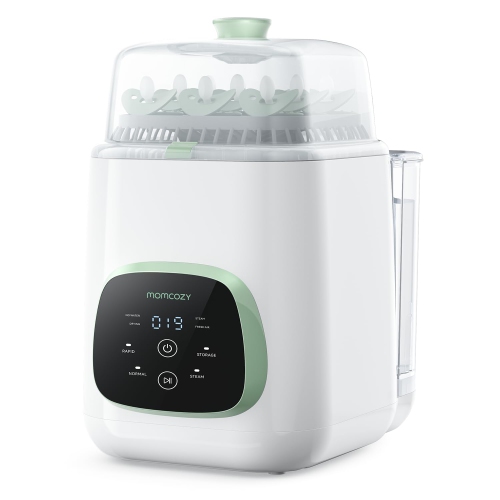
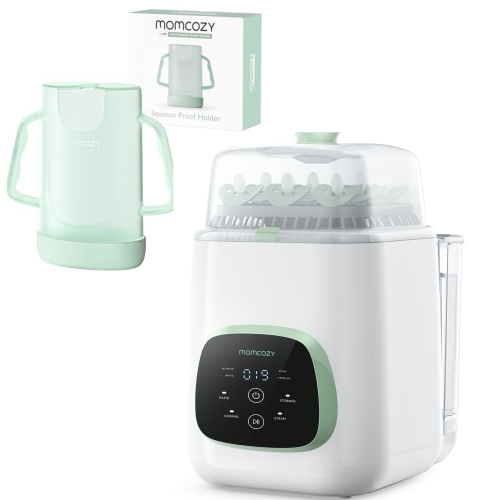
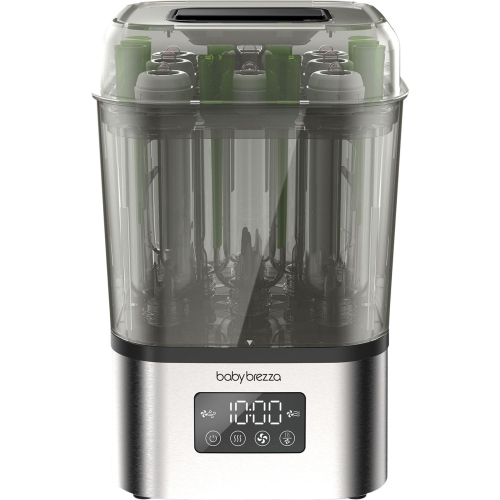
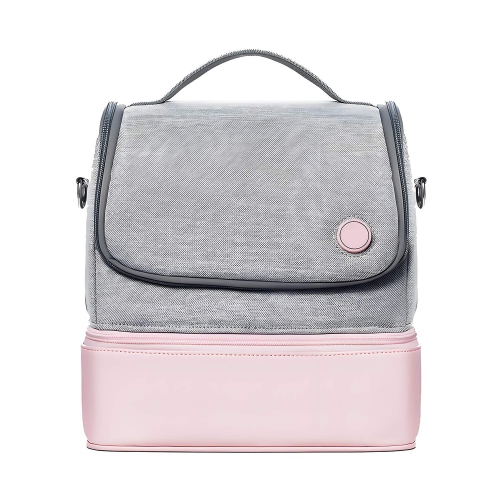
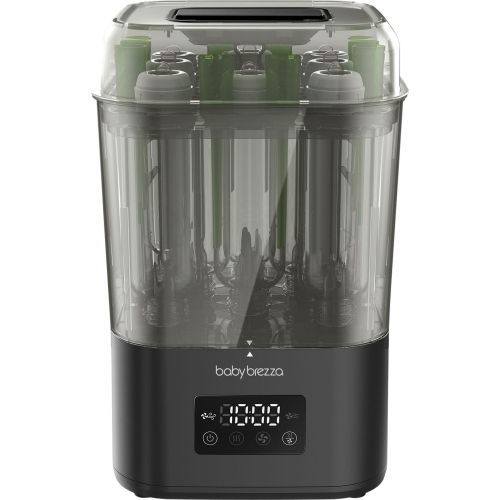
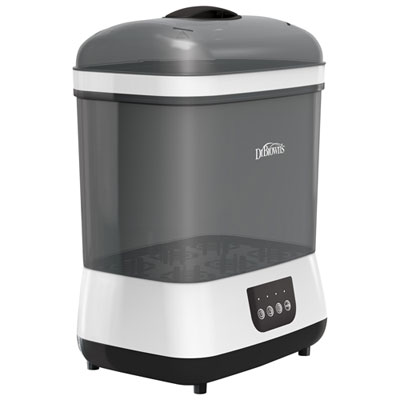
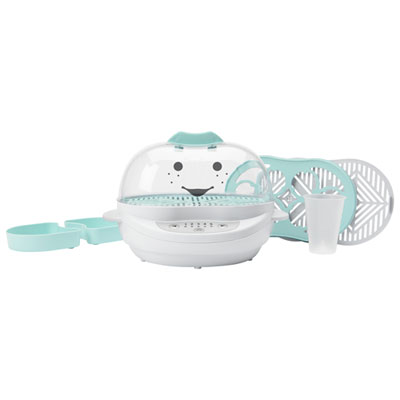
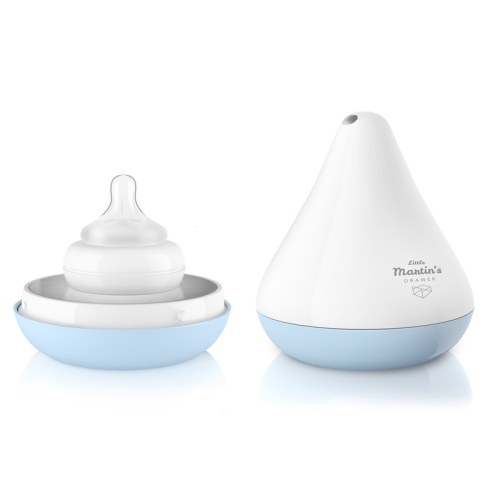
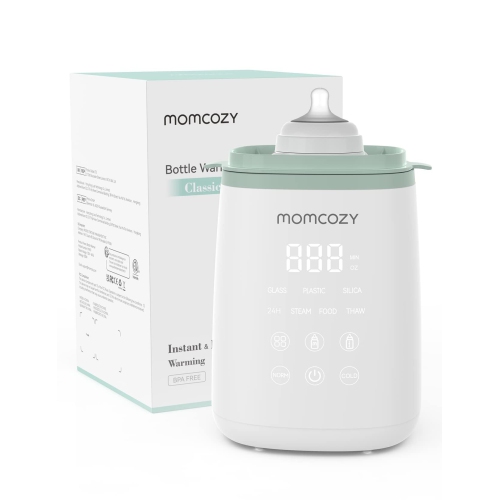
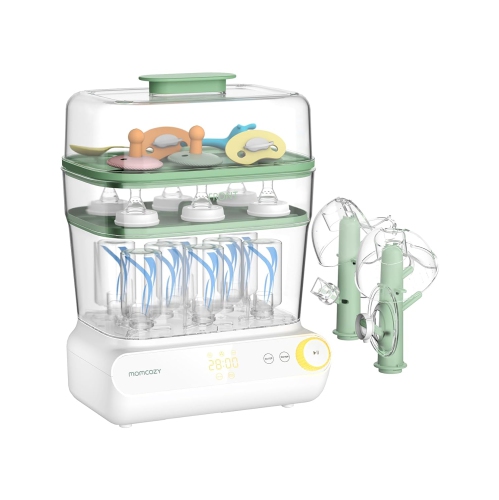
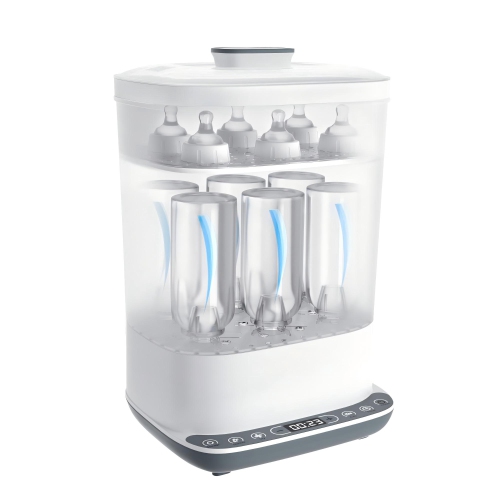
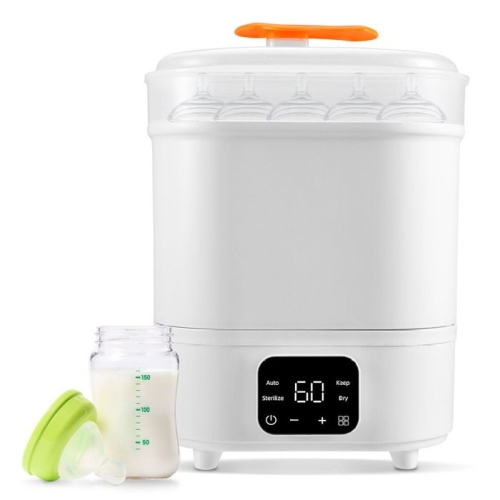
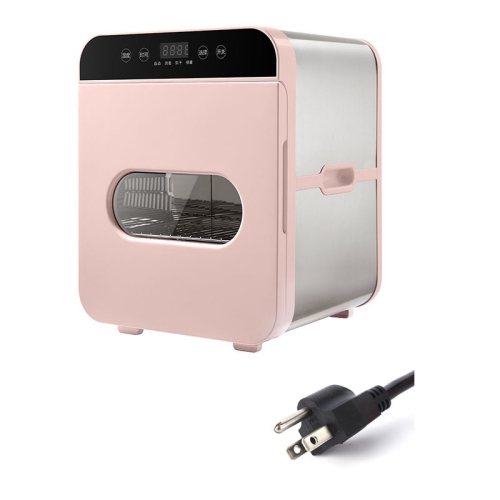
Steam, microwave and UV options for simpler feeding routines
Bottle sterilizers are designed to make the routine of cleaning baby feeding equipment more manageable, especially during the early months when bottles, breast pump parts, nipples, caps and other small accessories are in frequent use. These appliances and containers use methods such as high-temperature steam, microwave steam or ultraviolet light to help reduce bacteria and germs on properly washed feeding gear. Electric steam sterilizers are countertop units that heat water and circulate steam through a covered chamber, while many models include a drying cycle that helps keep freshly treated items separate from kitchen surfaces. Microwave steam sterilizers are lightweight containers that use the heat generated inside a microwave to create steam, making them a practical choice for smaller kitchens, shared spaces or travel. Some advanced all-in-one washers combine washing, sterilizing and drying in one appliance, which can reduce the number of separate steps in a demanding feeding routine. Capacity is one of the first details to compare. A compact unit may suit someone who prepares only a few bottles at a time, while a larger chamber can be helpful for families washing several bottles, pump parts and accessories together. Look for a layout that keeps items spaced apart so steam can reach the surfaces, and check whether the basket accommodates the bottle shapes and sizes used in your home. Clear instructions, an easy-to-lift lid and removable components can make a noticeable difference when one hand is occupied or a late-night feeding leaves little time for extra fuss.
Choosing among bottle sterilizers often comes down to the way a household prepares feeds, the available counter or storage space and how much automation feels useful. A countertop electric steam model can be convenient for regular home use because it is ready to run without tying up the microwave, and a drying function may be useful when bottles need to be stored soon after treatment. A microwave model can be a good fit for grandparents’ homes, travel bags, smaller apartments or anyone who wants a container that packs away between uses. Before buying, confirm the required microwave size, water amount, cycle time and cooling instructions, since models vary. UV units use light rather than steam and may offer a dry process, but items must be positioned according to the manufacturer’s directions so the light can reach the relevant surfaces. All-in-one washers can appeal to busy caregivers who value fewer manual steps, though they generally require more counter space and a higher budget. Consider how many bottles are used in a day, whether breast pump parts will be included, how often the unit will run and whether replacement baskets, filters or other parts are readily available. Materials and construction also matter: smooth interiors are generally easier to wipe, wide openings can simplify loading, and clearly marked water levels help prevent overfilling. Sterilizing is not a substitute for washing. Bottles and accessories should be disassembled, rinsed and cleaned as directed before they go into a sterilizer, and hands should be washed before handling clean parts. Follow the instructions for cooling, drying and storage, since touching the inside of a treated bottle or placing it on an unclean surface can reintroduce germs. Families may also want to check guidance from their healthcare provider, particularly when caring for a premature baby, a baby with medical needs or a child with a weakened immune system.
Bottle sterilizers can be a thoughtful gift for new parents, parents preparing for a return to work, or relatives setting up a practical feeding station at home. They are especially useful alongside other everyday essentials because they support a repeatable routine rather than adding another complicated task. A gift recipient may appreciate a compact microwave model for occasional use at a cottage or while visiting family, while a household with frequent feeds may prefer a larger electric unit that can handle a full load before bedtime. When selecting a gift, consider whether the family uses standard bottles, wide-neck bottles, glass bottles or a mixture of feeding accessories, and look for a design with enough room for the items they are likely to clean. During the cooler months, when windows may stay closed and family members may spend more time indoors, an organized cleaning station can help keep feeding supplies ready without spreading parts across the kitchen. It can be helpful to place the sterilizer near the sink, but not so close that splashes reach the electrical controls, and to reserve a clean, dry area for assembling bottles after the cycle. Caregivers who also use pacifiers may wish to browse Pacifier Sterilizers for a compatible way to manage another frequently handled item. No matter which style is chosen, the best match is the one that fits the household’s actual rhythm: the number of bottles used, the time available between feeds, the preferred cleaning method and the space available for storage. With the right capacity and straightforward controls, a bottle sterilizer can help turn a pile of small parts into a cleaner, more predictable part of the daily routine.
Choosing among bottle sterilizers often comes down to the way a household prepares feeds, the available counter or storage space and how much automation feels useful. A countertop electric steam model can be convenient for regular home use because it is ready to run without tying up the microwave, and a drying function may be useful when bottles need to be stored soon after treatment. A microwave model can be a good fit for grandparents’ homes, travel bags, smaller apartments or anyone who wants a container that packs away between uses. Before buying, confirm the required microwave size, water amount, cycle time and cooling instructions, since models vary. UV units use light rather than steam and may offer a dry process, but items must be positioned according to the manufacturer’s directions so the light can reach the relevant surfaces. All-in-one washers can appeal to busy caregivers who value fewer manual steps, though they generally require more counter space and a higher budget. Consider how many bottles are used in a day, whether breast pump parts will be included, how often the unit will run and whether replacement baskets, filters or other parts are readily available. Materials and construction also matter: smooth interiors are generally easier to wipe, wide openings can simplify loading, and clearly marked water levels help prevent overfilling. Sterilizing is not a substitute for washing. Bottles and accessories should be disassembled, rinsed and cleaned as directed before they go into a sterilizer, and hands should be washed before handling clean parts. Follow the instructions for cooling, drying and storage, since touching the inside of a treated bottle or placing it on an unclean surface can reintroduce germs. Families may also want to check guidance from their healthcare provider, particularly when caring for a premature baby, a baby with medical needs or a child with a weakened immune system.
Bottle sterilizers can be a thoughtful gift for new parents, parents preparing for a return to work, or relatives setting up a practical feeding station at home. They are especially useful alongside other everyday essentials because they support a repeatable routine rather than adding another complicated task. A gift recipient may appreciate a compact microwave model for occasional use at a cottage or while visiting family, while a household with frequent feeds may prefer a larger electric unit that can handle a full load before bedtime. When selecting a gift, consider whether the family uses standard bottles, wide-neck bottles, glass bottles or a mixture of feeding accessories, and look for a design with enough room for the items they are likely to clean. During the cooler months, when windows may stay closed and family members may spend more time indoors, an organized cleaning station can help keep feeding supplies ready without spreading parts across the kitchen. It can be helpful to place the sterilizer near the sink, but not so close that splashes reach the electrical controls, and to reserve a clean, dry area for assembling bottles after the cycle. Caregivers who also use pacifiers may wish to browse Pacifier Sterilizers for a compatible way to manage another frequently handled item. No matter which style is chosen, the best match is the one that fits the household’s actual rhythm: the number of bottles used, the time available between feeds, the preferred cleaning method and the space available for storage. With the right capacity and straightforward controls, a bottle sterilizer can help turn a pile of small parts into a cleaner, more predictable part of the daily routine.
Top selling and popular products
-
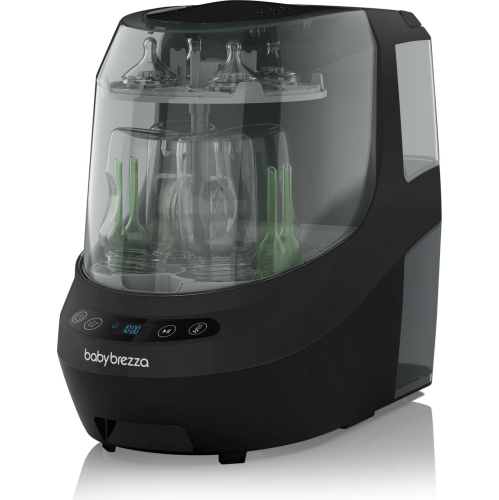 Your price for this item is $399.99
 -
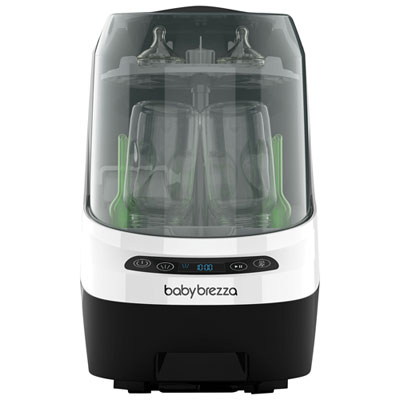 Your price for this item is $389.99
 -
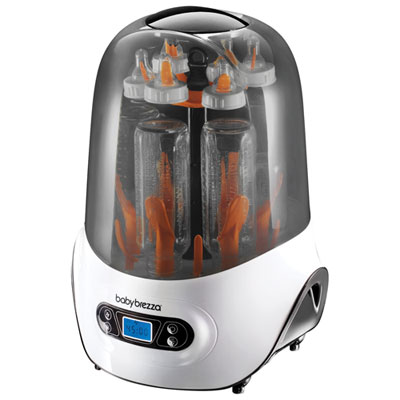 Your price for this item is $119.99
 -
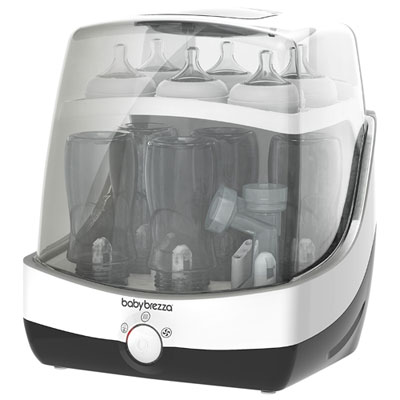 Your price for this item is $299.99
 -
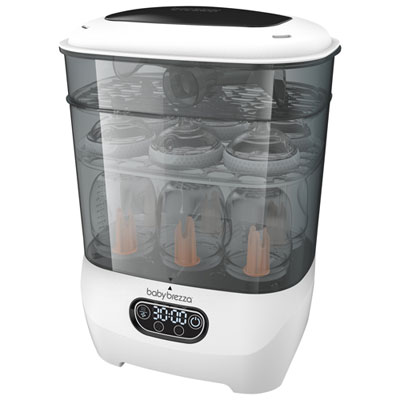 Your price for this item is $189.99
 -
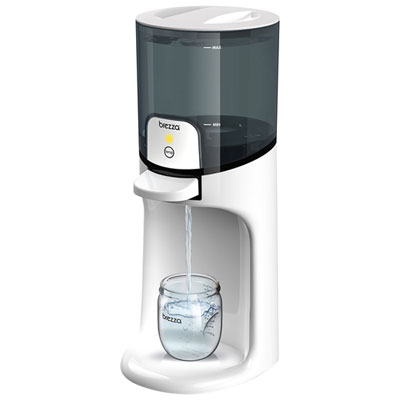 Your price for this item is $99.99
 -
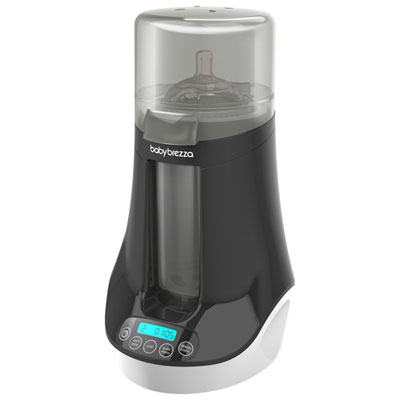 Your price for this item is $119.99
 -
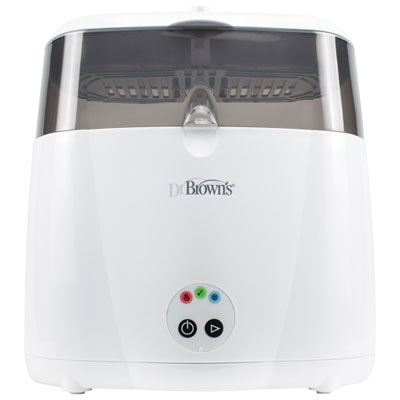 Your price for this item is $63.98
Discover more categories related to Bottle Sterilizers
Top Collections:
Best Laptops for Video Editing, Pokemon Centers, Samsung Z Fold, Kindle Devices, Best Cell Phones Under $300, Best Laptops for Writers, Best Budget Office Chairs, Best Cell Phones Under $500, Best Laptop Computers for Students, iPhone 15 Apple
Some products may be subject to Environmental Handling Fees
(EHF) depending on your province.
Learn more about EHFs.