Bottle Warmers for Twins
Bottle Warmers for Twins are designed to help make feeding time smoother and more efficient for parents of multiples. With the unique needs of twins in mind, these bottle warmers offer practical solutions for preparing bottles quickly and easily. Whether you’re at home or on the go, find options that can help keep both bottles ready when you need them most. Explore a variety of Bottle Warmers for Twins to discover convenient choices that fit seamlessly into your daily routine.
Sort
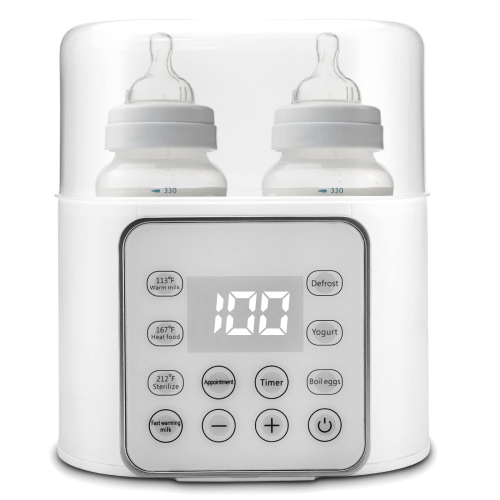
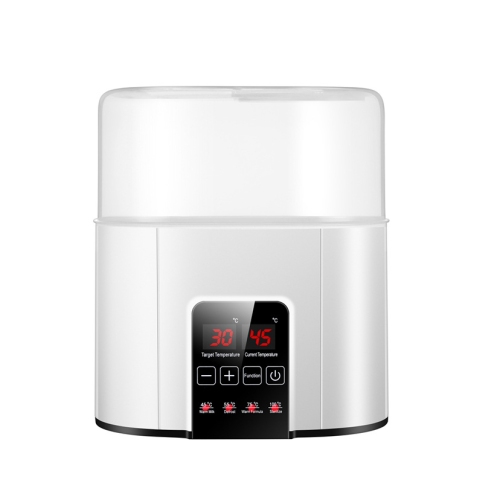
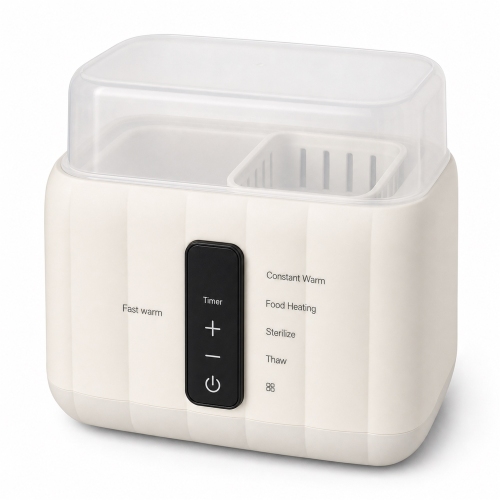
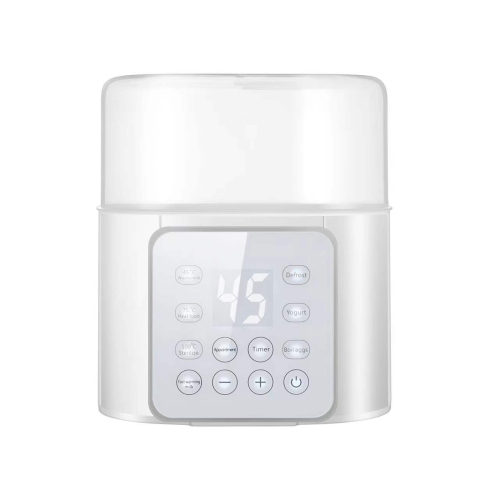
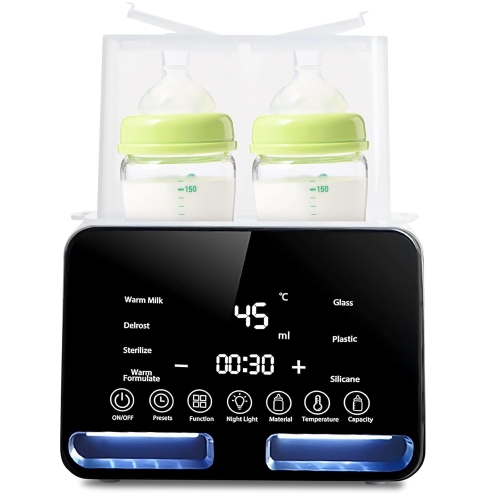
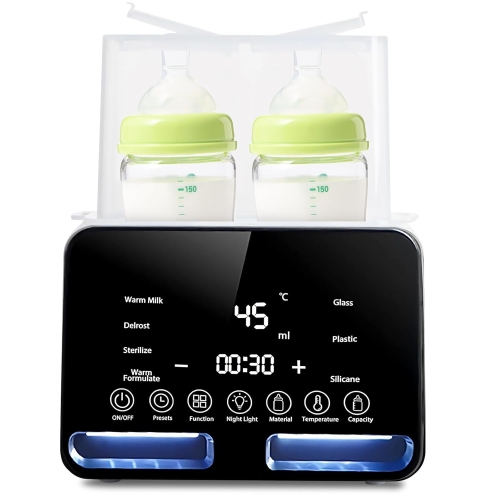
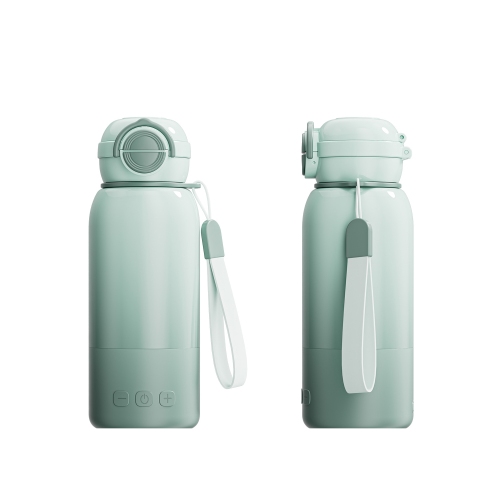


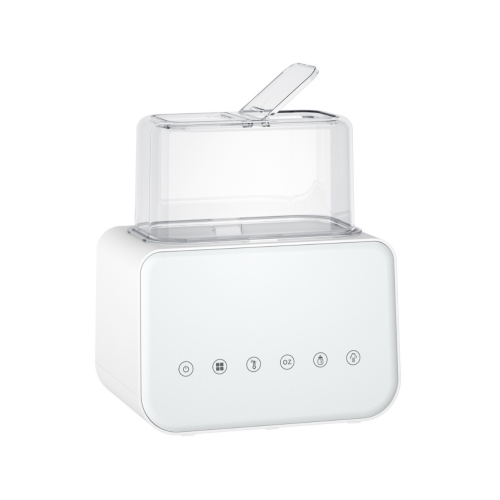

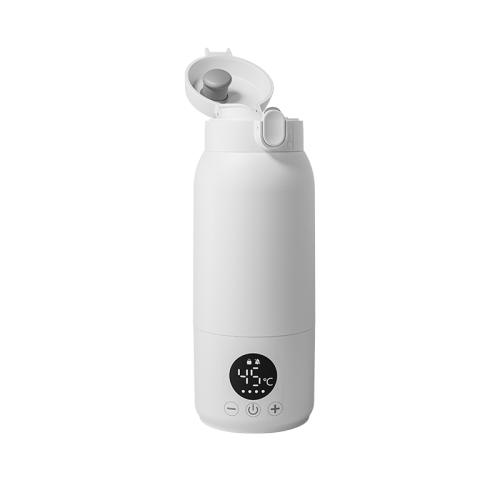
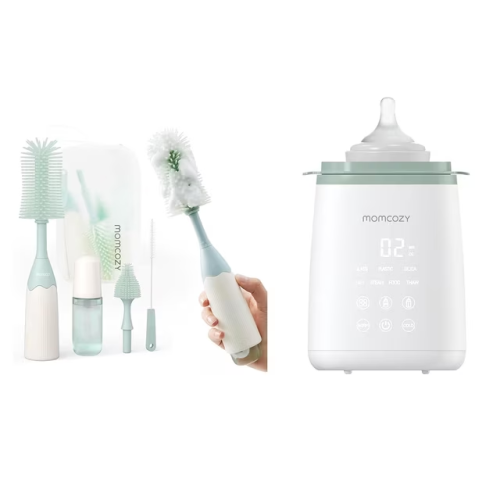
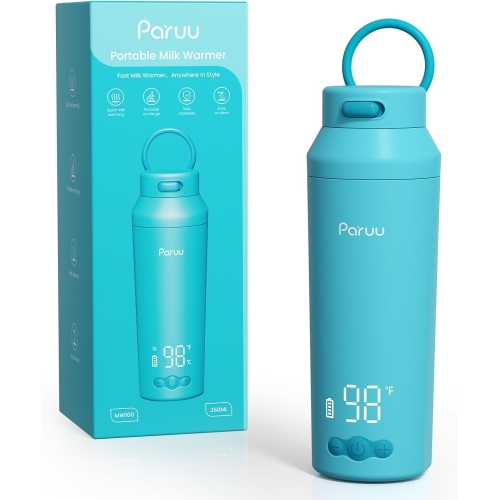
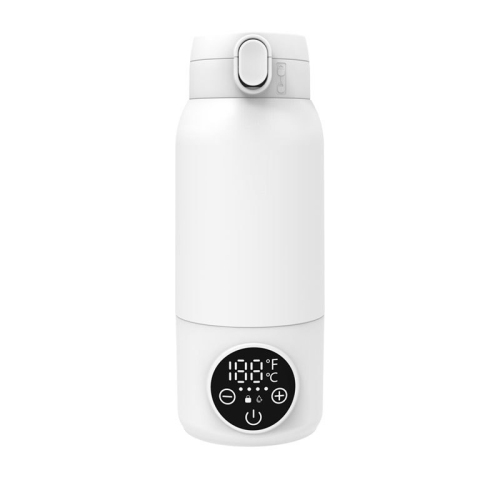
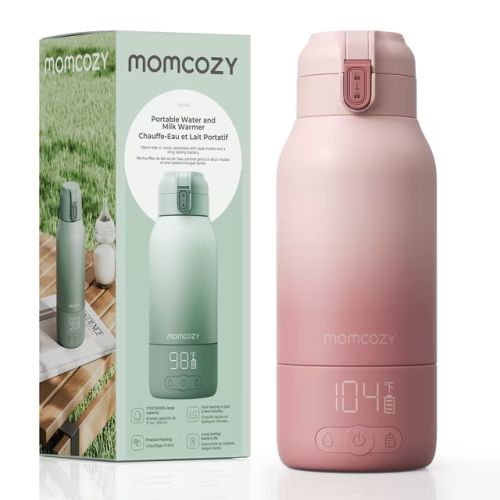
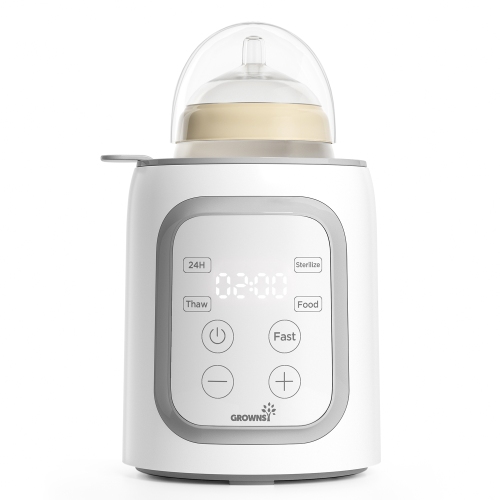
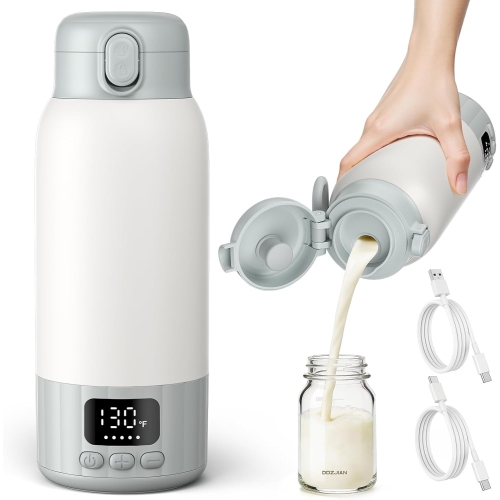

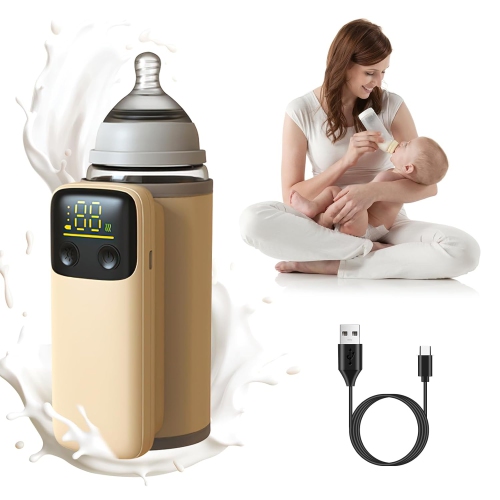
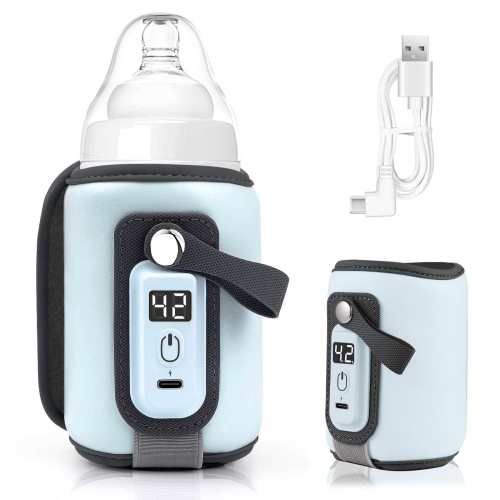
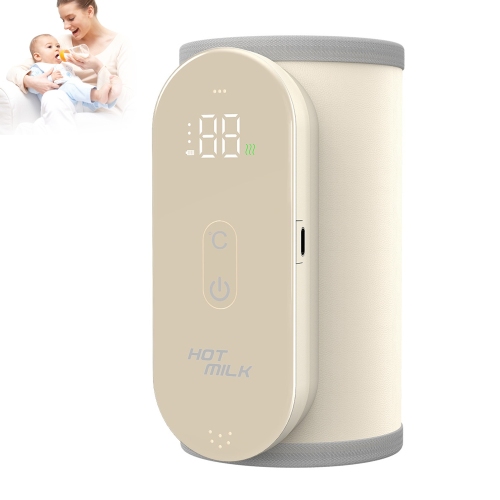
A simpler warming routine for two hungry babies
Bottle warmers for twins are designed to simplify bottle preparation when two babies need feeding close together. A double bottle warmer is typically an electric appliance with space to heat two compatible baby bottles at the same time, usually through a water bath or steam-based heating system. Depending on the model’s stated uses and included accessories, it may also accommodate breast milk storage bags or baby food containers. The main benefit for a household with twins is having two bottles warming in one place, rather than managing separate appliances or warming each bottle in turn. That can make a practical difference when both babies wake hungry, when one caregiver is preparing a feed, or when two adults are sharing feeding duties. Twins do not always drink the same amount or follow identical schedules, however, so a useful setup should suit individual feeds as well as paired ones. Separate heating chambers or independently adjustable controls, where offered, may provide flexibility for bottles with different starting temperatures or milk volumes. A shared warming chamber may be simpler to operate, but its instructions will determine how two bottles should be warmed together. Warming time depends on the heating method, the amount of milk, the bottle material, and whether the contents started chilled or at room temperature. A timer or completion alert can help caregivers keep track, although neither replaces checking the milk before feeding. Milk does not have to be warmed if a baby accepts it cold or at room temperature; a warmer is a convenience for families whose babies prefer a warmer feed. These appliances can also be useful for close-in-age siblings or caregivers preparing bottles for more than one infant, provided each child’s bottle and feeding needs remain clearly identified. For twins, the most helpful features are those that reduce repeated steps without assuming both babies will always be ready for the same feed at the same moment.
Bottle compatibility matters as much as the number of warming spaces. Two openings do not necessarily mean that every pair of bottles will fit comfortably, particularly with wide-neck designs, angled shapes, or larger-capacity bottles. The usable chamber dimensions, permitted bottle heights, and any requirements for lids or lifting baskets help establish whether an appliance suits the bottles already used at home. Glass, plastic, and silicone bottles transfer heat differently, and compatibility should be confirmed with both the warmer’s and bottle manufacturer’s directions. The same applies to storage bags: they should only be placed in a warmer approved for that purpose and used with any required holder or adapter. For a household that alternates between expressed breast milk and formula, clearly labelled settings and straightforward controls can be more useful than a large menu of functions. Gentle warming settings may suit expressed milk, while adjustable timing can help accommodate changing feed volumes, but the chosen programme should always match the contents and container. Daily care is another important consideration because preparing several feeds for two babies means frequent handling, refilling, and wiping. Smooth, accessible surfaces, a removable basket, and clearly marked water levels can make the routine easier. Mineral deposits may build up in water-based appliances, especially in homes with hard water, so regular descaling according to the manufacturer’s instructions helps maintain performance. Electrical bases generally need to be unplugged, allowed to cool, and wiped rather than immersed, while removable parts may have separate washing requirements. Practical durability comes from a stable base, secure controls, a well-positioned cord, and components that remain easy to handle through repeated use. Countertop space also matters: the warmer needs a level, heat-resistant surface with appropriate clearance, away from counter edges and out of children’s reach. A compact footprint may suit a shared kitchen, while an accessible water reservoir can reduce awkward lifting and spills during a busy feeding routine.
Safe bottle preparation remains essential even when an appliance makes warming more convenient. A bottle warmer heats milk; it does not make improperly stored milk safe, and a warming cycle should not be treated as a sterilizing cycle. Any separate sterilizing function has its own instructions, compatible components, and operating requirements. Formula preparation is also a distinct step from warming a prepared bottle. Powdered infant formula is not sterile, and the preparation method should follow the label and applicable public health advice, including any additional precautions recommended for a baby’s age or health needs. Families comparing warming options for prepared formula can explore Bottle Warmers for Formula while keeping bottle fit, feed size, and preparation routines in mind. Once a bottle has been warmed, gently swirl it as appropriate for its contents and check the milk temperature before offering it; it should not feel hot. A microwave is not a suitable substitute because it can create hot spots even when the bottle feels comfortable to hold. Automatic shut-off is a useful appliance feature, but it is not a measure of how long milk can safely remain ready for feeding. Similarly, a keep-warm setting should not be taken as permission to hold breast milk or prepared formula indefinitely. Storage limits, warming limits, and discard times still apply, and milk left after a feed should be handled according to the relevant feeding guidance rather than saved for the other baby. When twins have different dietary needs or prescribed supplements, clearly identifying each bottle helps prevent mix-ups. For parents, grandparents, and other regular caregivers, a simple, repeatable routine often matters more than extra functions: clean bottles, correctly prepared milk, an appropriate warming cycle, and a final temperature check. As a baby shower gift for a family expecting twins, a double bottle warmer can be a thoughtful practical choice when its dimensions and features match the family’s preferred bottles and feeding plans.
Top selling and popular products
-
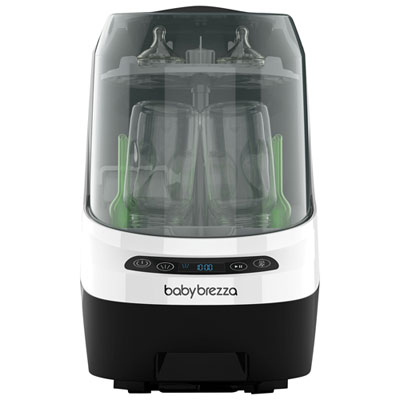 Your price for this item is $299.99
-
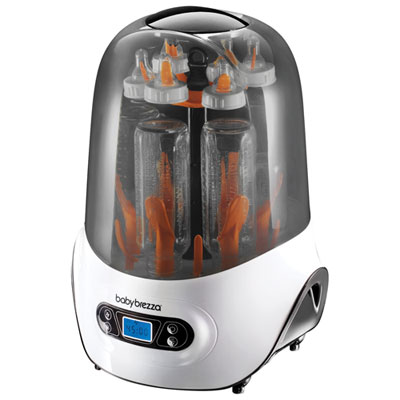 Your price for this item is $89.99
-
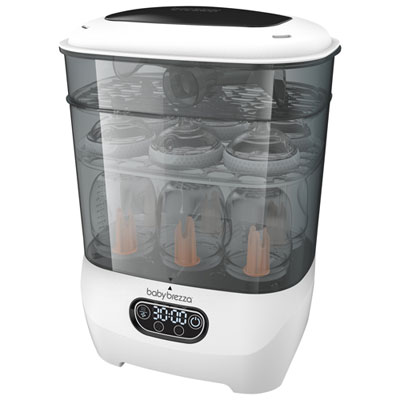 Your price for this item is $129.99
-
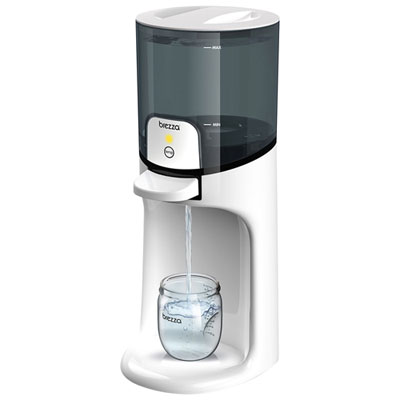 Your price for this item is $99.99
-
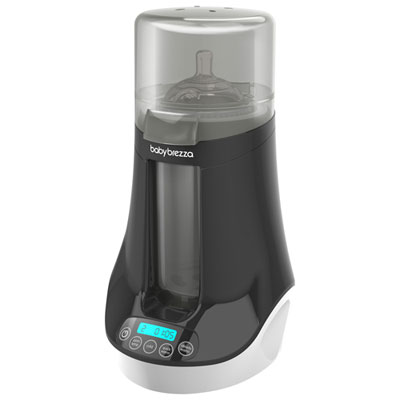 Your price for this item is $119.99
-
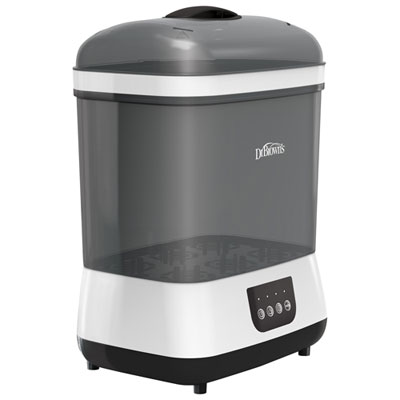 Your price for this item is $107.98
-
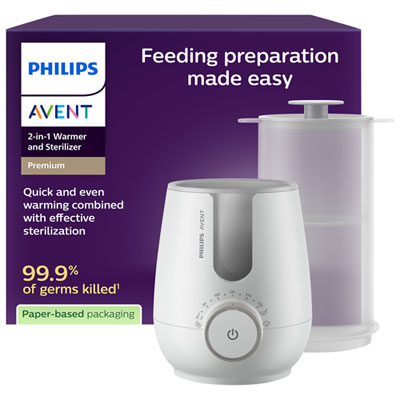 Your price for this item is $59.99
-
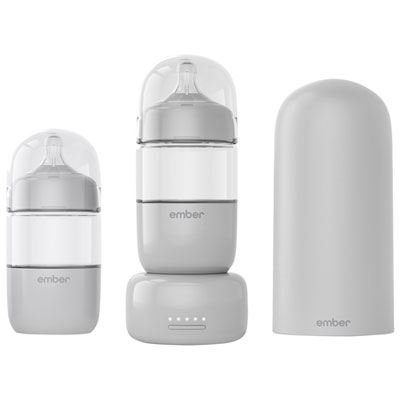 Your price for this item is $499.95
Discover more categories related to Bottle Warmers for Twins
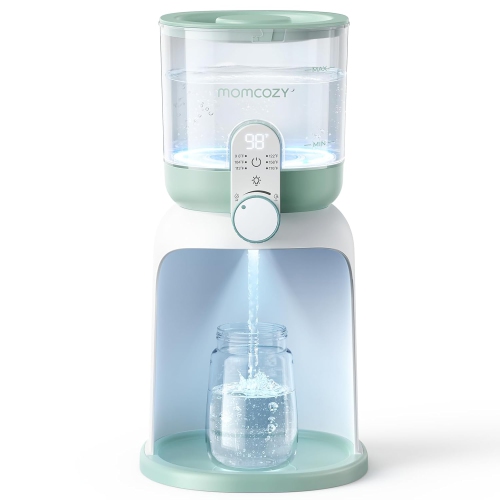
Top Collections:
Best Black Friday Deals This Year, Best Black Friday Deals On Electronics, Kindle Devices, Pokemon Centers, Best Black Friday Deals On Apple Products, Best Cameras for Sports Photography, Dyson Airwrap, Pokémon 30th Celebration Cards, Apple iPhone 17 Pro, Canon G7X Cameras
Some products may be subject to Environmental Handling Fees
(EHF) depending on your province.
Learn more about EHFs.