Bottles for Newborns
When it comes to feeding your precious little one, finding the right bottle is essential. With so many options available, it can be overwhelming to choose the perfect bottle for your newborn. That's why we've curated a selection of bottles specifically designed to meet the unique needs of newborns. From anti-colic features to soft and comfortable nipples, our range of bottles offers both functionality and comfort for your baby. Shop for bottles for newborns that provide a seamless feeding experience, allowing you to bond with your little bundle of joy while ensuring their nourishment and happiness.
Sort

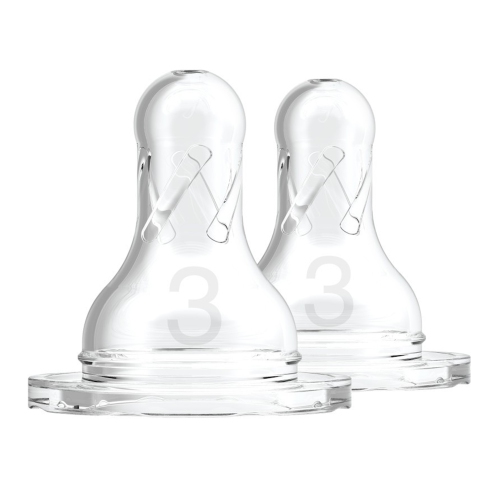
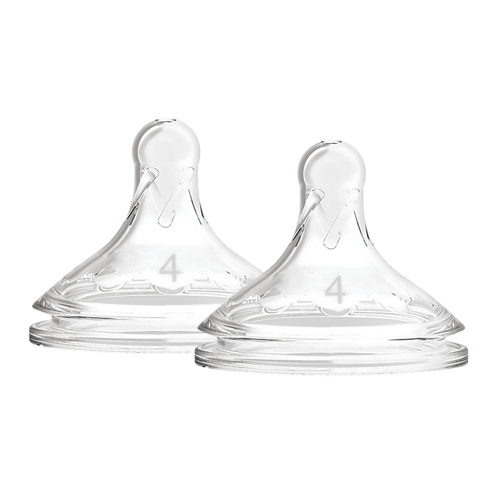
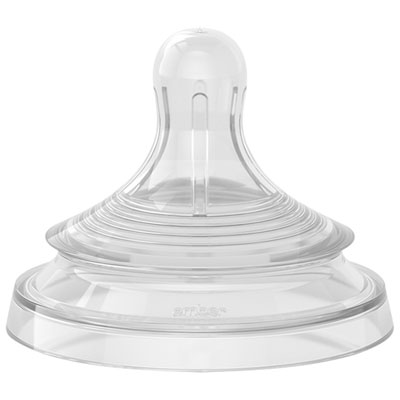
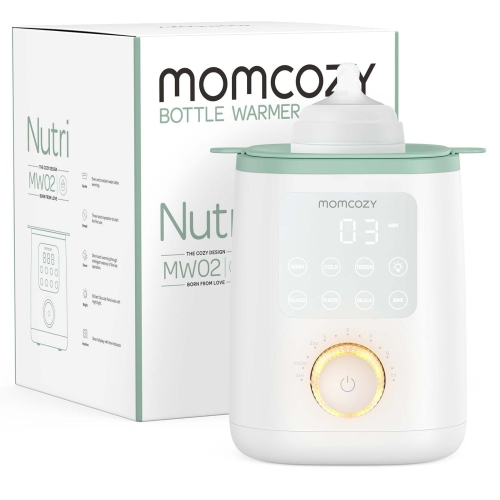
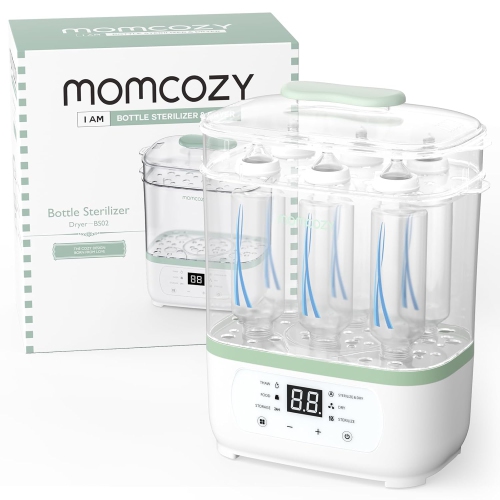
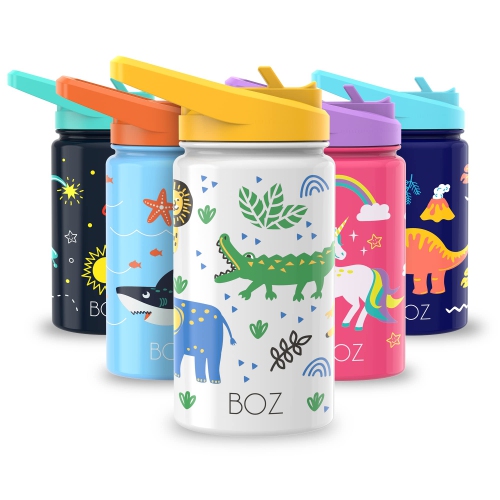
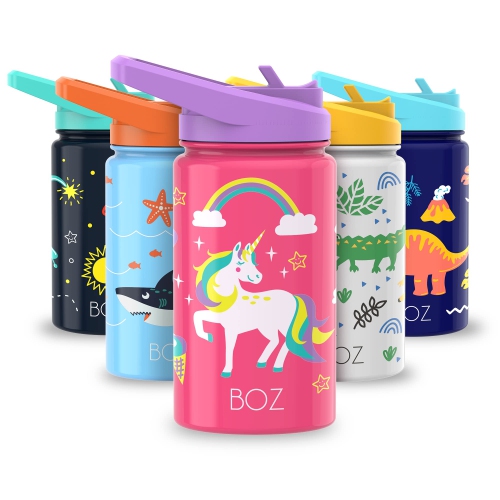
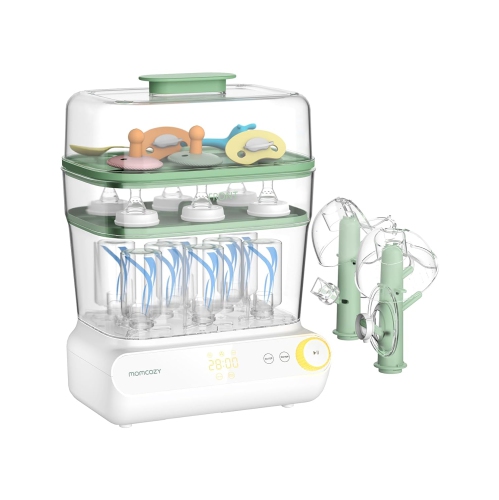
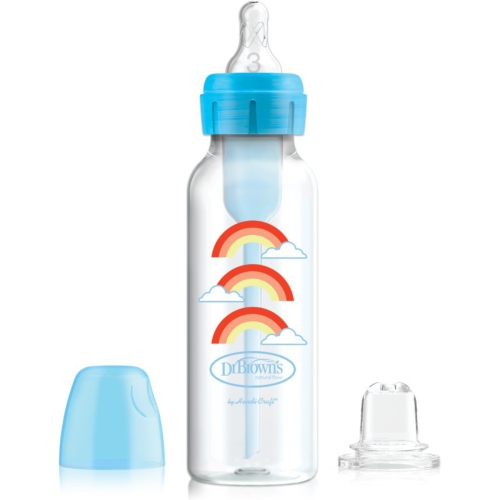
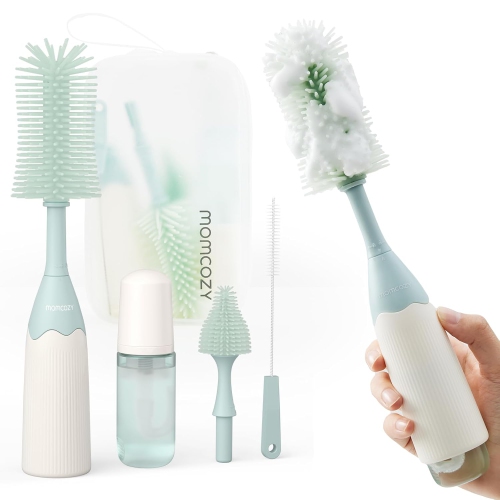
How nipple flow, materials, and design shape feeding routines
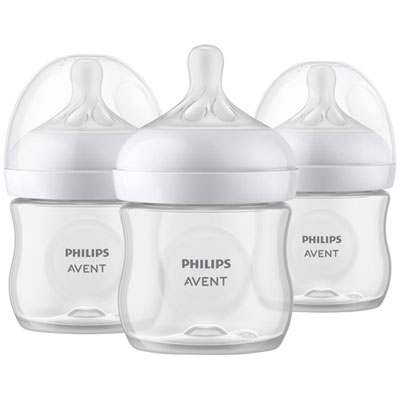
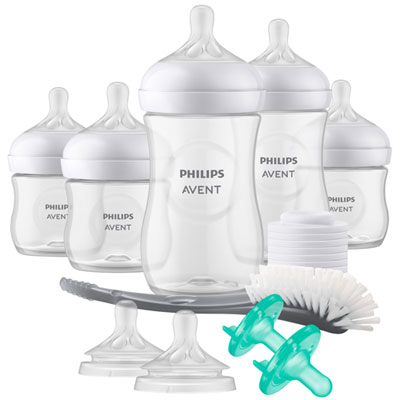
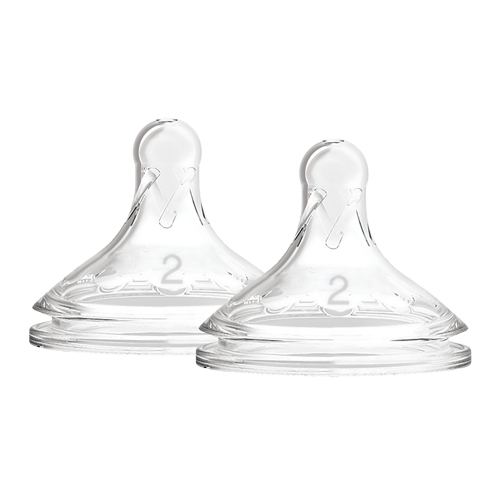
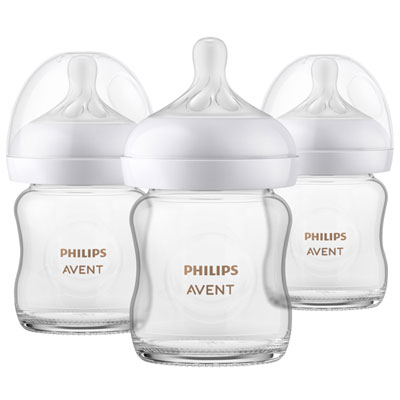
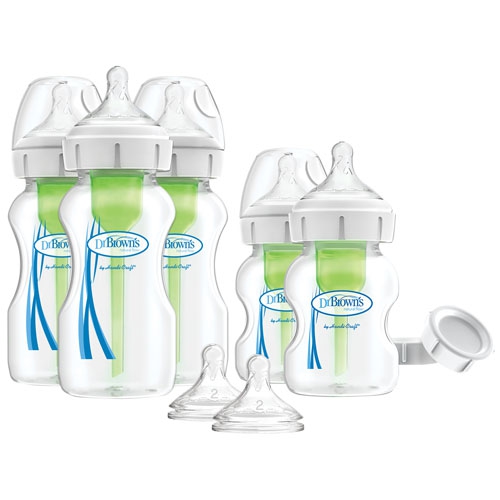
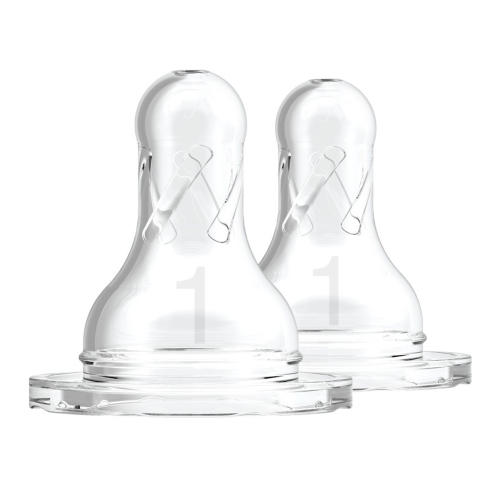
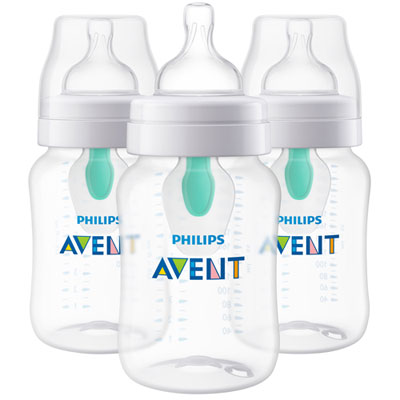
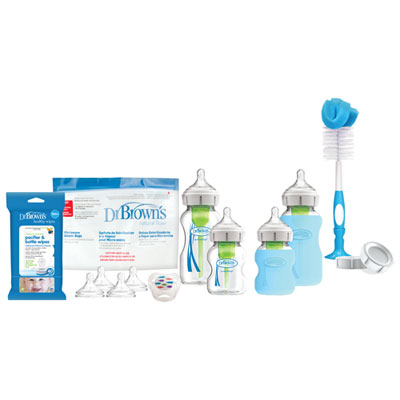
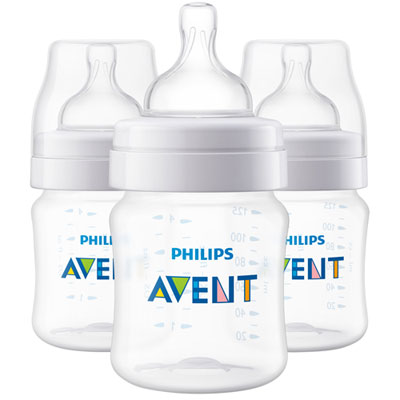
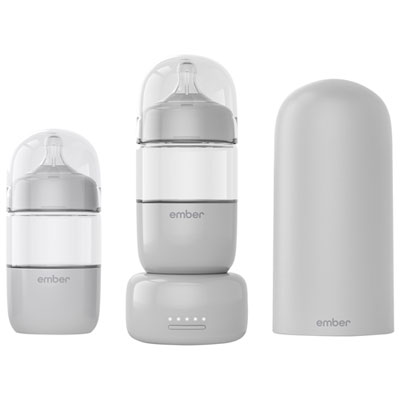
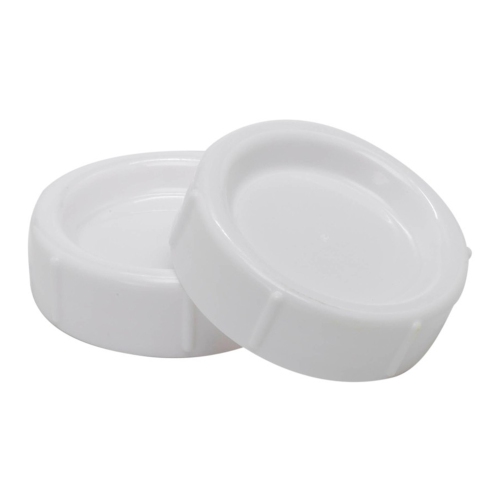
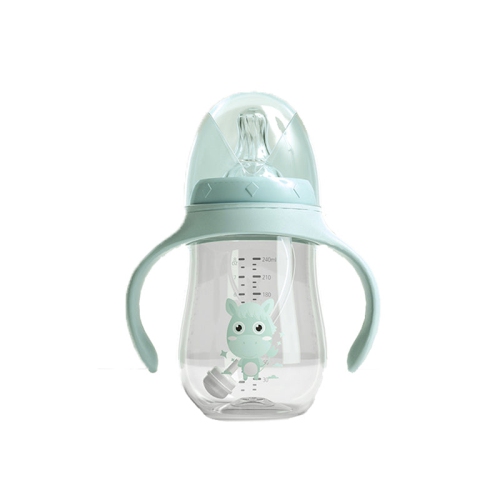
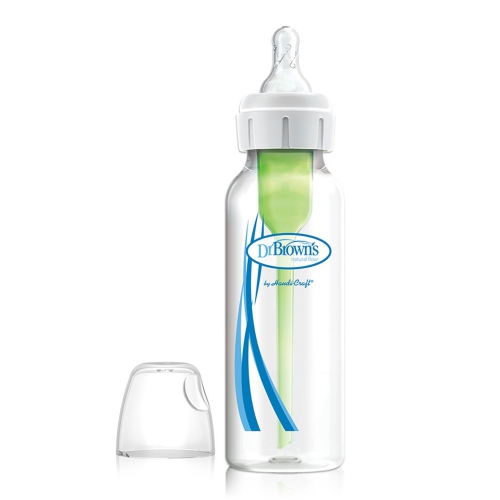
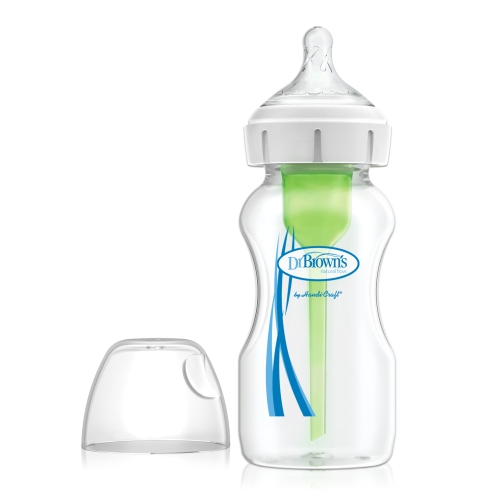
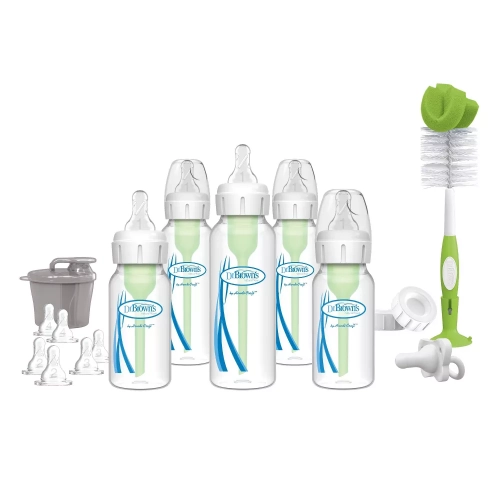
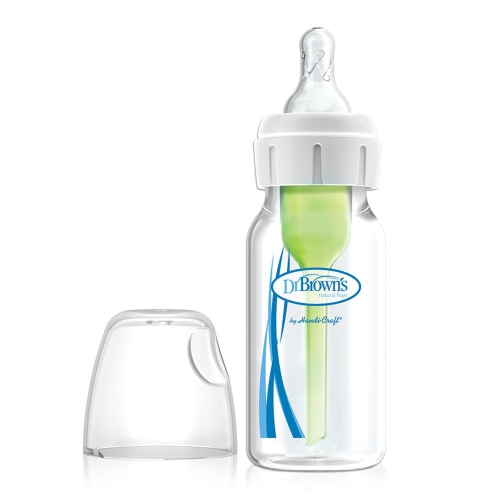
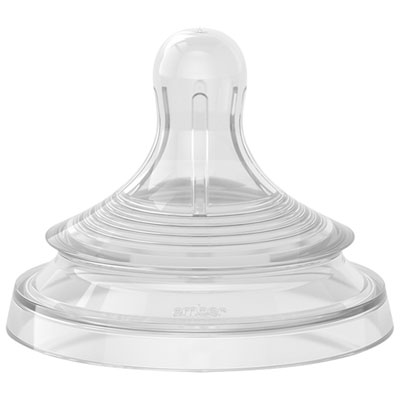
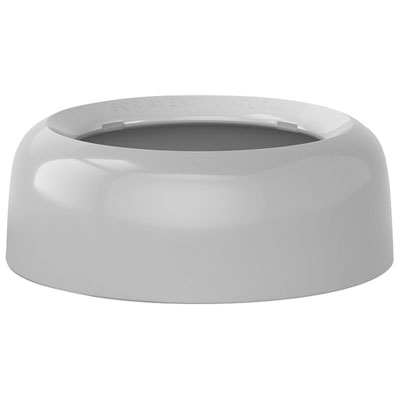
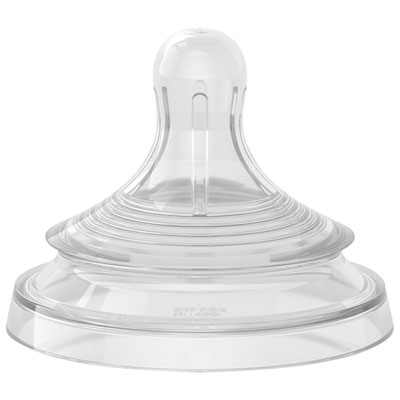
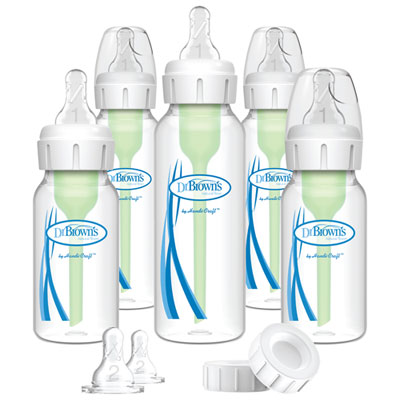
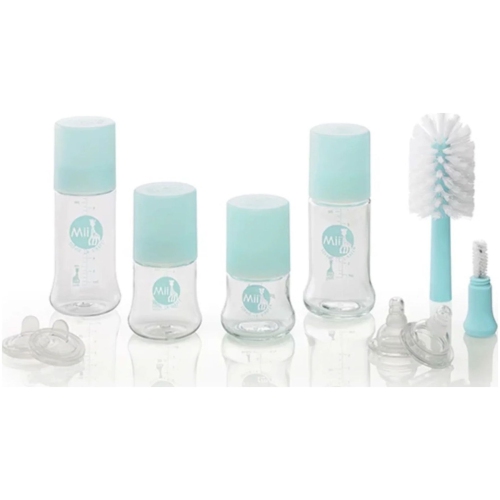
Choosing bottles for newborns often comes down to finding a comfortable fit for a small baby, a manageable routine for caregivers, and a design that works with the way milk or formula is being offered. Newborns generally take smaller feeds than older babies, so compact bottles can be easier to hold during frequent feeding sessions and simpler to pack in a diaper bag. Slow-flow or preemie-flow nipples are commonly recommended at the beginning because they release milk at a gentler pace, giving an infant more time to coordinate sucking, swallowing, and breathing. A nipple that releases milk too quickly may lead to gulping, coughing, leaking, or frustration, while a flow that is too slow can make a feed tiring. Babies develop at different rates, so the right flow depends on the child’s feeding cues, age, and advice from a health-care professional. When checking a nipple, follow the manufacturer’s guidance rather than enlarging the opening or switching sizes based only on a calendar. Some newborn bottles use soft silicone nipples designed to flex with a baby’s mouth, which may feel familiar for babies who move between nursing and bottle feeding. Others include venting systems intended to limit the amount of air swallowed during a feed, which may help reduce burping, spit-up, or discomfort for some infants. These features are not a guarantee against colic or digestive concerns, but they can be useful considerations when comparing bottle designs. For additional ideas for a new arrival, browse Best Baby Products for Newborns alongside bottle options that suit the household’s daily routine.
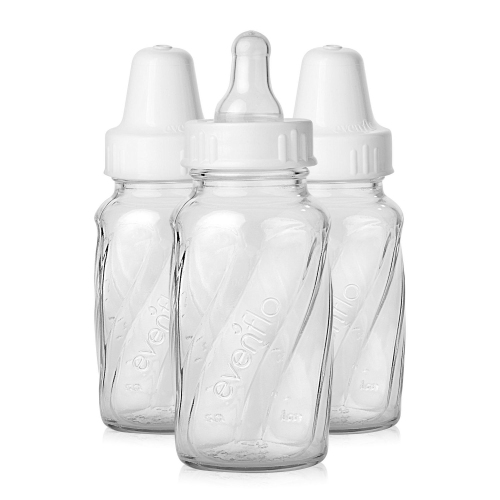
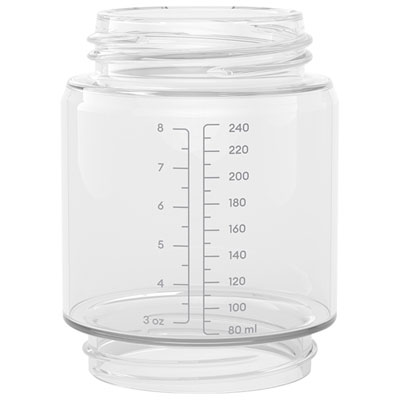
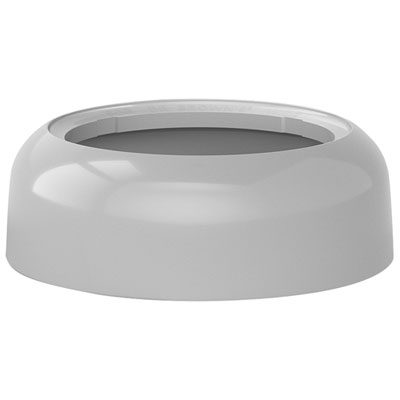
Bottle material can influence how a set feels in everyday use. Plastic bottles are typically light, convenient for travel, and less concerning if they are dropped during a tired overnight feed. Look for clearly labelled BPA-free materials and check the care instructions before placing bottles in a dishwasher, sterilizer, or bottle warmer. Silicone bottles are also lightweight and flexible, and many caregivers appreciate their soft feel and resistance to shattering. Glass bottles are heavier to carry but offer a sturdy, smooth surface that is easy to inspect for milk residue and odours. They can be a practical choice for caregivers who prefer glass, although they should be handled carefully and kept away from edges where they could fall. Regardless of material, examine bottles, rings, caps, and nipples regularly for cracks, cloudiness, stretching, or other signs of wear, and replace components according to the manufacturer’s recommendations. A newborn bottle should be straightforward to assemble, with a collar that sits securely and a cap that helps keep the nipple clean between feeds. Clear volume markings can be useful when preparing formula or recording how much a baby has taken, while wide openings may make measuring and cleaning easier. Bottle shape matters as well: a narrow design may fit standard bottle pockets, while a wider design can be easier for some hands to grip. Families combining breastfeeding and bottle feeding may choose nipples with different shapes and textures to see which one their baby accepts most readily. Families using formula may place greater emphasis on quick preparation, dependable measurement marks, and easy cleaning during several feeds across the day. There is no single bottle style that suits every baby, and it is often practical to begin with a small selection rather than purchasing a large quantity before knowing which nipple and shape are comfortable.
Newborn bottles can be useful for parents, grandparents, foster caregivers, child-care providers, and anyone helping with feeding during the early weeks. They are also a thoughtful gift for a baby shower, a new-baby celebration, or a household preparing for a new arrival, particularly when paired with spare nipples, cleaning accessories, or a suitable storage solution. A few well-chosen bottles can support shared feeding, allowing another caregiver to take part while a parent rests, works, or manages other responsibilities. During cooler months, families may spend more time indoors, making an organized feeding station especially helpful: keep clean bottles, prepared supplies, burp cloths, and a drying rack together in a spot that is easy to reach during the quiet hours before dawn. Bottles should be washed thoroughly after each use, with all pieces separated so milk does not collect beneath a collar or inside a vent. Sterilize bottles when recommended by the manufacturer or health-care provider, especially for very young or medically vulnerable infants, and use clean water and properly prepared formula according to package directions. Never leave a bottle propped in a baby’s mouth, and hold the bottle at an angle that keeps the nipple filled with milk rather than air. During feeding, watch for pauses, turning away, relaxed hands, and other signs that the baby needs a break. If milk drips very quickly when the bottle is inverted, or if the baby repeatedly coughs, chokes, gulps, or becomes distressed, stop the feed and consult a health-care professional about nipple flow and feeding technique. With the right size, flow, material, and cleaning routine, bottles for newborns can make feeding sessions calmer, more portable, and easier to share.
Bottle material can influence how a set feels in everyday use. Plastic bottles are typically light, convenient for travel, and less concerning if they are dropped during a tired overnight feed. Look for clearly labelled BPA-free materials and check the care instructions before placing bottles in a dishwasher, sterilizer, or bottle warmer. Silicone bottles are also lightweight and flexible, and many caregivers appreciate their soft feel and resistance to shattering. Glass bottles are heavier to carry but offer a sturdy, smooth surface that is easy to inspect for milk residue and odours. They can be a practical choice for caregivers who prefer glass, although they should be handled carefully and kept away from edges where they could fall. Regardless of material, examine bottles, rings, caps, and nipples regularly for cracks, cloudiness, stretching, or other signs of wear, and replace components according to the manufacturer’s recommendations. A newborn bottle should be straightforward to assemble, with a collar that sits securely and a cap that helps keep the nipple clean between feeds. Clear volume markings can be useful when preparing formula or recording how much a baby has taken, while wide openings may make measuring and cleaning easier. Bottle shape matters as well: a narrow design may fit standard bottle pockets, while a wider design can be easier for some hands to grip. Families combining breastfeeding and bottle feeding may choose nipples with different shapes and textures to see which one their baby accepts most readily. Families using formula may place greater emphasis on quick preparation, dependable measurement marks, and easy cleaning during several feeds across the day. There is no single bottle style that suits every baby, and it is often practical to begin with a small selection rather than purchasing a large quantity before knowing which nipple and shape are comfortable.
Newborn bottles can be useful for parents, grandparents, foster caregivers, child-care providers, and anyone helping with feeding during the early weeks. They are also a thoughtful gift for a baby shower, a new-baby celebration, or a household preparing for a new arrival, particularly when paired with spare nipples, cleaning accessories, or a suitable storage solution. A few well-chosen bottles can support shared feeding, allowing another caregiver to take part while a parent rests, works, or manages other responsibilities. During cooler months, families may spend more time indoors, making an organized feeding station especially helpful: keep clean bottles, prepared supplies, burp cloths, and a drying rack together in a spot that is easy to reach during the quiet hours before dawn. Bottles should be washed thoroughly after each use, with all pieces separated so milk does not collect beneath a collar or inside a vent. Sterilize bottles when recommended by the manufacturer or health-care provider, especially for very young or medically vulnerable infants, and use clean water and properly prepared formula according to package directions. Never leave a bottle propped in a baby’s mouth, and hold the bottle at an angle that keeps the nipple filled with milk rather than air. During feeding, watch for pauses, turning away, relaxed hands, and other signs that the baby needs a break. If milk drips very quickly when the bottle is inverted, or if the baby repeatedly coughs, chokes, gulps, or becomes distressed, stop the feed and consult a health-care professional about nipple flow and feeding technique. With the right size, flow, material, and cleaning routine, bottles for newborns can make feeding sessions calmer, more portable, and easier to share.
Top selling and popular products
-
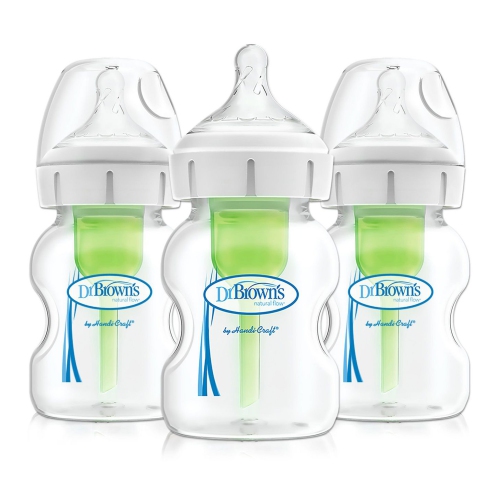 Your price for this item is $34.99
 -
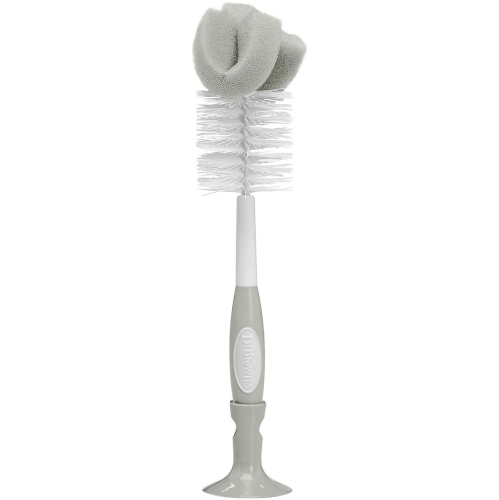 Your price for this item is $9.99
 -
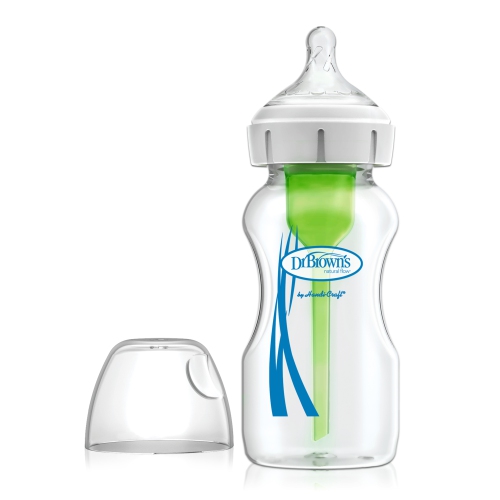 Your price for this item is $15.49
 -
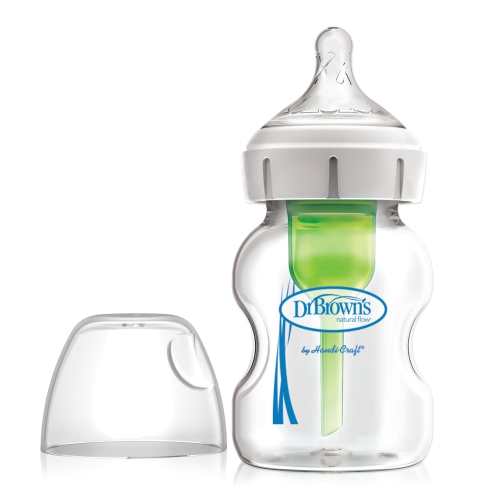 Your price for this item is $15.49
 -
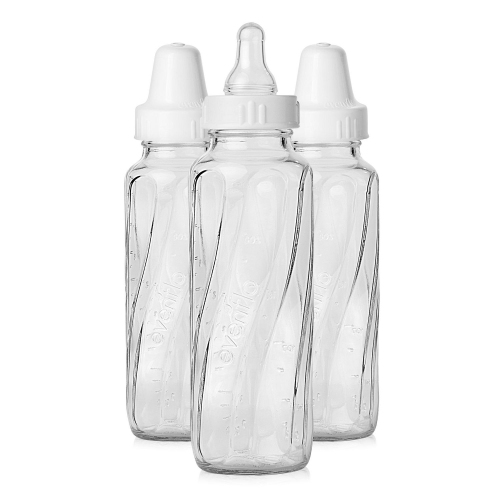 Your price for this item is $27.99
 -
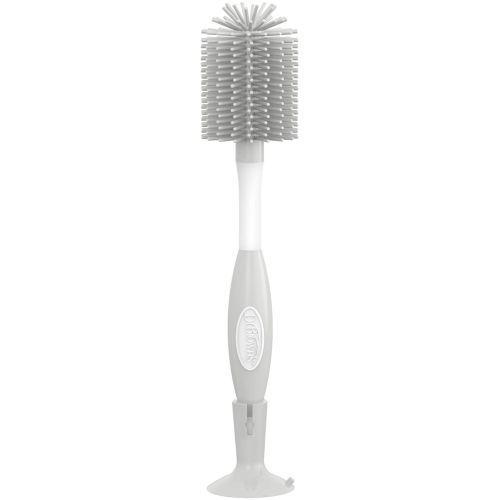 Your price for this item is $12.99
 -
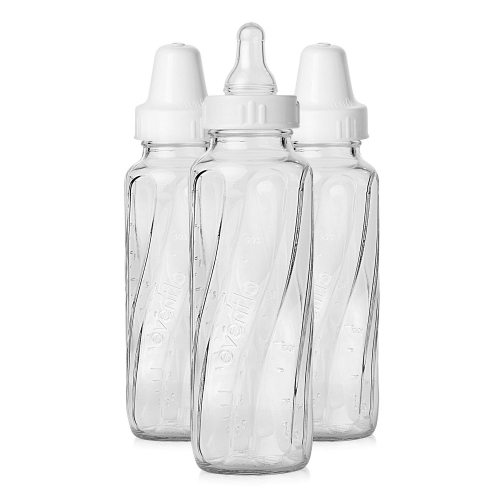 Your price for this item is $14.99
 -
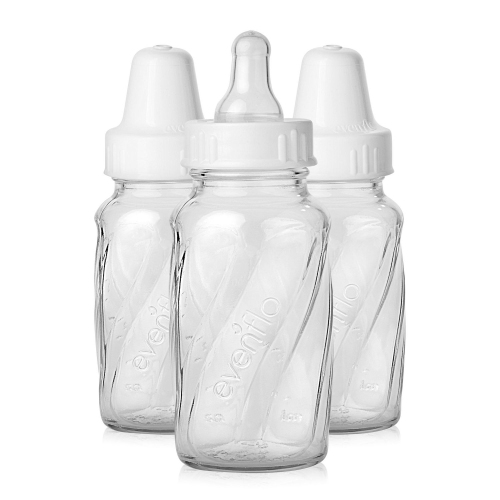 Your price for this item is $12.99
Discover more categories related to Bottles for Newborns
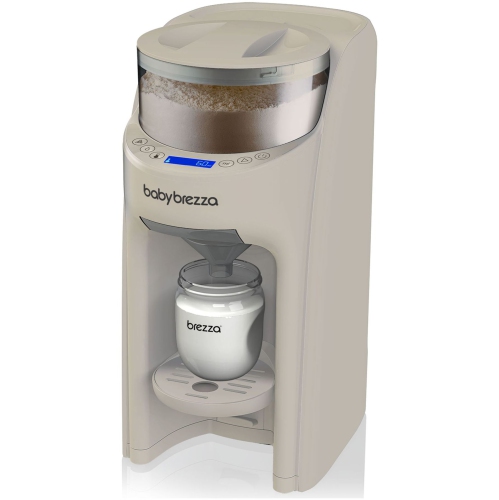
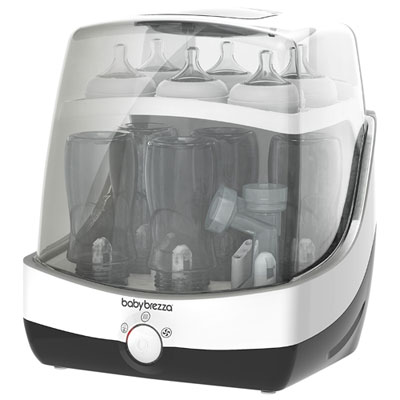
Top Collections:
Pokemon Centers, Kindle Devices, Best Budget Office Chairs, Apple iPhones 16, Best Laptops for Writers, iPhone 15 Apple, Canon G7X Cameras, Refurbished Apple Laptops, Alarm Clock, Motorola Razr Phones
Some products may be subject to Environmental Handling Fees
(EHF) depending on your province.
Learn more about EHFs.