Newborn Milk Bottles
As a new parent, ensuring your newborn is well-nourished and comfortable is of utmost importance. That's why we offer a wide selection of milk bottles designed specifically for newborns. These bottles are thoughtfully crafted with the needs of your little one in mind, providing a safe and convenient way to feed them. From anti-colic features to easy-to-hold designs, our range of newborn milk bottles offers options that cater to various preferences and feeding styles. Discover the perfect bottle that will make feeding time a breeze for you and your precious bundle of joy.
Sort
Why nipple flow matters as much as bottle size
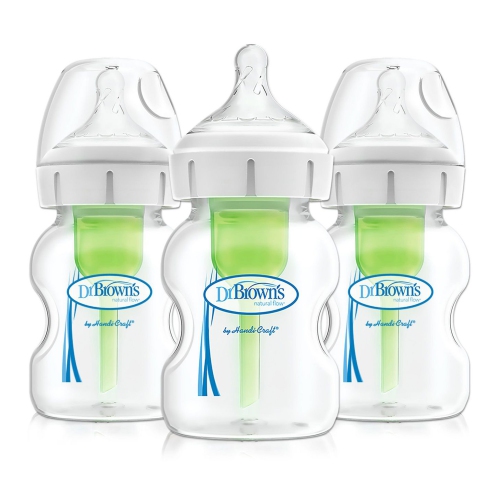
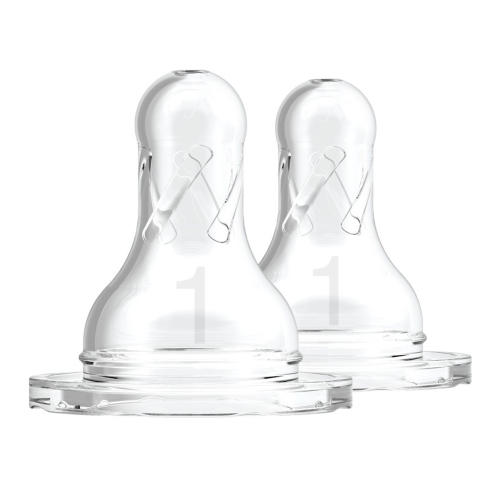
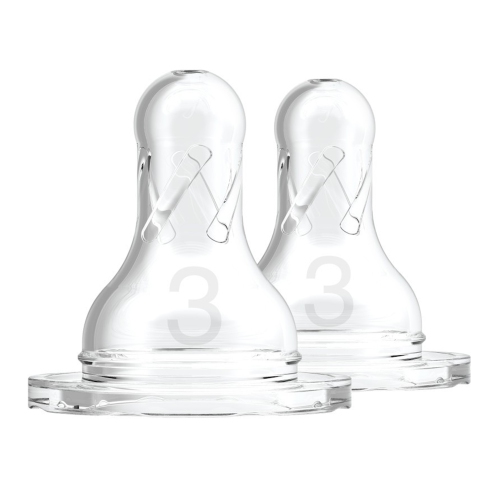
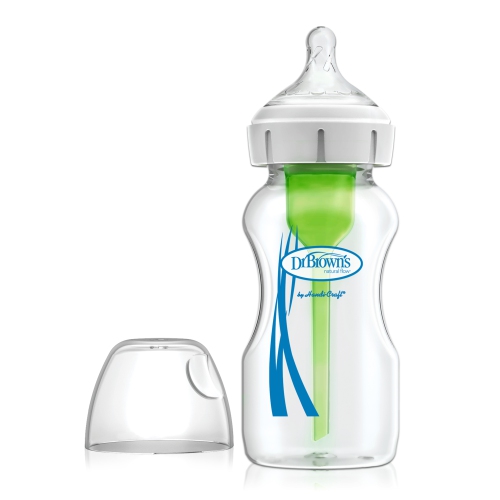
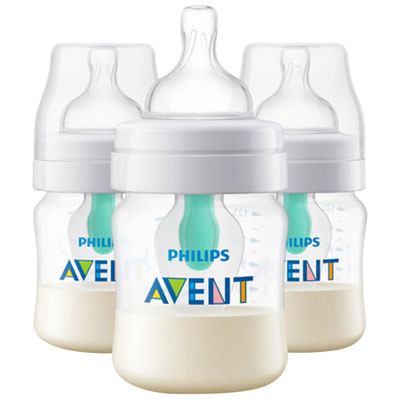
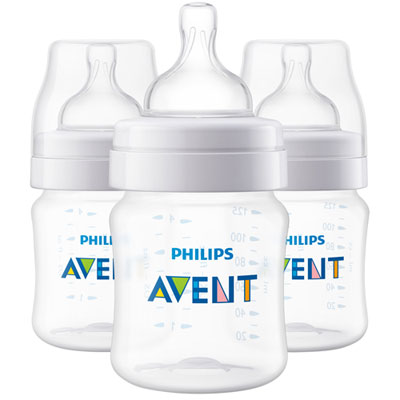
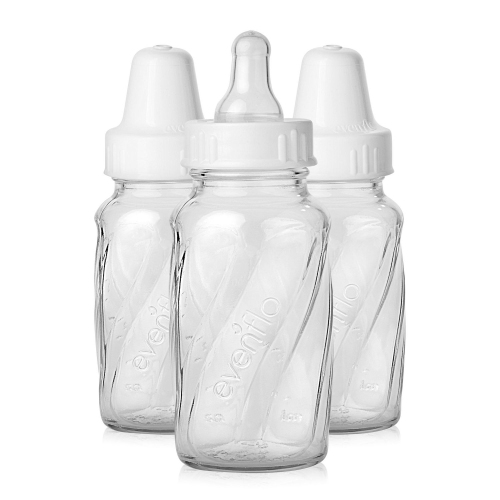
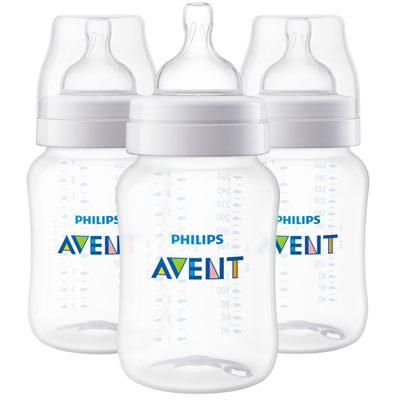
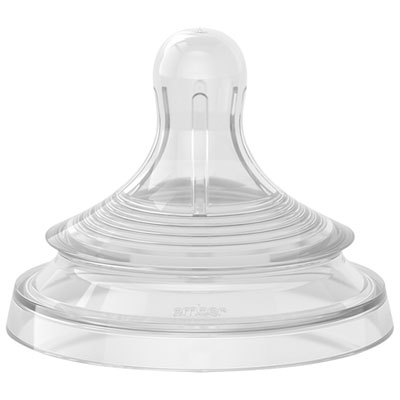
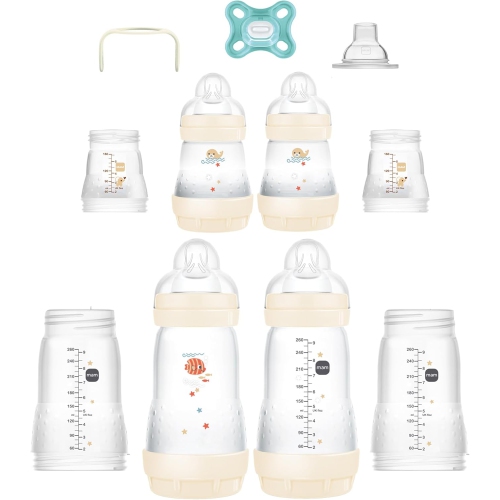
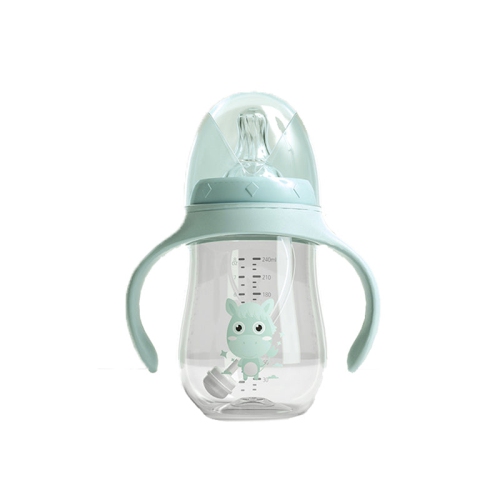
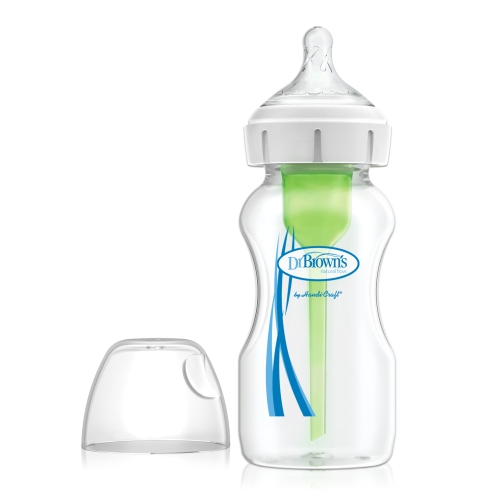
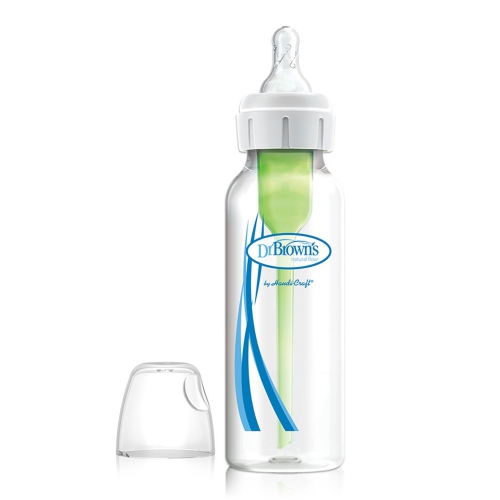
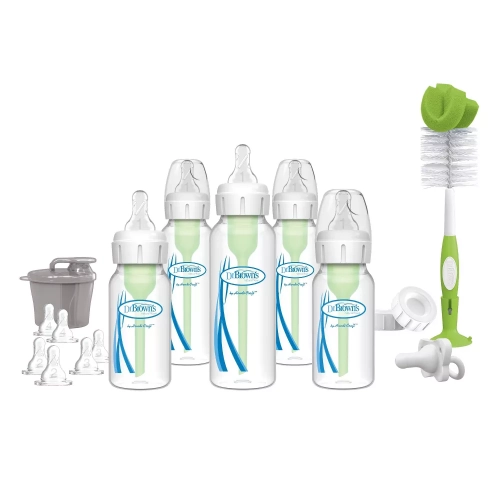
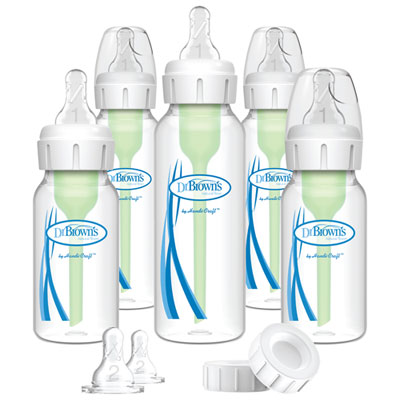
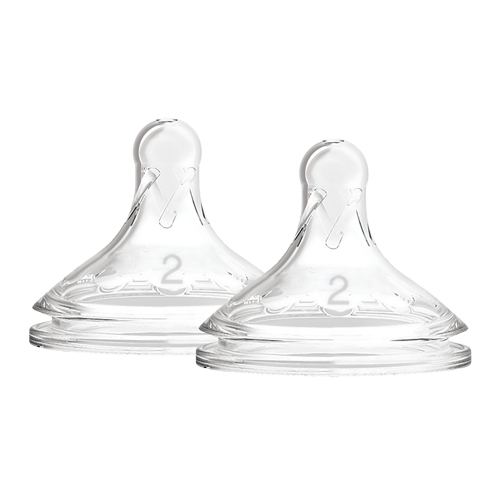
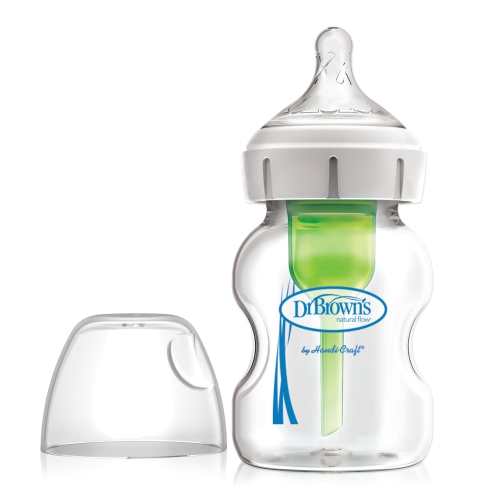
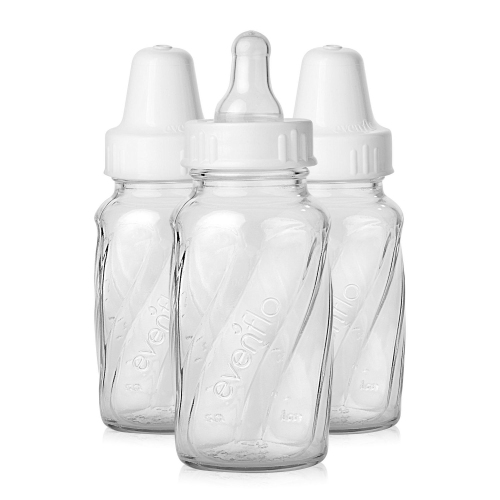
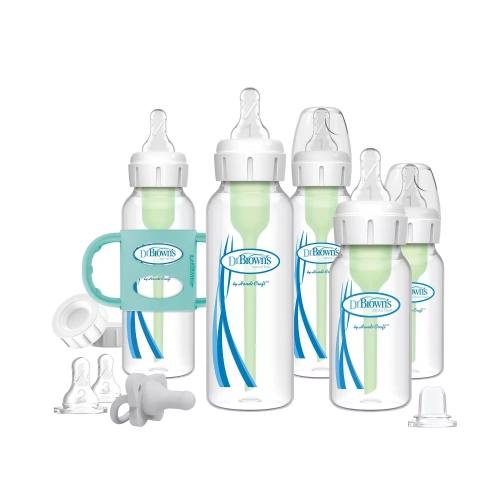
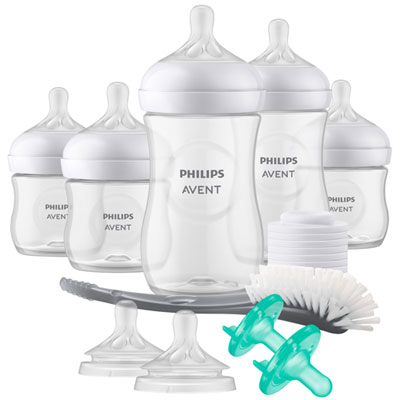
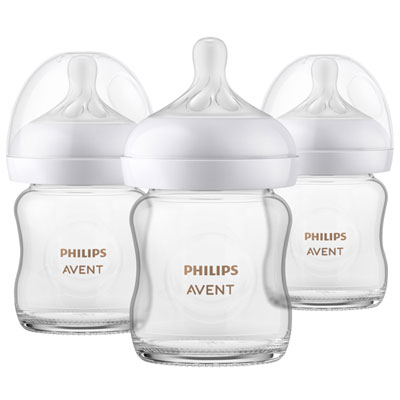
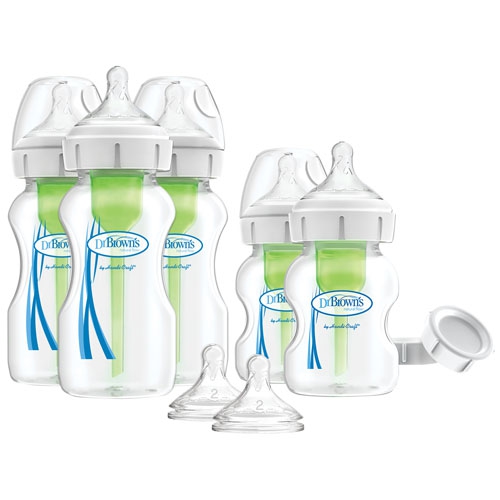
Newborn milk bottles are designed for the small, frequent feeds that fill a baby’s earliest weeks, whether they contain expressed breast milk, infant formula, or a combination of both at different feeds. The most useful features are often the simplest: a nipple with a flow suited to a newborn, clear volume markings, a shape that feels comfortable in an adult’s hand, and parts that are straightforward to clean. A smaller-capacity bottle can be easier to handle during early feeds, while a larger bottle may offer room for increasing amounts as a baby grows. Capacity alone does not determine suitability, though; the nipple and the way milk flows through it matter just as much. Newborn or slow-flow nipples are a common starting point, but flow labels are not standardized across manufacturers, and babies differ in how comfortably they manage a particular nipple. A comfortable feed allows a baby to coordinate sucking, swallowing, and breathing without struggling to keep pace. Nipple shape, softness, and length can also affect acceptance, especially for babies moving between breast and bottle. A wide nipple base may suit some babies, while others settle more readily with a narrower shape; a breast-like description is not a guarantee of an easy transition. For families establishing a feeding routine, a modest selection can be more practical than a large matching set purchased before the baby has tried it. One baby may accept a bottle immediately, while another needs time and a different nipple shape. Browsing Milk Bottles gives parents and caregivers an opportunity to compare those everyday details alongside capacity and materials. The aim is not to find a single design that suits every newborn, but to find bottles that support comfortable feeding and fit the household’s routine, from a quiet feed in a dim bedroom to an afternoon bottle shared with a grandparent.
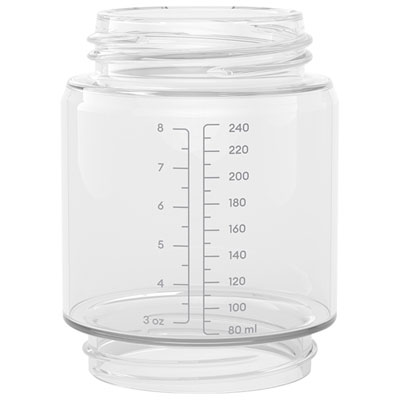
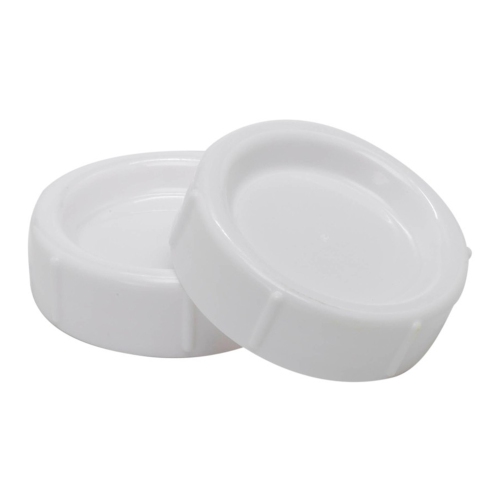
Bottle materials and construction make a noticeable difference once feeding, washing, and packing become part of the day. Plastic bottles are generally lightweight and convenient to carry, while glass bottles have a sturdy feel but add weight and can break if dropped. Silicone bottle bodies offer a softer grip, although their flexibility and care requirements vary by design. Whatever the material, suitability for warming, sterilizing, or dishwasher cleaning should be checked in the manufacturer’s instructions rather than assumed. Wide-neck openings can make filling and reaching inside with a brush easier; narrower bottles may feel less bulky in the hand or diaper bag. Clear, easy-to-read millilitre markings are particularly helpful when measuring a feed, and formula preparation still requires the exact water-to-powder proportions specified on its packaging. A bottle’s overall capacity should not be treated as a target for how much a newborn ought to drink. Anti-colic features are another common purchase consideration. Vented nipples, valves, and internal vent systems are designed to manage airflow and may help reduce the amount of air a baby swallows, but they cannot guarantee relief from gas, fussiness, or colic. They also do not prevent choking. Some vented designs contain several small components, so their potential benefits need to be weighed against the extra washing and assembly involved. For a caregiver facing a sink full of feeding equipment after a broken night’s sleep, fewer parts can be a meaningful convenience. Secure collars, protective caps, and replacement nipples that are easy to find also deserve attention. Bottle bodies, nipples, collars, and valves are not universally interchangeable, even when they look similar. Families using a breast pump may value bottles that connect directly to it, provided compatibility is confirmed. Likewise, a bottle warmer, sterilizer, or storage container needs to accommodate the bottle’s dimensions and material. These practical connections can help make the feeding setup easier to manage without adding unnecessary accessories.
Newborn feeding bottles are used by parents, partners, grandparents, and other caregivers, and their usefulness often comes down to how easily different people can work with the same setup. A bottle that is comfortable to hold through a sleepy early-morning feed, simple to assemble, and easy to inspect for cleanliness can make shared feeding feel more manageable. For babies who also breastfeed, a bottle offers another way to receive expressed milk when a parent is away or another caregiver takes a feed. For formula-fed babies, it becomes a frequently used everyday essential. Either way, responsive feeding matters more than finishing a measured amount: babies need pauses, and turning away or stopping sucking can signal that they have had enough. Bottle feeding should always be supervised, with the baby held and supported rather than left with a propped bottle. Persistent coughing, difficulty feeding, or concerns about intake deserve advice from a qualified health professional rather than repeated changes of bottle alone. Cleaning is another part of ownership worth considering before buying. Bottles need to come apart fully so milk residue can be removed from nipples, collars, threads, and vents; sanitizing requirements depend on the baby’s circumstances and applicable public health guidance. Nipples and other components should also be checked regularly for damage and replaced according to their condition and the manufacturer’s directions. For outings during the cooler months, a secure cap and a bottle shape that fits the diaper bag are useful, but the bottle itself does not keep milk at a safe temperature; suitable storage and handling remain essential. As a baby-shower or welcome-home gift, a small bottle set can be thoughtful when it matches the family’s preferences, particularly if compatible spare nipples are readily available. A large assortment is less useful if the baby does not accept the nipple or the pieces do not fit existing equipment. Whether choosing a first bottle or adding extras for a familiar routine, comfort, manageable cleaning, reliable compatibility, and the baby’s response are the details that give newborn milk bottles their everyday value.
Bottle materials and construction make a noticeable difference once feeding, washing, and packing become part of the day. Plastic bottles are generally lightweight and convenient to carry, while glass bottles have a sturdy feel but add weight and can break if dropped. Silicone bottle bodies offer a softer grip, although their flexibility and care requirements vary by design. Whatever the material, suitability for warming, sterilizing, or dishwasher cleaning should be checked in the manufacturer’s instructions rather than assumed. Wide-neck openings can make filling and reaching inside with a brush easier; narrower bottles may feel less bulky in the hand or diaper bag. Clear, easy-to-read millilitre markings are particularly helpful when measuring a feed, and formula preparation still requires the exact water-to-powder proportions specified on its packaging. A bottle’s overall capacity should not be treated as a target for how much a newborn ought to drink. Anti-colic features are another common purchase consideration. Vented nipples, valves, and internal vent systems are designed to manage airflow and may help reduce the amount of air a baby swallows, but they cannot guarantee relief from gas, fussiness, or colic. They also do not prevent choking. Some vented designs contain several small components, so their potential benefits need to be weighed against the extra washing and assembly involved. For a caregiver facing a sink full of feeding equipment after a broken night’s sleep, fewer parts can be a meaningful convenience. Secure collars, protective caps, and replacement nipples that are easy to find also deserve attention. Bottle bodies, nipples, collars, and valves are not universally interchangeable, even when they look similar. Families using a breast pump may value bottles that connect directly to it, provided compatibility is confirmed. Likewise, a bottle warmer, sterilizer, or storage container needs to accommodate the bottle’s dimensions and material. These practical connections can help make the feeding setup easier to manage without adding unnecessary accessories.
Newborn feeding bottles are used by parents, partners, grandparents, and other caregivers, and their usefulness often comes down to how easily different people can work with the same setup. A bottle that is comfortable to hold through a sleepy early-morning feed, simple to assemble, and easy to inspect for cleanliness can make shared feeding feel more manageable. For babies who also breastfeed, a bottle offers another way to receive expressed milk when a parent is away or another caregiver takes a feed. For formula-fed babies, it becomes a frequently used everyday essential. Either way, responsive feeding matters more than finishing a measured amount: babies need pauses, and turning away or stopping sucking can signal that they have had enough. Bottle feeding should always be supervised, with the baby held and supported rather than left with a propped bottle. Persistent coughing, difficulty feeding, or concerns about intake deserve advice from a qualified health professional rather than repeated changes of bottle alone. Cleaning is another part of ownership worth considering before buying. Bottles need to come apart fully so milk residue can be removed from nipples, collars, threads, and vents; sanitizing requirements depend on the baby’s circumstances and applicable public health guidance. Nipples and other components should also be checked regularly for damage and replaced according to their condition and the manufacturer’s directions. For outings during the cooler months, a secure cap and a bottle shape that fits the diaper bag are useful, but the bottle itself does not keep milk at a safe temperature; suitable storage and handling remain essential. As a baby-shower or welcome-home gift, a small bottle set can be thoughtful when it matches the family’s preferences, particularly if compatible spare nipples are readily available. A large assortment is less useful if the baby does not accept the nipple or the pieces do not fit existing equipment. Whether choosing a first bottle or adding extras for a familiar routine, comfort, manageable cleaning, reliable compatibility, and the baby’s response are the details that give newborn milk bottles their everyday value.
Top selling and popular products
-
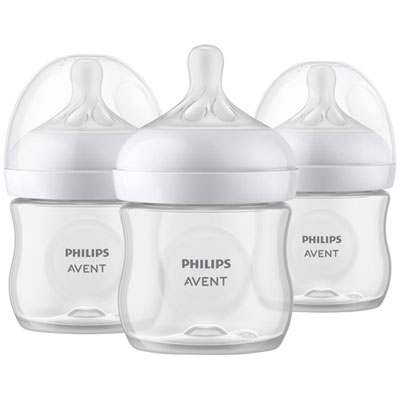 Your price for this item is $21.98
 -
 Your price for this item is $65.99
 -
 Your price for this item is $49.98
 -
 Your price for this item is $32.99
 -
 Your price for this item is $49.97
 -
 Your price for this item is $69.95
 -
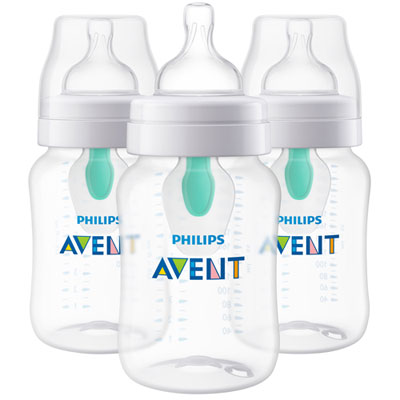 Your price for this item is $29.99
 -
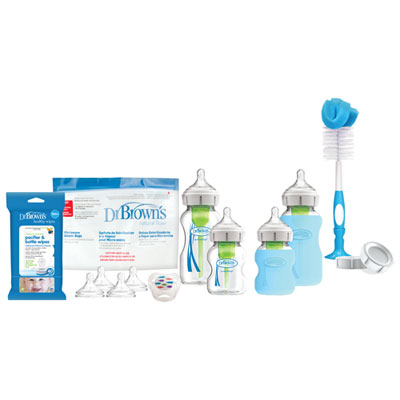 Your price for this item is $64.98
Discover more categories related to Newborn Milk Bottles
Top Collections:
Pokemon Centers, Kindle Devices, Best Budget Office Chairs, Apple iPhones 16, Canon G7X Cameras, iPhone 15 Apple, Alarm Clock, Refurbished Apple Laptops, Flip Phones, Best Laptops for Writers
Some products may be subject to Environmental Handling Fees
(EHF) depending on your province.
Learn more about EHFs.