Breast Milk Containers
Breast milk containers are essential for busy parents looking to store and organize their baby's nourishment efficiently and safely. Designed with convenience in mind, these containers offer a practical solution for preserving breast milk's freshness and nutritional value. Whether you're pumping at home or on the go, having reliable storage options ensures that your baby has access to the best nutrition whenever they need it. Explore our selection of breast milk containers to find the perfect fit for your lifestyle, helping you manage feedings with ease and confidence.
Sort
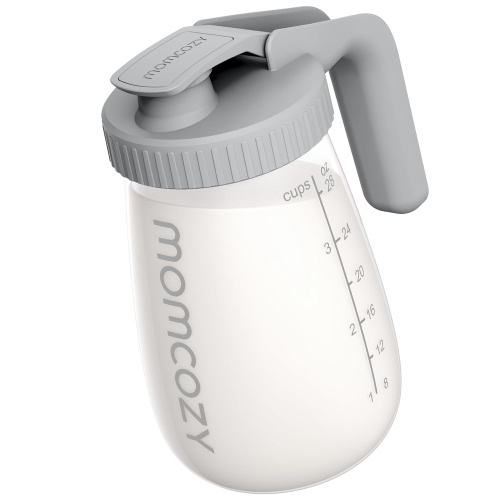
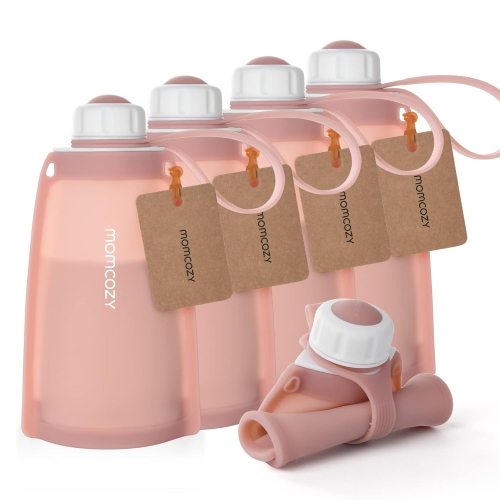
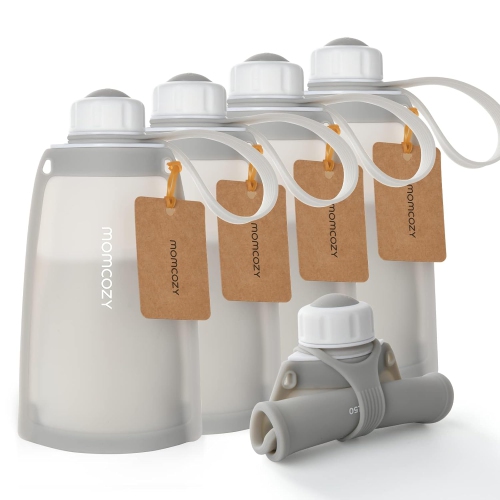
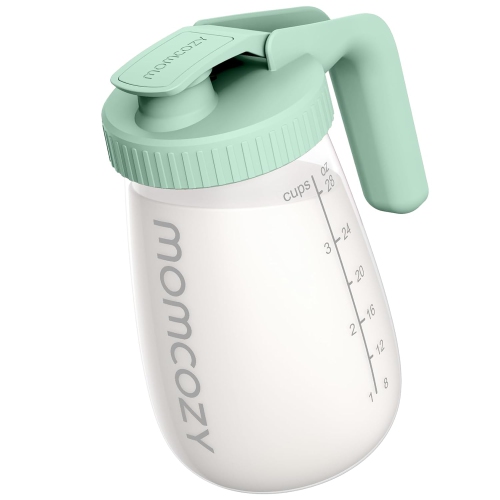
Simplify feeding routines with reliable milk storage options
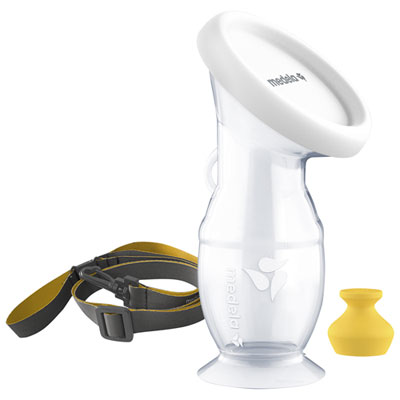
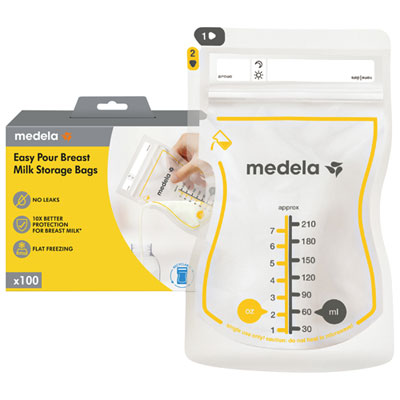
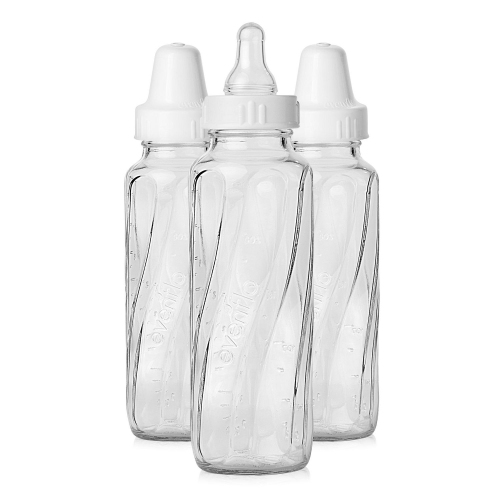
Breast milk containers help make expressing, storing, transporting, and serving breast milk more manageable throughout the day. They are useful for pumping at home, returning to work or school, sharing feeding responsibilities, preparing bottles for daycare, or keeping a small supply ready for overnight feeds. Depending on your routine, you may prefer reusable hard plastic containers, glass bottles, or specialized storage bags designed for expressed breast milk. Look for food-grade materials and secure, tight-fitting lids that help prevent leaks when containers are placed in a refrigerator, cooler, or freezer. BPA-free hard plastic containers are lightweight and often practical for regular pumping, while glass containers offer a sturdy option that is easy to clean and sanitize but may be heavier to carry. A container that connects directly to your breast pump can reduce the number of transfers between expressing and storing, which may be helpful during busy mornings or late-night pumping sessions. It is also worth checking compatibility with your pump, bottle nipples, warming equipment, and any adapters you already use. Containers with clear measurement markings can make it easier to portion milk, while a wide opening may simplify filling and cleaning. For parents building a freezer supply, stackable shapes and flat-freezing designs can help use storage space efficiently. Specialized Milk Storage Bags are another convenient choice, particularly when compact storage and single-use preparation are priorities. They are made for breast milk storage and are generally shaped to freeze flat, making them easier to organize than improvised household bags or standard disposable bottle liners, which may leak, split, or lack the features needed for safe milk storage.
When choosing breast milk containers, consider how often they will be used and where the milk will spend most of its time. A parent who pumps several times a day may appreciate a larger set of matching containers so that clean ones are always available, while someone who pumps occasionally may prefer a smaller assortment for short-term refrigeration. Secure closures are especially important for milk that will be carried in a diaper bag or cooler, and a leak-resistant design can provide reassurance when containers are stored beside clothing, paperwork, or other essentials. If the milk will be frozen, choose containers or bags designed for freezer use and leave approximately 2.5 centimetres, or 1 inch, of space at the top because liquid expands as it freezes. Lay storage bags flat until frozen, when appropriate, then arrange them by date so older milk can be used first. For bottles or other rigid containers, leave enough room for expansion and avoid filling them to the rim. Clear labelling is just as important as the container itself. Use a waterproof pen to record the date and, where useful, the time the milk was expressed and the amount inside. This can be particularly helpful when several portions are prepared for a caregiver or when milk from different pumping sessions needs to be tracked. Store containers toward the back of the refrigerator or freezer, where temperatures are generally more consistent than near the door. Follow storage time recommendations from a healthcare provider or trusted public health source, since safe timelines can vary according to whether milk is freshly expressed, chilled, thawed, or partially used. Clean hands, clean pump parts, and clean containers all contribute to a more dependable storage routine. Wash containers promptly after use with hot, soapy water, rinse thoroughly, and sanitize them according to the manufacturer’s instructions and the needs of your baby. Inspect reusable containers regularly for cracks, clouding, warped lids, worn seals, or scratches that could affect cleaning or cause leaks.
Breast milk containers can also be a thoughtful and practical gift for new parents, whether they are preparing for a first baby, planning a return to work, or hoping to make feeding arrangements more flexible. A useful set may support a parent who wants to express milk for a partner or caregiver, prepare portions before an appointment, or keep a measured serving ready for a sleepy early-morning feed. For travel and outings, compact containers that fit inside an insulated cooler can make it easier to maintain a consistent routine during longer days away from home, including during the cooler months when families may spend more time moving between home, childcare, and indoor activities. When thawing frozen milk, many families place it in the refrigerator first and then transfer it to a feeding bottle before warming, following applicable safety guidance and the instructions for the container. Milk can also be gently warmed in a way recommended by a healthcare professional or the product manufacturer; microwaving is generally avoided because it can create hot spots and heat milk unevenly. Swirling, rather than vigorously shaking, can help recombine separated milk, and the temperature should be checked before feeding. Containers are intended for storing expressed breast milk, not for replacing professional medical advice, so parents should follow guidance from their healthcare provider, lactation consultant, or local public health authority when managing milk for premature, medically fragile, or immunocompromised babies. With the right size, material, closure, storage format, and cleaning routine, breast milk containers can bring order to the practical details of pumping and help make prepared milk easier to identify, carry, chill, freeze, and serve.
When choosing breast milk containers, consider how often they will be used and where the milk will spend most of its time. A parent who pumps several times a day may appreciate a larger set of matching containers so that clean ones are always available, while someone who pumps occasionally may prefer a smaller assortment for short-term refrigeration. Secure closures are especially important for milk that will be carried in a diaper bag or cooler, and a leak-resistant design can provide reassurance when containers are stored beside clothing, paperwork, or other essentials. If the milk will be frozen, choose containers or bags designed for freezer use and leave approximately 2.5 centimetres, or 1 inch, of space at the top because liquid expands as it freezes. Lay storage bags flat until frozen, when appropriate, then arrange them by date so older milk can be used first. For bottles or other rigid containers, leave enough room for expansion and avoid filling them to the rim. Clear labelling is just as important as the container itself. Use a waterproof pen to record the date and, where useful, the time the milk was expressed and the amount inside. This can be particularly helpful when several portions are prepared for a caregiver or when milk from different pumping sessions needs to be tracked. Store containers toward the back of the refrigerator or freezer, where temperatures are generally more consistent than near the door. Follow storage time recommendations from a healthcare provider or trusted public health source, since safe timelines can vary according to whether milk is freshly expressed, chilled, thawed, or partially used. Clean hands, clean pump parts, and clean containers all contribute to a more dependable storage routine. Wash containers promptly after use with hot, soapy water, rinse thoroughly, and sanitize them according to the manufacturer’s instructions and the needs of your baby. Inspect reusable containers regularly for cracks, clouding, warped lids, worn seals, or scratches that could affect cleaning or cause leaks.
Breast milk containers can also be a thoughtful and practical gift for new parents, whether they are preparing for a first baby, planning a return to work, or hoping to make feeding arrangements more flexible. A useful set may support a parent who wants to express milk for a partner or caregiver, prepare portions before an appointment, or keep a measured serving ready for a sleepy early-morning feed. For travel and outings, compact containers that fit inside an insulated cooler can make it easier to maintain a consistent routine during longer days away from home, including during the cooler months when families may spend more time moving between home, childcare, and indoor activities. When thawing frozen milk, many families place it in the refrigerator first and then transfer it to a feeding bottle before warming, following applicable safety guidance and the instructions for the container. Milk can also be gently warmed in a way recommended by a healthcare professional or the product manufacturer; microwaving is generally avoided because it can create hot spots and heat milk unevenly. Swirling, rather than vigorously shaking, can help recombine separated milk, and the temperature should be checked before feeding. Containers are intended for storing expressed breast milk, not for replacing professional medical advice, so parents should follow guidance from their healthcare provider, lactation consultant, or local public health authority when managing milk for premature, medically fragile, or immunocompromised babies. With the right size, material, closure, storage format, and cleaning routine, breast milk containers can bring order to the practical details of pumping and help make prepared milk easier to identify, carry, chill, freeze, and serve.
Top selling and popular products
-
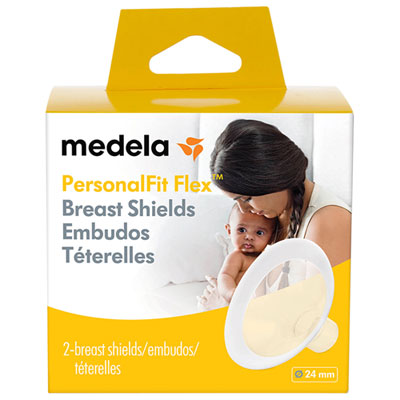 Your price for this item is $18.95
 -
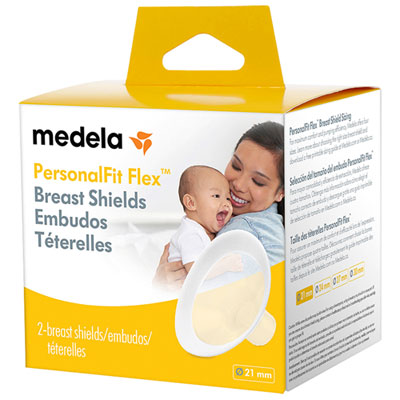 Your price for this item is $18.95
 -
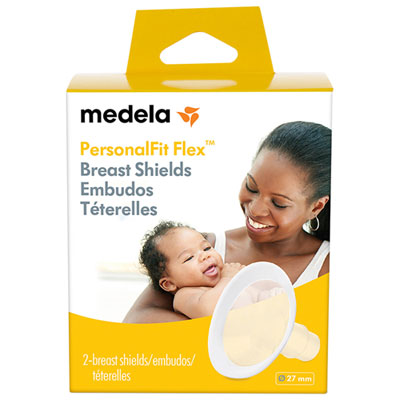 Your price for this item is $18.99
 -
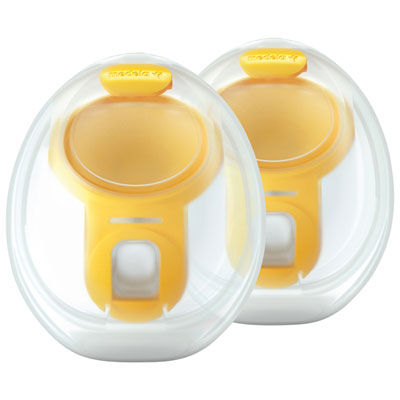 Your price for this item is $99.99
 -
 Your price for this item is $23.99
 -
 Your price for this item is $41.99
 -
 Your price for this item is $47.99
 -
 Your price for this item is $18.88
Discover more categories related to Breast Milk Containers

Top Collections:
Pokemon Centers, Kindle Devices, Best Budget Office Chairs, Apple iPhones 16, Best Laptops for Writers, iPhone 15 Apple, Canon G7X Cameras, Refurbished Apple Laptops, Alarm Clock, Motorola Razr Phones
Some products may be subject to Environmental Handling Fees
(EHF) depending on your province.
Learn more about EHFs.