Car Safety for Newborns
Car Safety for Newborn’s is a top priority for every parent on the go. Ensuring your little one is safe and secure during every ride starts with choosing the right essentials designed specifically for infants. Discover a range of carefully selected options that help create a comfortable and protected environment for your newborn while traveling. Explore solutions tailored to meet the unique needs of new families, so you can enjoy peace of mind every time you hit the road.
Sort
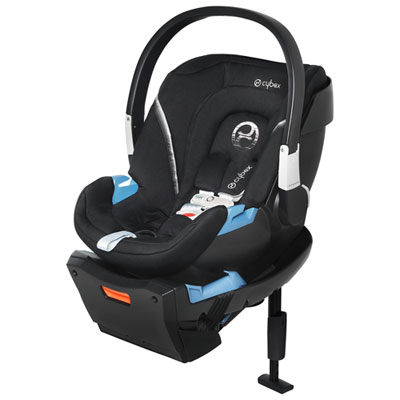
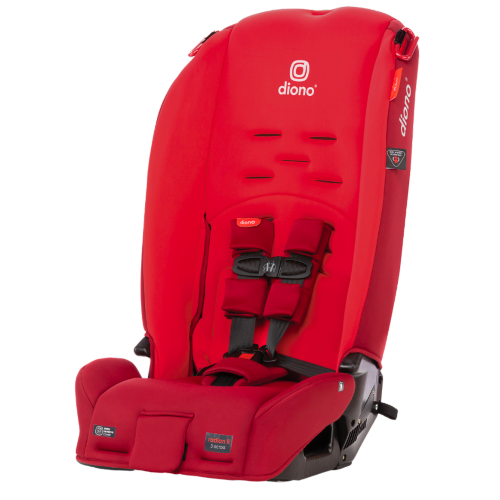
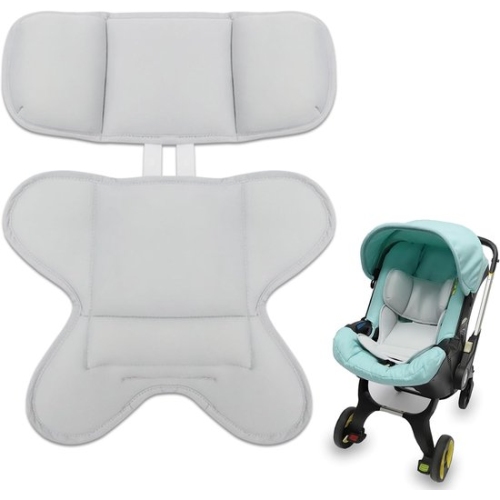

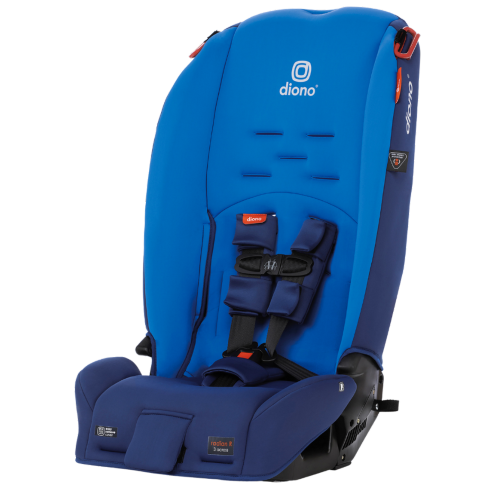



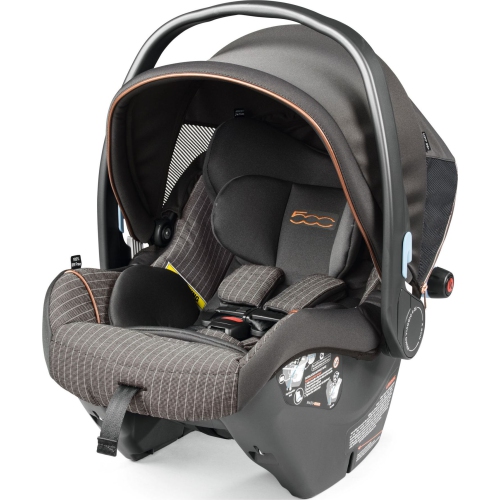
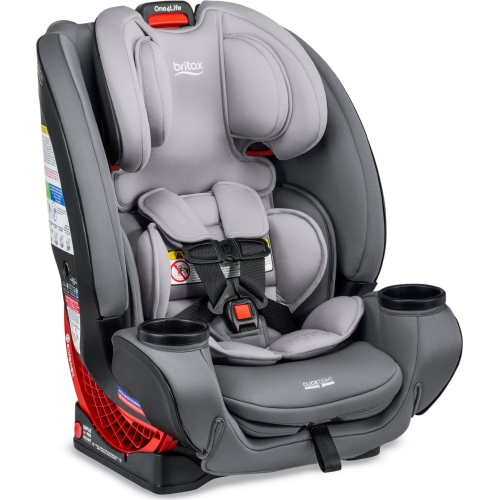
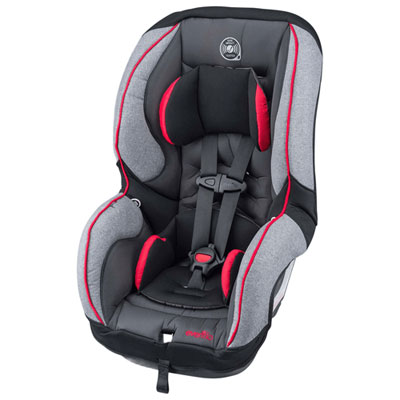
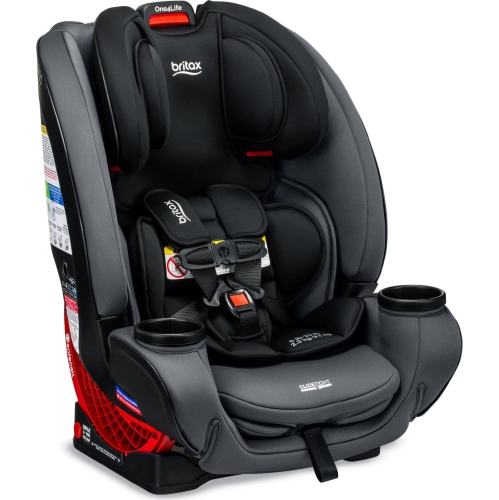

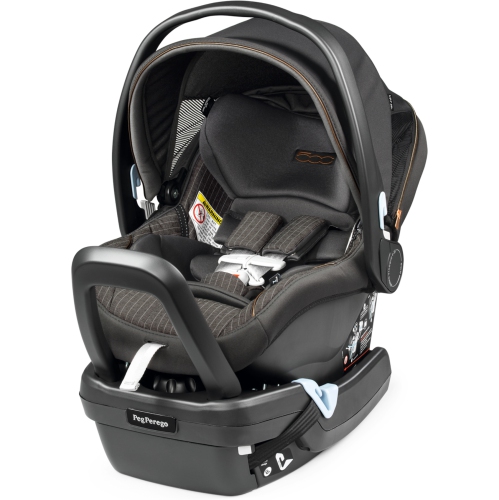

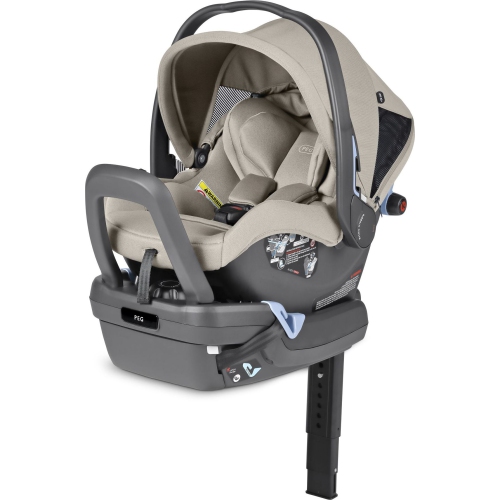
Why rear-facing seat fit matters from the first trip
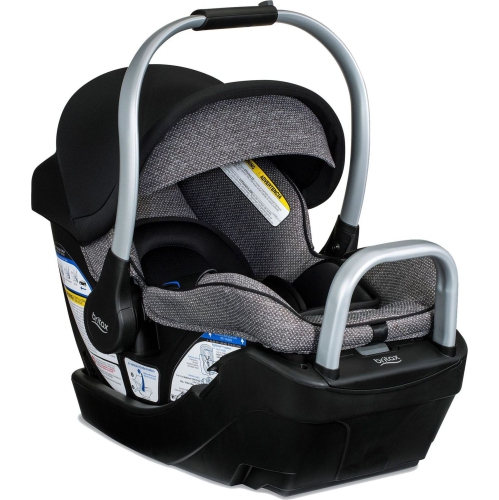
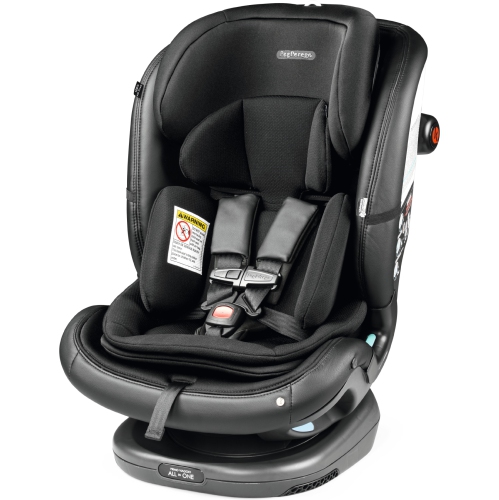
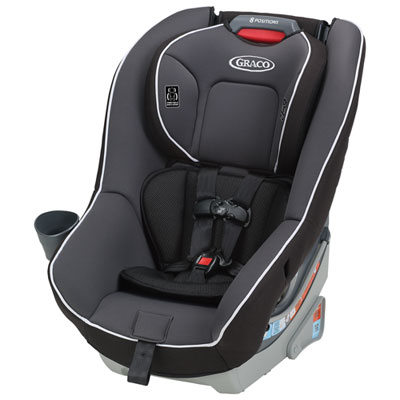
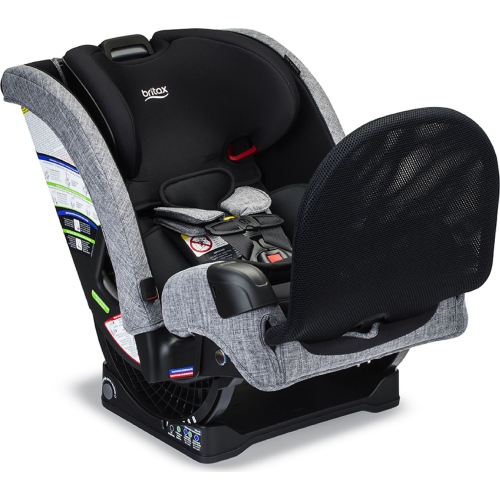
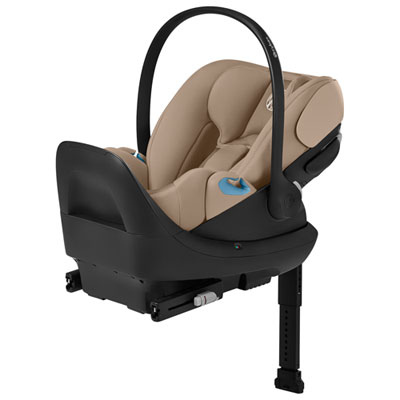
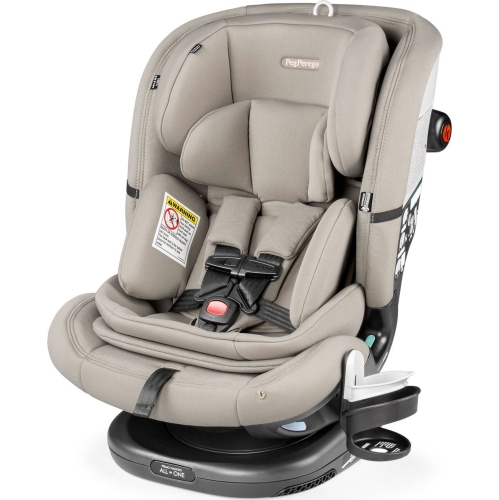
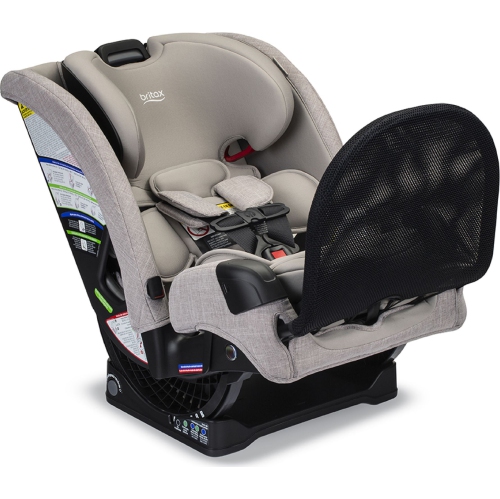
Car safety for newborns starts with a rear-facing car seat that fits the baby, fits the vehicle, and can be installed and used correctly on every trip. For a newborn, rear-facing travel helps support the head, neck, and spine by distributing crash forces across the back of the seat. The seat belongs in the back seat of the vehicle, never in front of an active passenger airbag. Babies should remain rear-facing until they reach the maximum rear-facing height or weight limit specified by the car seat manufacturer. Within that essential purpose, different car seat designs suit different family routines. An infant car seat usually has a removable carrier that attaches to a compatible base, making it possible to move the carrier between the vehicle and a compatible stroller without unfastening the baby’s harness. A convertible car seat generally stays installed in the vehicle and can change from rear-facing to forward-facing use when the child meets all applicable requirements. Families comparing these longer-use designs can explore Convertible Car Seats for Newborn, with particular attention to minimum weight requirements, the lowest harness position, and the permitted newborn recline. A seat’s broad age range does not, by itself, establish a suitable fit for a small baby. Actual height and weight limits, harness geometry, and the manufacturer’s instructions matter more than an age label. Car seats intended for use in Canada must meet Canadian requirements and display the National Safety Mark; a seat purchased for another market should not be assumed suitable for Canadian use. For parents preparing for the first trip home, grandparents arranging regular visits, or caregivers planning daycare journeys, a practical choice is one that supports correct use without making everyday adjustments unnecessarily difficult. Clear labels, accessible harness controls, and readable recline indicators can make a meaningful difference when several adults share the driving.
Fit has two parts: how the newborn sits in the restraint and how the restraint sits in the vehicle. A properly fitted rear-facing harness has shoulder straps at or below the baby’s shoulders, with the chest clip flat at armpit level. The straps should lie flat rather than twist, and the harness should be snug enough that no excess webbing can be pinched vertically at the shoulder. The newborn’s back and bottom should rest against the seat as directed by the manufacturer, without slouching. The approved recline angle is especially important for babies who cannot yet hold their heads steady, because a head that tips forward can compromise the airway. Newborn inserts are not interchangeable: only inserts supplied with the seat or explicitly approved by its manufacturer for that exact model should be used, and their weight limits and removal instructions still apply. Extra head cushions, harness pads, or padding placed behind or beneath the baby can change the intended fit. Softness alone is not a measure of protection. Vehicle compatibility deserves equally close attention, particularly in a compact car, a shared vehicle, or a back seat that must accommodate more than one child restraint. The safest seating position is one permitted by both manuals where a secure installation can be achieved; the centre position is not automatically suitable for every seat or attachment method. Installation generally uses either the vehicle seat belt or the Universal Anchorage System, following both sets of instructions, rather than combining methods unless expressly permitted. At the belt path, a correctly installed seat should move no more than 2.5 centimetres from side to side or front to back. Door clearance, access to buckles, and space for front-seat occupants also affect daily usability. For families moving a carrier between vehicles, a manufacturer-approved additional base may simplify the routine, but each installation needs its own checks. Hands-on help from a qualified child passenger safety technician can be valuable when the manuals leave a fit or installation question unresolved.
Materials, care requirements, and durability shape how well newborn travel essentials hold up to repeated use, but the car seat remains a safety restraint rather than an ordinary upholstered carrier. A firm shell, energy-absorbing components, harness webbing, buckles, and fabric covers work together as a tested design. A removable cover can make milk spills and other small messes easier to manage, provided it is washed and refitted exactly as instructed. Care directions vary: harness straps often require gentle surface cleaning rather than soaking or machine washing, and harsh cleaners can damage materials. Buckles may have separate cleaning instructions, while covers need to return to their proper position without blocking harness movement. Durable construction does not mean unlimited service life. Every seat has a manufacturer-defined useful life, and its expiry date, recall status, crash history, and completeness are important considerations. A second-hand seat with an unknown history, missing labels, or missing parts leaves important safety questions unanswered. Registering a seat with its manufacturer helps families receive recall and safety notices. Accessories also need careful selection rather than an assumption that anything labelled for babies belongs beside or beneath a restraint. Vehicle-seat protectors, mirrors, toys, and storage accessories should not interfere with installation, harness adjustment, or airbag operation; loose objects can become hazards during a sudden stop or crash. For a baby shower or a practical family gift, a car seat is best chosen with the caregivers so its dimensions, newborn fit, and vehicle compatibility match their needs. Ease of lifting a carrier may matter to one household, while a clearly adjustable harness and a seat that stays installed may matter more to another. Whatever the routine, a car seat is for travel, not a substitute for a crib or bassinet. On arrival, a sleeping newborn should be moved to a firm, flat, approved sleep surface on their back. Longer journeys need breaks that take the baby out of the seat for feeding, changing, and movement. Babies born prematurely or with medical concerns may need individualized travel advice from their healthcare team. These considerations keep the focus on a suitable restraint, correct fit, and repeatable care throughout everyday travel.
Top selling and popular products
-
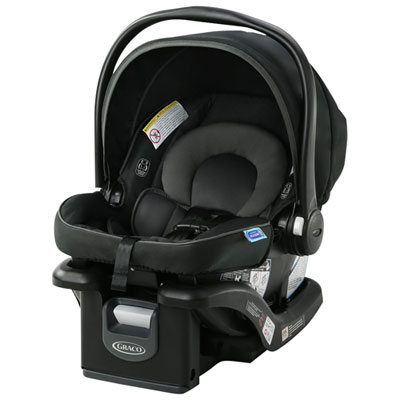 Your price for this item is $259.99
-
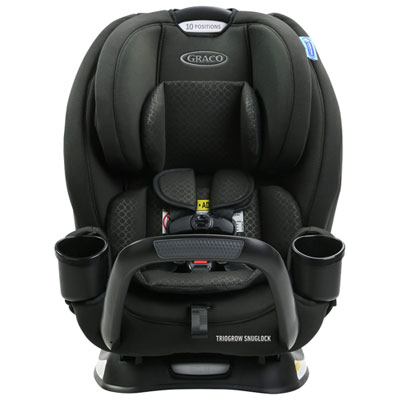 Your price for this item is $329.99
-
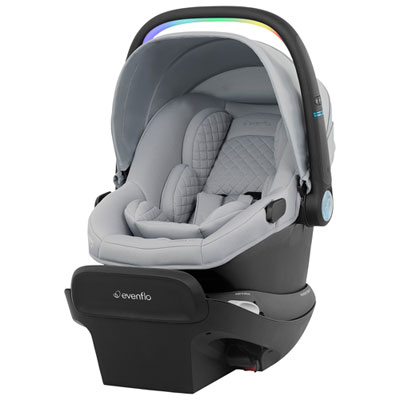 Your price for this item is $549.98
-
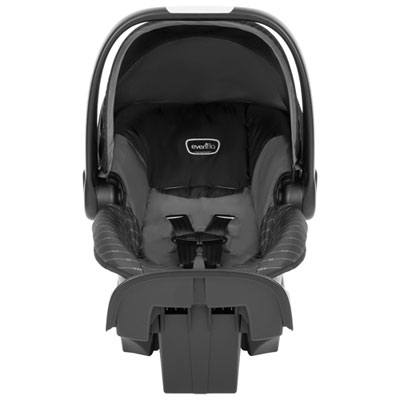 Your price for this item is $149.99
-
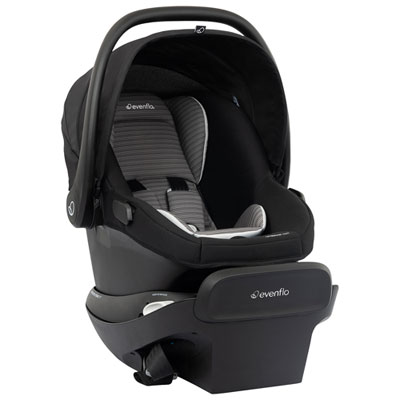 Your price for this item is $399.99
-
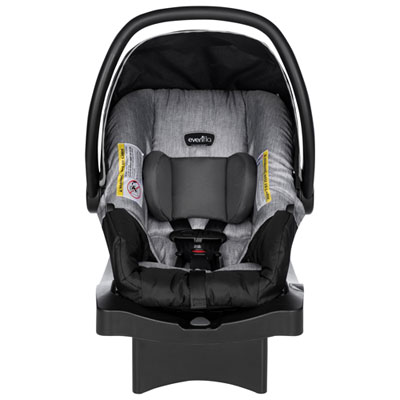 Your price for this item is $199.99
-
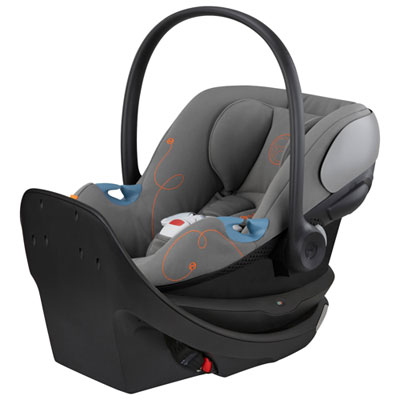 Your price for this item is $454.99
-
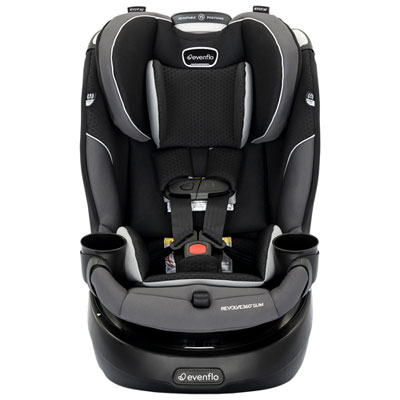 Your price for this item is $649.99
Discover more categories related to Car Safety for Newborns
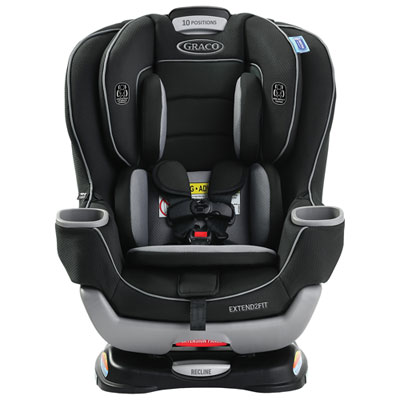
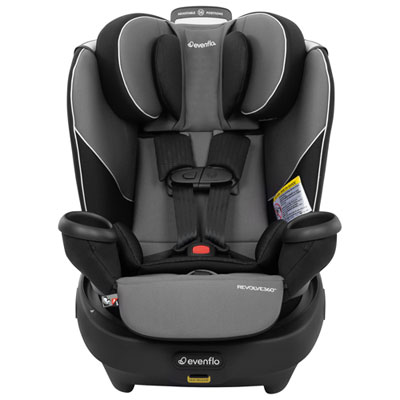
Top Collections:
Pokemon Centers, Kindle Devices, Best Budget Office Chairs, Canon G7X Cameras, Apple iPhones 16, Samsung Galaxy Phones, Refurbished Apple Laptops, Laptops for Students, iPhone 15 Apple, Budget Smartphones
Some products may be subject to Environmental Handling Fees
(EHF) depending on your province.
Learn more about EHFs.