Baby Carseat
Keep your little one safe and secure on-the-go with our selection of baby car seats. Designed with the highest safety standards in mind, these car seats offer peace of mind for parents while providing comfort and support for babies and toddlers during travel. Whether you're running errands around town or embarking on a road trip adventure, our range of baby car seats ensures a smooth and safe ride for your precious cargo. Explore our collection to find the perfect car seat to meet your family's needs.
Sort
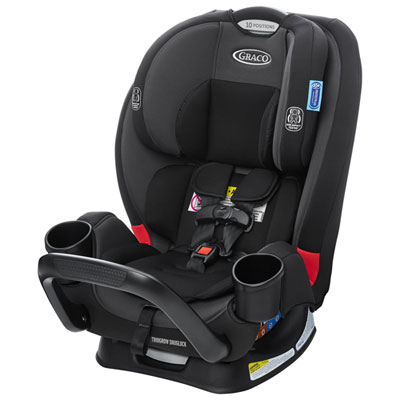
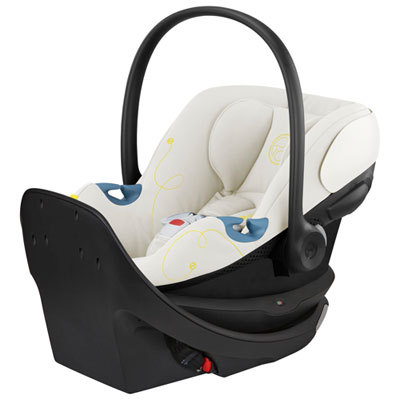
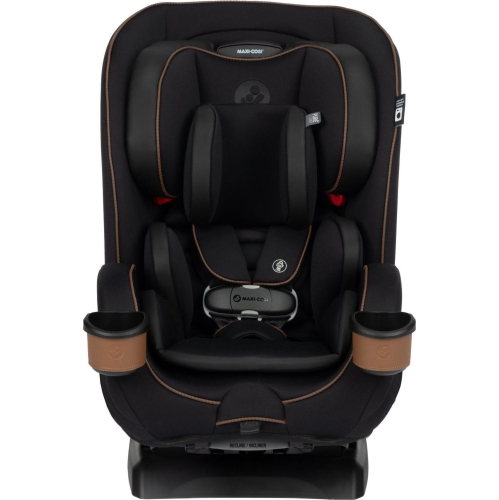
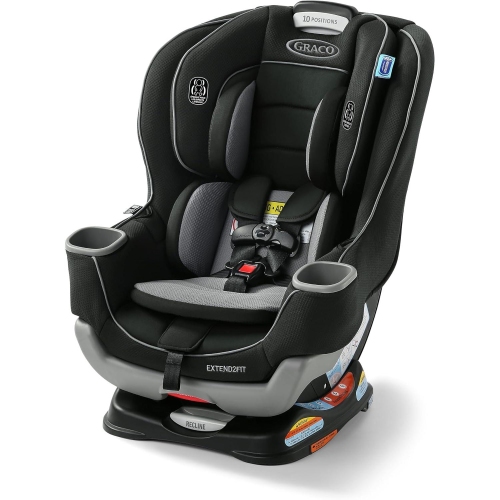
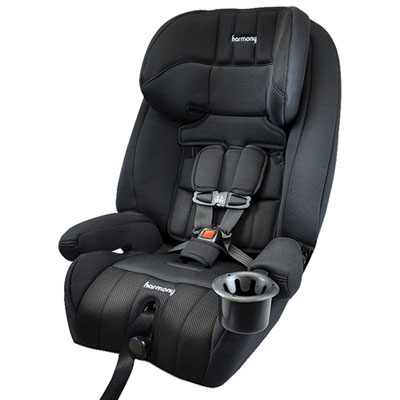
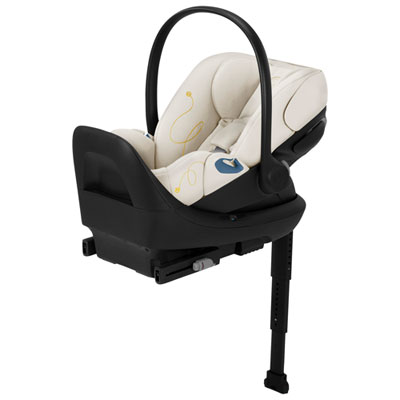
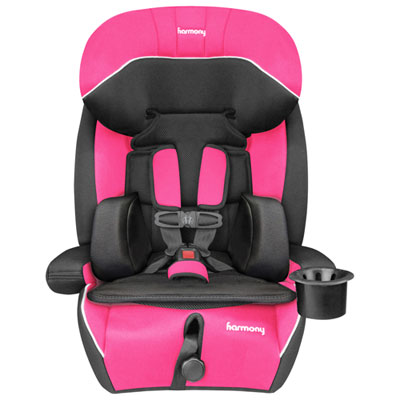
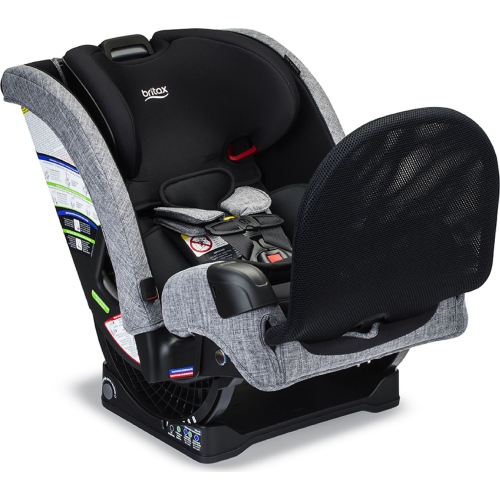
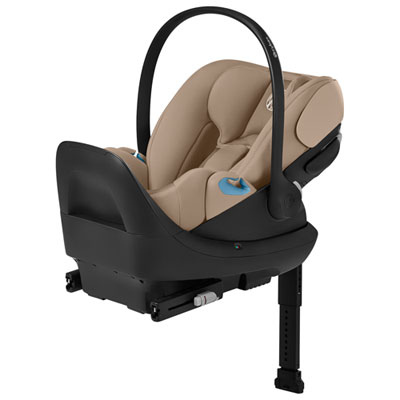

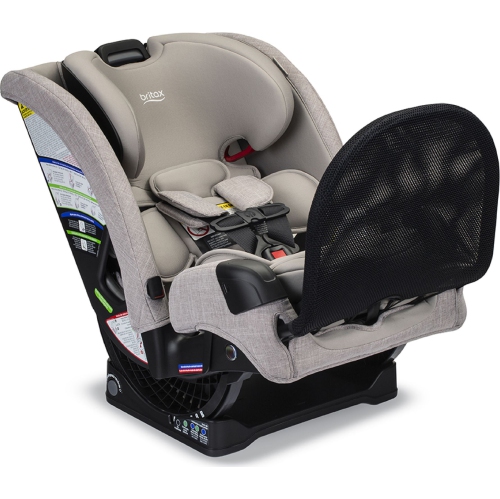
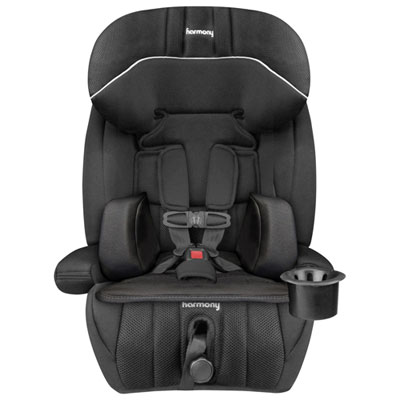
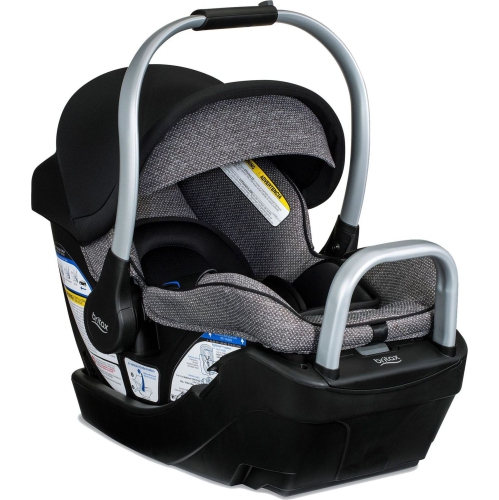
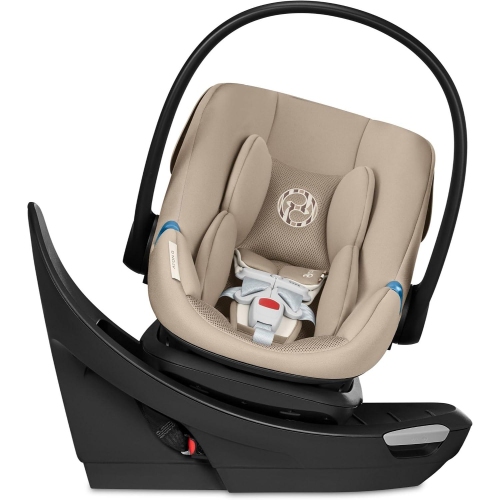
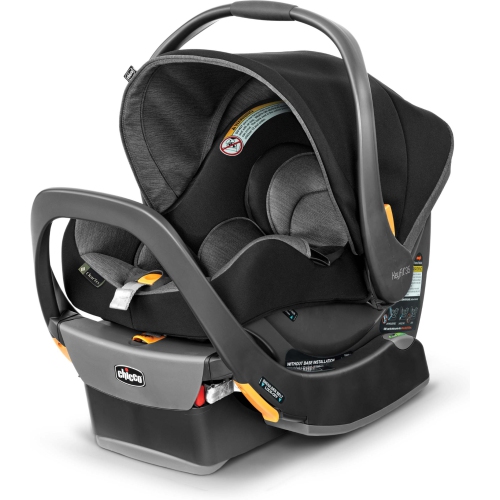
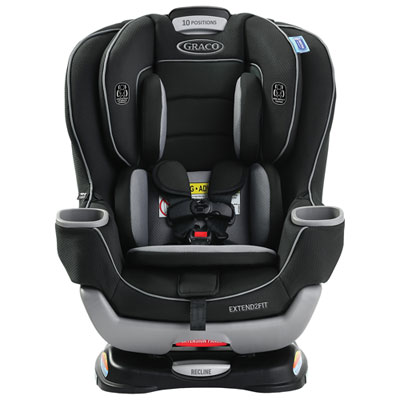
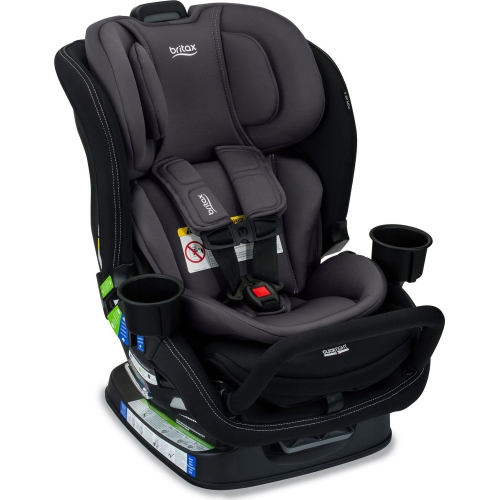
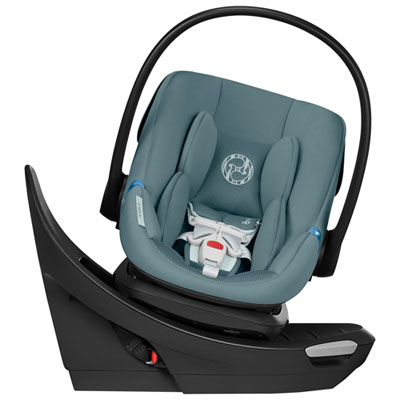
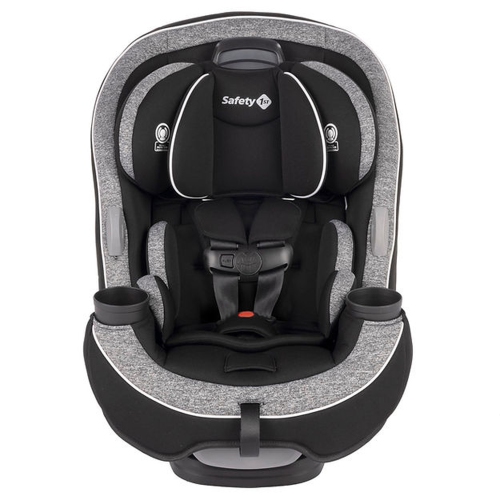
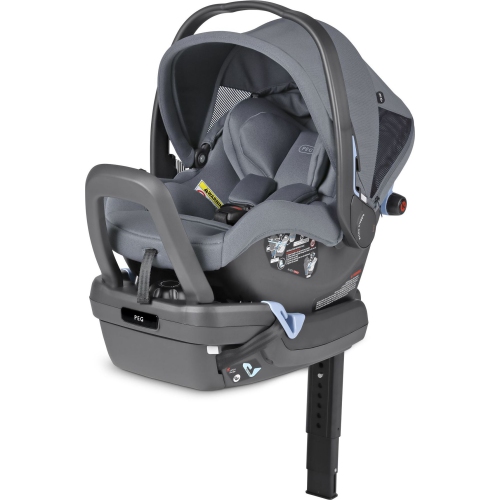
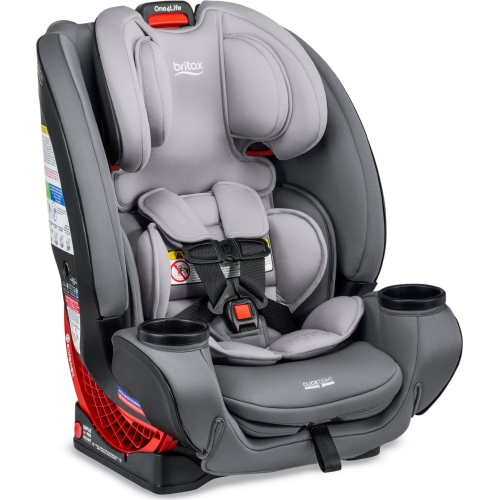
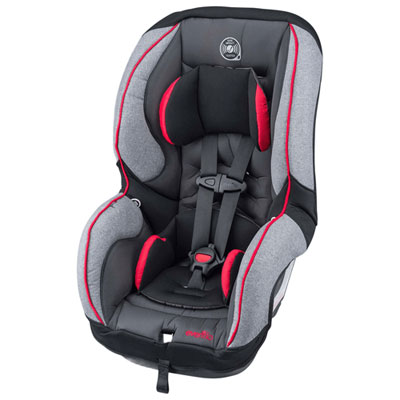
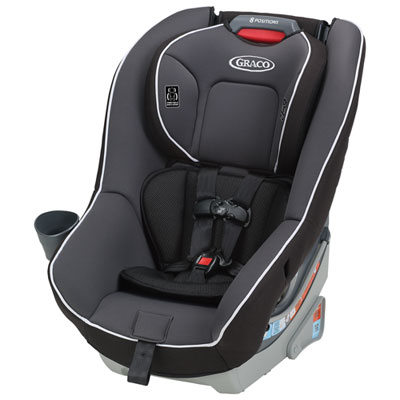
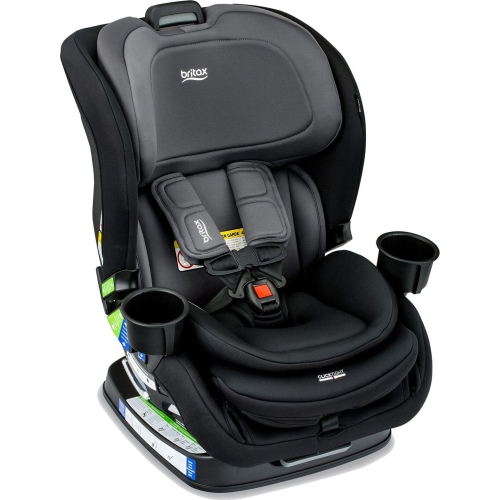
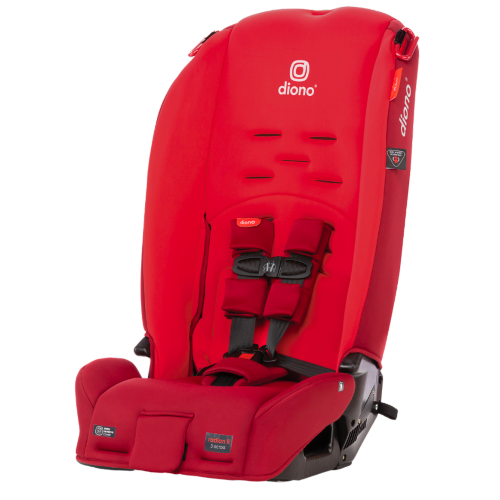

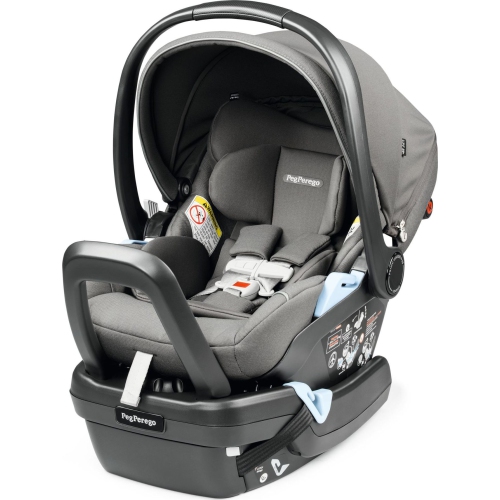
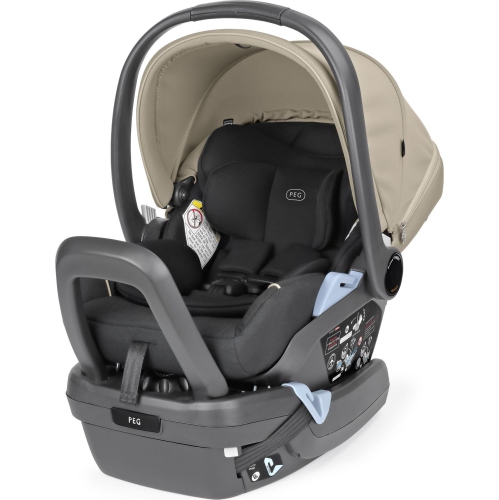
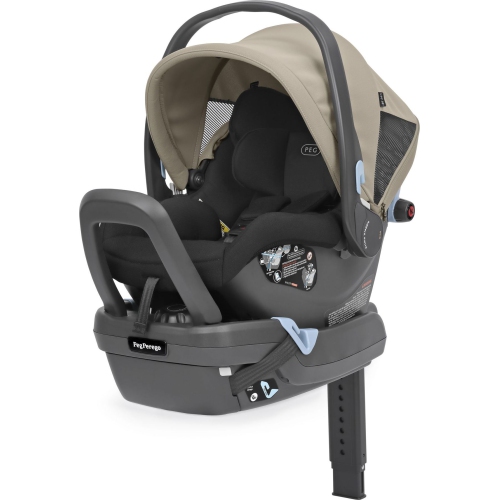
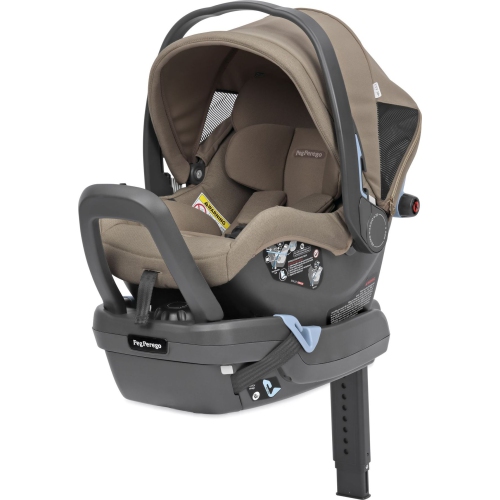
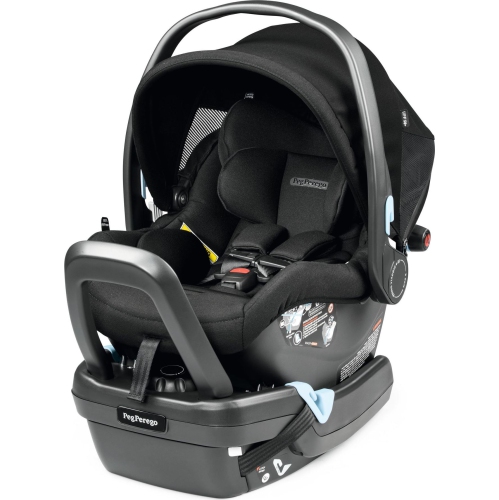
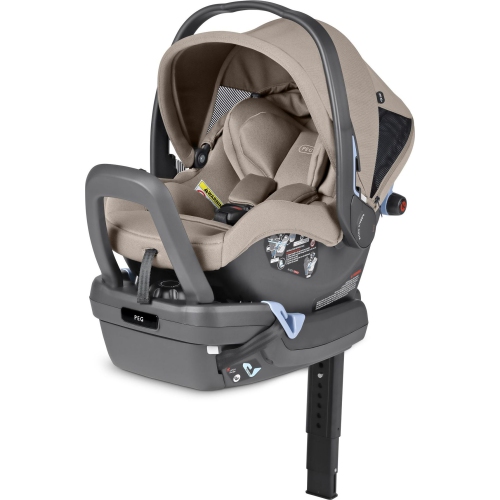
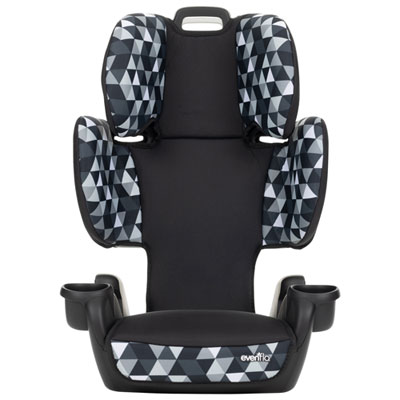
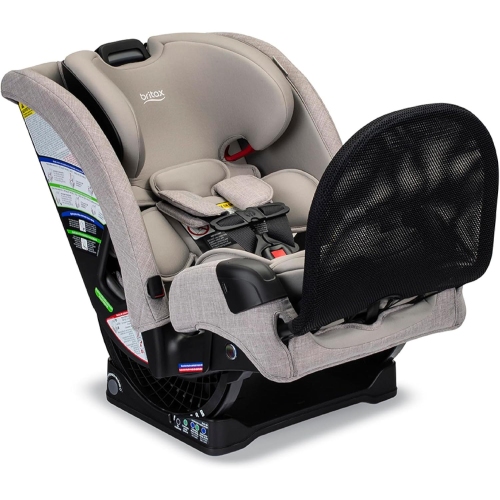
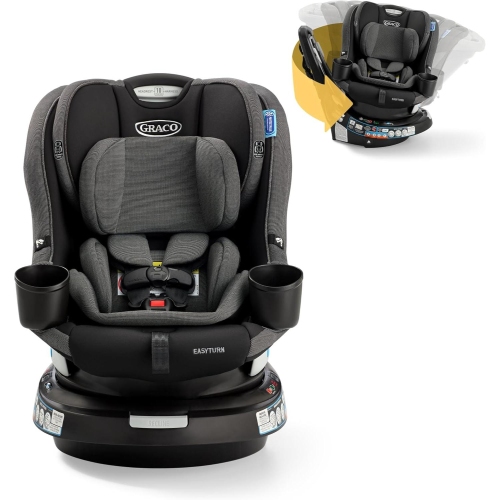
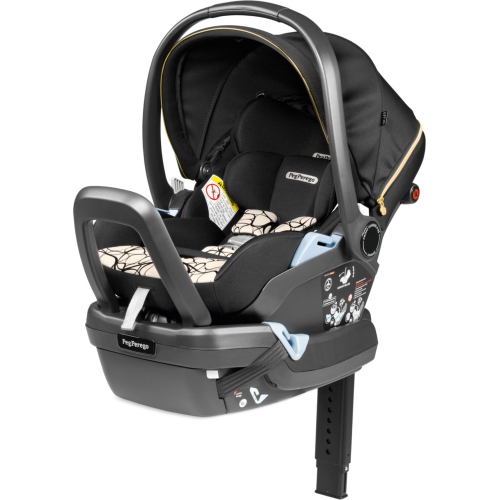
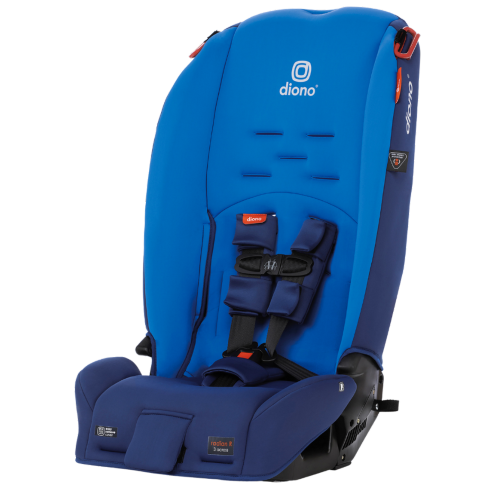
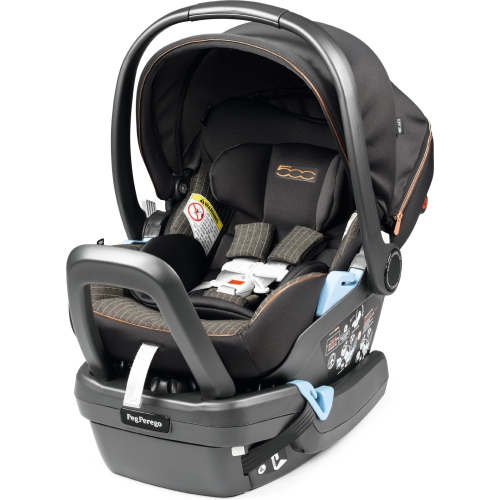
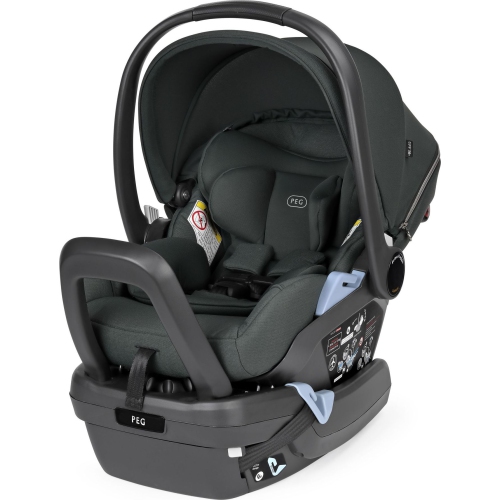
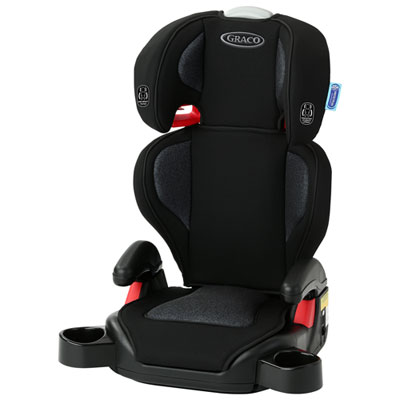
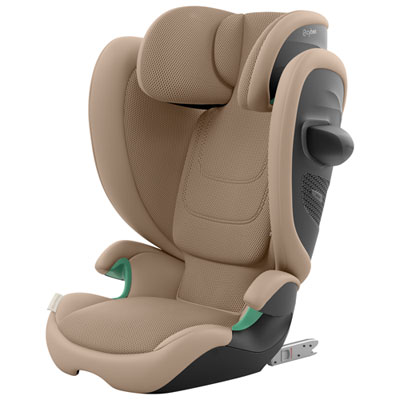

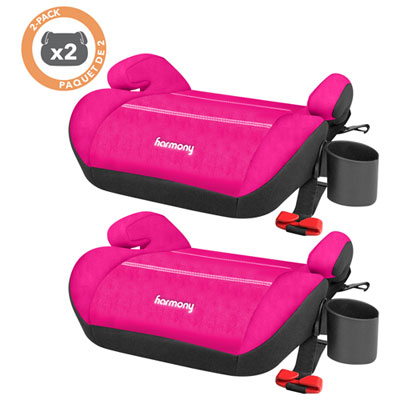
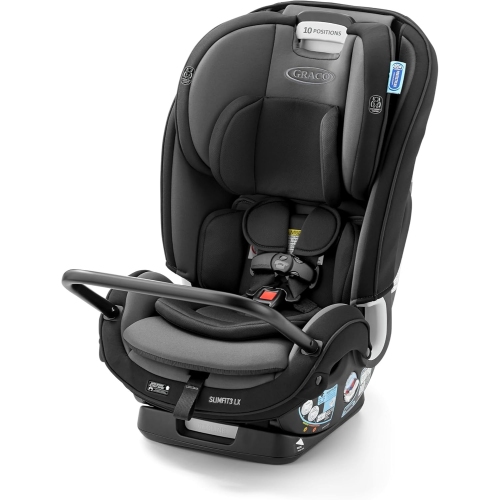

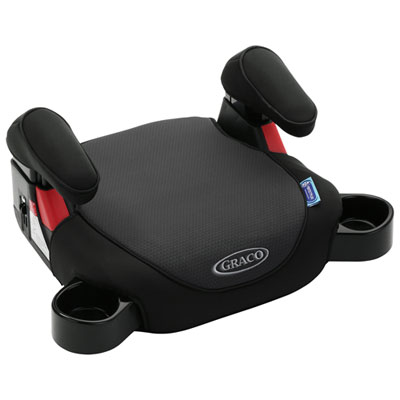

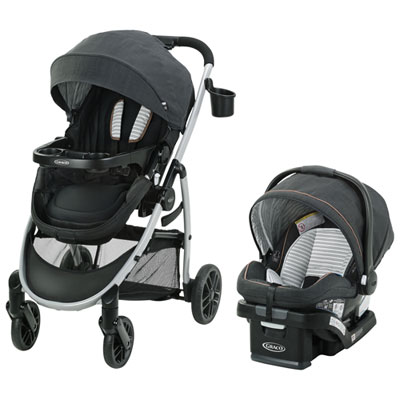
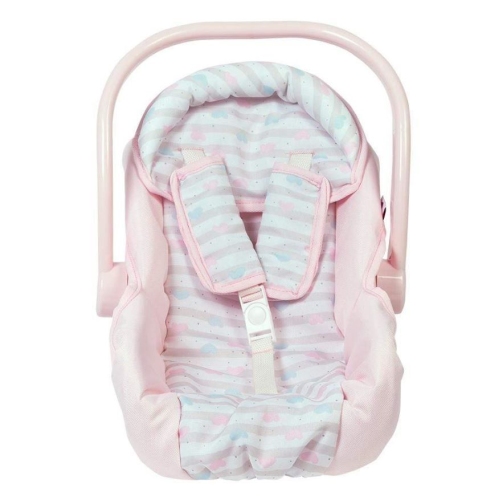
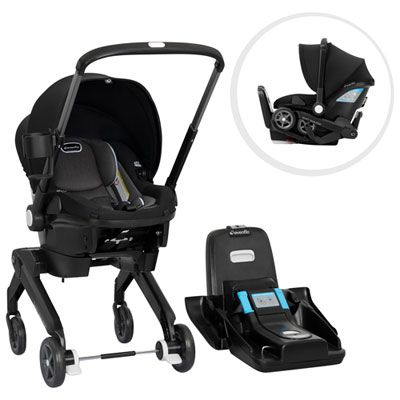
Why rear-facing protection starts with the right fit
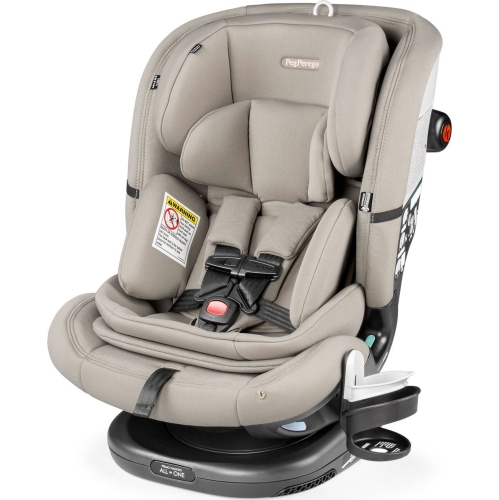
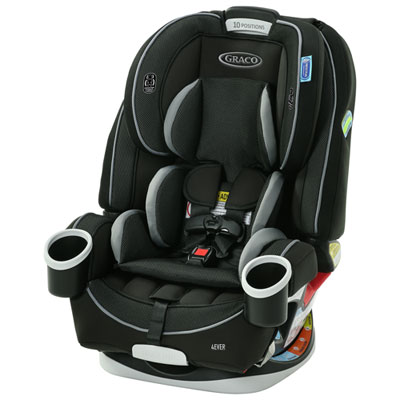
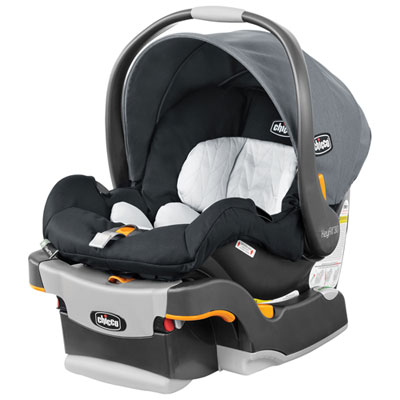
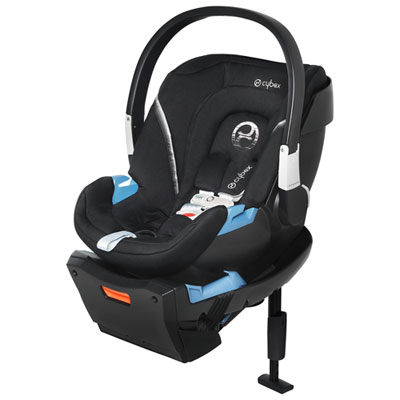
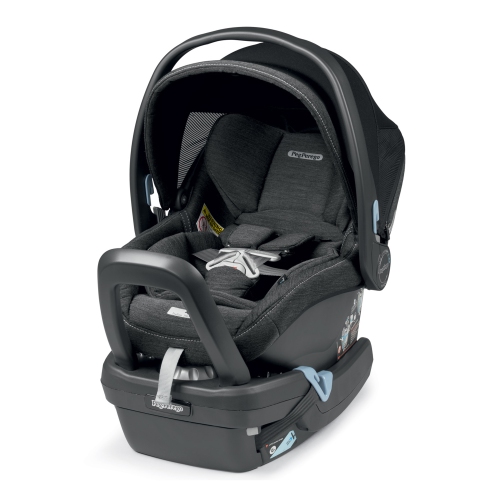
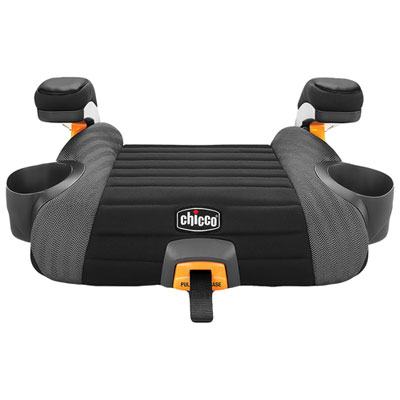
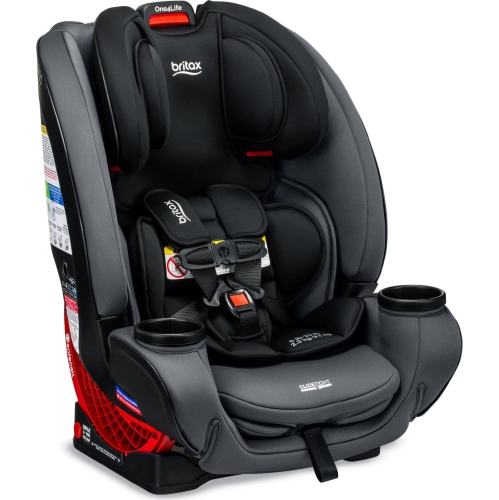
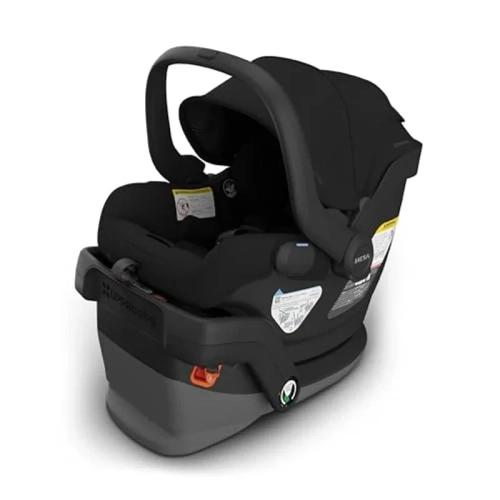
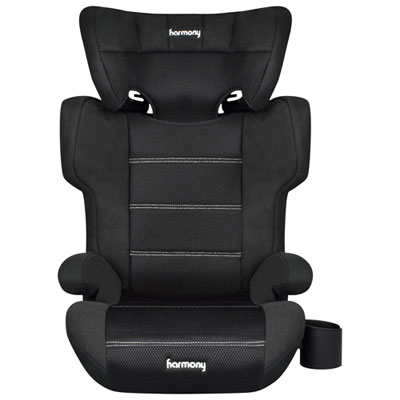
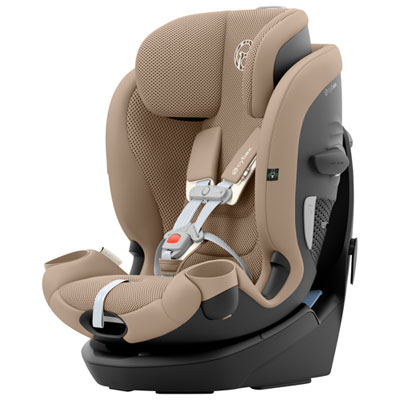
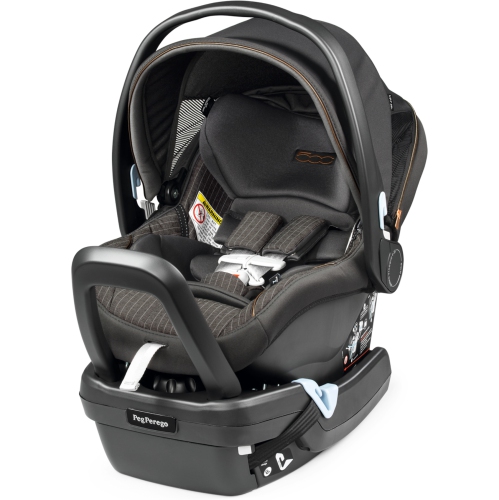
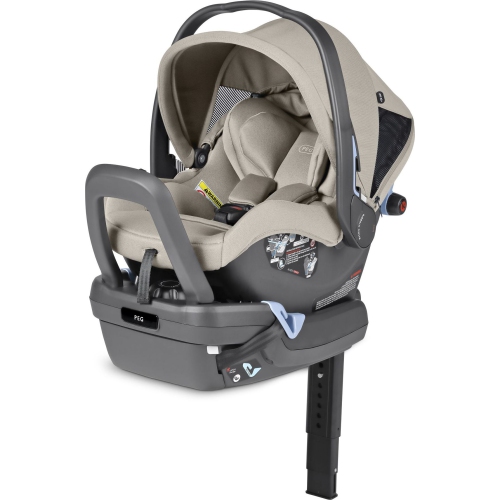
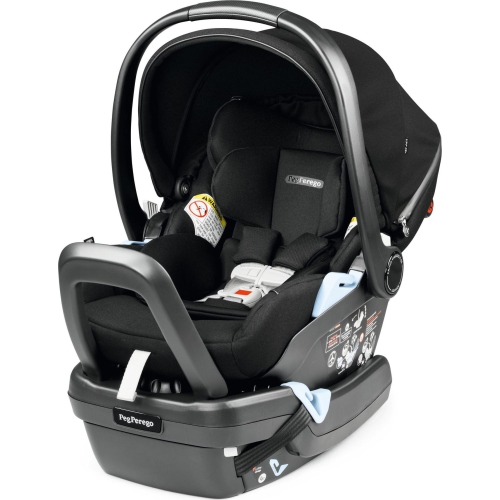
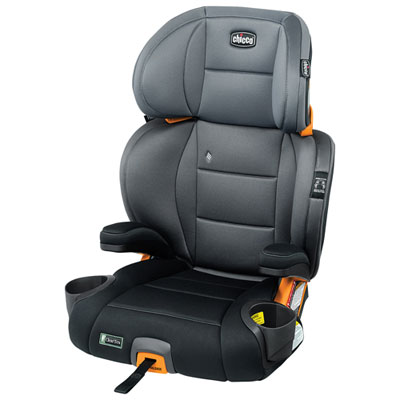
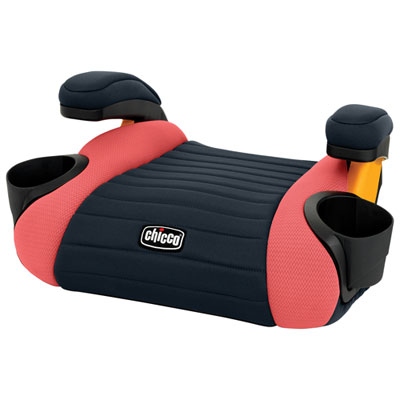
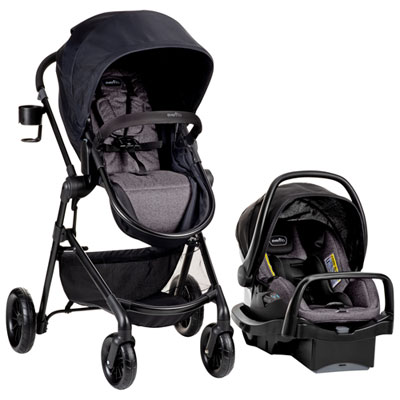
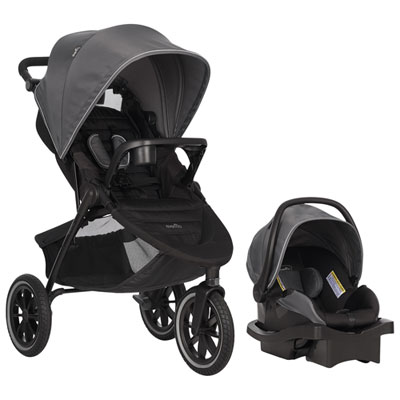
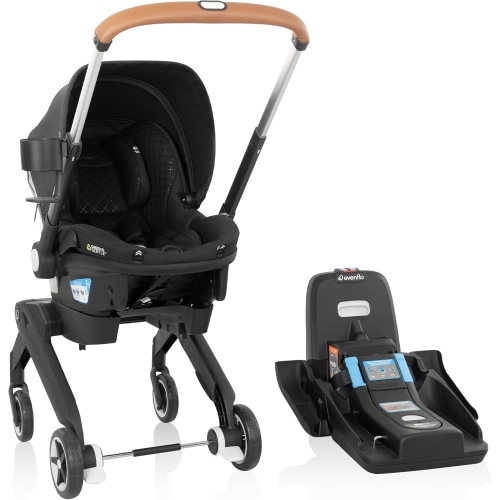
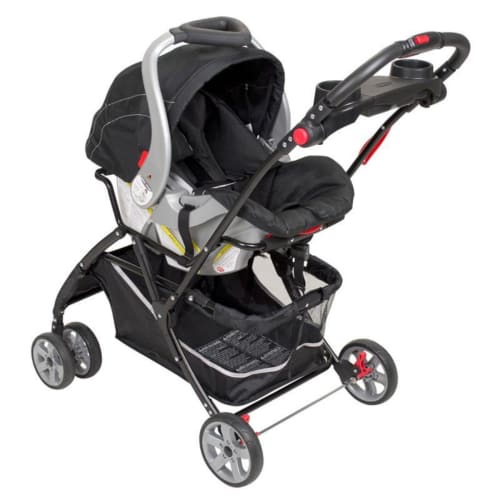
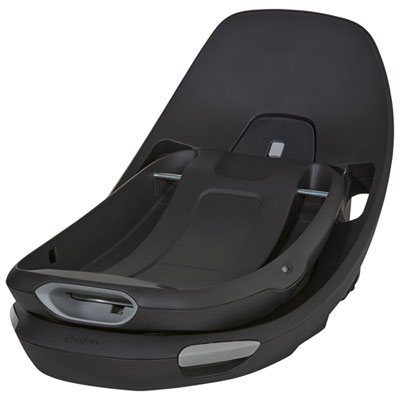
Baby car seats are child restraint systems designed to protect infants and young children during vehicle travel. A rear-facing seat supports a baby’s head, neck, and back while helping distribute crash forces across the body, making it the appropriate starting point for a newborn. The main types include rear-facing-only infant seats, convertible seats that change from rear-facing to forward-facing, and all-in-one seats that can accommodate additional stages as a child grows. For newborns and younger babies, Infant Car Seats typically combine a removable carrier with a base that remains installed in the vehicle. This design can simplify everyday transitions, such as carrying a baby from the car to a medical appointment or moving between vehicles equipped with compatible bases. Some infant carriers also connect to compatible strollers, although the connection must be approved for the particular seat and stroller combination. A convertible car seat generally stays in the vehicle and offers both rear-facing and forward-facing harness modes, so it suits families who prefer a seat that accommodates more than one stage without needing a detachable carrier. Some convertible seats fit newborns, while others have minimum size requirements that make them more appropriate later. All-in-one car seats may extend use into the booster stage, but their suitability for a baby still depends on the minimum weight, height, harness position, and recline requirements. Booster seats are intended for older children who have outgrown their forward-facing harness and are ready to use the vehicle’s seat belt correctly; they are not suitable for babies. Age ranges alone cannot establish whether a seat fits. Each stage has its own limits, and an infant carrier is outgrown when any applicable maximum or fit requirement is reached, even if the child remains within another limit. Keeping a child rear-facing until the seat’s rear-facing limits are reached allows the seat to provide the protection intended for that stage.
The best match depends on both the child and the vehicle, especially when a small baby needs a supported position or the back seat must accommodate siblings. A suitable baby car seat has harness settings that fit the child’s shoulders, an appropriate buckle position, and a recline range that supports the required riding angle. For rear-facing use, harness straps generally sit at or just below the shoulders, with the chest clip at armpit level and the harness snug against the body. Any newborn insert or positioning support should be one specifically approved by the seat manufacturer; extra cushions can change how the restraint fits and performs. Vehicle fit involves more than the width of the seat. A rear-facing shell needs enough front-to-back space at the required recline, while the vehicle and car seat manuals determine whether contact with a front seat is permitted. This becomes particularly noticeable when a tall adult uses the front passenger seat or when several child restraints share the rear bench. Installation options commonly include the vehicle’s seat belt or Universal Anchorage System, often called UAS in Canada. These are alternative installation methods rather than systems to combine unless both manufacturers explicitly permit it, and lower-anchor use has weight limits that may require a change to seat belt installation as a child grows. Recline indicators, accessible belt paths, and built-in tightening features can make a seat easier to position correctly, but they do not replace the instructions. Forward-facing harnessed seats require use of the top tether in Canada, according to the seat and vehicle instructions. Car seats sold for use in Canada must meet Canadian safety standards and display the National Safety Mark; a seat approved for another country is not automatically suitable for Canadian use. Provincial and territorial rules also apply. The rear seat is the appropriate place for children, and children younger than 13 should ride there. Families who want help assessing installation and fit can consult a qualified child passenger safety technician.
Everyday usability also comes from the materials, adjustments, and cleaning requirements that surround the seat’s protective structure. Baby car seats commonly use a rigid shell, energy-absorbing materials, a harness, and a padded fabric cover, with upholstery textures and colours that vary by design. Soft fabric can make contact surfaces more comfortable, while accessible harness adjusters and clearly marked settings can make repeated buckling less awkward. For a parent lifting an infant carrier several times a day, the carrier’s weight and handle shape matter alongside its dimensions. For a seat that stays in the car, easily reached adjustment controls may be more useful than portability. Removable covers can help with milk spills and other everyday messes, but care requirements differ: some covers allow machine washing, while others require hand washing or spot cleaning. Harness webbing, buckles, foam, and plastic parts often have separate cleaning restrictions, so bleach, harsh cleaners, soaking, or machine washing should never be assumed safe for those components. Covers and padding need to be replaced correctly after cleaning so they do not interfere with the harness or belt path. Durable materials are useful, but a car seat still has a manufacturer-defined service life. Its expiry information, recall status, and collision history matter more than whether the fabric looks nearly new, and a seat with an unknown history may have damage that is not visible. Keeping the manual and identifying labels intact makes future adjustments, cleaning, and safety checks easier for every caregiver. A baby car seat can be a thoughtful baby shower gift or a practical contribution from grandparents, particularly when the parents’ preferred seat type and vehicle needs are already understood. Households sharing pickups and appointments may value a compatible additional base or a separate correctly installed seat, rather than moving one restraint repeatedly. After arrival, a car seat remains a travel restraint, not a routine sleep space; a sleeping baby should be moved to a firm, flat, approved sleep surface when the journey is over. Thoughtful fit, manageable care, and features that suit the family’s daily routine make the seat easier to use consistently as the baby grows.
Top selling and popular products
-
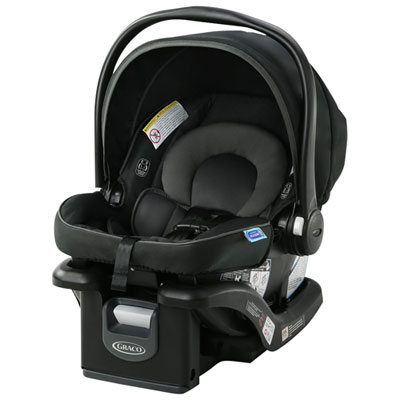 Your price for this item is $199.99
-
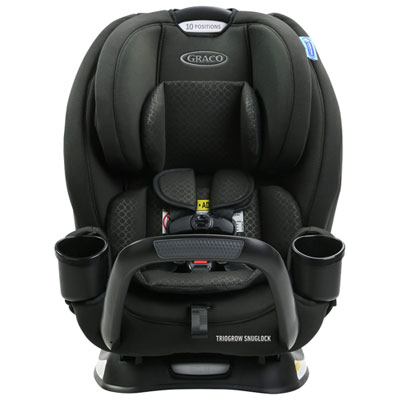 Your price for this item is $329.99
-
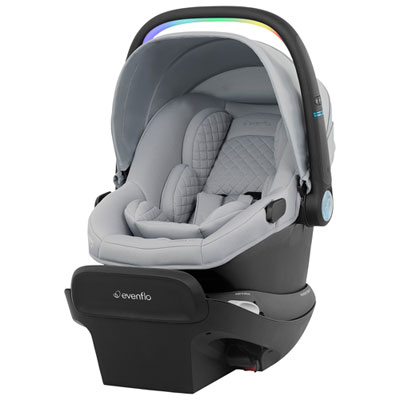 Your price for this item is $549.98
-
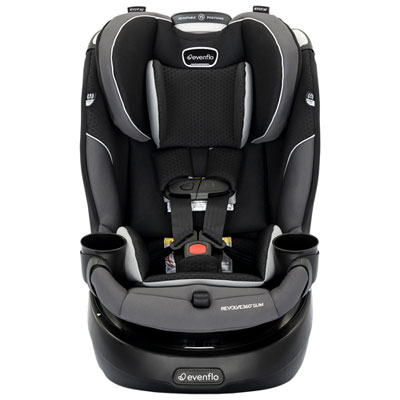 Your price for this item is $449.99
-
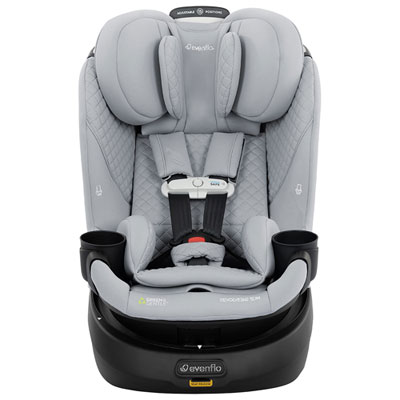 Your price for this item is $749.99
-
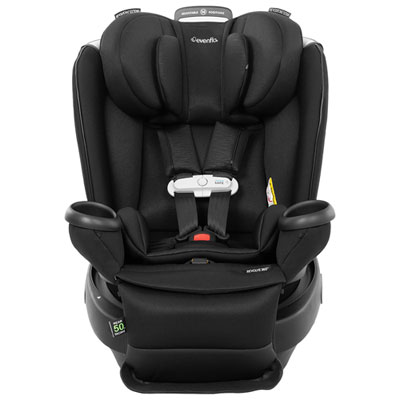 Your price for this item is $799.99
-
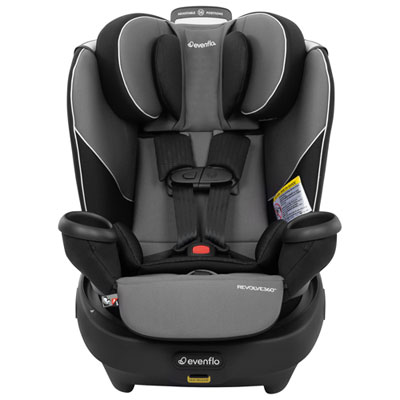 Your price for this item is $399.99
-
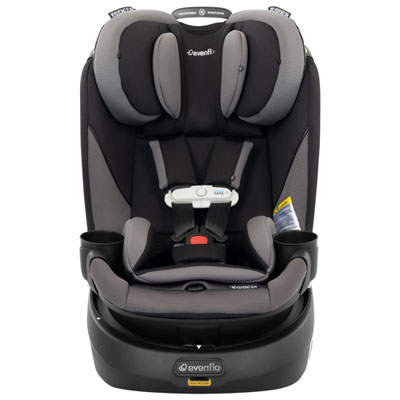 Your price for this item is $749.99
Discover more categories related to Baby Carseat
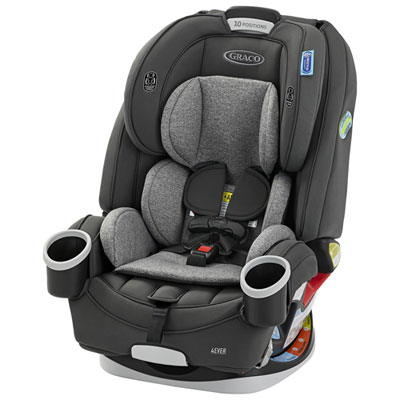
Top Collections:
Best Black Friday Deals This Year, Best Black Friday Deals On Electronics, Kindle Devices, Pokemon Centers, Best Black Friday Deals On Apple Products, Best Cameras for Sports Photography, Dyson Airwrap, Pokémon 30th Celebration Cards, Apple iPhone 17 Pro, Canon G7X Cameras
Some products may be subject to Environmental Handling Fees
(EHF) depending on your province.
Learn more about EHFs.