Convertible Car Seats for Newborn
Finding the perfect convertible car seat for your newborn is an essential step in ensuring their safety and comfort during every journey. At Best Buy Canada, we offer a wide selection of top-quality convertible car seats designed to grow with your child from infancy through toddlerhood. Our collection features innovative designs that prioritize both security and convenience, making it easier for you to travel with peace of mind. Explore our range and discover the ideal convertible car seat for newborns that fits seamlessly into your lifestyle, providing the ultimate protection and support for your little one.
Sort
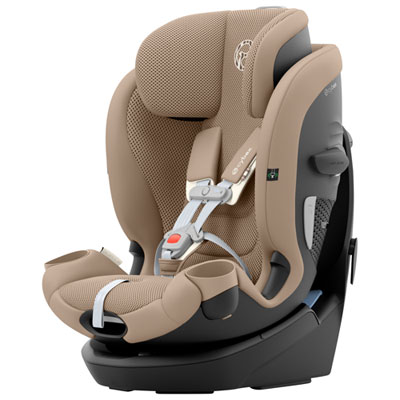
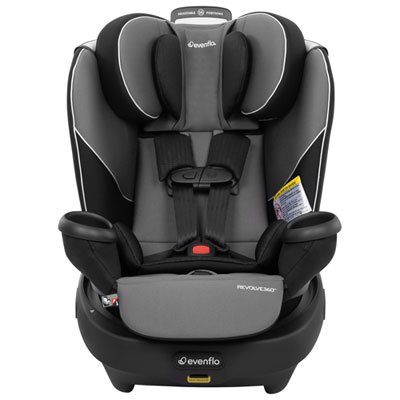
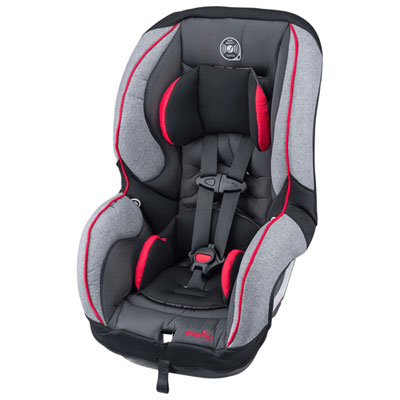
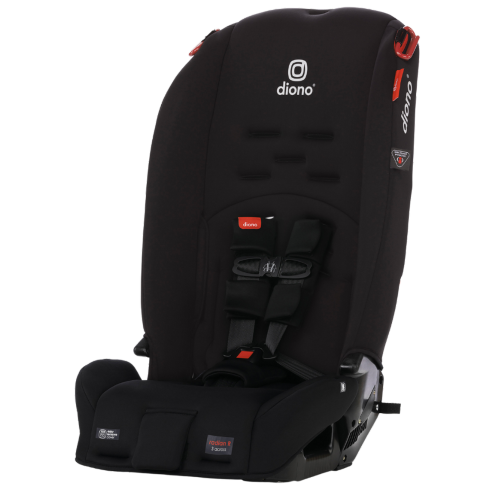
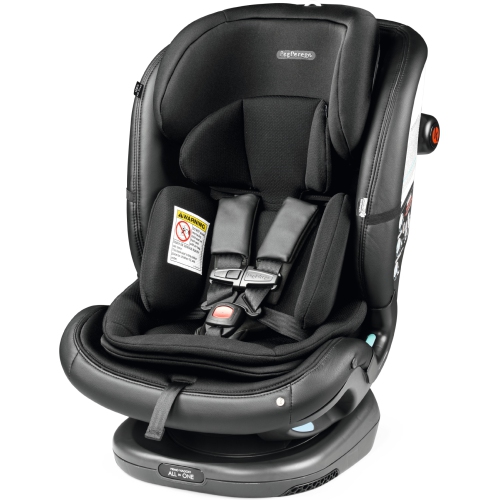
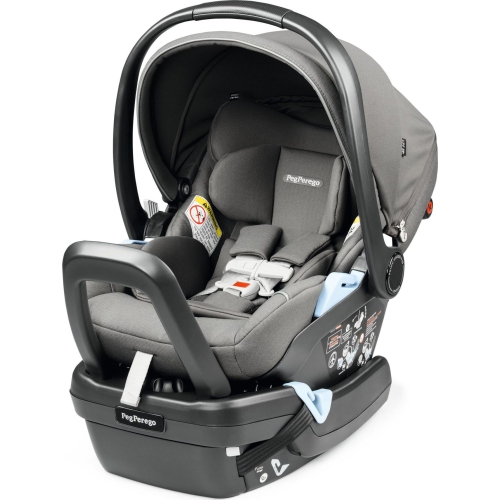
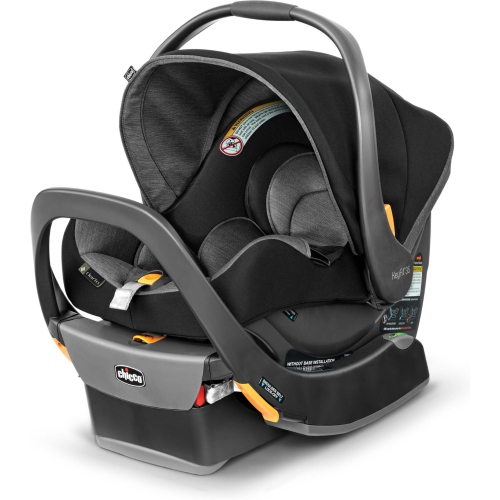
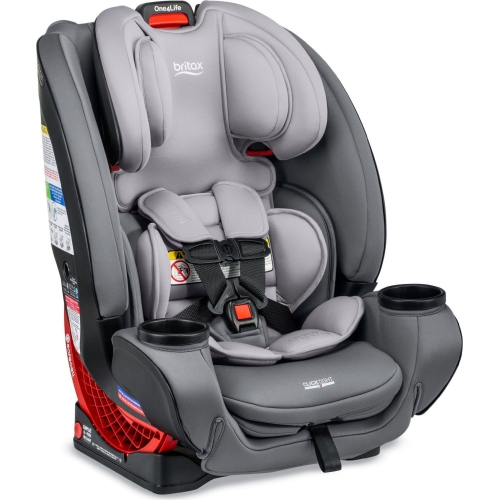
What to know about fit, installation, and newborn safety
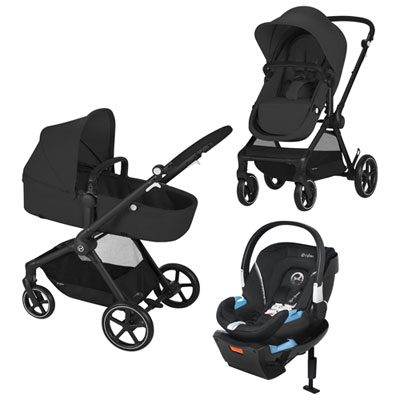
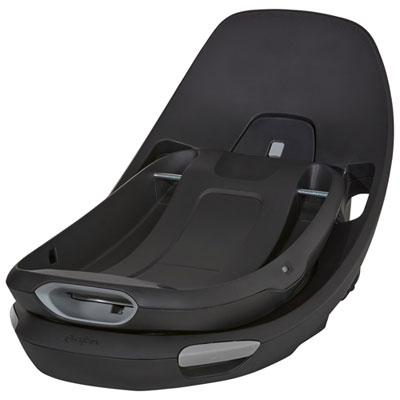
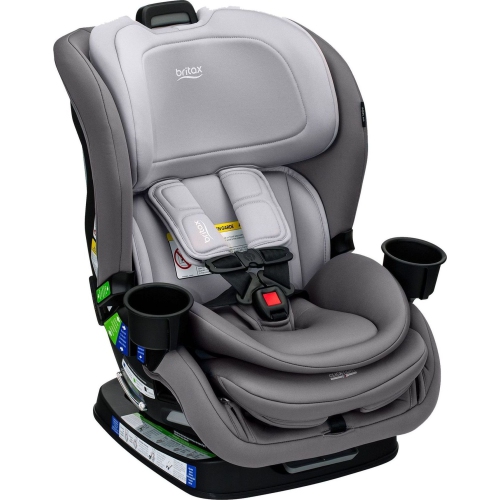
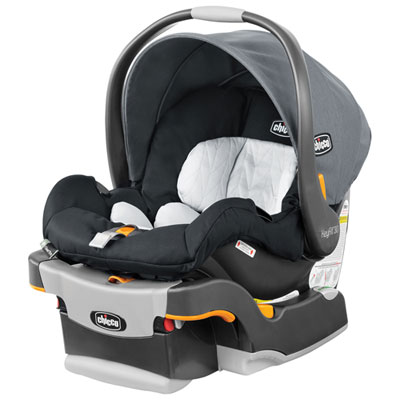
Convertible car seats for newborns are designed to keep a baby rear-facing from the first ride home and continue serving the family as the child grows. Unlike an infant car seat with a carrying handle, a convertible seat stays installed in the vehicle, so it is not intended to be lifted out and attached to a stroller after every trip. That difference can make a convertible seat a practical choice for families who prefer to purchase one seat for longer-term use, have more than one vehicle, or expect to move their newborn in and out of the car only at their destination. It can also be a thoughtful gift for new parents when the seat’s fit, features, and vehicle compatibility are carefully considered. Before choosing one, confirm the manufacturer’s minimum weight and height requirements, since some seats begin at 4 or 5 lb while others may require a larger newborn. A small baby needs a secure, properly positioned harness and enough support around the head and body; an infant insert should be used only if it is supplied or approved by the seat manufacturer, and additional padding or aftermarket accessories should not be added. For more options intended for early use, browse Car Seats for Newborn. The seat should be installed in a rear-facing position using the vehicle seat belt or lower anchors according to the instructions, never both unless the manufacturer specifically permits that combination. Read both the car seat manual and the vehicle owner’s manual, paying close attention to approved seating positions, anchor locations, belt-locking instructions, and any restrictions related to vehicle seats or airbags. A snug harness should lie flat against the baby’s body, with the lowest harness slots at or just below the shoulders when rear-facing. The chest clip, where included, should rest at armpit level, and the harness should pass the pinch test at the shoulders without bulky clothing underneath. During cooler months, dress a newborn in thin layers and place blankets over the secured harness rather than between the baby and the straps. Puffy coats and thick bunting can create extra space that is difficult to see, even when the harness appears tight.
A convertible seat for a newborn also needs to provide the correct rear-facing recline for a very young baby. Follow the manufacturer’s angle indicators and adjustment instructions rather than relying on how the seat looks in the vehicle; many newborn setups require a deeply reclined position, often close to 45 degrees, to help keep the baby’s head from tipping forward. A forward-slumping head can interfere with a newborn’s airway, so check the angle on level ground and recheck it after installation, especially if the vehicle seat is strongly contoured. The harness should remain below the baby’s shoulders while rear-facing, and the seat should not move more than 2.5 cm from side to side or front to back at the belt path after it has been tightened. Parents may find it helpful to install the seat before the due date, practise adjusting the harness with one hand, and arrange an inspection through an appropriate child passenger safety service where available. A convertible seat can be particularly convenient for a family using a spacious SUV, a compact car, or a second vehicle, but the same seat may fit very differently depending on the vehicle’s seat shape, front-seat position, and available legroom. In a smaller vehicle, measure the space and check whether the required rear-facing recline allows the front passenger to sit comfortably; in a larger vehicle, make sure the seat is not placed in a position that prevents another passenger from buckling safely. As a baby grows, the harness height, recline setting, and rear-facing limits need to be adjusted in line with the manual. Keeping a simple reminder on a phone or calendar can make it easier to review the fit after growth spurts, when changing vehicles, or when the seat is cleaned and reinstalled. Avoid using a seat that has been involved in a collision, has missing parts, shows damage, has expired according to its label or manual, or comes without a reliable history. During the first rides home, a properly installed seat, a carefully adjusted harness, and a calm final check can make those early drives feel more manageable, whether the destination is a medical appointment, a grandparent’s home, or an ordinary trip for groceries.
A convertible seat for a newborn also needs to provide the correct rear-facing recline for a very young baby. Follow the manufacturer’s angle indicators and adjustment instructions rather than relying on how the seat looks in the vehicle; many newborn setups require a deeply reclined position, often close to 45 degrees, to help keep the baby’s head from tipping forward. A forward-slumping head can interfere with a newborn’s airway, so check the angle on level ground and recheck it after installation, especially if the vehicle seat is strongly contoured. The harness should remain below the baby’s shoulders while rear-facing, and the seat should not move more than 2.5 cm from side to side or front to back at the belt path after it has been tightened. Parents may find it helpful to install the seat before the due date, practise adjusting the harness with one hand, and arrange an inspection through an appropriate child passenger safety service where available. A convertible seat can be particularly convenient for a family using a spacious SUV, a compact car, or a second vehicle, but the same seat may fit very differently depending on the vehicle’s seat shape, front-seat position, and available legroom. In a smaller vehicle, measure the space and check whether the required rear-facing recline allows the front passenger to sit comfortably; in a larger vehicle, make sure the seat is not placed in a position that prevents another passenger from buckling safely. As a baby grows, the harness height, recline setting, and rear-facing limits need to be adjusted in line with the manual. Keeping a simple reminder on a phone or calendar can make it easier to review the fit after growth spurts, when changing vehicles, or when the seat is cleaned and reinstalled. Avoid using a seat that has been involved in a collision, has missing parts, shows damage, has expired according to its label or manual, or comes without a reliable history. During the first rides home, a properly installed seat, a carefully adjusted harness, and a calm final check can make those early drives feel more manageable, whether the destination is a medical appointment, a grandparent’s home, or an ordinary trip for groceries.
Top selling and popular products
-
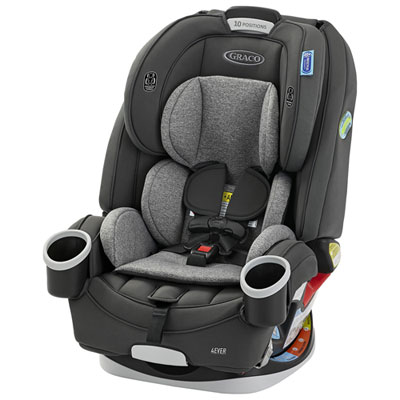 Your price for this item is $539.99
 -
 Your price for this item is $509.99
 -
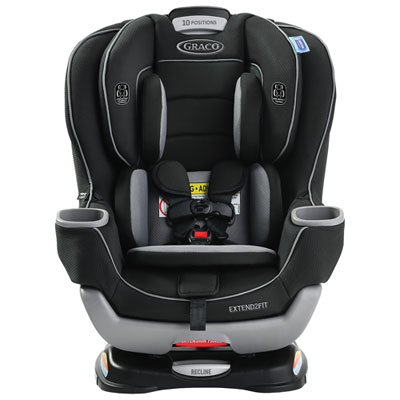 Your price for this item is $299.99
 -
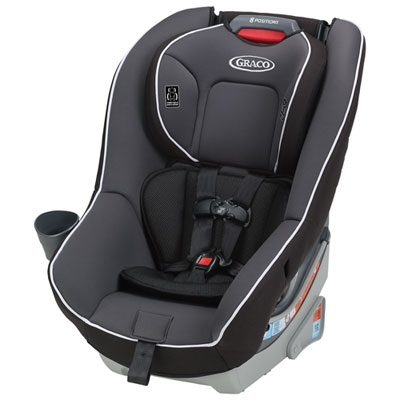 Your price for this item is $359.99
 -
 Your price for this item is $459.99
 -
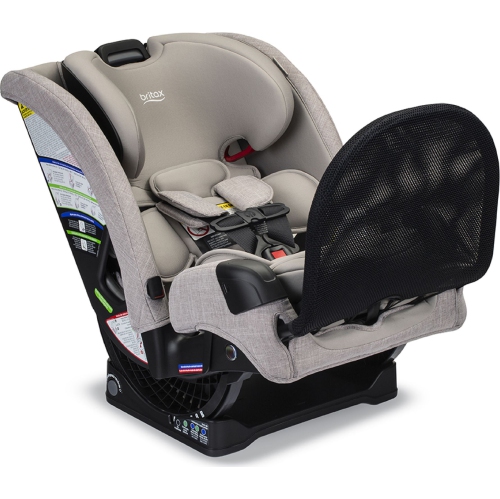 Your price for this item is $729.95
 -
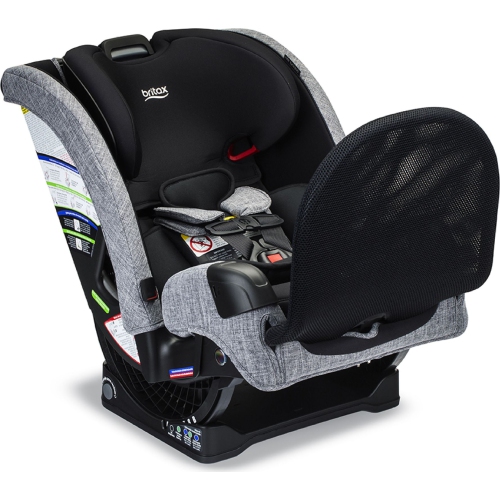 Your price for this item is $729.99
 -
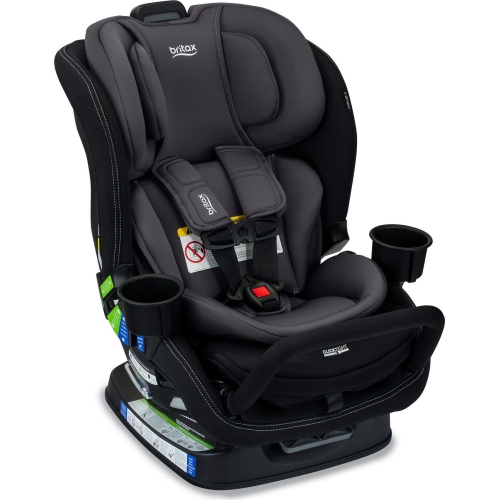 Your price for this item is $549.99
Discover more categories related to Convertible Car Seats for Newborn
Top Collections:
Pokemon Centers, Kindle Devices, Best Budget Office Chairs, Apple iPhones 16, Best Laptops for Writers, iPhone 15 Apple, Canon G7X Cameras, Refurbished Apple Laptops, Alarm Clock, Motorola Razr Phones
Some products may be subject to Environmental Handling Fees
(EHF) depending on your province.
Learn more about EHFs.